

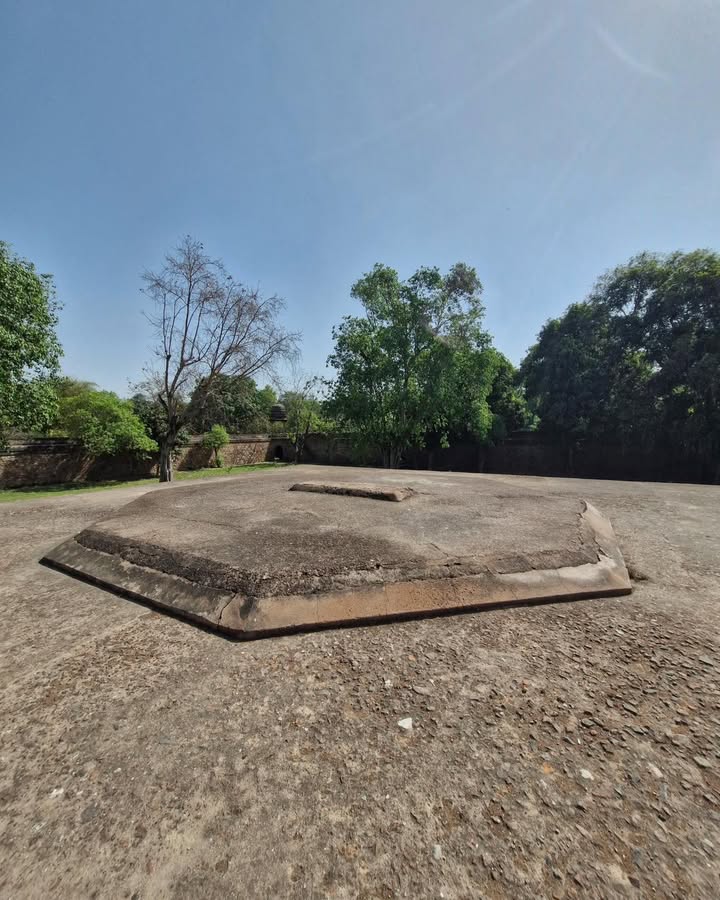
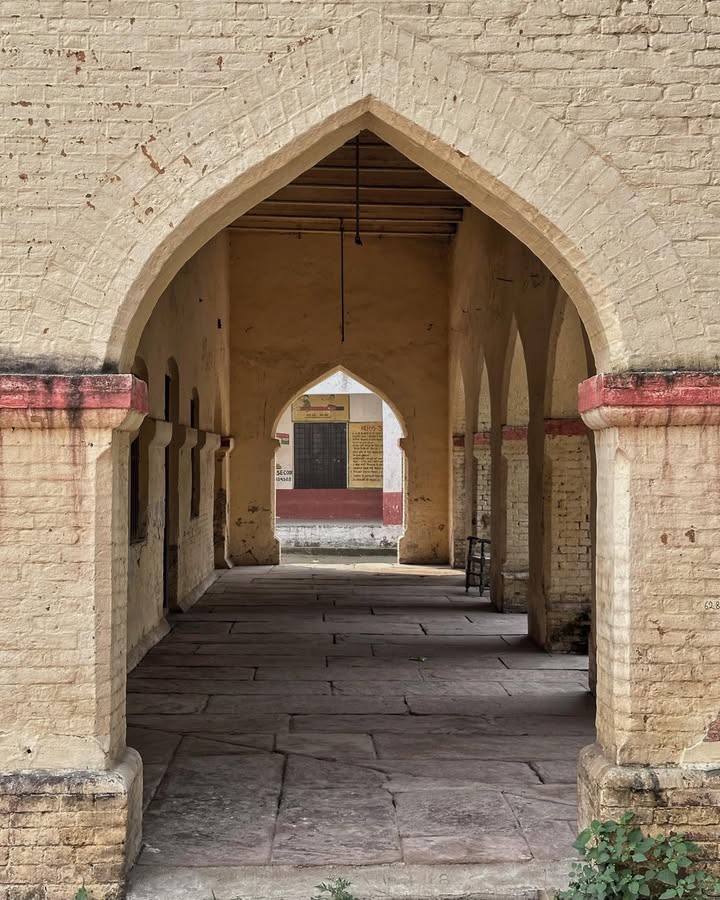
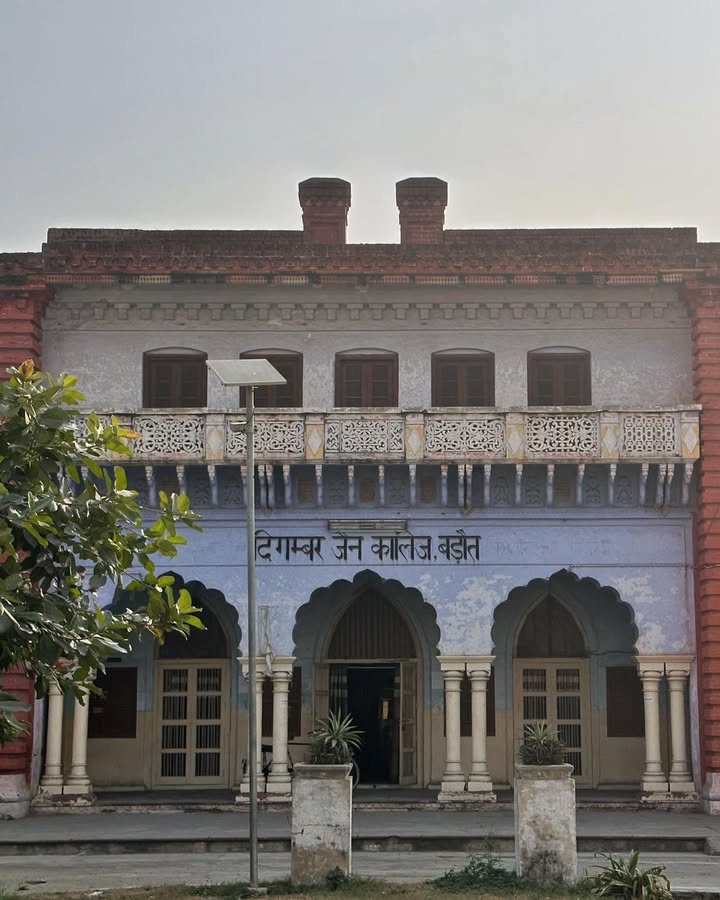
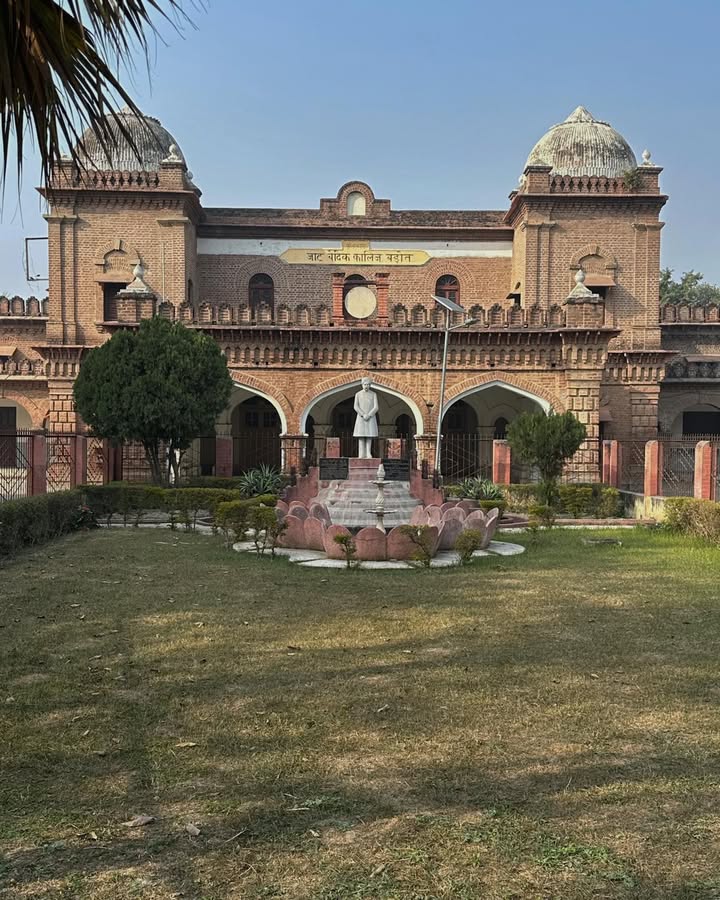












𝓑𝓪𝓻𝓪 𝓖𝓾𝓶𝓫𝓪𝓭, 𝓛𝓸𝓭𝓱𝓲 𝓖𝓪𝓻𝓭𝓮𝓷𝓼, 𝓓𝓮𝓵𝓱𝓲.
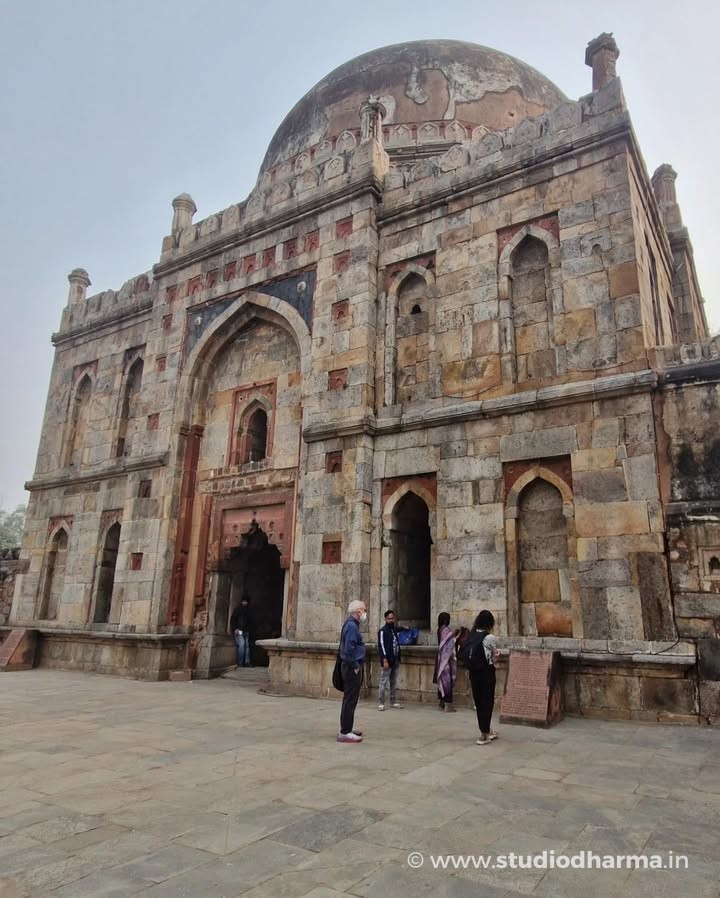
𝓑𝓪𝓻𝓪 𝓖𝓾𝓶𝓫𝓪𝓭, 𝓛𝓸𝓭𝓱𝓲 𝓖𝓪𝓻𝓭𝓮𝓷𝓼, 𝓓𝓮𝓵𝓱𝓲.
A Dome That Still Guards Its Secrets
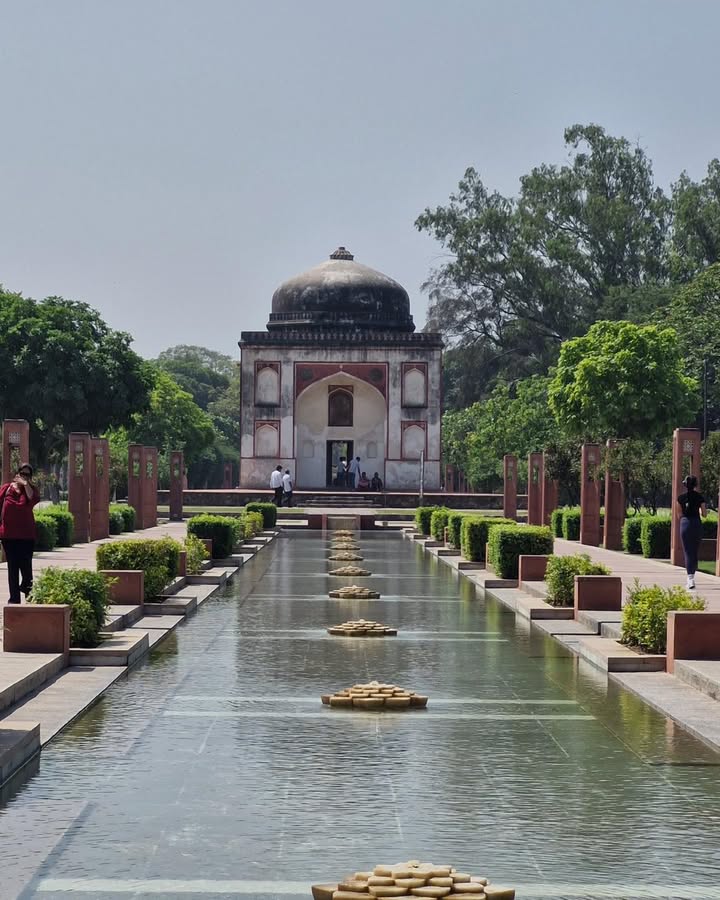
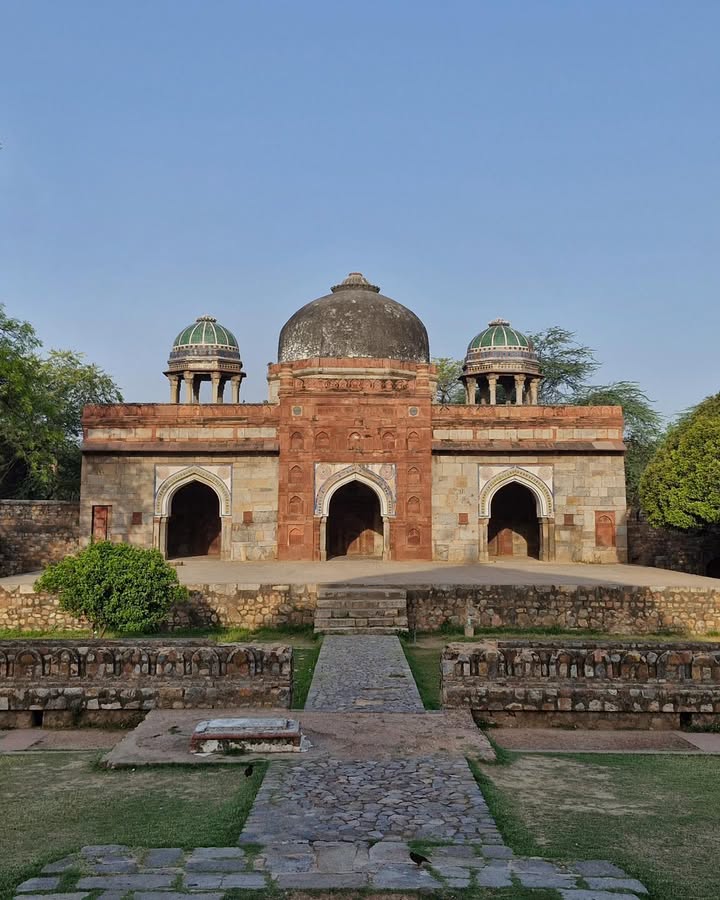
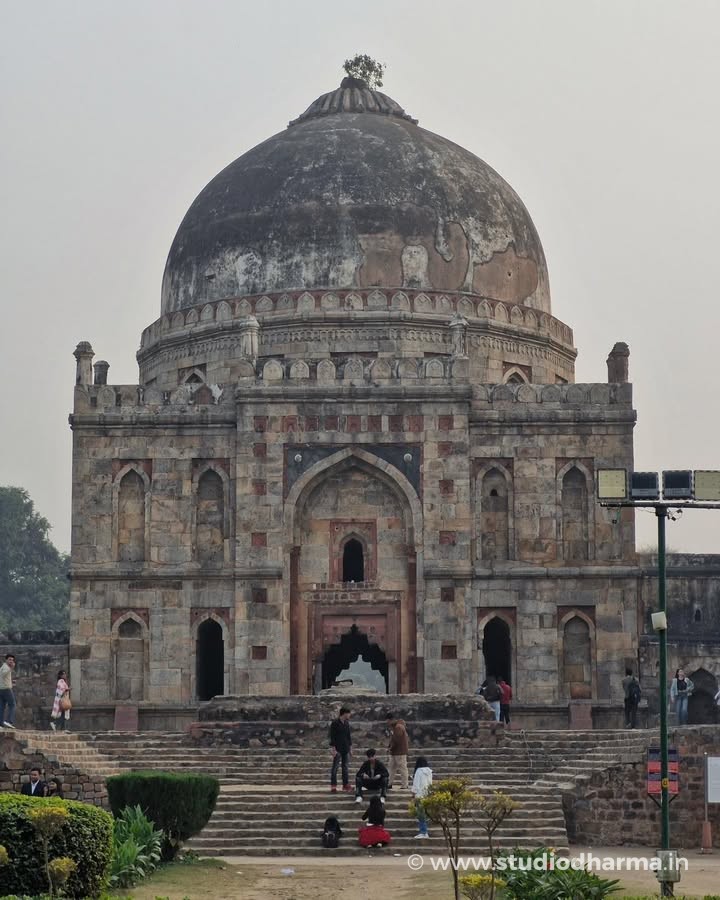
In the quiet greens of Lodhi Gardens stands a monument that speaks softly, yet carries the weight of a turning point in Delhi’s architectural history. The Bara Gumbad, built around 1490 CE during the Lodhi period, rises not as a confirmed tomb, but as a question carved in stone.
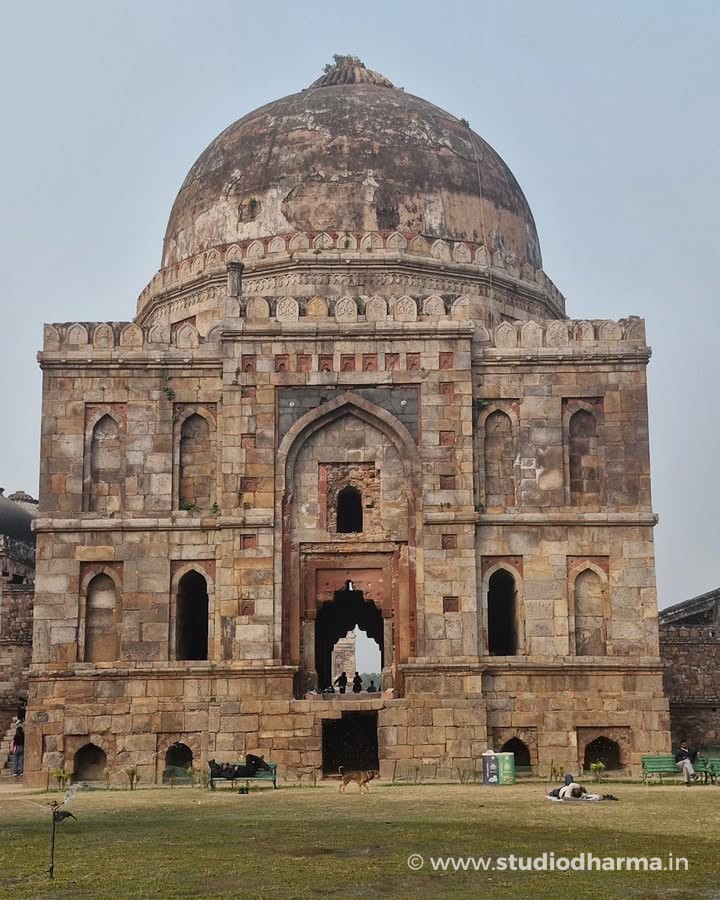
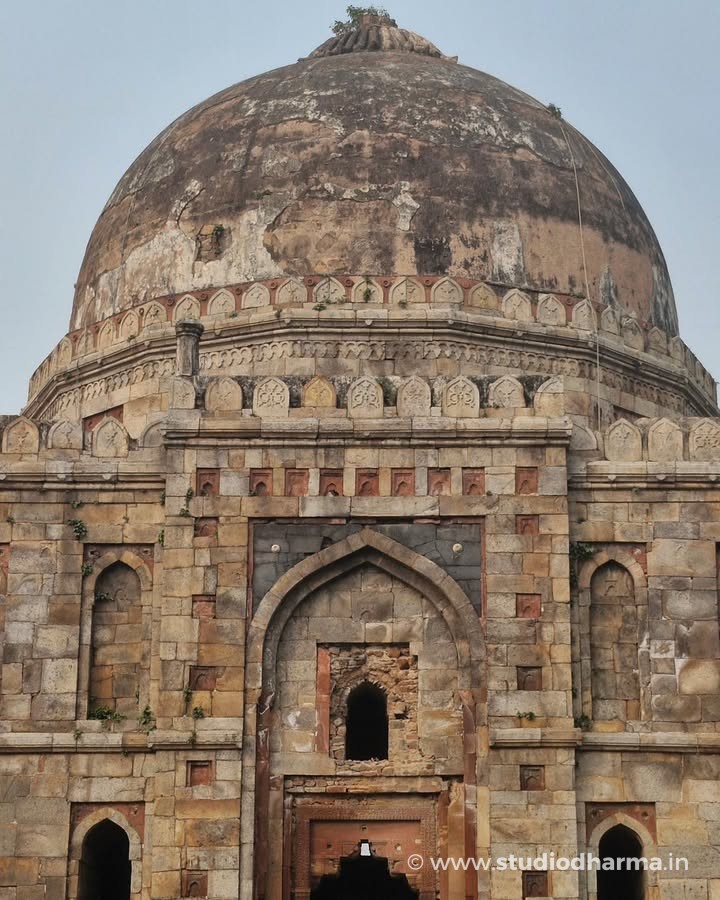
Attributed to the reign of Sikandar Lodhi, the structure is widely regarded as Delhi’s earliest fully developed dome in true architectural proportion. Unlike earlier experimental forms, this dome achieves balance, scale, and permanence—marking a mature phase of Indo-Islamic design in North India.
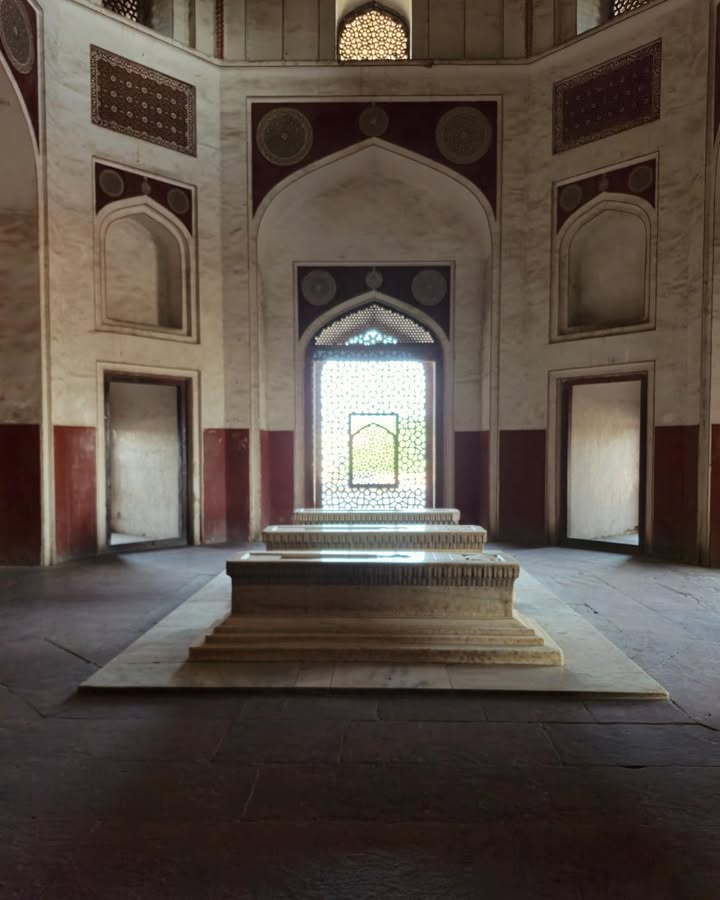
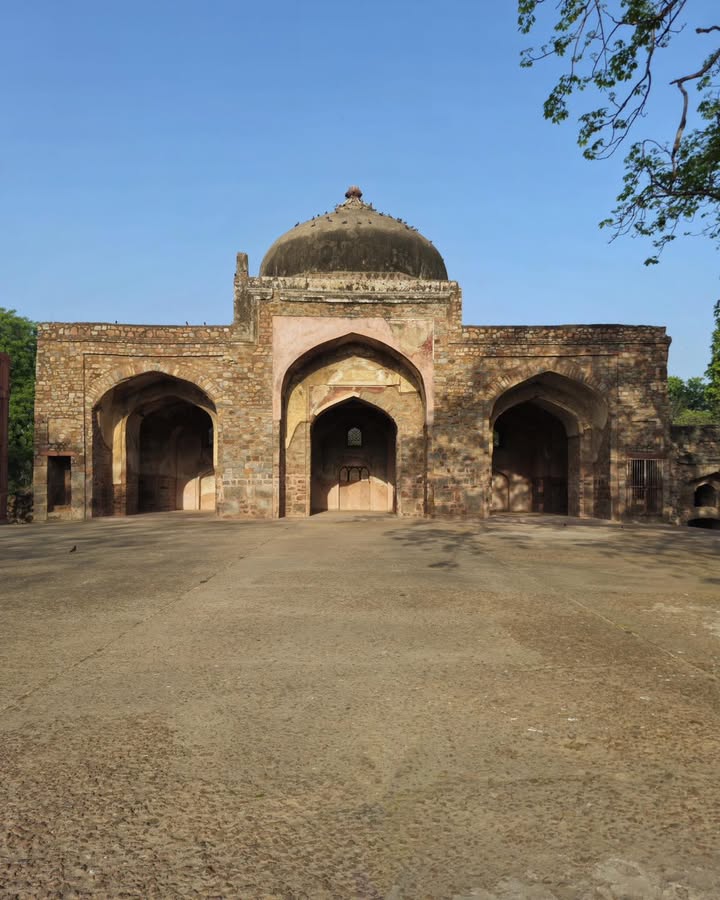
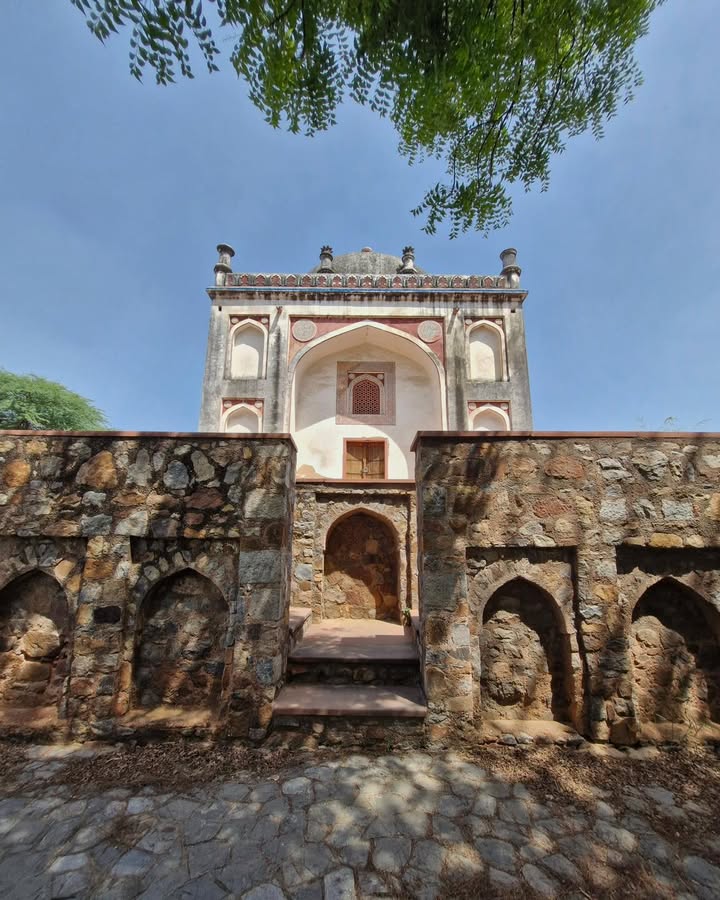
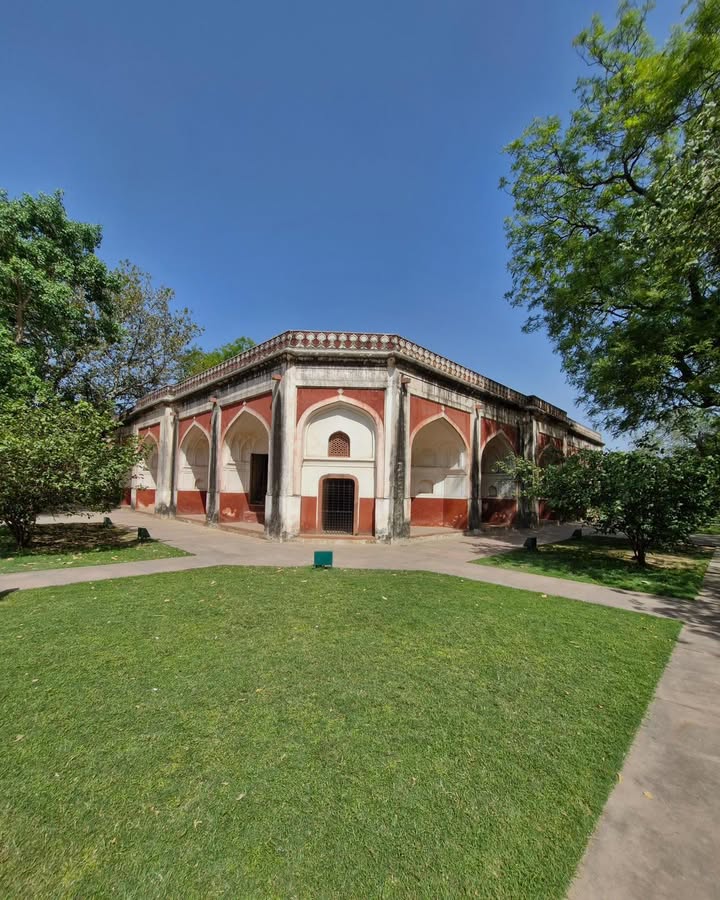
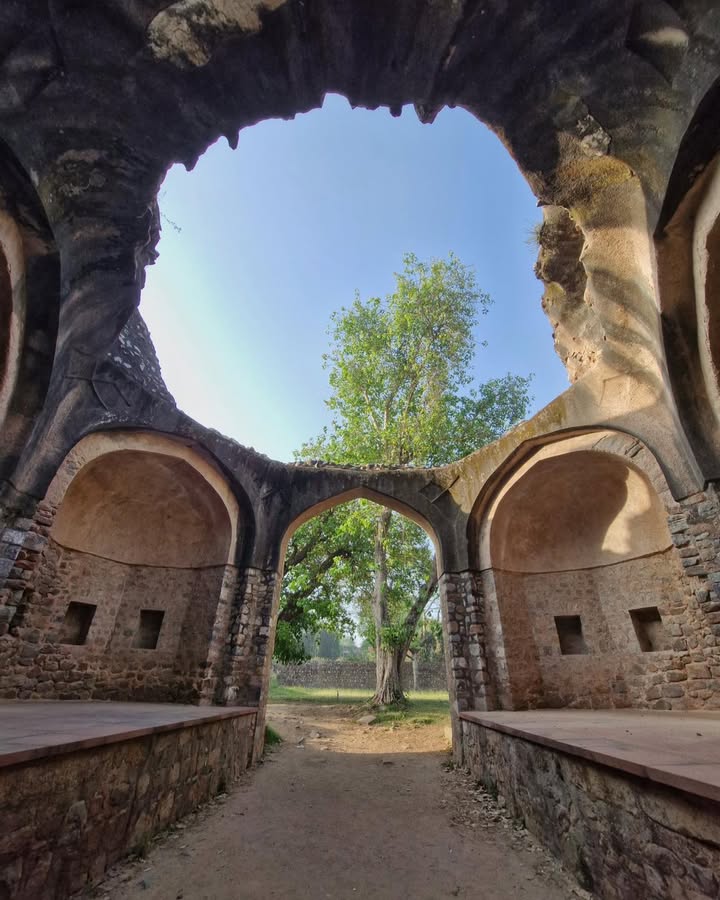
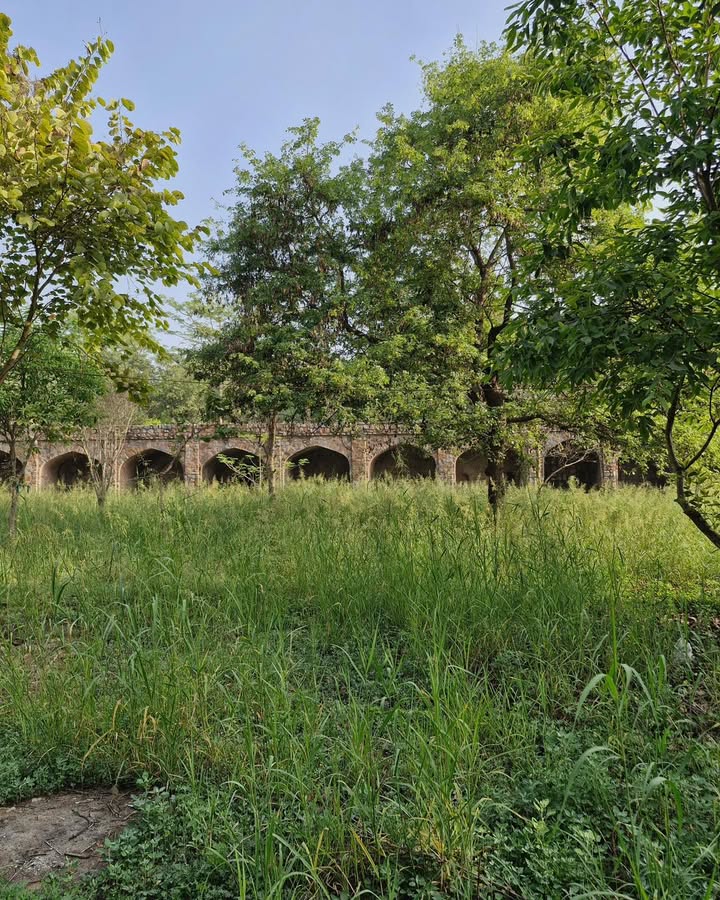
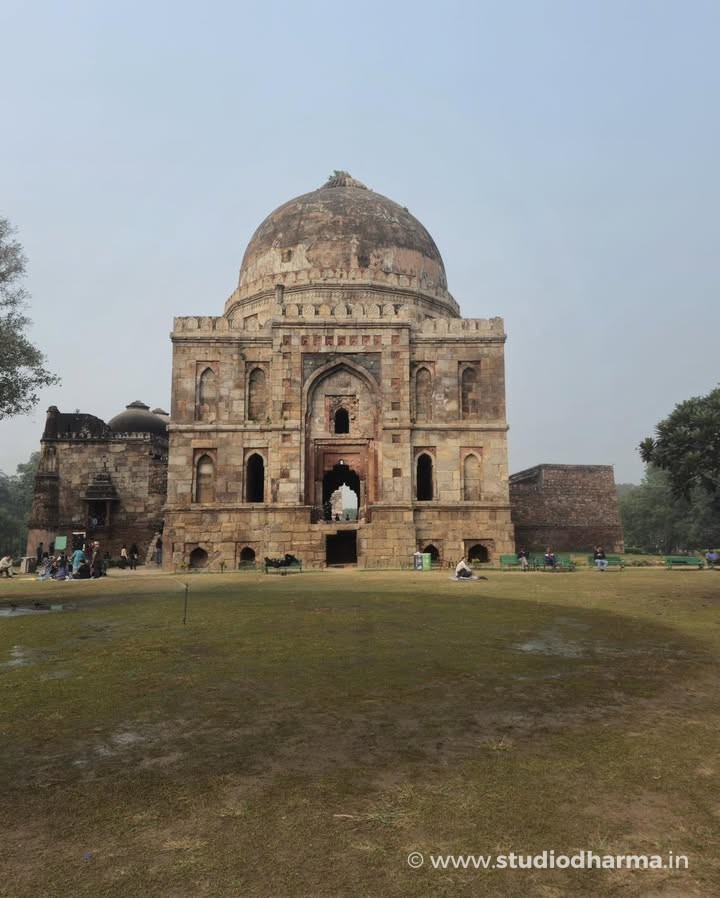
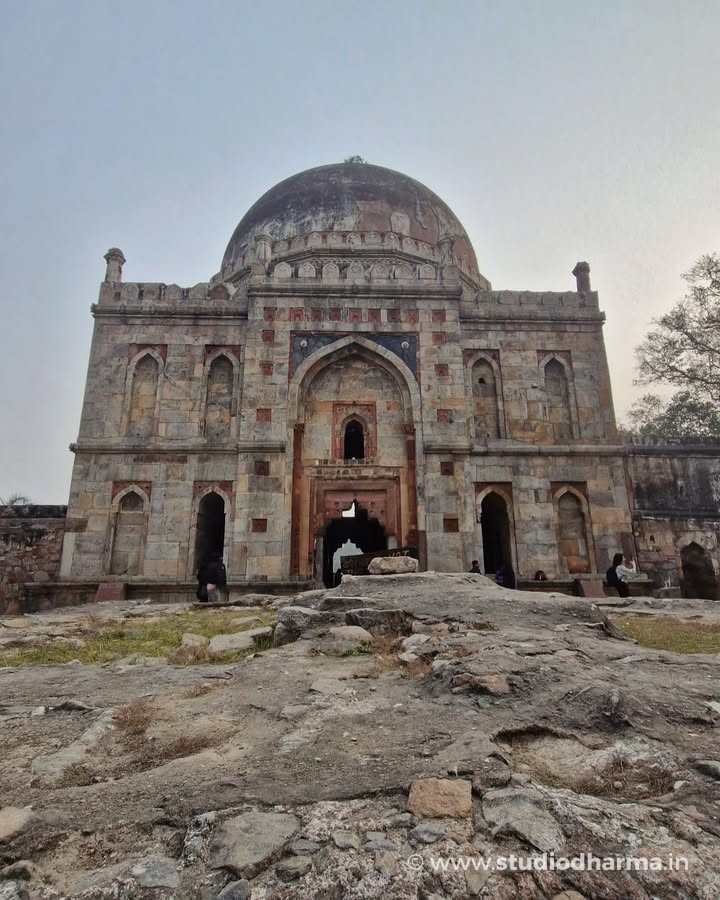
What makes the Bara Gumbad intriguing is not just what it shows, but what it withholds. No grave lies within. No inscription names its patron or purpose. Historians continue to debate whether it was conceived as a monumental gateway to the adjoining mosque, or as a tomb that was never used. Standing on a raised platform, it forms a coherent ensemble with a Jama Masjid and a mehman khana, structures built at different times yet unified in spatial intent.
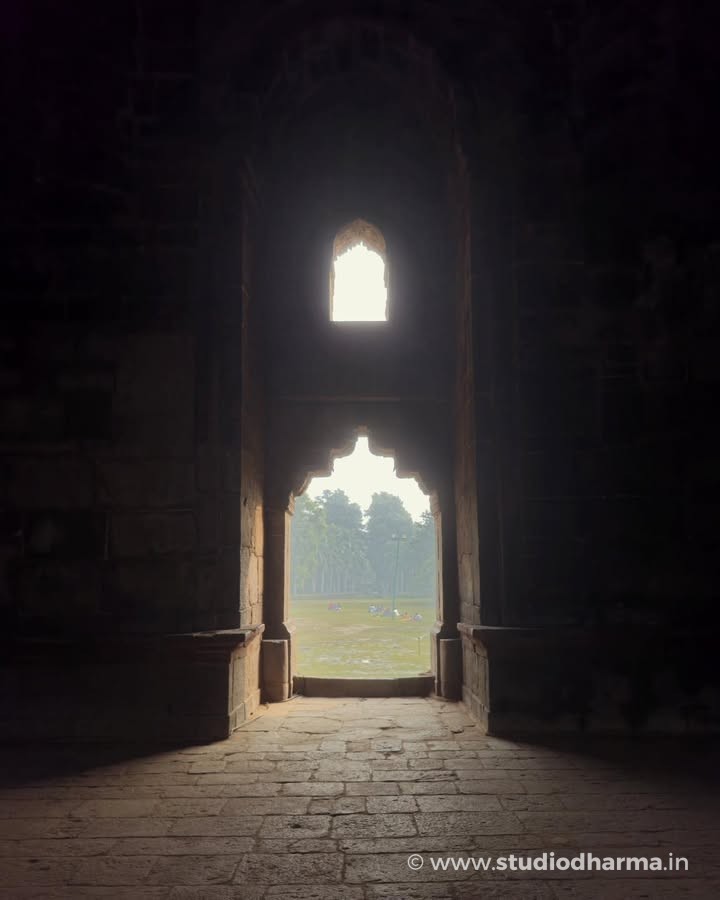
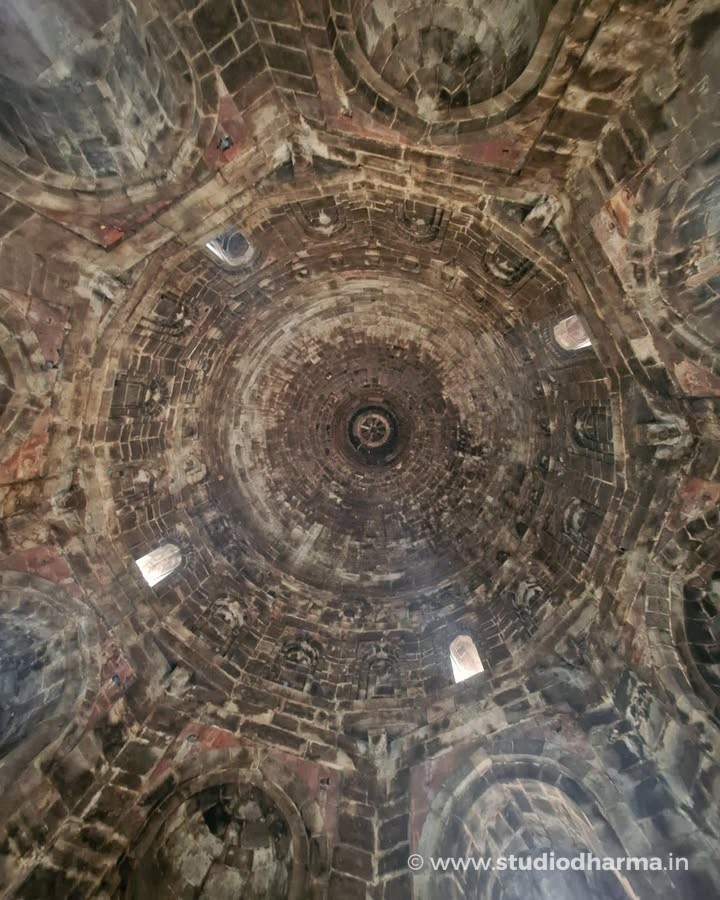
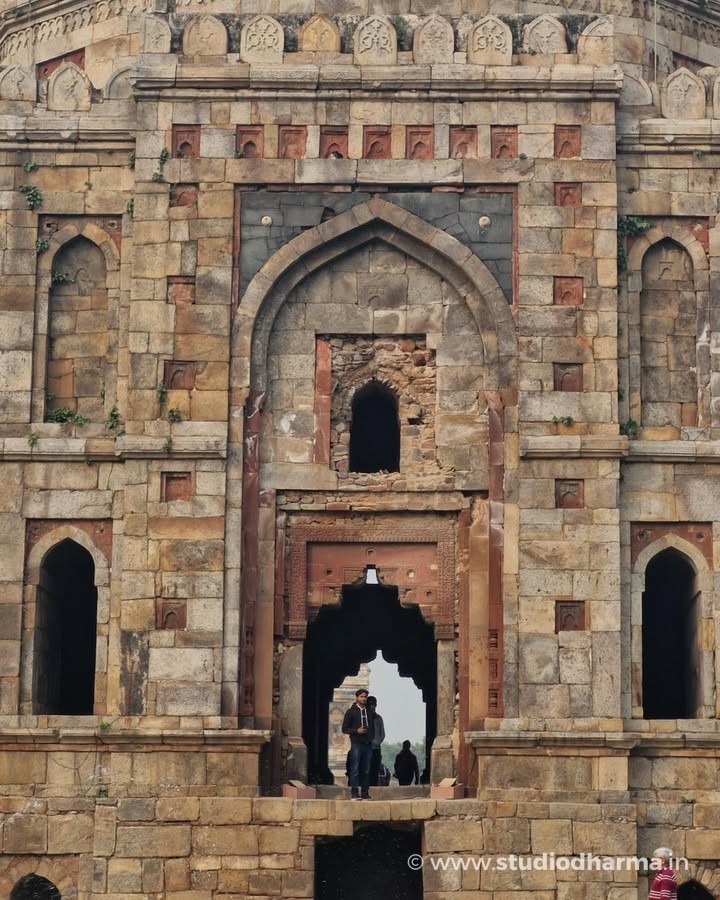
Its façade, crafted in grey quartzite, cleverly creates the illusion of two storeys through blind arches, while inside, traces of plaster ornament hint at a once richly finished interior. Here, Hindu construction techniques and Islamic spatial ideas merge seamlessly, reflecting the cultural synthesis of the late Sultanate era.
Today, amid morning walkers and rustling leaves, the Bara Gumbad remains a silent witness—one of Delhi’s earliest architectural statements that not every monument needs a name to command reverence.
Discover stories like these in ITIHASNAMA, a premium coffee table book by StudioDharma that documents forgotten and surviving heritage through research-backed narratives and original photography.
Purchase link:
बड़ा गुम्बद, लोदी गार्डन, दिल्ली
एक गुम्बद जो आज भी अपने रहस्य संभाले खड़ा है
लोधी गार्डन की हरियाली के बीच खड़ा बारा गुम्बद कोई साधारण स्मारक नहीं है। लगभग 1490 ईस्वी में लोधी काल के दौरान निर्मित यह संरचना न तो निश्चित रूप से मक़बरा कही जा सकती है, न ही मात्र एक प्रवेश द्वार। यही इसकी सबसे बड़ी पहचान है।
इतिहासकार इसे सुल्तान सिकंदर लोदी के समय से जोड़ते हैं और इसे दिल्ली का पहला पूर्ण रूप से विकसित गुम्बद माना जाता है। इससे पहले बने गुम्बद प्रयोगात्मक थे, लेकिन बारा गुम्बद में संतुलन, अनुपात और स्थापत्य परिपक्वता स्पष्ट दिखाई देती है।
इस इमारत के भीतर कोई क़ब्र नहीं है, कोई शिलालेख नहीं जो इसके उद्देश्य को स्पष्ट करे। कुछ विद्वान इसे पास की जामा मस्जिद का भव्य प्रवेश द्वार मानते हैं, तो कुछ इसे ऐसा मक़बरा मानते हैं जो कभी उपयोग में नहीं आया। ऊँचे चबूतरे पर स्थित यह गुम्बद, मस्जिद और मेहमानख़ाने के साथ मिलकर एक ऐसा स्थापत्य समूह बनाता है जो लोधी काल की शहरी सोच को दर्शाता है।
धूसर क्वार्ट्ज़ाइट पत्थर से बना इसका बाहरी स्वरूप नक़ली दो मंज़िलों का आभास देता है, जबकि भीतर कभी महीन पलस्तर और सजावट रही होगी। यह स्मारक हिंदू निर्माण तकनीक और इस्लामी स्थापत्य विचारों के सुंदर समन्वय का उदाहरण है।
आज, बिना नाम और बिना मक़सद घोषित हुए भी, बारा गुम्बद दिल्ली के इतिहास में एक महत्वपूर्ण अध्याय बनकर खड़ा है—एक ऐसा अध्याय जो मौन में भी बहुत कुछ कह जाता है।
ऐसी ही शोध-आधारित और भावपूर्ण विरासत कथाएँ ITIHASNAMA में संकलित हैं — StudioDharma की एक विशेष कॉफी टेबल बुक।
खरीदने के लिए लिंक: