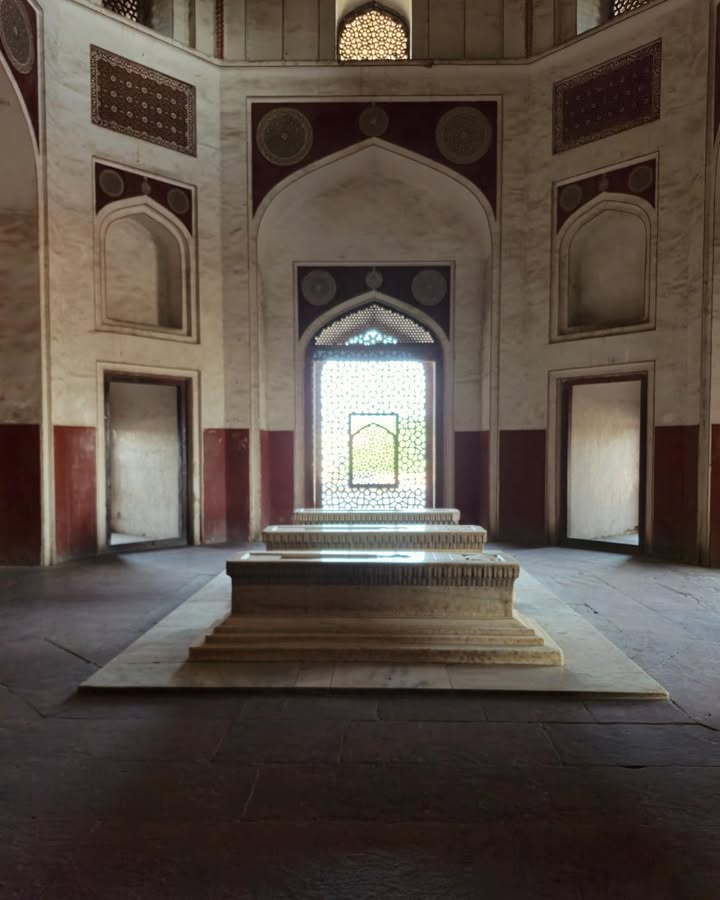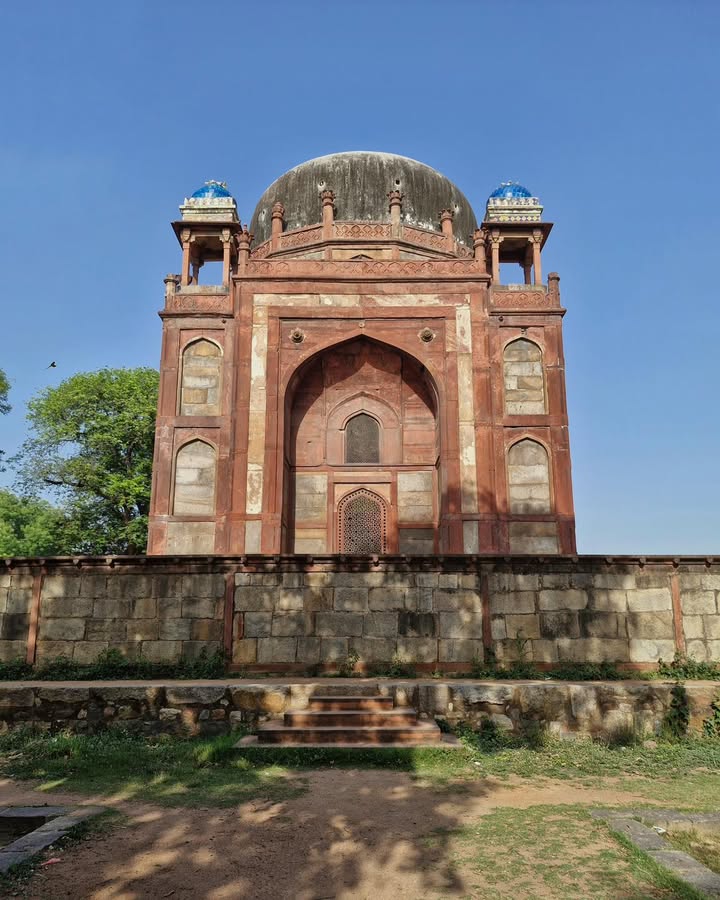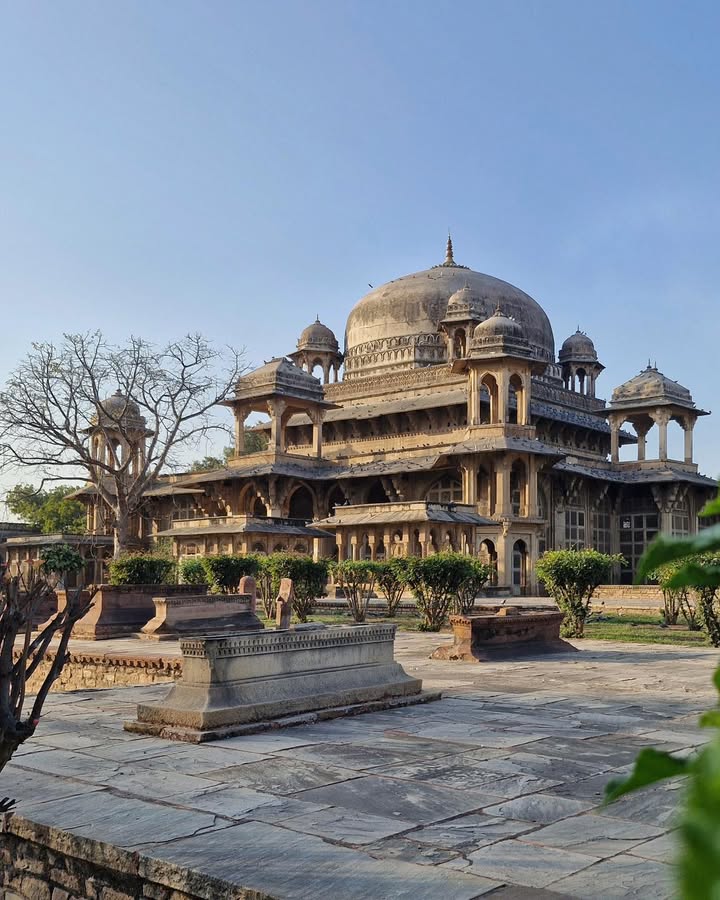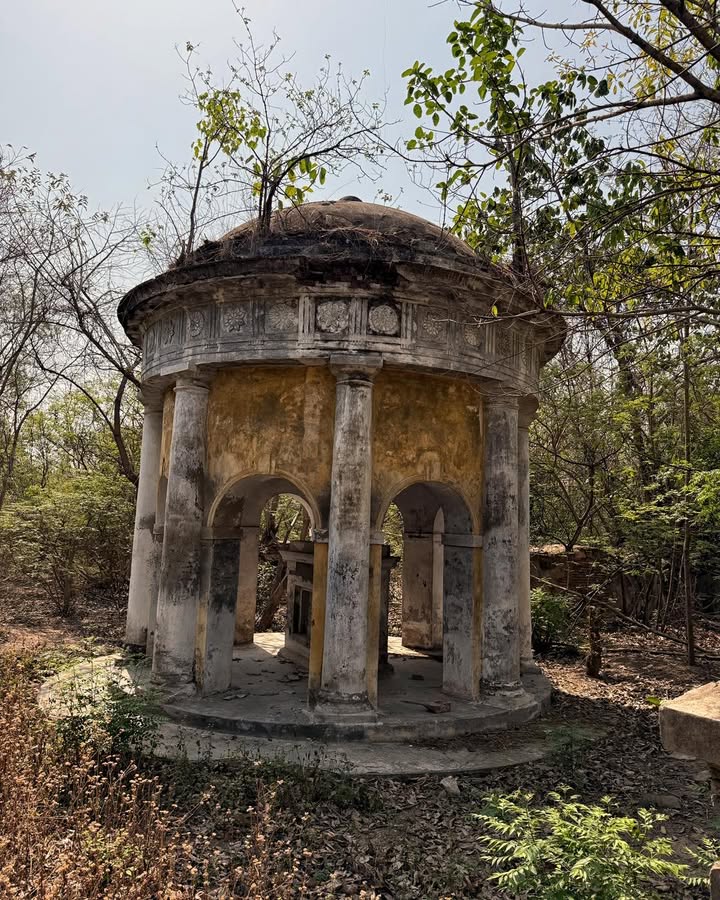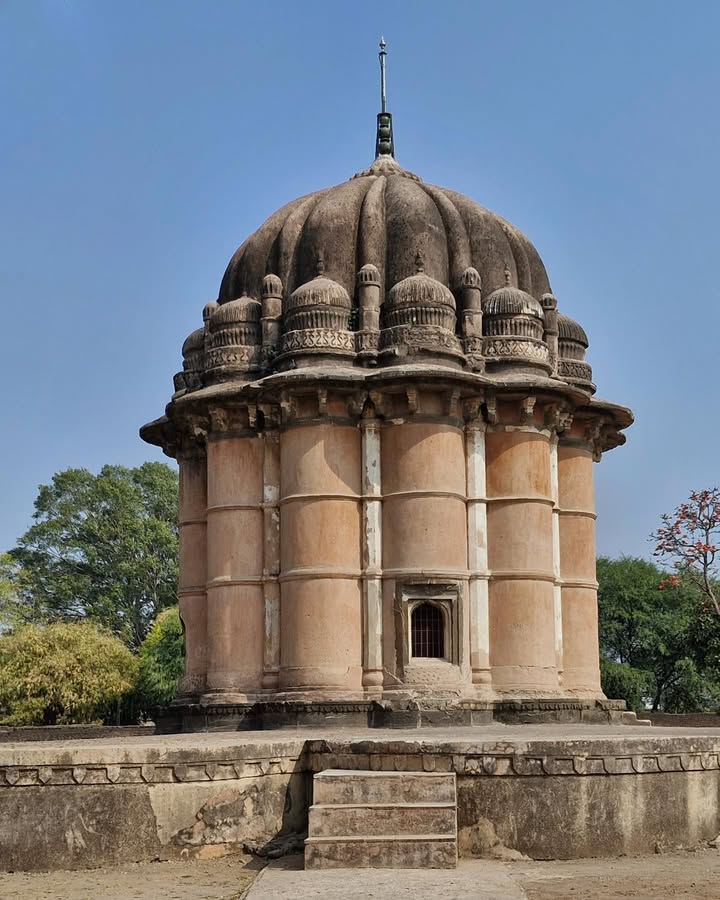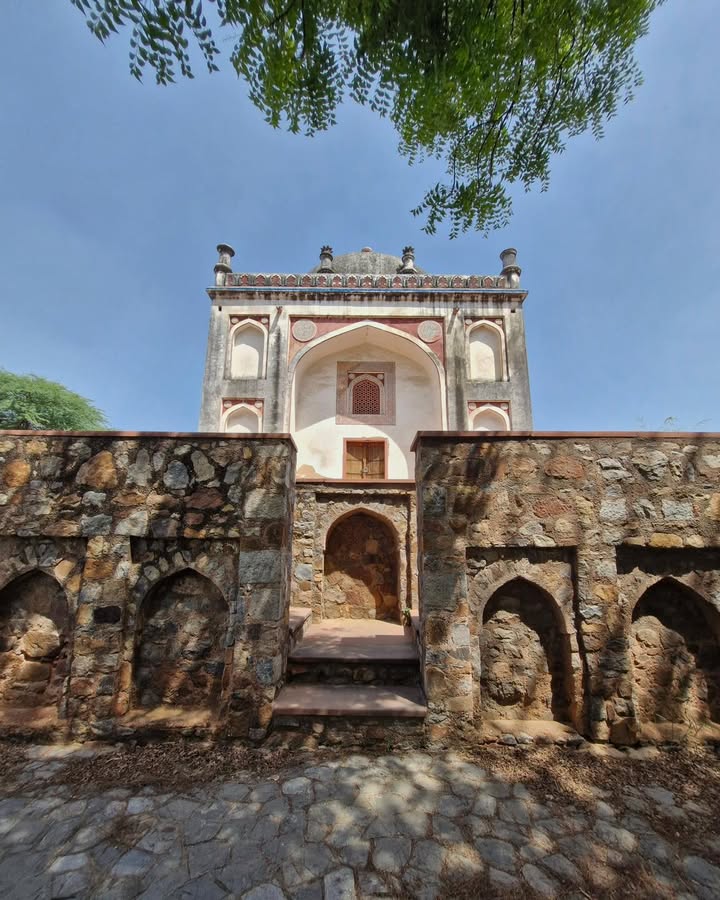
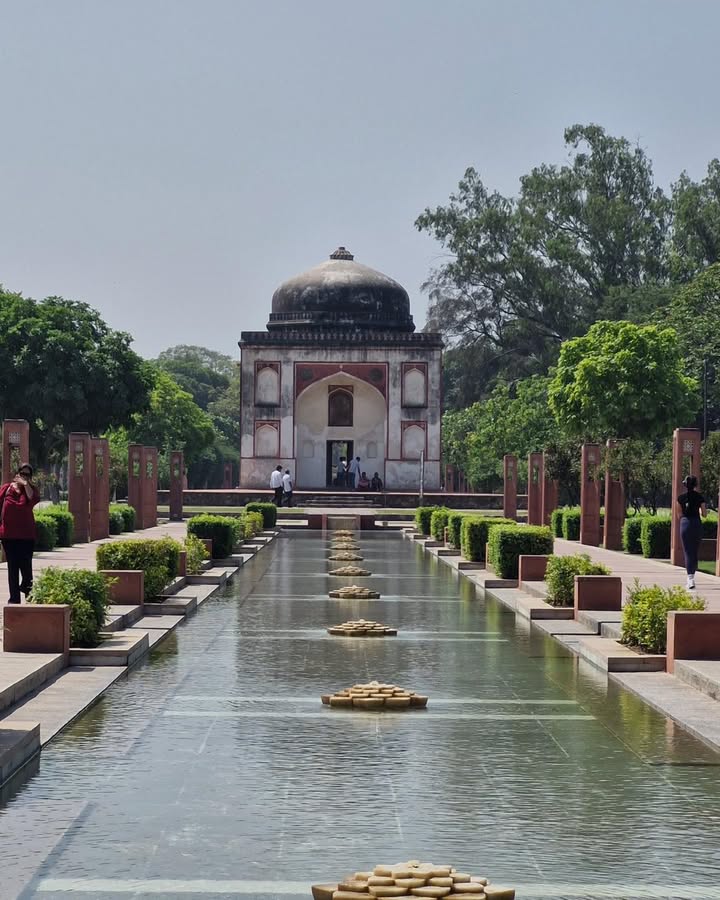
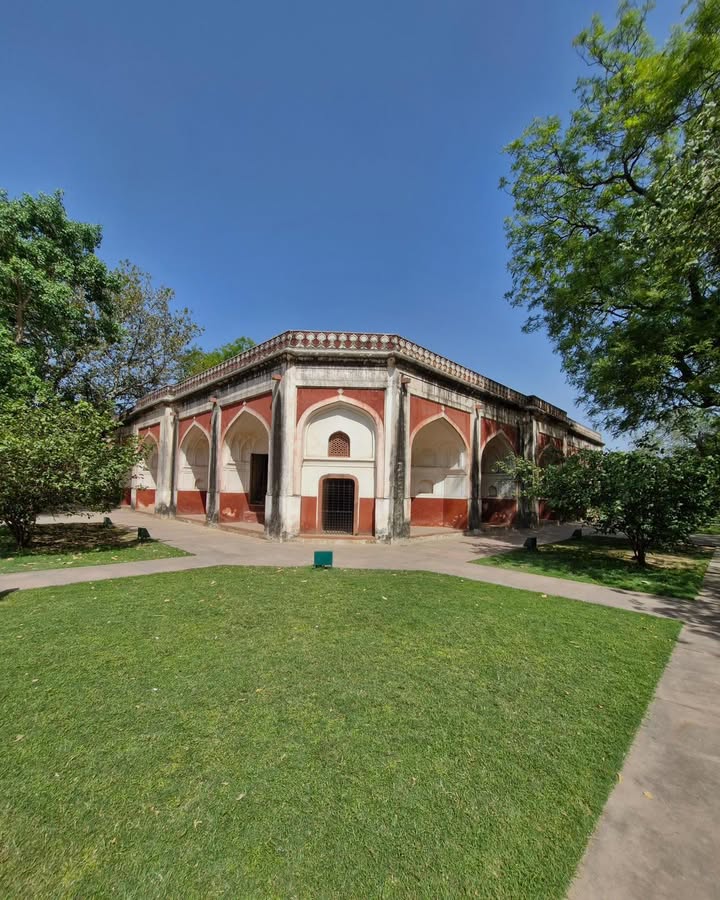
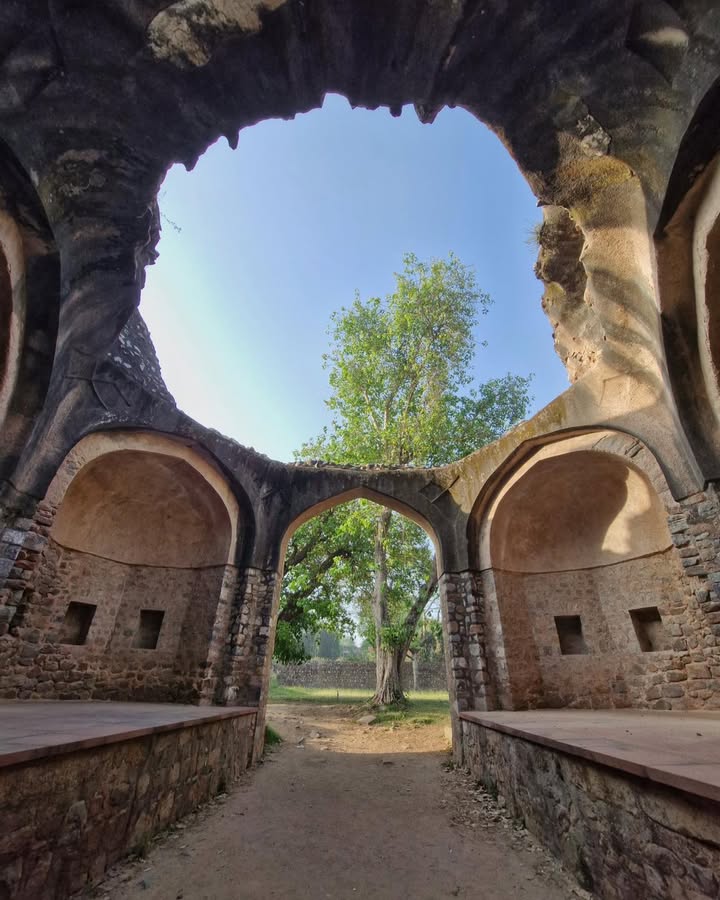
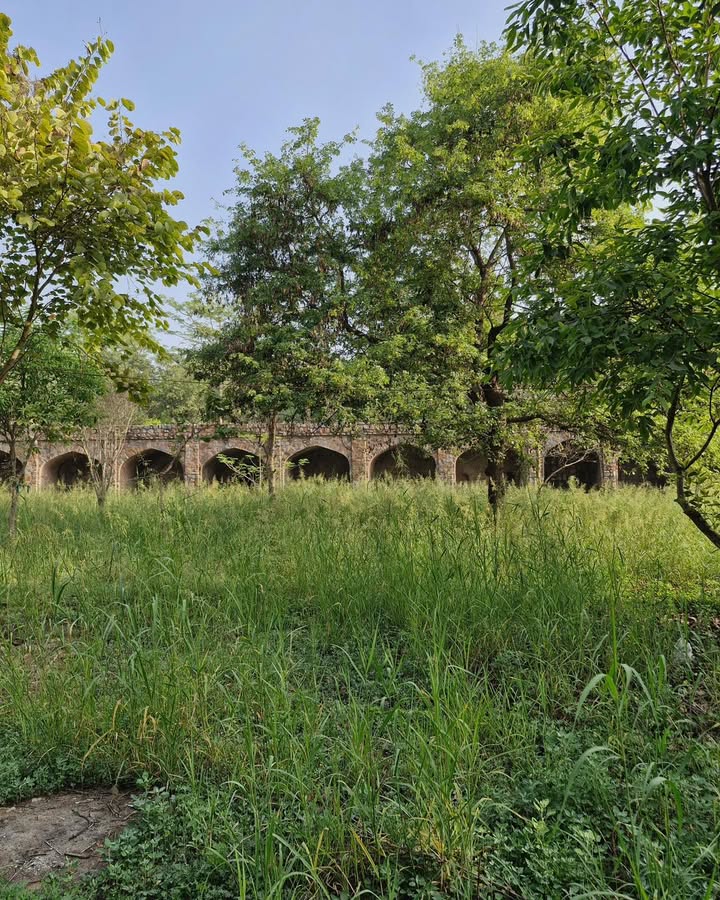
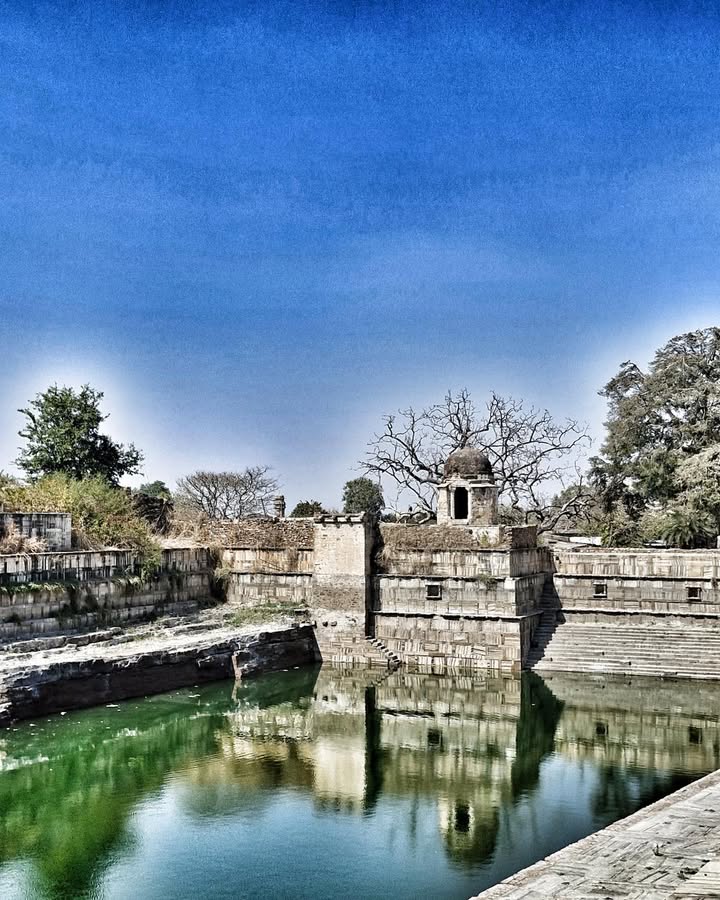

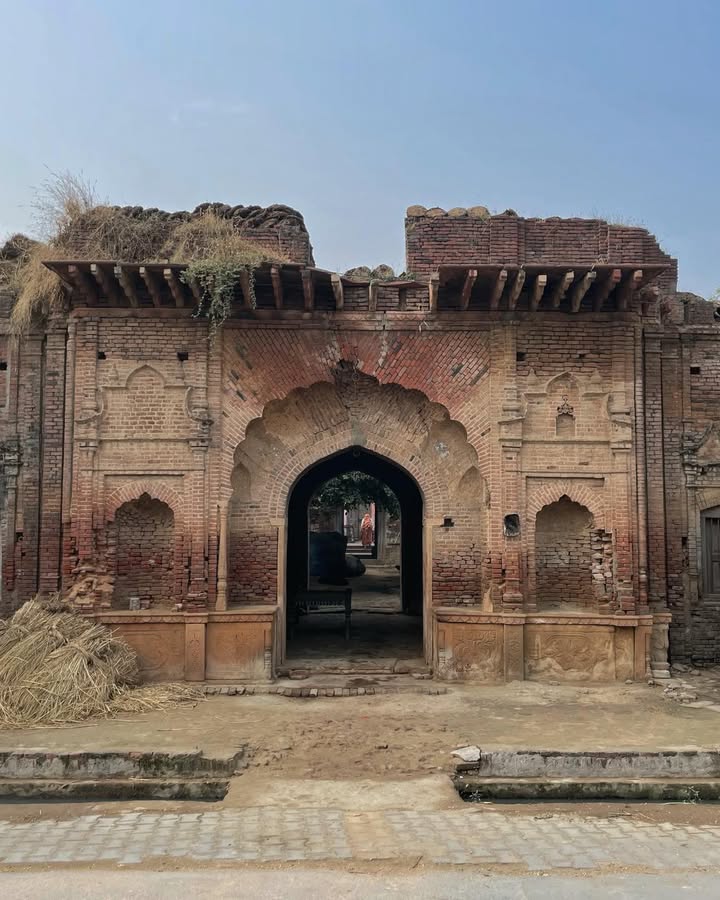












Tomb of Nawab Khair Andesh Khan Kamboh, Meerut – A Forgotten Legacy of Mughal Nobility .
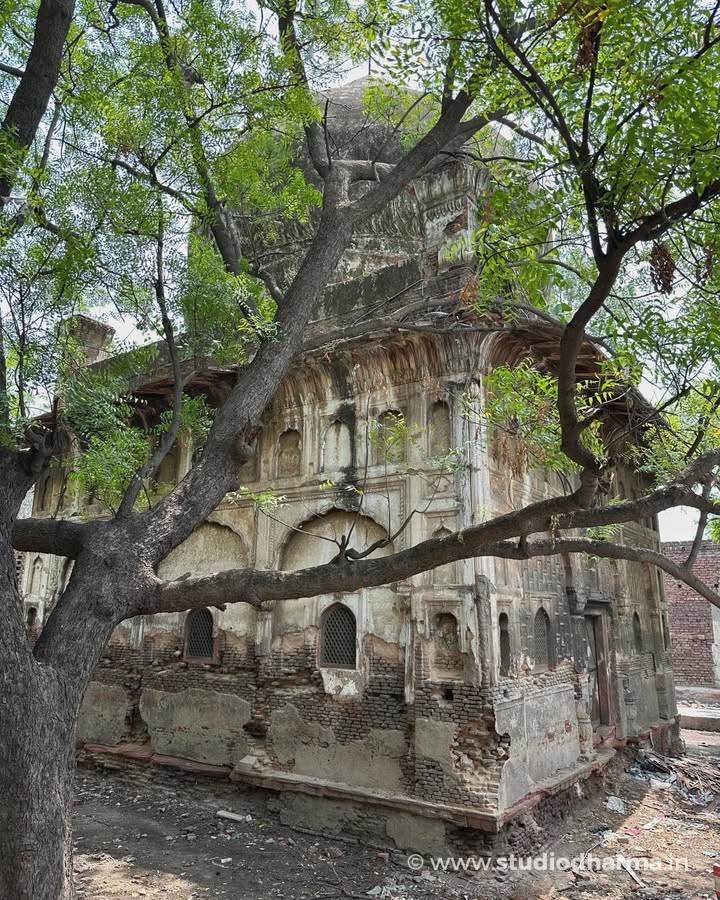

Tomb of Nawab Khair Andesh Khan Kamboh, Meerut – A Forgotten Legacy of Mughal Nobility .
Meerut’s story does not begin with 1857 — it stretches far deeper, from the mythical land of “Maya Rashtra” to a strategically vital Mughal outpost near Delhi.
Amid this layered past emerges Nawab Khair Andesh Khan Kamboh, one of the most prominent nobles associated with Meerut during the 17th century. Born into the influential Kamboh lineage as the son of Nawab Muhabbat Khan, he rose within the Mughal administrative system during the reigns of Shah Jahan and Aurangzeb.
Following the Mughal war of succession and the fall of Dara Shikoh, Khair Andesh Khan’s prominence is recorded under the rule of Aurangzeb. Through demonstrated loyalty and administrative capability, he was granted a mansab of 5000, later elevated to 6000 under Bahadur Shah I, reflecting imperial confidence in his service. His role as Faujdar of Etawah and appointments across regions such as Katehr (Rohilkhand), Bihar, Bengal, and Etawah indicate his wide administrative reach within the empire.
His legacy, however, was not confined to imperial service — it was etched into the urban fabric of North India.
In Meerut, he is credited with the construction of the Khairnagar Gate and Fort, and the commissioning of Khair-ul-Masjid in 1691, an important religious structure of its time. He also established Khairandeshpur in Etawah and left his imprint in place names across regions.
Yet today, his tomb stands in silence.
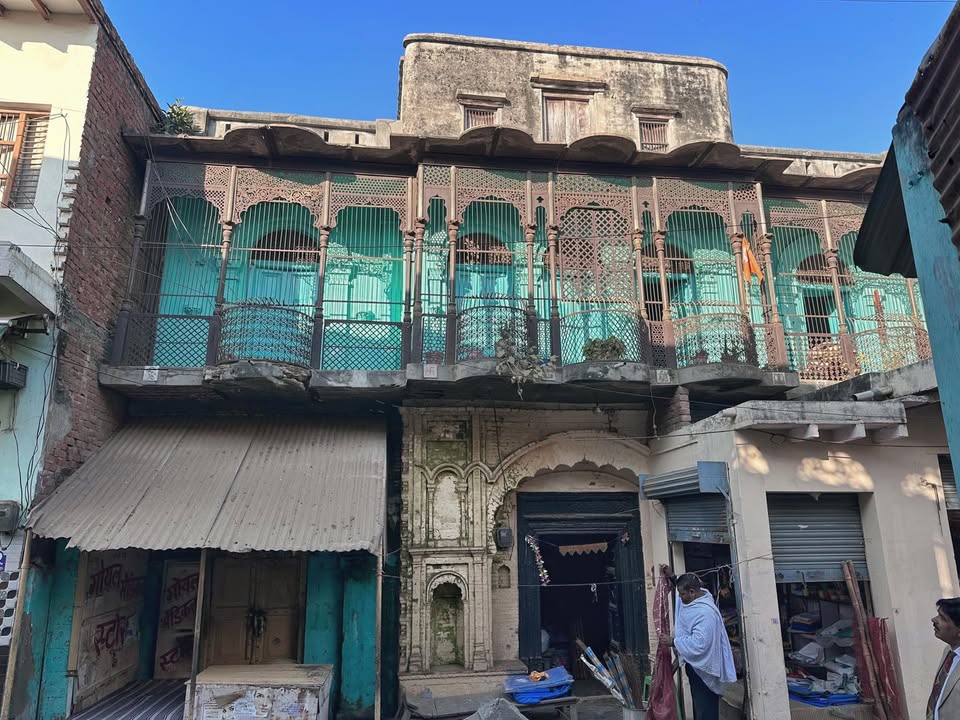
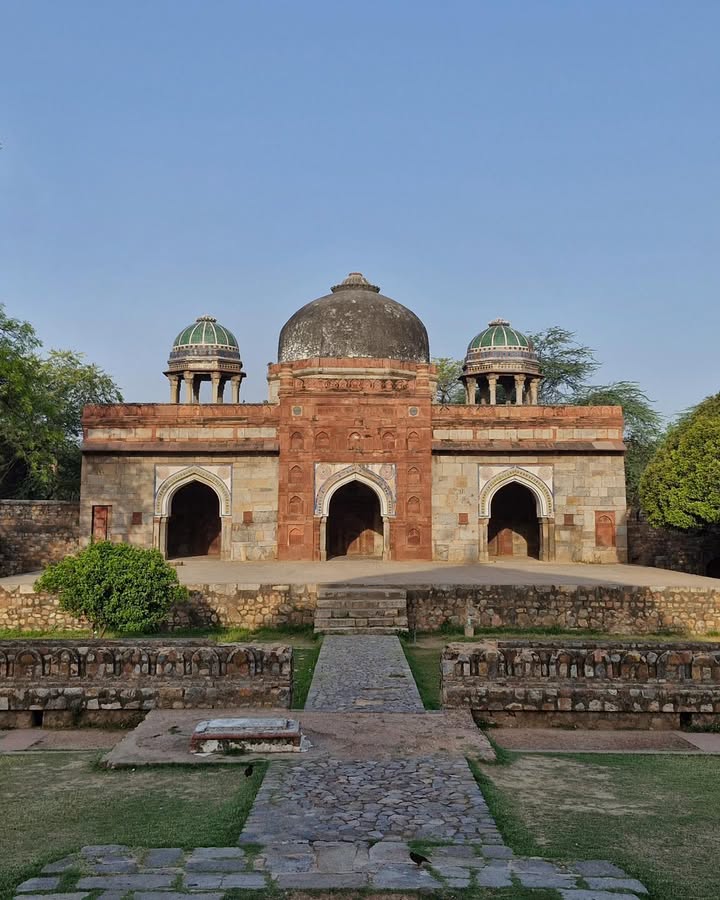
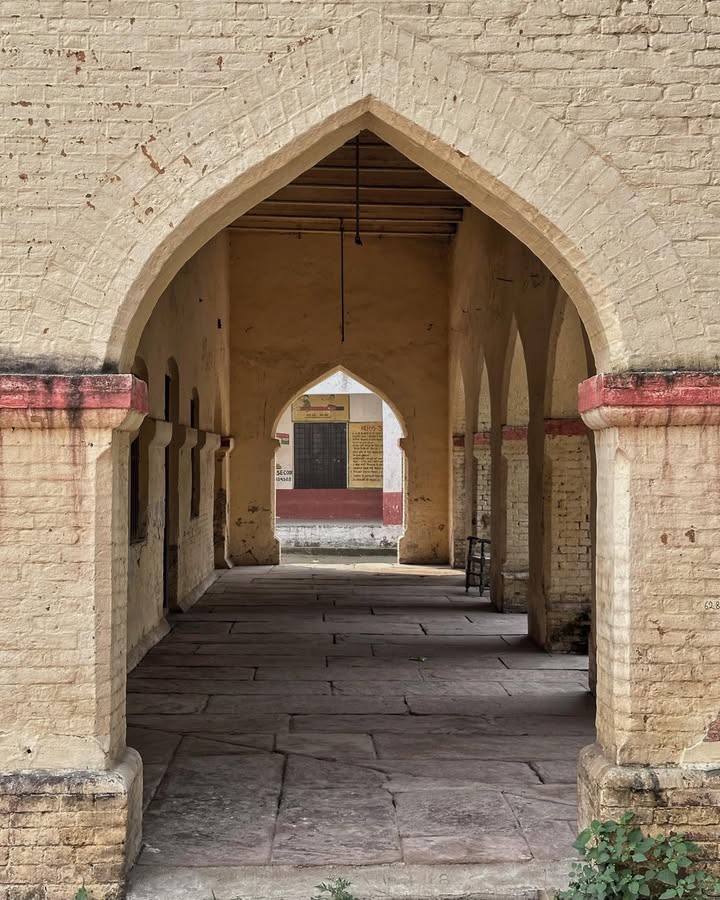
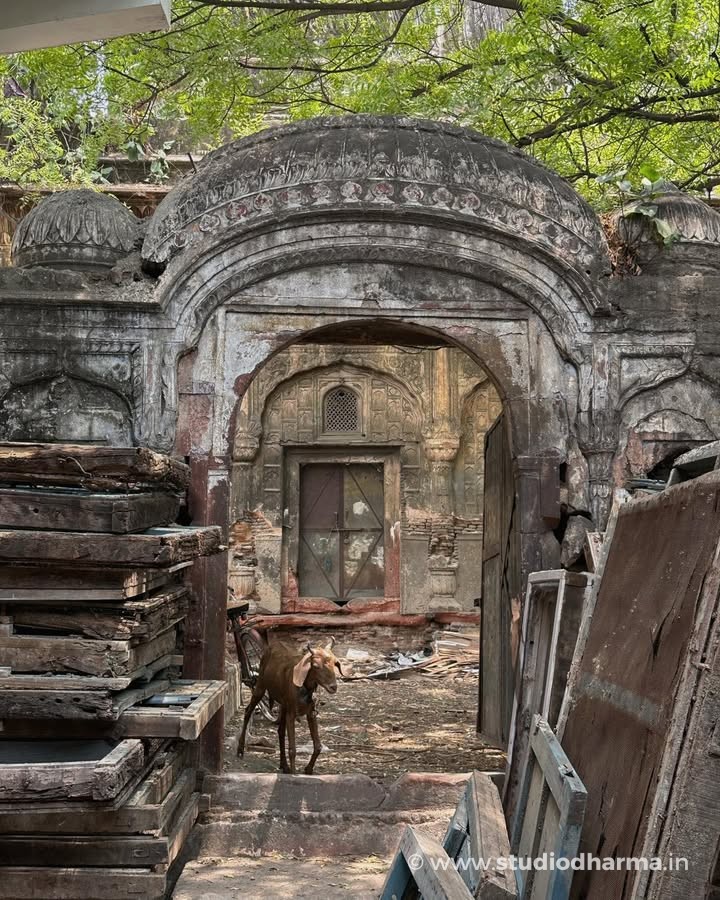
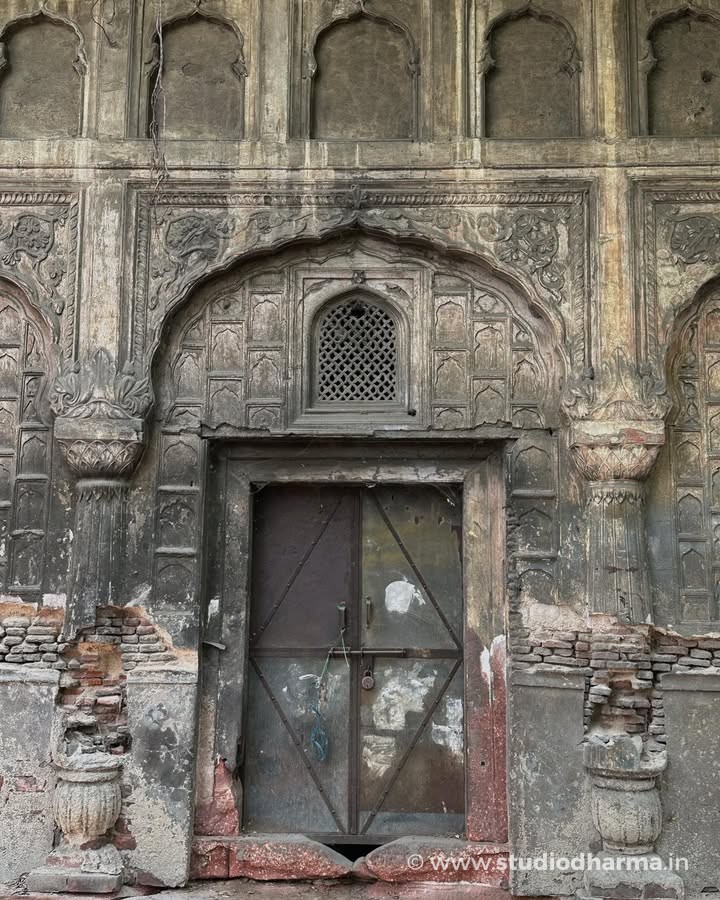
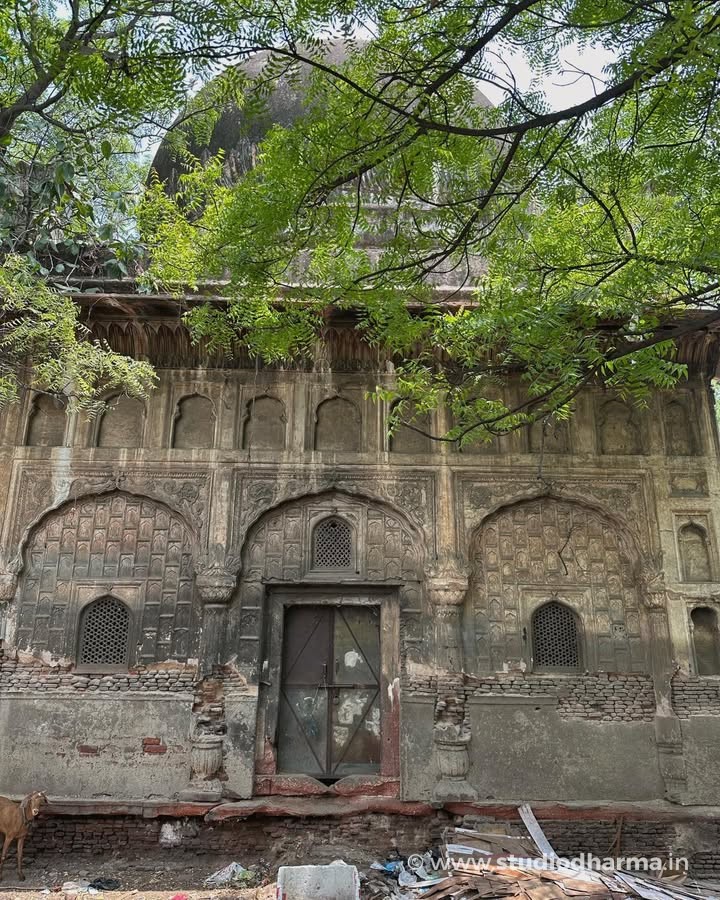
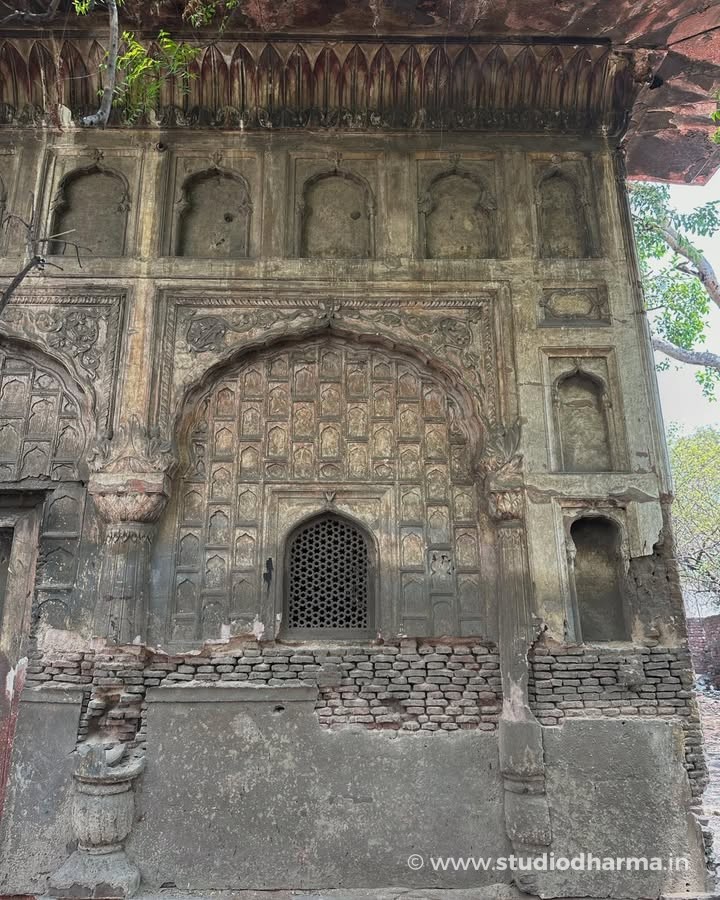
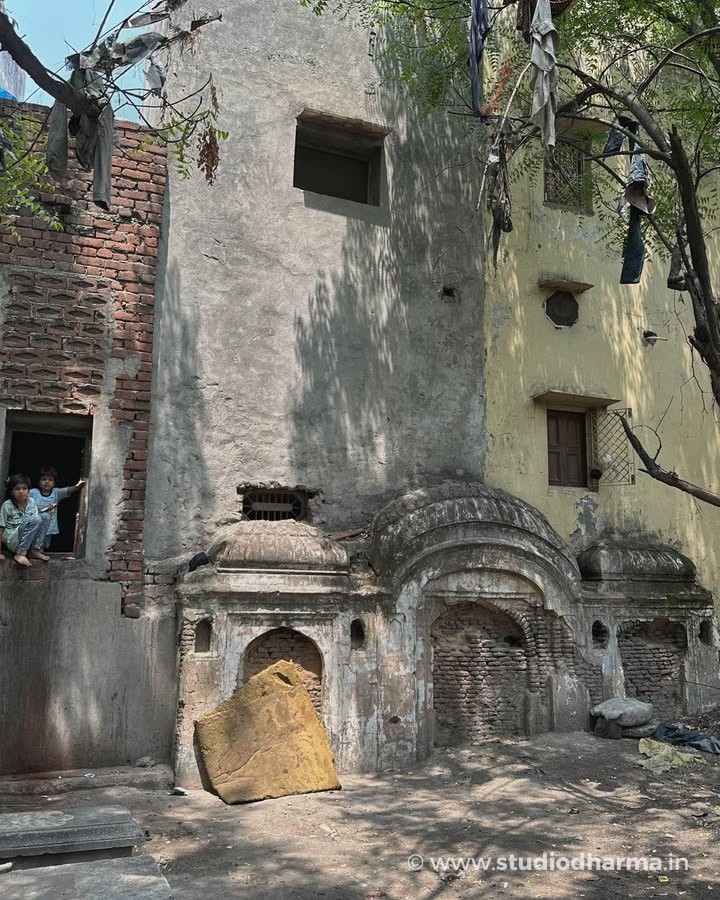
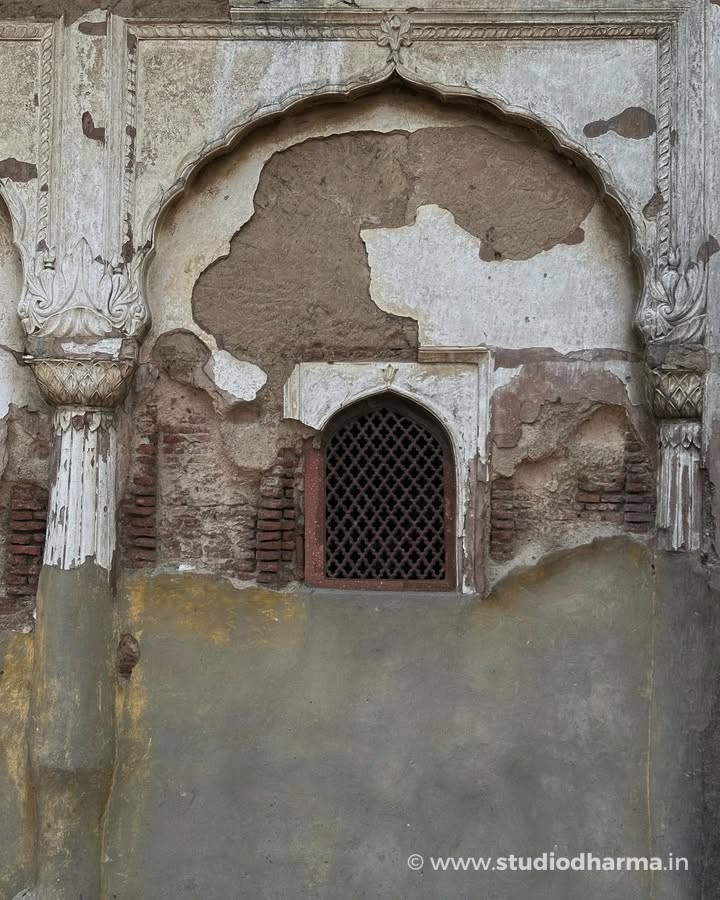
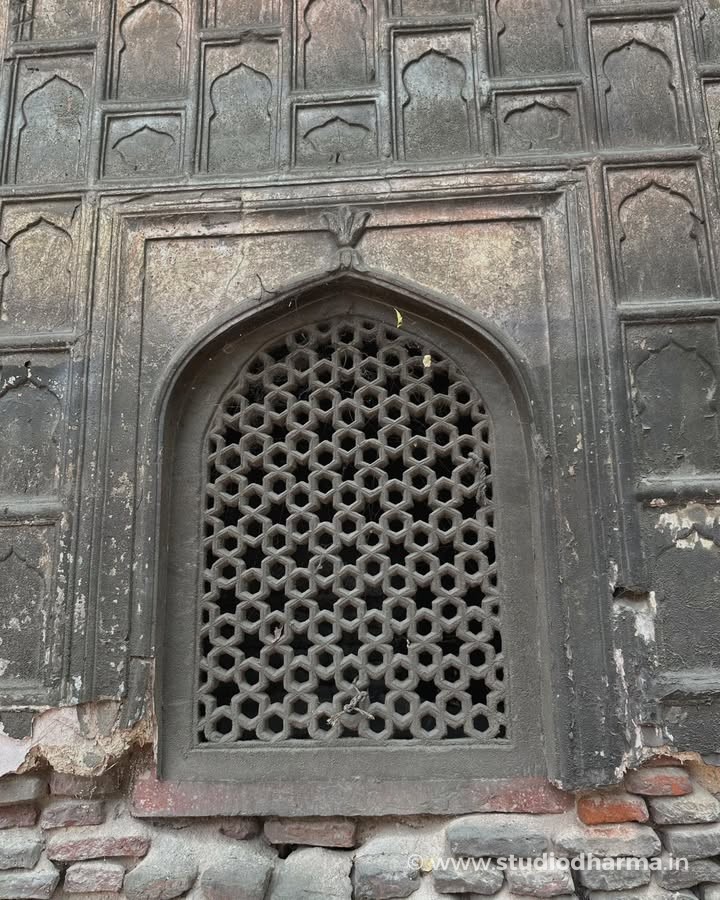
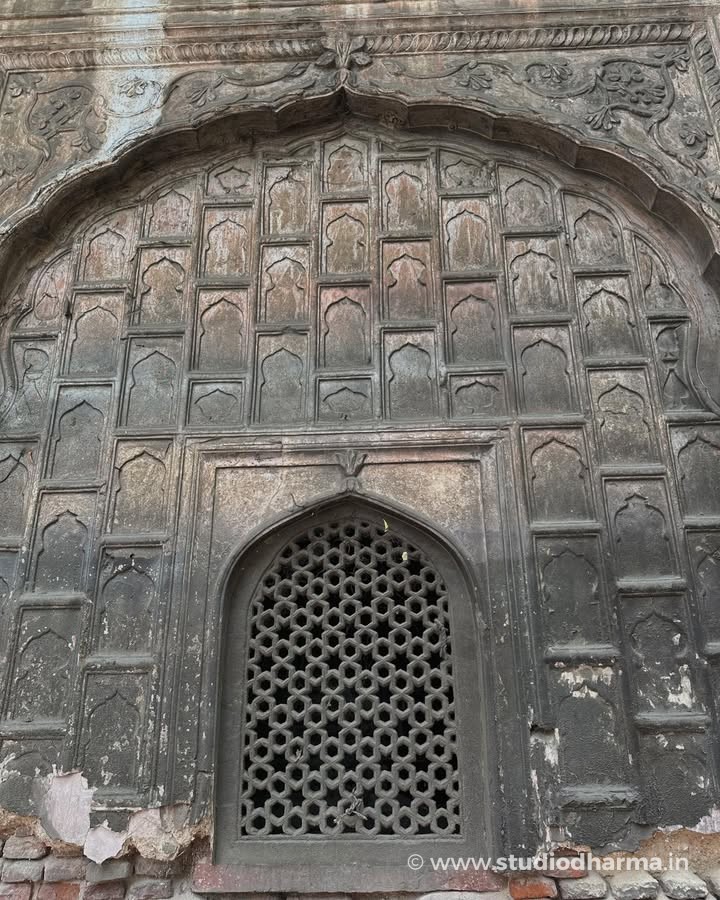
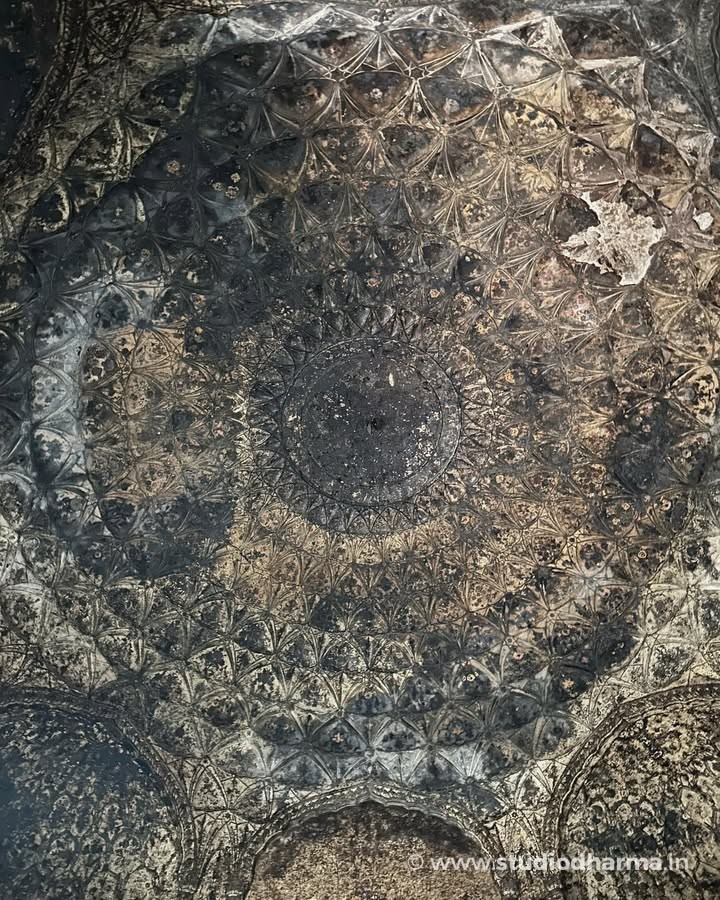
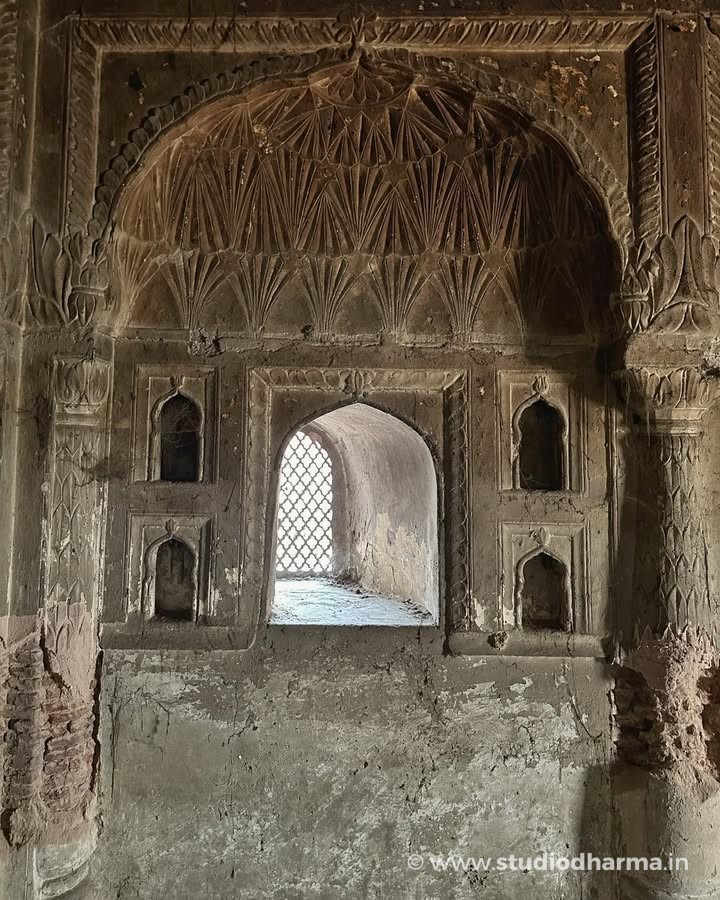
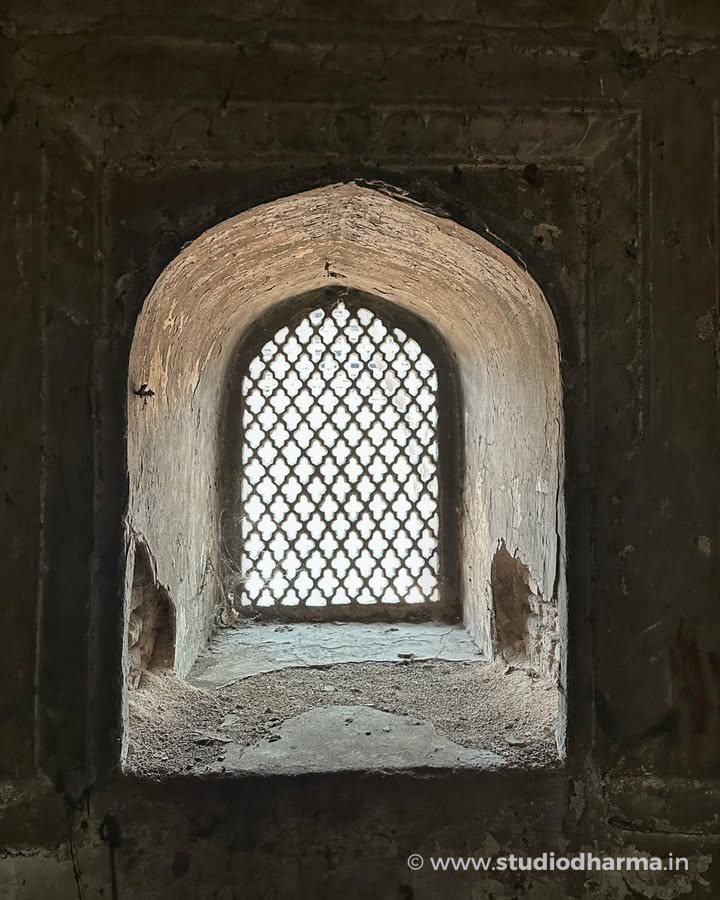
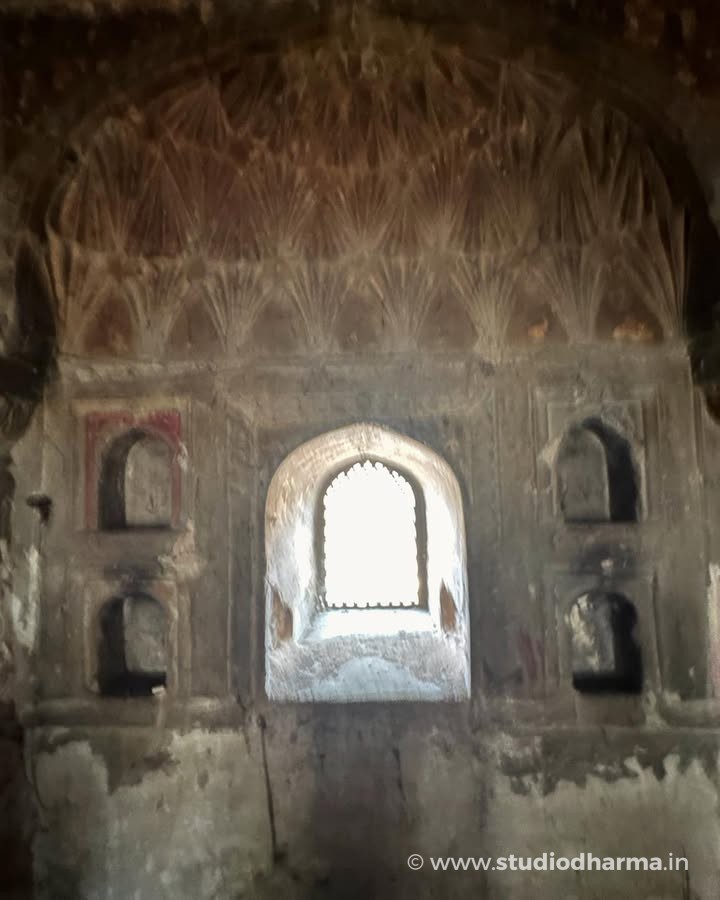
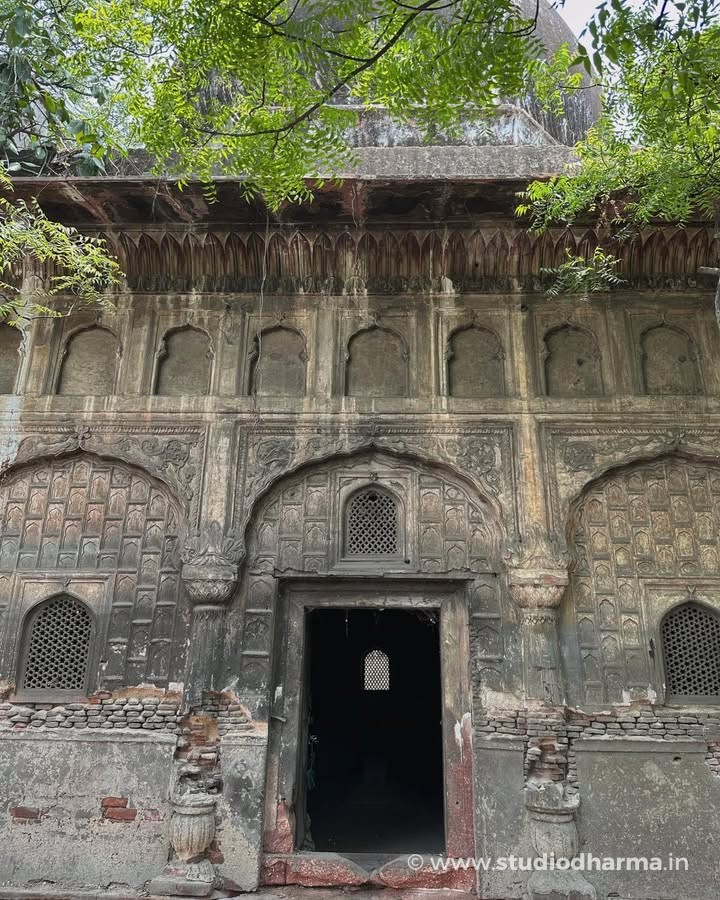
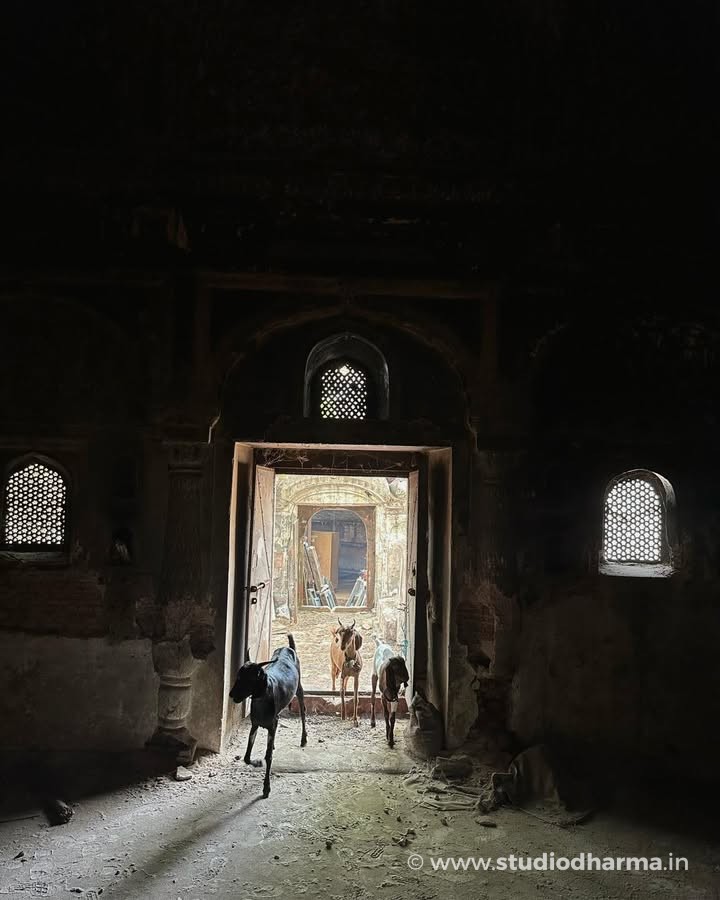
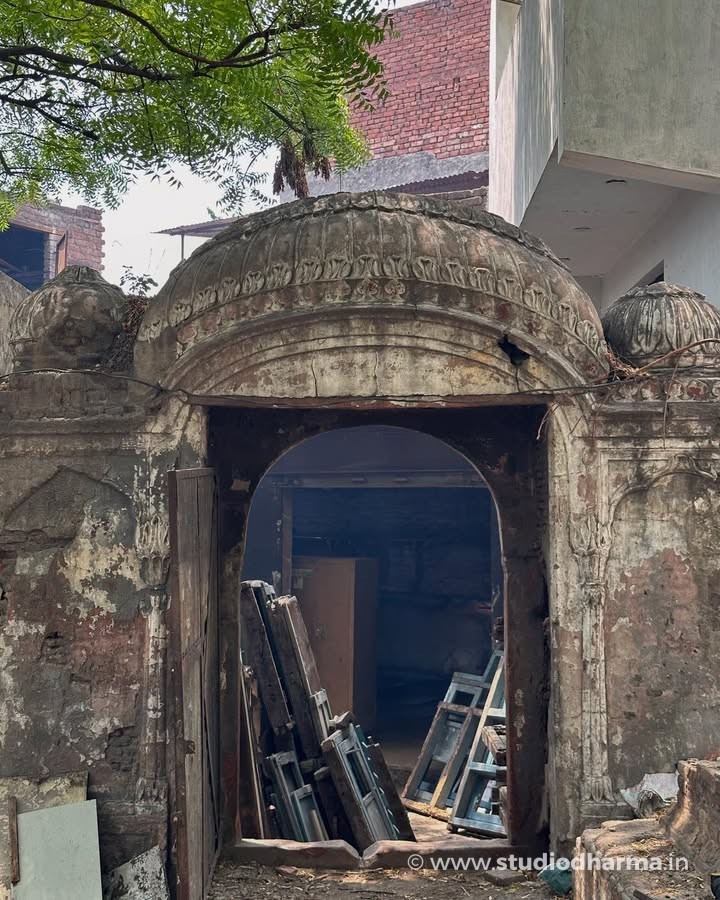
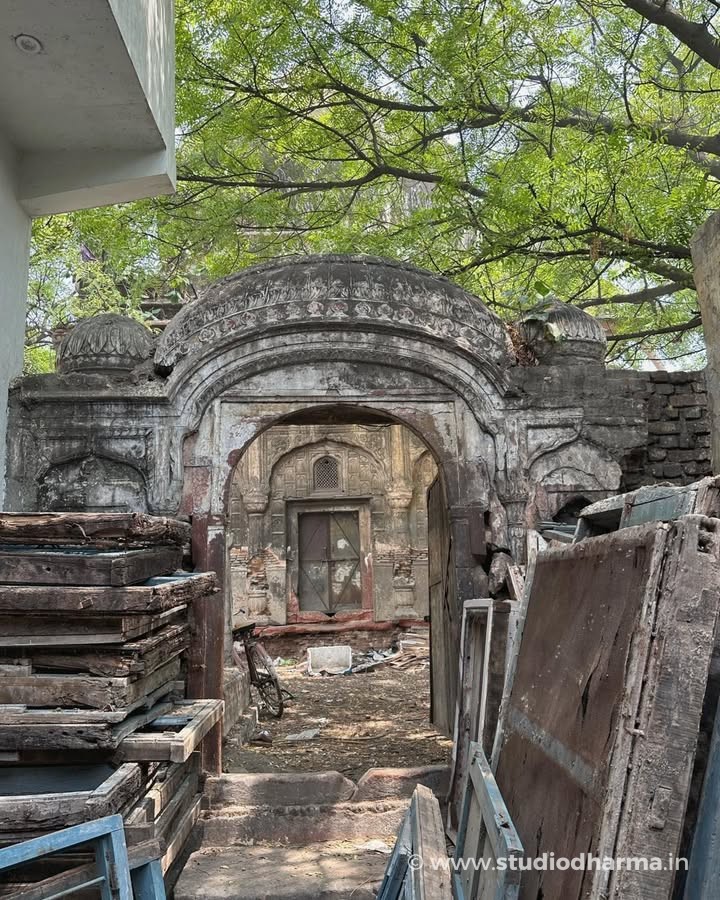
Tucked away amidst encroachments and narrow access lanes, the Tomb of Nawab Khair Andesh Khan Kamboh reflects a fading chapter of history. Once adorned with frescoes and intricate ornamentation, its surfaces now show the damage of time, neglect, and industrial pollution.
This is not merely a forgotten structure.
It is a reminder — that heritage does not disappear overnight, it fades when it is no longer remembered.
Explore Meerut’s forgotten heritage through the premium coffee table book ITIHASNAMA by StudioDharma — featuring 25 curated historical stories.
Order your copy here:
नवाब खैर अंदेश खान कंबोह का मकबरा, मेरठ – मुगलकालीन विरासत की भूली हुई कहानी
मेरठ की कहानी केवल 1857 से शुरू नहीं होती — यह “माया राष्ट्र” की पौराणिक पहचान से लेकर मुगल काल की एक महत्वपूर्ण प्रशासनिक इकाई तक फैली हुई है।
इसी इतिहास में उभरते हैं नवाब खैर अंदेश खान कंबोह, जो 17वीं शताब्दी में मेरठ से जुड़े एक प्रमुख मुगल अमीर थे। नवाब मुहब्बत खान के पुत्र, उन्होंने शाहजहाँ और औरंगज़ेब के शासनकाल में अपनी पहचान स्थापित की।
मुगल उत्तराधिकार युद्ध और दारा शिकोह के पतन के बाद, उनका प्रभाव विशेष रूप से औरंगज़ेब के शासनकाल में दिखाई देता है। उनकी निष्ठा और प्रशासनिक क्षमता के कारण उन्हें 5000 का मनसब प्रदान किया गया, जिसे बाद में बहादुर शाह प्रथम के समय 6000 कर दिया गया। इटावा के फौजदार के रूप में उनकी भूमिका और कटेहर (रोहिलखंड), बिहार, बंगाल और इटावा जैसे क्षेत्रों में उनकी नियुक्तियाँ उनके व्यापक प्रभाव को दर्शाती हैं।
उन्होंने केवल शासन नहीं किया — बल्कि अपनी छाप शहरों पर छोड़ी।
मेरठ में उन्होंने खैरनगर गेट और किले का निर्माण कराया तथा 1691 में खैर-उल-मस्जिद का निर्माण कराया। इटावा में खैर अंदेशपुर बसाया और विभिन्न स्थानों पर अपने नाम से मोहल्लों की पहचान बनाई।
आज उनका मकबरा खामोश खड़ा है।
अतिक्रमणों के बीच छिपा यह मकबरा समय और उपेक्षा की मार झेल रहा है। कभी इसकी दीवारों पर बनी भव्य नक्काशी और चित्रकारी अब धुएँ और समय के साथ लगभग समाप्त हो चुकी है।
यह केवल एक स्मारक नहीं —
यह एक संकेत है कि यदि हमने अपनी विरासत को नहीं संभाला, तो इतिहास धीरे-धीरे मिट जाएगा।
StudioDharma की प्रीमियम कॉफी टेबल बुक ITIHASNAMA के माध्यम से मेरठ की 25 ऐतिहासिक कहानियों को जानें।
अपनी कॉपी यहाँ से प्राप्त करें: