






The Padmini Palace, Chittorgarh – Between Legend, Valor, and History.


The Padmini Palace, Chittorgarh – Between Legend, Valor, and History.
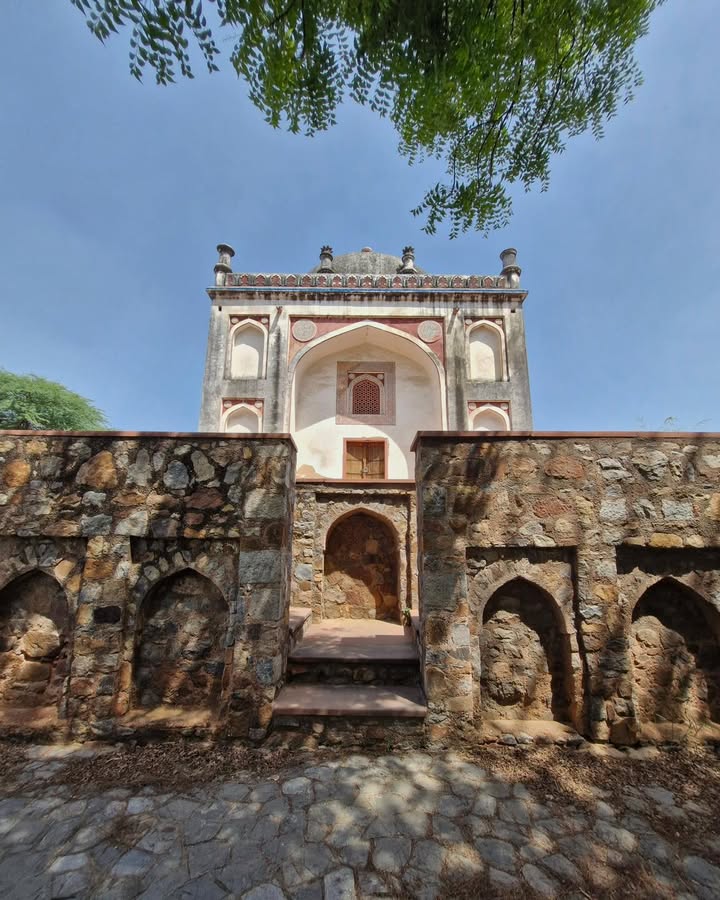
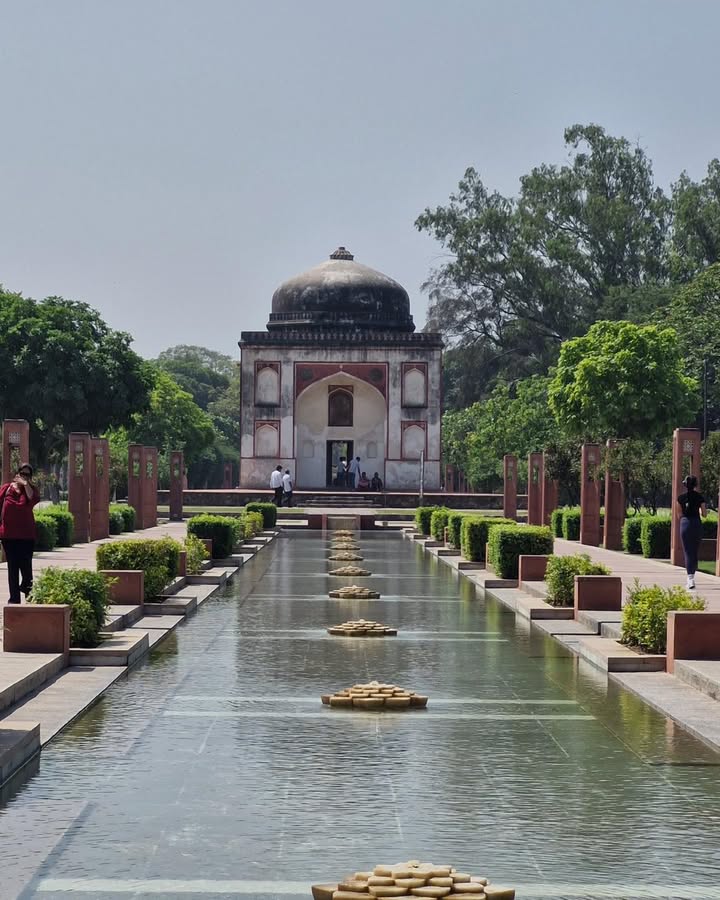
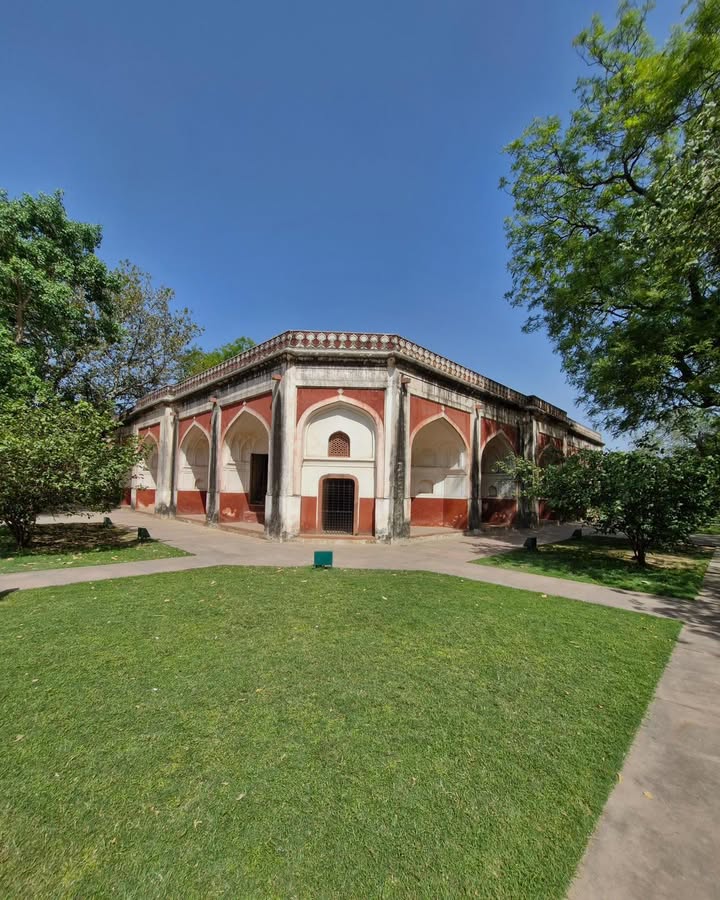
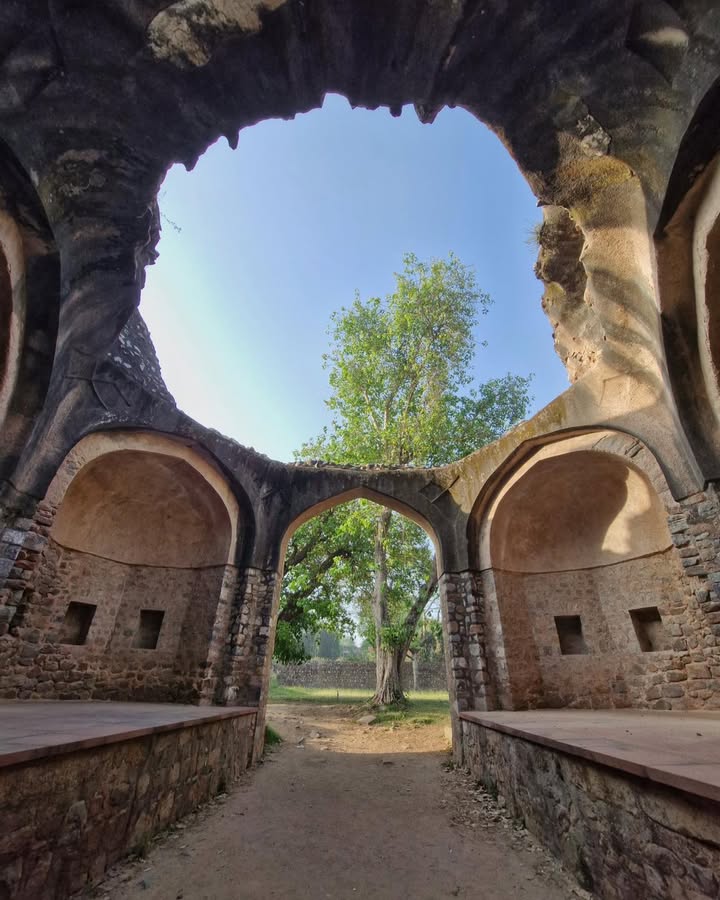
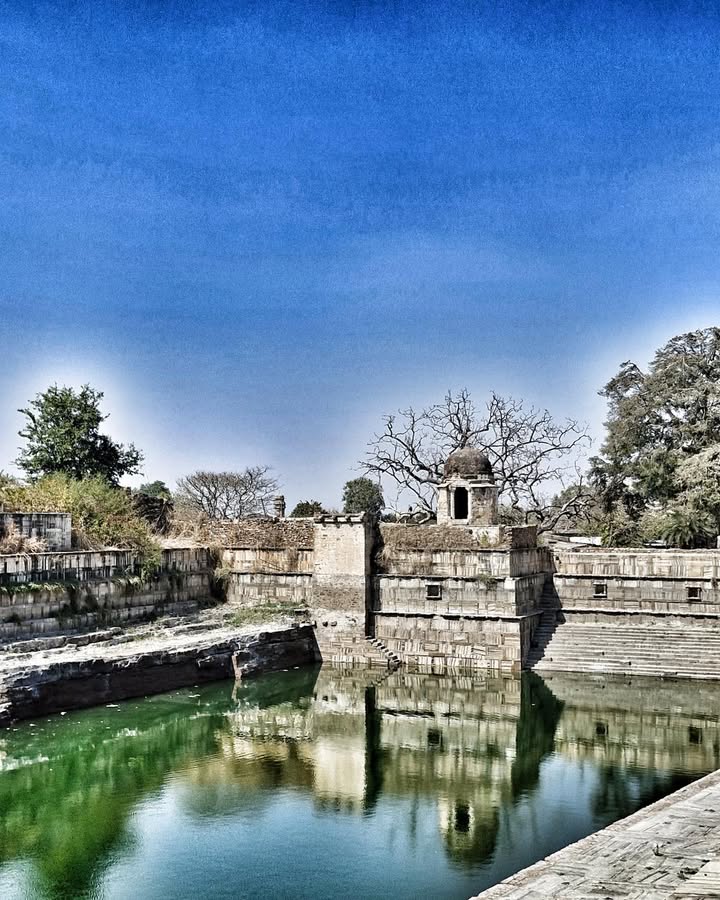
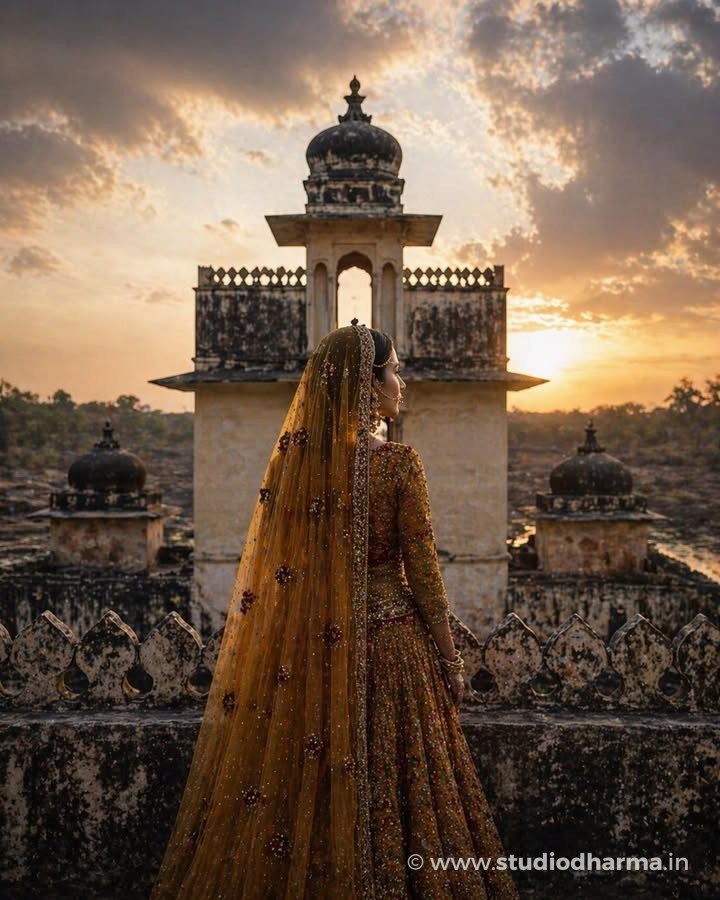
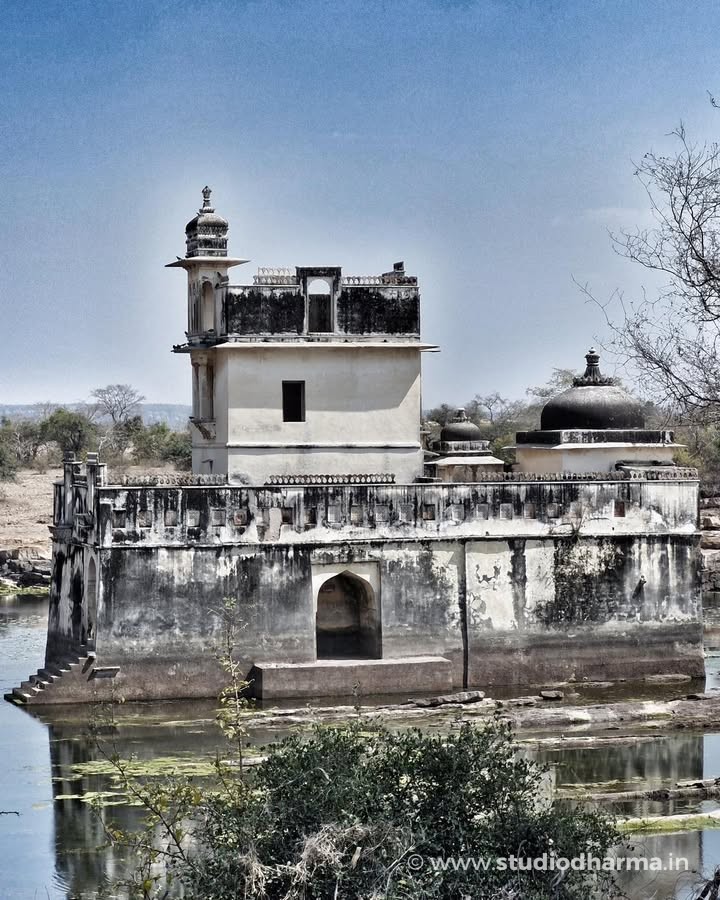
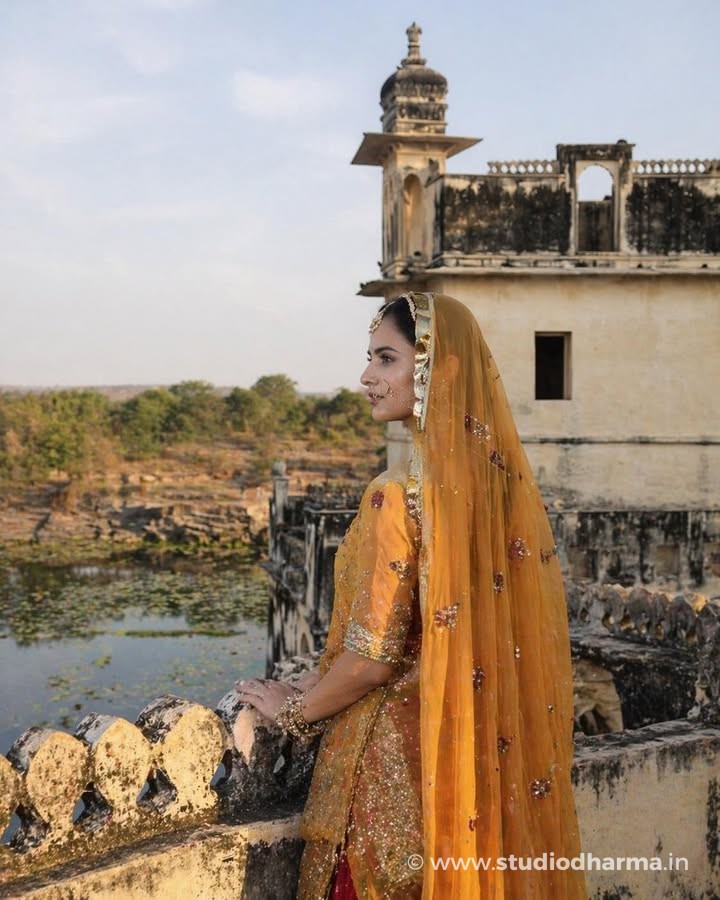
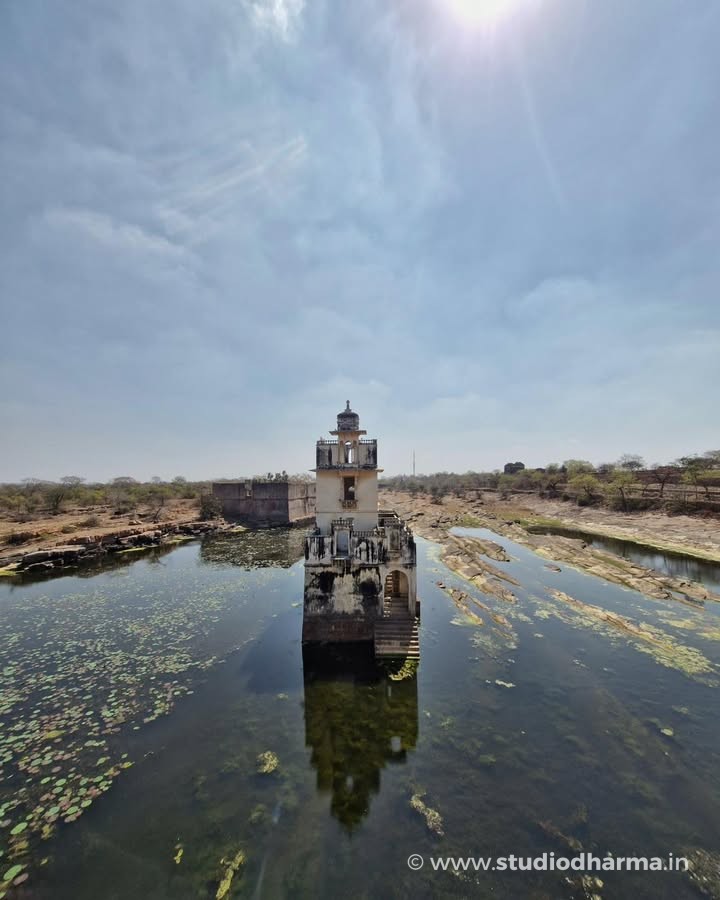
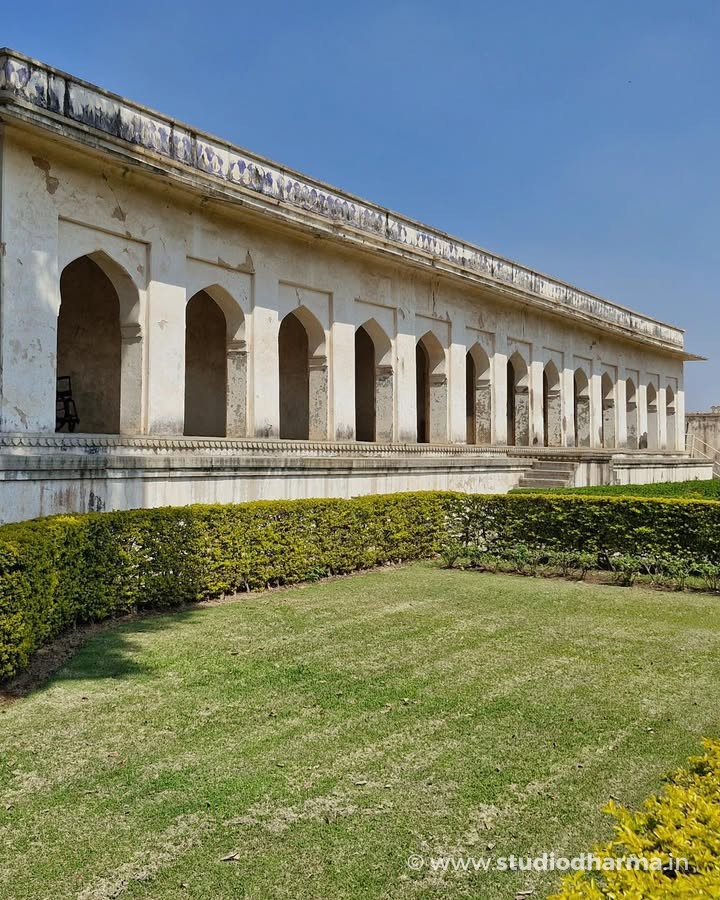
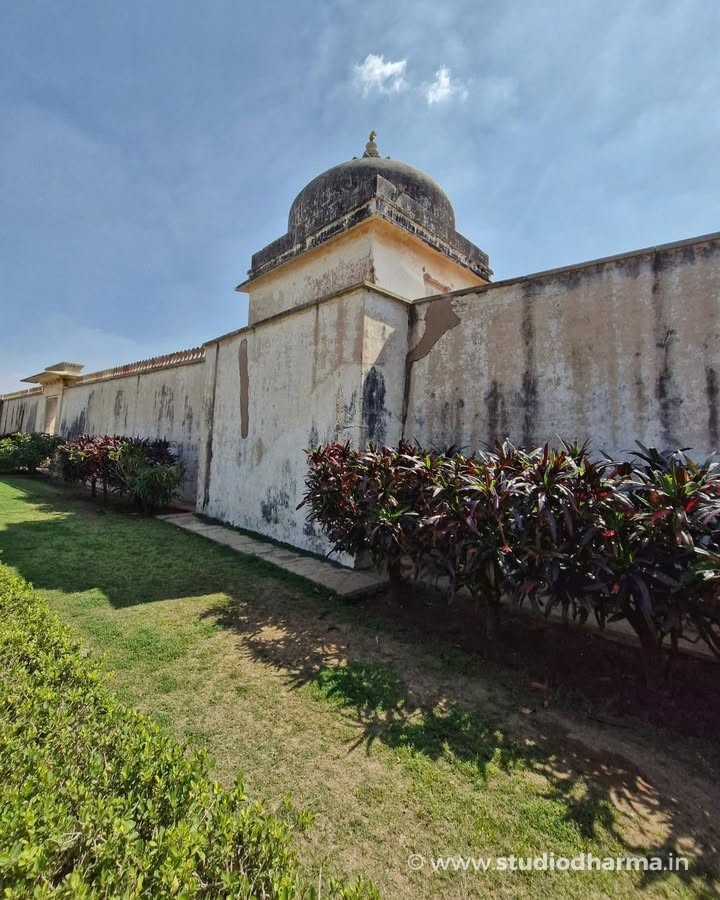
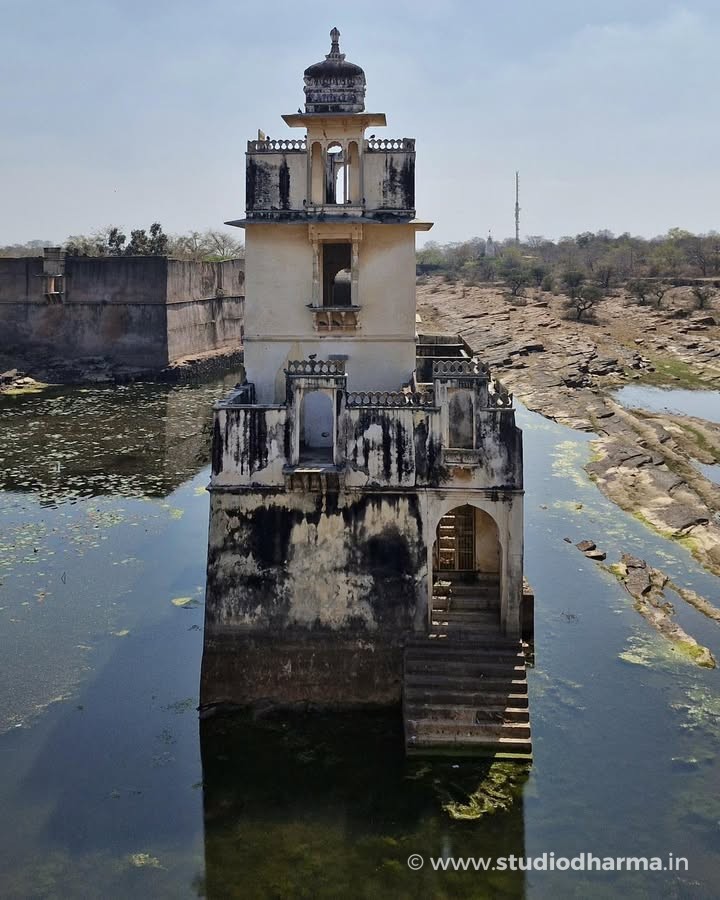
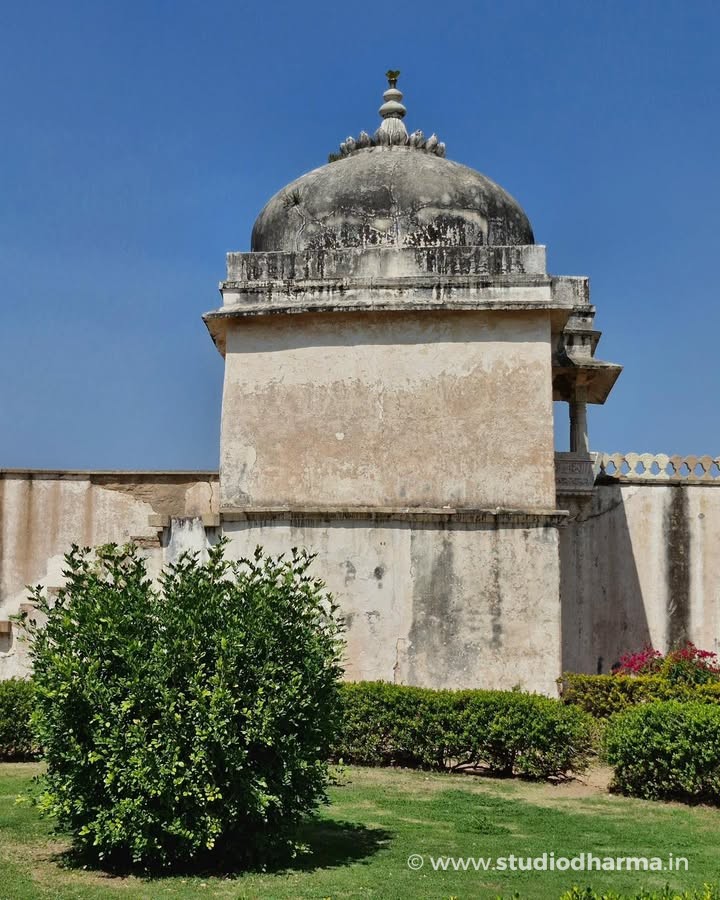
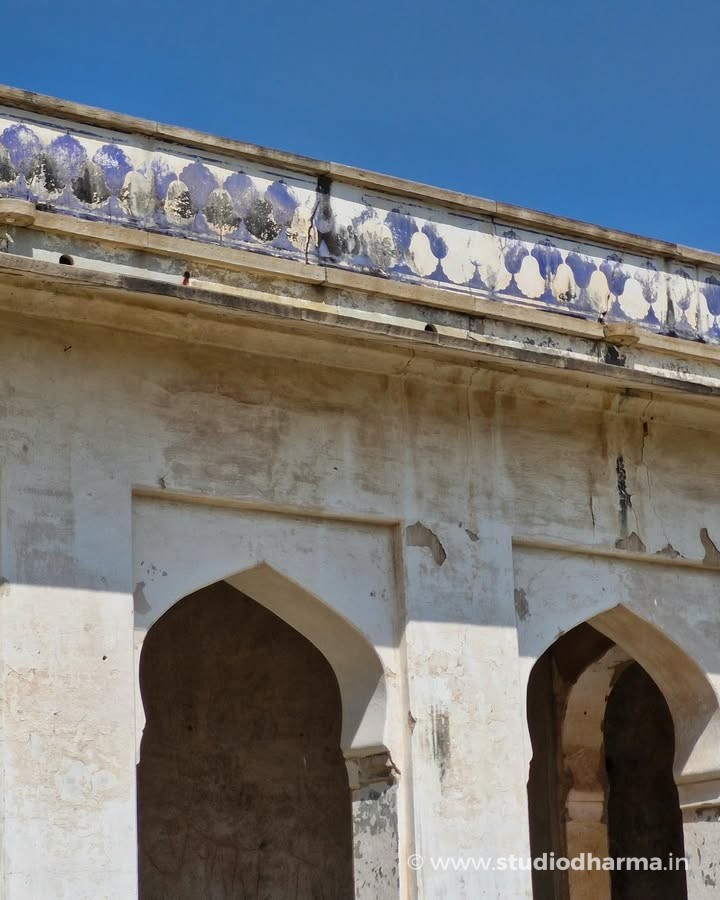
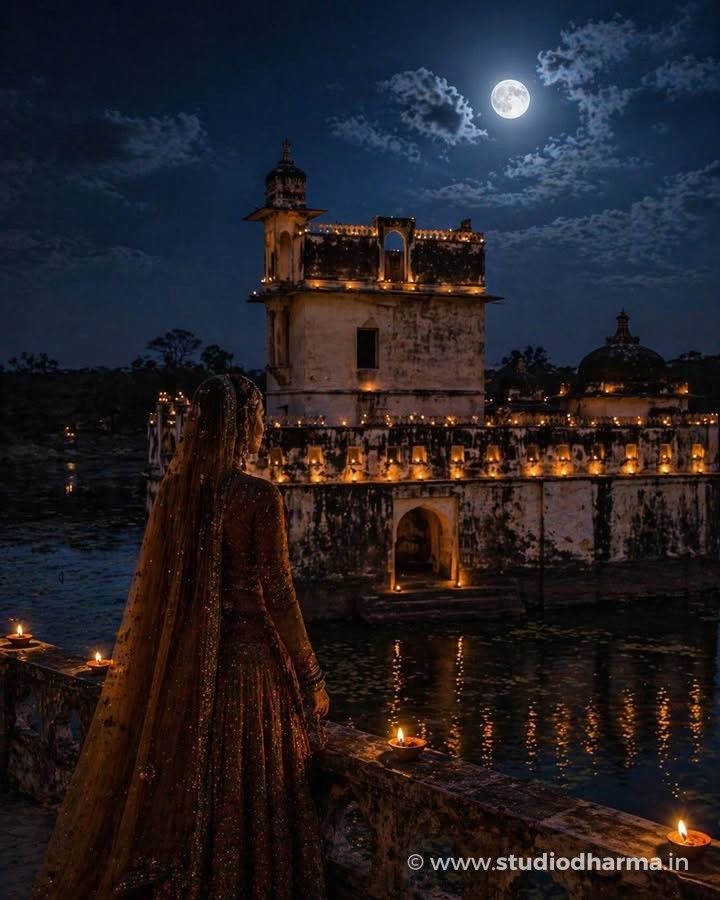
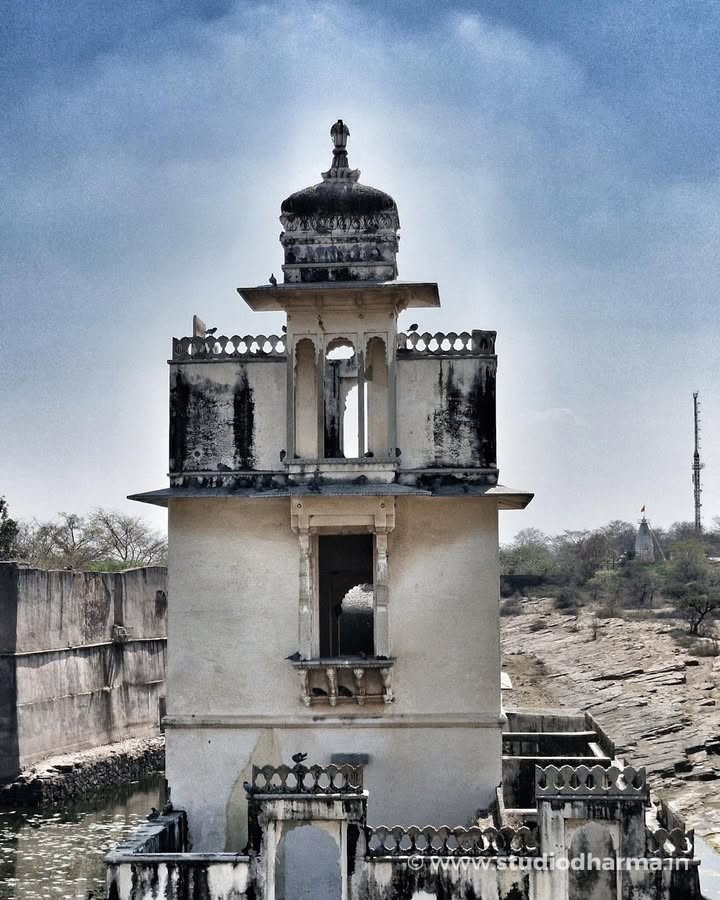
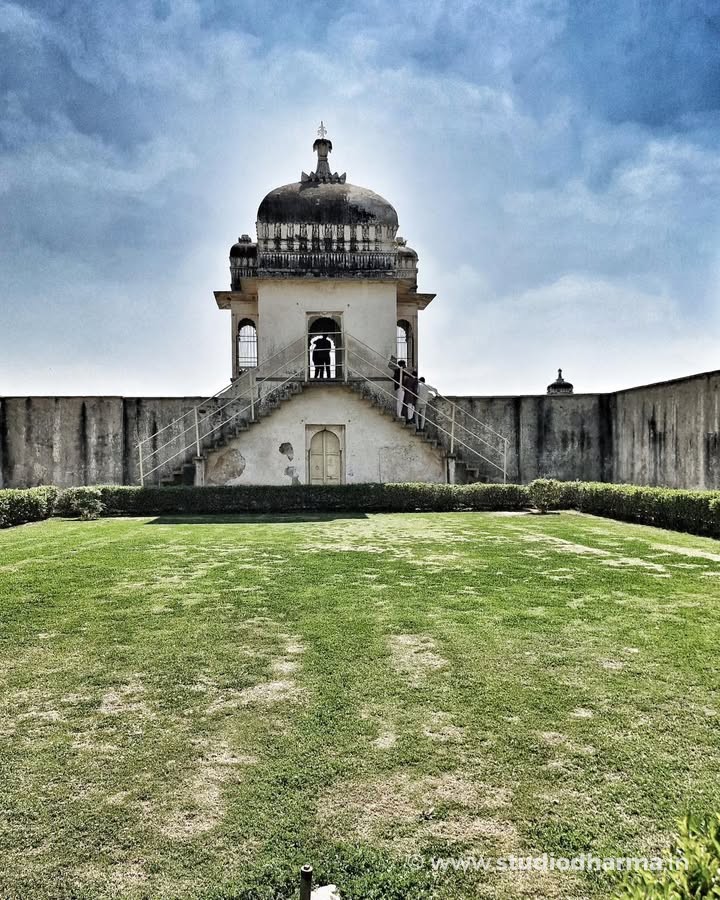
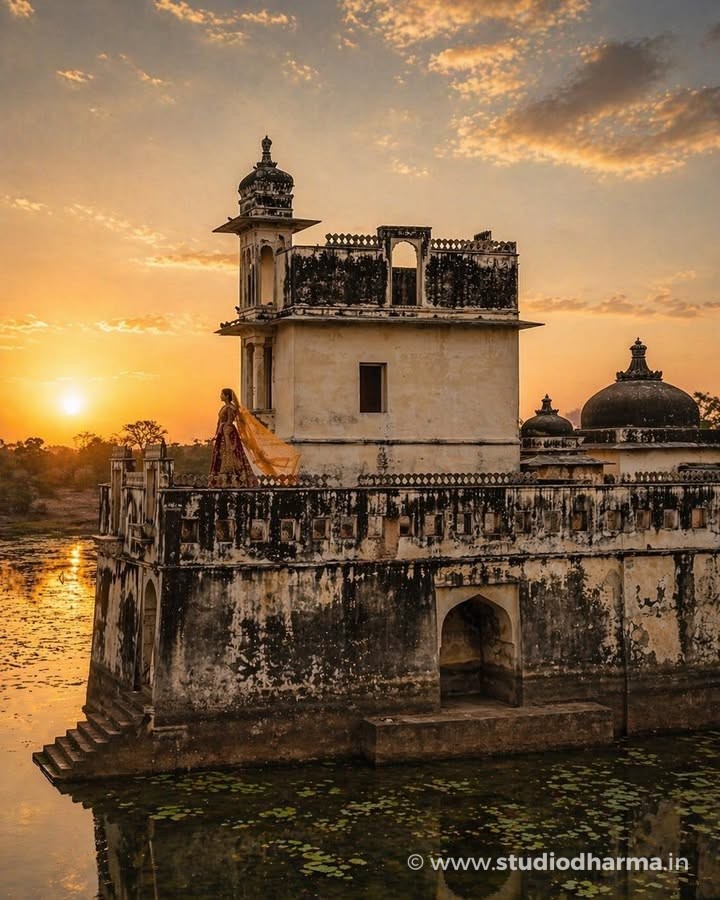
In the southern expanse of the majestic Chittorgarh Fort in Chittorgarh Fort stands a serene white structure surrounded by water — the Padmini Palace. At first glance, it appears calm, almost poetic. But behind its still waters lies one of the most debated and emotionally charged stories of Indian history.
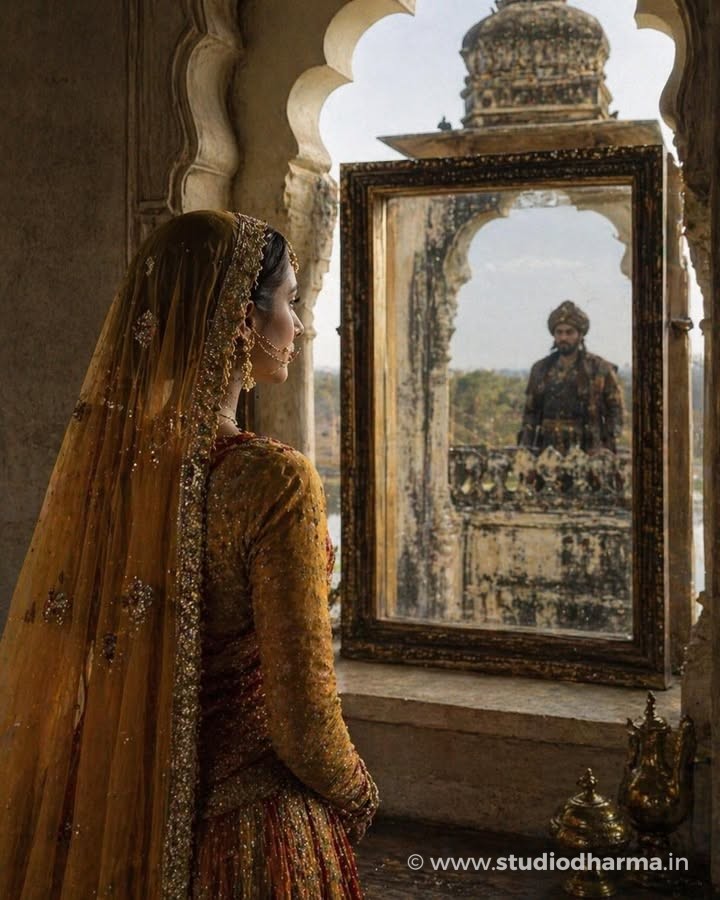
Traditionally associated with Rani Padmini (Padmavati), the palace is linked to the famous tale where Sultan Alauddin Khalji was allowed to witness her reflection through a mirror — never directly. This moment, as legend narrates, ignited his desire to conquer Chittor, leading to the siege of 1303.
What followed is remembered as one of the most powerful symbols of Rajput resistance. As defeat loomed over the kingdom of Maharana Ratan Singh, the women of Chittor, led by Padmini, are said to have performed Jauhar — an act of self-sacrifice to protect their honour.
However, historical evidence tells a more layered story.
The account of Rani Padmini primarily emerges from Padmavat, written nearly two centuries after the siege. Notably, contemporary records like those of Amir Khusrau, who accompanied Alauddin Khalji, make no mention of Padmini. This has led many historians to regard her story as a blend of folklore, symbolism, and poetic imagination rather than confirmed history.
Yet, the palace itself is real — standing quietly amidst a lotus pool, reflecting both architectural beauty and centuries of layered narratives.
Here, history does not speak in absolutes. It whispers — leaving us to decide whether we are listening to fact, legend, or something in between.
Experience more such untold and deeply researched heritage stories from Meerut in the premium coffee table book ITIHASNAMA by StudioDharma.
Order your copy here:
पद्मिनी महल, चित्तौड़गढ़ – इतिहास, वीरता और किंवदंती के बीच
चित्तौड़गढ़ दुर्ग के दक्षिणी भाग में स्थित पद्मिनी महल एक शांत जलाशय के बीच खड़ा एक सुंदर श्वेत भवन है। पहली नज़र में यह स्थान जितना शांत दिखाई देता है, उसकी कहानी उतनी ही गहरी और जटिल है।
परंपरा के अनुसार यह महल रानी पद्मिनी से जुड़ा हुआ है। कहा जाता है कि दिल्ली सल्तनत के सुल्तान अलाउद्दीन खिलजी को रानी का प्रत्यक्ष दर्शन नहीं, बल्कि केवल दर्पण में उनकी परछाई देखने की अनुमति दी गई थी। इसी घटना ने कथित रूप से 1303 में चित्तौड़ पर आक्रमण का कारण बनाया।
इसके बाद जो हुआ, वह राजपूत इतिहास में अद्वितीय साहस और बलिदान का प्रतीक बन गया। जब महाराणा रतन सिंह की हार निश्चित हो गई, तब रानी पद्मिनी के नेतृत्व में चित्तौड़ की स्त्रियों ने जौहर कर अपने सम्मान की रक्षा की।
लेकिन इतिहास का एक दूसरा पक्ष भी है।
रानी पद्मिनी की कथा मुख्य रूप से मलिक मोहम्मद जायसी द्वारा रचित ‘पद्मावत’ नामक काव्य से सामने आती है, जो इस घटना के लगभग 200 वर्ष बाद लिखा गया। समकालीन इतिहासकार अमीर खुसरो के लेखों में इस कथा का उल्लेख नहीं मिलता, जिससे कई इतिहासकार इसे एक काव्यात्मक कल्पना या लोककथा मानते हैं।
फिर भी, यह महल आज भी मौजूद है — जल के बीच खड़ा, अपनी सुंदरता के साथ-साथ उन कहानियों को भी संजोए हुए, जो इतिहास और कल्पना के बीच कहीं ठहर जाती हैं।
मेरठ की ऐसी ही अनकही और शोध आधारित ऐतिहासिक कहानियों को जानने के लिए StudioDharma की प्रीमियम कॉफी टेबल बुक ITIHASNAMA अवश्य पढ़ें।
अपनी प्रति यहाँ से प्राप्त करें: