















Sunderwala Mahal, Delhi – Where Ruins Bloomed Again .
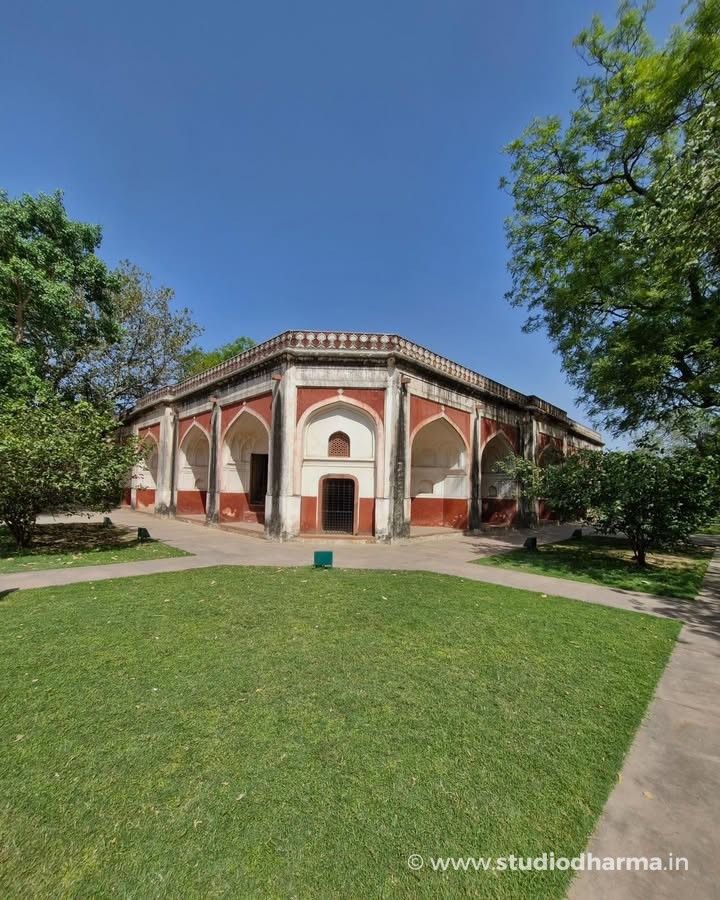
Sunderwala Mahal, Delhi – Where Ruins Bloomed Again .
There are some monuments that do not shout their importance. They wait quietly, hidden behind gardens, until someone pauses long enough to hear their story.
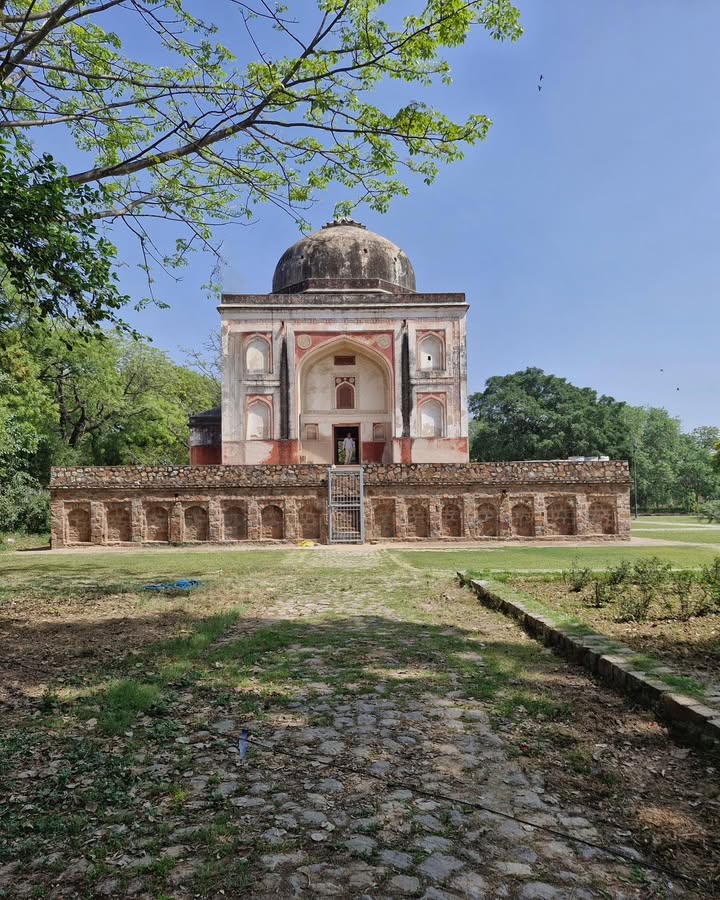
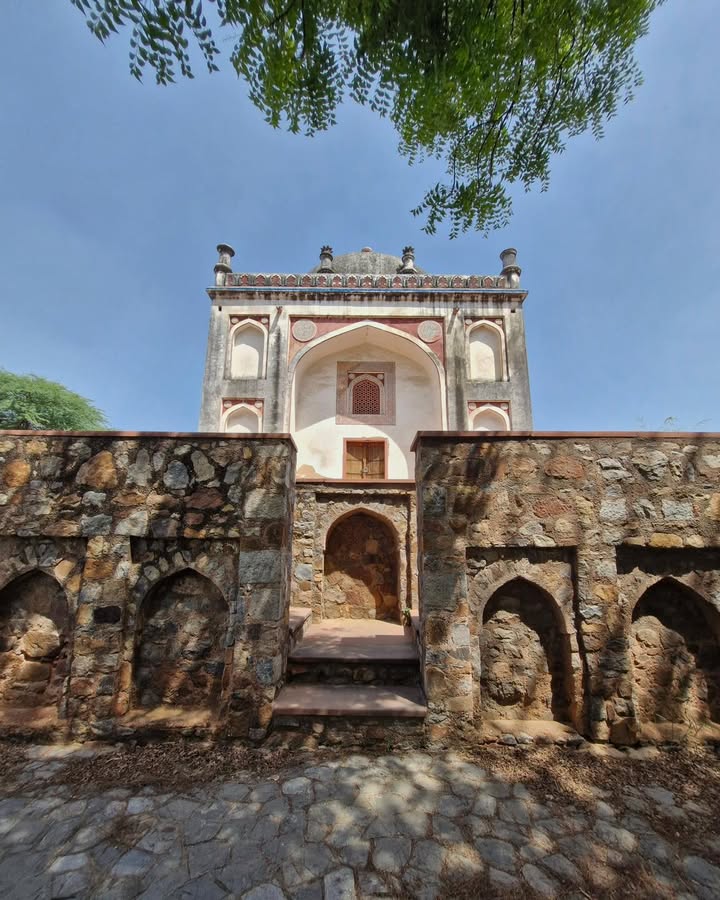
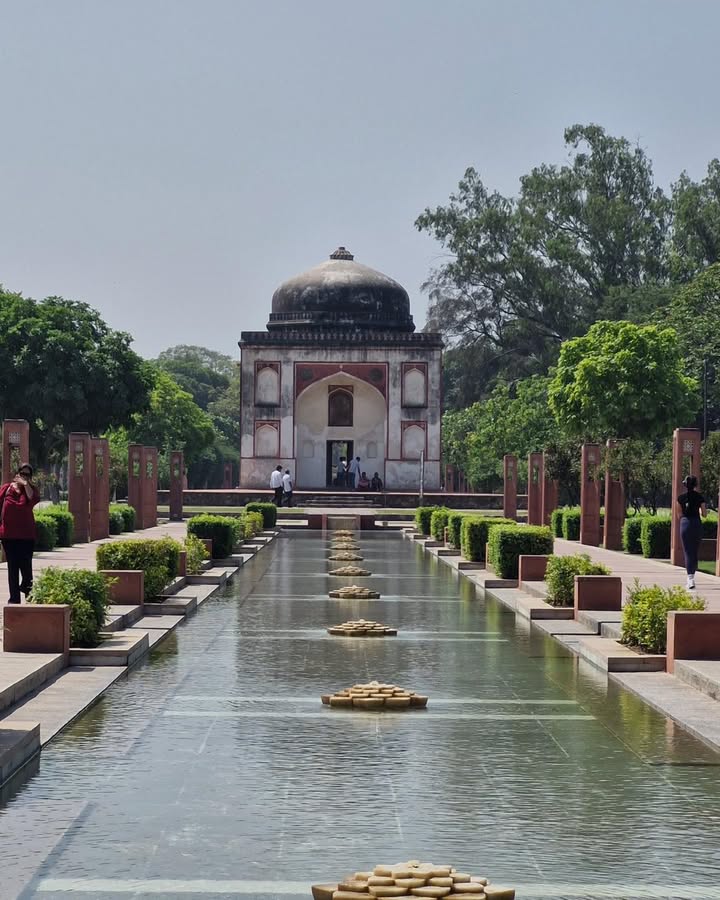
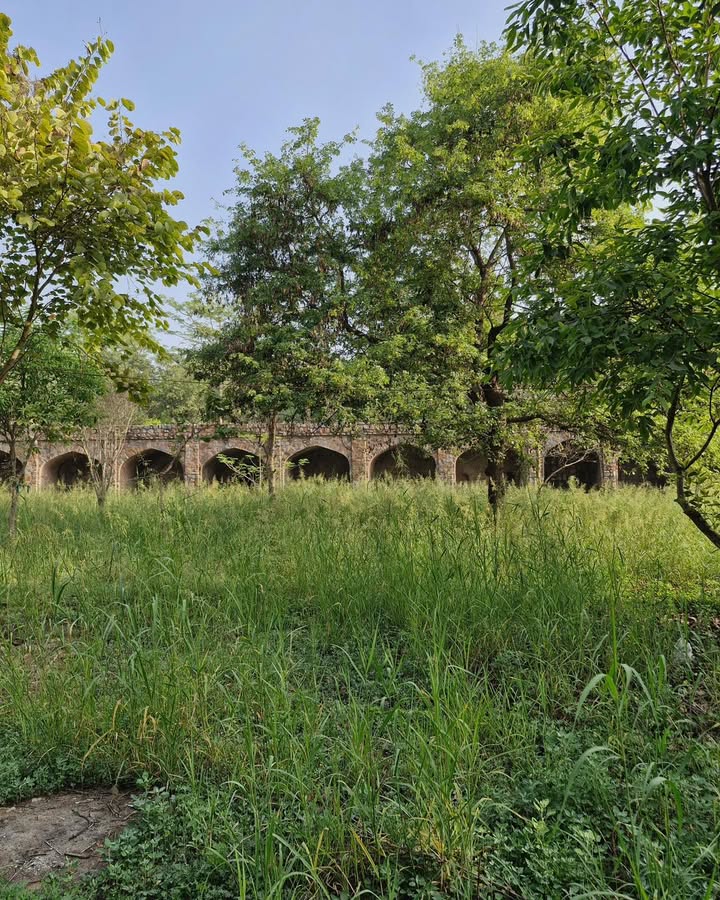
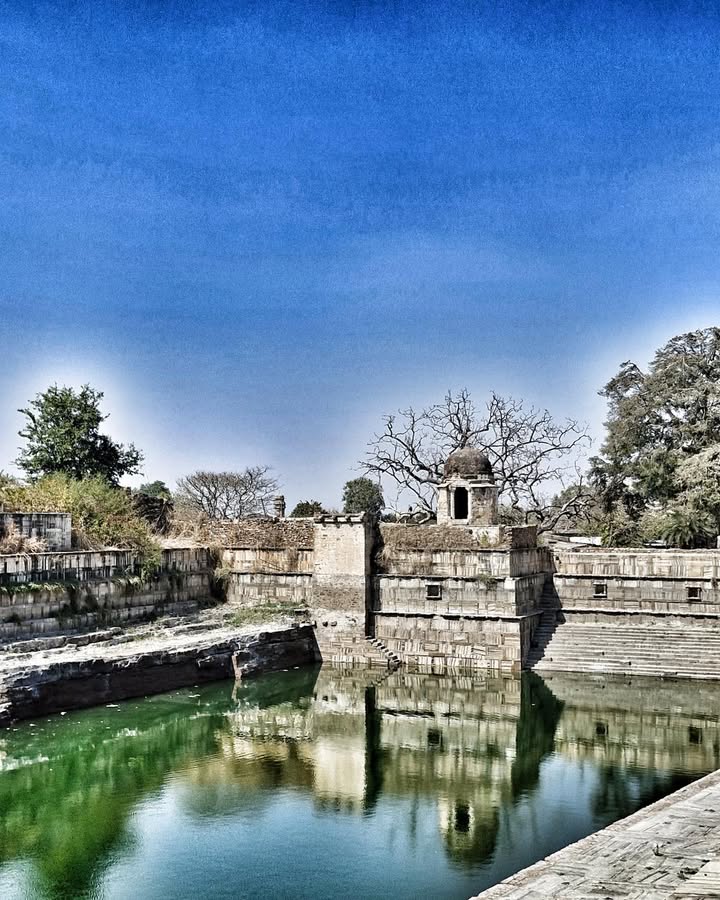
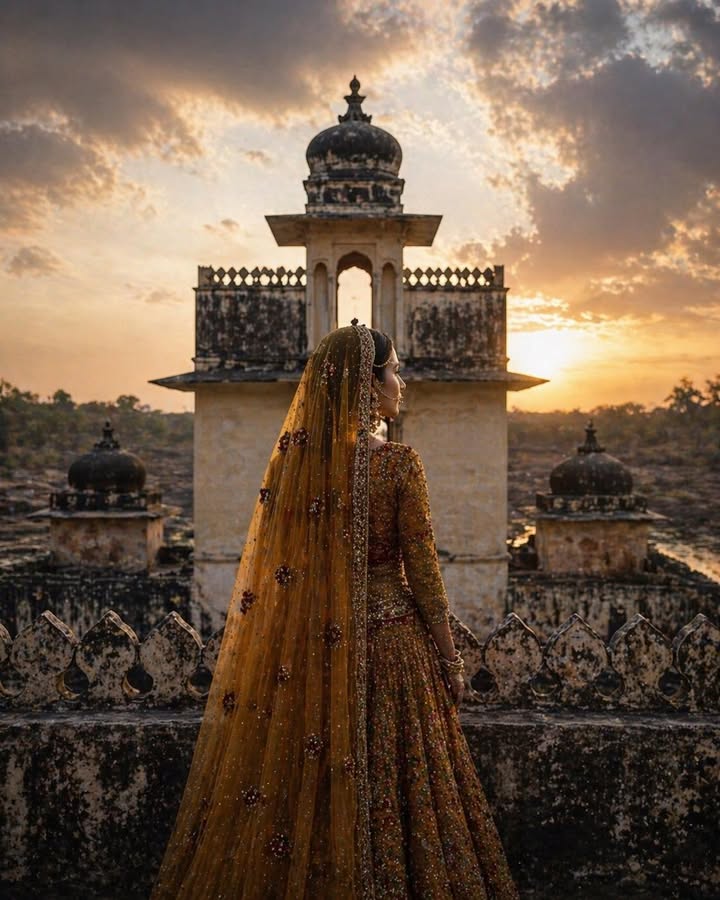
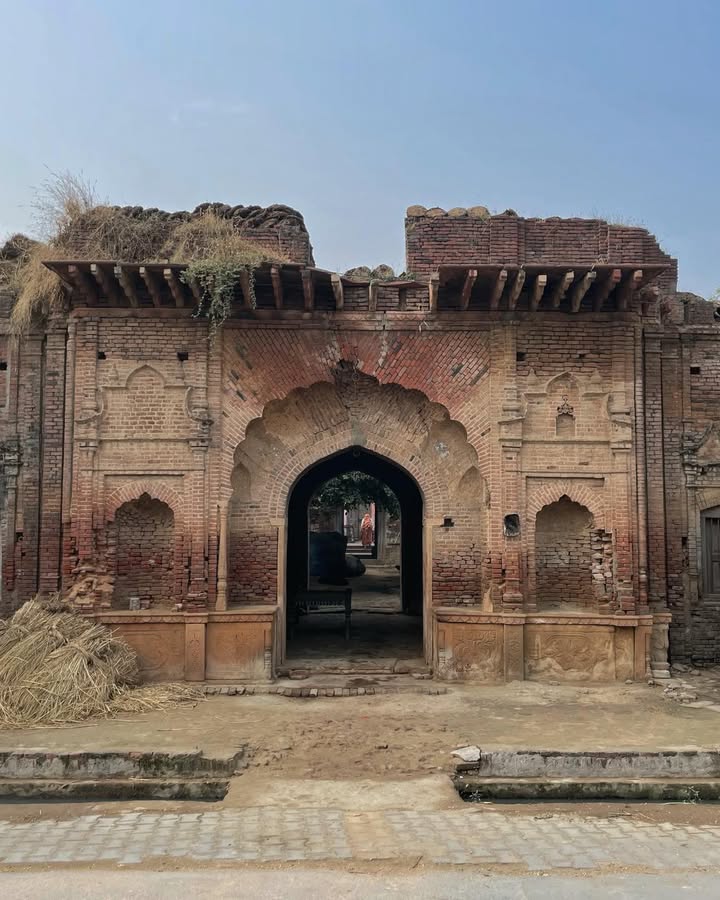
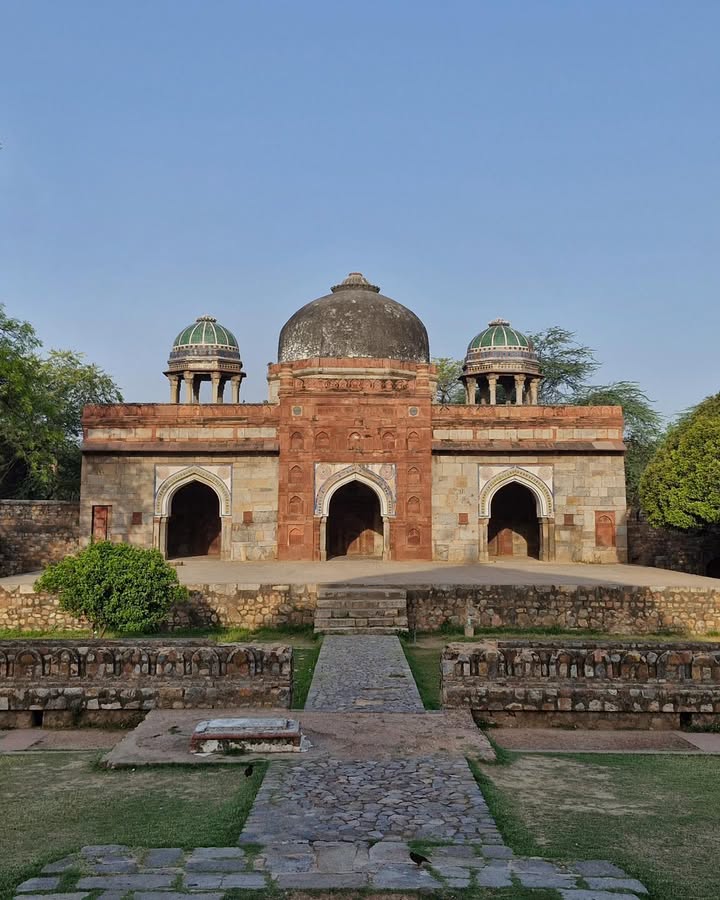
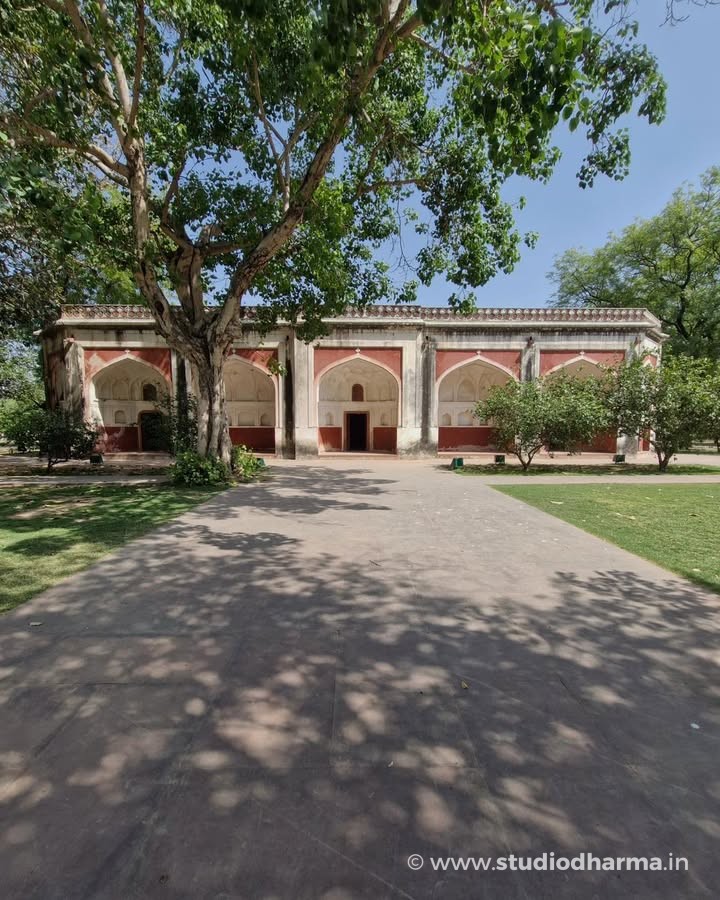
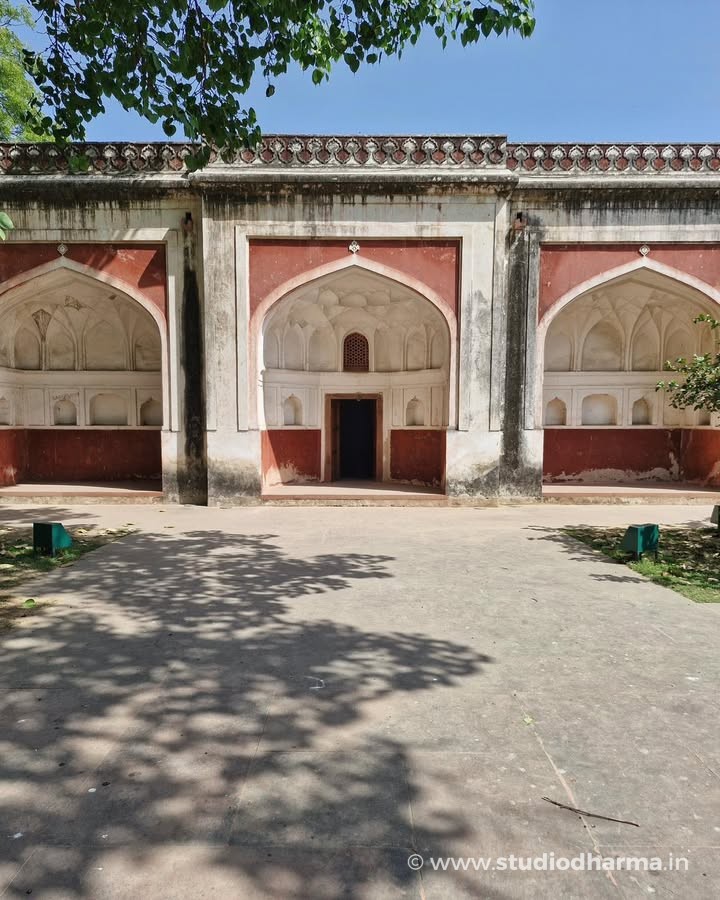
Within the serene landscape of Sunder Nursery in Delhi stands Sunderwala Mahal, a dignified 16th-century Mughal tomb that once lay forgotten beneath layers of neglect.
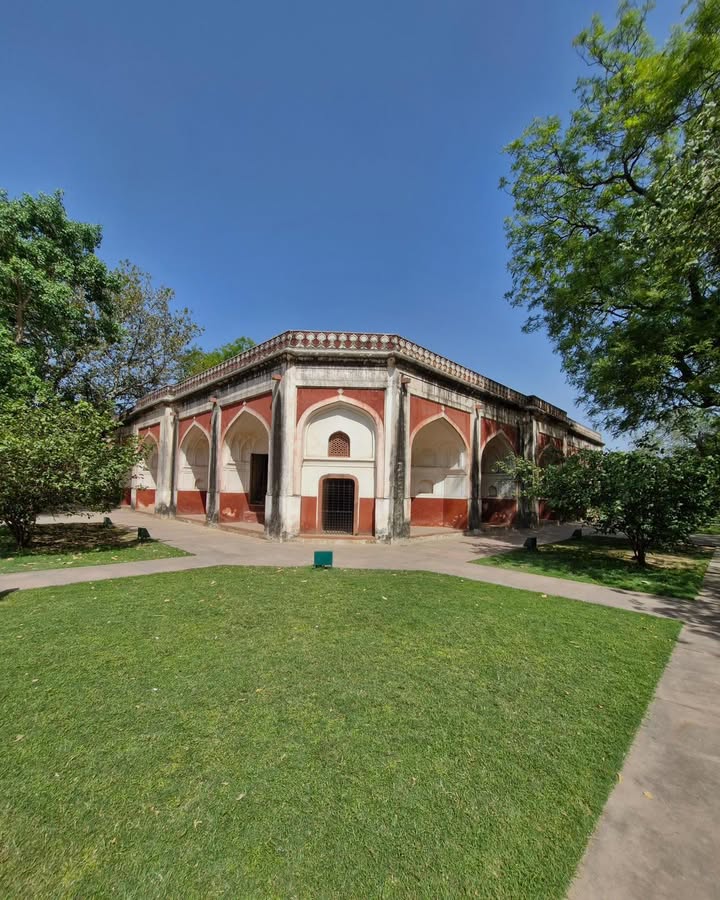
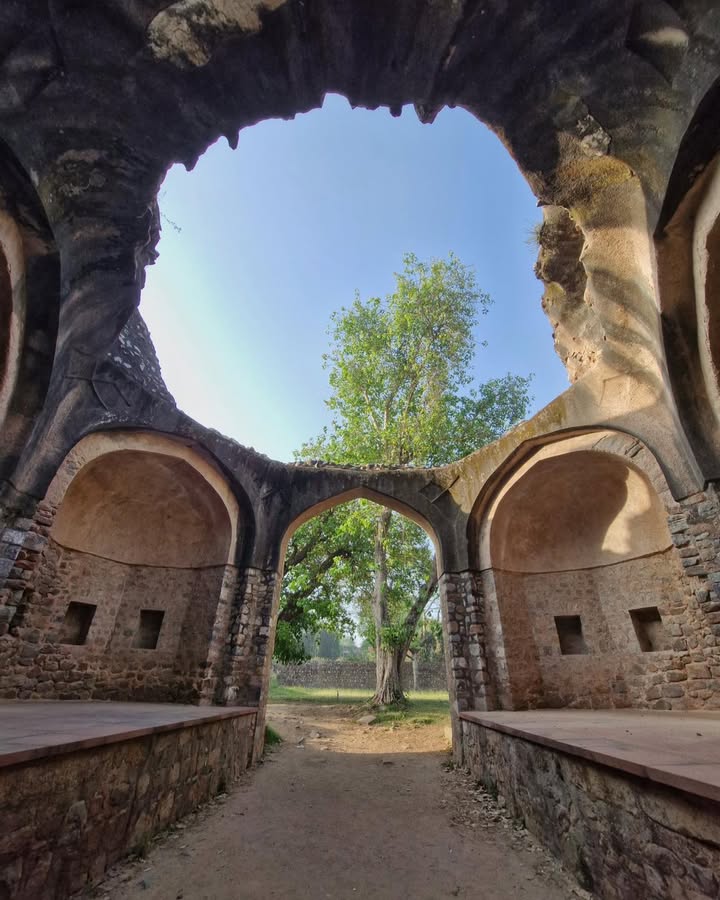
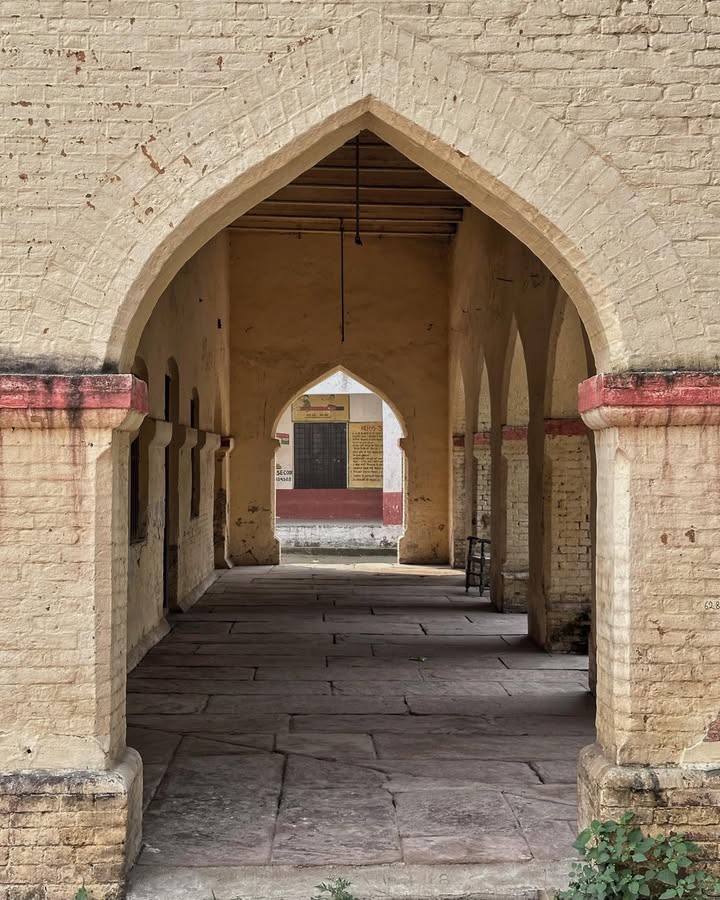
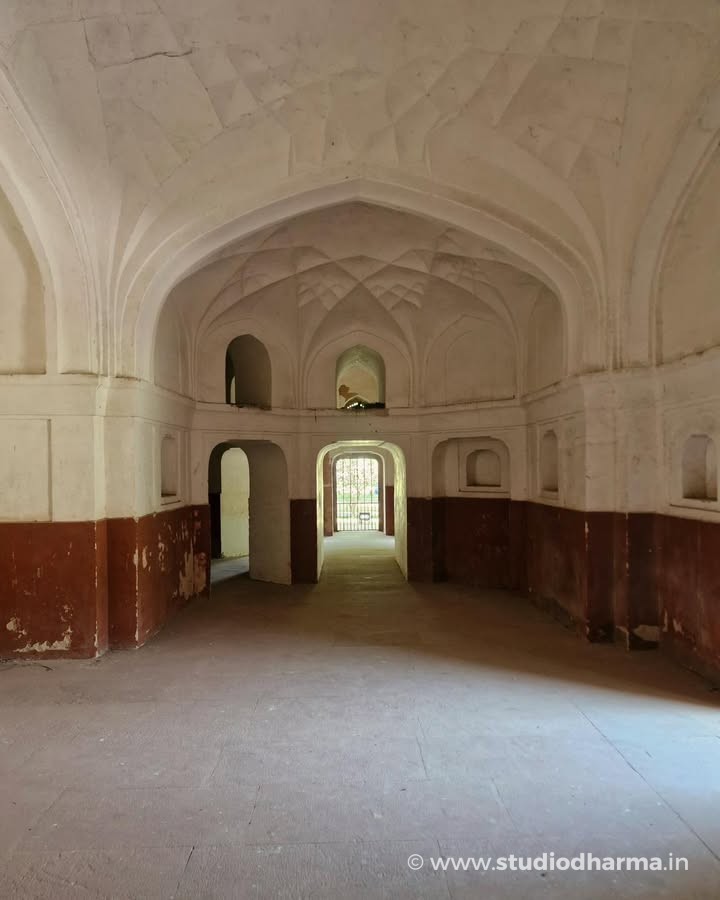
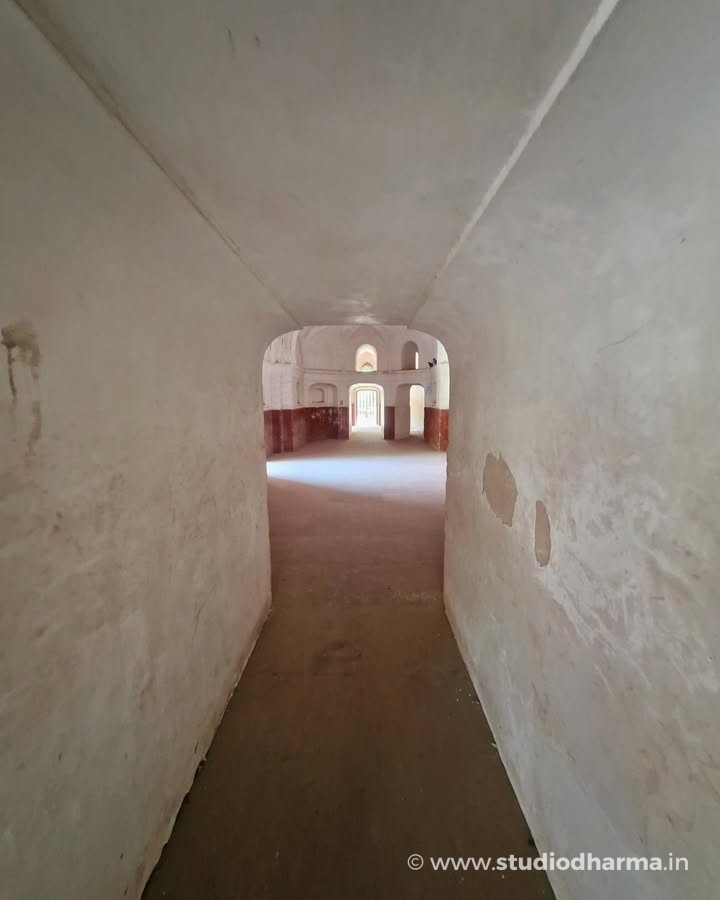
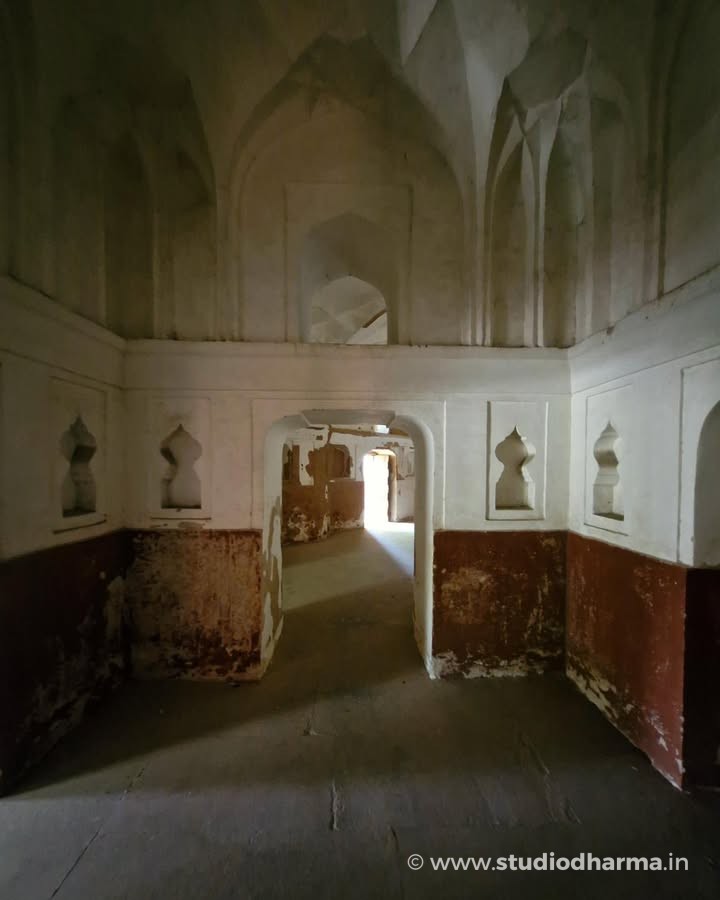
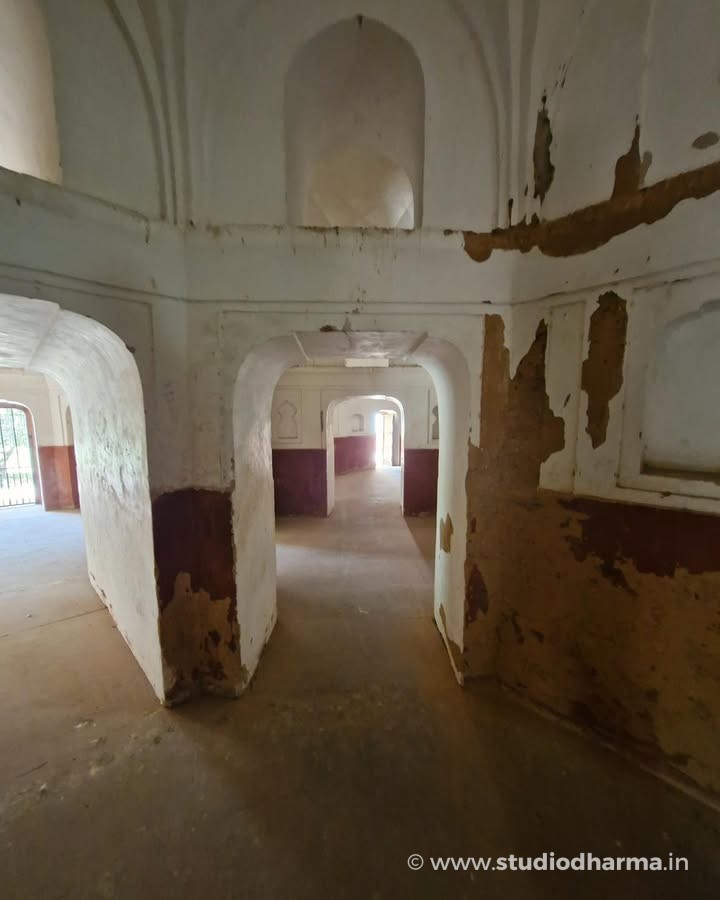
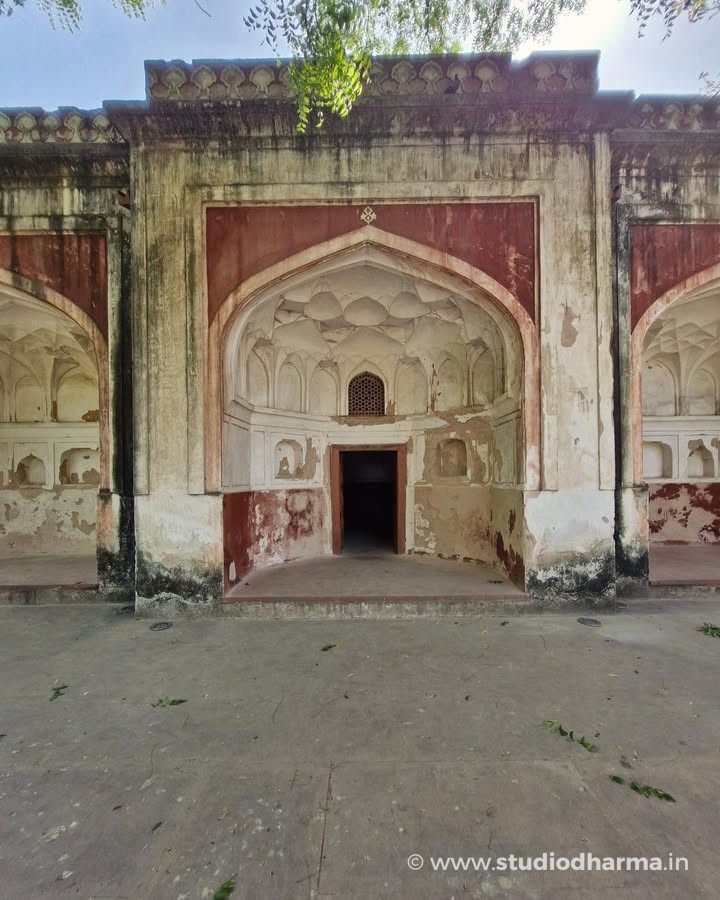
Built during the early Mughal period, this square mausoleum with chamfered corners, elegant arcades, and a subterranean burial chamber was part of the historic Azim Bagh garden complex. While nearby Humayun’s Tomb draws the world’s attention, Sunderwala Mahal speaks in a softer voice—one of symmetry, restraint, and timeless grace.
For decades, the monument stood weathered and wounded. Cement repairs had scarred its surfaces, its architectural lines had weakened, and much of its original character seemed lost.
Then came one of the most remarkable conservation efforts in modern India.
The Aga Khan Trust for Culture, working with the Archaeological Survey of India and other agencies, painstakingly restored the structure using traditional materials and techniques. When Sunder Nursery reopened in 2018, Sunderwala Mahal emerged not as a reconstructed monument, but as a revived memory.
In 2020, this extraordinary restoration earned UNESCO’s highest Asia-Pacific Award for Cultural Heritage Conservation.
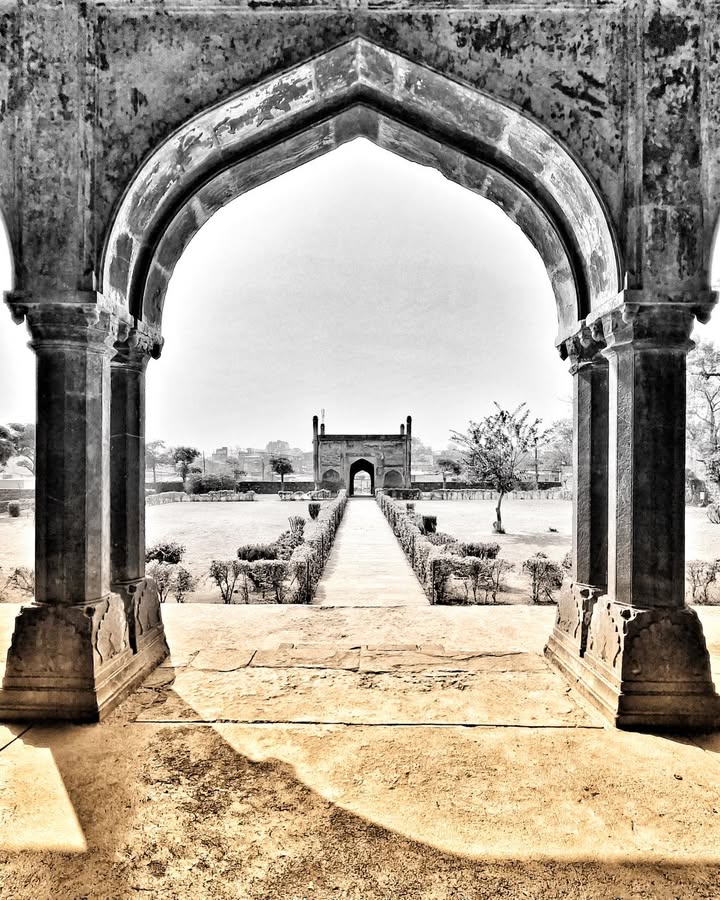
Today, as sunlight filters through its arches and the gardens around it burst with life, Sunderwala Mahal reminds us that heritage, like nature, can bloom again when cared for with patience and respect.
“Sunderwala Mahal is a beautifully restored 16th-century Mughal tomb, though the identity of the noble buried here remains unknown.”
Discover more hidden stories of Meerut in my premium coffee table book ITIHASNAMA by StudioDharma, featuring 25 carefully curated heritage narratives. To order your copy, visit:�
सुन्दरवाला महल, दिल्ली – जहाँ खंडहरों ने फिर से साँस ली
कुछ इमारतें अपनी महत्ता का शोर नहीं करतीं। वे चुपचाप समय की परतों में छिपी रहती हैं और केवल उन्हीं से संवाद करती हैं जो ठहरकर उनकी आवाज़ सुनते हैं।
दिल्ली के सुंदर नर्सरी की हरियाली के बीच स्थित सुन्दरवाला महल ऐसा ही एक 16वीं शताब्दी का मुगलकालीन मकबरा है, जो कभी उपेक्षा और जर्जरता के अंधेरे में खो गया था।
प्रारंभिक मुगल काल में निर्मित यह वर्गाकार संरचना अपने कटे हुए कोनों, मेहराबी बरामदों और भूमिगत समाधि कक्ष के कारण स्थापत्य की दृष्टि से अत्यंत महत्वपूर्ण है। यह कभी ऐतिहासिक अज़ीम बाग का हिस्सा हुआ करता था।
जहाँ पास स्थित हुमायूँ का मकबरा विश्वभर का ध्यान आकर्षित करता है, वहीं सुन्दरवाला महल अपनी शांत गरिमा में इतिहास की एक धीमी लेकिन गहरी कहानी सुनाता है।
दशकों तक यह स्मारक टूटता-बिखरता रहा। आधुनिक सीमेंट मरम्मतों ने इसकी मूल सुंदरता को ढक दिया था और इसकी संरचना कमजोर पड़ चुकी थी।
फिर शुरू हुआ संरक्षण का एक अद्भुत अध्याय।
आगा ख़ान ट्रस्ट फ़ॉर कल्चर और भारतीय पुरातत्व सर्वेक्षण ने पारंपरिक तकनीकों और मूल सामग्री का उपयोग कर इसे सावधानीपूर्वक पुनर्जीवित किया। 2018 में जब सुंदर नर्सरी जनता के लिए दोबारा खोली गई, तब सुन्दरवाला महल मानो इतिहास के पन्नों से फिर जीवित होकर सामने आ खड़ा हुआ।
इस संरक्षण कार्य को 2020 में यूनेस्को के सर्वोच्च एशिया-प्रशांत सांस्कृतिक विरासत संरक्षण सम्मान से नवाज़ा गया।
आज इसकी मेहराबों से छनती धूप यह संदेश देती है कि यदि संवेदनशीलता और धैर्य के साथ संरक्षण किया जाए, तो विरासत फिर से खिल उठती है।
“सुन्दरवाला महल 16वीं शताब्दी का एक भव्य मुगलकालीन मकबरा है, लेकिन इसमें दफ़्न व्यक्ति की पहचान आज भी इतिहास के रहस्यों में छिपी हुई है।”
मेरठ की अनकही ऐतिहासिक कहानियों को विस्तार से जानने के लिए मेरी प्रीमियम कॉफी टेबल बुक आईतिहासनामा (ITIHASNAMA) अवश्य देखें। इसमें मेरठ की 25 चुनिंदा विरासत कथाएँ संकलित हैं। अपनी प्रति मंगाने के लिए यहाँ जाएँ:�