









꧁ Is “Loony Akhtar” Buried in Meerut? ꧂.
꧁ Is “Loony Akhtar” Buried in Meerut? ꧂.
Did you know that the man once called “Loony Akhtar” by the streets of Delhi now rests in the silent grounds of Meerut?
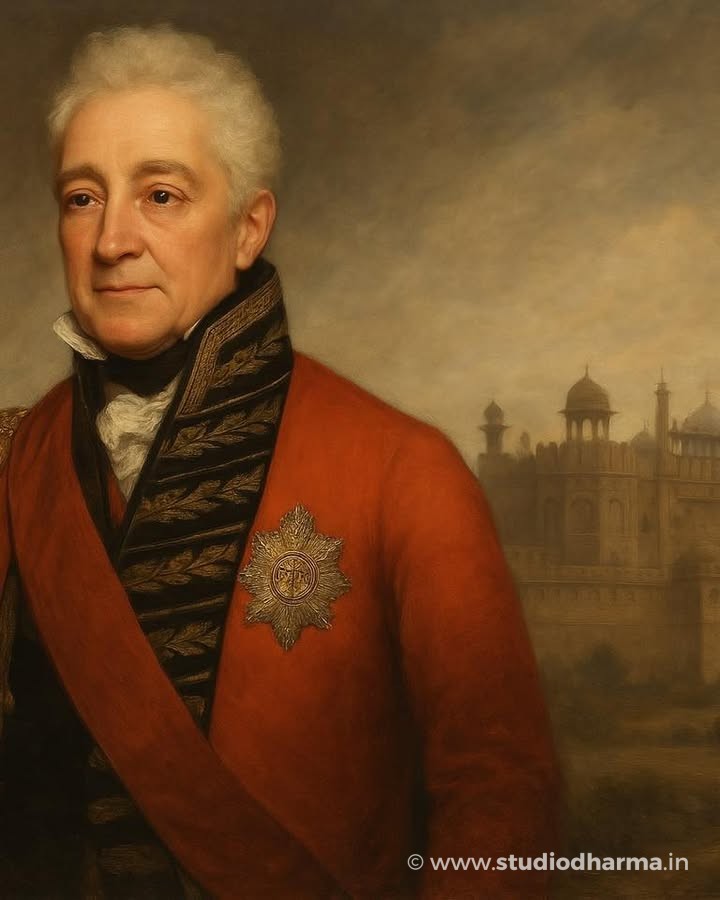
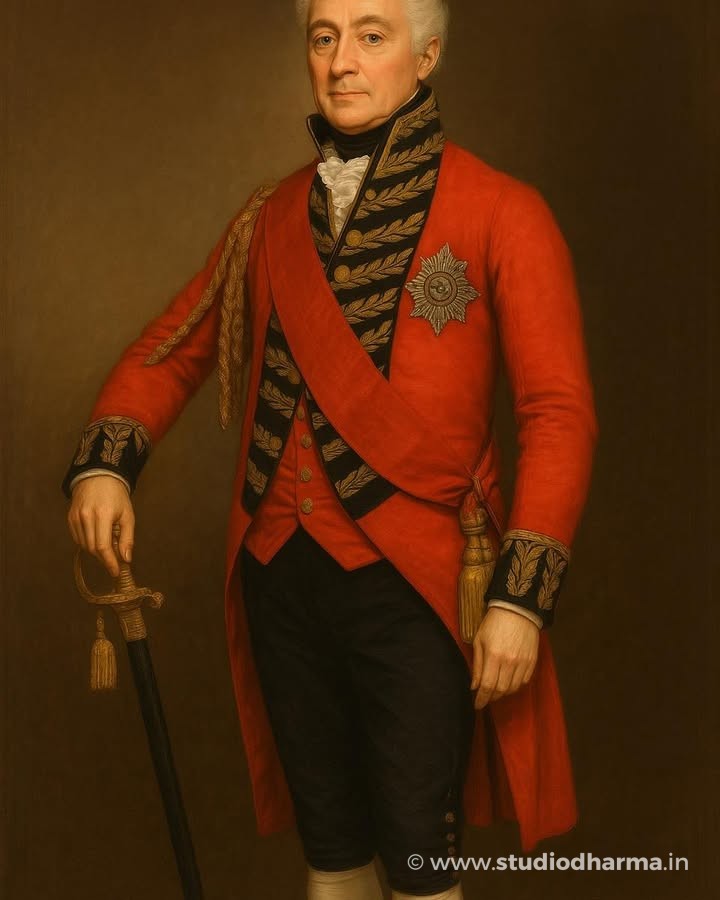
David Ochterlony, born in 1758 in Boston, arrived in India as a British officer but gradually became something far more unusual—a man who blurred the lines between empire and culture. As the British Resident at Delhi, he held immense political power, yet his personal life told a completely different story.
He dressed like a noble of Hindustan, smoked a hookah, and lived in a way that made even the British uncomfortable. His evenings became legend—riding through Delhi with his 13 wives, each on a separate elephant. To the Mughal court, he was not an outsider, but “Nasir-ud-Daula,” a trusted figure under Emperor Shah Alam.
He defended Delhi in 1804 and later led British success in the Anglo-Nepal War, earning military distinction. But his final chapter was not written in Delhi.
After a serious disagreement with British authorities, Ochterlony left Delhi and moved away from power. He came to Meerut—quiet, distant, and removed from the politics he once dominated.
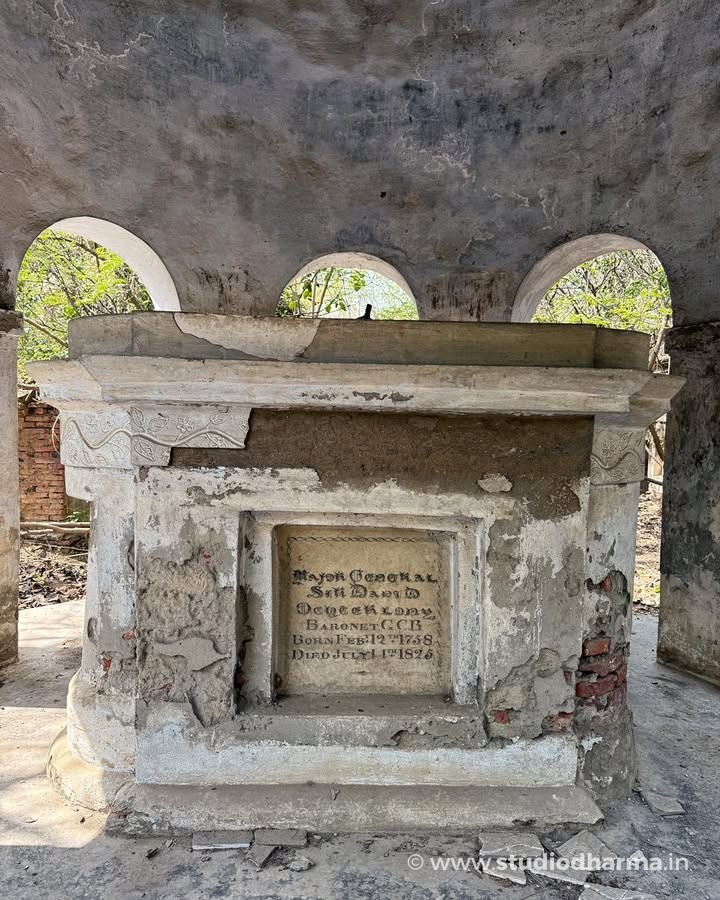
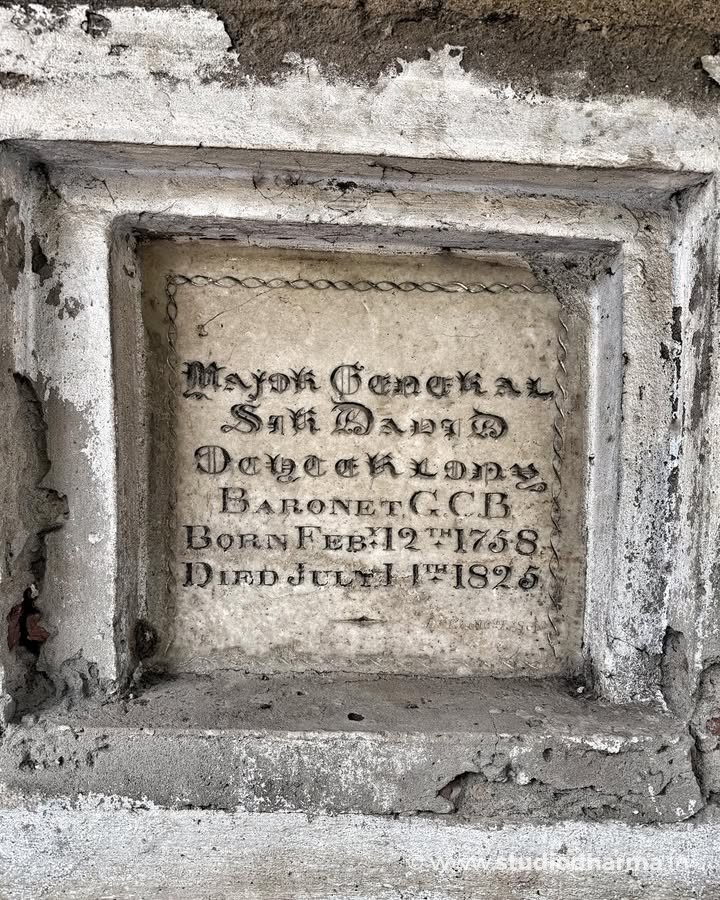
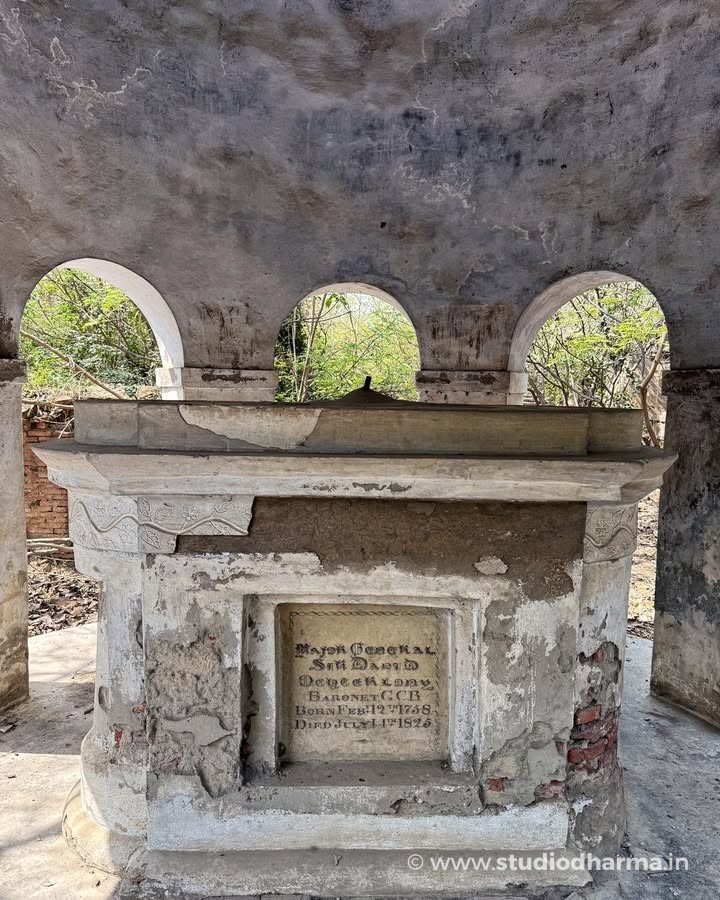
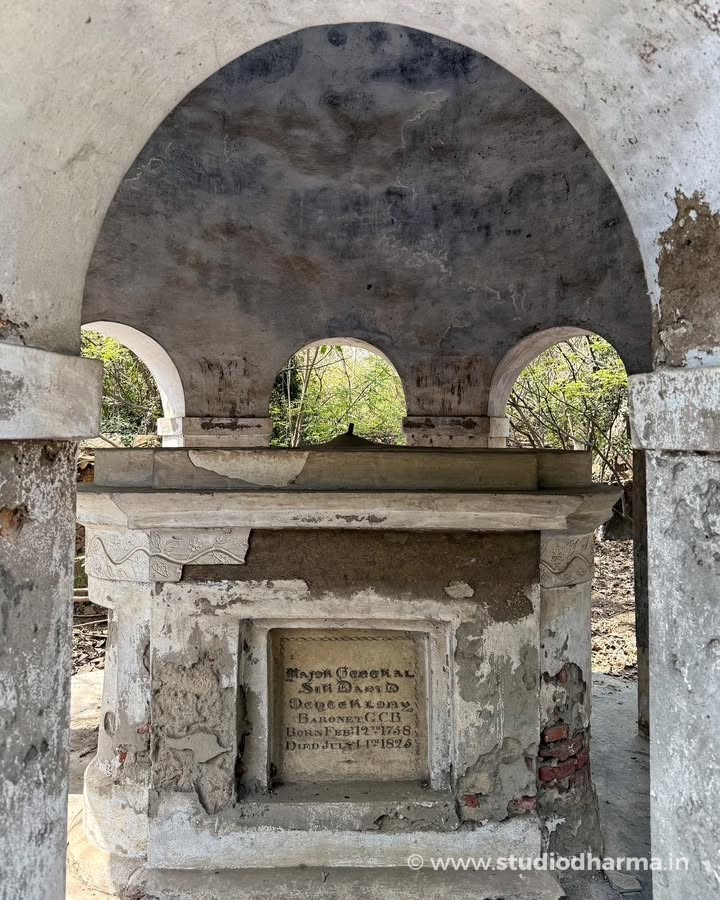
It was here, in 1825, that he passed away.
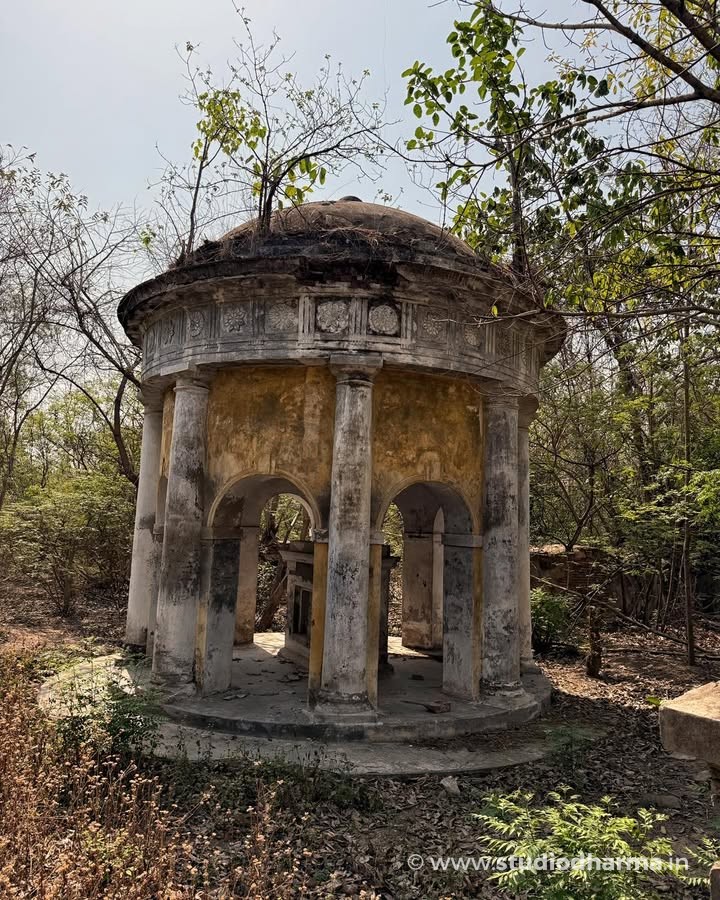
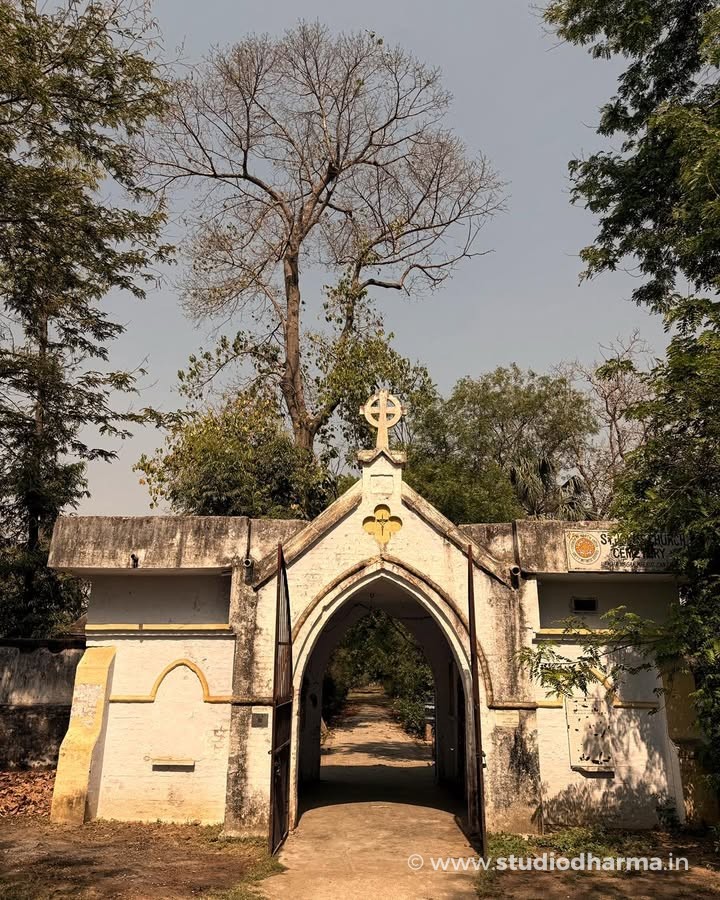
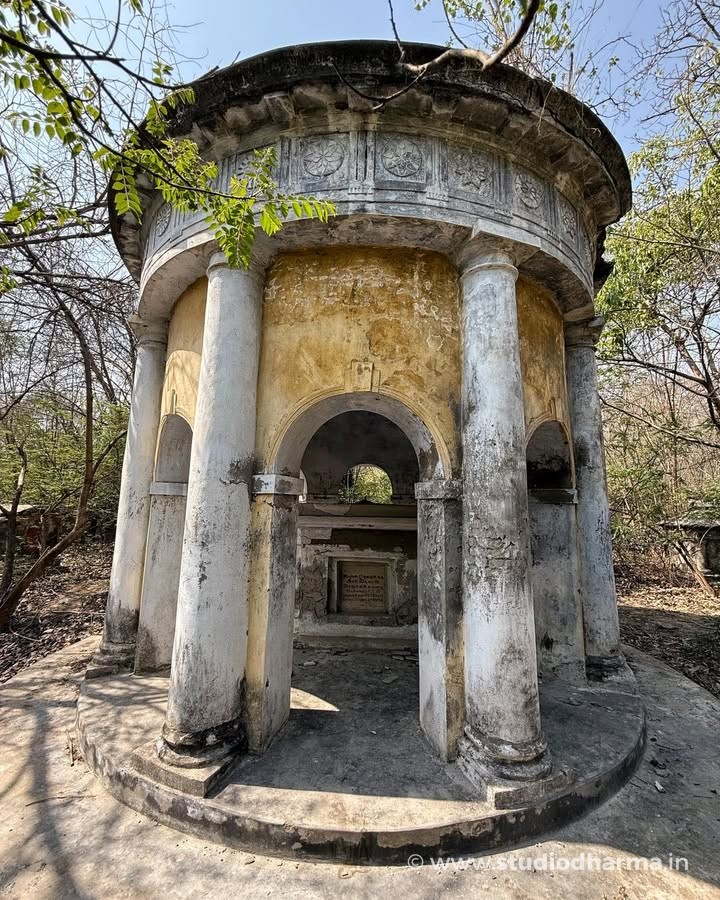
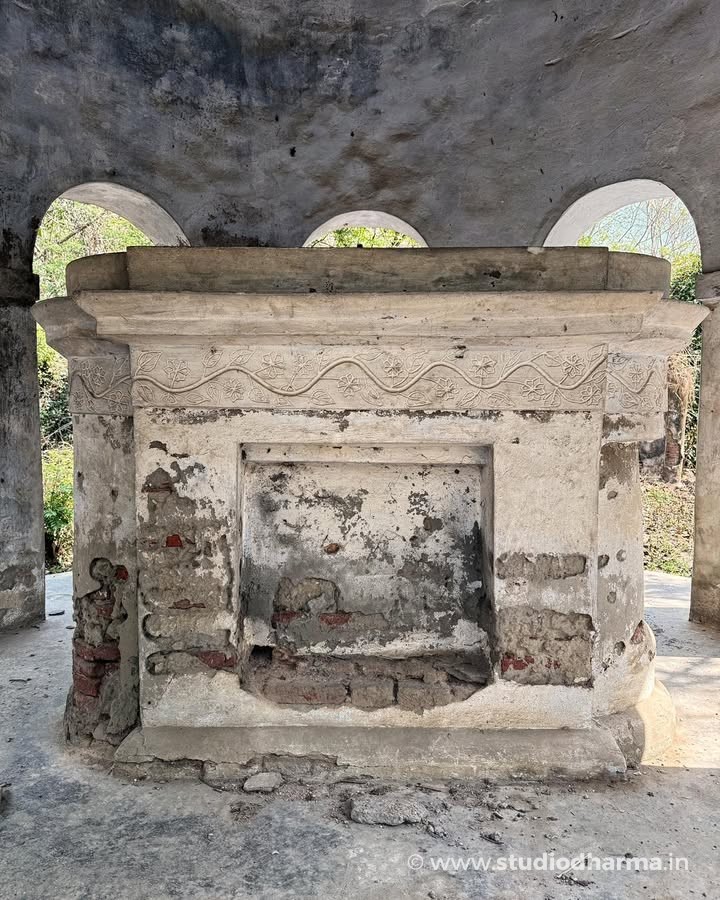
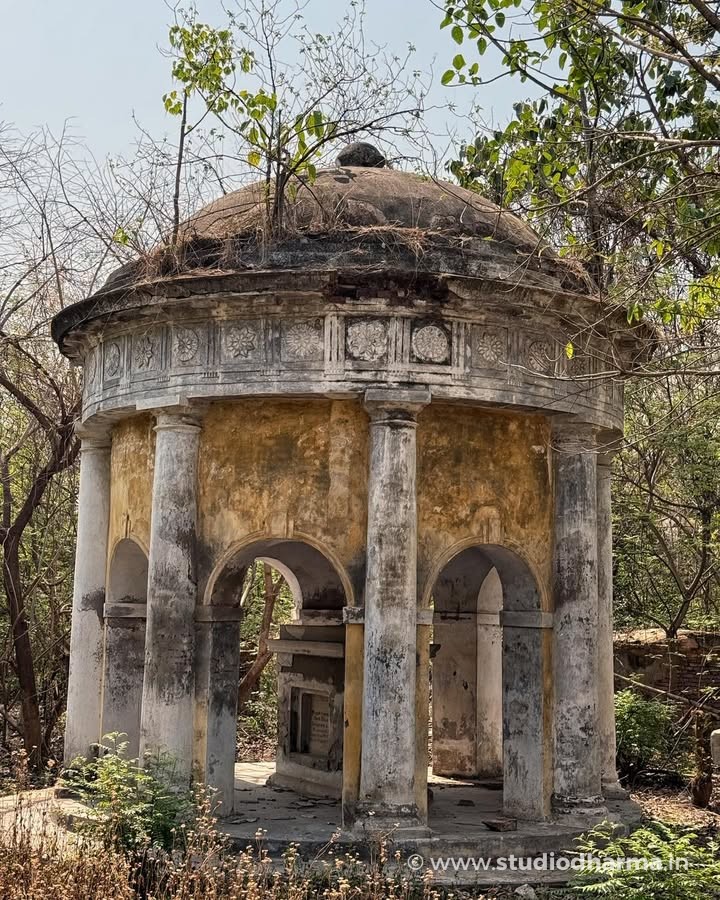
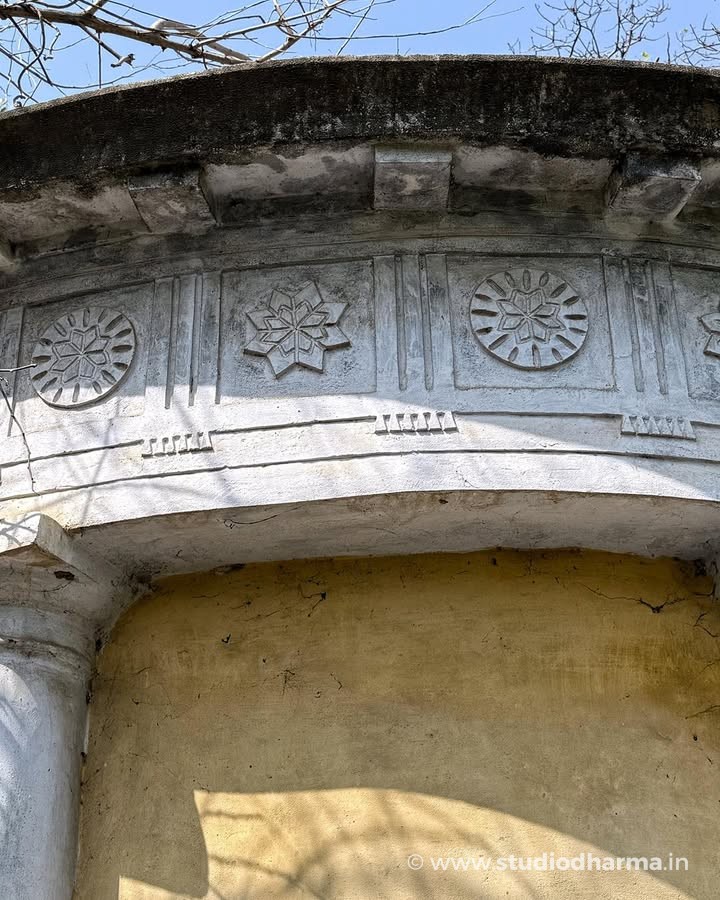
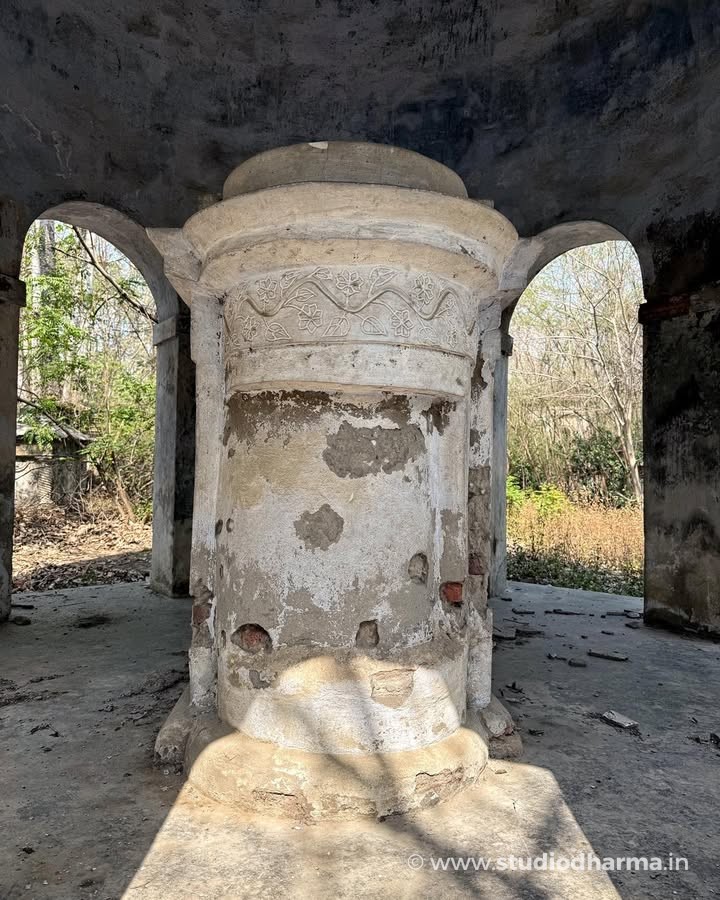
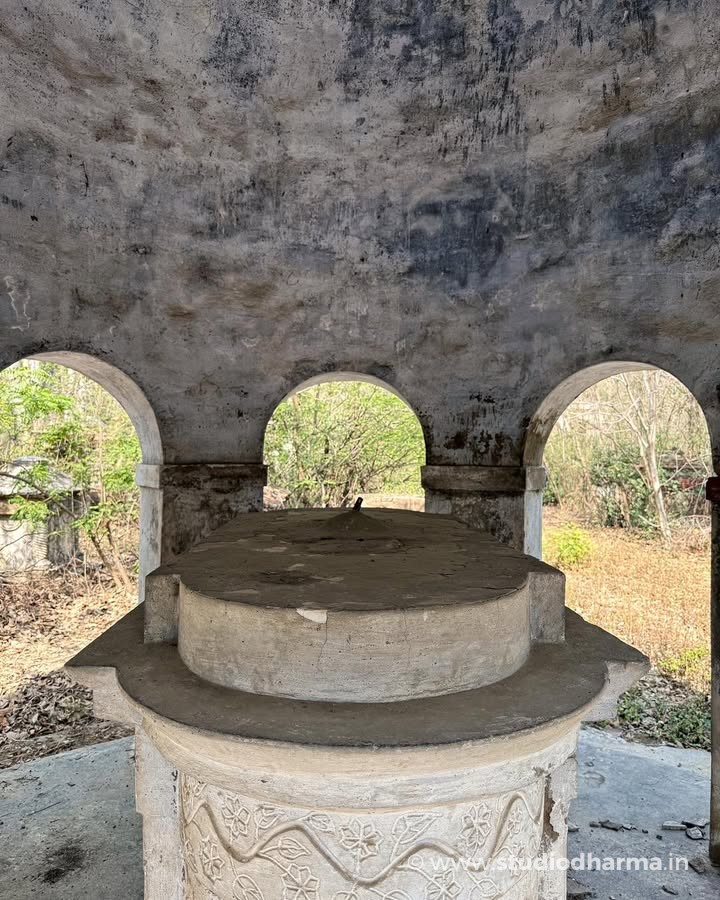
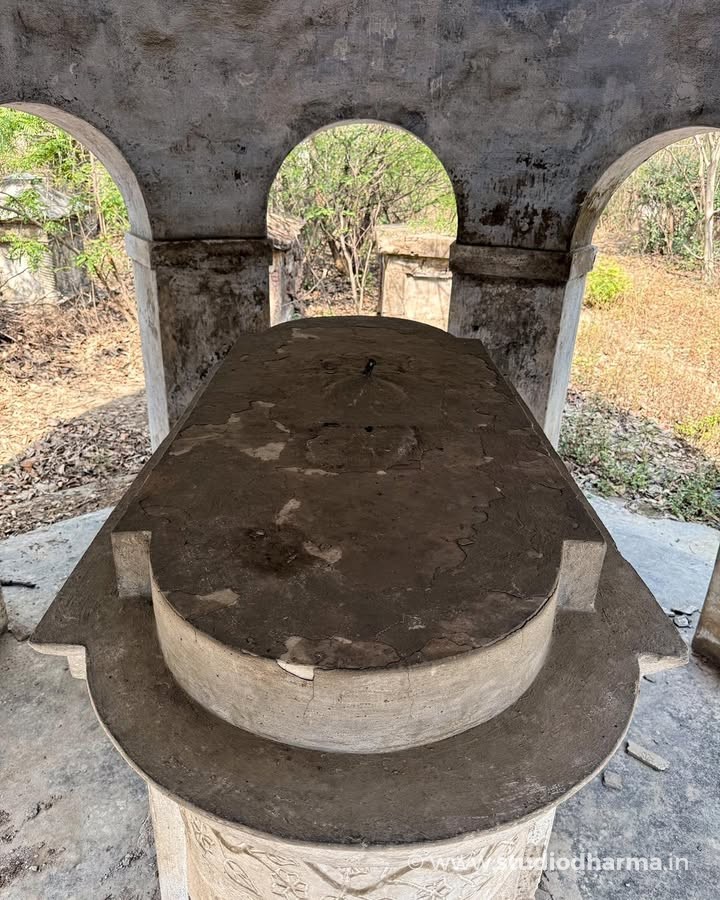
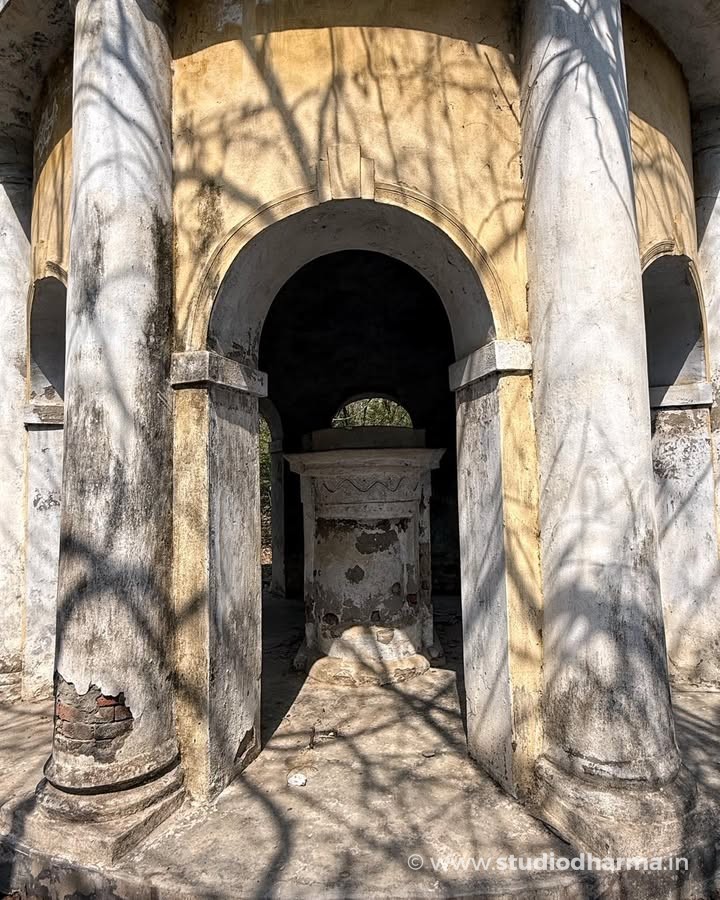
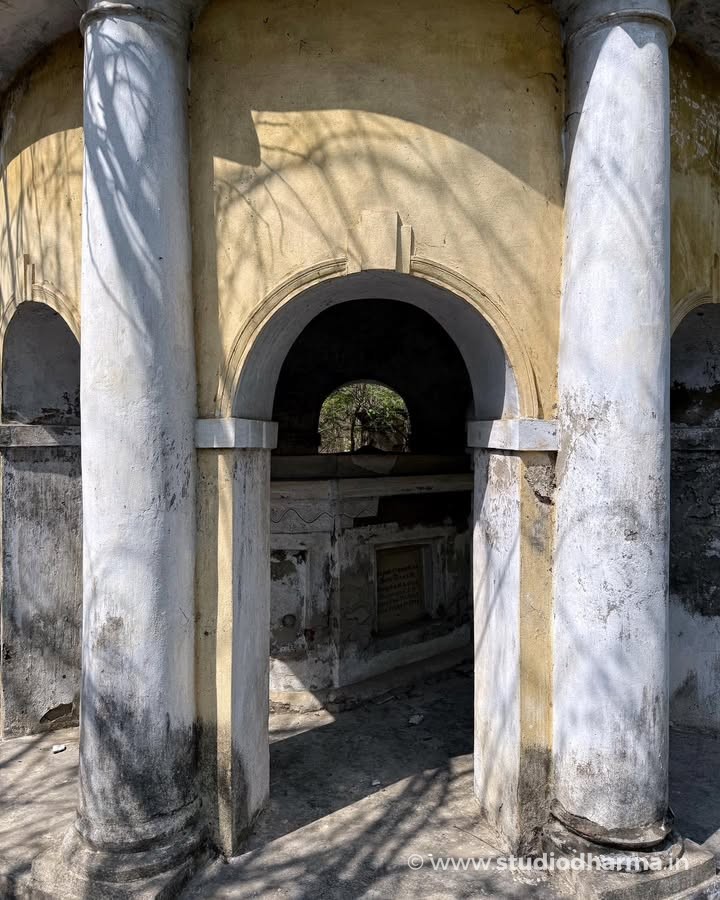
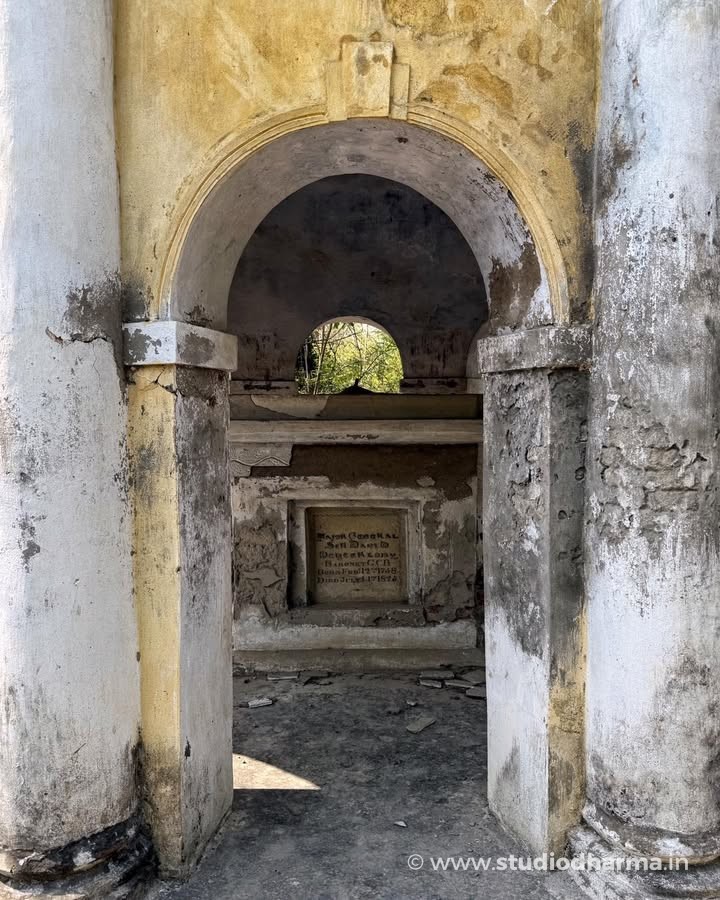
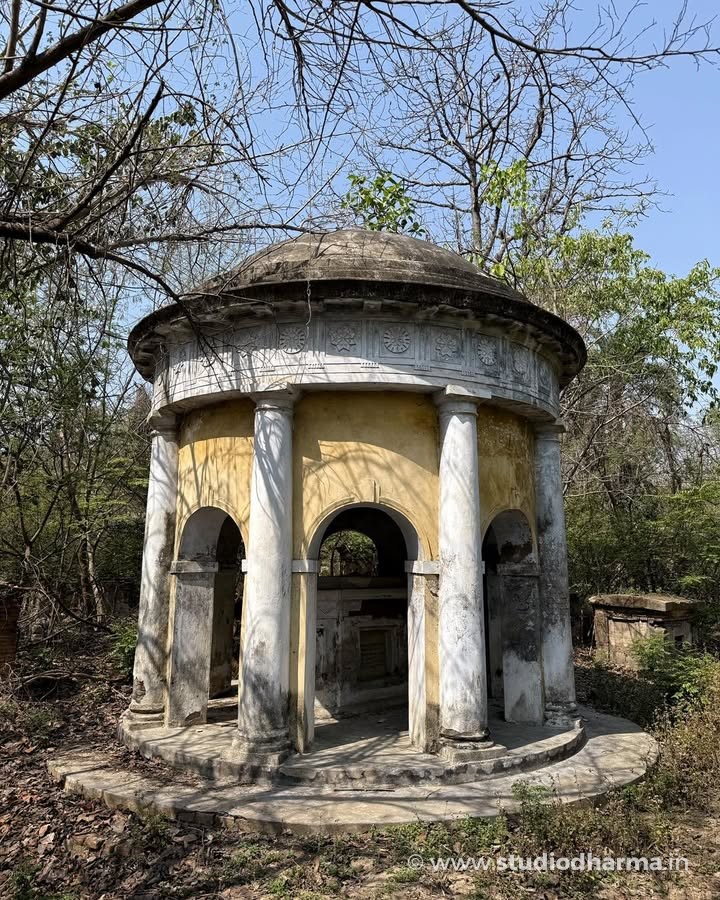
Today, his grave at Old St. John’s Cemetery, Meerut, stands as a rare reminder of a man who was neither fully British nor fully Indian—but something in between.
A story not just of power, but of identity.
Explore more such forgotten stories in the premium coffee table book ITIHASNAMA by StudioDharma, featuring 25 curated heritage narratives of Meerut.
Order your copy here:
꧁ क्या “लूनी अख़्तर” मेरठ में दफ़न हैं? ꧂
क्या आपको पता है कि “लूनी अख़्तर” के नाम से मशहूर डेविड ऑक्टरलोनी आज मेरठ की खामोश ज़मीन में दफ़न हैं?
1758 में बोस्टन में जन्मे ऑक्टरलोनी भारत एक अंग्रेज अधिकारी के रूप में आए थे, लेकिन समय के साथ उनकी पहचान कुछ और ही बन गई—एक ऐसा इंसान जिसने दो संस्कृतियों के बीच की रेखा को मिटा दिया।
दिल्ली के ब्रिटिश रेज़िडेंट के रूप में वह सत्ता के केंद्र में थे, लेकिन उनका जीवन अंग्रेज अधिकारियों जैसा नहीं था। वह हिंदुस्तानी पोशाक पहनते, हुक्का पीते और एक नवाब की तरह जीवन जीते थे। उनकी शामें एक कहानी बन गई थीं—13 पत्नियों के साथ, 13 हाथियों पर निकलने वाला उनका जुलूस।
मुगल दरबार ने उन्हें “नासिर-उद-दौला” की उपाधि दी और शाह आलम का विश्वास भी हासिल हुआ। 1804 में दिल्ली की रक्षा और एंग्लो-नेपाल युद्ध में उनकी भूमिका उन्हें इतिहास में अमर करती है।
लेकिन उनकी कहानी का अंत दिल्ली में नहीं हुआ।
अंग्रेज अधिकारियों से मतभेद के बाद उन्हें दिल्ली छोड़नी पड़ी और वह मेरठ आ गए—शहर से दूर, सत्ता से दूर।
यहीं, 1825 में, उन्होंने अपनी अंतिम सांस ली।
आज मेरठ के ओल्ड सेंट जॉन्स कब्रिस्तान में उनकी कब्र एक खामोश गवाही देती है—एक ऐसे इंसान की, जो न पूरी तरह अंग्रेज था, न पूरी तरह भारतीय, बल्कि दोनों के बीच एक सेतु था।
StudioDharma की प्रीमियम कॉफी टेबल बुक ITIHASNAMA में मेरठ की ऐसी ही 25 ऐतिहासिक कहानियाँ संजोई गई हैं।
अपनी प्रति यहाँ से प्राप्त करें: