









Gottlieb Francis Coin Farasu of Harchandpur, Baghpat – The Forgotten Graves Linked to the Revolt of 1857.
Gottlieb Francis Coin Farasu of Harchandpur, Baghpat – The Forgotten Graves Linked to the Revolt of 1857.
There are places where history does not announce itself… it quietly fades into silence.
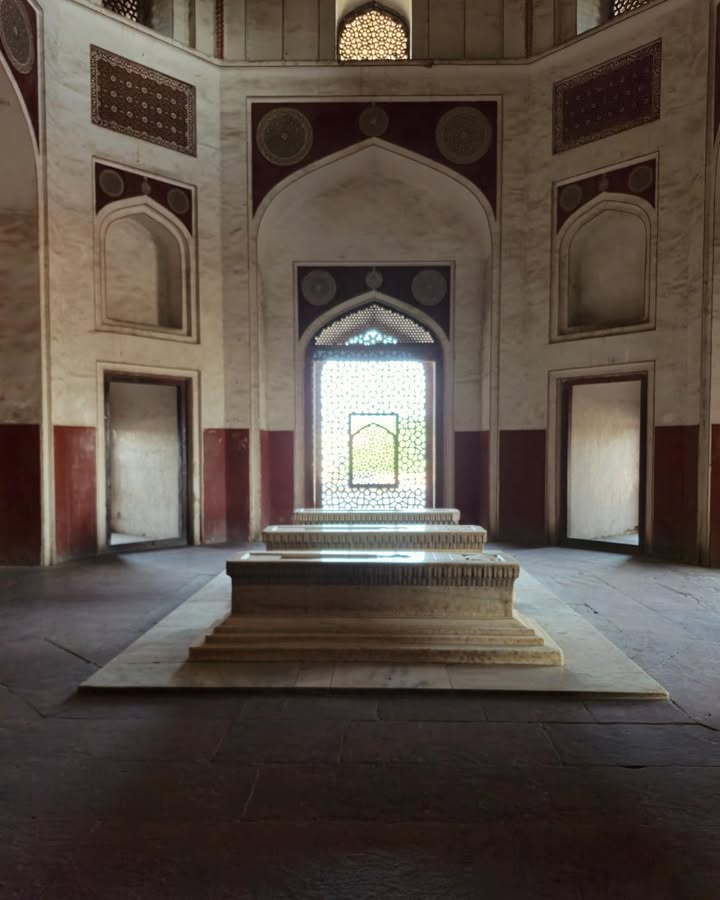
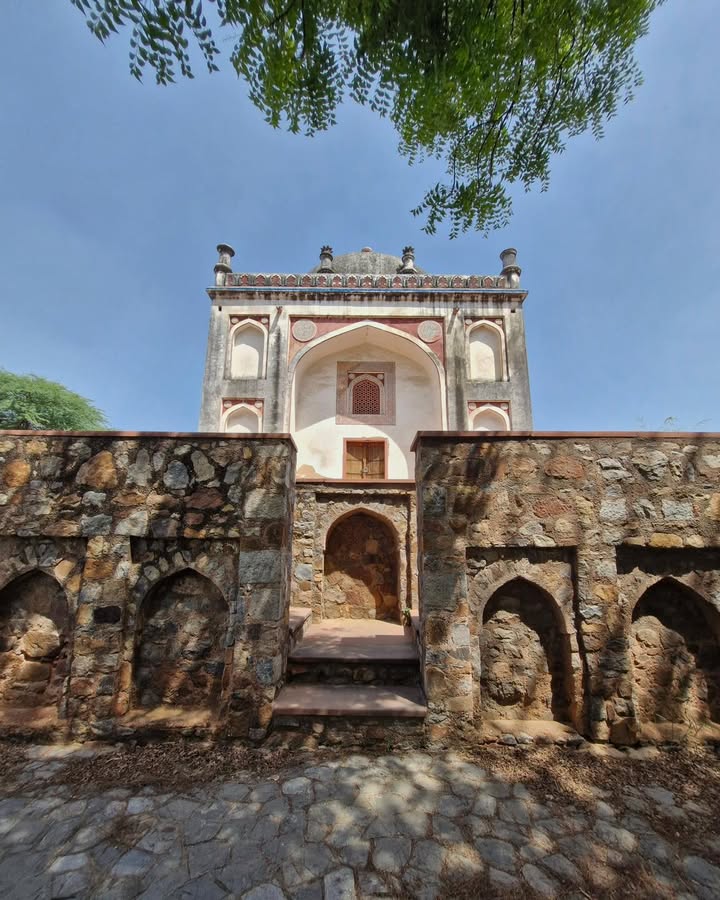
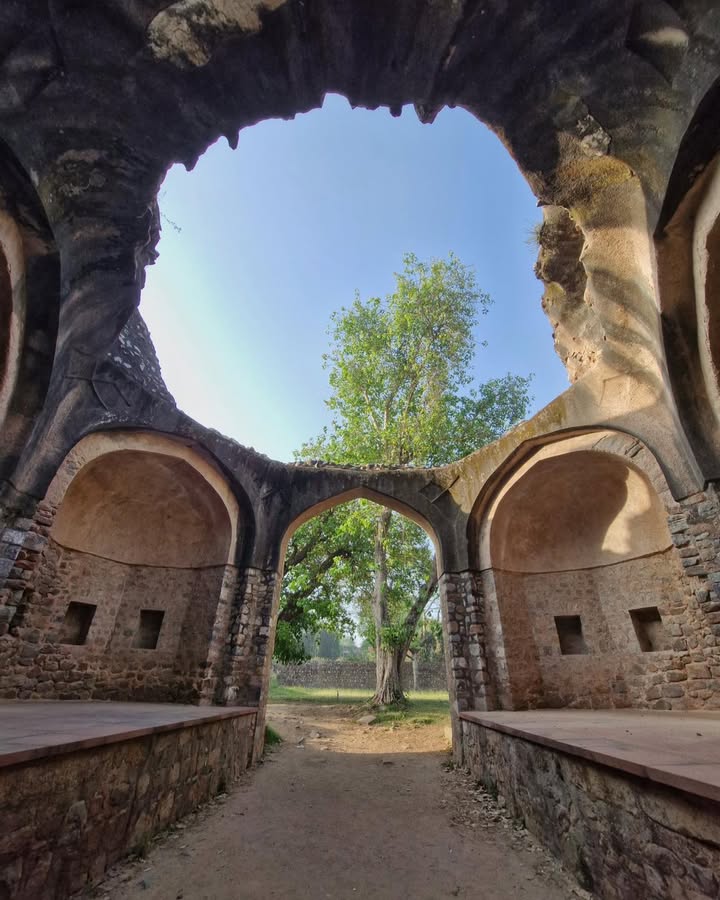
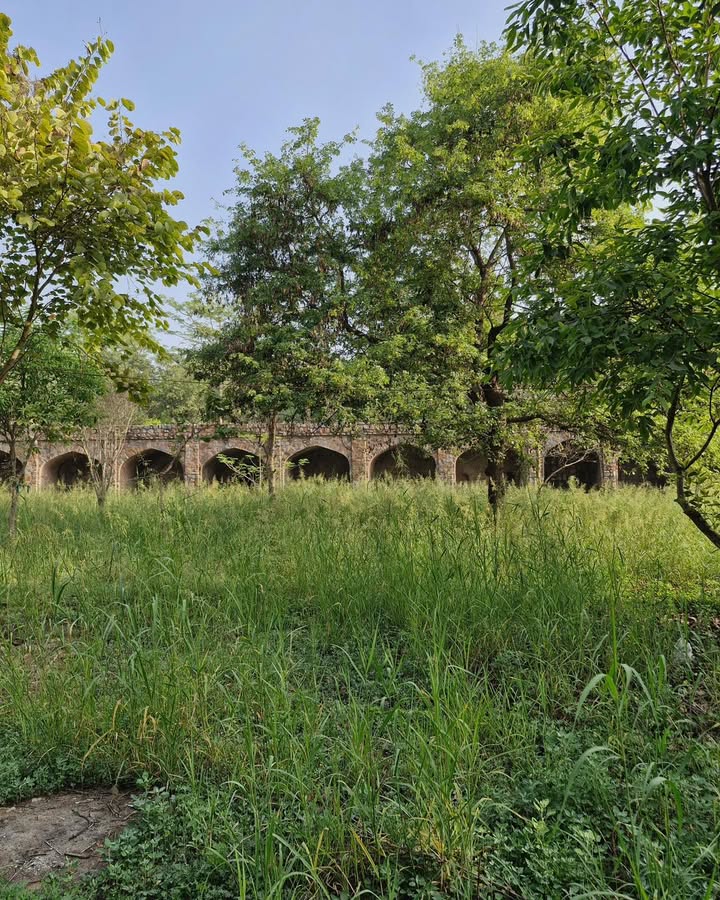
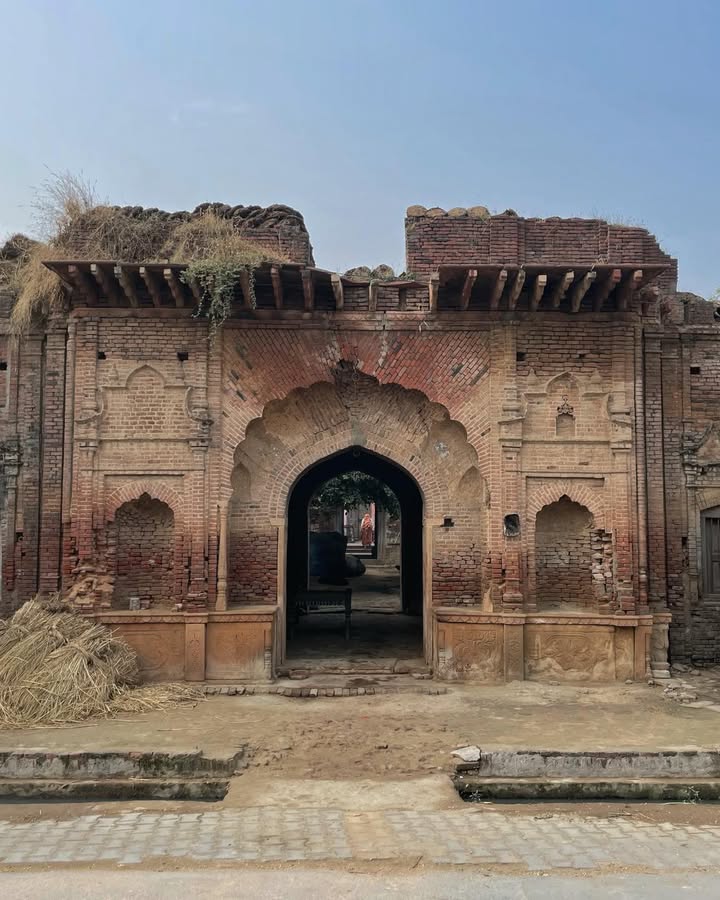
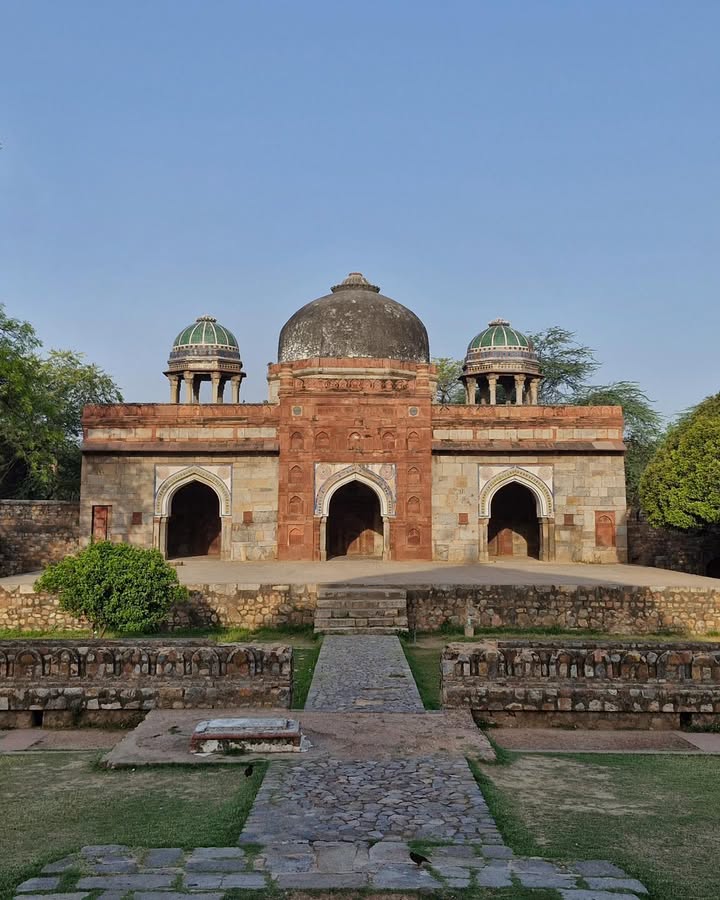
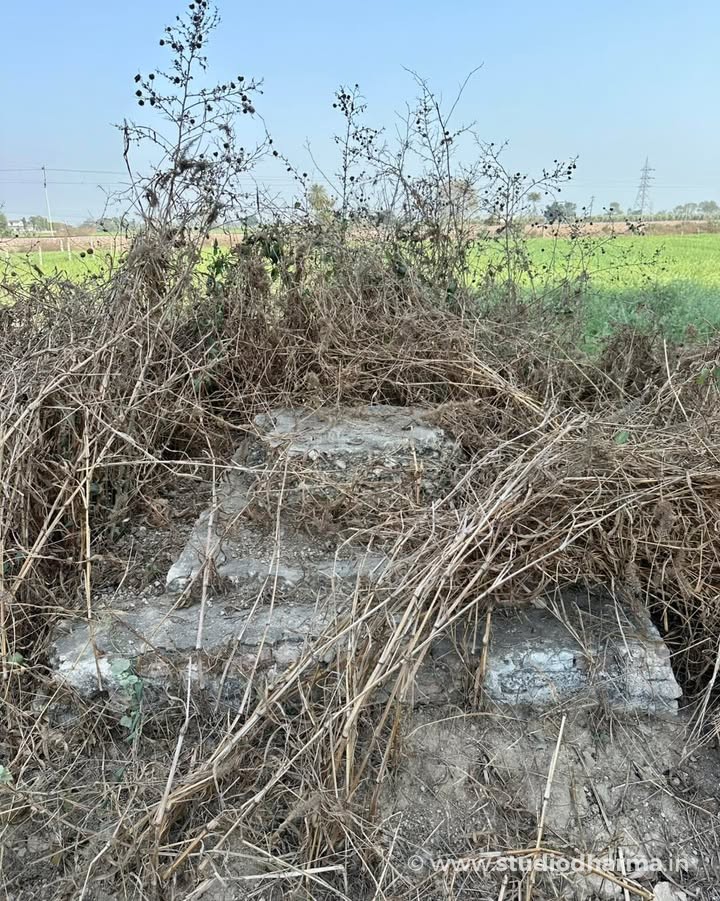
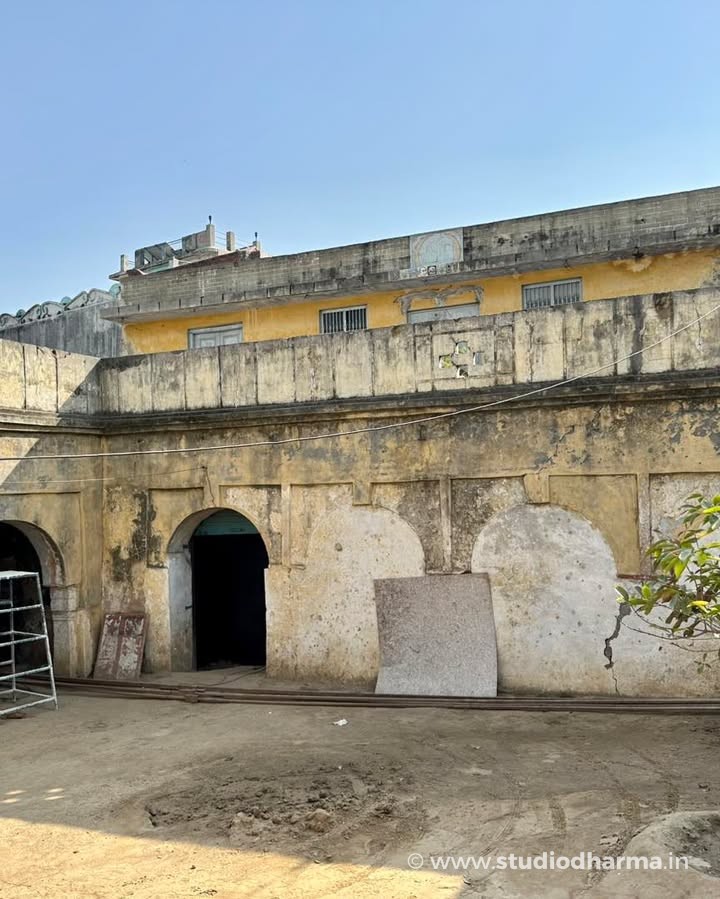
In the village of Harchandpur in present-day Baghpat, Uttar Pradesh, lie the neglected graves of Gottlieb Francis Coin Farasu — a lesser-known historical figure whose life intersected with one of the most turbulent phases of Indian history. Today, these graves stand in a deeply distressing condition, and even the location of his once-sprawling haveli has vanished without a trace.
Born in 1771 in Delhi, Farasu lived during a time when the old Mughal order was fading and British authority was steadily rising. His father served under Begum Samru of Sardhana, a powerful regional ruler of her time. After the annexation of her estate, Farasu continued in British service as a tehsildar and made Harchandpur his residence.
His legacy survives more clearly through the writings of his grandson, George Puech Shor — a French-origin Urdu writer based in Meerut. In many ways, it is through the pen of his grandson that Farasu’s story continues to be remembered today. His unpublished manuscript “Waqa-i-Hairat Afza,” later discovered in Meerut, provides a rare and vivid account of the Revolt of 1857 across Delhi, Meerut, Aligarh, Hathras, and Agra.
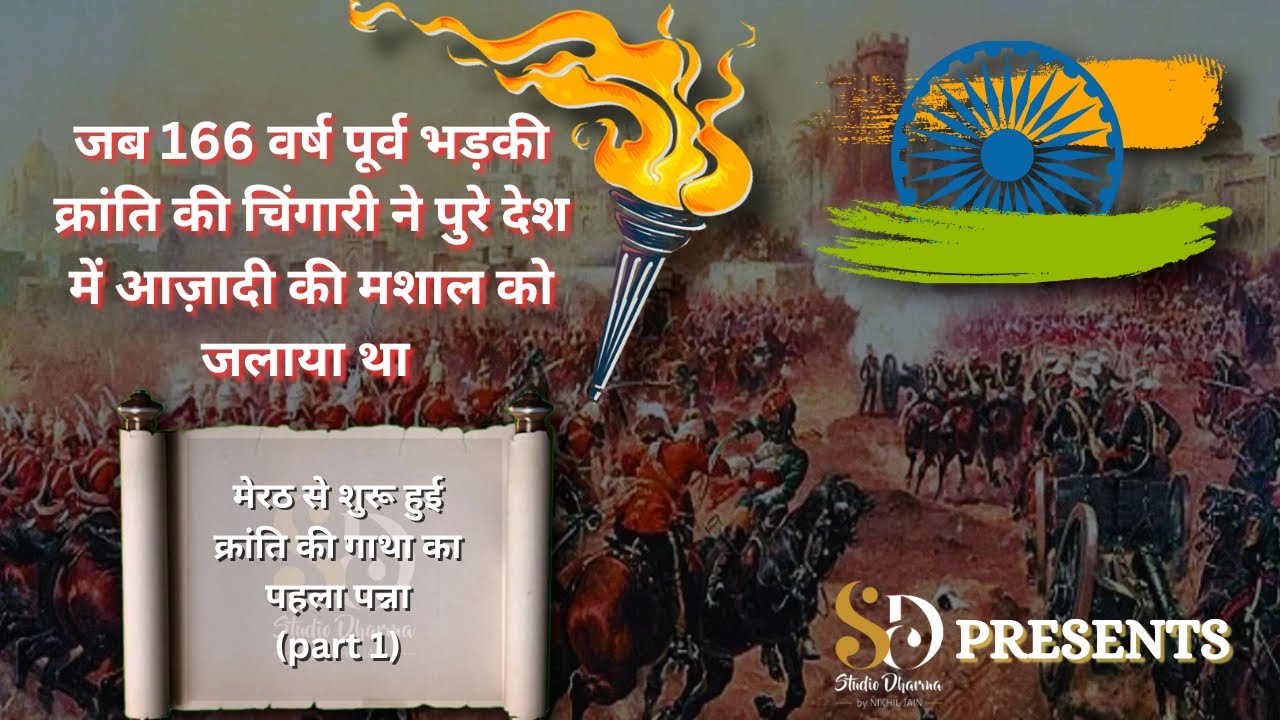
According to these accounts, a massive gathering of nearly 6,000 farmers under the leadership of Shah Mal Jat took place near Baghpat. This uprising soon reached Harchandpur, and on July 17, 1857, the region witnessed intense rebellion, with Farasu’s haveli becoming part of the unfolding events.
The manuscript also records the brutal suppression by British forces, the death of Shah Mal, and the violent aftermath that left a lasting impact on the region. In the wake of these events, Farasu and his family shifted to Meerut to avoid further confrontation.
It is recorded that Farasu passed away on July 15, 1861, and was buried at Harchandpur. His grandson, George Puech Shor, later constructed a mausoleum at the site and installed an inscription marking his death.
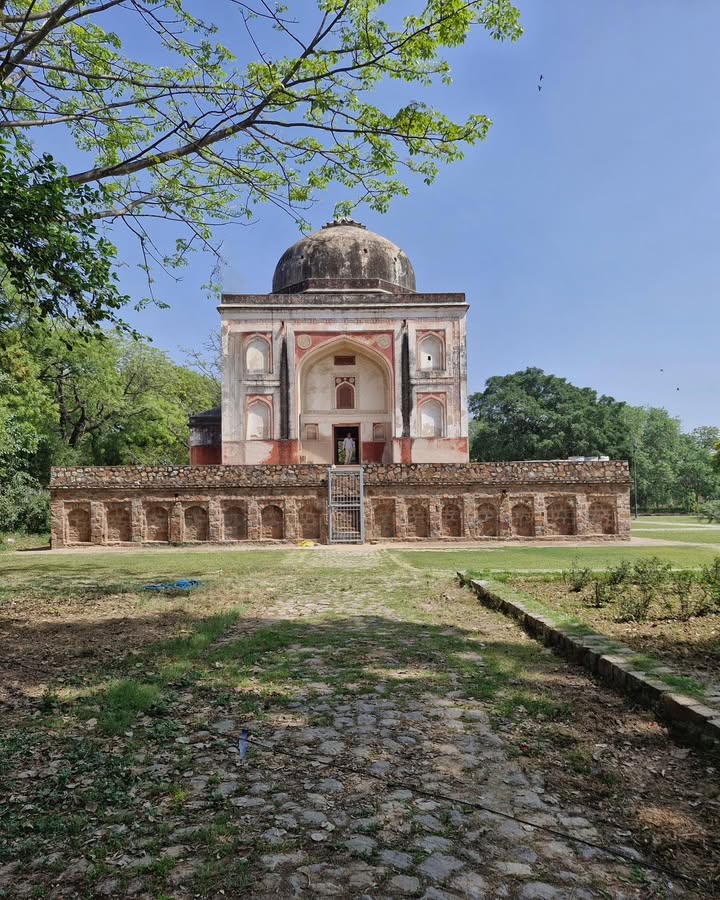
Today, what remains are those very graves — fading, unprotected, and nearly forgotten.
No signboards.
No conservation.
No recognition.
Only silence remains… where history once lived.
This is not just a forgotten grave.
It is a fading connection between Baghpat, Meerut, and the lived reality of 1857.
StudioDharma Coffee Table Book – ITIHASNAMA
A premium collection of 25 untold heritage stories of Meerut.
Own your copy here:
गॉटलीब फ्रांसिस कॉइन फरासू, हरचंदपुर, बागपत – 1857 की क्रांति से जुड़ी भूली हुई कब्रें
कुछ स्थान ऐसे होते हैं जहाँ इतिहास शोर नहीं करता… वह धीरे-धीरे खामोशी में खो जाता है।
उत्तर प्रदेश के बागपत जिले के हरचंदपुर गाँव में गॉटलीब फ्रांसिस कॉइन फरासू की कब्रें आज भी मौजूद हैं, लेकिन बेहद जर्जर अवस्था में। उनकी हवेली, जो कभी इस क्षेत्र की पहचान थी, अब पूरी तरह लुप्त हो चुकी है।
1771 में दिल्ली में जन्मे फरासू उस दौर के साक्षी थे जब मुगल सत्ता अपने अंतिम चरण में थी और अंग्रेजी शासन मजबूत हो रहा था। उनके पिता बेगम समरू, सरधना की सेवा में थे। बाद में अंग्रेजों द्वारा उनकी जागीर के अधिग्रहण के बाद भी फरासू ने तहसीलदार के रूप में कार्य जारी रखा और हरचंदपुर में निवास किया।
उनकी विरासत उनके नाती जॉर्ज प्यूच शोर की लिखी पांडुलिपि के माध्यम से अधिक स्पष्ट रूप से सामने आती है। एक तरह से देखा जाए तो फरासू की कहानी आज भी उनके नाती की लेखनी के जरिए ही जीवित है। “वाक़ा-ए-हैरत अफ़ज़ा” में 1857 की क्रांति के दौरान दिल्ली, मेरठ, अलीगढ़, हाथरस और आगरा की घटनाओं का विस्तृत वर्णन मिलता है।
इसमें शाह मल जाट के नेतृत्व में लगभग 6,000 किसानों की पंचायत का उल्लेख है, जिसके बाद 17 जुलाई 1857 को हरचंदपुर पर हमला हुआ। यह विद्रोह पूरे क्षेत्र में फैल गया और फरासू की हवेली भी इस संघर्ष का हिस्सा बनी।
ब्रिटिश सेना द्वारा इस विद्रोह को कठोरता से दबाया गया, शाह मल की मृत्यु हुई और इसके बाद का दौर अत्यंत हिंसक रहा। इन परिस्थितियों के कारण फरासू और उनका परिवार मेरठ आकर बस गया।
फरासू का निधन 15 जुलाई 1861 को हुआ और उन्हें हरचंदपुर में दफनाया गया। बाद में उनके नाती जॉर्ज प्यूच शोर ने यहाँ एक मकबरा बनवाया और उस पर शिलालेख भी स्थापित किया।
आज वही कब्रें उपेक्षा और गुमनामी में खोती जा रही हैं।
न कोई संरक्षण।
न कोई पहचान।
सिर्फ खामोशी…
जहाँ कभी इतिहास जीवित था।
स्टूडियोधर्मा कॉफी टेबल बुक – ITIHASNAMA
मेरठ की 25 ऐतिहासिक कहानियों का संग्रह।
अपनी प्रति यहाँ से प्राप्त करें: