









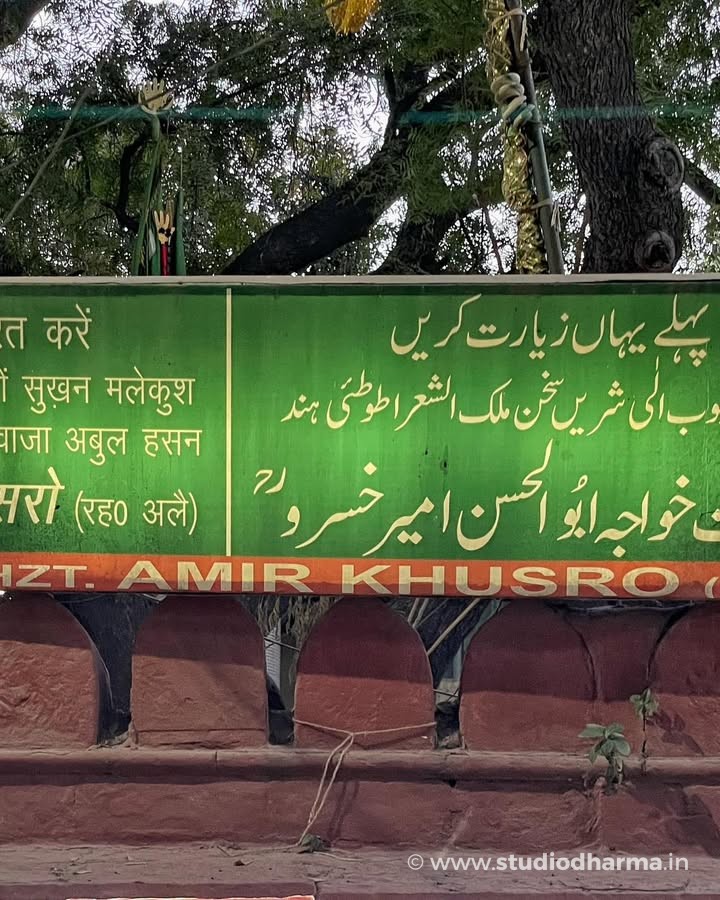
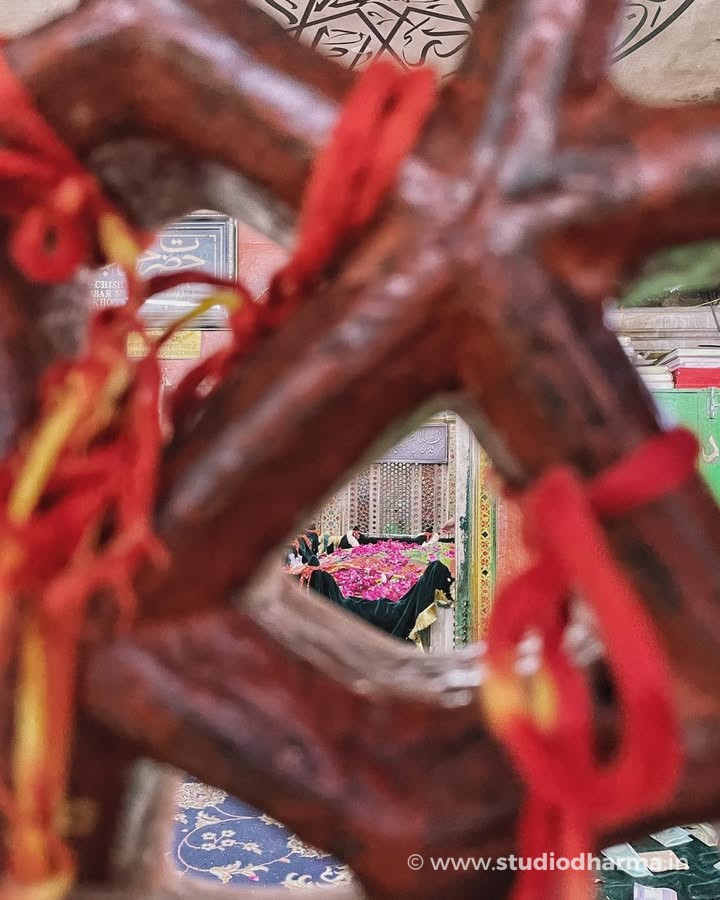
Amir Khusro’s Tomb, Nizamuddin, New Delhi – Where Music Became Eternal.
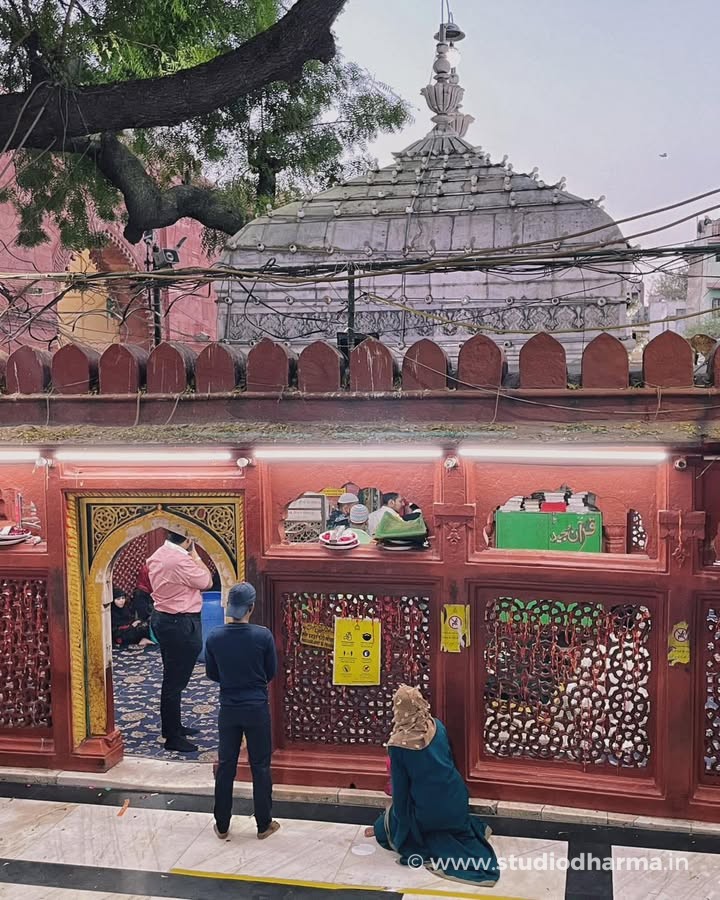
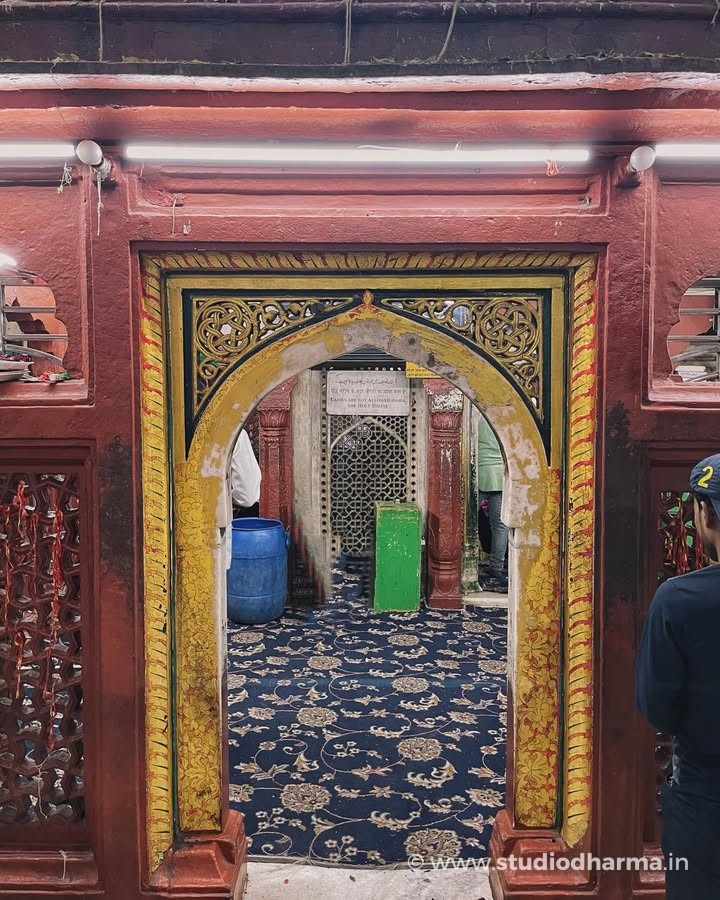
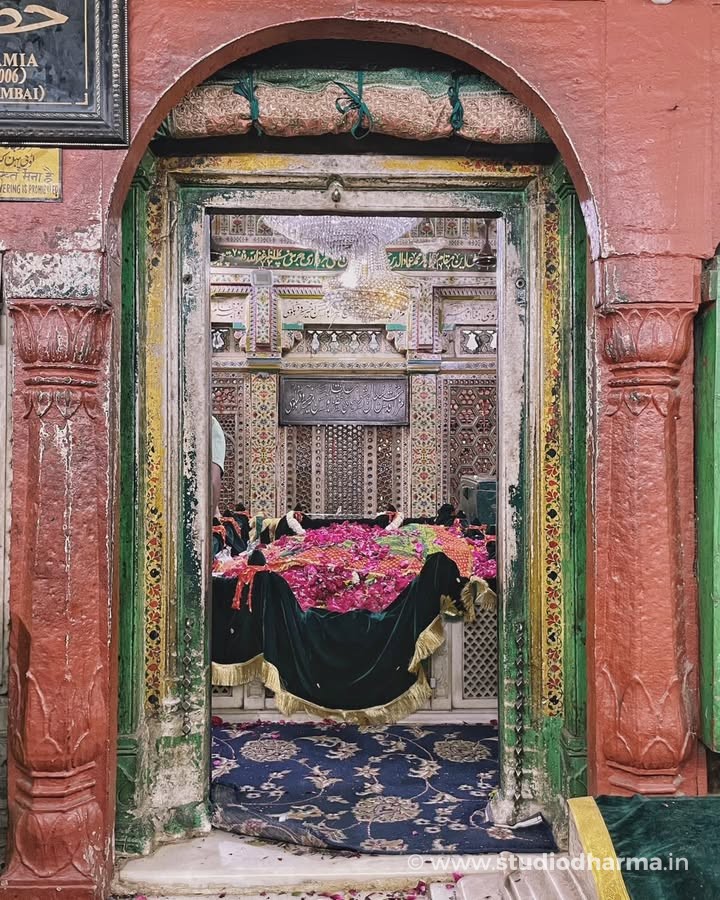
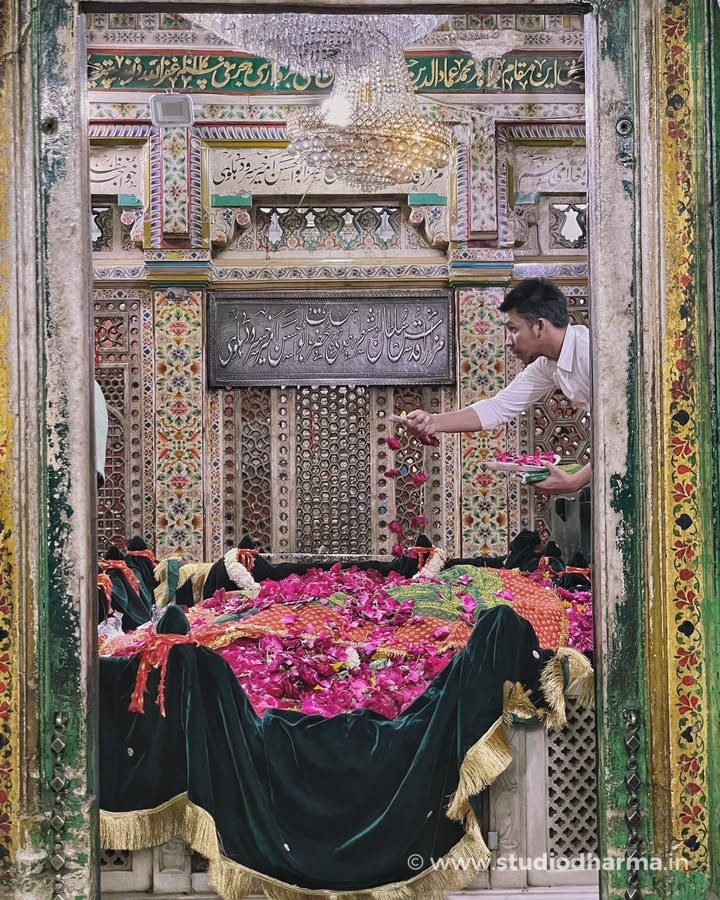
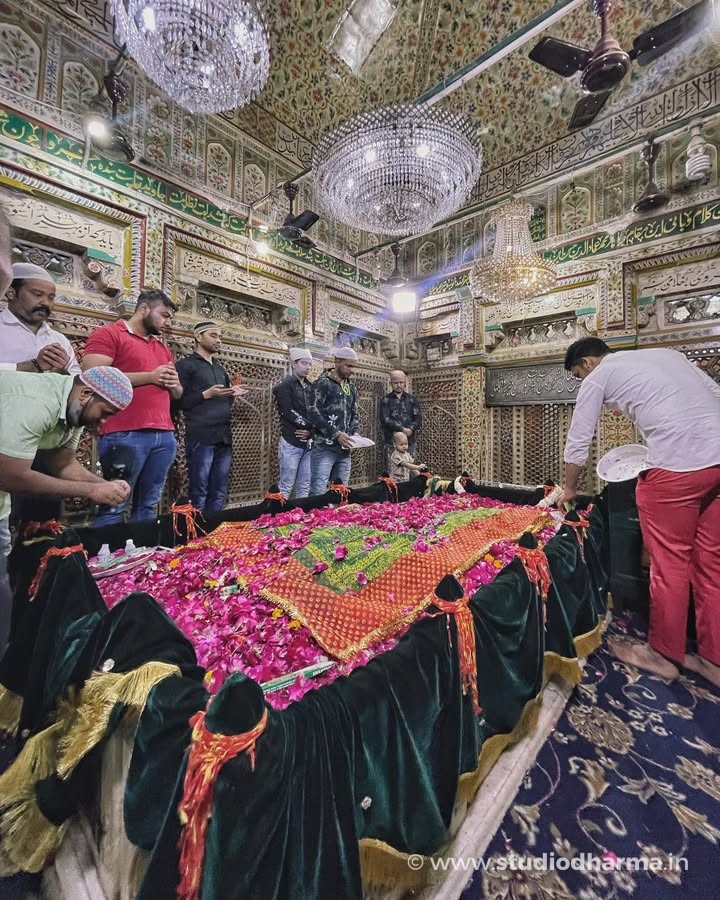
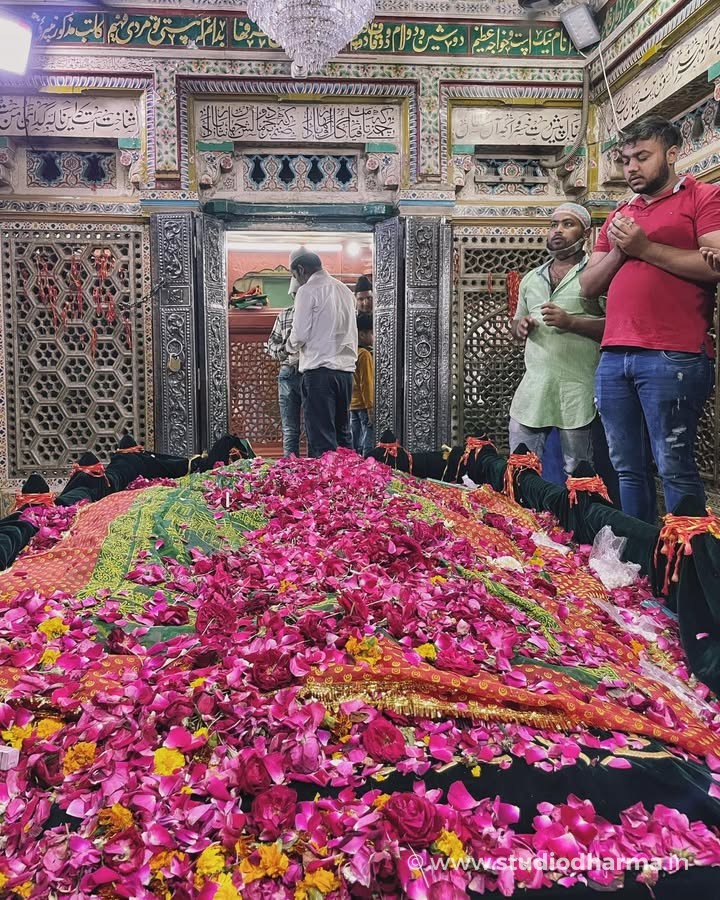
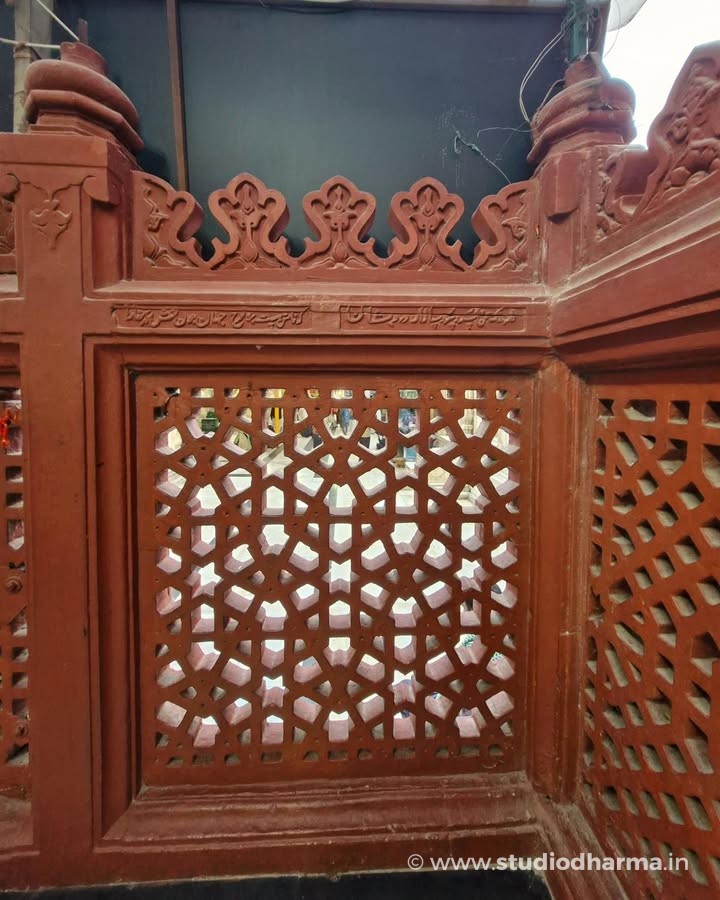
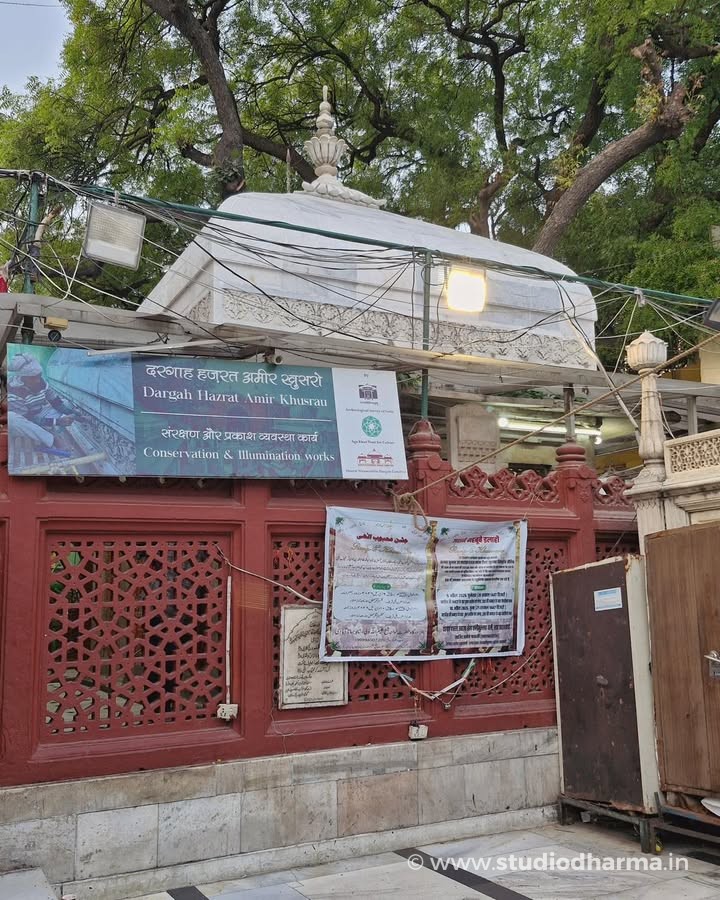
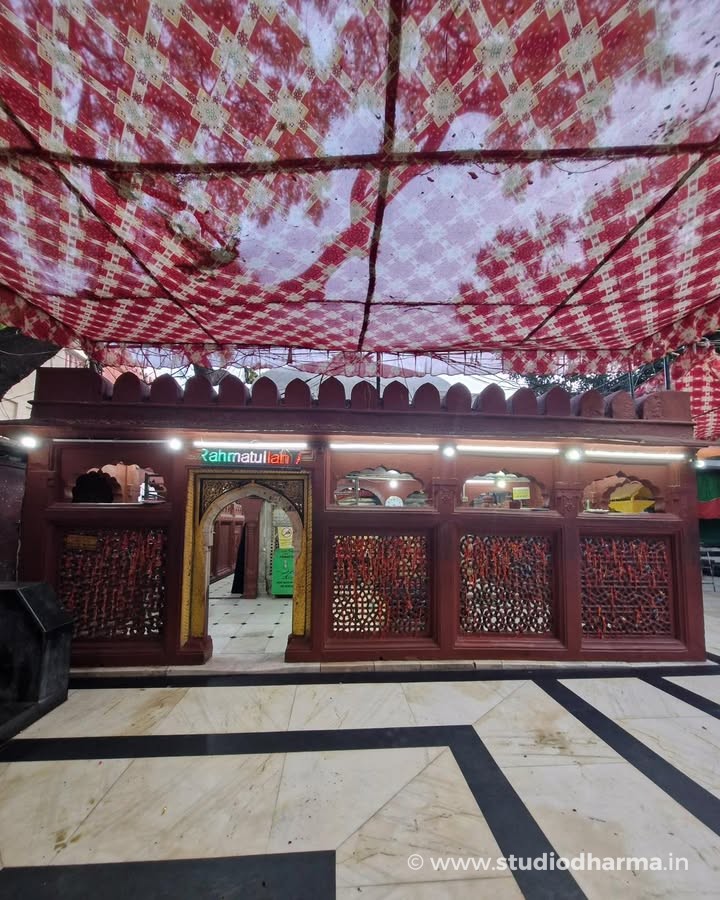
Amir Khusro’s Tomb, Nizamuddin, New Delhi – Where Music Became Eternal.
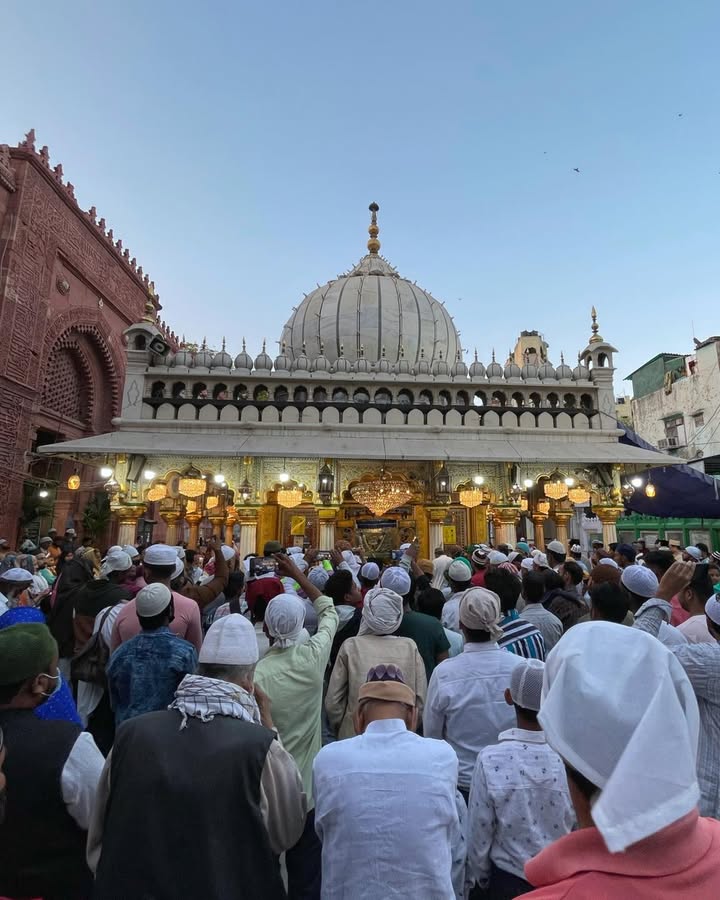
In the quiet lanes of Nizamuddin Basti, beside the sacred dargah of Nizamuddin Auliya, rests the soul of a man whose voice still echoes across centuries—Amir Khusro.
This is not just a tomb.
It is a presence.
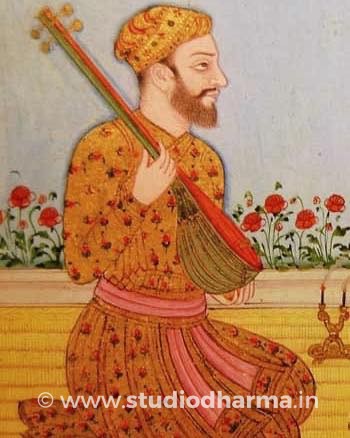
Born in 1253 in Patiyali (present-day Uttar Pradesh), Khusro lived through the shifting tides of the Delhi Sultanate, serving in royal courts for nearly fifty years. From Balban to the Tughlaqs, he witnessed power rise and fall—but his true legacy was never tied to thrones.
It was tied to sound.
To poetry.
To devotion.
Writing in Persian and Hindavi, Khusro became a bridge between cultures, shaping what we today recognize as the foundation of Hindustani music. He is widely regarded as a pioneer of qawwali and a key force in popularizing the ghazal in the Indian subcontinent.
Yet, beyond the brilliance of his art, stood a deeper bond.
His devotion to Nizamuddin Auliya was absolute. It is said that when his master passed away in 1325, Khusro could not bear the separation. Within months, he too departed—choosing to rest forever beside the one he called his guide.
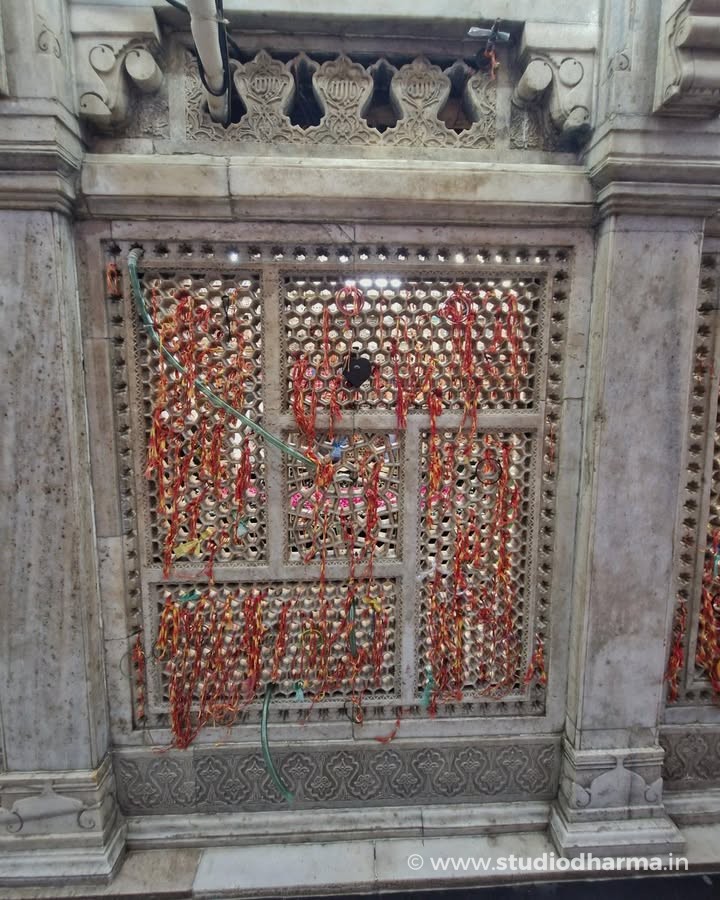
The tomb that stands today was constructed during the reign of Mughal emperor Jahangir around 1605–06. Built in marble, supported by pillars, and crowned with simplicity, it reflects the very essence of Khusro himself—graceful, spiritual, and timeless.
Even today, visitors do not come here merely to see a monument.
They come to feel something.
Because some voices are never silenced.
They simply become eternal.
Step into the forgotten heritage of Meerut through our premium coffee table book ITIHASNAMA, featuring 25 curated historical stories.
Order your copy here:
अमीर खुसरो की मजार, निजामुद्दीन, नई दिल्ली – जहाँ संगीत अमर हो गया
निजामुद्दीन बस्ती की शांत गलियों में, अपने गुरु निजामुद्दीन औलिया की दरगाह के पास विश्राम कर रहे हैं
अमीर खुसरो।
यह केवल एक मजार नहीं है।
यह एक एहसास है।
1253 में उत्तर प्रदेश के पटियाली में जन्मे खुसरो ने दिल्ली सल्तनत के बदलते दौर को करीब से देखा। लगभग 50 वर्षों तक वे शाही दरबारों से जुड़े रहे, लेकिन उनकी असली पहचान सत्ता से नहीं, बल्कि कला और आध्यात्मिकता से बनी।
उन्होंने फारसी और हिंदवी भाषाओं को मिलाकर भारतीय संगीत और साहित्य को एक नई दिशा दी।
उन्हें कव्वाली का अग्रदूत माना जाता है और ग़ज़ल को भारत में लोकप्रिय बनाने में उनका बड़ा योगदान है।
लेकिन उनकी सबसे बड़ी पहचान थी—उनका अपने गुरु के प्रति प्रेम।
निजामुद्दीन औलिया के निधन (1325) के बाद खुसरो इस वियोग को सह नहीं सके, और कुछ ही महीनों में उन्होंने भी इस दुनिया को अलविदा कह दिया।
आज उनकी मजार मुगल सम्राट जहांगीर के समय (1605–06) में निर्मित होकर, सादगी और आध्यात्मिकता का प्रतीक बनकर खड़ी है।
यहाँ लोग केवल देखने नहीं आते—
वे महसूस करने आते हैं।
क्योंकि कुछ आवाजें कभी खत्म नहीं होतीं।
वे अमर हो जाती हैं।
ITIHASNAMA – StudioDharma की एक विशेष प्रस्तुति
मेरठ की विरासत को जानने के लिए हमारी प्रीमियम कॉफी टेबल बुक ITIHASNAMA पढ़ें।
ऑर्डर करें: