









Afsarwala Tomb, Delhi — The Forgotten Mughal Resting Place Hidden Beside Humayun’s Tomb.
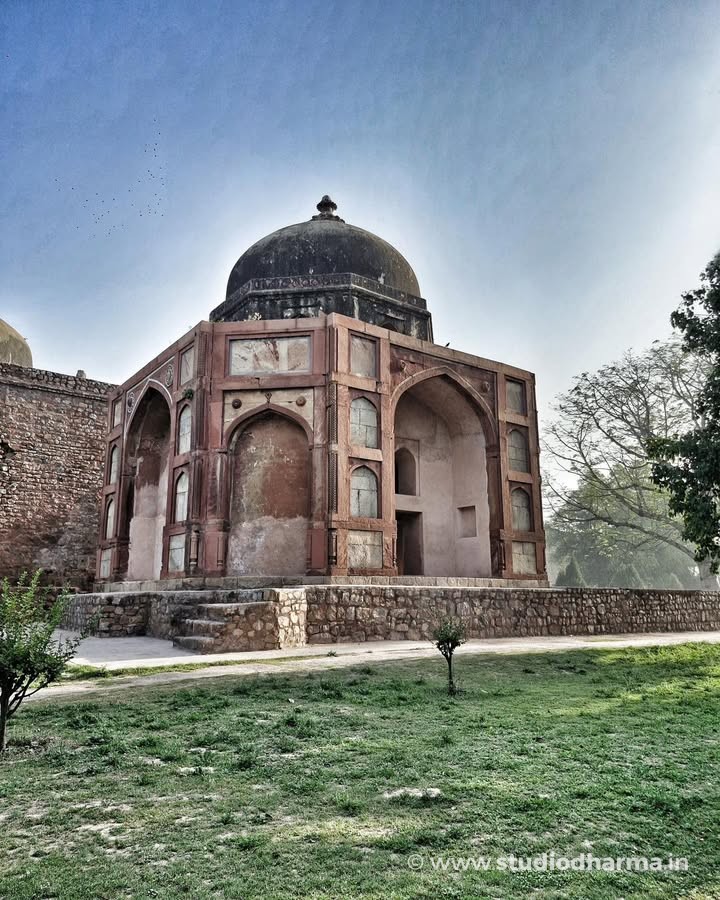
Afsarwala Tomb, Delhi — The Forgotten Mughal Resting Place Hidden Beside Humayun’s Tomb.
Not every Mughal monument in Delhi belongs to an emperor.
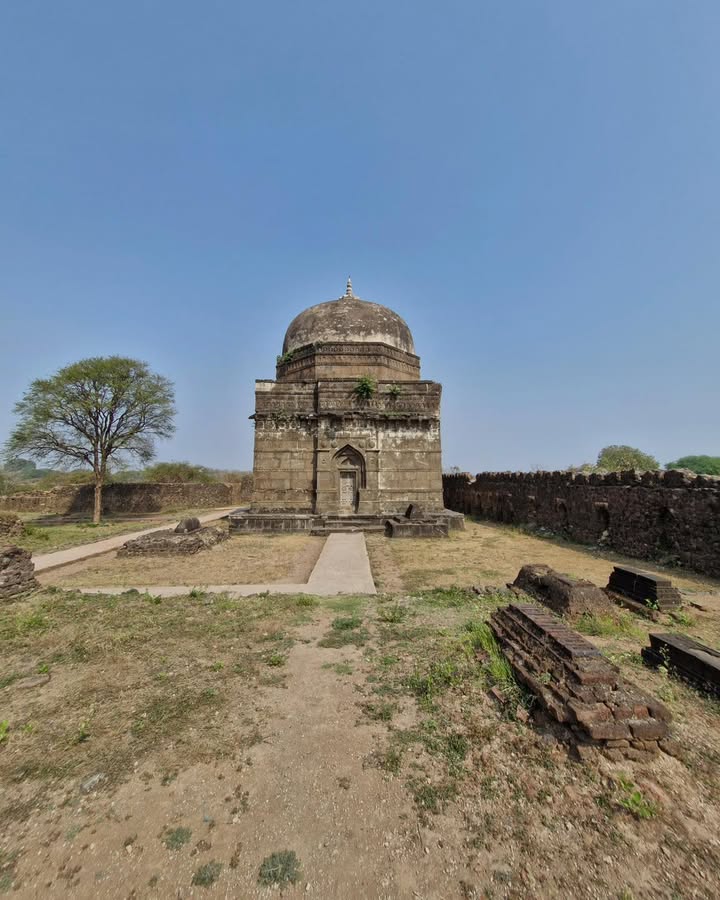
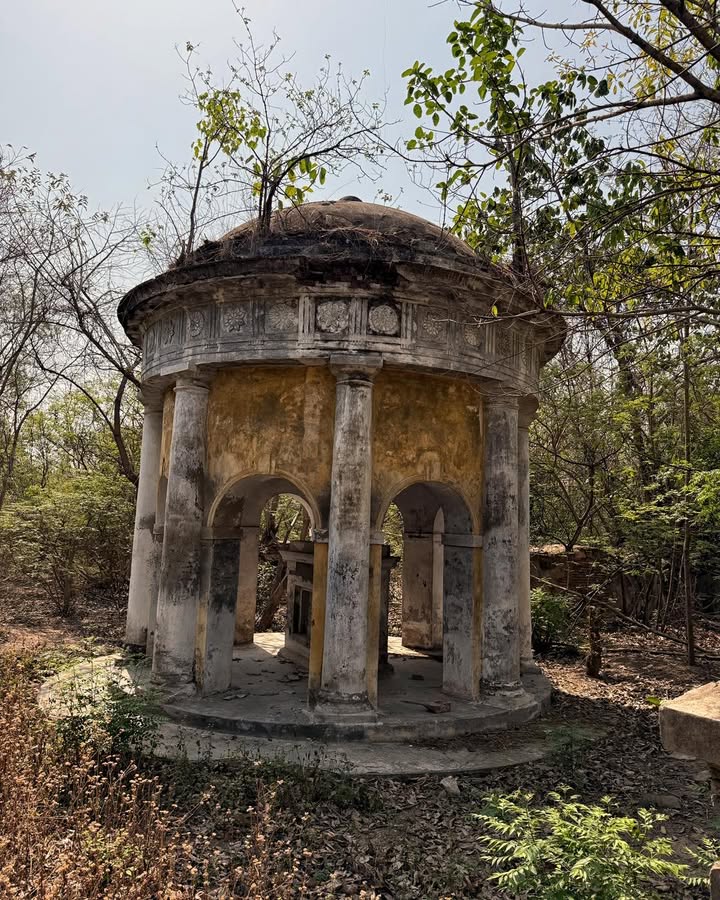
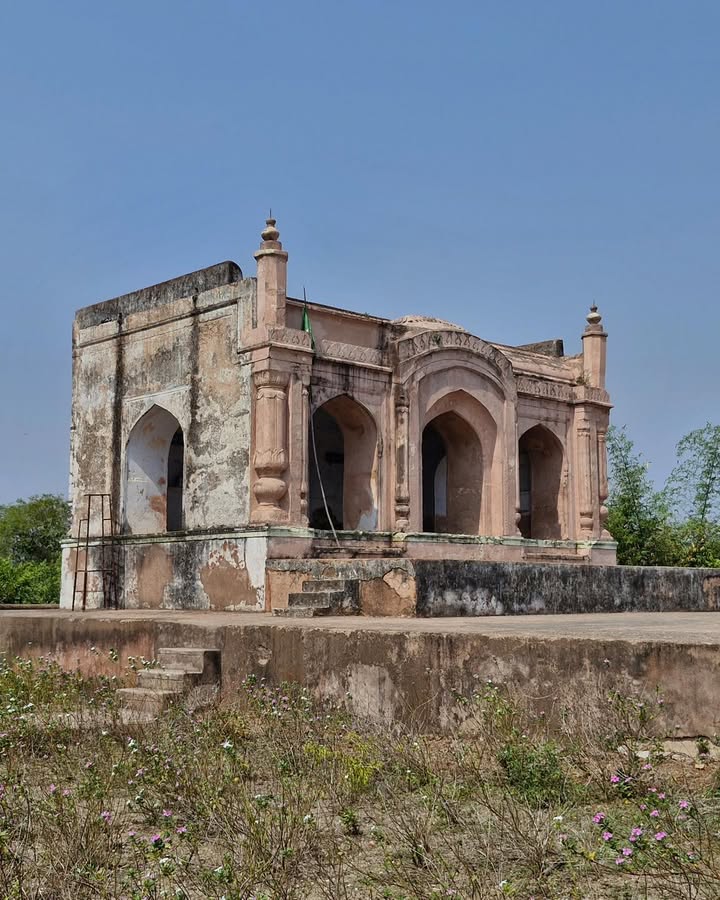
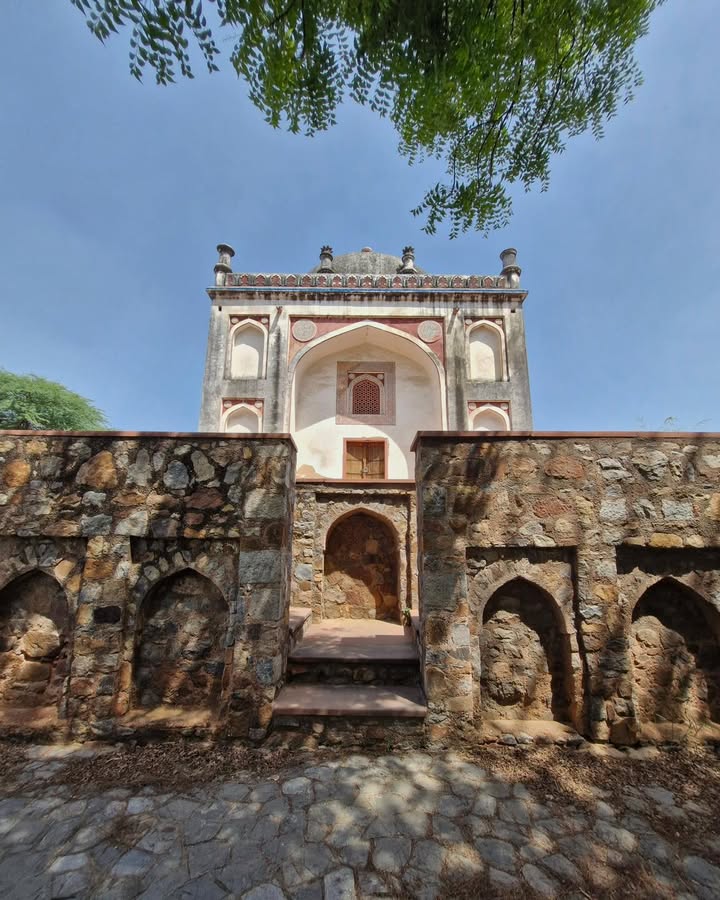
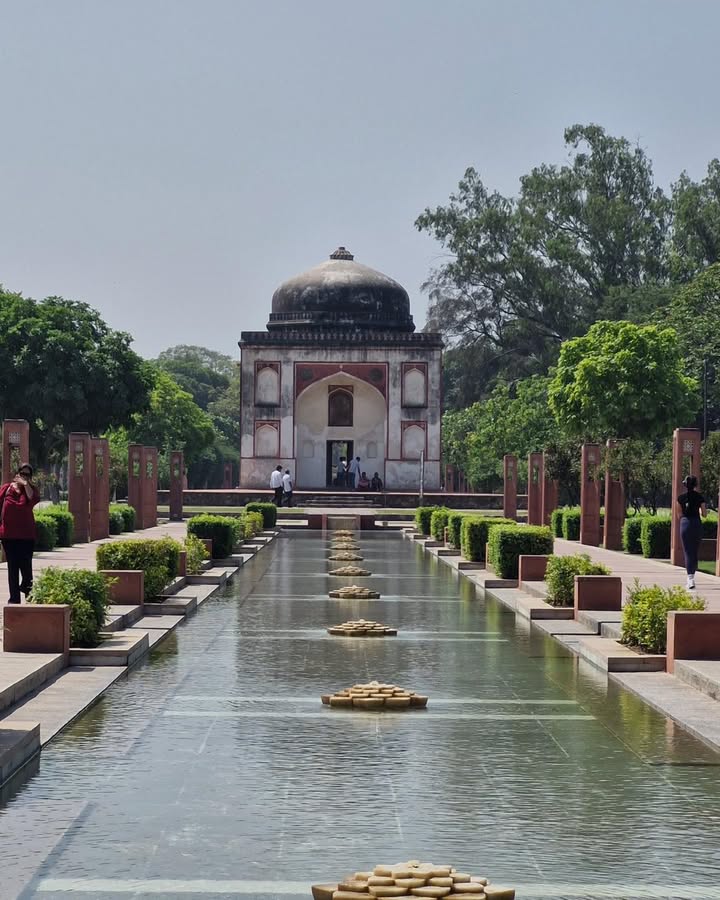
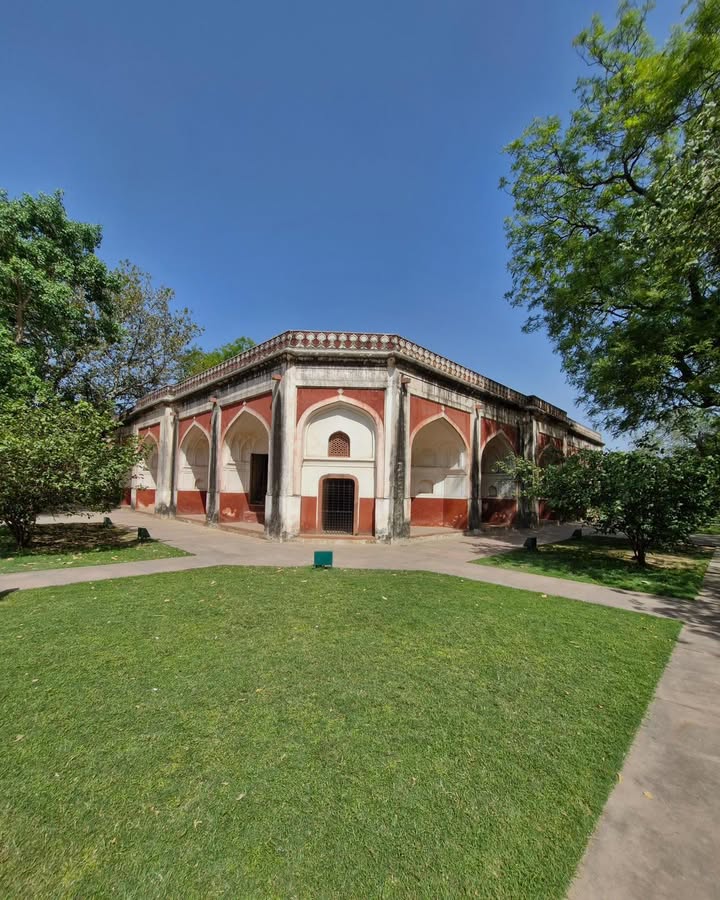
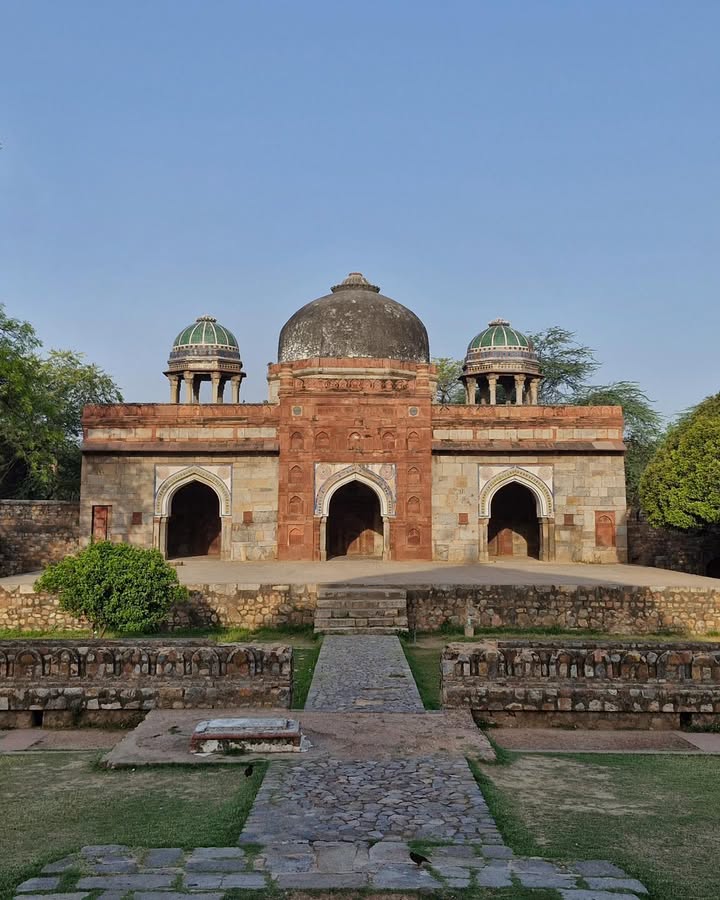
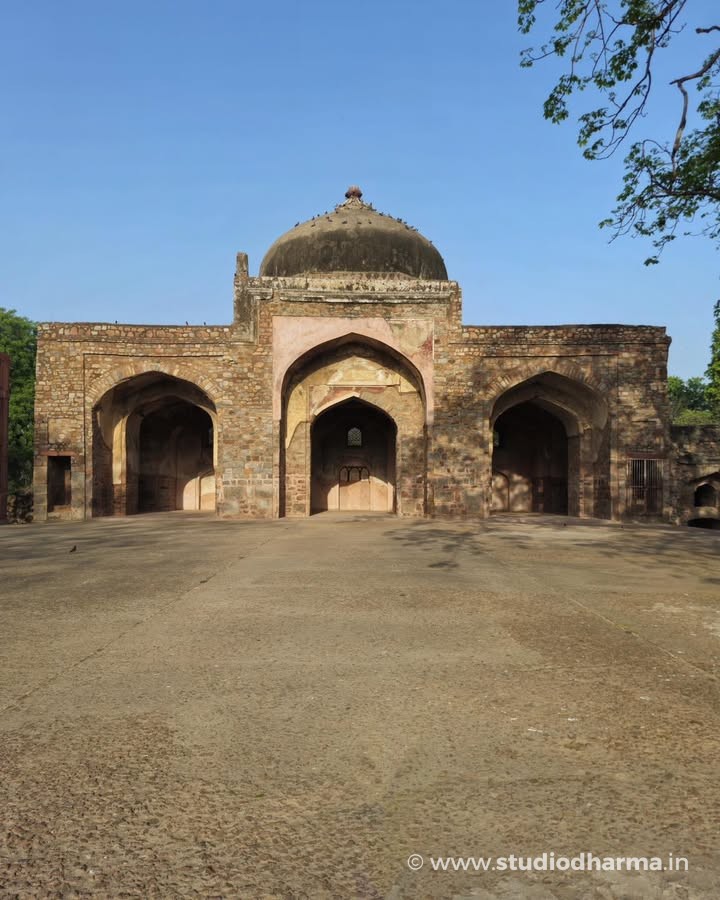
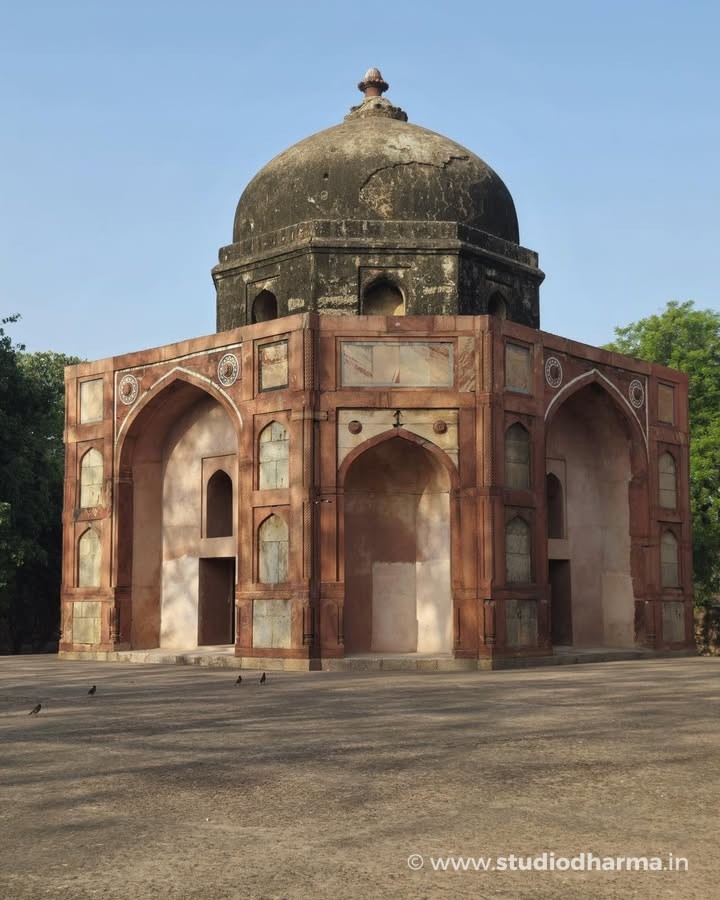
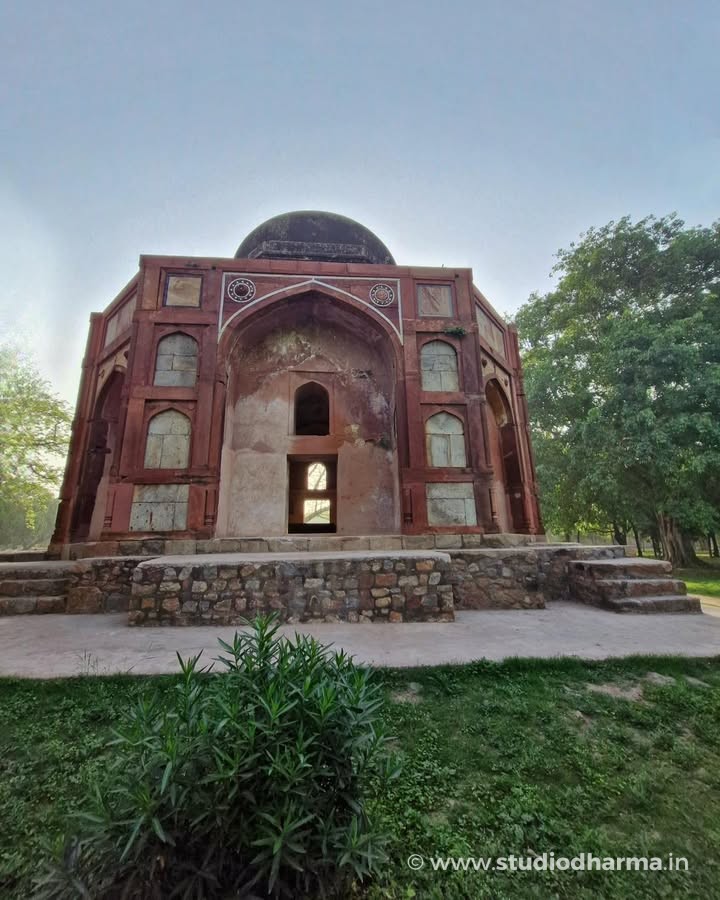
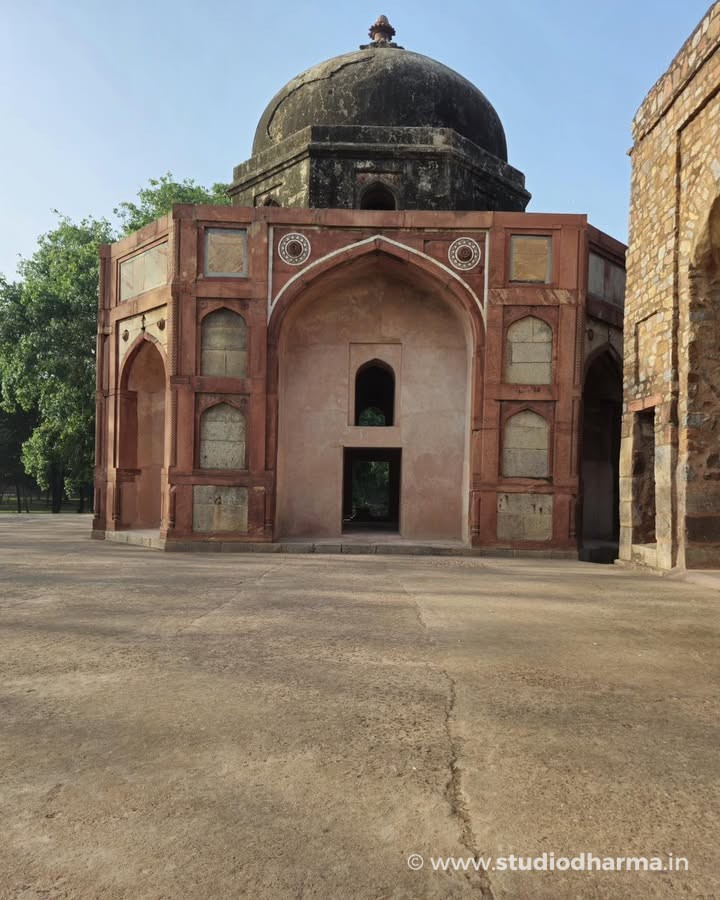
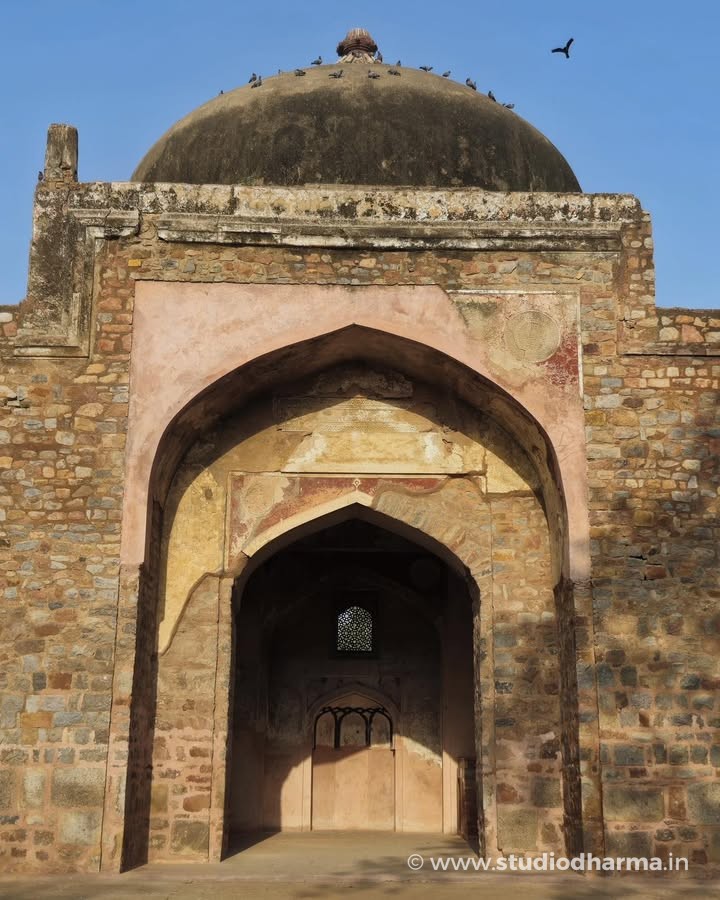
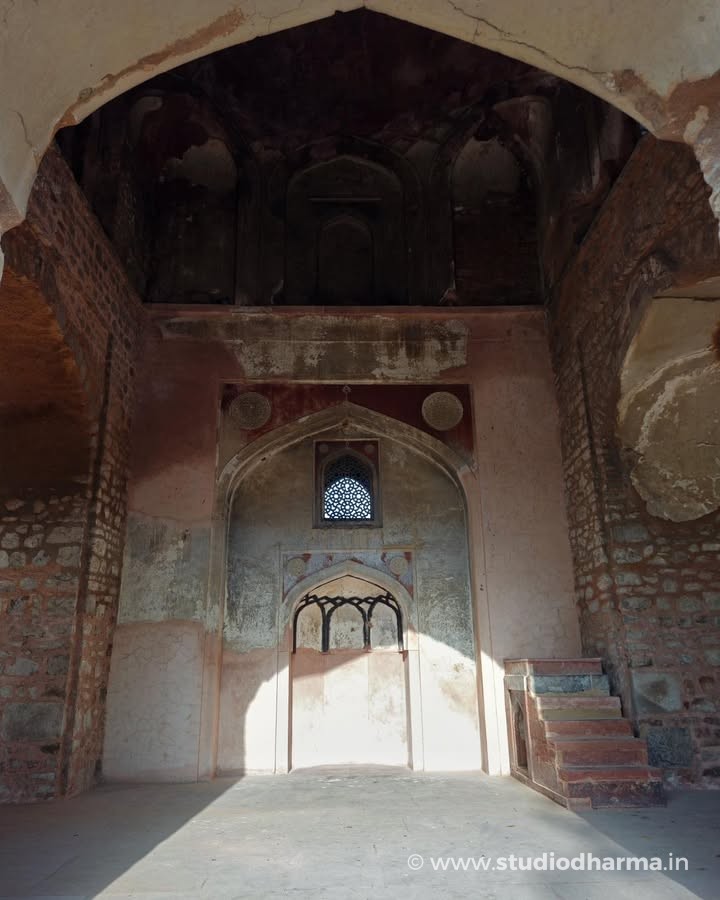
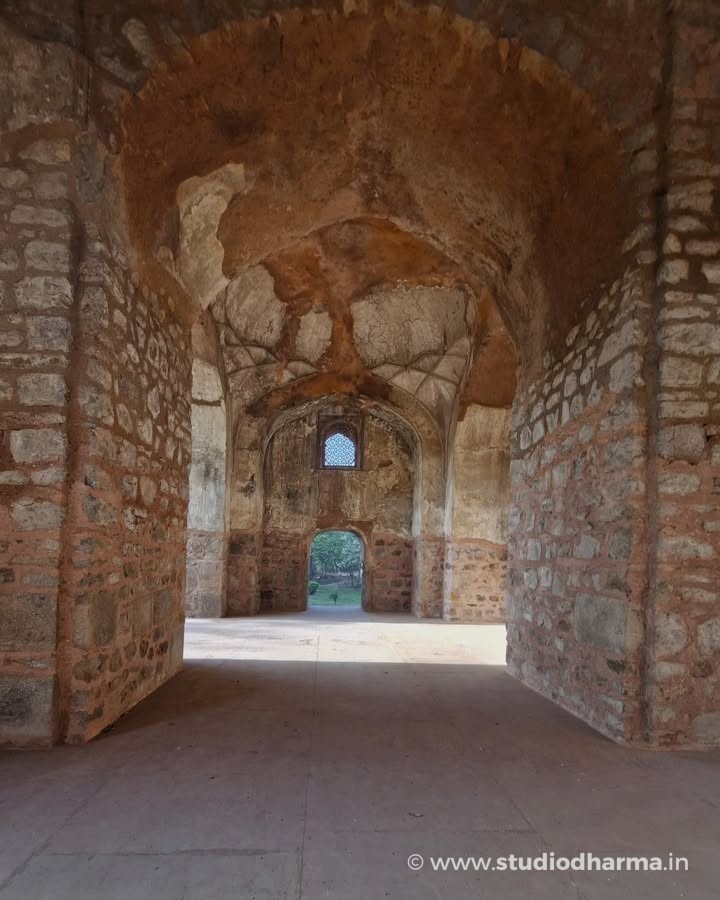
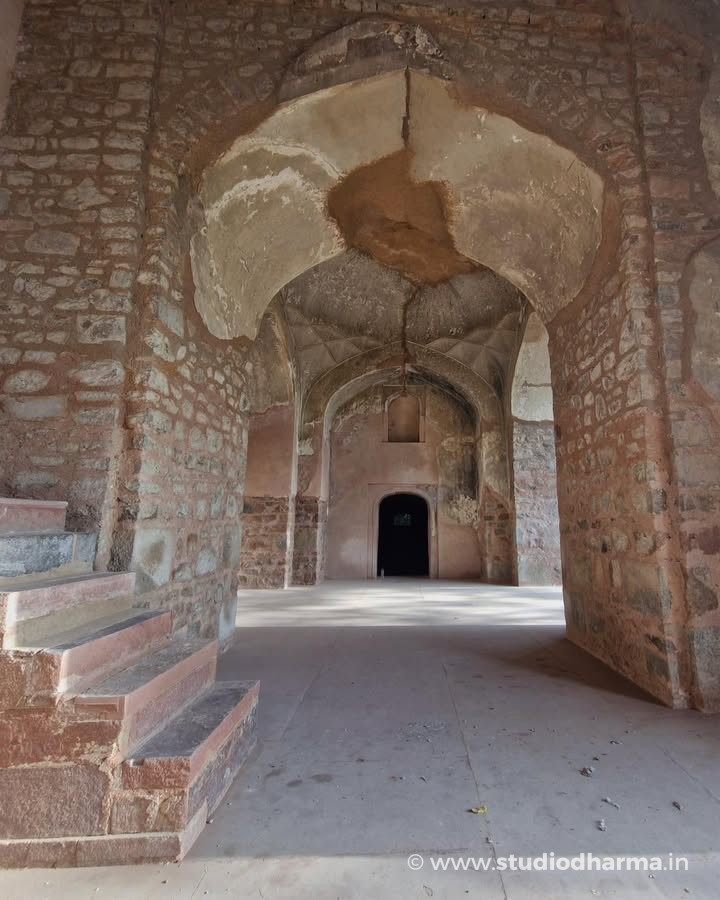
Tucked quietly inside the vast gardens of Humayun’s Tomb stands the mysterious Afsarwala Tomb and Mosque complex — a structure many visitors walk past without realizing its importance. Built during the reign of Akbar in the late 16th century, this elegant complex still carries more questions than answers.
The name “Afsarwala” is believed to derive from the Persian word “Afsar,” meaning an officer or military commander. For decades, historians assumed the tomb belonged to a noble officer of Humayun’s court. But recent research has opened another fascinating possibility — that the mosque of this complex may actually have been commissioned by Gulbadan Begum, daughter of Babur and sister of Humayun, one of the most influential Mughal women of her era.
If true, this transforms the monument from merely an officer’s resting place into a forgotten symbol of female patronage in early Mughal India.
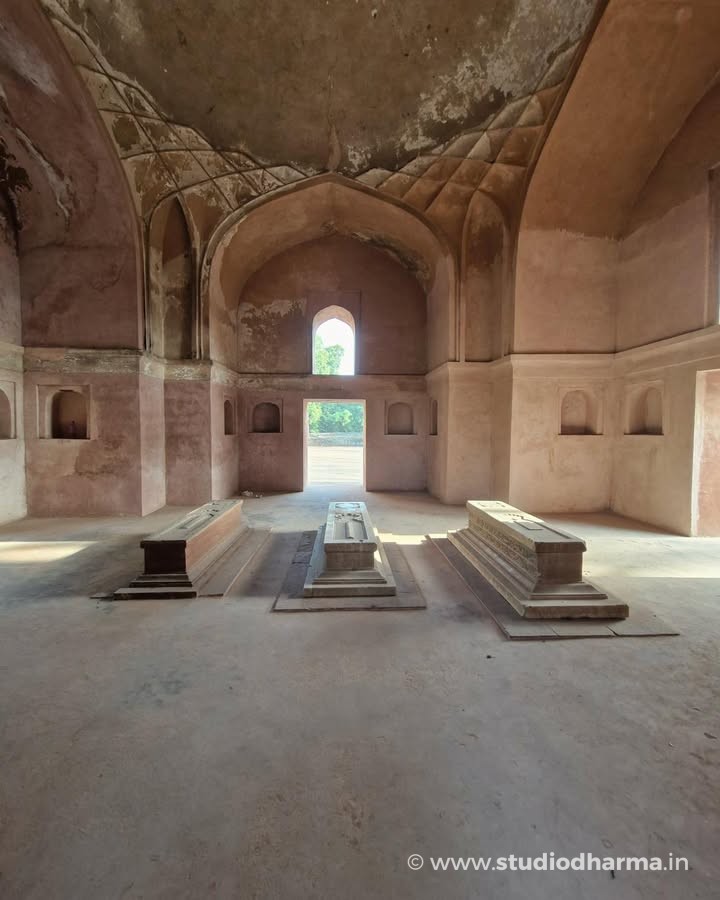
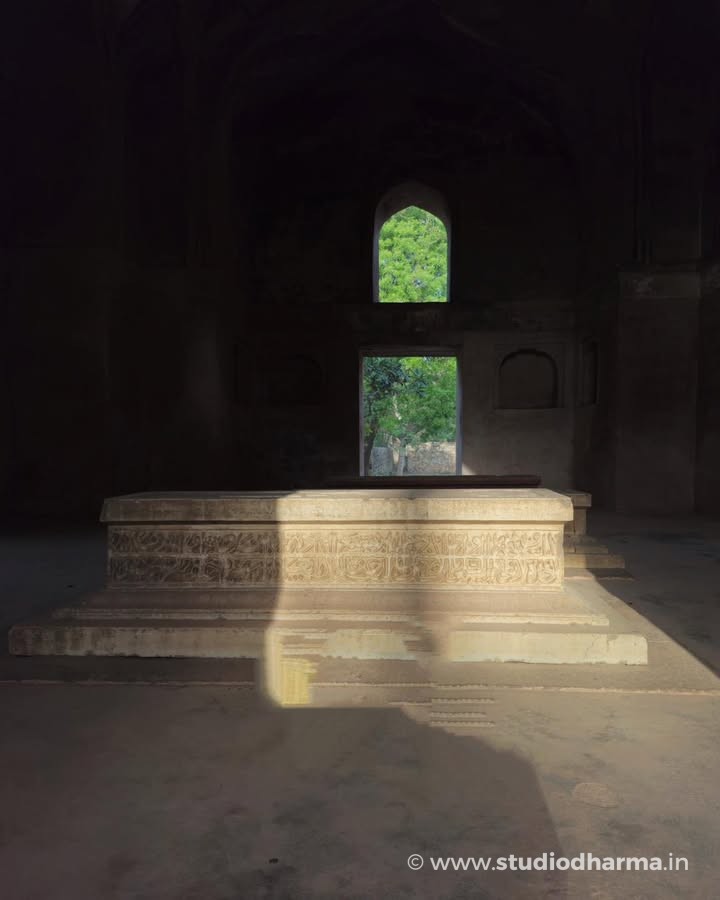
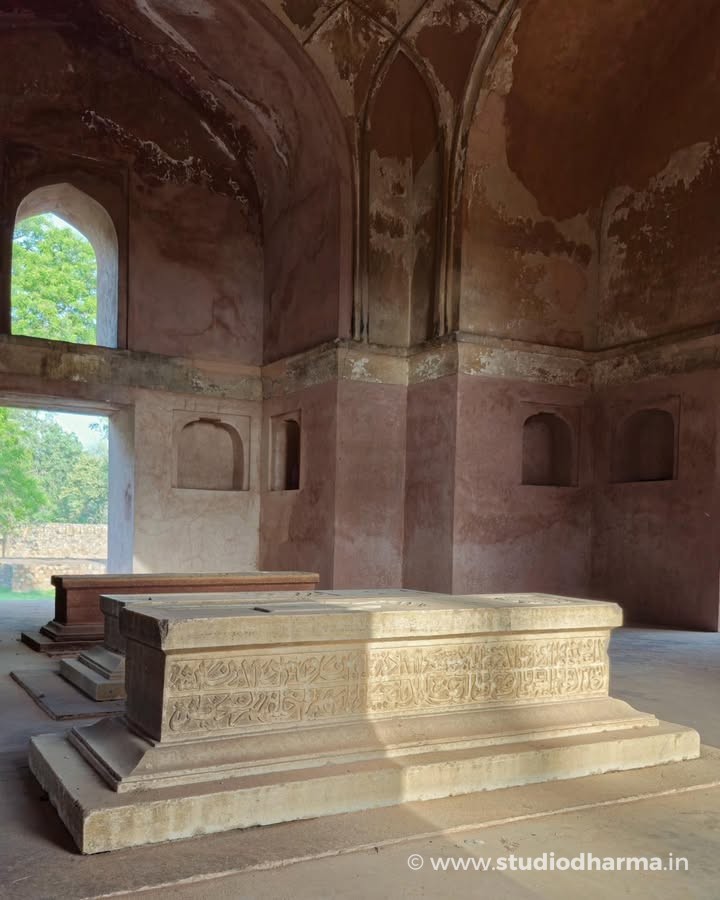
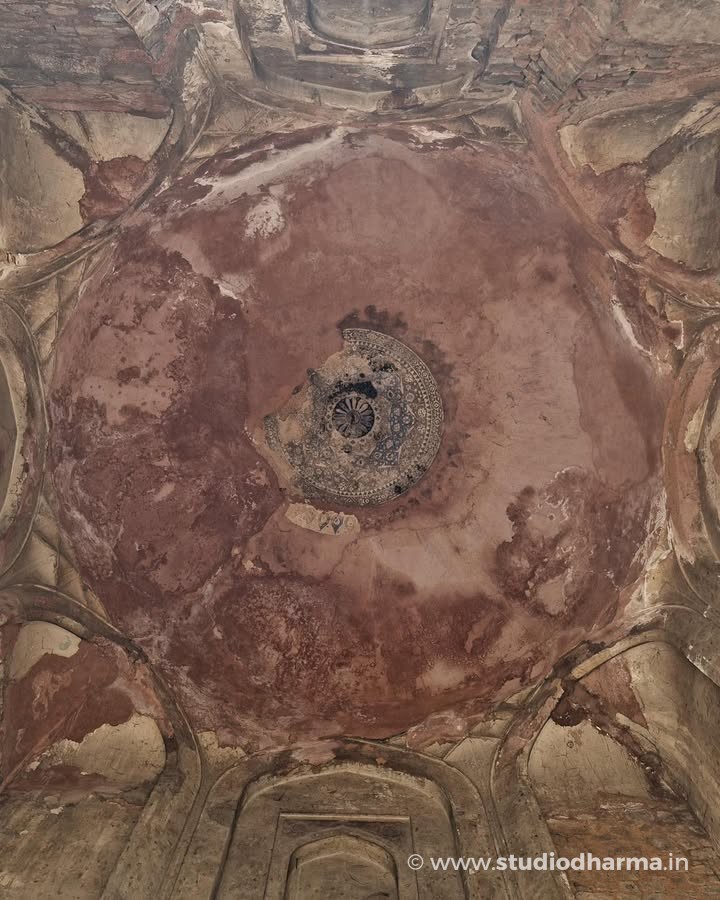
Inside the mausoleum, one grave bears the number 974 AH, corresponding roughly to 1566–67 CE, placing the structure among the earliest Mughal funerary monuments constructed after Humayun’s grand mausoleum. Red sandstone, marble detailing, balanced proportions, and octagonal planning reflect the evolving Mughal architectural style that would later culminate in masterpieces like the Taj Mahal.
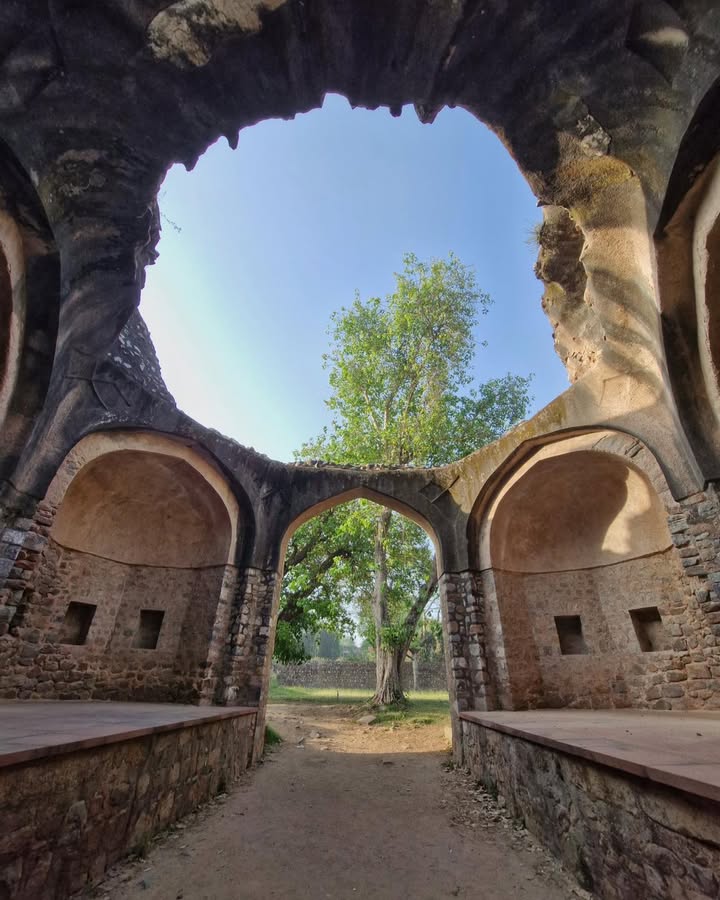
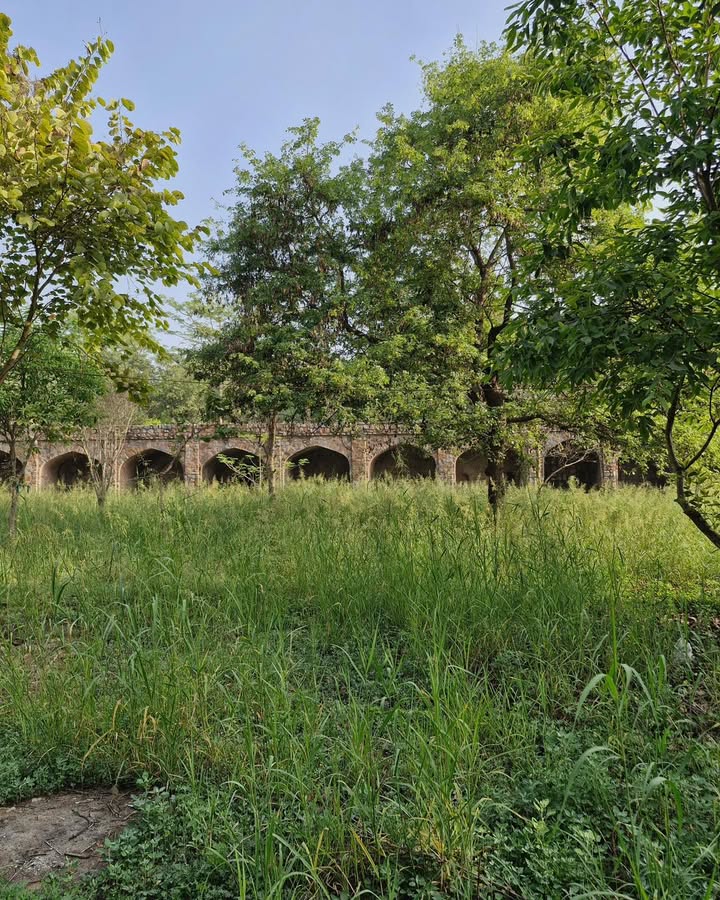
Standing beside the mosque, surrounded by silence and old trees, the Afsarwala complex feels less like a tourist attraction and more like a forgotten page of Mughal Delhi — one still hiding the identity of the soul buried within.
Today, this hidden monument remains part of the UNESCO World Heritage Site of Humayun’s Tomb, quietly reminding visitors that history was not shaped only by emperors, but also by the unnamed individuals who stood behind empires.
StudioDharma’s coffee table book “ITIHASNAMA” explores forgotten historical stories of Meerut through rare visuals and storytelling.
Order your copy here:
अफसरवाला मक़बरा, दिल्ली — हुमायूँ के मक़बरे के पास छिपी एक भूली हुई मुगल विरासत
दिल्ली की हर मुगल इमारत किसी बादशाह की नहीं है।
हुमायूँ के मक़बरे के विशाल परिसर के भीतर, भीड़ और शोर से दूर, एक रहस्यमयी इमारत खड़ी है — अफसरवाला मक़बरा और मस्जिद। अधिकतर लोग इसके पास से गुज़र जाते हैं, लेकिन इसकी कहानी आज भी इतिहासकारों को सोचने पर मजबूर करती है।
“अफसरवाला” शब्द को फ़ारसी के “अफ़सर” यानी अधिकारी या सेनापति से जोड़ा जाता है। लंबे समय तक माना गया कि यह किसी मुगल सैन्य अधिकारी की कब्र है। लेकिन हाल के शोधों ने एक नया दृष्टिकोण सामने रखा है — कि संभवतः इस परिसर की मस्जिद का निर्माण बाबर की पुत्री और हुमायूँ की बहन गुलबदन बेगम के संरक्षण में हुआ था, जो अपने समय की सबसे प्रभावशाली मुगल महिलाओं में से एक थीं।
यदि यह सत्य है, तो यह इमारत केवल एक अधिकारी की कब्र नहीं, बल्कि प्रारम्भिक मुगल काल में महिला संरक्षण और स्थापत्य योगदान का एक अनदेखा प्रतीक बन जाती है।
मक़बरे के भीतर मौजूद एक कब्र पर 974 हिजरी अंकित है, जो लगभग 1566–67 ईस्वी का समय दर्शाती है। इससे पता चलता है कि यह परिसर हुमायूँ के मक़बरे के बाद बनने वाले शुरुआती मुगल स्मारकों में से एक था। लाल बलुआ पत्थर, संगमरमर की सजावट और संतुलित स्थापत्य शैली इसे विकसित होती मुगल वास्तुकला का एक महत्वपूर्ण उदाहरण बनाती है।
मस्जिद और मक़बरे के बीच खड़े होकर ऐसा महसूस होता है जैसे यह स्थान दिल्ली के इतिहास का कोई भूला हुआ अध्याय हो — जहाँ सदियों की खामोशी आज भी उस अनजान शख़्स की पहचान छुपाए बैठी है जिसकी कब्र यहाँ मौजूद है।
यूनेस्को विश्व धरोहर स्थल हुमायूँ मक़बरा परिसर का हिस्सा यह स्मारक हमें याद दिलाता है कि इतिहास केवल बादशाहों से नहीं बनता, बल्कि उन अनदेखे लोगों से भी बनता है जिन्होंने चुपचाप सल्तनतों को आकार दिया।
StudioDharma की कॉफी टेबल बुक “ITIHASNAMA” मेरठ की भूली-बिसरी ऐतिहासिक कहानियों को दुर्लभ चित्रों और भावनात्मक कथाओं के माध्यम से प्रस्तुत करती है।
अपनी प्रति यहाँ से ऑर्डर करें: