









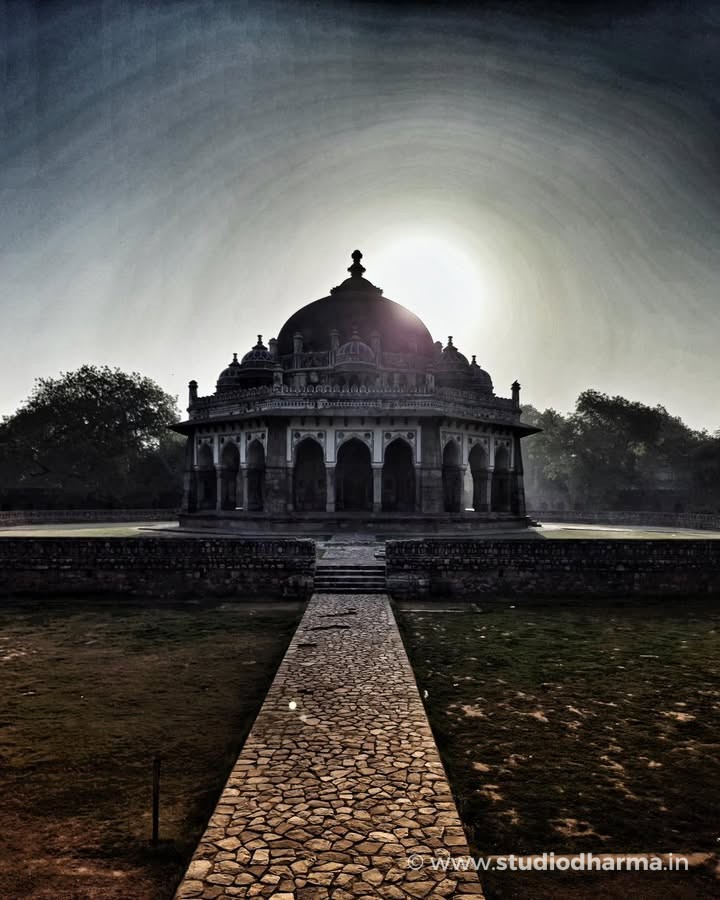
Tomb of Isa Khan, Delhi – The Forgotten Afghan Legacy Before the Mughals.
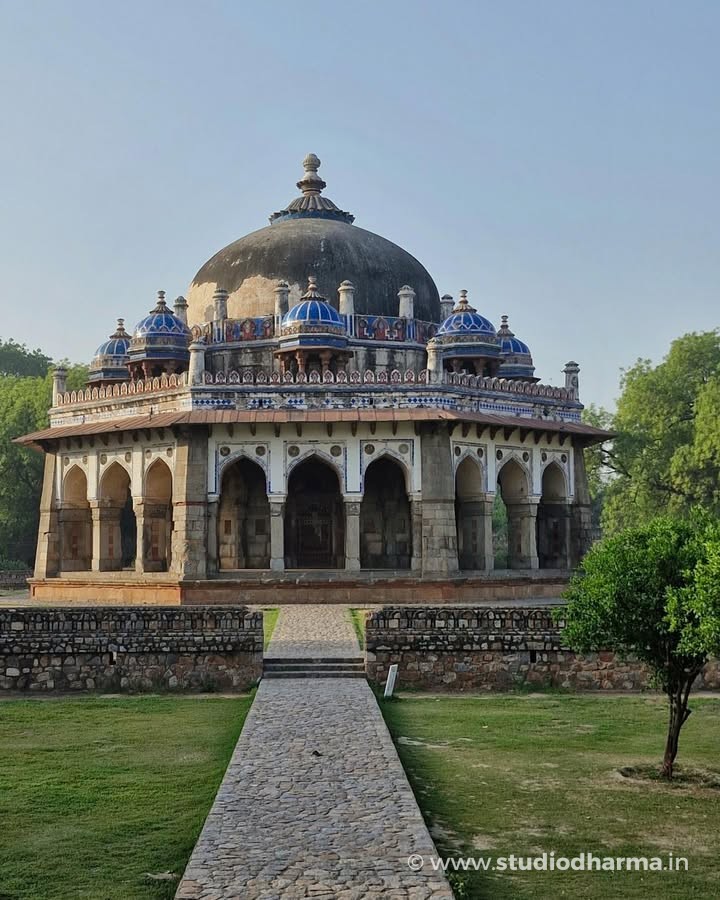
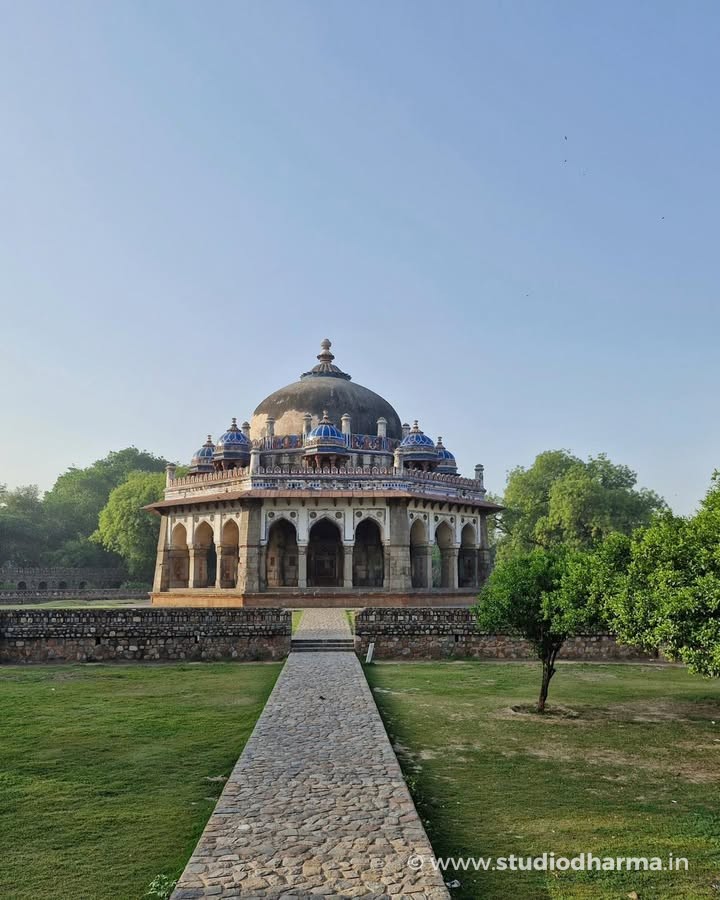
Tomb of Isa Khan, Delhi – The Forgotten Afghan Legacy Before the Mughals.
Before the grandeur of Humayun’s Tomb rose over Delhi’s skyline, there already existed a quieter, older story—one that belonged not to the Mughals, but to the Afghans of the Suri Dynasty.
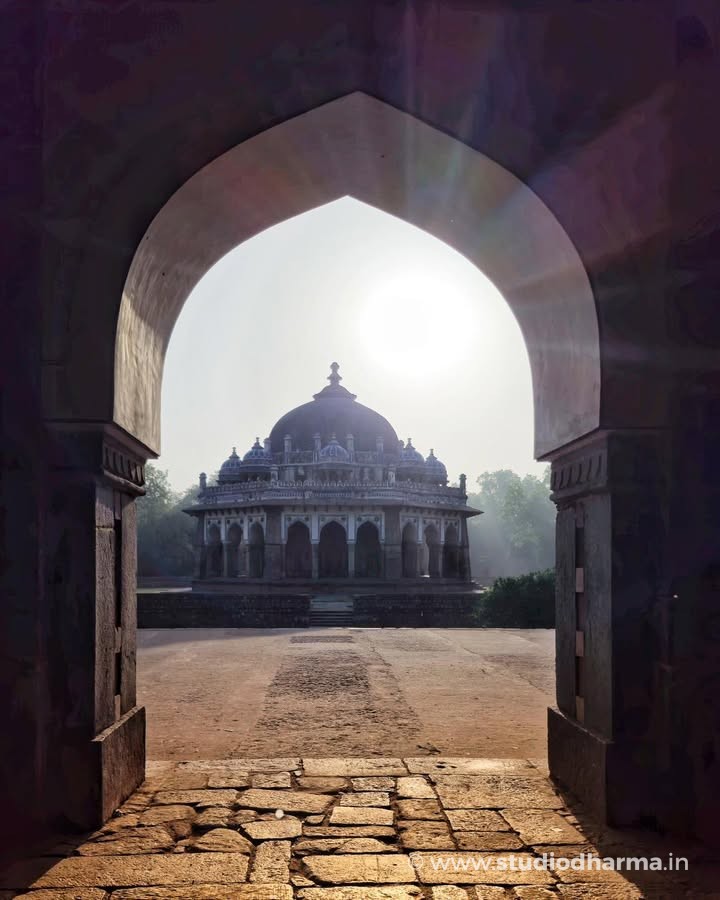
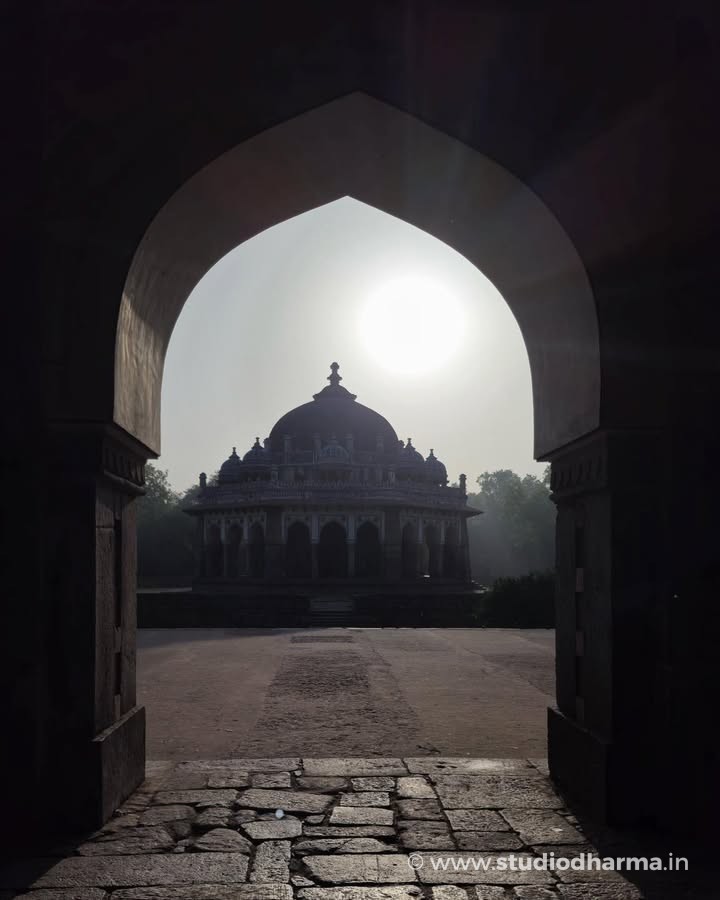
Step inside the complex, and the first monument that greets you is not Mughal—it is the Tomb of Isa Khan.
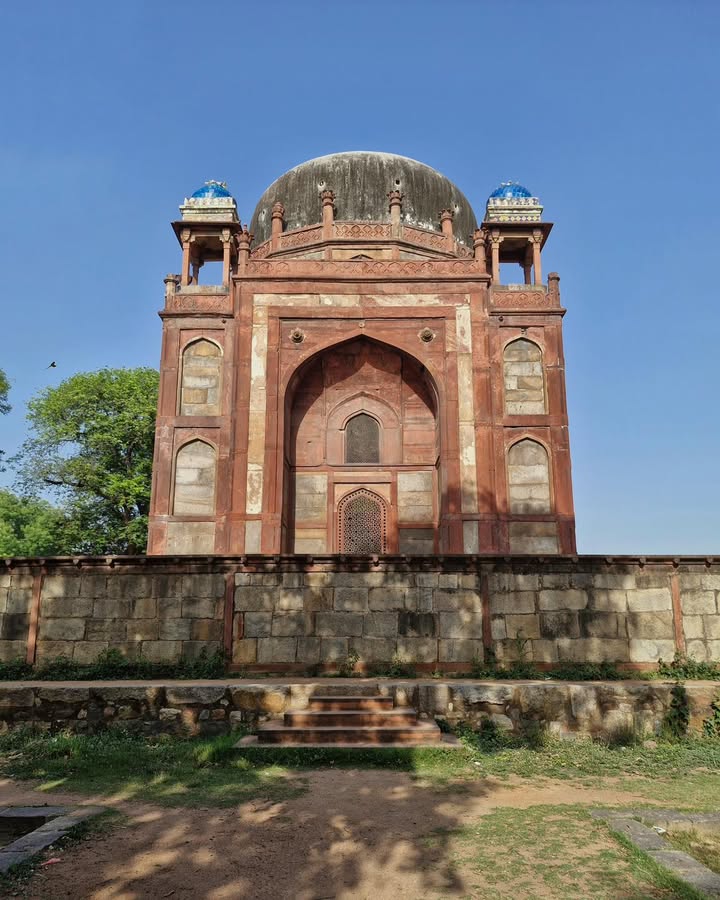
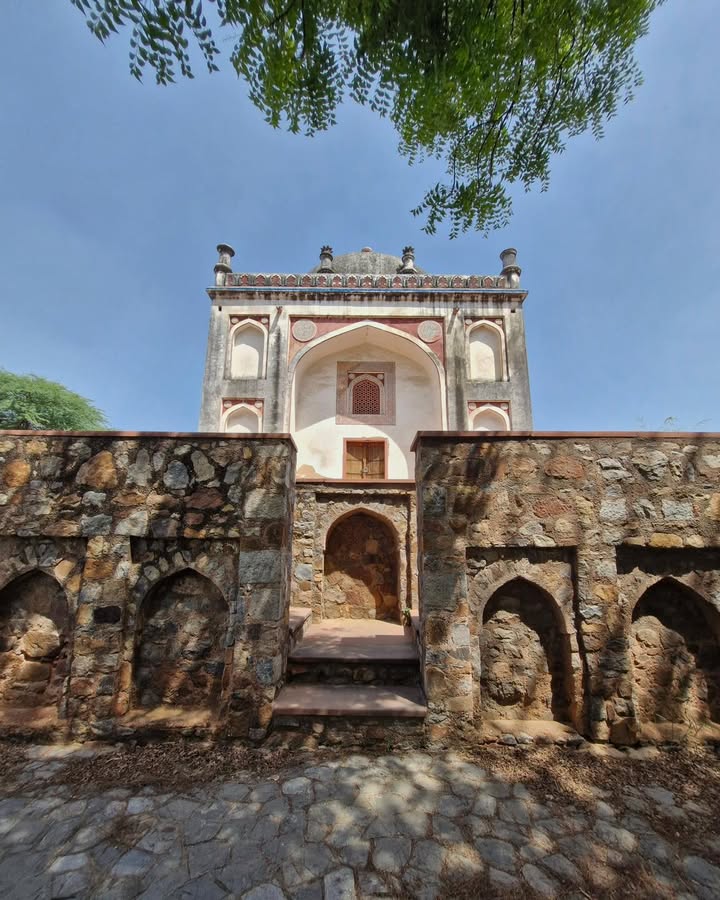
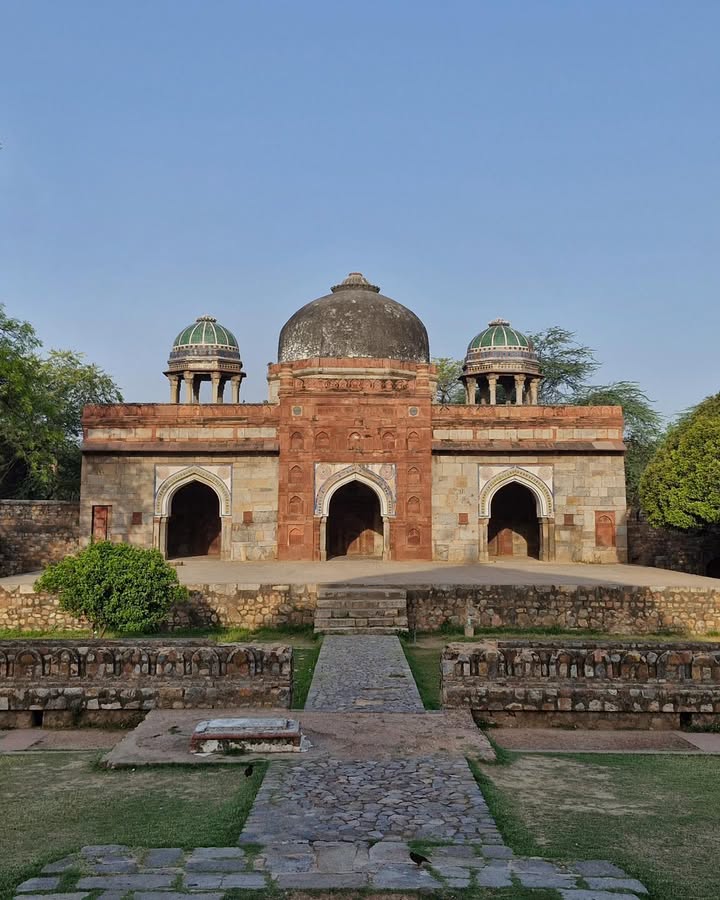
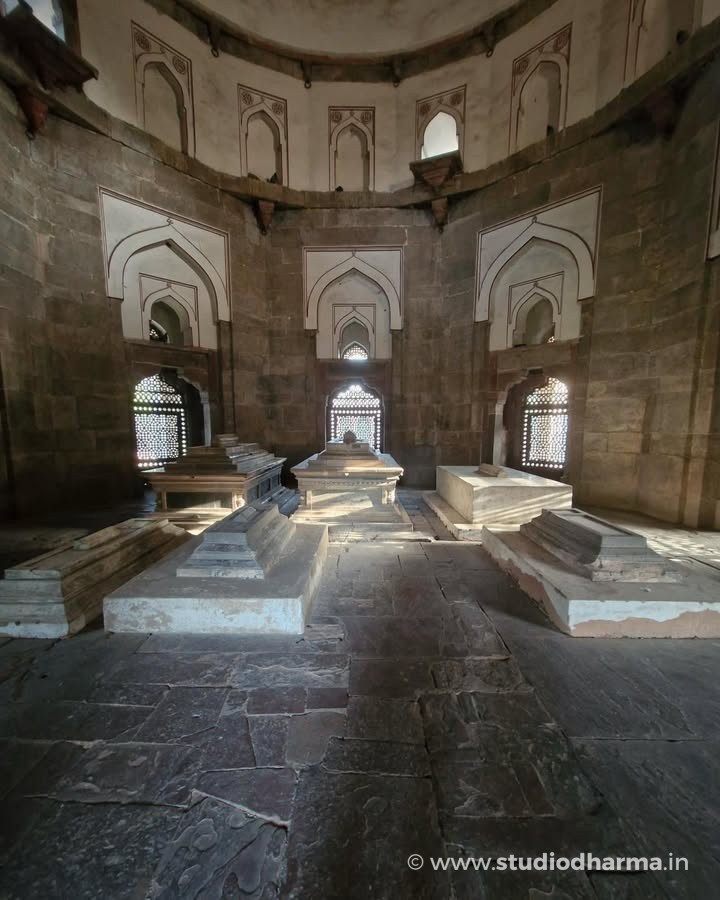
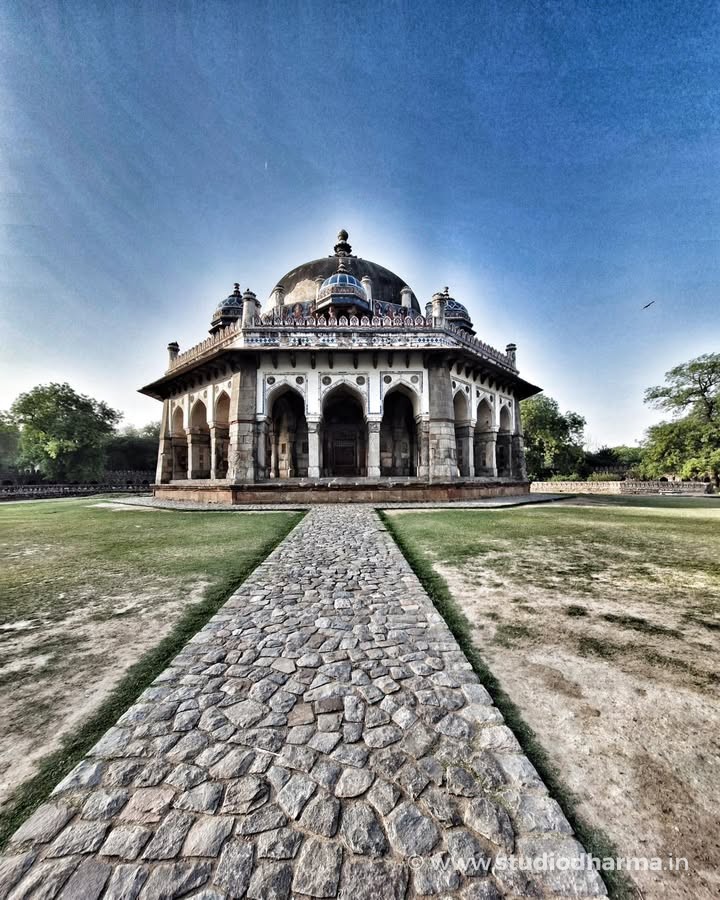
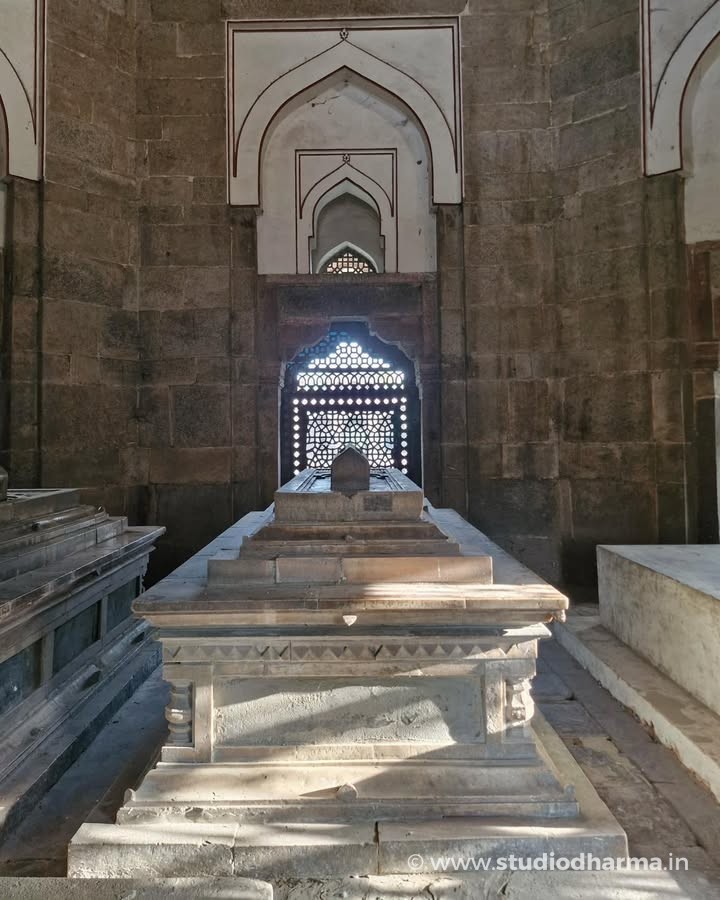
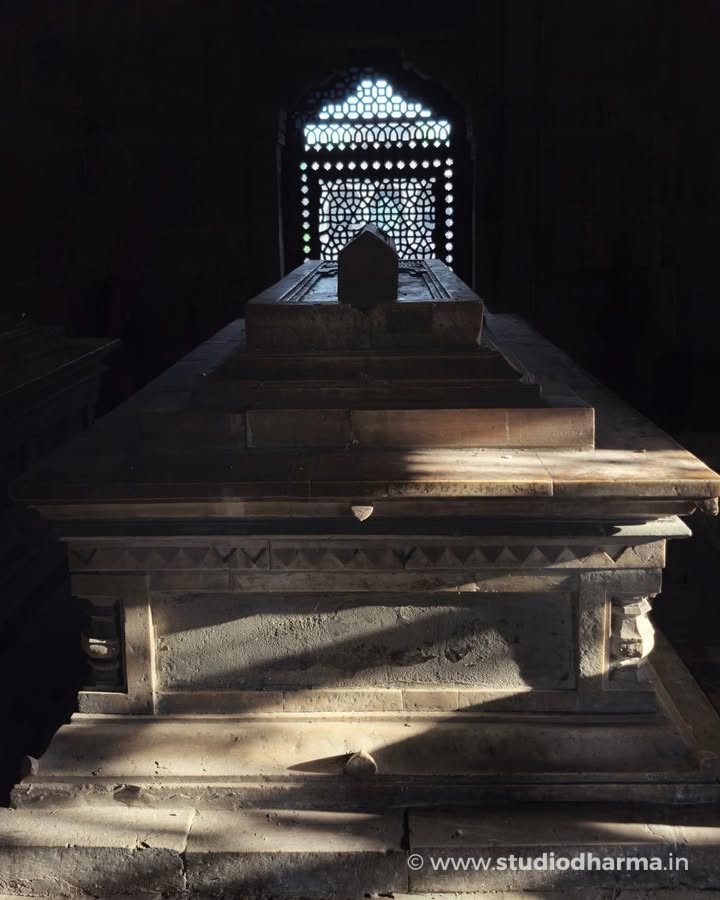
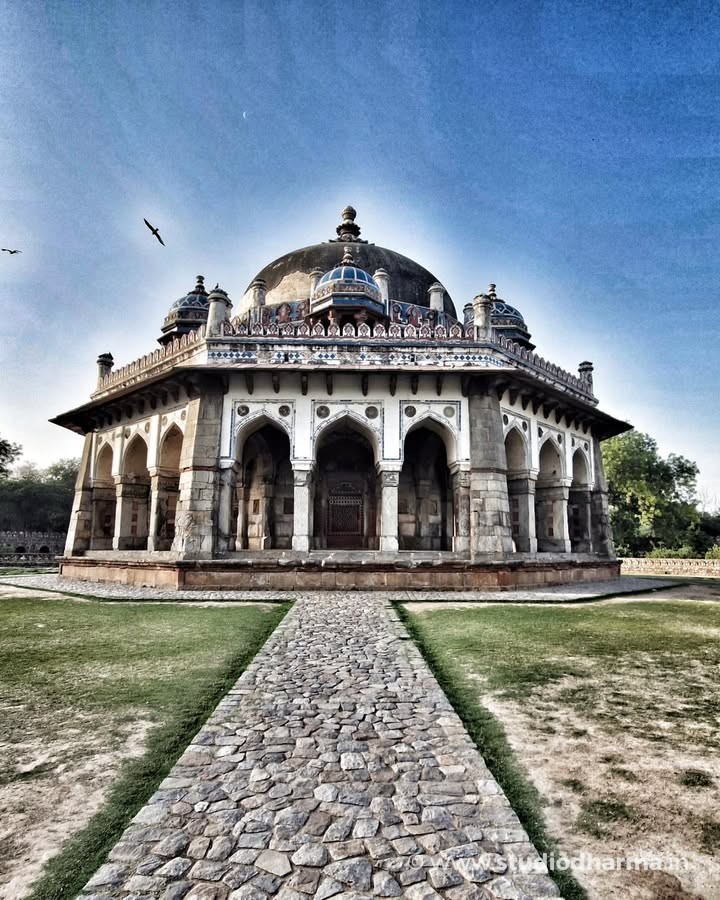
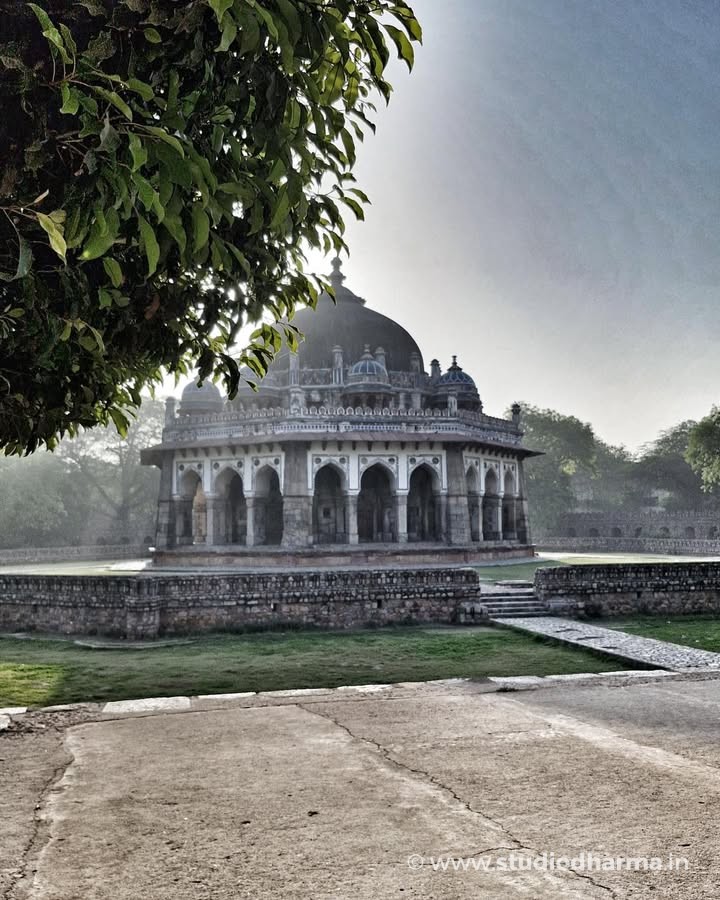
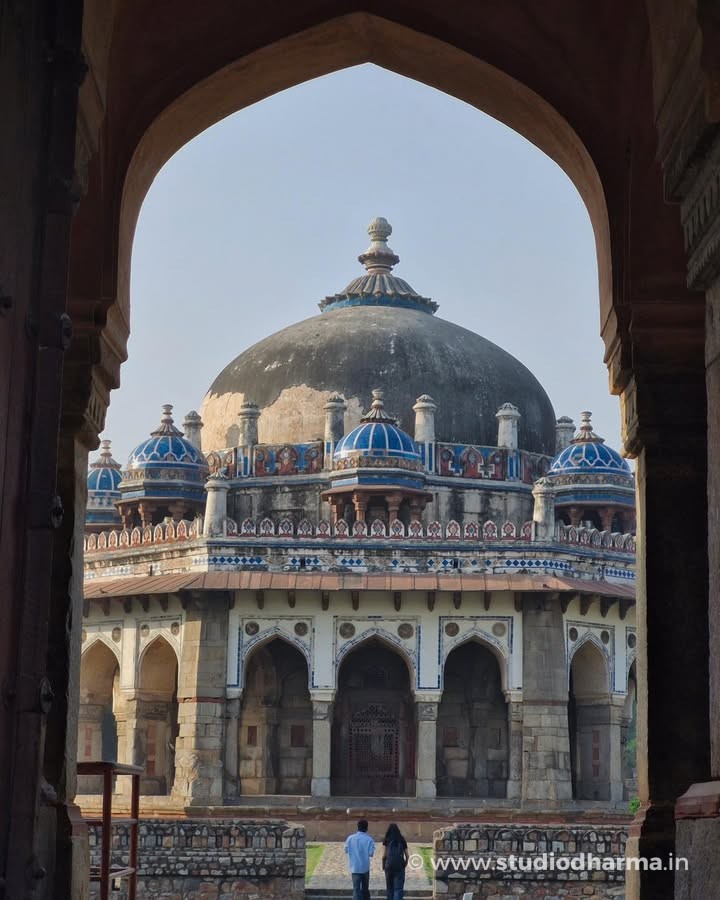
Built in 1547–48 during the reign of Sher Shah Suri, this octagonal mausoleum predates Humayun’s Tomb by nearly two decades. It belongs to Isa Khan Niazi, a powerful Afghan noble who served both Sher Shah and his son Islam Shah Suri.
What makes this structure extraordinary is not just its age—but its identity.
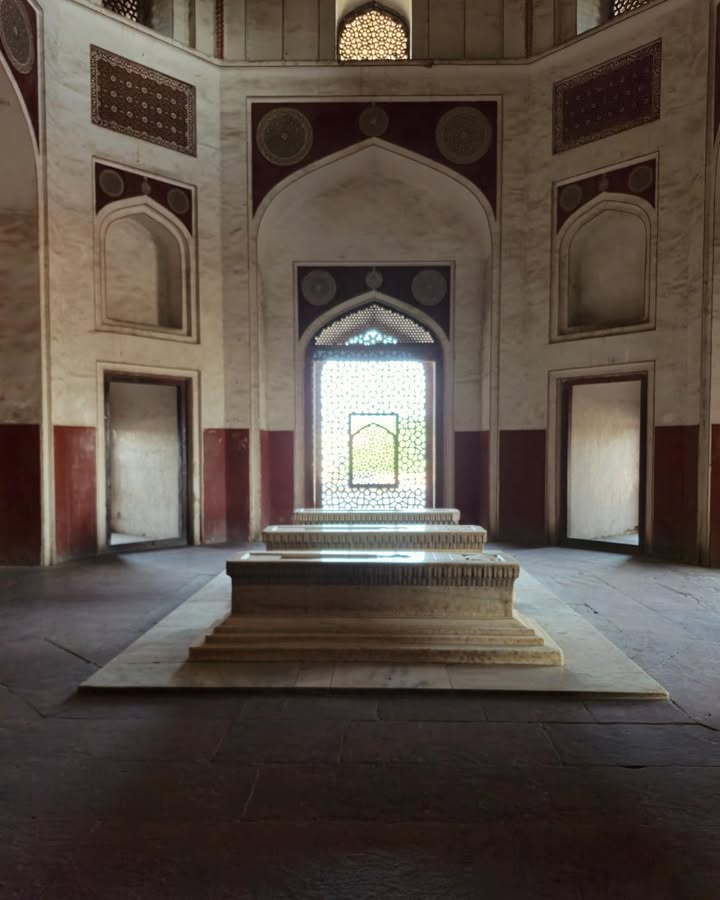
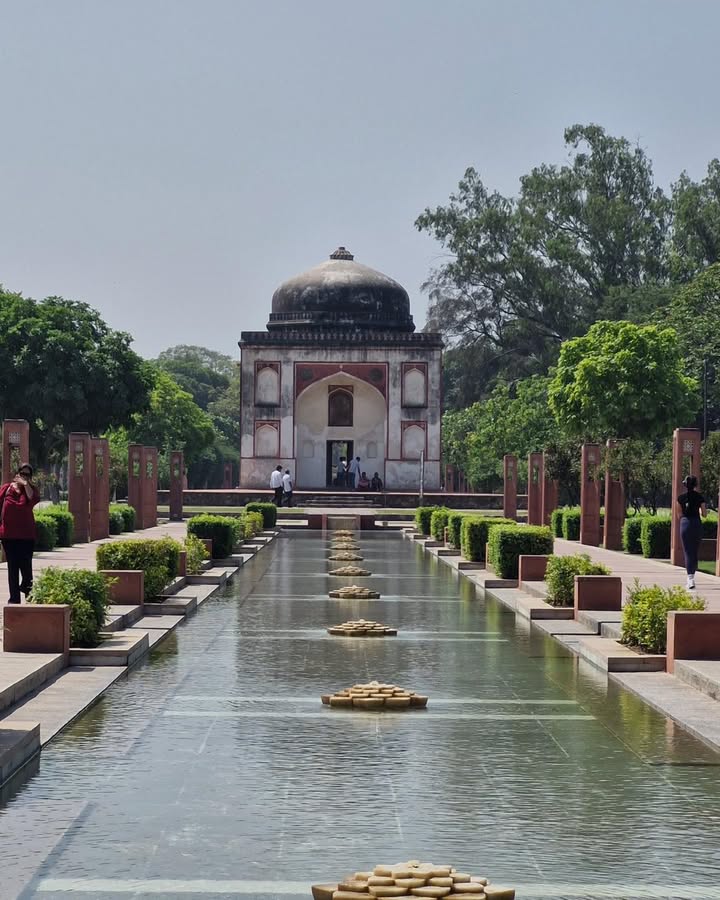
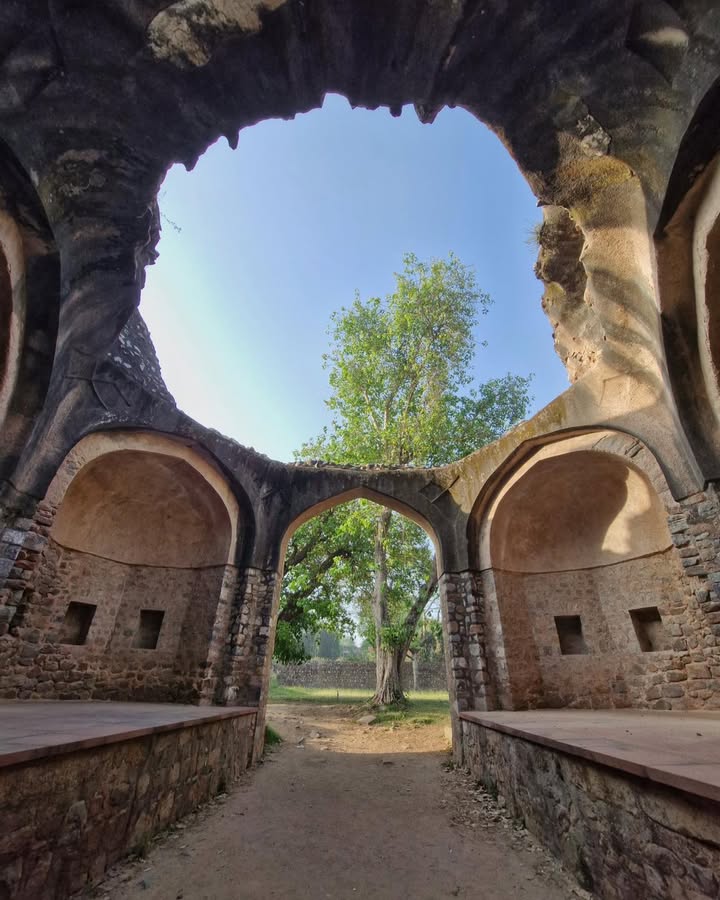
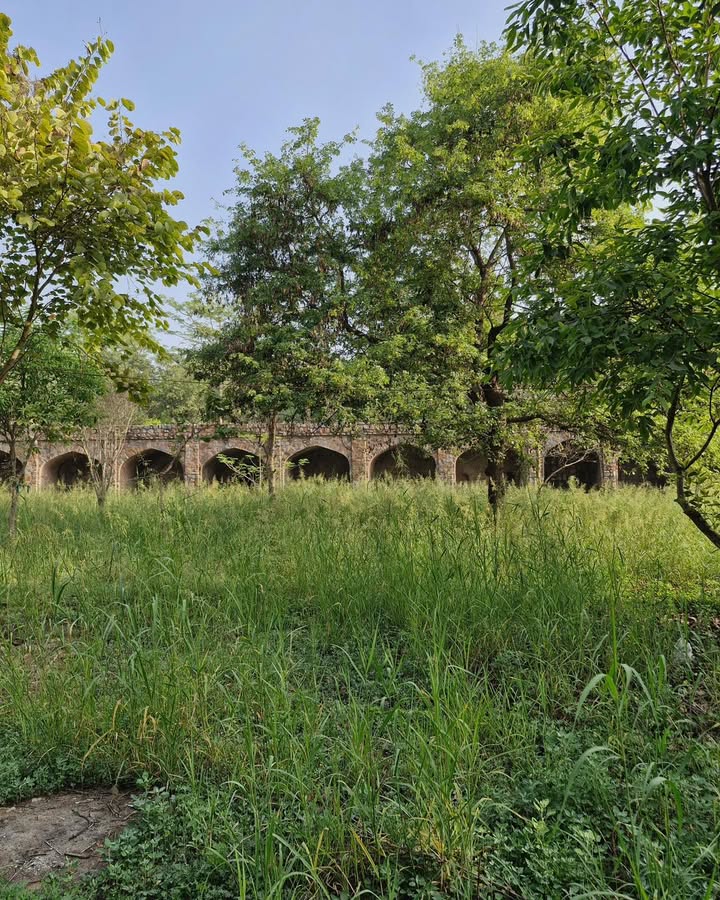
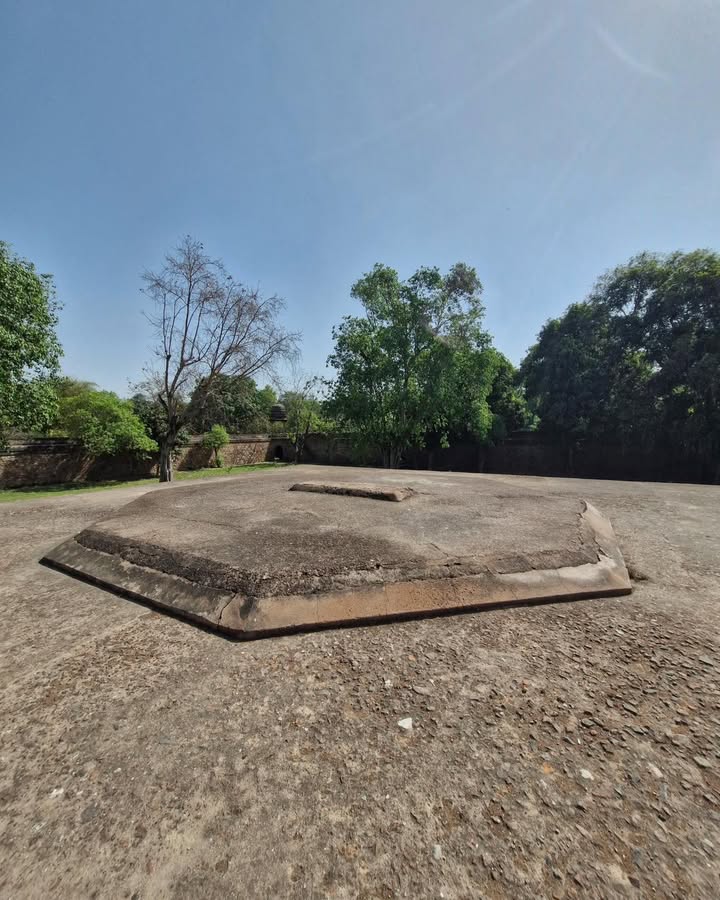
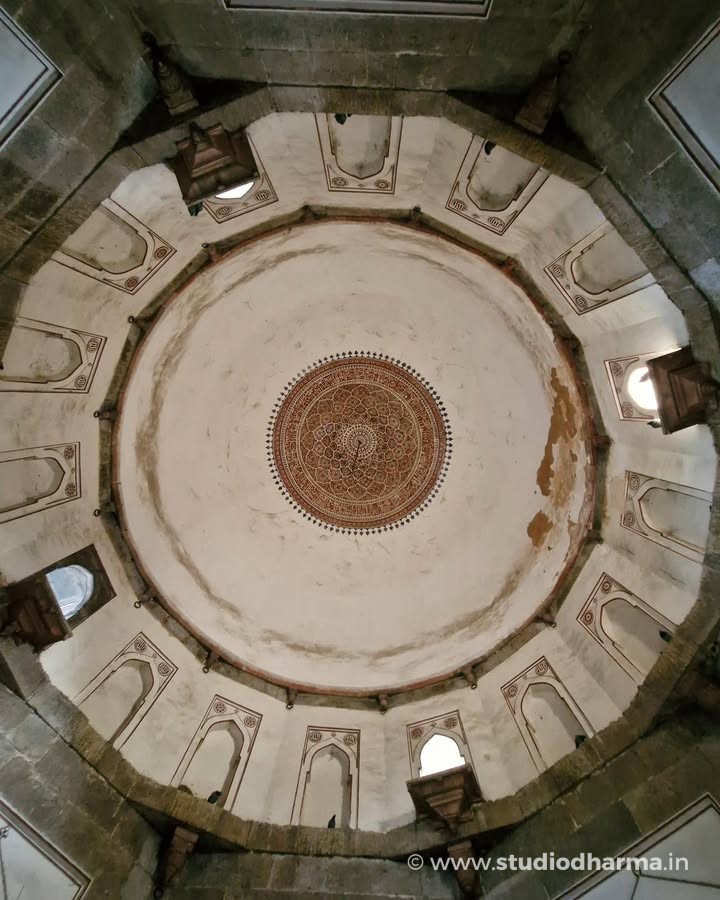
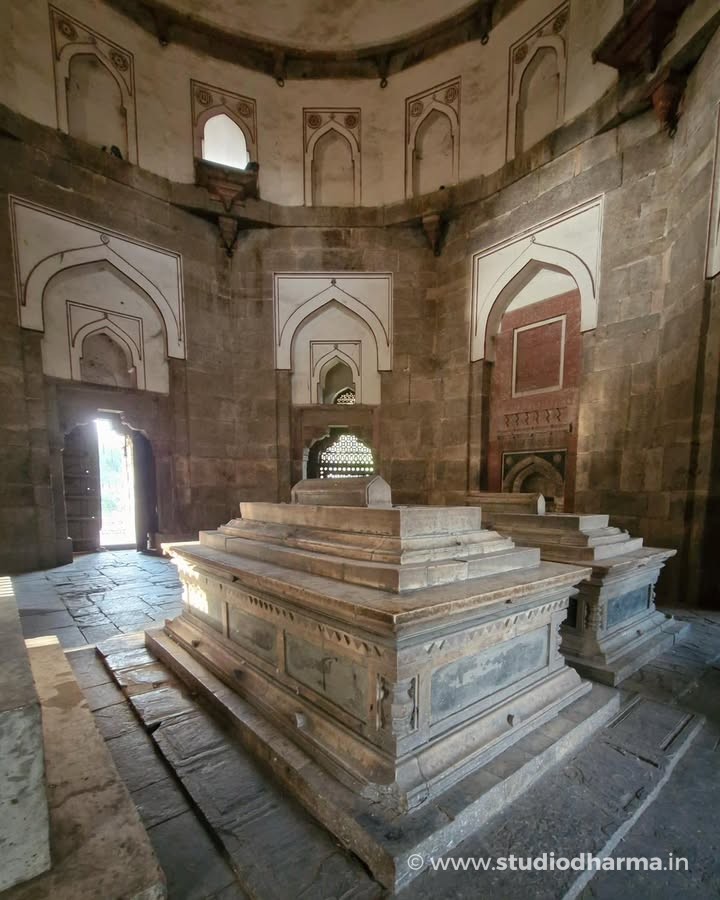
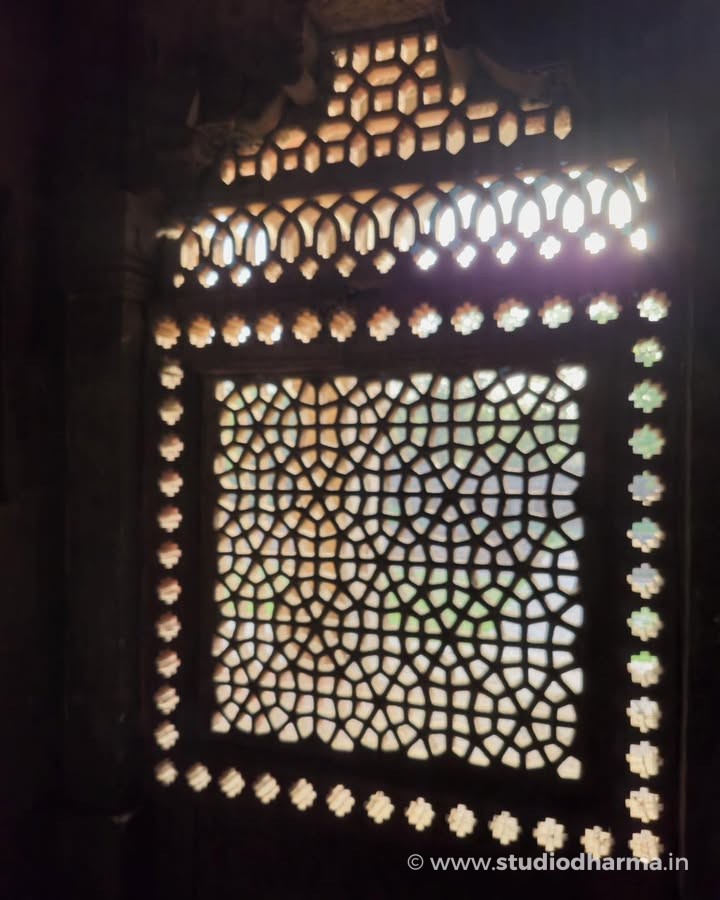
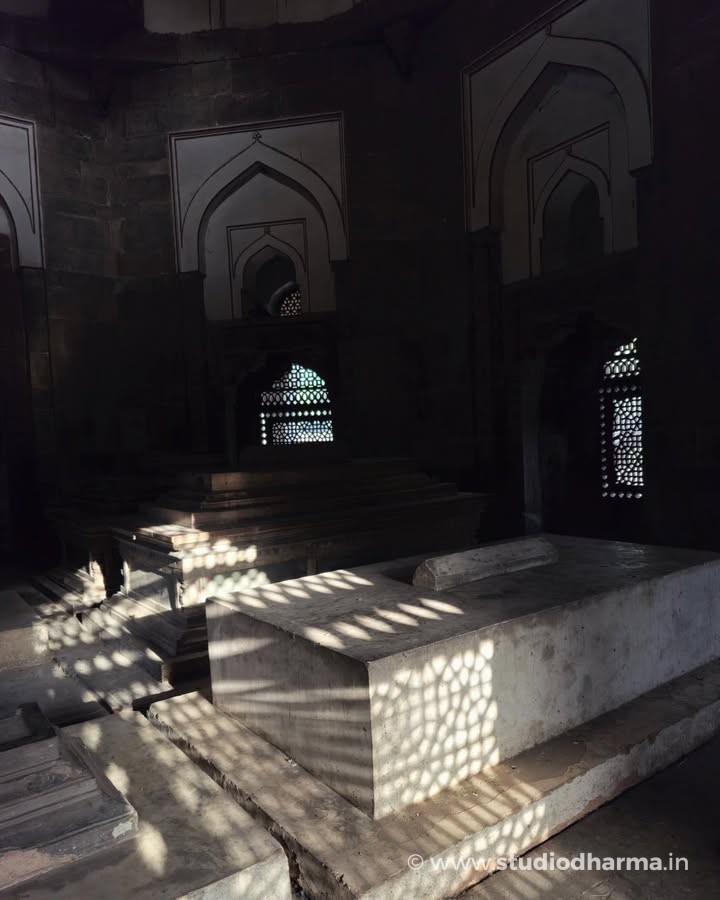
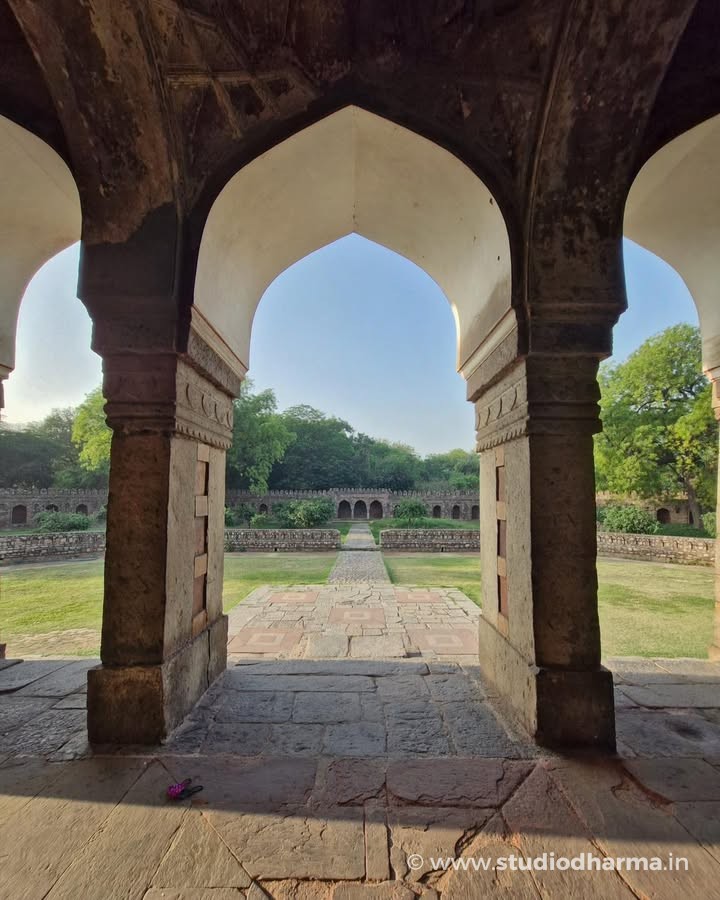
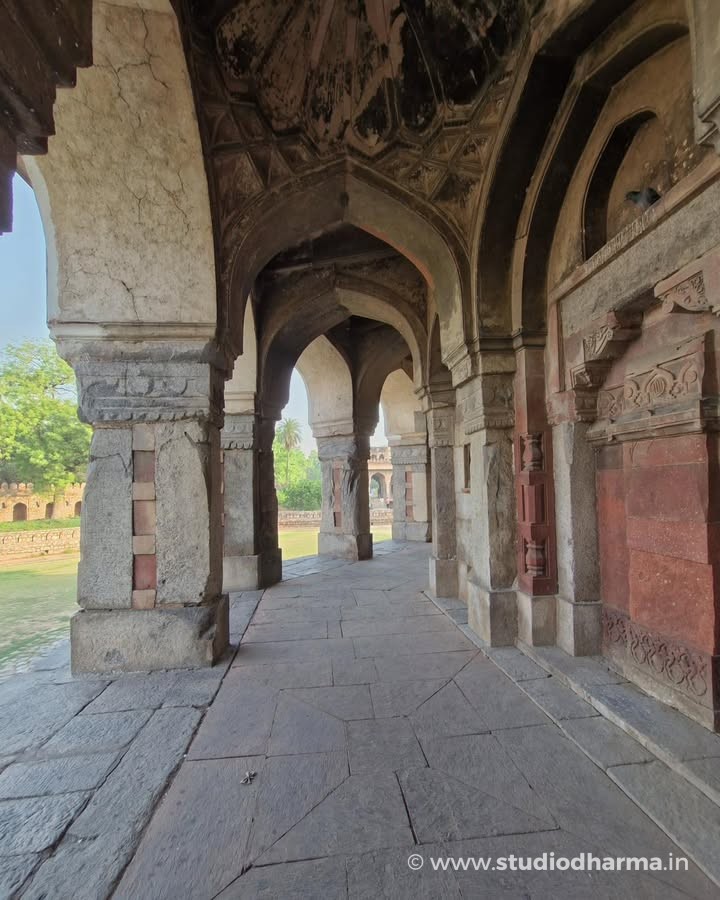
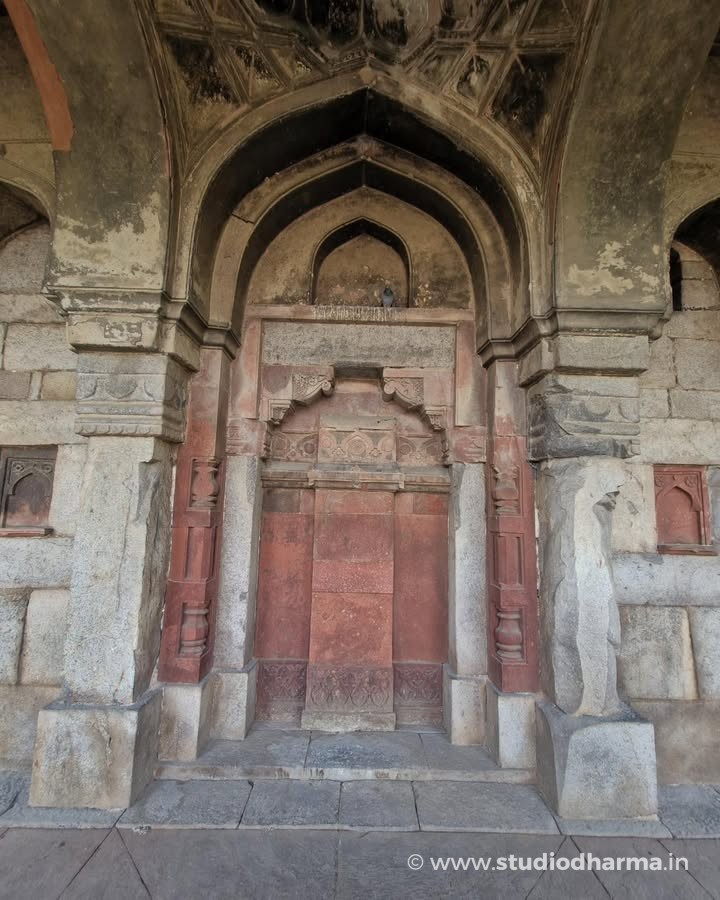
Crafted in red sandstone, adorned with intricate jalis, glazed tile work, and surrounded by chhatris, the tomb reflects the elegance of Sur-era architecture—distinct from what the Mughals would later popularize. Around it lies a sunken, enclosed garden—considered among the earliest garden-tomb layouts in India, long before Mughal charbagh planning reached its peak.
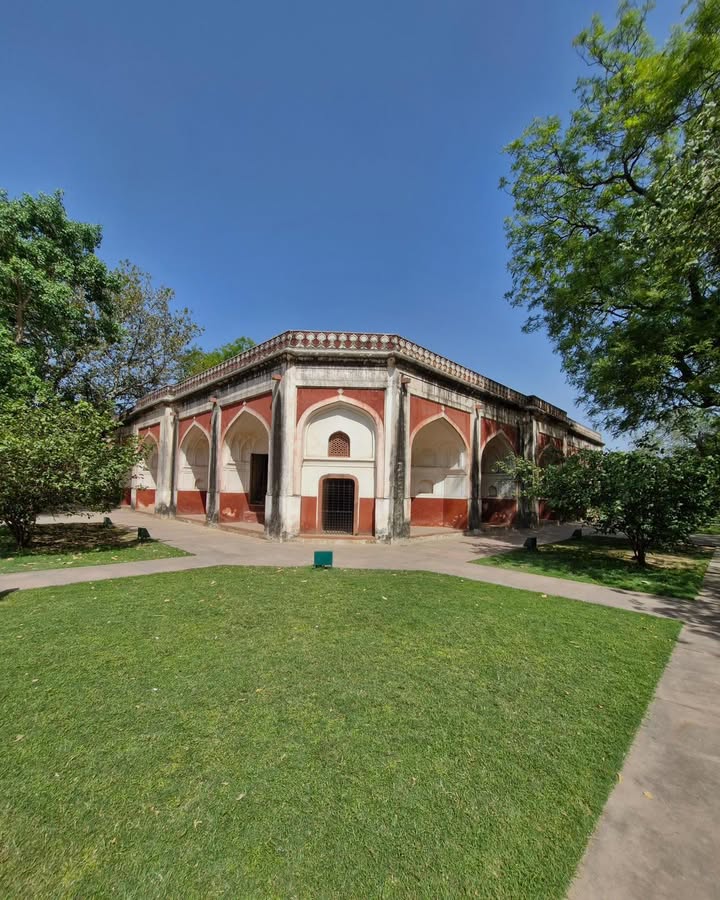
To the west stands a modest mosque, built alongside the tomb, completing a sacred ensemble that once echoed with prayers and quiet reverence.
An inscription inside describes this place as an “asylum of paradise”—a phrase that still feels fitting as sunlight filters through the lattice screens.
Centuries later, when the Mughal complex of Humayun’s Tomb was constructed (c. 1560s–1570s), Isa Khan’s tomb was not erased—but embraced within it. Today, it stands as a rare bridge between Afghan and Mughal architectural traditions.
Between 2011 and 2015, conservation led by the Aga Khan Trust for Culture and Archaeological Survey of India carefully restored its gardens and tile work—bringing its lost elegance back to life.
Yet even today, most visitors walk past it—unaware that this is where Delhi’s grand architectural story truly begins.
Discover more such forgotten stories of heritage and history in my premium coffee table book ITIHASNAMA by StudioDharma, featuring 25 curated historical narratives of Meerut.
Order your copy here:
ईसा ख़ान का मक़बरा, दिल्ली – मुग़लों से पहले की अफ़ग़ानी विरासत
दिल्ली के हुमायूँ का मक़बरा की भव्यता से पहले, यहाँ एक और कहानी मौजूद थी—एक ऐसी कहानी जो मुग़लों की नहीं, बल्कि सूरी वंश के अफ़ग़ानों की थी।
जब आप इस परिसर में प्रवेश करते हैं, तो सबसे पहले जो स्मारक आपका स्वागत करता है, वह मुग़ल नहीं—बल्कि ईसा ख़ान का मक़बरा है।
सन् 1547–48 में शेर शाह सूरी के शासनकाल में निर्मित यह अष्टकोणीय मक़बरा, हुमायूँ के मक़बरे से लगभग दो दशक पहले का है। यह ईसा ख़ान नियाज़ी का अंतिम विश्राम स्थल है, जो शेर शाह और उनके पुत्र इस्लाम शाह सूरी के दरबार के प्रमुख अमीरों में से एक थे।
लाल बलुआ पत्थर से निर्मित यह संरचना, जालियों, चमकदार टाइलों और चारों ओर बने छतरियों से सजी हुई है—जो सूरी शैली की विशिष्ट पहचान को दर्शाती है। इसके चारों ओर बना धंसा हुआ बगीचा भारत के प्रारंभिक उद्यान-आधारित मक़बरों में गिना जाता है।
मक़बरे के पश्चिम में एक छोटा मस्जिद भी स्थित है, जो इस परिसर को आध्यात्मिक पूर्णता देती है।
भीतर मौजूद शिलालेख इस स्थान को “जन्नत का आश्रय” बताता है—और सच में, यहाँ की शांति उस भाव को जीवित रखती है।
बाद में जब 16वीं सदी में हुमायूँ का मक़बरा बना, तो इस संरचना को हटाया नहीं गया—बल्कि उसी परिसर का हिस्सा बना लिया गया। आज यह अफ़ग़ान और मुग़ल वास्तुकला के बीच एक जीवित सेतु के रूप में खड़ा है।
2011 से 2015 के बीच आगा ख़ान ट्रस्ट फ़ॉर कल्चर और भारतीय पुरातत्व सर्वेक्षण द्वारा इसके संरक्षण कार्य ने इसकी पुरानी भव्यता को पुनः जीवित किया।
फिर भी, आज भी अधिकतर लोग इसे नज़रअंदाज़ कर जाते हैं—जबकि यही वह स्थान है जहाँ दिल्ली की वास्तुकला की असली कहानी शुरू होती है।
ऐसी ही भूली-बिसरी विरासतों की कहानियाँ जानने के लिए मेरी प्रीमियम कॉफी टेबल बुक ITIHASNAMA (StudioDharma) अवश्य देखें, जिसमें मेरठ की 25 ऐतिहासिक कहानियाँ संकलित हैं।
अपनी कॉपी यहाँ से ऑर्डर करें: