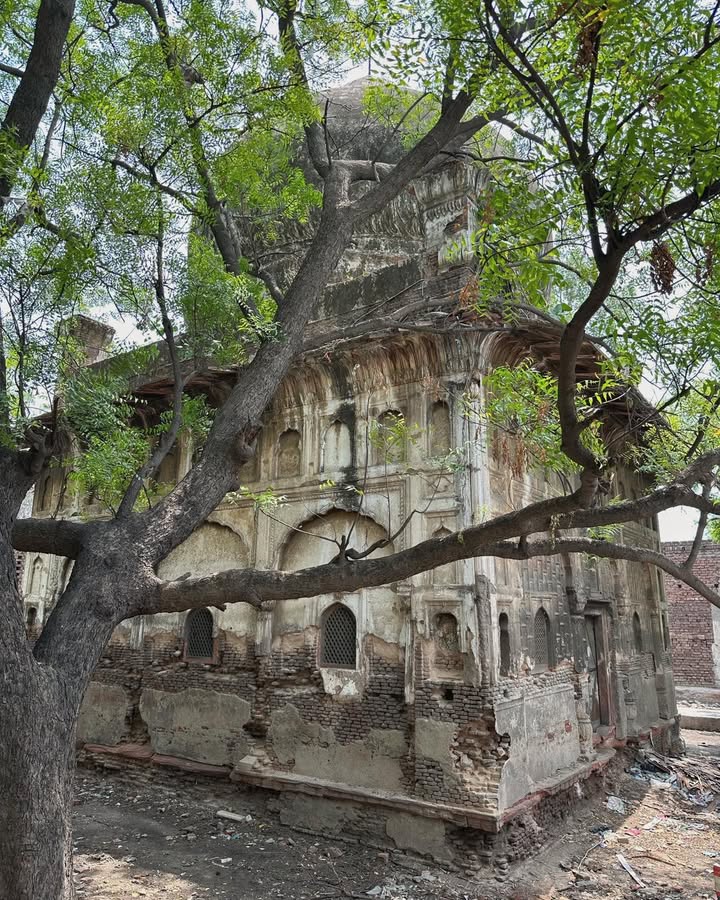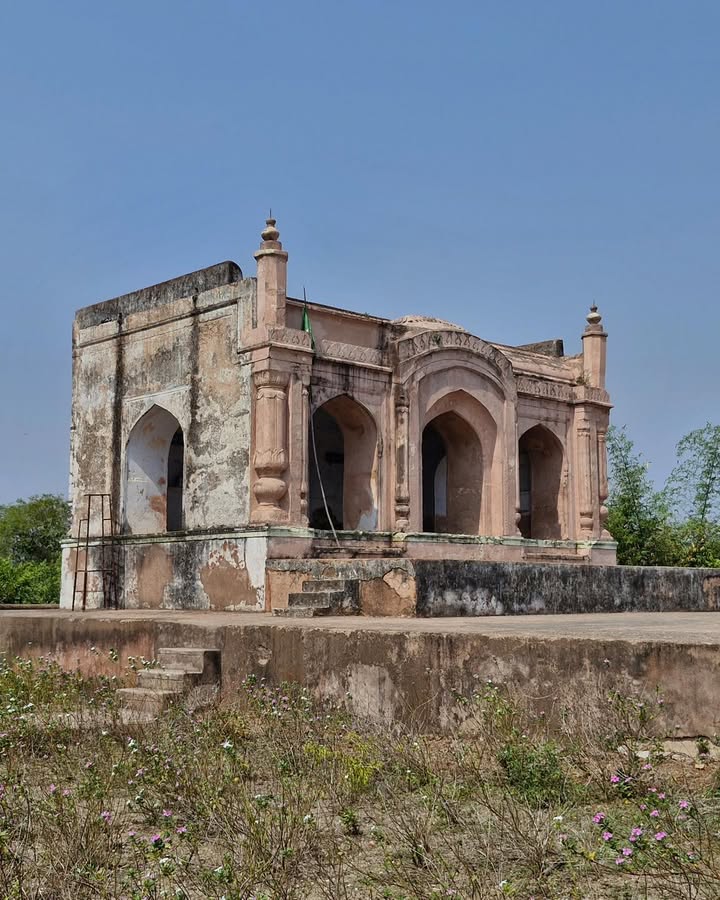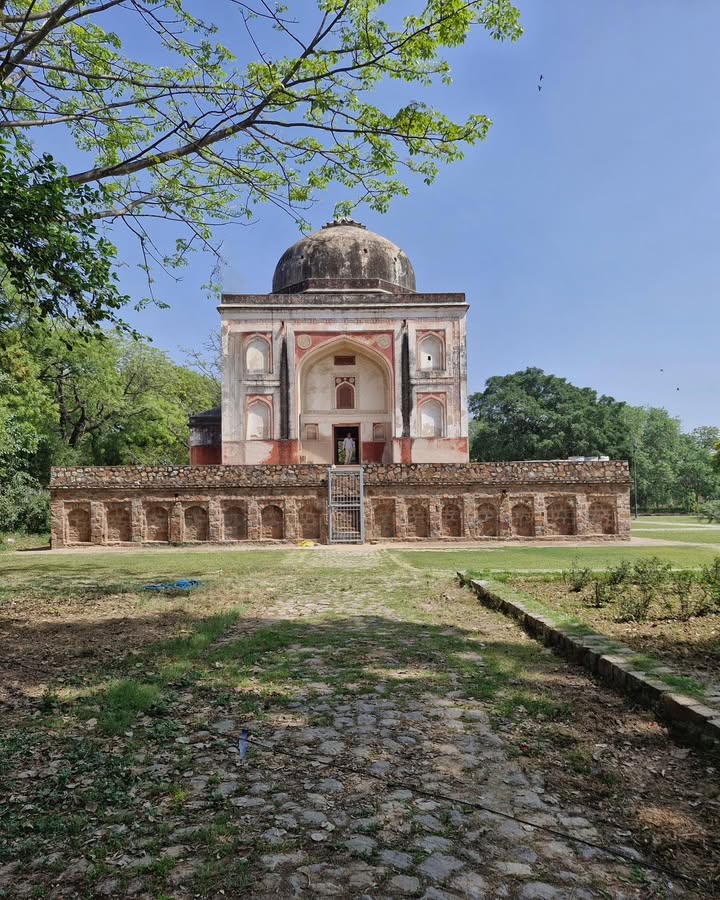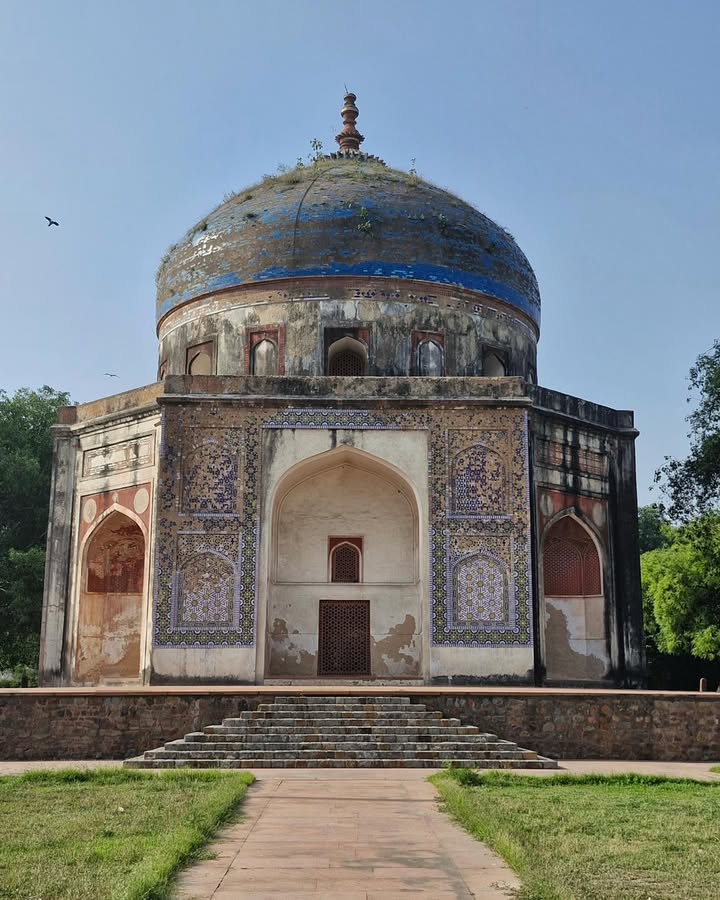









GHaus Mohammad Tomb, Gwalior – Where Sufism Meets Stone.


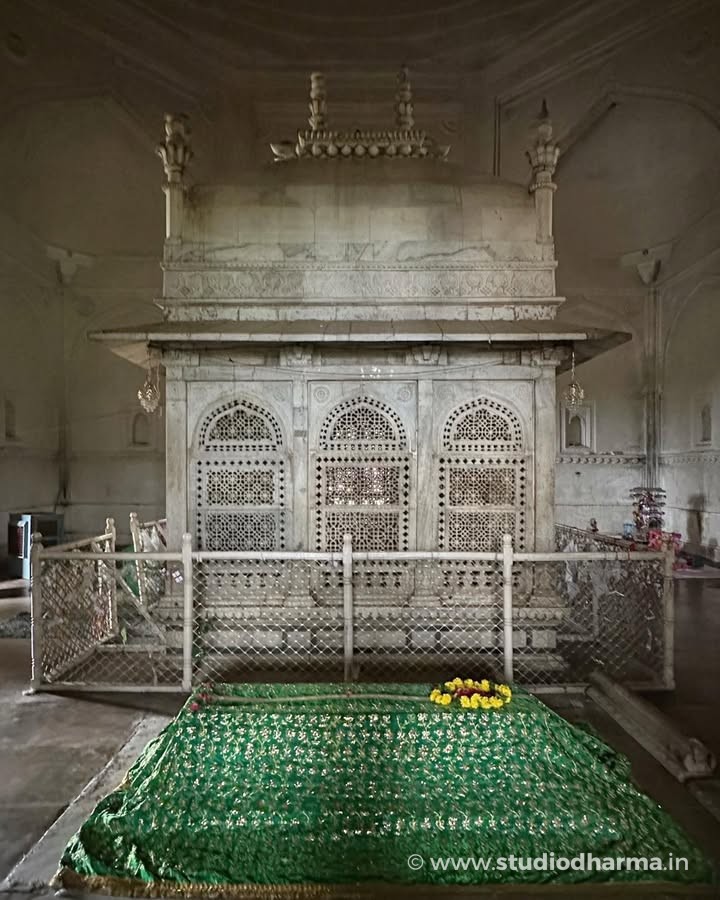

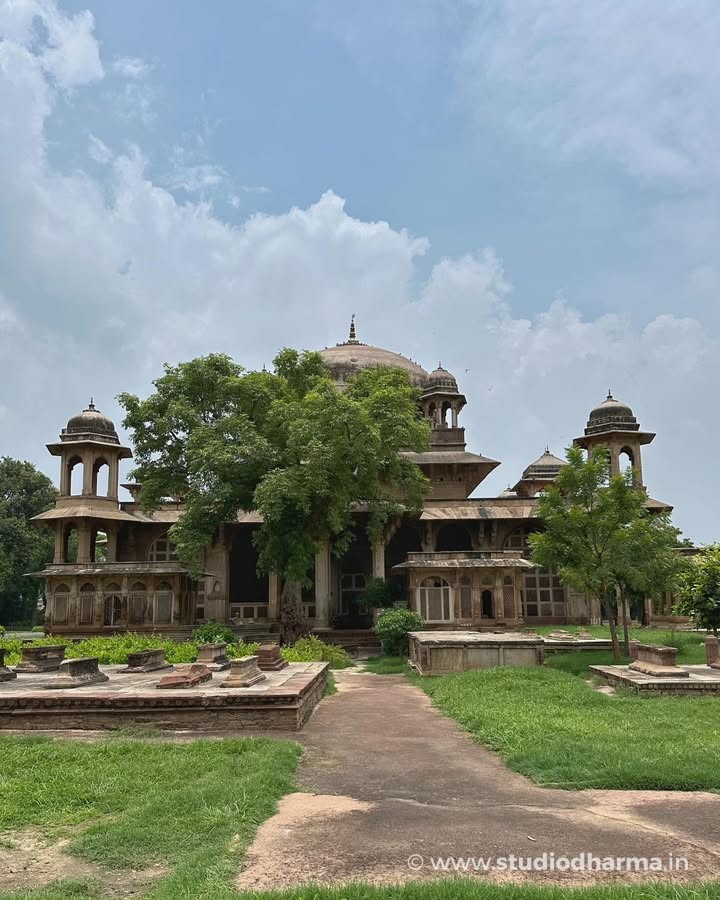
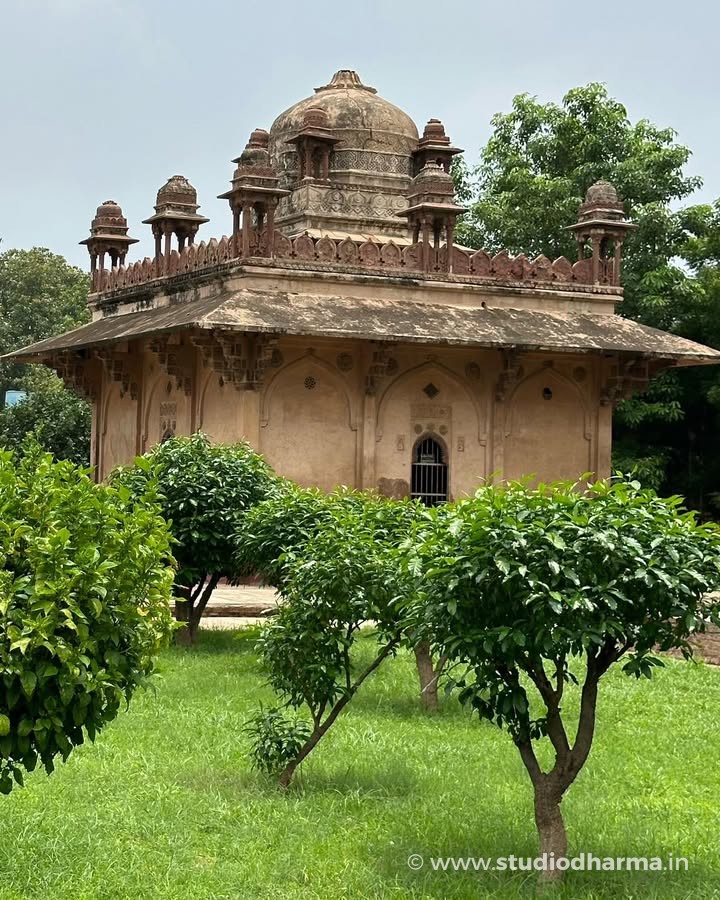


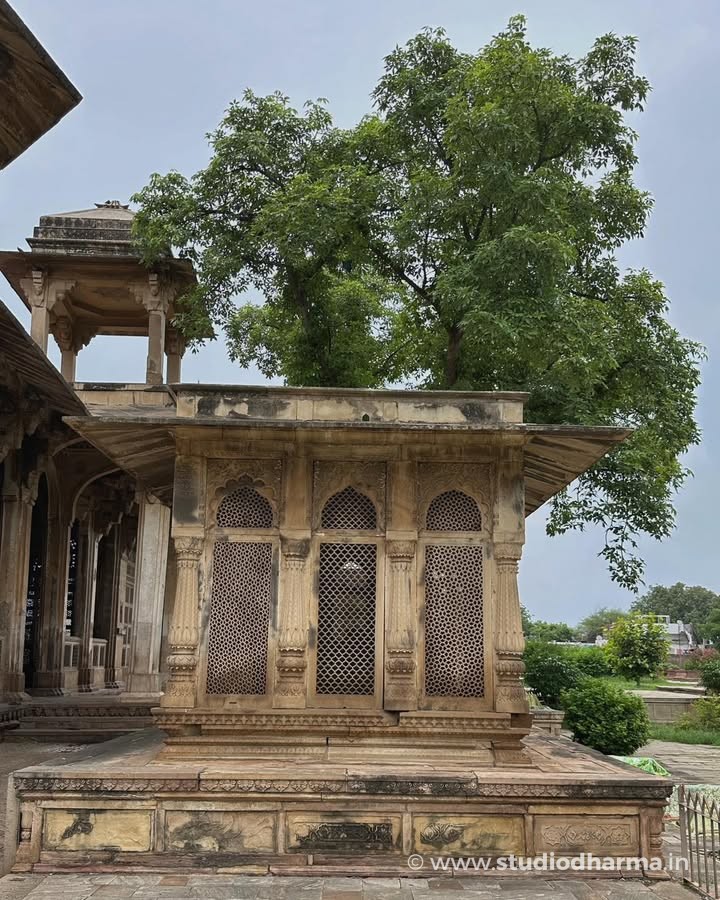
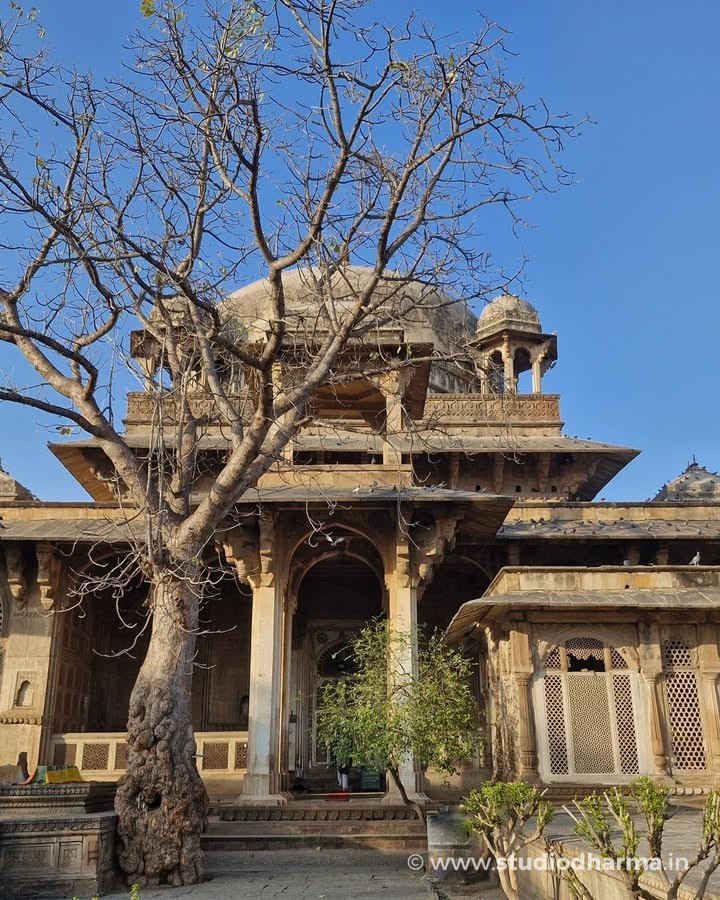

GHaus Mohammad Tomb, Gwalior – Where Sufism Meets Stone.
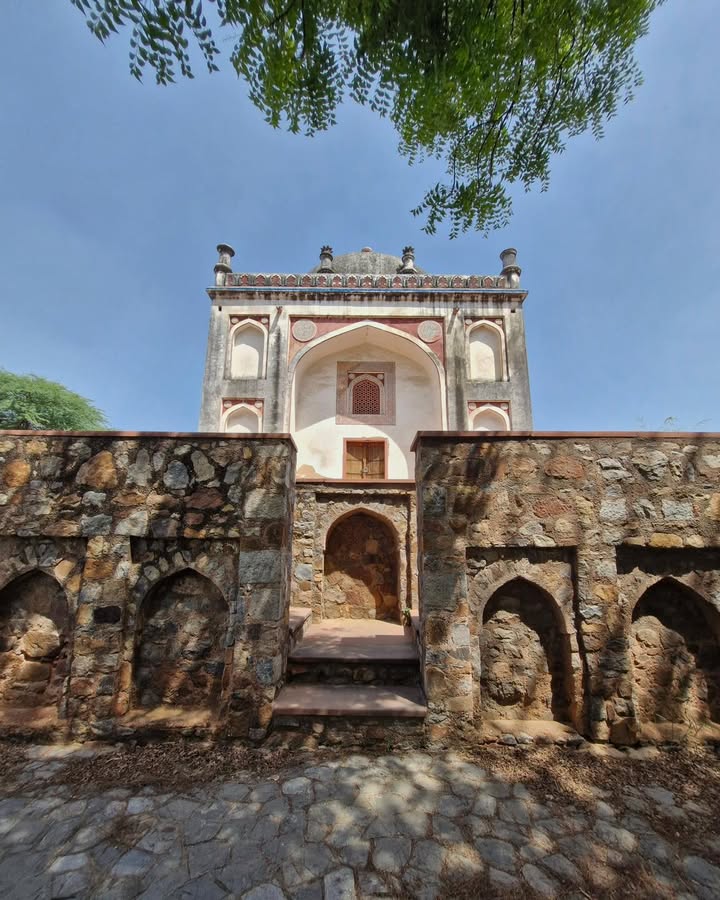
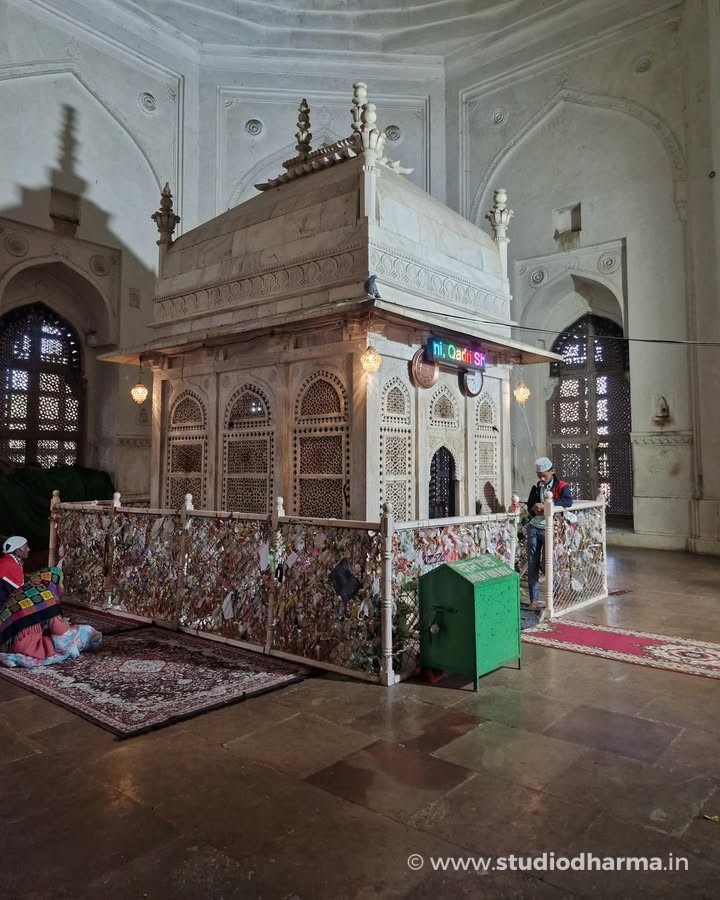
Hidden in the historic city of Gwalior stands a monument that quietly tells the story of faith, music, and Mughal artistry. The Tomb of Ghaus Mohammad is not just a structure of sandstone; it is the resting place of one of India’s most respected Sufi saints, Shaikh Muhammad Ghaus, whose spiritual influence reached emperors, musicians, and seekers alike.
Born in Gwalior in 1500, Muhammad Ghaus became a renowned saint of the Shattari Sufi order. He was not only a spiritual guide but also a scholar and author who translated the yogic text Amritakunda into Persian as Bahr-al-Hayat, bridging ideas between Indian yogic traditions and Sufi spirituality. His teachings attracted disciples from across the subcontinent, and even the legendary musician Miyan Tansen is closely associated with him.
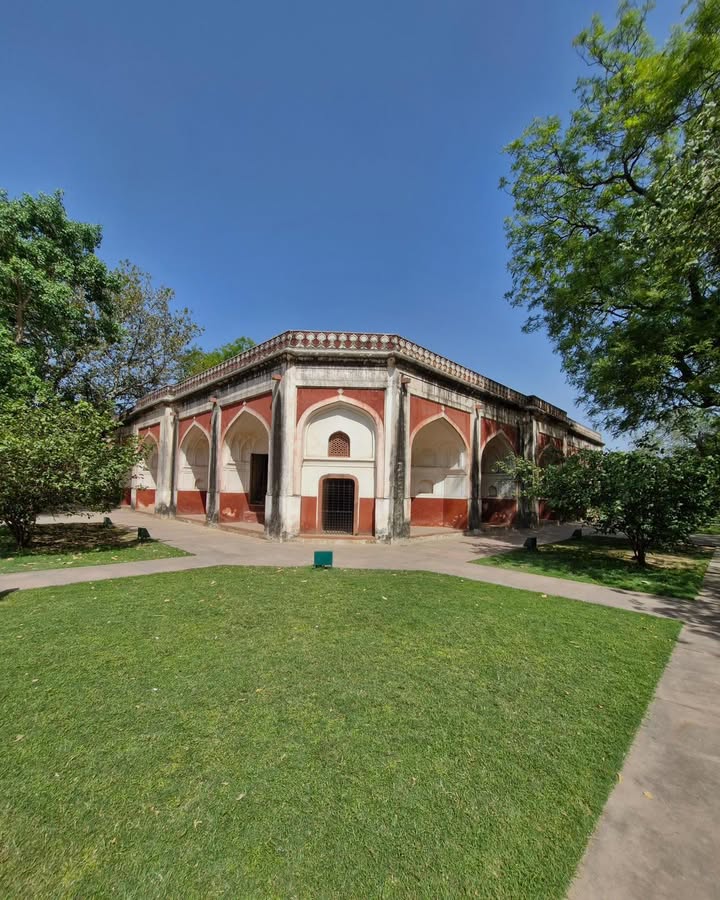
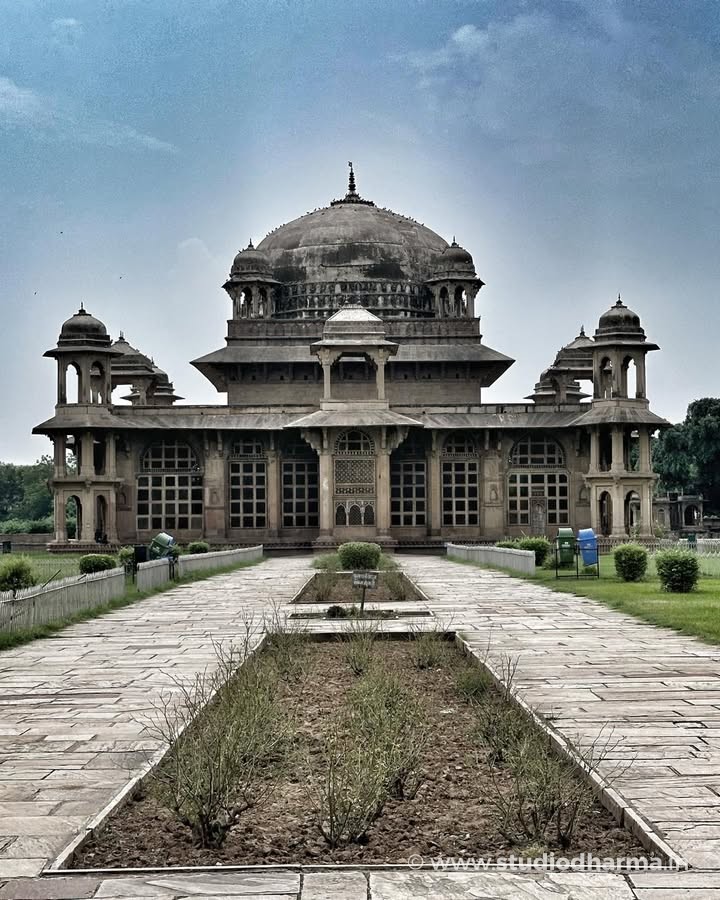
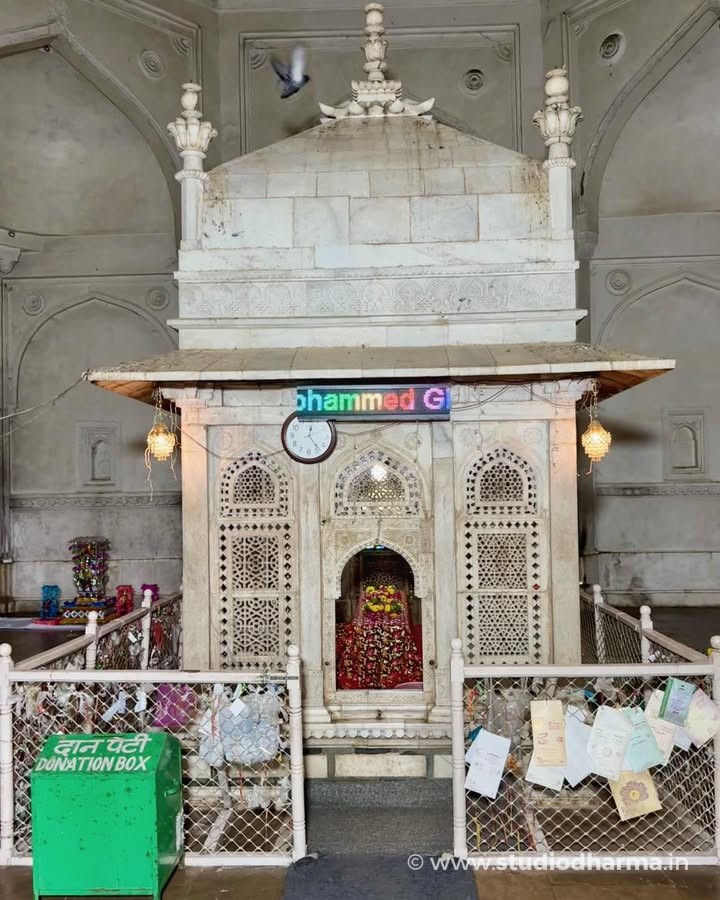
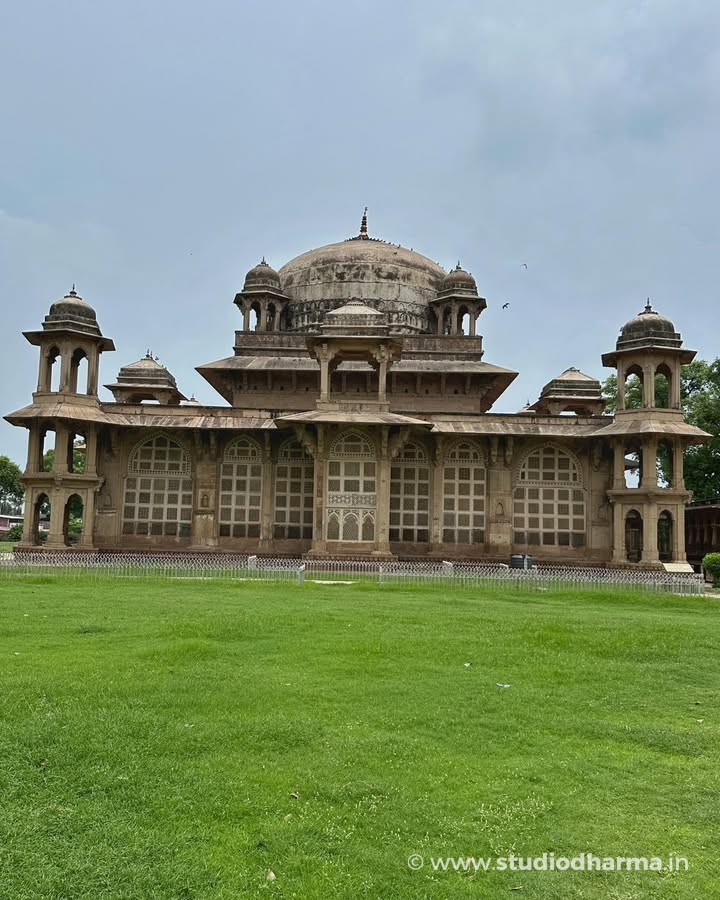
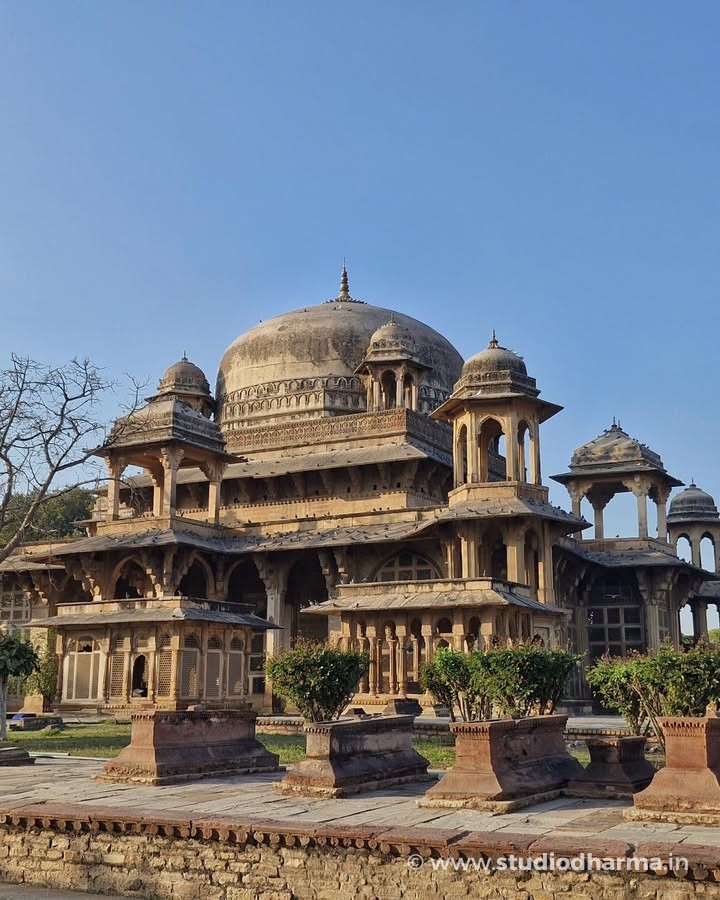
After the saint passed away in 1562, the Mughal emperor Akbar ordered the construction of this magnificent mausoleum in his honor. Built soon after his death, the tomb stands today as one of the finest examples of early Mughal funerary architecture.
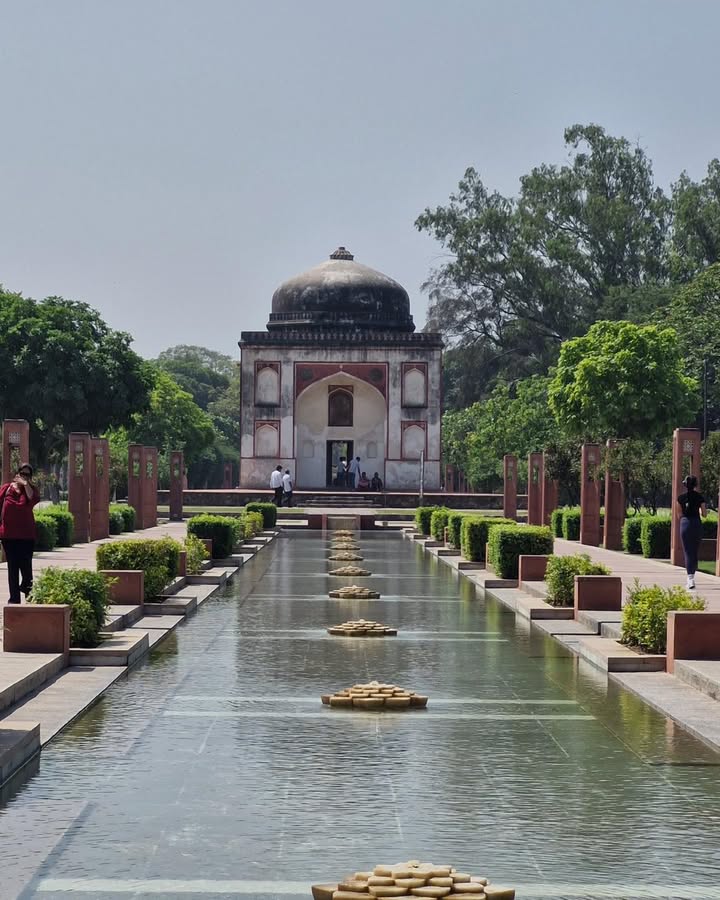
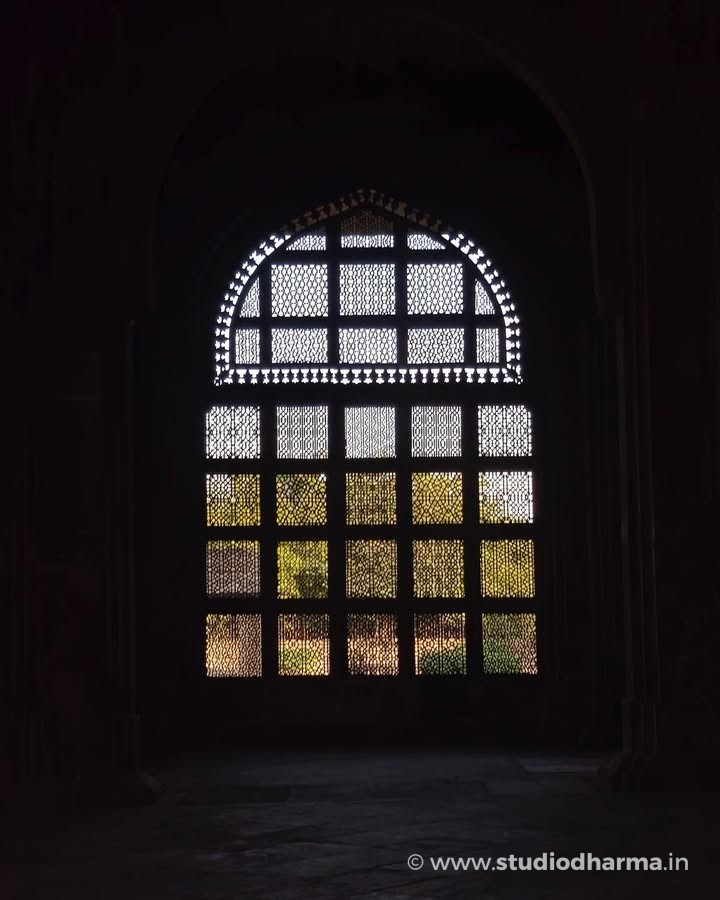
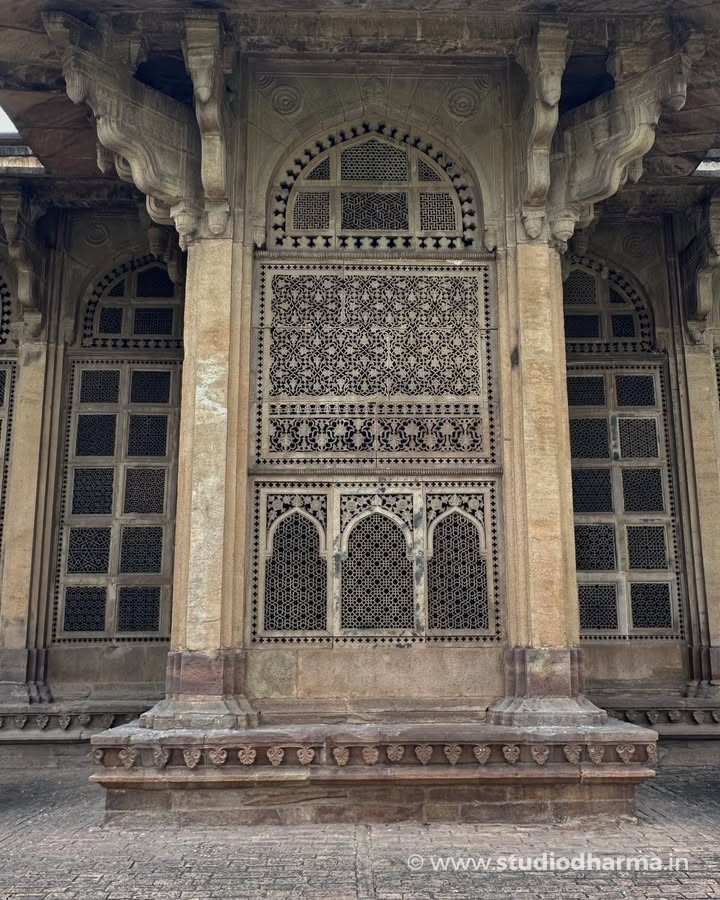
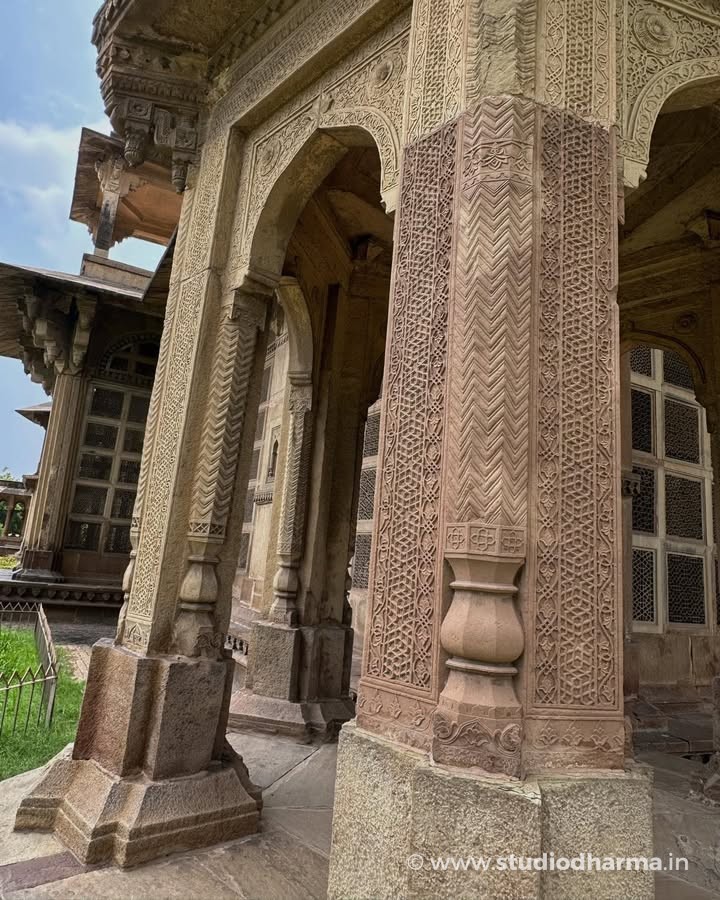
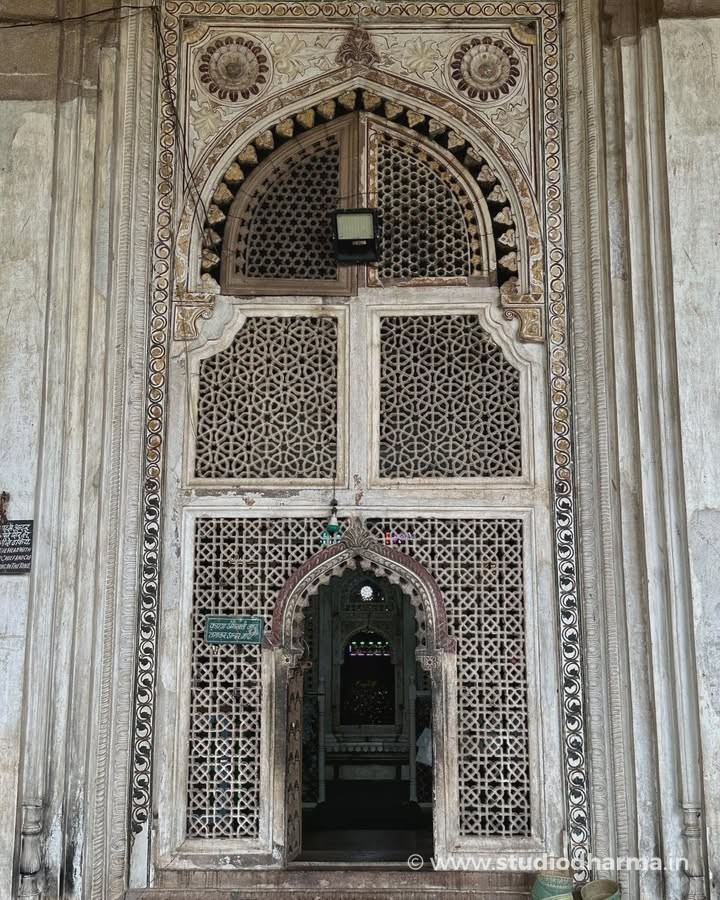
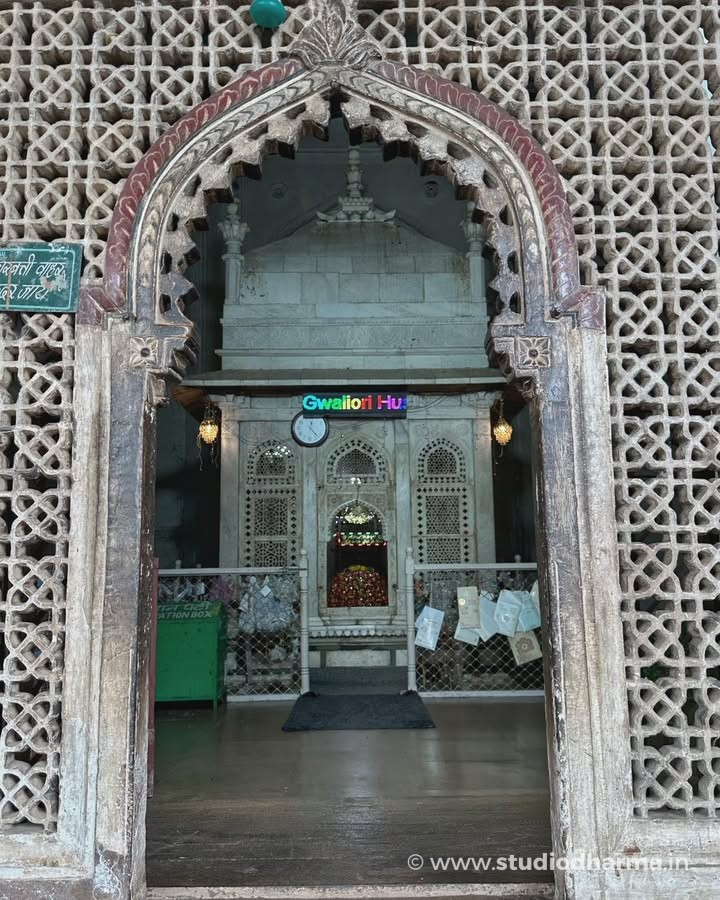
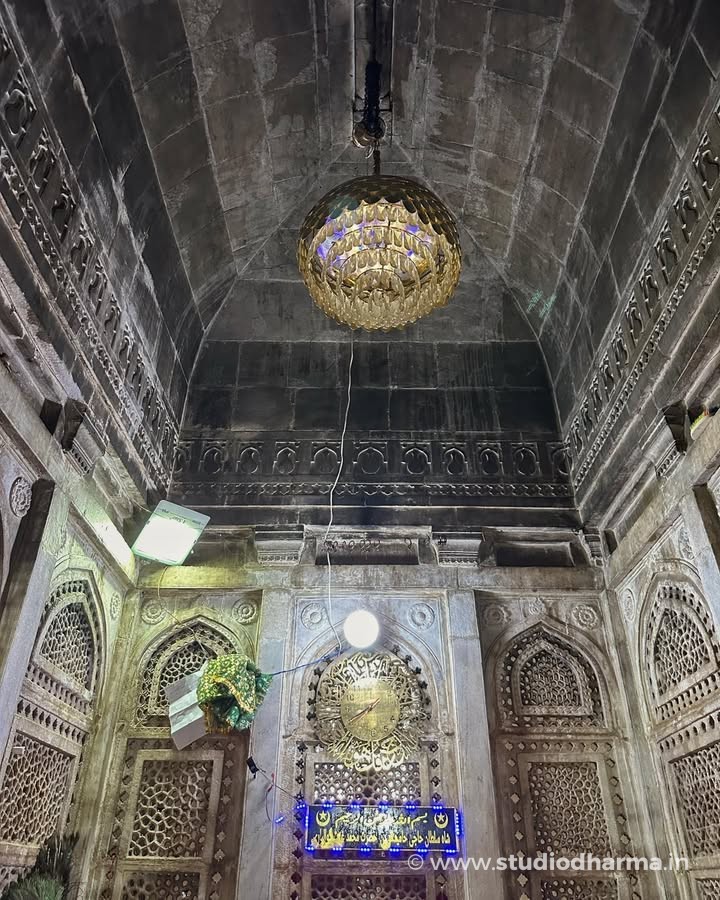
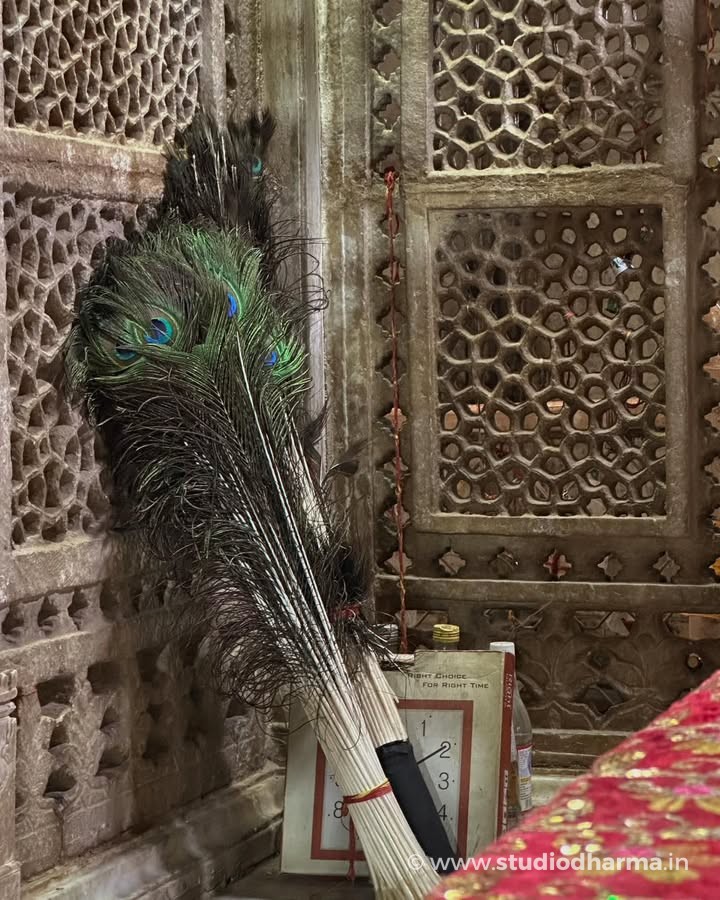
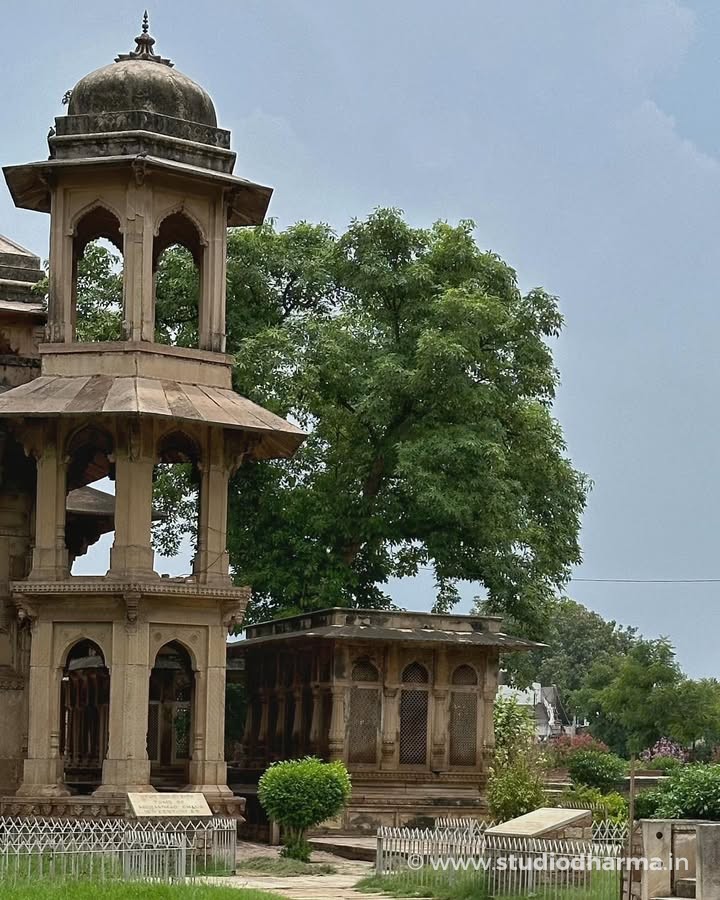
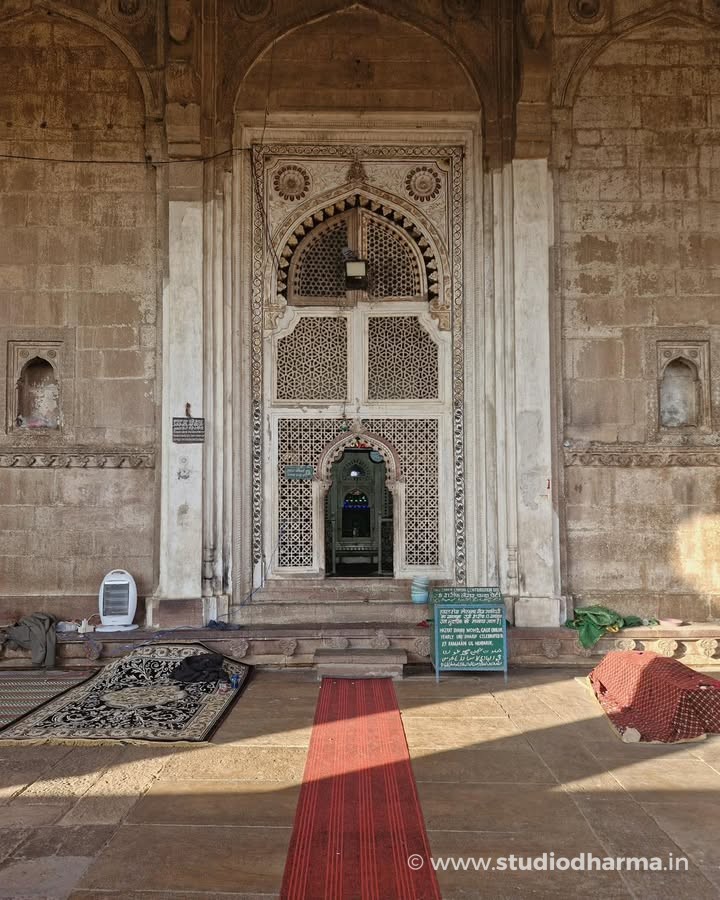
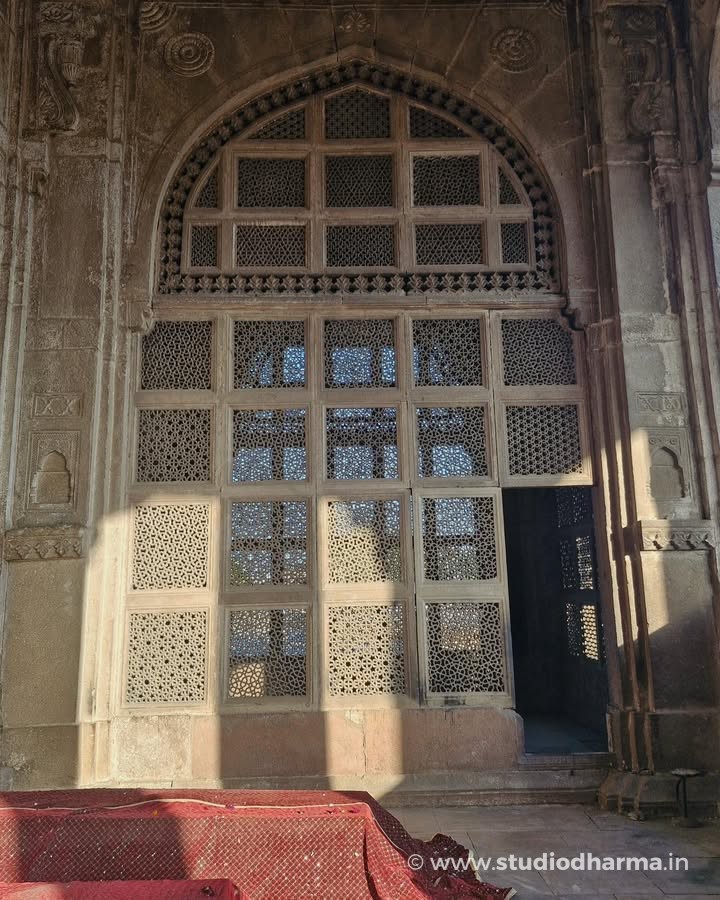
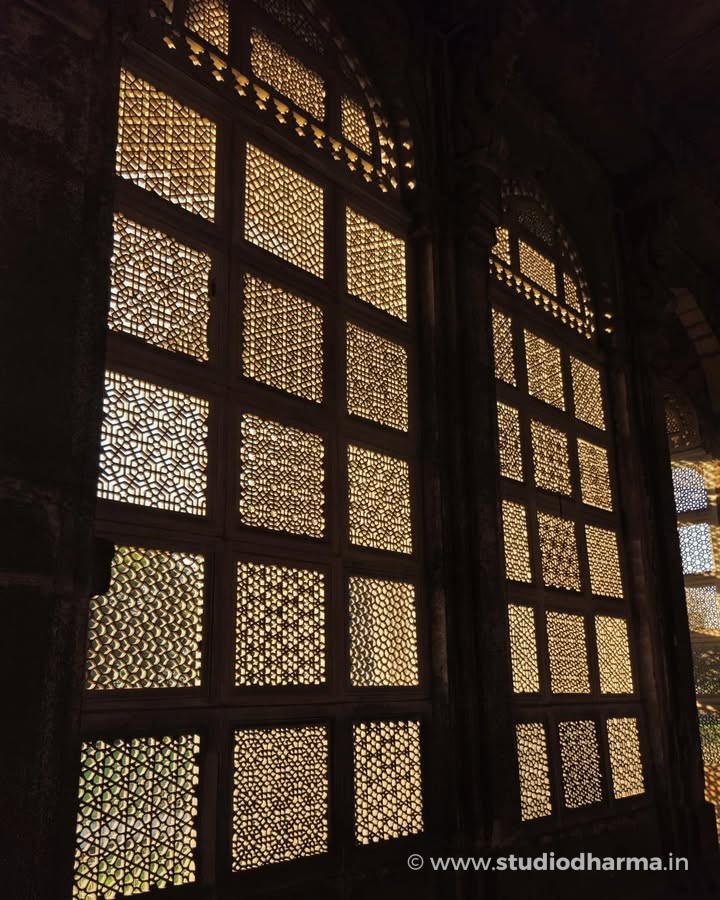
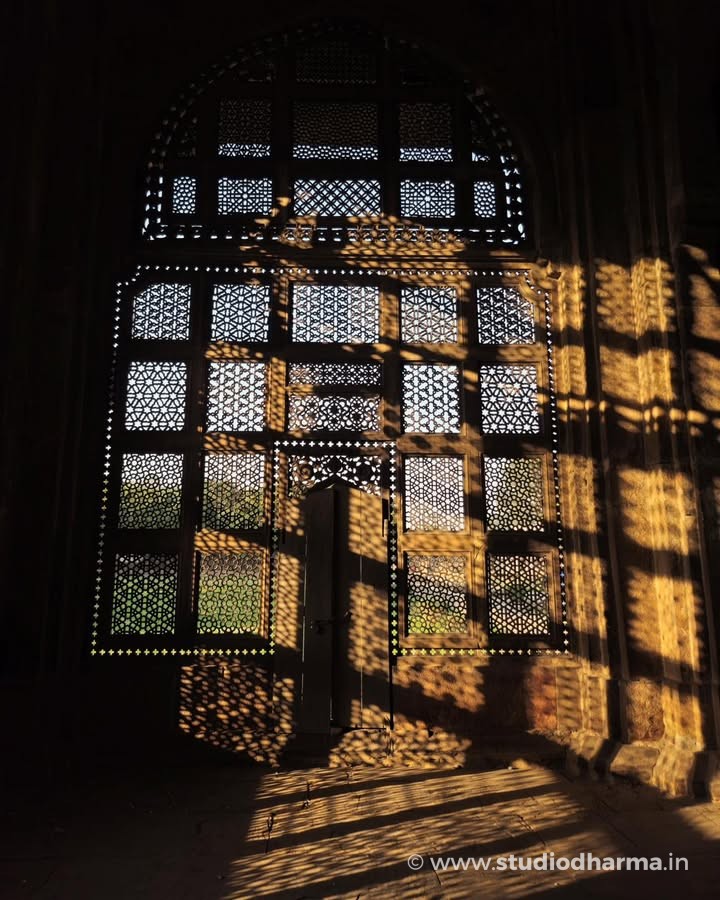
The structure rises on a square platform with hexagonal corner towers, each crowned by small domes, while a large central dome dominates the skyline. What truly makes the monument extraordinary are the delicate sandstone jali screens surrounding the entire building. These lattices are carved so intricately that they resemble lace in stone, allowing air and light to pass through and creating an almost mystical atmosphere inside the mausoleum.
Located in the Hazira area of Gwalior, the peaceful garden complex also houses the tomb of the legendary musician Tansen, making this site a rare meeting point of spiritual devotion and classical music heritage.
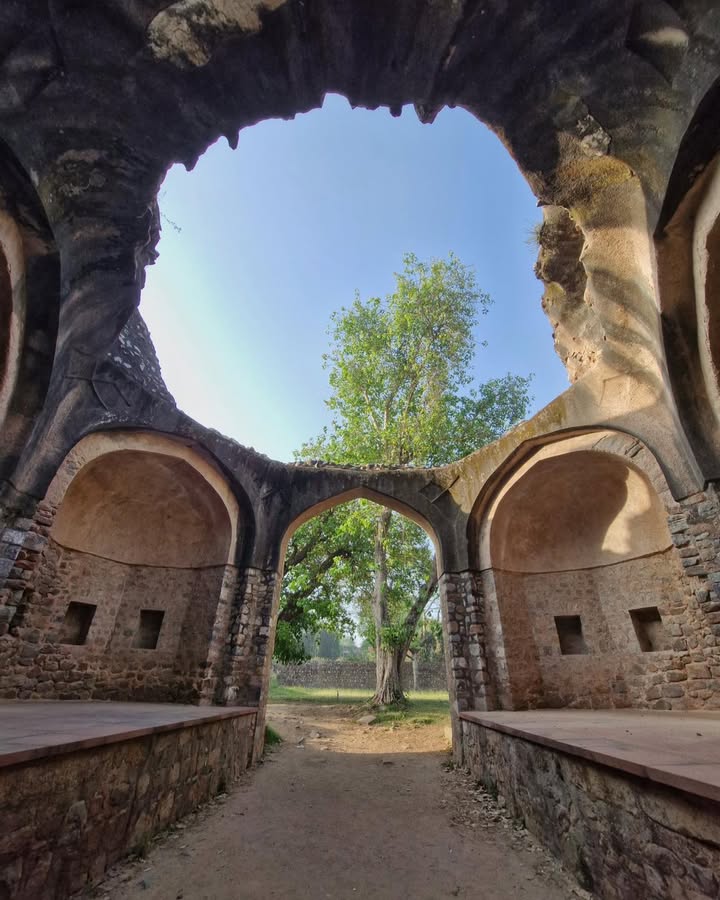
Standing quietly amid green lawns and carved stone screens, the Tomb of Ghaus Mohammad remains one of Gwalior’s most serene and historically significant monuments.
If stories of forgotten heritage fascinate you, explore my premium coffee table book ITIHASNAMA by StudioDharma, featuring 25 carefully researched heritage stories of Meerut and its historical legacy.
Book available here
गौस मोहम्मद का मकबरा, ग्वालियर – जहाँ सूफी आध्यात्म और स्थापत्य का संगम है
मध्य प्रदेश के ऐतिहासिक शहर ग्वालियर में स्थित गौस मोहम्मद का मकबरा एक ऐसा स्मारक है जो केवल पत्थरों से बना ढांचा नहीं, बल्कि आध्यात्म, संगीत और मुगलकालीन कला की कहानी अपने भीतर समेटे हुए है।
शेख मोहम्मद गौस का जन्म वर्ष 1500 में ग्वालियर में हुआ था। वे सूफी मत की शत्तारी परंपरा के एक महान संत, विद्वान और लेखक थे। उन्होंने संस्कृत के योग ग्रंथ “अमृतकुंड” का फ़ारसी में अनुवाद “बहर-अल-हयात” नाम से किया, जिससे भारतीय योग परंपरा और सूफी विचारधारा के बीच एक अनोखा सेतु बना।
उनकी ख्याति इतनी व्यापक थी कि दूर-दूर से लोग उनसे आध्यात्मिक मार्गदर्शन लेने आते थे। महान संगीतज्ञ मियां तानसेन भी उनके आध्यात्मिक प्रभाव से जुड़े माने जाते हैं।
1562 में उनके निधन के बाद मुगल सम्राट अकबर के शासनकाल में उनके सम्मान में यह भव्य मकबरा बनवाया गया। यह स्मारक मुगलकालीन स्थापत्य कला के शुरुआती और महत्वपूर्ण उदाहरणों में से एक माना जाता है।
यह मकबरा एक चौकोर मंच पर बना है, जिसके चारों कोनों पर षट्भुजाकार मीनारें हैं और उनके ऊपर छोटे-छोटे गुम्बद बने हुए हैं, जबकि बीच में एक बड़ा केंद्रीय गुम्बद दिखाई देता है। इस स्मारक की सबसे अद्भुत विशेषता इसके पत्थरों से बने जालीदार परदे हैं। लाल बलुआ पत्थर में इतनी बारीकी से नक्काशी की गई है कि यह जालियाँ मानो पत्थर में बनी लेस की तरह प्रतीत होती हैं।
ग्वालियर के हजीरा क्षेत्र में स्थित यह परिसर अपने शांत वातावरण और हरियाली के कारण बेहद सुकूनभरा अनुभव देता है। यहीं पास में महान संगीतज्ञ तानसेन की समाधि भी स्थित है, जिससे यह स्थान भारतीय संगीत और सूफी परंपरा दोनों का संगम बन जाता है।
आज भी यह मकबरा ग्वालियर के उन ऐतिहासिक स्थलों में से एक है जहाँ इतिहास, आध्यात्म और स्थापत्य एक साथ महसूस किए जा सकते हैं।
यदि आपको भूली-बिसरी विरासत और इतिहास की कहानियाँ पसंद हैं, तो मेरी प्रीमियम कॉफी टेबल बुक ITIHASNAMA by StudioDharma अवश्य देखें, जिसमें मेरठ की 25 ऐतिहासिक कहानियों को शोधपूर्ण तरीके से प्रस्तुत किया गया है।
बुक यहाँ उपलब्ध है