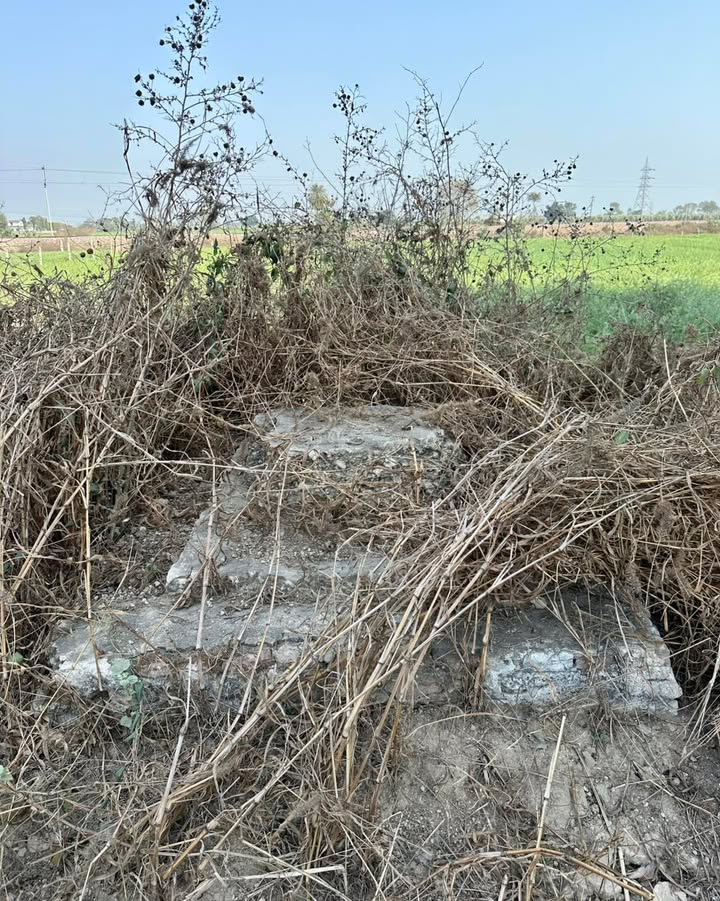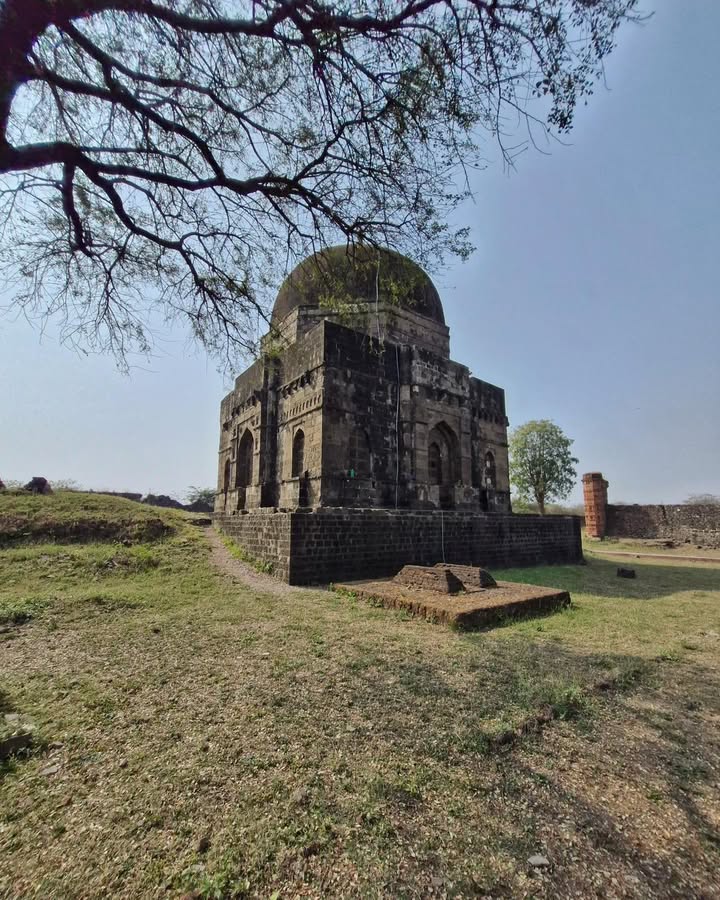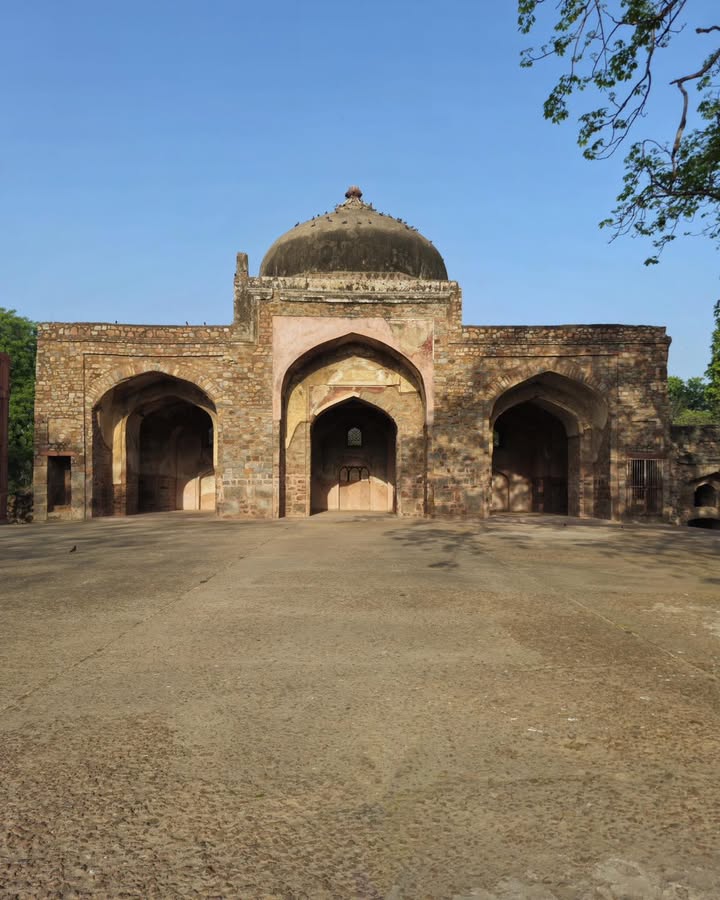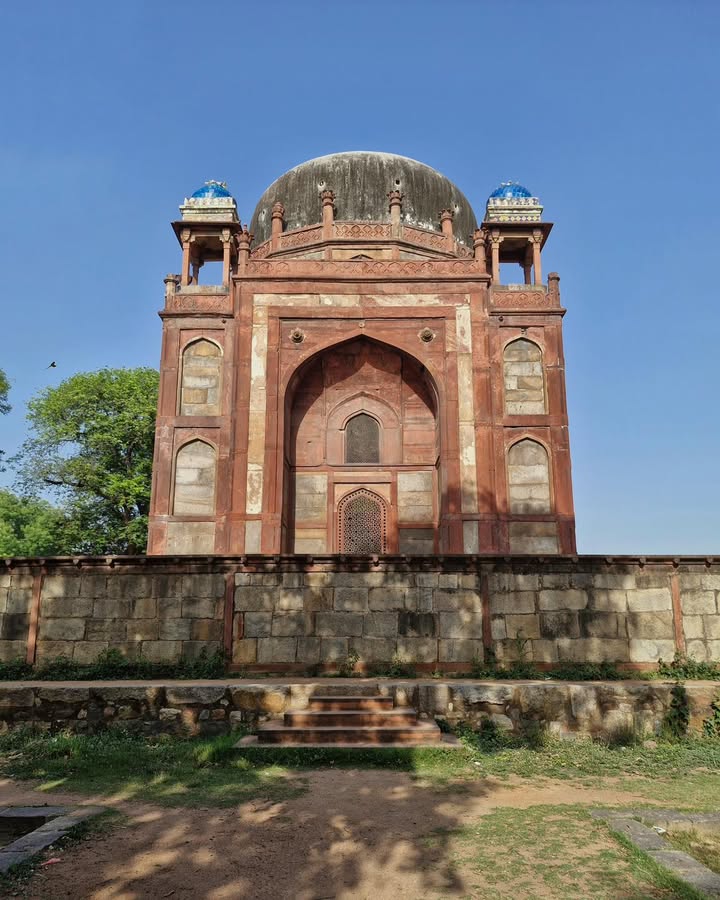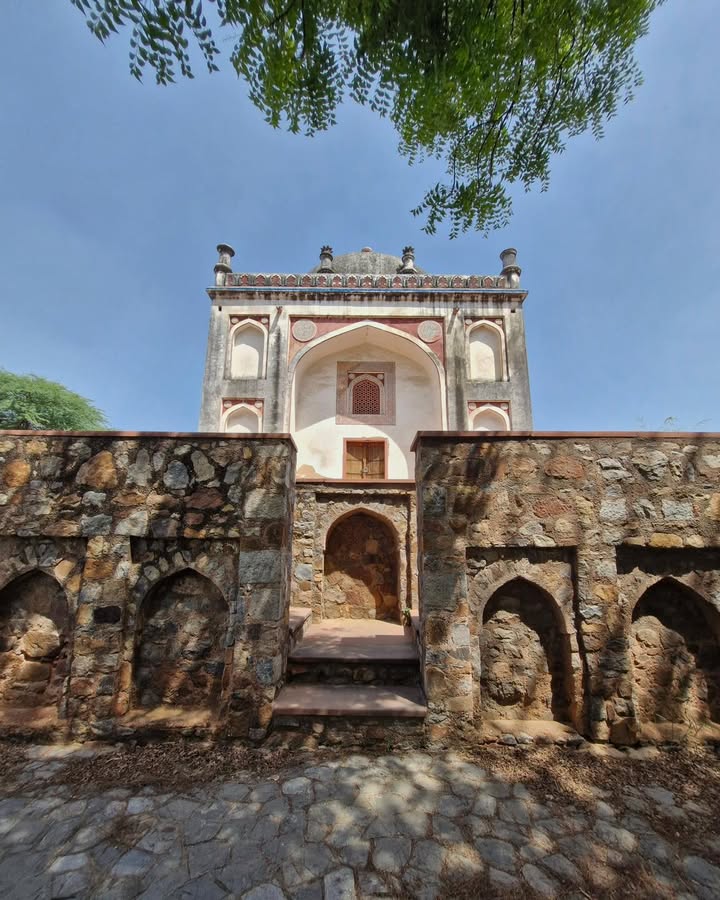
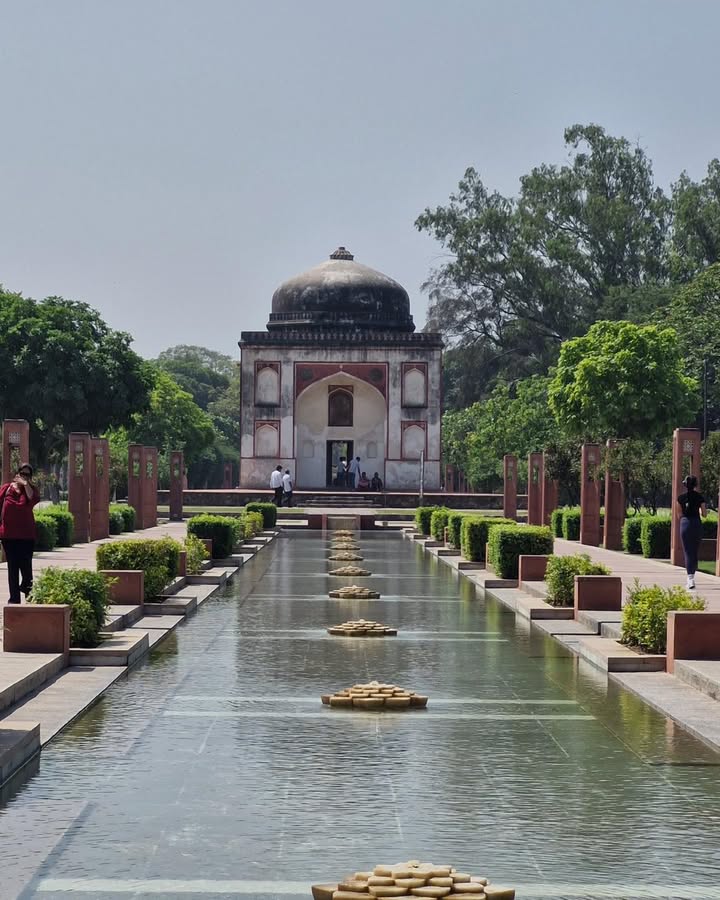
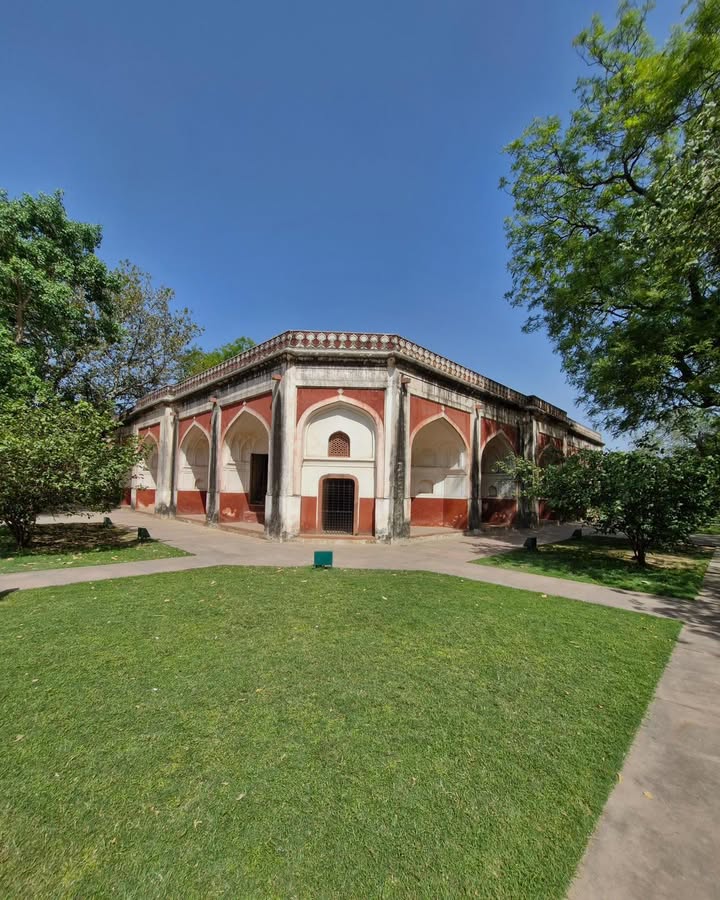
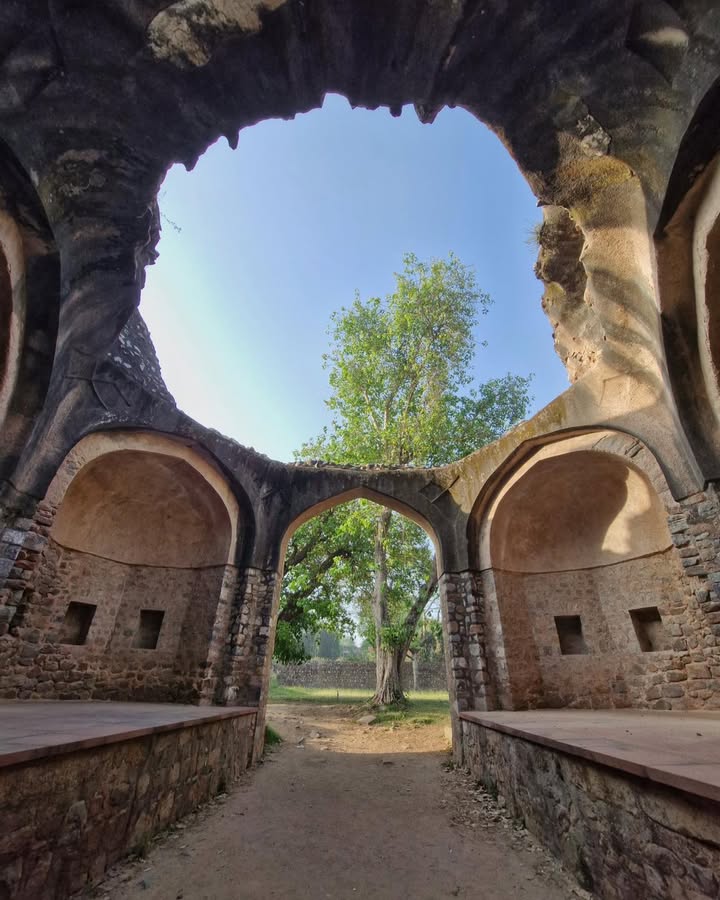
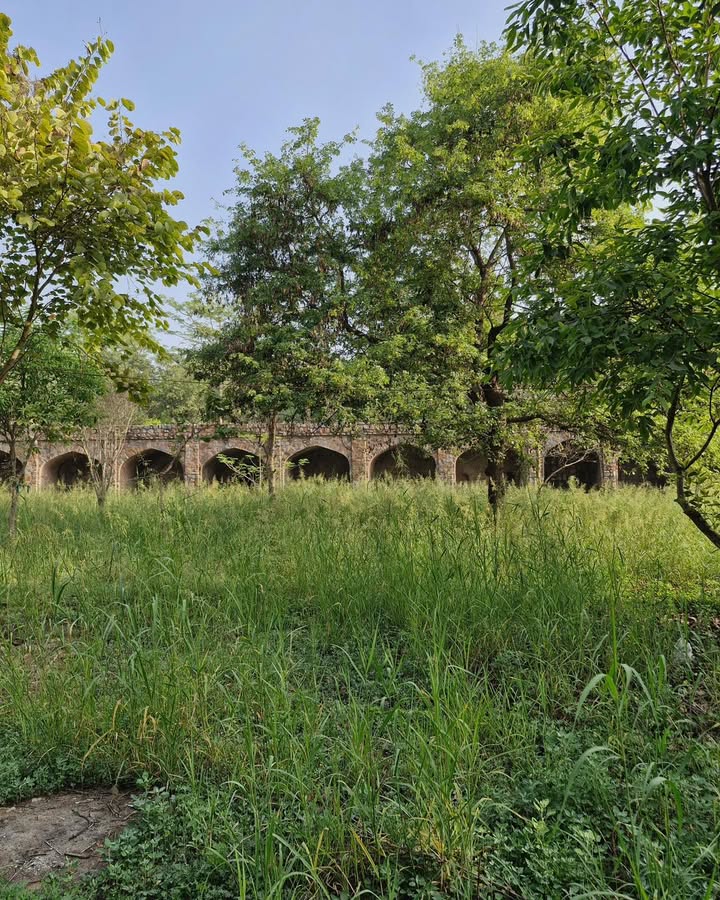
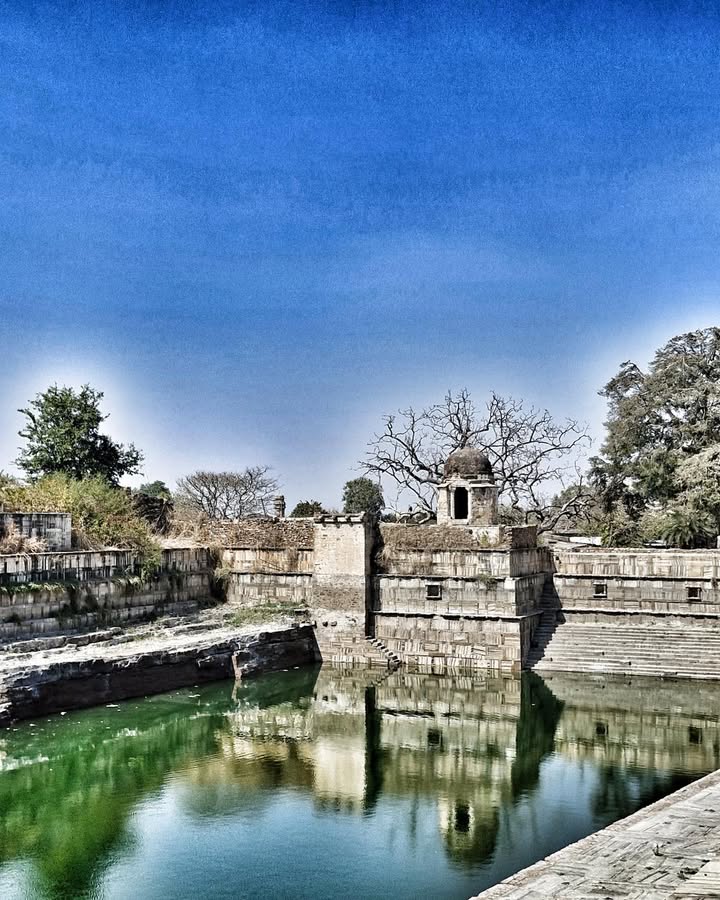
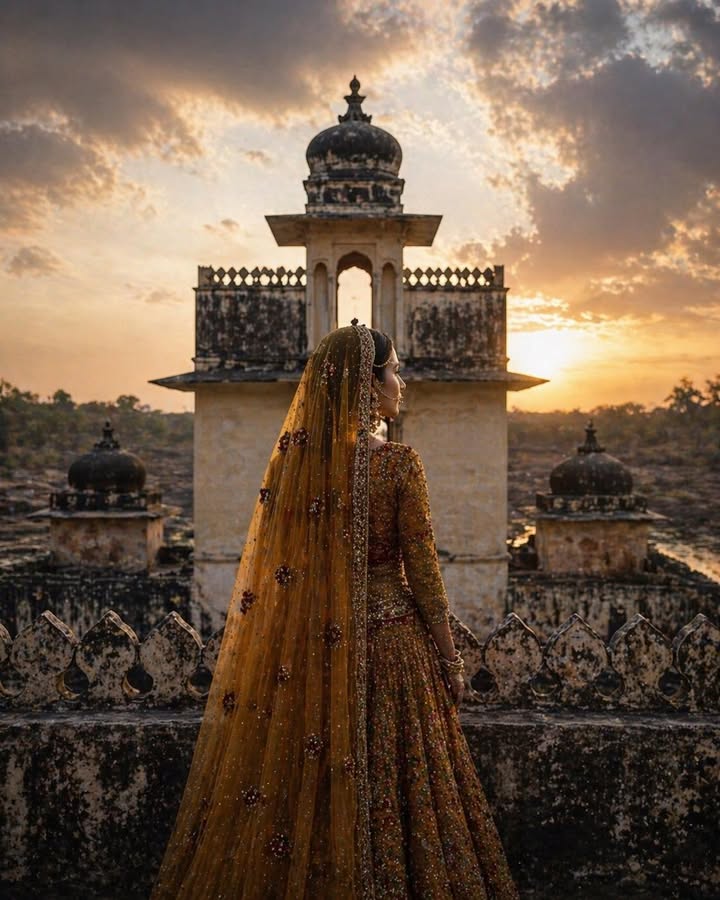
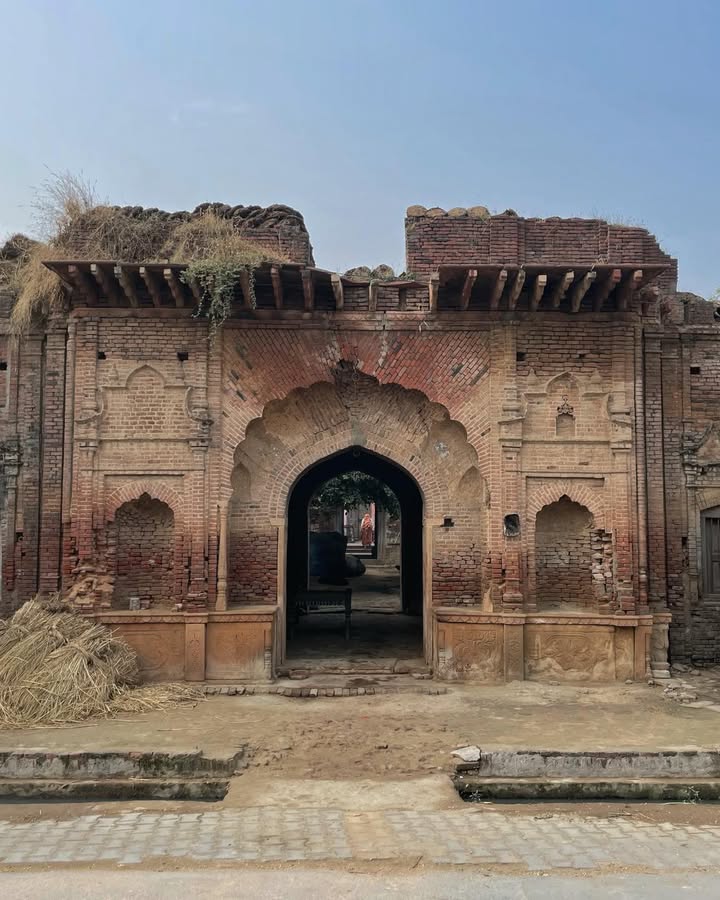
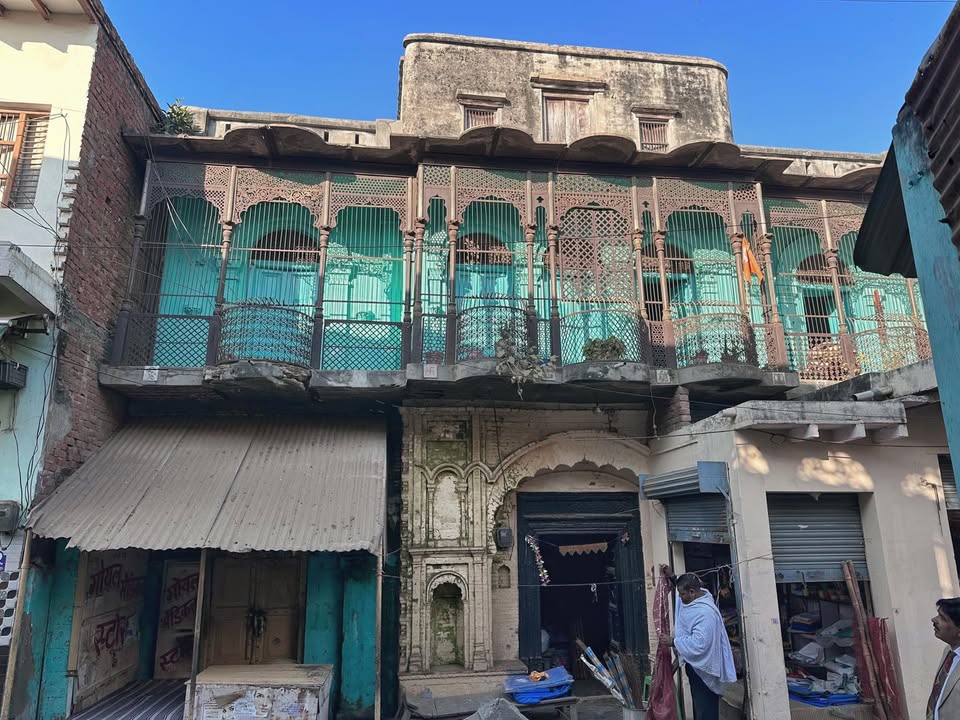
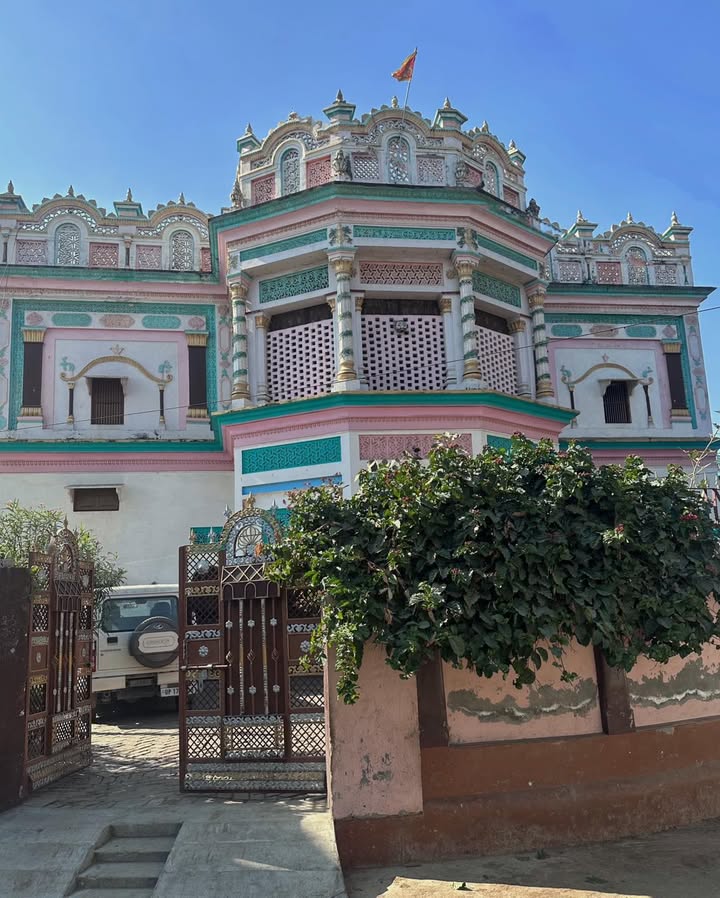

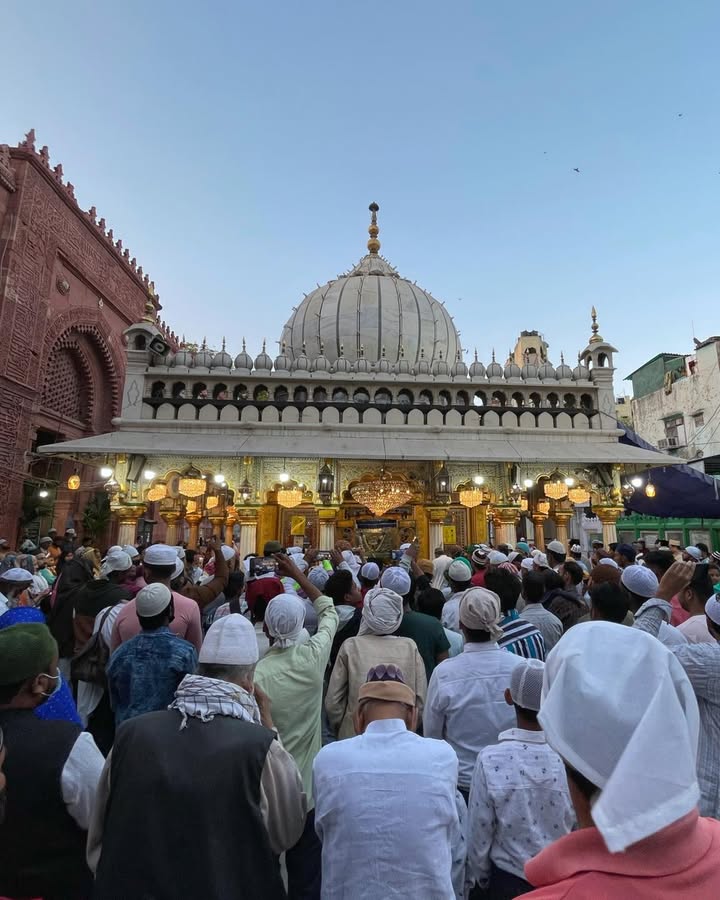
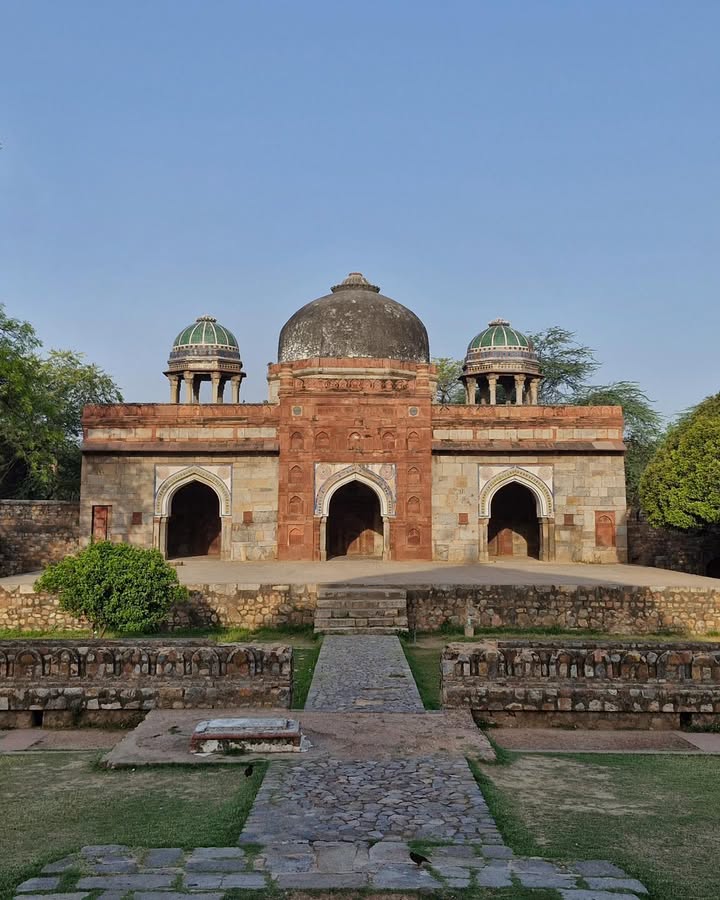






Dara Shikoh’s Forgotten Grave, Delhi.
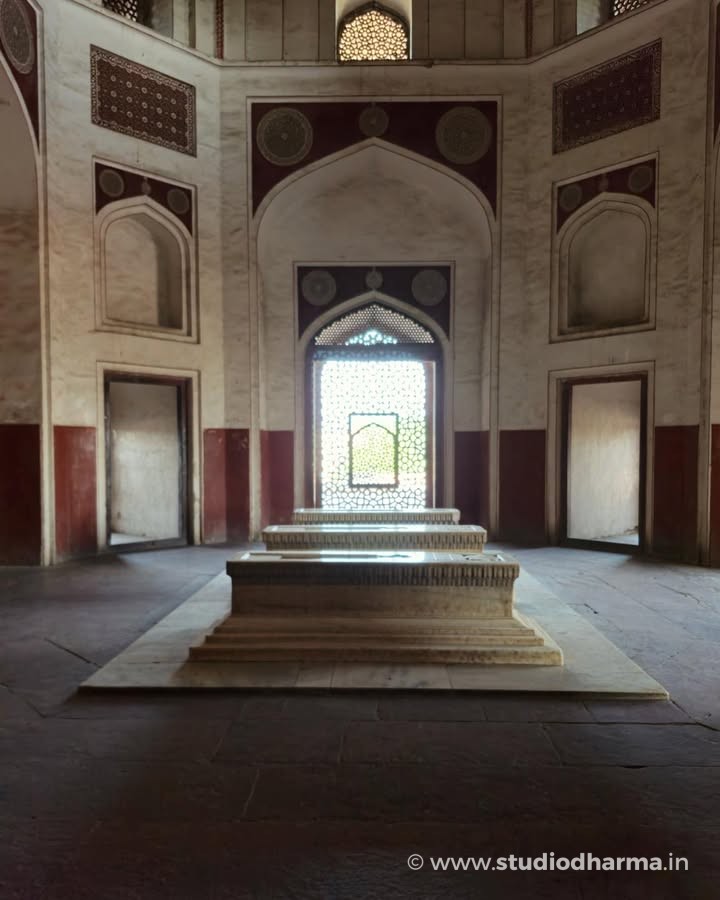
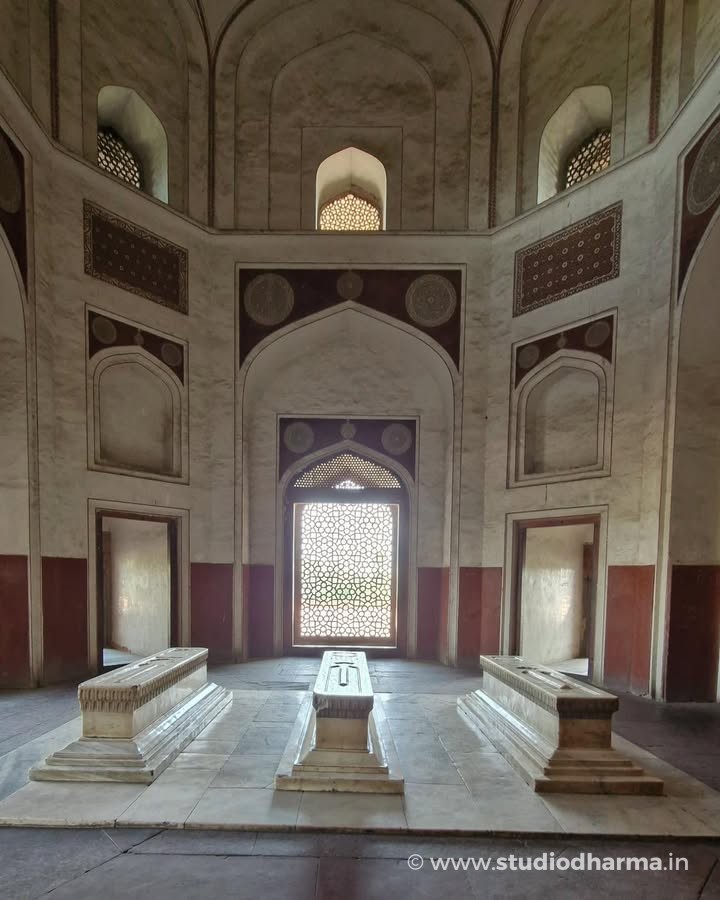
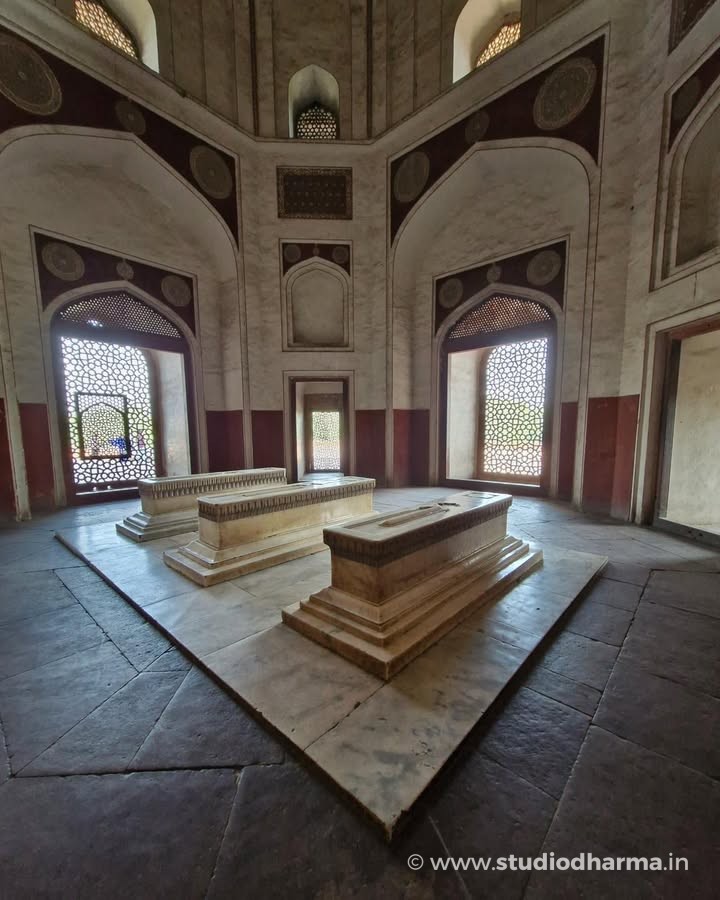
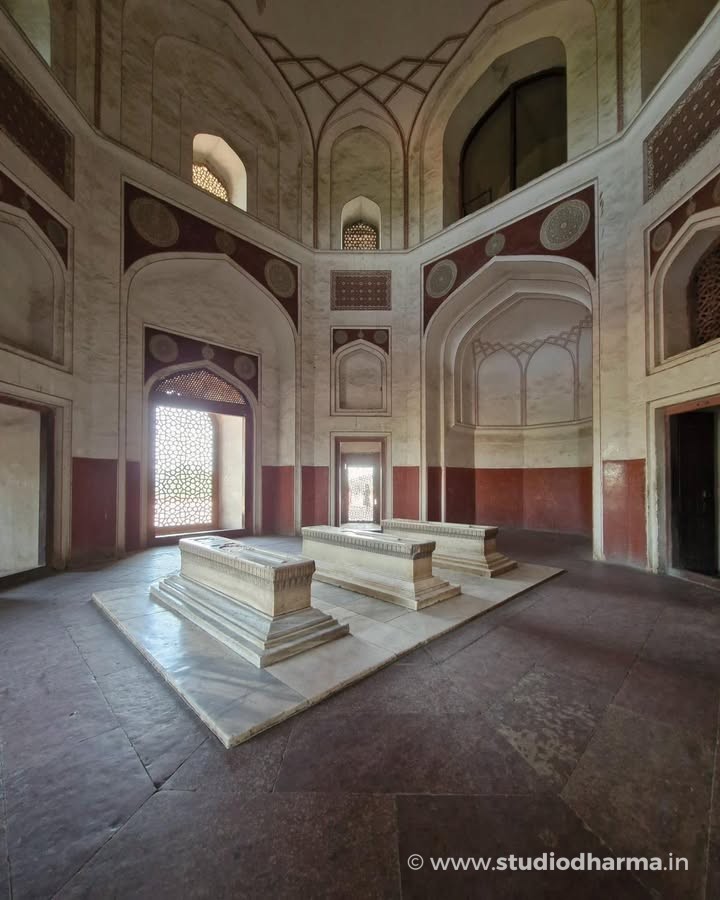
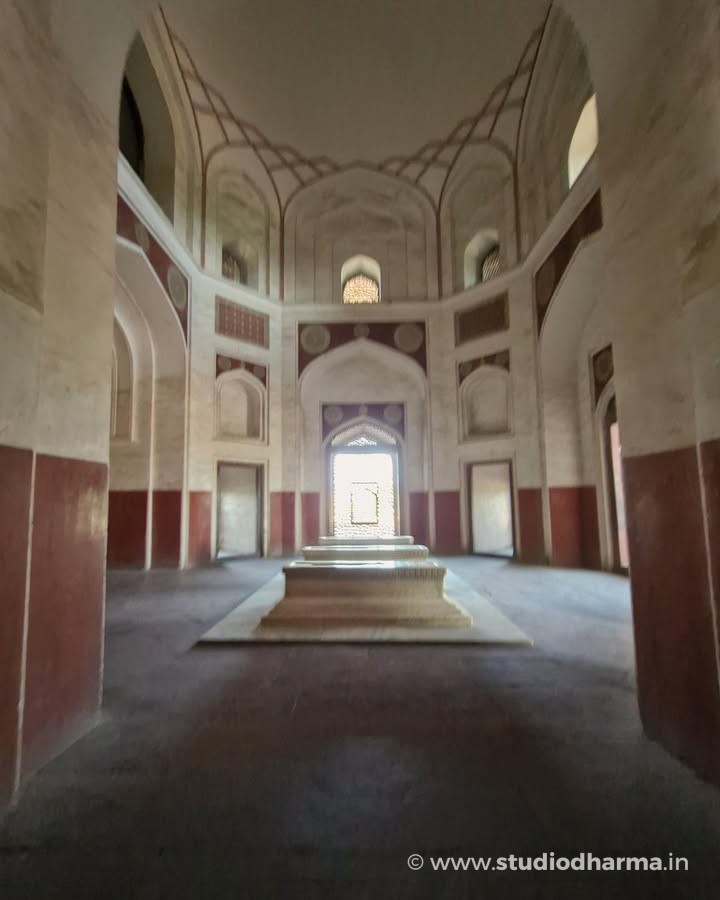
Dara Shikoh’s Forgotten Grave, Delhi.
For more than three centuries, Mughal history carried an unanswered question:
Where is Dara Shikoh buried?
The eldest son of Shah Jahan, Dara Shikoh was not only the heir to the Mughal throne but also one of India’s most remarkable intellectuals. Deeply influenced by Sufism and Indian philosophy, he translated more than fifty Upanishads into Persian under the title Sirr-i-Akbar and wrote Majma-ul-Bahrain, a work that sought common ground between Hinduism and Islam.
But his ideas could not save him from politics.
In the war of succession, Dara was defeated by his younger brother Aurangzeb. In 1659, he was paraded through the streets of Shahjahanabad in chains, executed, and his severed head was sent to his imprisoned father at Agra Fort. His body was buried quietly in Humayun’s Tomb in Delhi—without ceremony and without a marked grave.
And then history fell silent.
For centuries, no one knew which of the many anonymous graves in the complex belonged to the prince who dreamed of spiritual unity.
Then came an unexpected researcher.
Sanjeev Kumar Singh, a municipal engineer from Delhi, spent four years studying Persian chronicles, architectural clues, and over 140 royal graves inside Humayun’s Tomb. His findings, later examined by a Ministry of Culture panel, strongly suggested that Dara Shikoh rests in an unmarked grave in the underground chambers of the monument.
The conclusion remains a subject of scholarly debate, but the symbolism is profound.
The prince who tried to build bridges between civilizations lies today without a name upon his tomb.
No inscription.
No monument.
Only ideas that continue to inspire.
Beneath the quiet shadows of Humayun’s Tomb, Dara Shikoh still sleeps—unmarked in stone, but immortal in thought.
StudioDharma’s premium coffee table book ITIHASNAMA features 25 curated stories from the rich history of Meerut.
Order your copy here:
दारा शिकोह की भूली-बिसरी कब्र, दिल्ली
तीन सौ वर्षों से भी अधिक समय तक मुगल इतिहास का एक सबसे मार्मिक प्रश्न अनुत्तरित रहा—दारा शिकोह आखिर दफन कहाँ हैं?
शाहजहाँ के ज्येष्ठ पुत्र, मुगल साम्राज्य के उत्तराधिकारी, सूफ़ी चिंतक, दार्शनिक और भारतीय आध्यात्मिक परंपराओं के गंभीर अध्येता दारा शिकोह केवल एक राजकुमार नहीं थे। वे उन विरले व्यक्तित्वों में से थे जिन्होंने सत्ता से अधिक सत्य की खोज को महत्व दिया।
1615 में जन्मे दारा शिकोह भारतीय दर्शन से गहराई से प्रभावित थे। उन्होंने पचास से अधिक उपनिषदों का फ़ारसी में अनुवाद किया, जिसे सिर्र-ए-अकबर अर्थात “महान रहस्य” नाम दिया गया। उनकी प्रसिद्ध कृति मज्मा-उल-बहरैन—अर्थात “दो समुद्रों का संगम”—हिंदू दर्शन और सूफ़ी विचारधारा के बीच अद्भुत आध्यात्मिक समानताओं को प्रस्तुत करती है।
किन्तु इतिहास ने उनके लिए एक अत्यंत क्रूर मोड़ चुना।
मुगल उत्तराधिकार युद्ध में वे अपने छोटे भाई औरंगज़ेब से पराजित हुए। 1659 में उन्हें जंजीरों में बाँधकर शाहजहानाबाद की गलियों में अपमानित किया गया। तत्पश्चात उनकी हत्या कर दी गई और उनका सिर आगरा किले में कैद उनके पिता शाहजहाँ के पास भेज दिया गया। कहा जाता है कि उनका शरीर रक्तरंजित वस्त्रों सहित चुपचाप दिल्ली के हुमायूँ के मकबरे में दफना दिया गया—बिना किसी शाही सम्मान, बिना किसी समारोह, और बिना किसी नामपट्ट के।
और फिर इतिहास मौन हो गया।
सदियों तक कोई निश्चित रूप से नहीं बता सका कि हुमायूँ के मकबरे में स्थित 140 से अधिक शाही कब्रों में से कौन-सी कब्र उस राजकुमार की है जिसने धर्मों और सभ्यताओं के बीच संवाद का स्वप्न देखा था।
फिर एक अप्रत्याशित शोधकर्ता सामने आए।
न कोई पेशेवर इतिहासकार।
न कोई पुरातत्वविद्।
बल्कि दिल्ली के एक नगर अभियंता—संजीव कुमार सिंह।
दारा शिकोह के प्रति अपने गहरे आकर्षण से प्रेरित होकर उन्होंने चार वर्षों तक फ़ारसी ग्रंथों, आलमगीरनामा, स्थापत्य संकेतों और हुमायूँ के मकबरे की असंख्य कब्रों का सूक्ष्म अध्ययन किया। उनके शोध ने तहखाने में स्थित एक साधारण, बिना नाम वाली कब्र को दारा शिकोह की संभावित अंतिम विश्राम स्थली के रूप में चिन्हित किया। बाद में संस्कृति मंत्रालय की विशेषज्ञ समिति ने भी उनके निष्कर्षों का गंभीर अध्ययन किया और अनेक विशेषज्ञों ने इसे अत्यंत प्रबल संभावना माना।
यद्यपि यह विषय आज भी कुछ इतिहासकारों के बीच विमर्श का विषय है, किंतु इस कथा का सबसे गहरा सत्य उसके प्रतीक में निहित है।
जिस राजकुमार ने हिंदू और इस्लामी आध्यात्मिक परंपराओं के बीच सेतु बनाने का प्रयास किया, उसकी अपनी कब्र आज भी गुमनाम है।
न कोई नाम।
न कोई शिलालेख।
न कोई भव्य स्मारक।
केवल विचार—जो आज भी जीवित हैं।
और हुमायूँ के मकबरे की शांत, शीतल छाया में दारा शिकोह आज भी विश्राम कर रहे हैं—पत्थर पर अनाम, किंतु विचारों में अमर।
StudioDharma की प्रीमियम कॉफी टेबल बुक ITIHASNAMA में मेरठ की 25 चुनिंदा ऐतिहासिक कहानियाँ संकलित हैं।
अपनी प्रति यहाँ से ऑर्डर करें: