







𝓡𝓾𝓶𝓲 𝓚𝓪 𝓜𝓪𝓺𝓫𝓪𝓻𝓪, 𝓤𝓳𝓳𝓪𝓲𝓷, 𝓜𝓪𝓭𝓱𝔂𝓪 𝓟𝓻𝓪𝓭𝓮𝓼𝓱.
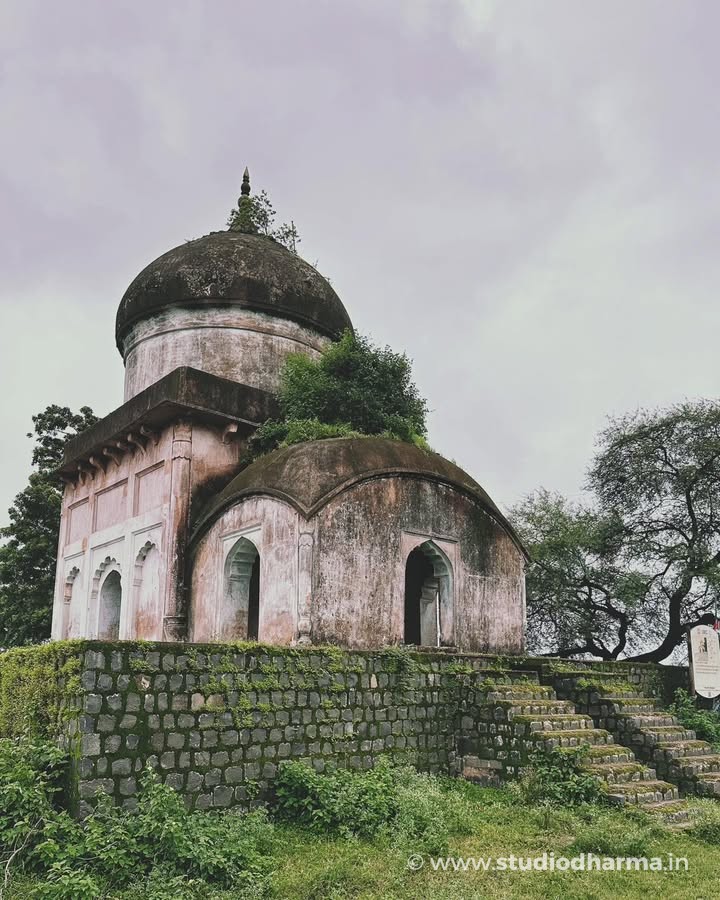
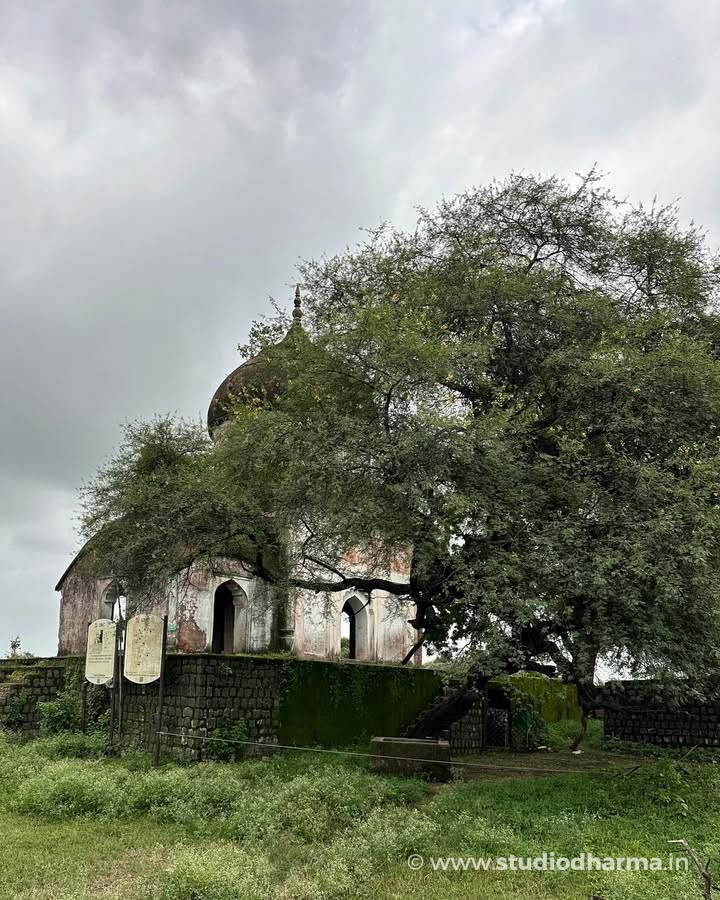
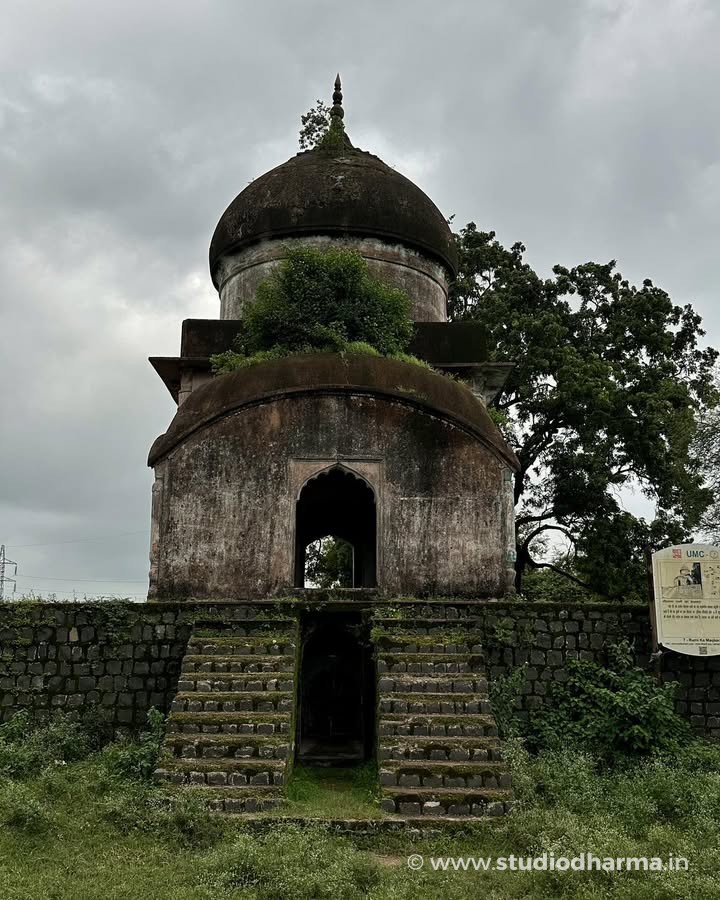
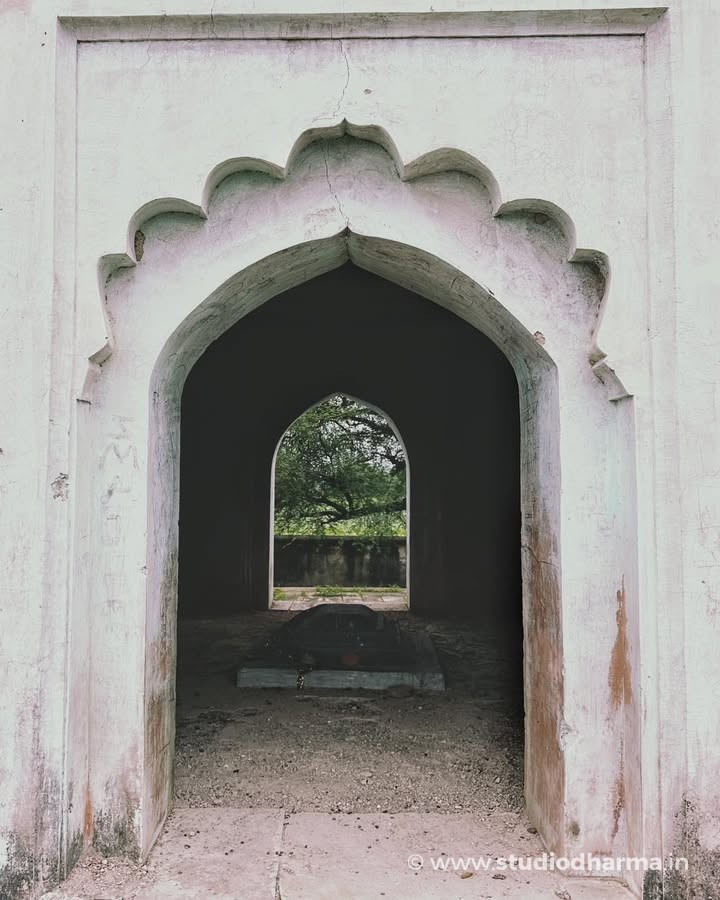
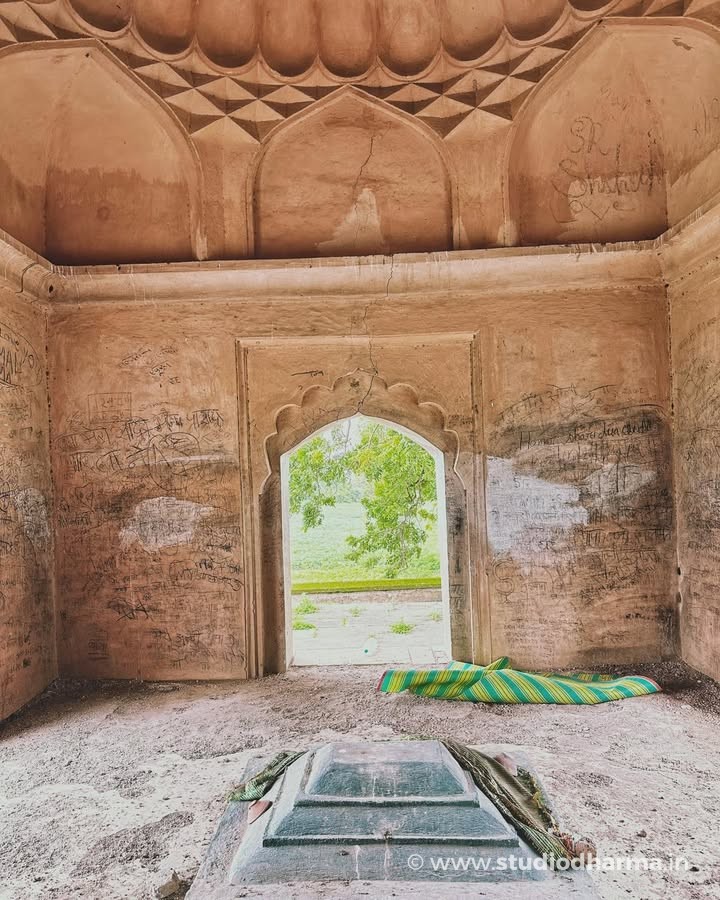
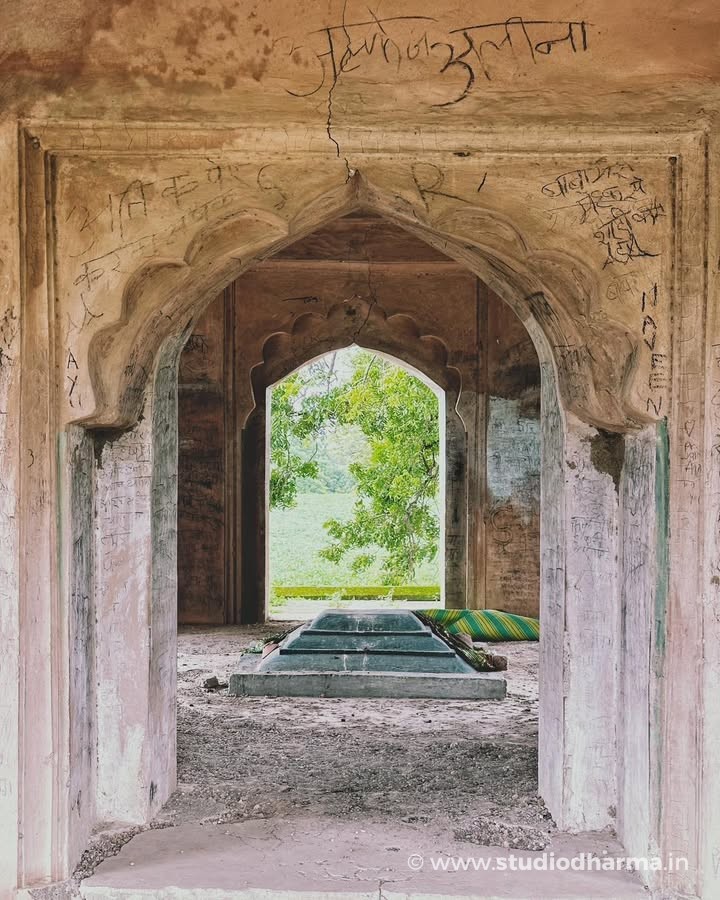
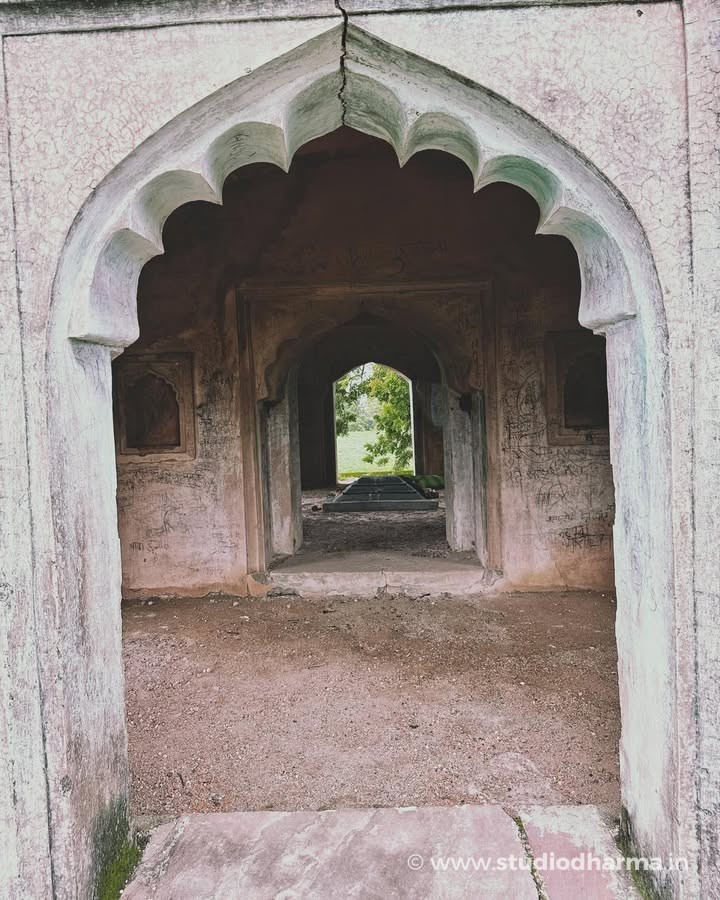
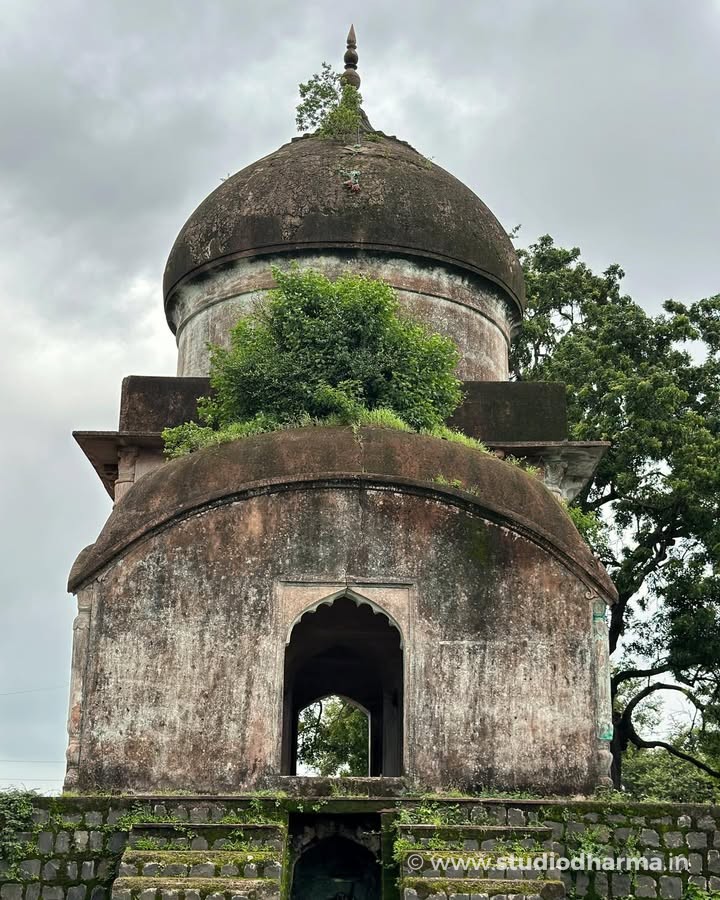
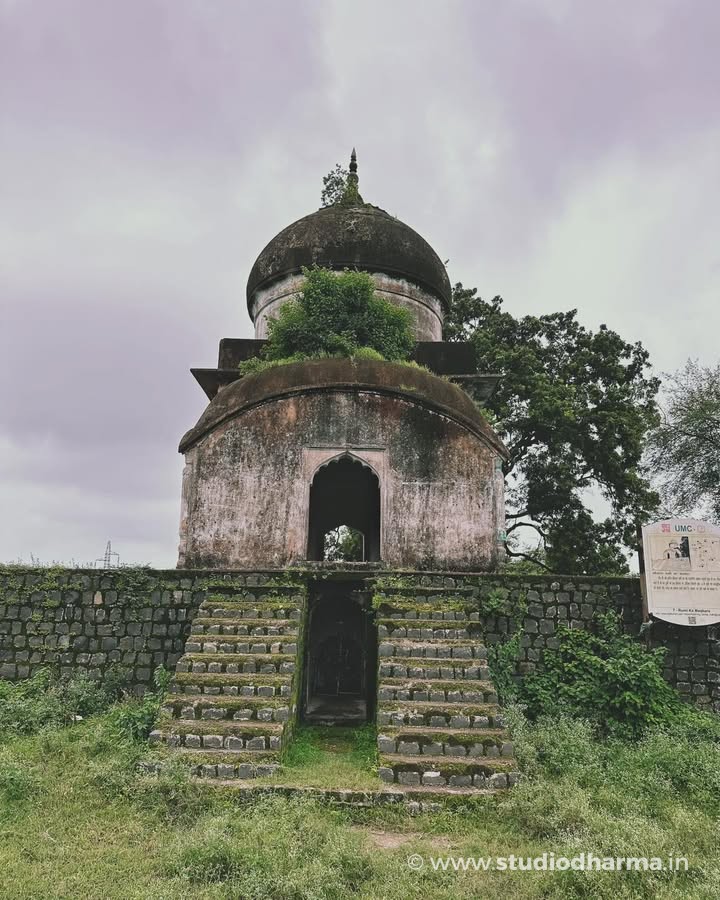
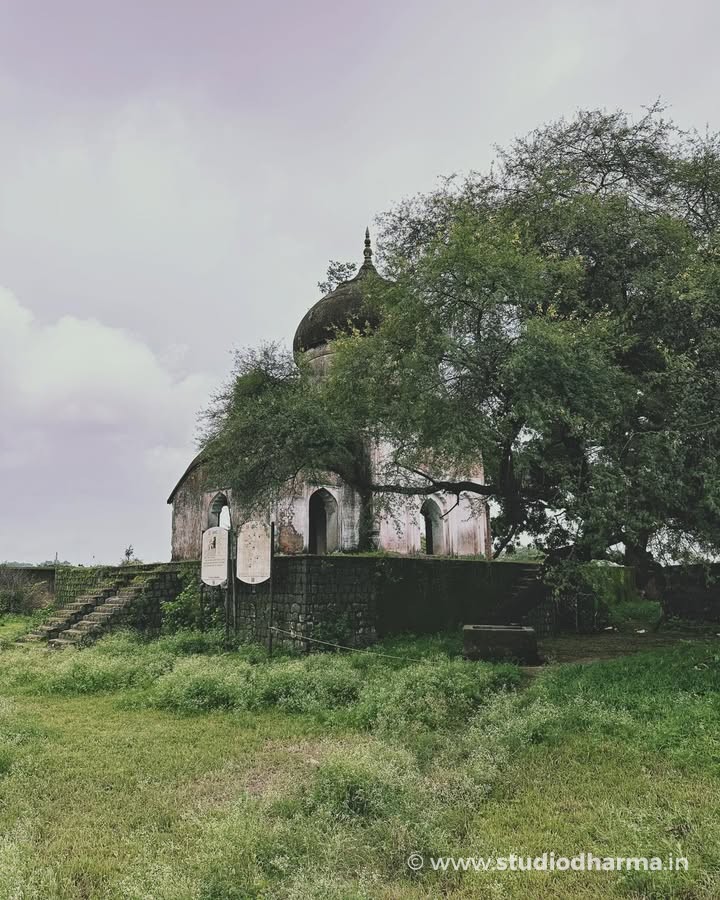
𝓡𝓾𝓶𝓲 𝓚𝓪 𝓜𝓪𝓺𝓫𝓪𝓻𝓪, 𝓤𝓳𝓳𝓪𝓲𝓷, 𝓜𝓪𝓭𝓱𝔂𝓪 𝓟𝓻𝓪𝓭𝓮𝓼𝓱.
Some places resist easy explanations.
Rumi ka Maqbara in Ujjain is one such enigma.
My encounter with this site began not on the ground, but on paper—quietly listed on Wikipedia among places to see in Ujjain, yet almost absent from detailed historical records. That absence itself sparked curiosity. Very little is firmly established about this tomb: sources differ on whether it belongs to the 15th or the 17th century CE, and even the identity of the “Rumi” buried here remains uncertain.
What is certain is who he was not. This is not the resting place of the famed Sufi poet Jalal ud-Din Rumi, who lies buried in Konya, Turkey. Beyond that, history fades into conjecture. Some scholars and researchers tentatively associate this site with Khizr Rumi Qalandar, a lesser-known but influential Sufi figure linked to the Qalandari tradition. The Qalandari order, founded in the 13th century CE, had deep mystical roots and later intertwined with the Chishti silsila in India—an interaction traditionally attributed to figures like Qutubuddin Bakhtiyar Kaki and Rumi Qalandar.
If this association holds any truth—and it must be stated clearly that this remains unverified—the tomb could date back to the late 13th or 14th century CE, a period when syncretic Sufism flourished in Malwa, often standing apart from state-sponsored religious orthodoxy.
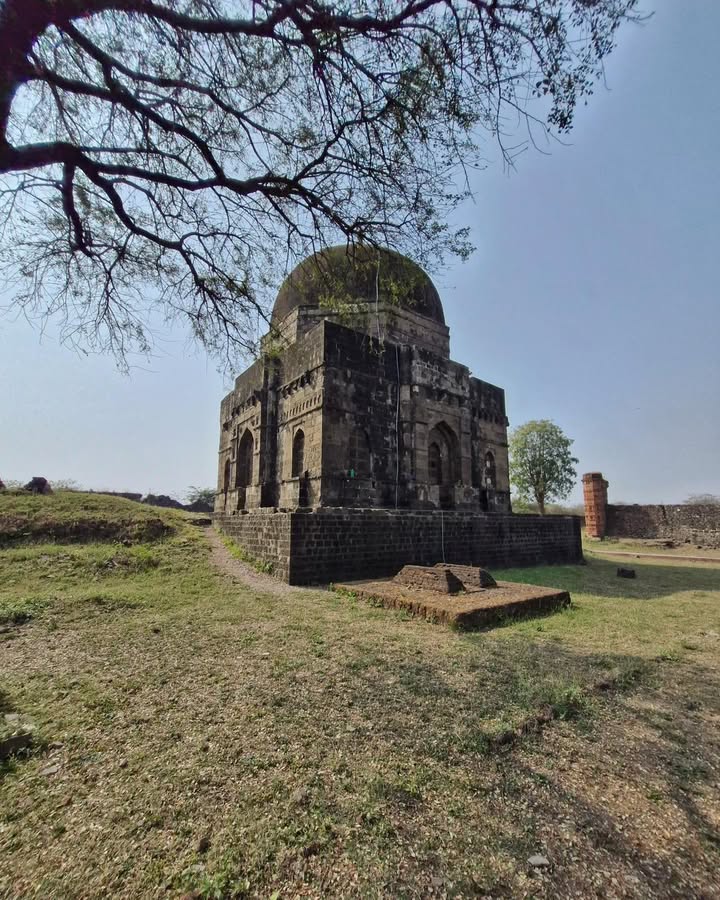
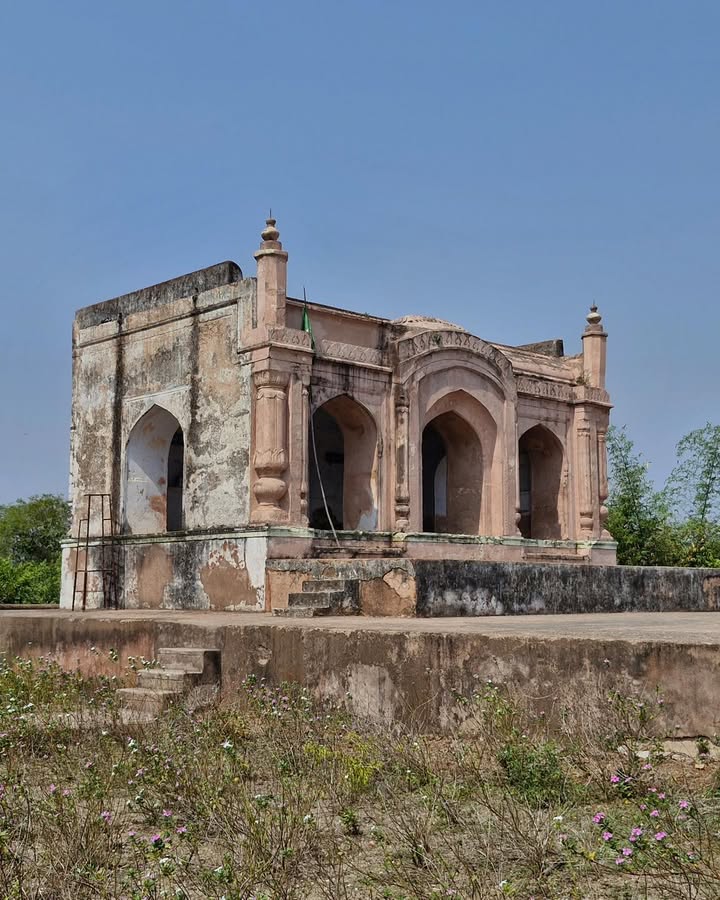
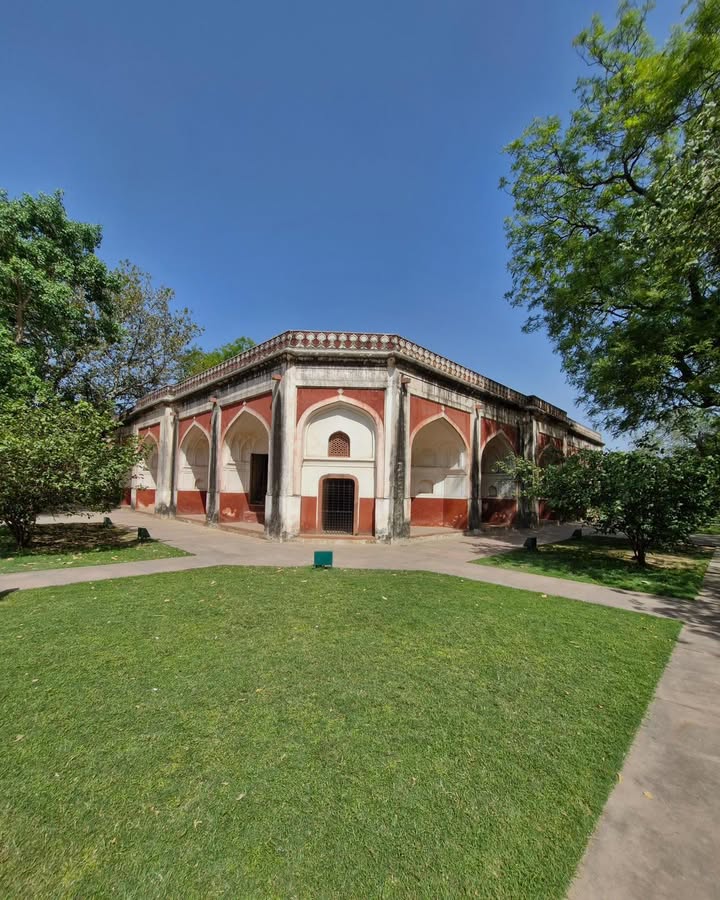
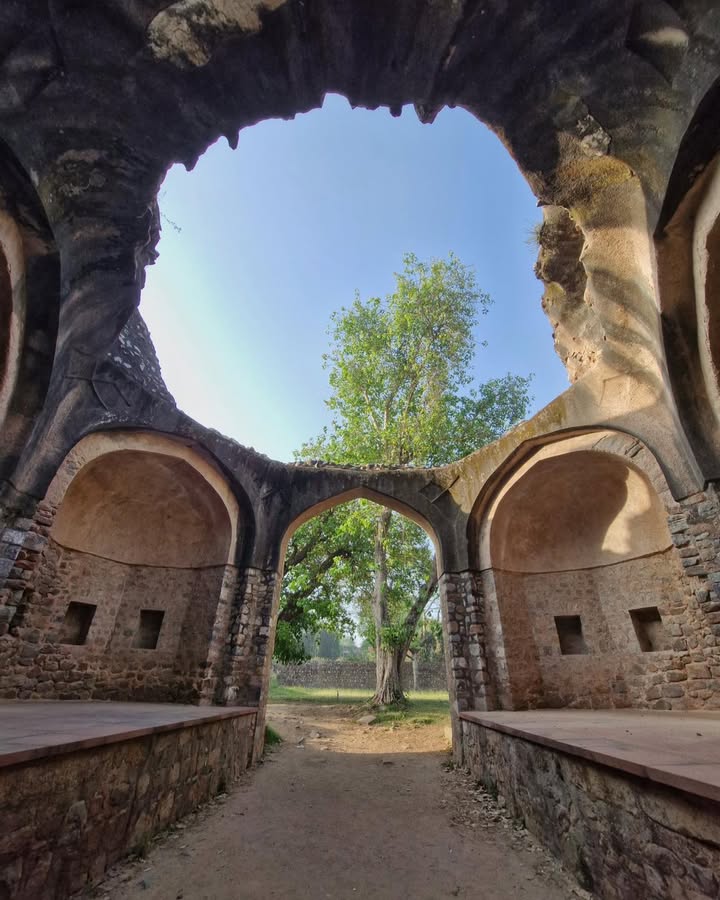
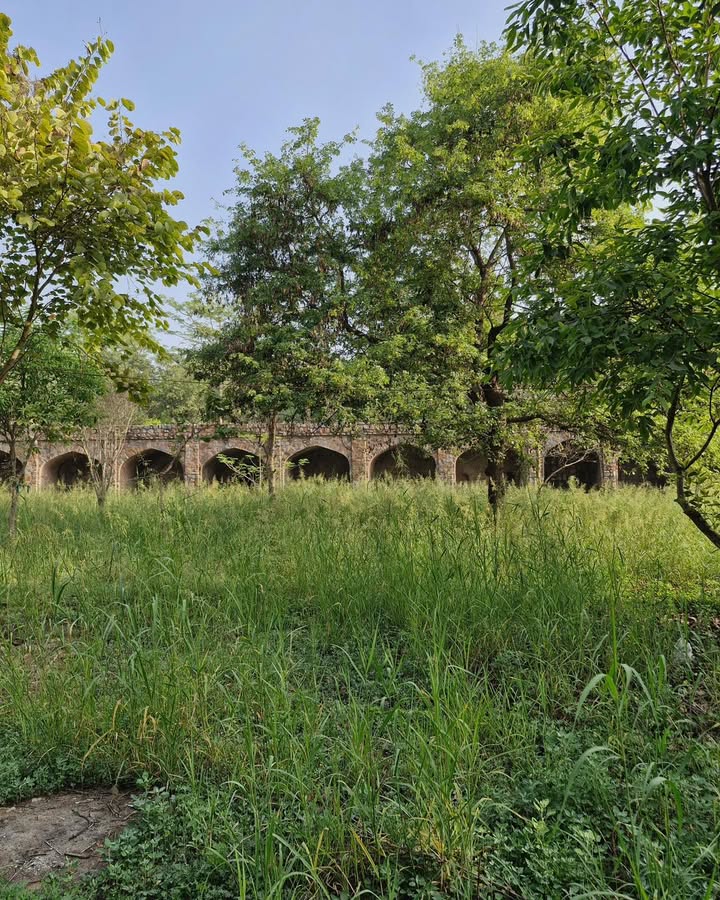
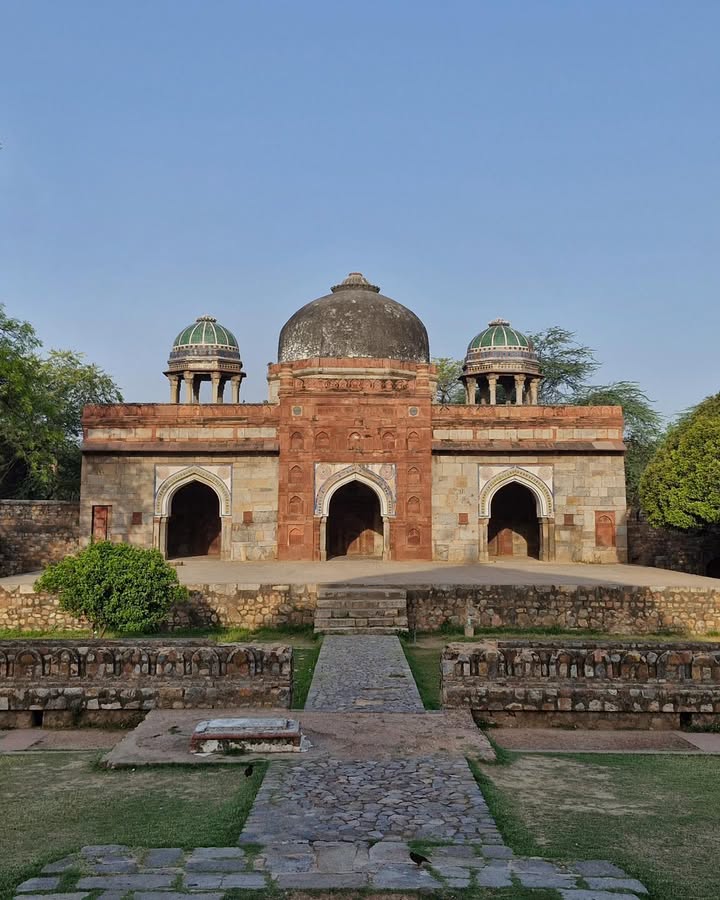
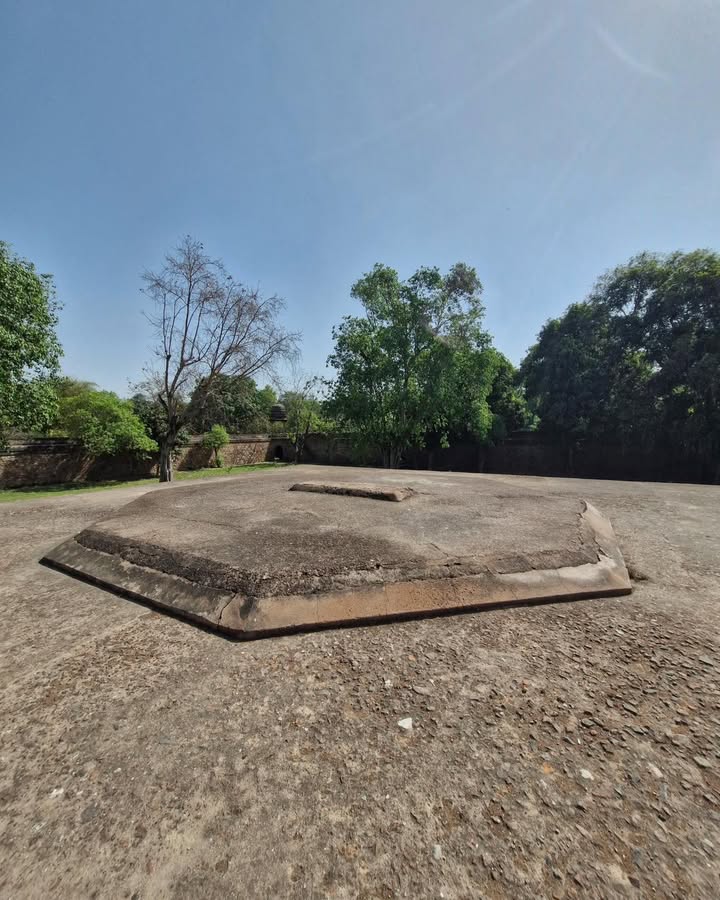
Reaching the structure, however, was as puzzling as its history. Though marked on Google Maps, the location is misleading. Guided instead by local residents near a Muslim cemetery, I finally reached a mound where the tomb sits quietly, hidden from the road. Architecturally, it bears little resemblance to familiar Indo-Afghan or Mughal mausoleums—another silent question mark in stone.
Today, Rumi ka Maqbara stands not as a monument of certainty, but as a fragment of memory—waiting for deeper research, documentation, and scholarly attention. Until then, it remains a riddle on a hill, whispering fragments of a past we have yet to fully understand.
If you value such forgotten, undocumented heritage narratives, explore ITIHASNAMA—a premium coffee table book by StudioDharma that documents overlooked histories through photography and research.
Purchase link:
रूमी का मक़बरा, उज्जैन, मध्य प्रदेश
कुछ स्थान ऐसे होते हैं जिन्हें इतिहास पूरी तरह समझा नहीं पाता।
उज्जैन स्थित रूमी का मक़बरा भी उन्हीं रहस्यमयी स्थलों में से एक है।
इस मक़बरे से मेरा परिचय ज़मीन पर नहीं, बल्कि संदर्भों में हुआ—विकिपीडिया की एक साधारण सूची में दर्ज, पर विस्तृत ऐतिहासिक विवरणों से लगभग अनुपस्थित। इसकी निर्माण तिथि को लेकर भी स्पष्टता नहीं है—कुछ स्रोत इसे 15वीं शताब्दी से जोड़ते हैं, तो कुछ 17वीं शताब्दी से। सबसे बड़ा प्रश्न यही है कि यह “रूमी” कौन थे।
यह निश्चित है कि यह प्रसिद्ध सूफ़ी कवि जलालुद्दीन रूमी का मक़बरा नहीं है, जिनकी समाधि तुर्की के कोन्या में स्थित है। इसके आगे इतिहास अनुमान के धुंधलके में प्रवेश करता है। कुछ शोधकर्ताओं द्वारा इसे ख़िज़्र रूमी क़लंदर से जोड़ा जाता है—एक रहस्यमय सूफ़ी व्यक्तित्व, जिनका संबंध क़लंदरिया परंपरा से माना जाता है। यह परंपरा 13वीं शताब्दी में विकसित हुई और भारत में चिश्ती सिलसिले के साथ इसके मेल की कथाएँ प्रचलित हैं।
यदि यह अनुमान सही हो—और यह स्पष्ट किया जाना आवश्यक है कि इसकी पुष्टि अभी नहीं हुई है—तो यह मक़बरा 13वीं या 14वीं शताब्दी का हो सकता है, जब मालवा क्षेत्र में समन्वयवादी सूफ़ी परंपराएँ व्यापक थीं।
मक़बरे तक पहुँचना भी इसके इतिहास जितना ही चुनौतीपूर्ण रहा। गूगल मैप्स की जानकारी भ्रामक है। स्थानीय लोगों के मार्गदर्शन से एक टीले पर स्थित यह संरचना मिली, जो सड़क से दिखाई भी नहीं देती। इसकी स्थापत्य शैली पारंपरिक मुग़ल या इंडो-अफ़ग़ान मक़बरों से अलग प्रतीत होती है—जो इसके रहस्य को और गहरा करती है।
आज रूमी का मक़बरा एक प्रश्नचिह्न की तरह खड़ा है—इतिहास के उन पन्नों का प्रतिनिधि, जिन्हें अभी पढ़ा जाना बाकी है।
भारत की भूली-बिसरी विरासत को समझने के लिए ITIHASNAMA—स्टूडियो धर्मा की विशेष कॉफी टेबल बुक—एक गंभीर प्रयास है।
खरीदने के लिए लिंक: