
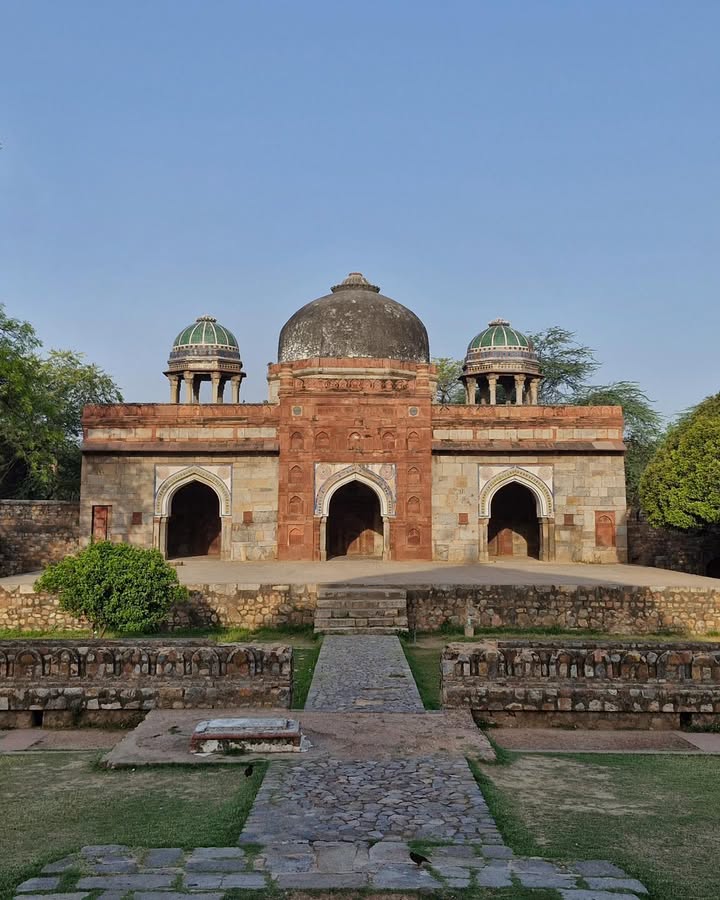










𝓠𝓾𝔀𝔀𝓪𝓽-𝓾𝓵-𝓘𝓼𝓵𝓪𝓶 𝓜𝓸𝓼𝓺𝓾𝓮, 𝓓𝓮𝓵𝓱𝓲.
𝓠𝓾𝔀𝔀𝓪𝓽-𝓾𝓵-𝓘𝓼𝓵𝓪𝓶 𝓜𝓸𝓼𝓺𝓾𝓮, 𝓓𝓮𝓵𝓱𝓲.
The First Mosque of Delhi and the Birth of the Sultanate
Rising quietly within the Qutb Complex, the Quwwat-ul-Islam Mosque stands at the very beginning of Delhi’s medieval history. Built between 1192 and 1198 CE by Qutb-ud-Din Aibak, this mosque is widely recognised by historians and the Archaeological Survey of India as the first mosque constructed in Delhi, marking the formal advent of Muslim political rule in North India.
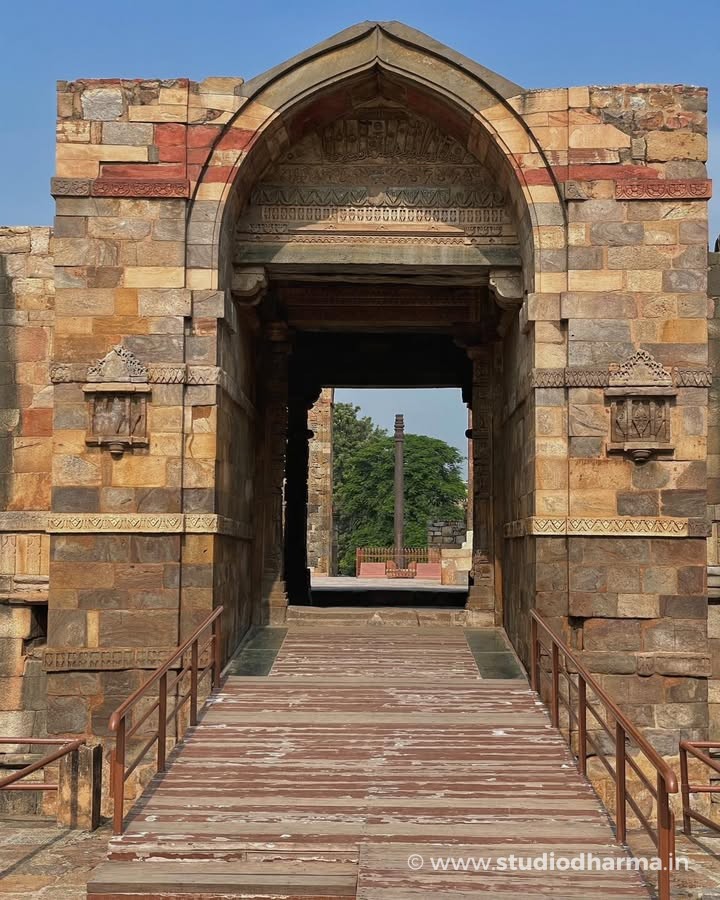
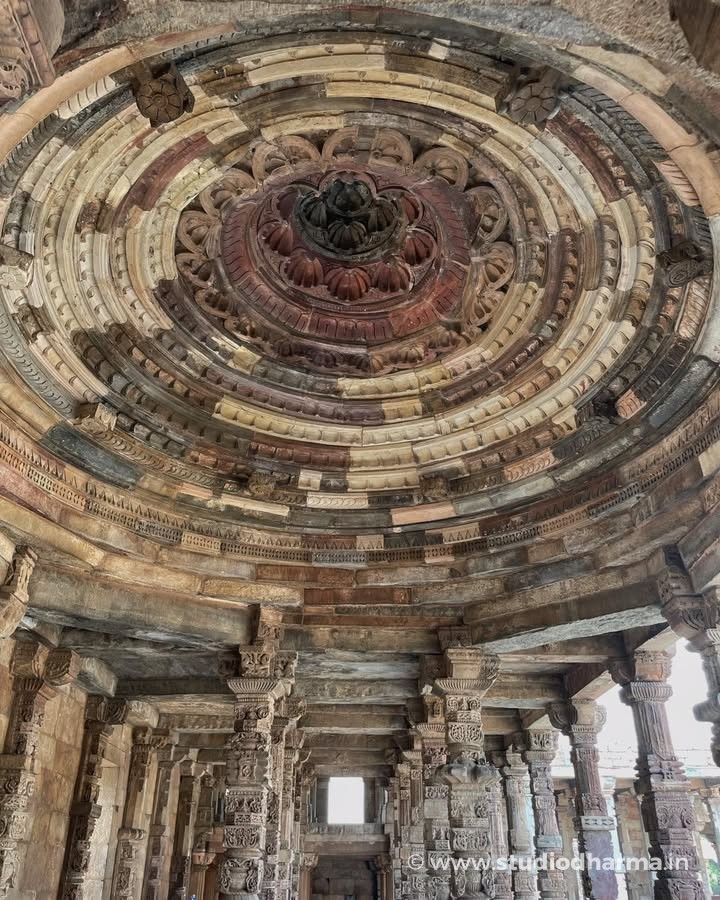
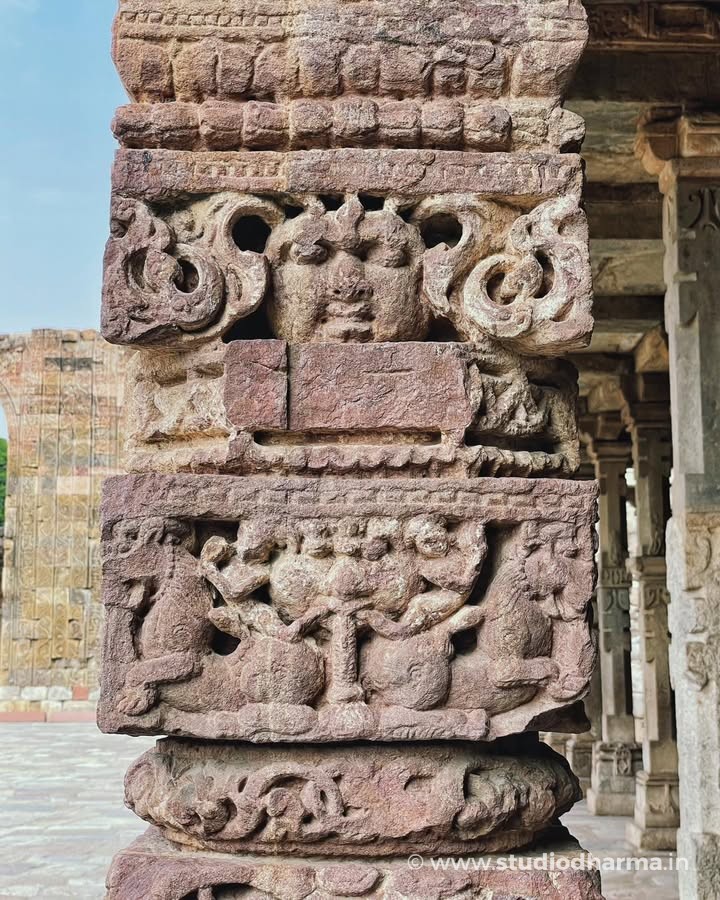
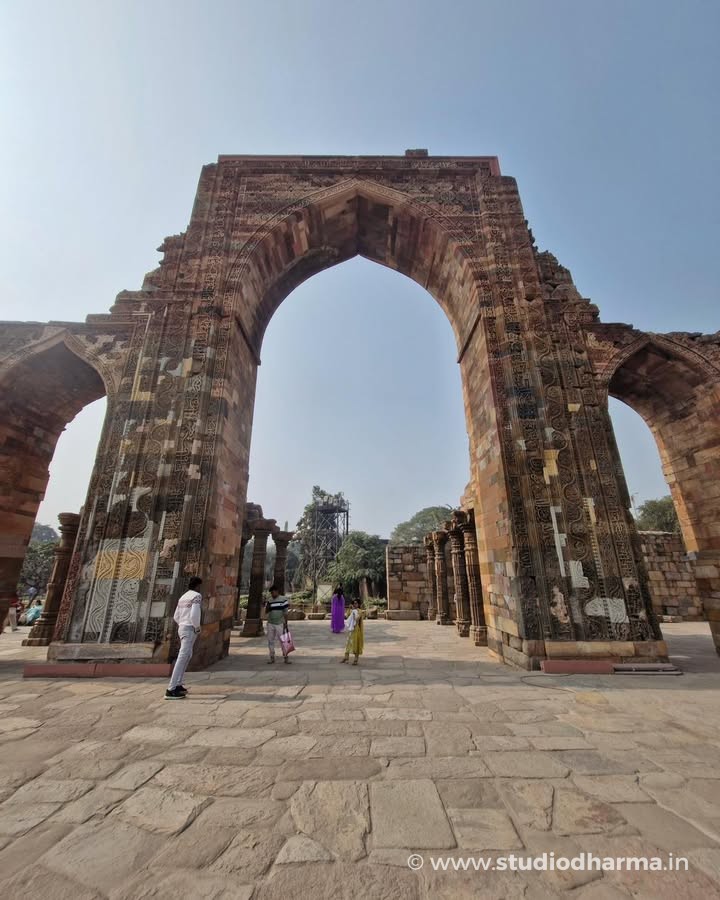
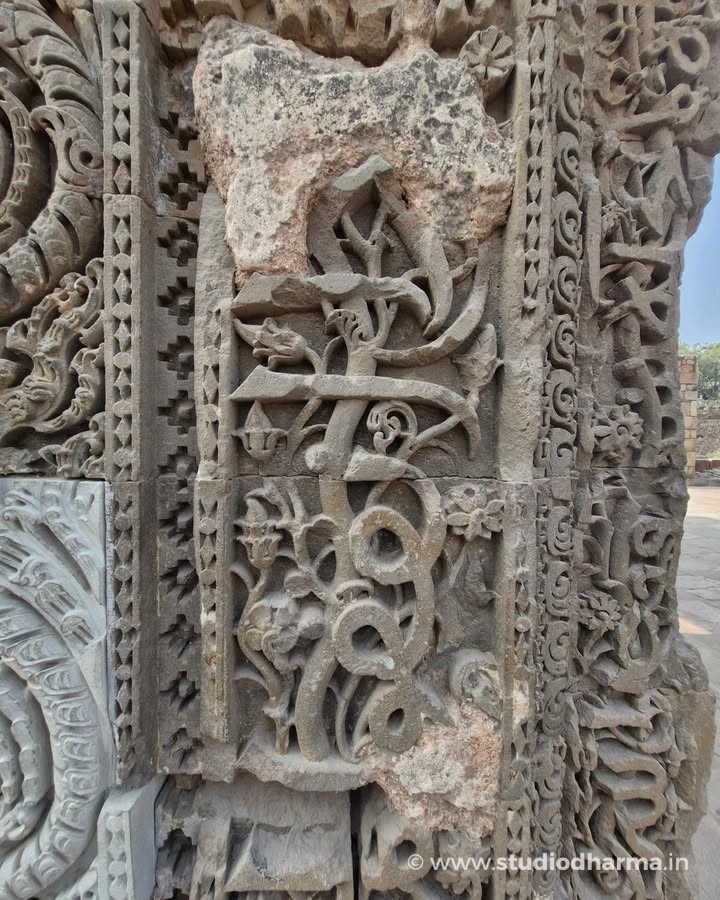
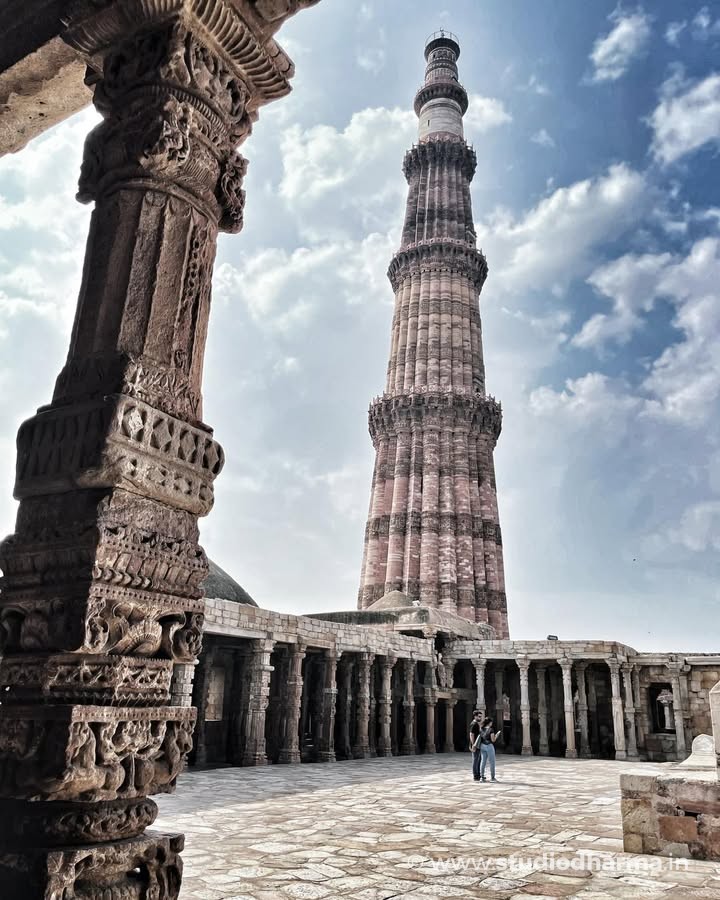
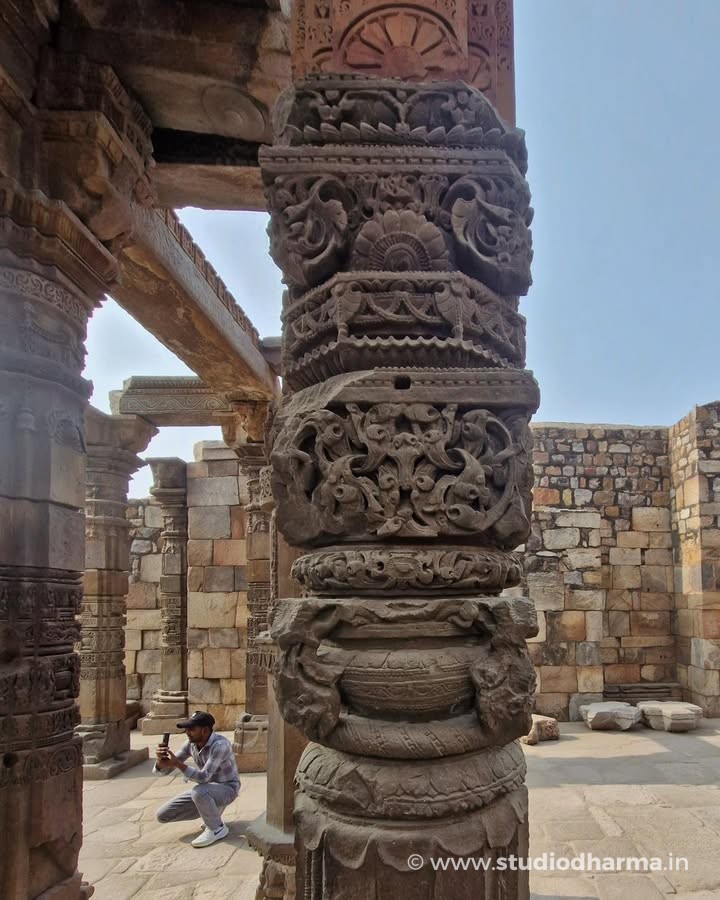
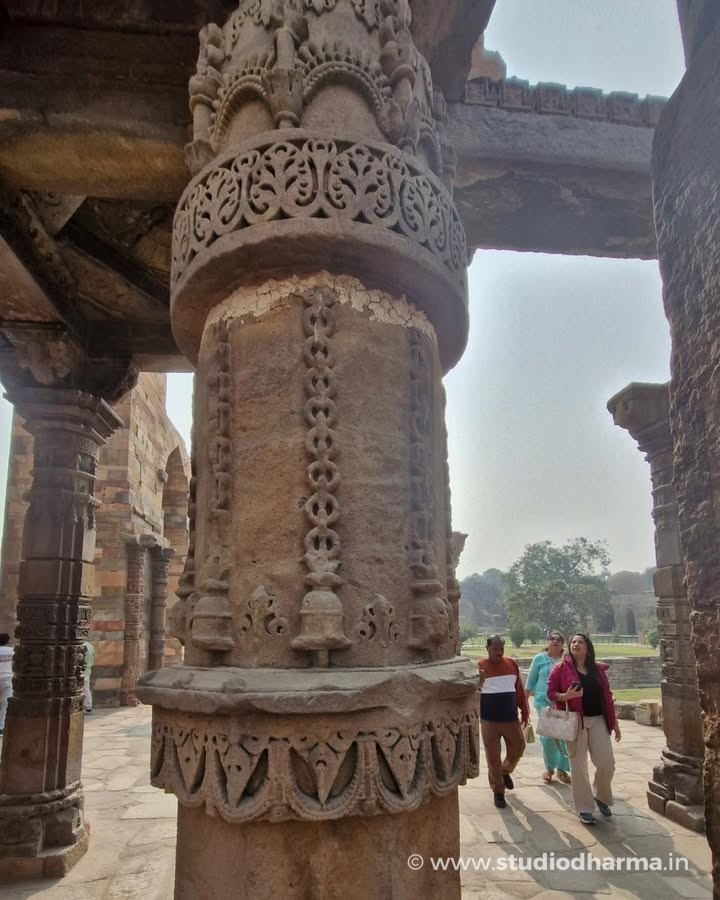
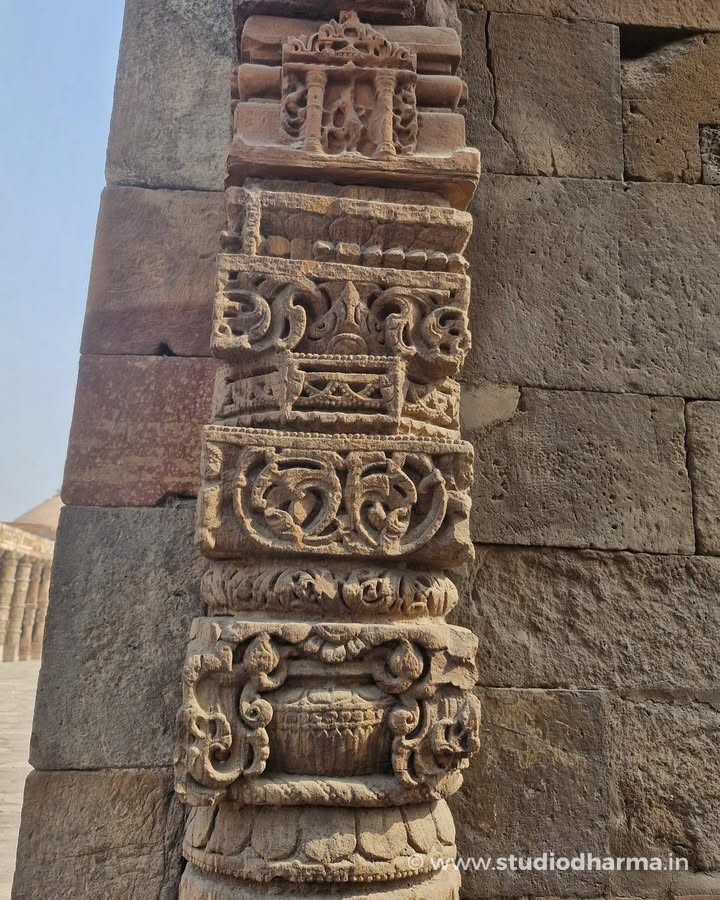
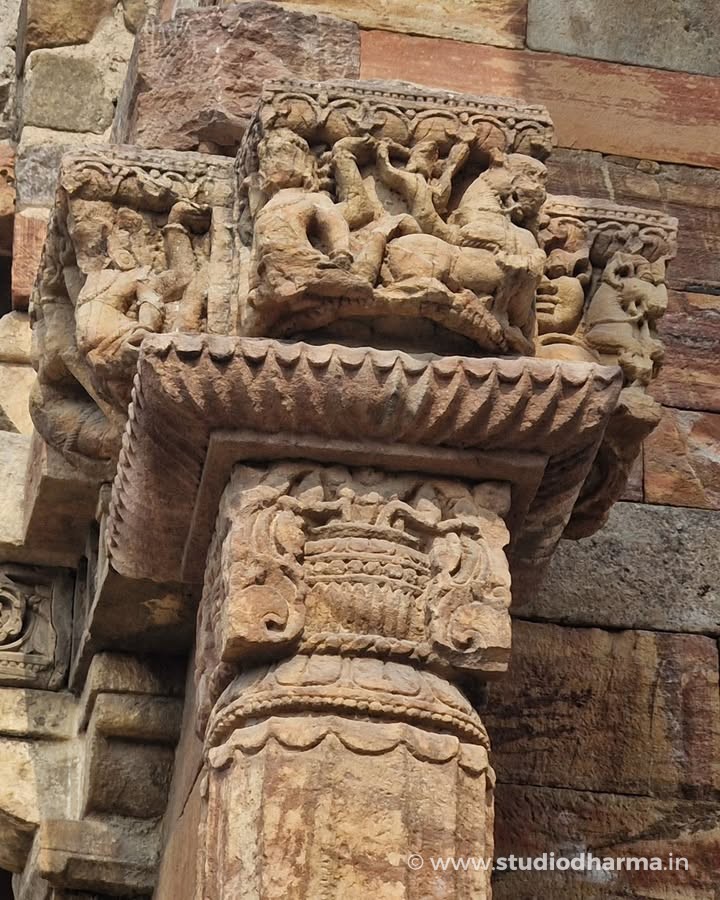
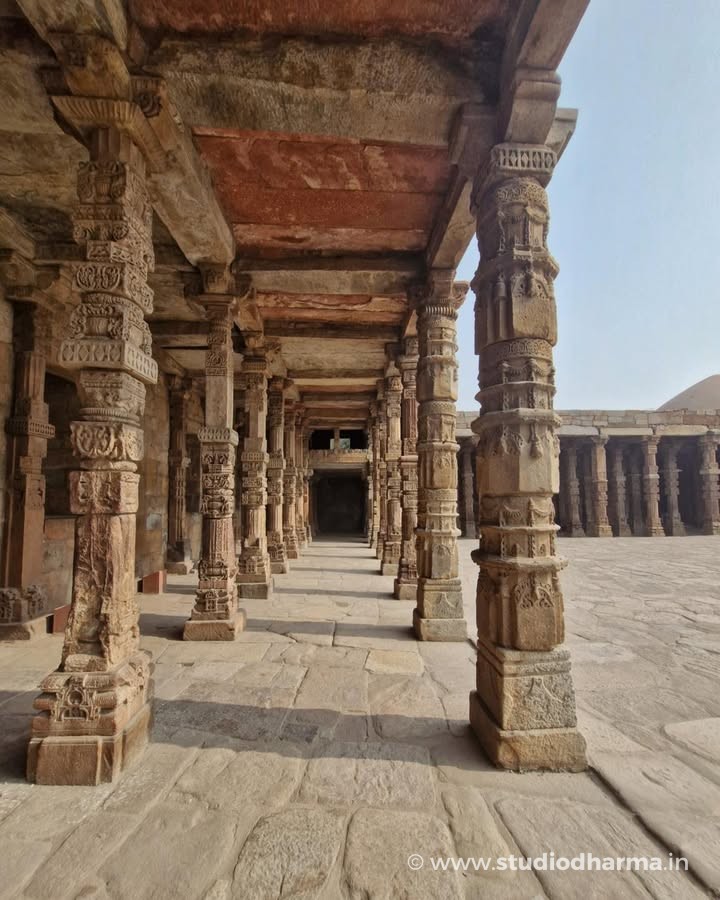
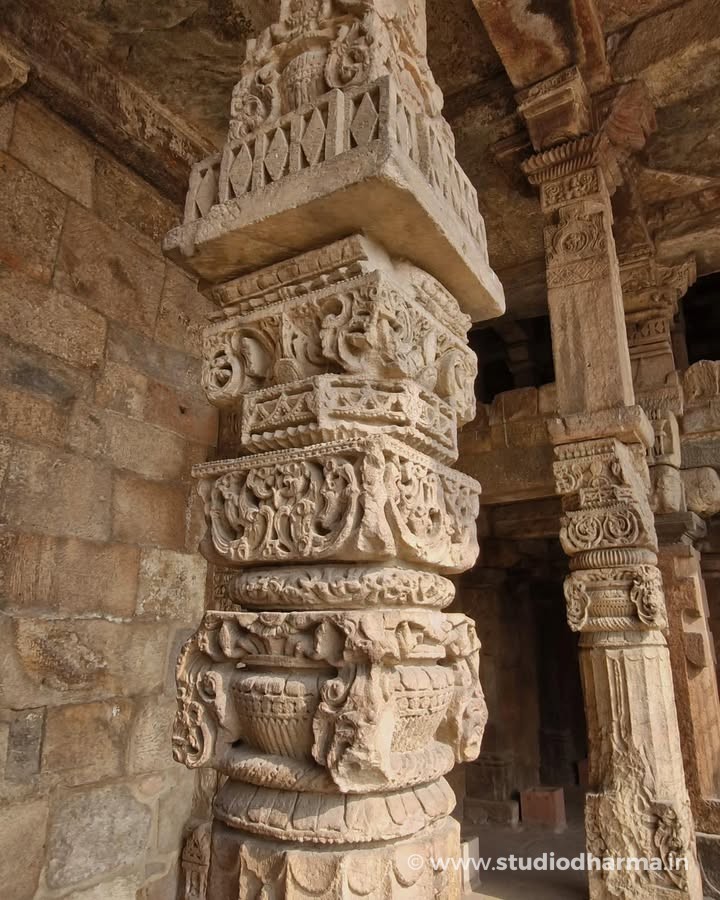
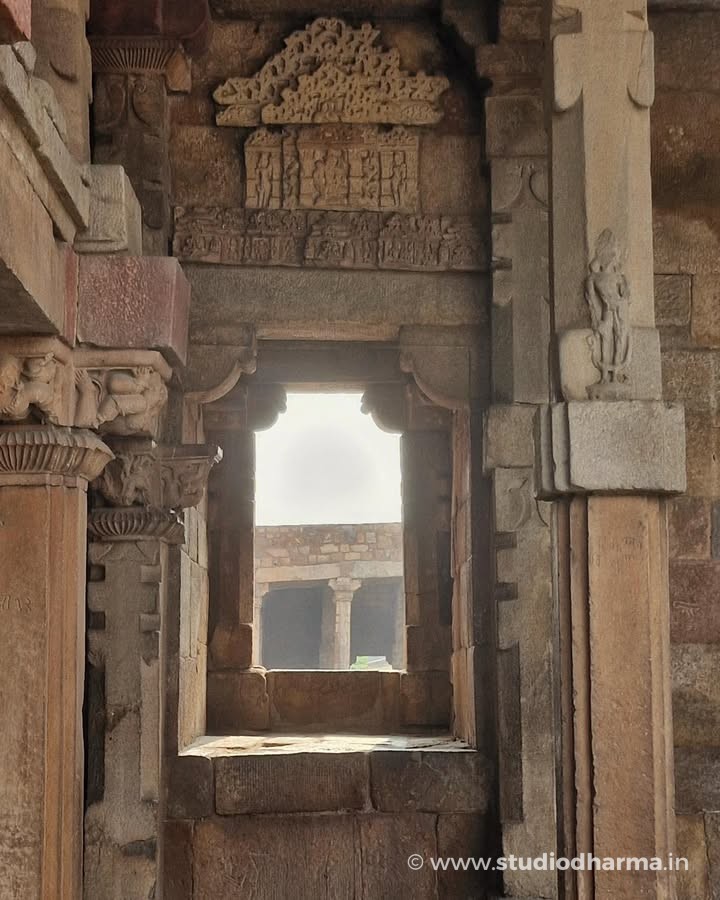
Originally conceived as a Jami Masjid, the mosque was later named Quwwat-ul-Islam—“Might of Islam.” Its construction followed the Ghurid conquest of Delhi and deliberately reused architectural elements from 27 earlier Hindu and Jain temples, a fact clearly recorded in contemporary inscriptions on the eastern entrance. Carved pillars, floral motifs, and figurative fragments remain visible even today, making the mosque a rare and powerful architectural palimpsest.
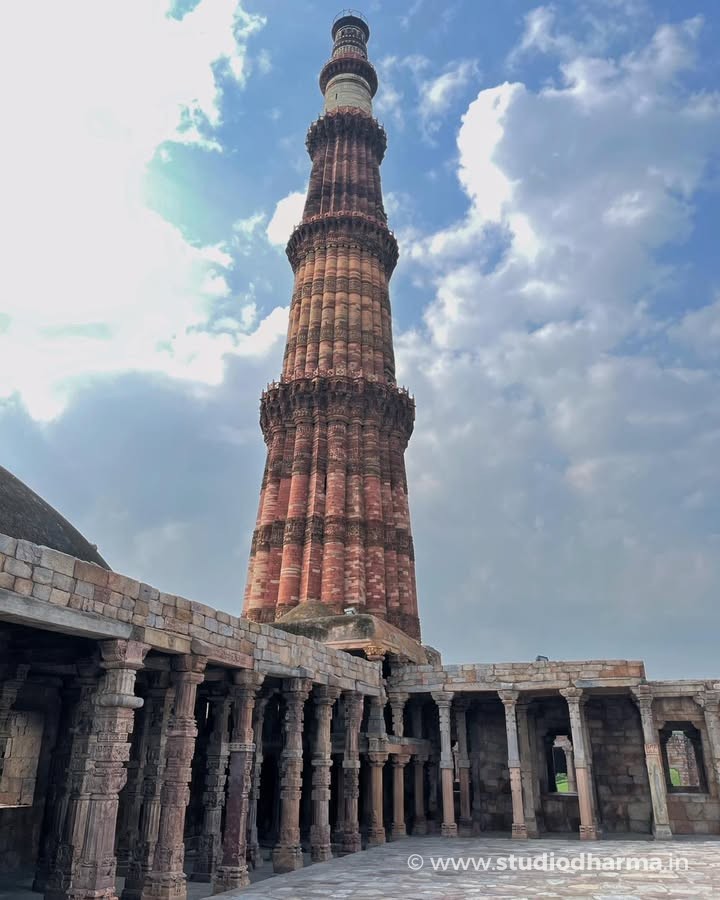
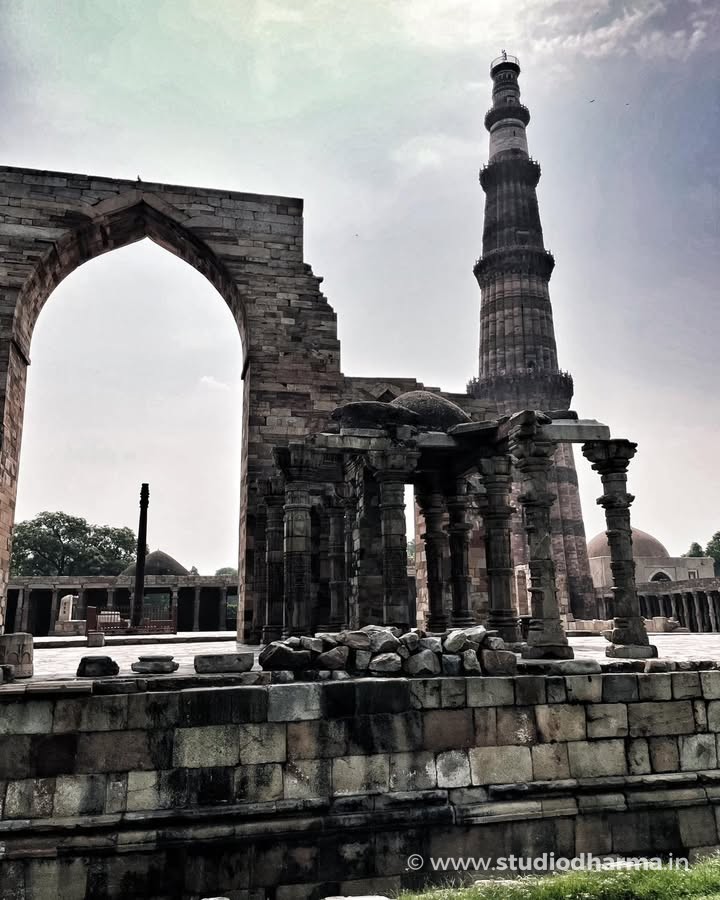
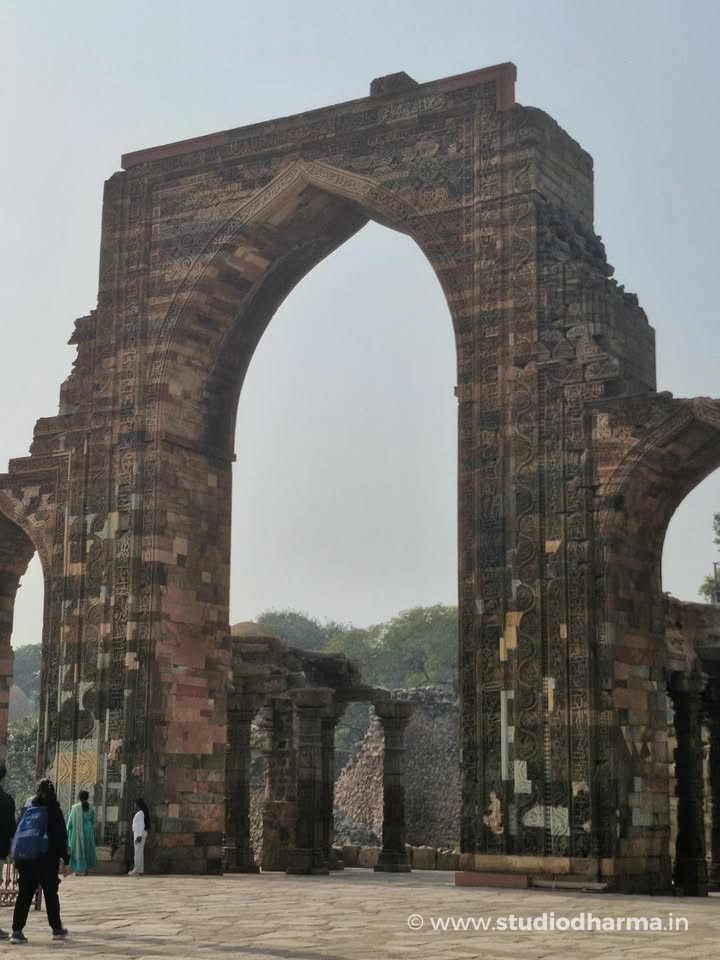
In c. 1230 CE, Sultan Iltutmish significantly expanded the mosque, enclosing the rising Qutub Minar within a larger prayer courtyard and adding arched screens adorned with Quranic calligraphy. These arches represent some of the earliest experiments with true Islamic arches in India.
Further monumental ambition came under Alauddin Khilji, who added the magnificent Alai Darwaza and attempted to construct an even taller minaret, the unfinished Alai Minar.
Within the same courtyard stands the celebrated Iron Pillar of Delhi, dating to the 4th–5th century CE, a silent witness to India’s advanced metallurgical knowledge centuries before the Sultanate.
Today, the Quwwat-ul-Islam Mosque forms the spiritual and architectural nucleus of the Qutb Complex, reminding us that Delhi’s history was not born in a single moment, but layered—stone upon stone, faith upon power, memory upon memory.
Explore such layered histories through ITIHASNAMA—a premium coffee table book by StudioDharma, documenting India’s forgotten monuments through storytelling and photography.
Purchase link:
क्वुव्वत-उल-इस्लाम मस्जिद, दिल्ली
दिल्ली की पहली मस्जिद और सल्तनत का प्रारंभ
क़ुतुब परिसर के भीतर स्थित कुव्वत-उल-इस्लाम मस्जिद दिल्ली के मध्यकालीन इतिहास की सबसे पहली परत है। इसका निर्माण 1192 से 1198 ईस्वी के बीच क़ुतुबुद्दीन ऐबक द्वारा कराया गया, और इसे ऐतिहासिक रूप से दिल्ली की पहली मस्जिद माना जाता है—यहीं से उत्तर भारत में मुस्लिम शासन की औपचारिक शुरुआत होती है।
प्रारंभ में इसे जामा मस्जिद के रूप में निर्मित किया गया था, बाद में इसका नाम कुव्वत-उल-इस्लाम रखा गया। इसके निर्माण में 27 हिंदू-जैन मंदिरों के स्तंभों और शिल्पखंडों का पुनः उपयोग किया गया, जिसका उल्लेख स्वयं मस्जिद के शिलालेखों में मिलता है। यही कारण है कि इसकी स्तंभ-पंक्तियों में आज भी प्राचीन भारतीय शिल्प की झलक दिखाई देती है।
लगभग 1230 ईस्वी में सुल्तान इल्तुतमिश ने मस्जिद का विस्तार कराया और इसके प्रांगण में क़ुतुब मीनार को समाहित किया। इसी चरण में क़ुरआनी आयतों से सुसज्जित भव्य मेहराबें जोड़ी गईं, जो भारत में इस्लामी वास्तुकला के आरंभिक उदाहरणों में गिनी जाती हैं।
बाद में अलाउद्दीन खिलजी ने अलाई दरवाज़ा का निर्माण कराया और एक और विशाल मीनार बनाने का प्रयास किया, जो अधूरा ही रह गया।
इसी प्रांगण में स्थित है गुप्तकालीन लौह स्तंभ, जो भारत की प्राचीन धातुकला का अद्भुत प्रमाण है।
आज कुव्वत-उल-इस्लाम मस्जिद क़ुतुब परिसर का हृदय है—एक ऐसा स्थान जहाँ सत्ता, आस्था और इतिहास की अनेक परतें एक-दूसरे में समाई हुई हैं।
ITIHASNAMA—स्टूडियोधर्मा द्वारा प्रस्तुत एक प्रीमियम कॉफी टेबल बुक, जिसमें भारत की भूली-बिसरी विरासत को शोध और कहानी के माध्यम से संजोया गया है।
खरीदने के लिए लिंक: