











𝓣𝓱𝓮 𝓣𝓸𝓶𝓫 𝓸𝓯 𝓢𝓾𝓵𝓽𝓪𝓷 𝓐𝓵𝓪𝓾𝓭𝓭𝓲𝓷 𝓚𝓱𝓲𝓵𝓳𝓲, 𝓠𝓾𝓽𝓫 𝓒𝓸𝓶𝓹𝓵𝓮𝔁, 𝓓𝓮𝓵𝓱𝓲.
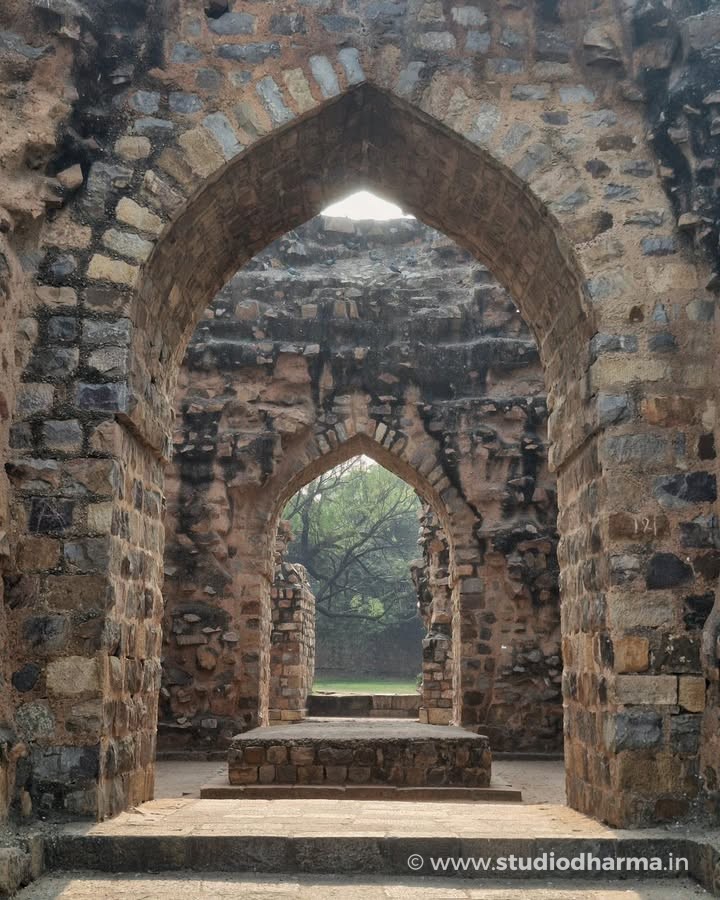
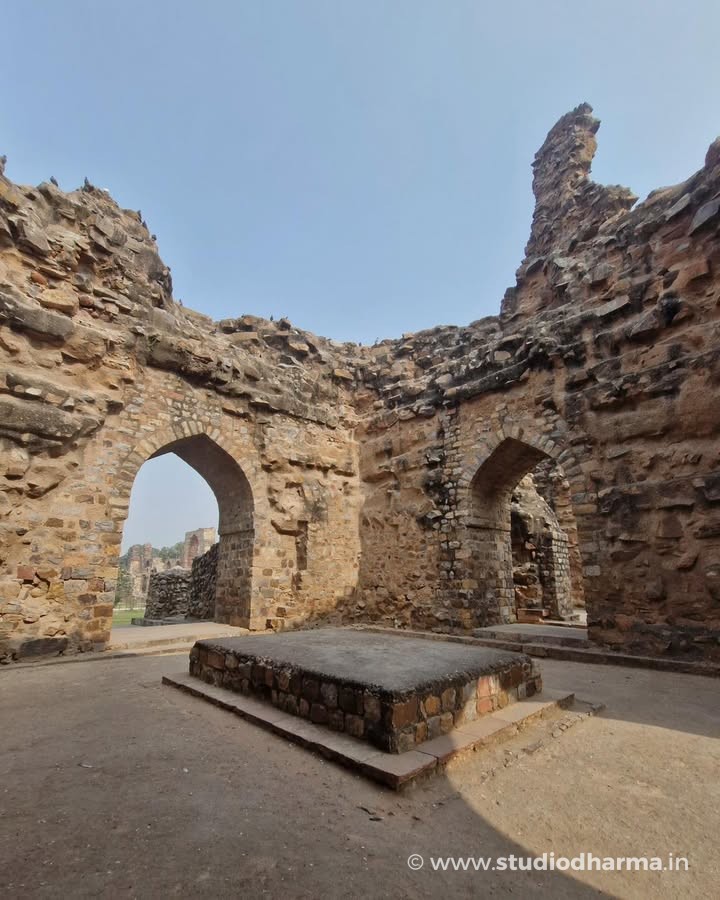
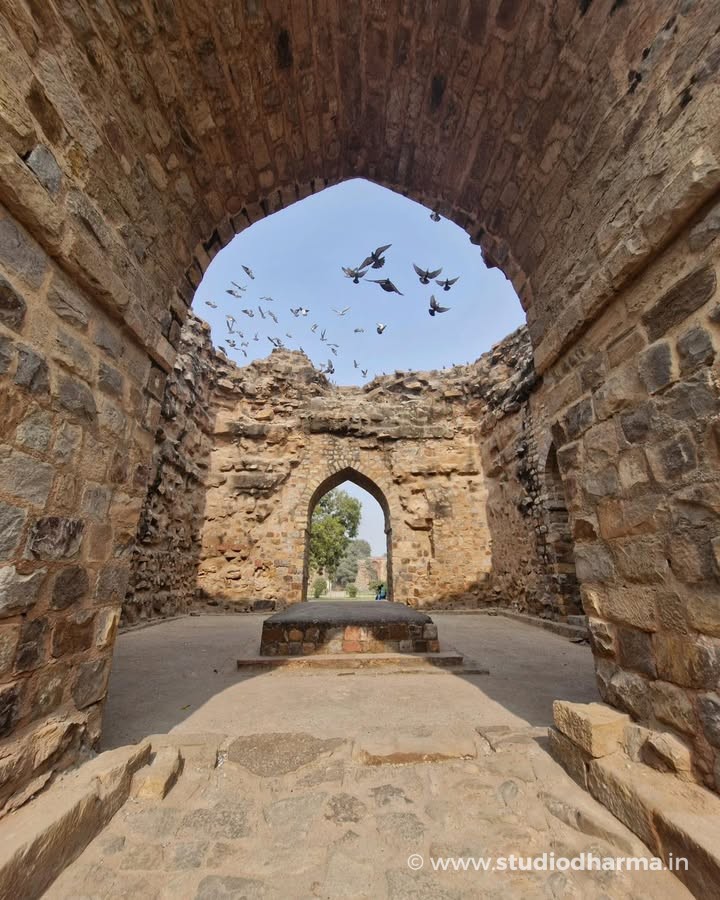
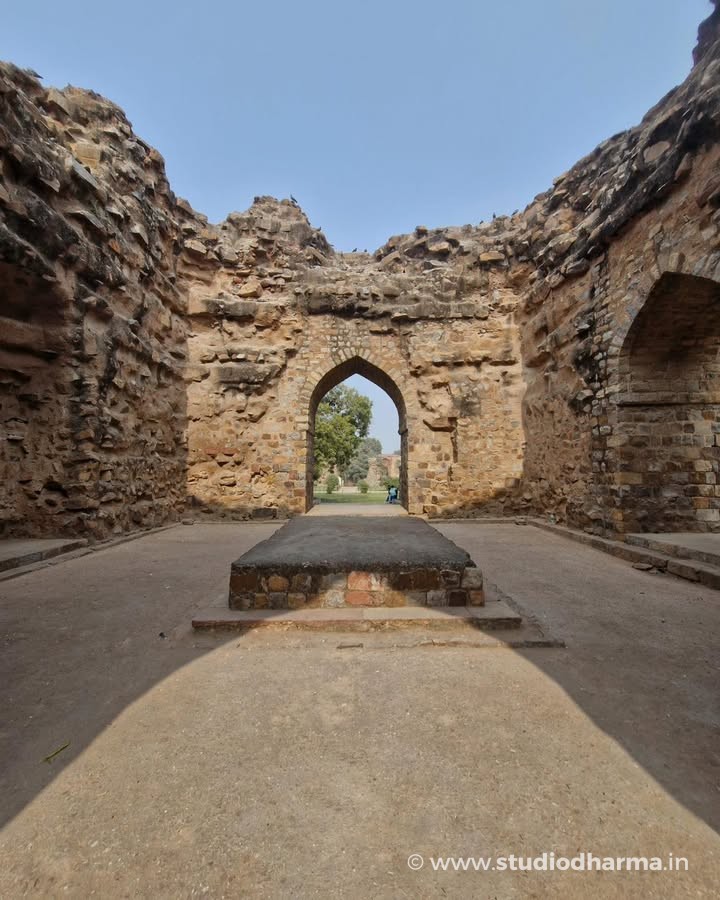
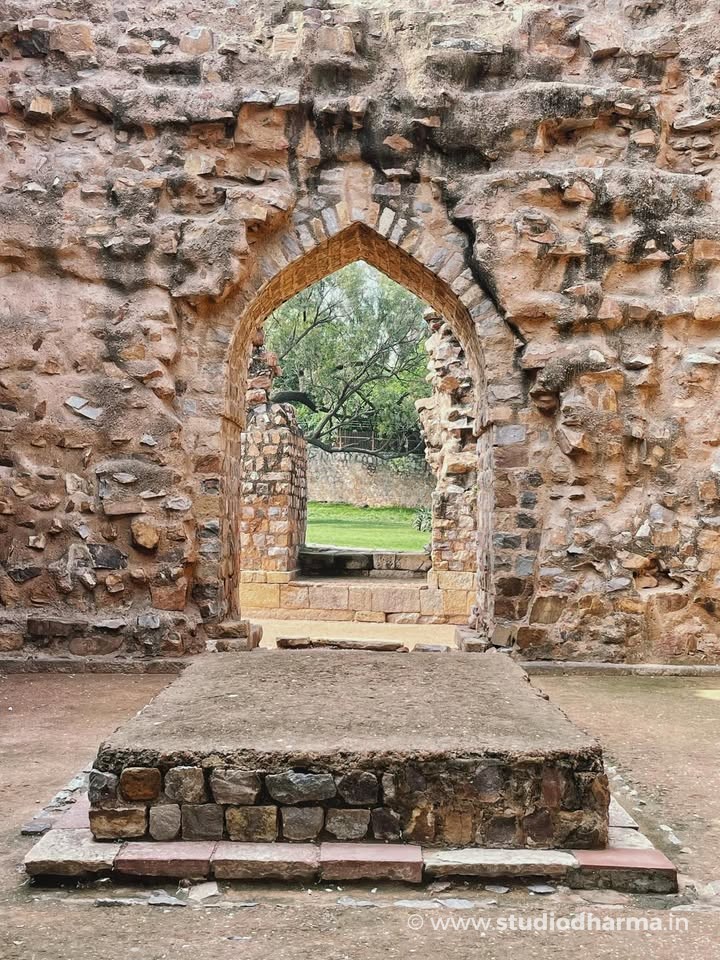
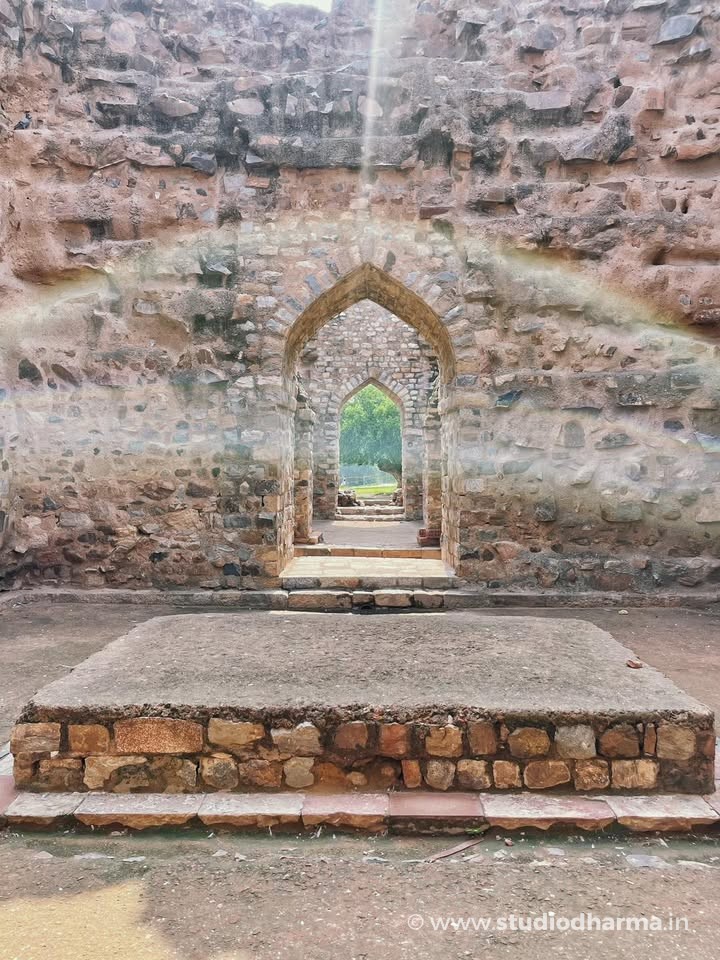
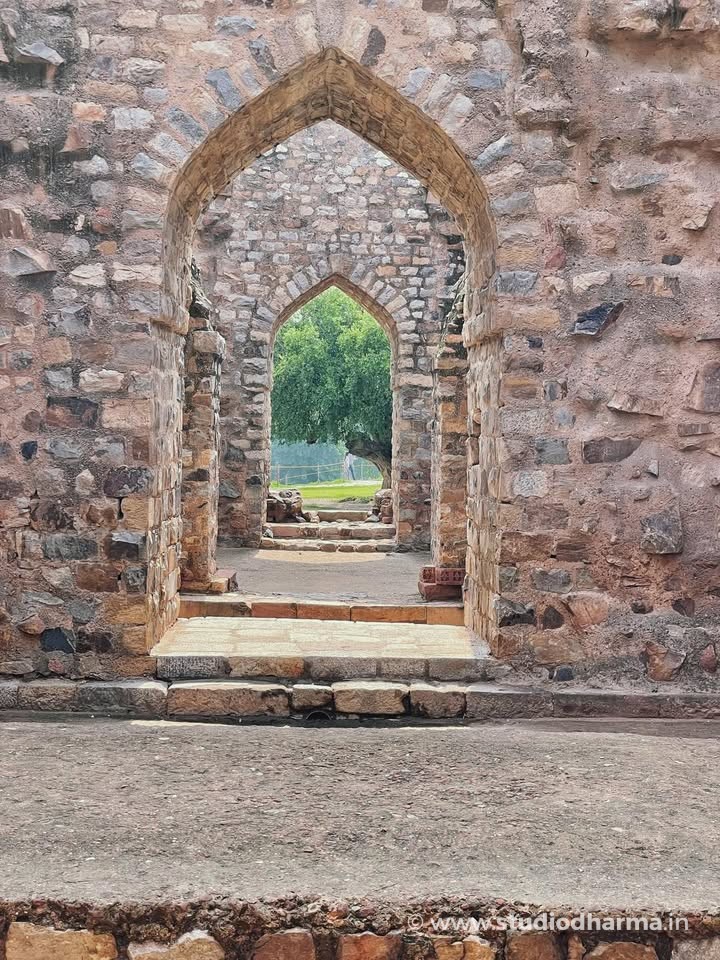
𝓣𝓱𝓮 𝓣𝓸𝓶𝓫 𝓸𝓯 𝓢𝓾𝓵𝓽𝓪𝓷 𝓐𝓵𝓪𝓾𝓭𝓭𝓲𝓷 𝓚𝓱𝓲𝓵𝓳𝓲, 𝓠𝓾𝓽𝓫 𝓒𝓸𝓶𝓹𝓵𝓮𝔁, 𝓓𝓮𝓵𝓱𝓲.
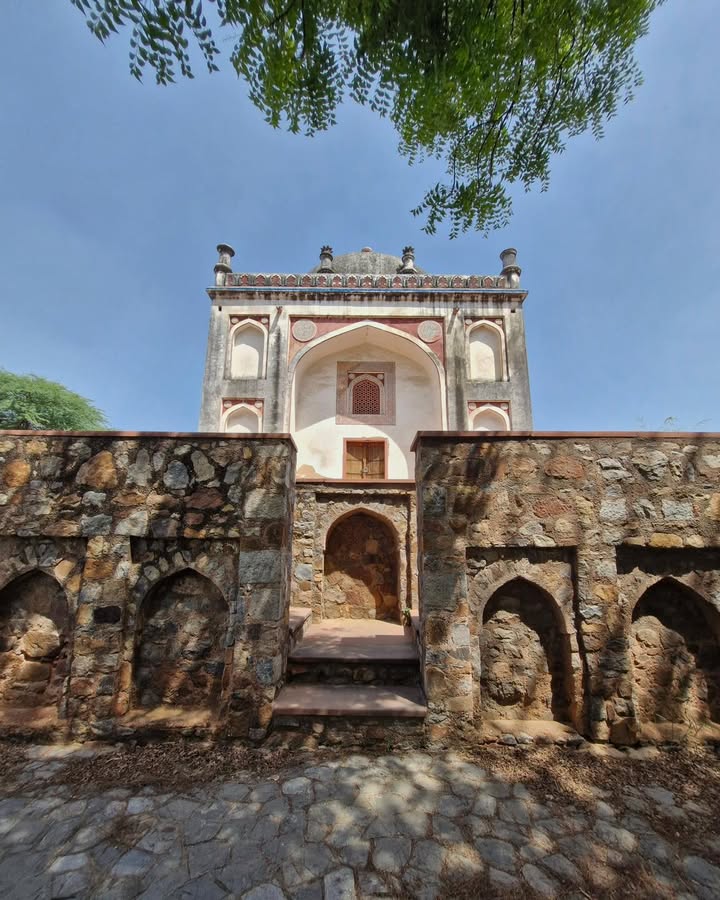
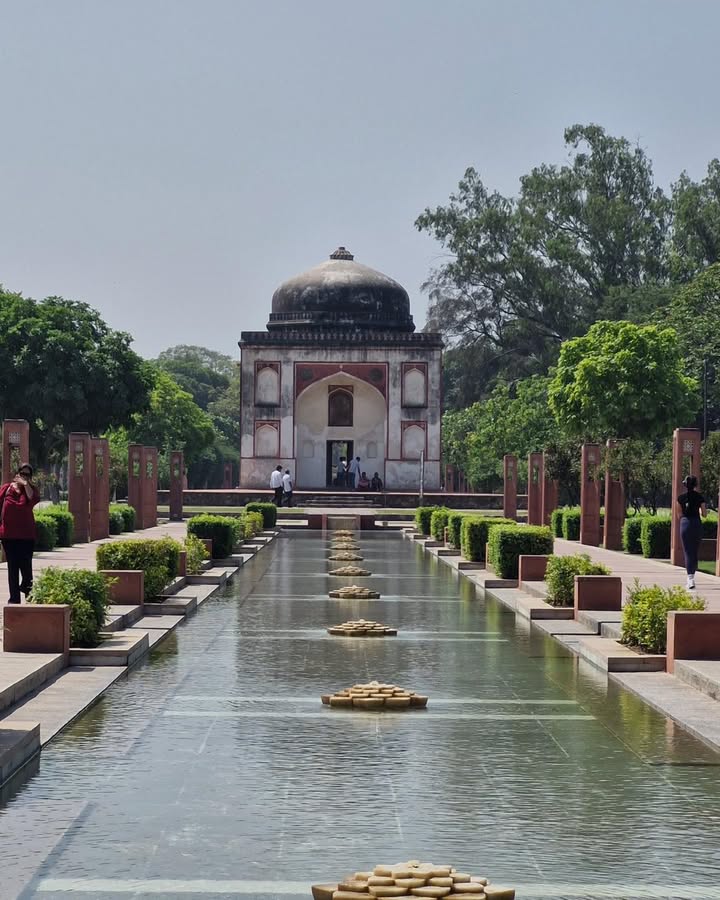
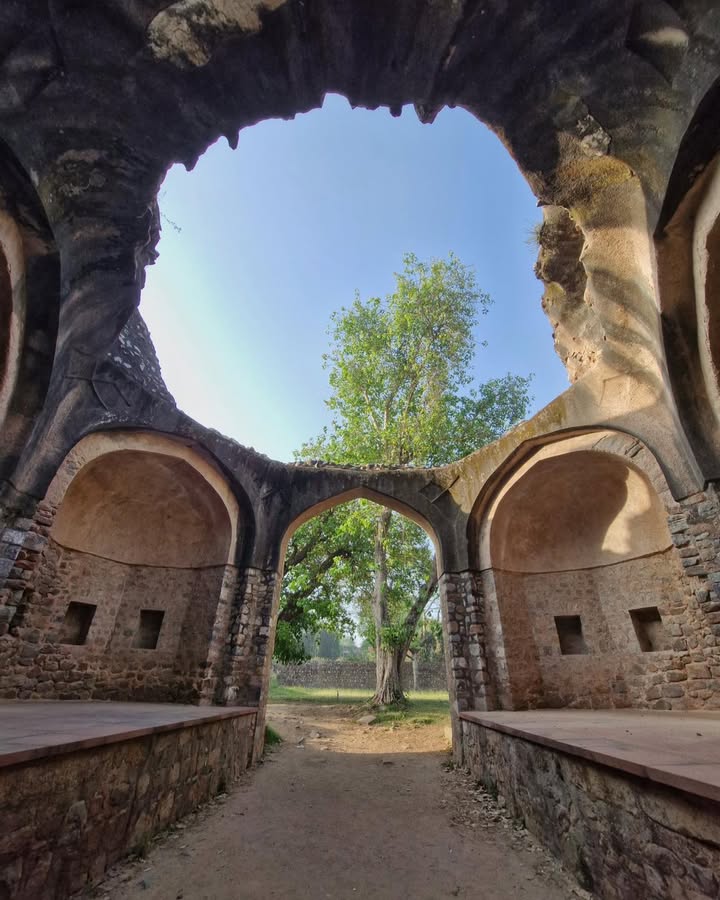
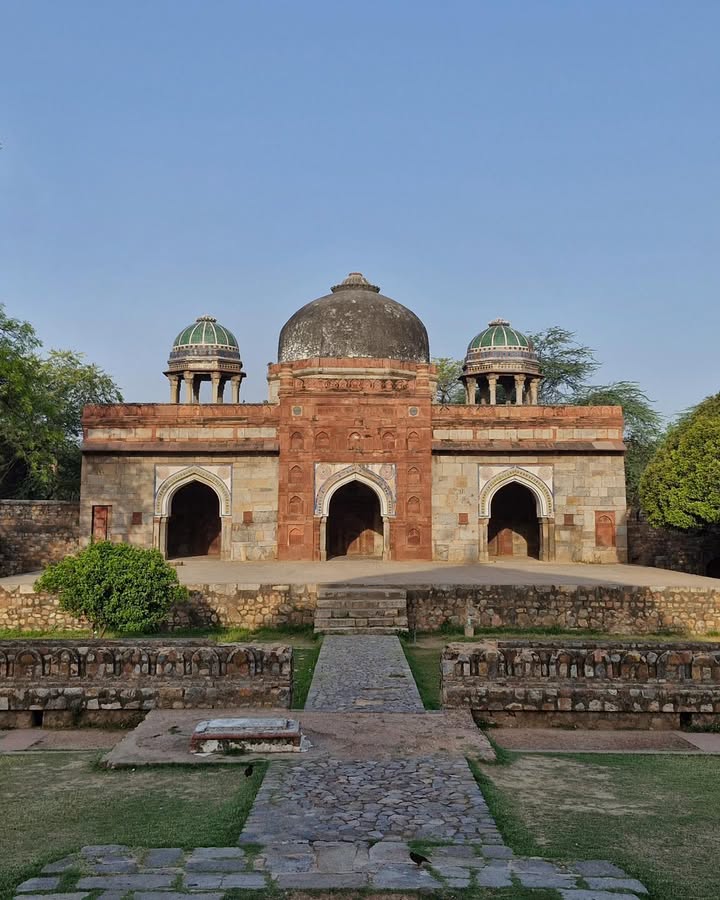
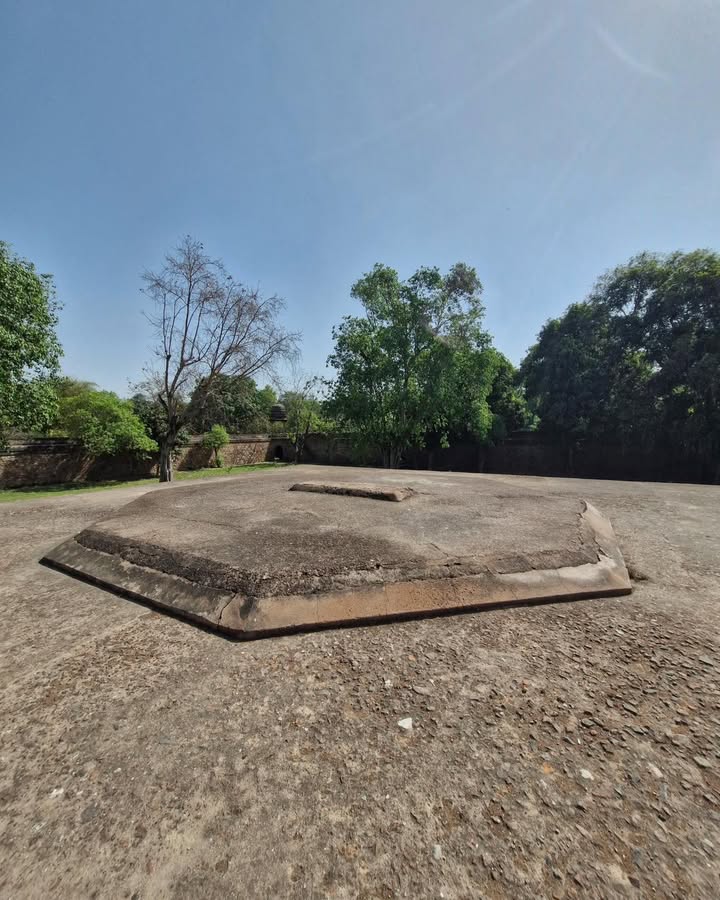
Within the historic Qutb Complex at Mehrauli lies a tomb that reflects both the power and restraint of one of Delhi Sultanate’s most formidable rulers — Sultan Alauddin Khilji. Unlike the grand mausoleums of later centuries, this tomb is striking in its simplicity, offering a rare glimpse into early Sultanate funerary architecture.
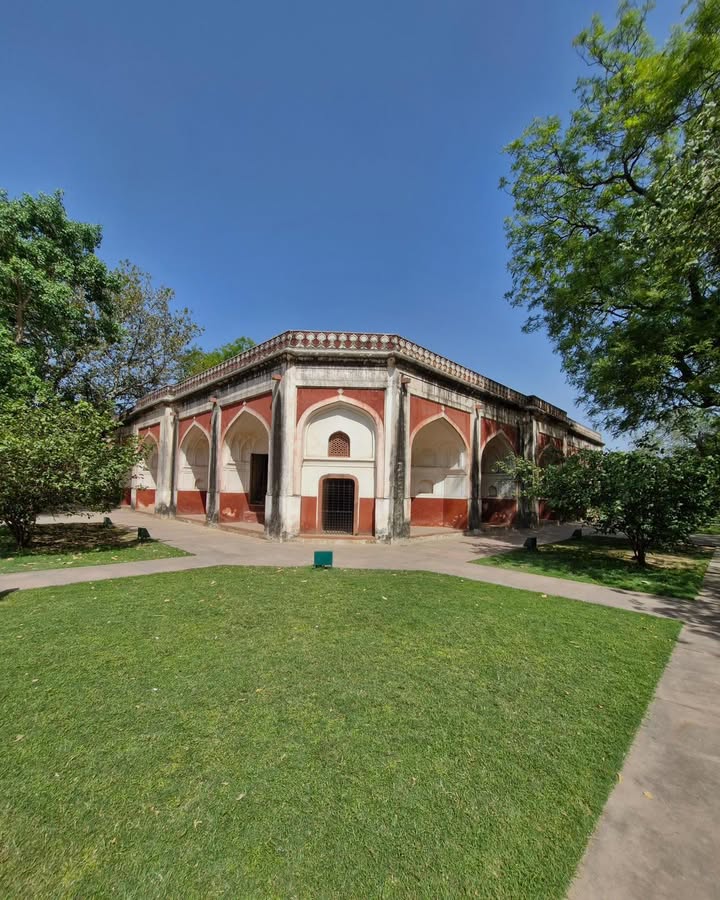
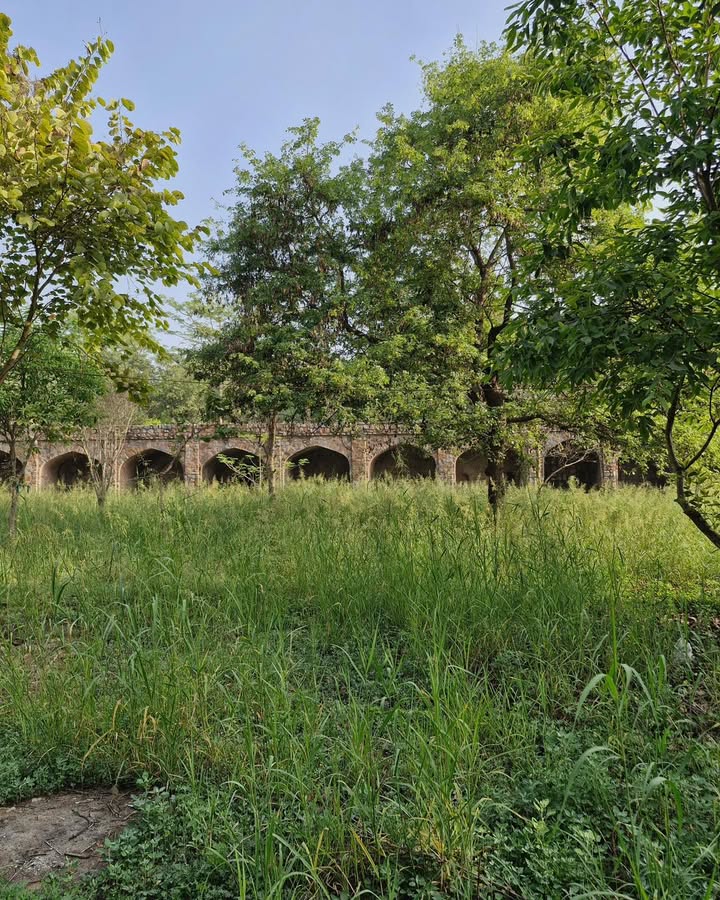
Built around 1316 AD, soon after the Sultan’s death, the tomb forms part of a unique architectural ensemble where a ruler’s grave was placed within an active centre of learning. Alauddin Khilji chose to be buried inside the madrasa he commissioned, creating one of the earliest known madrasa–tomb combinations in India. This decision symbolically united authority, faith, scholarship, and mortality within a single space.
Architecturally, the tomb is a modest square chamber, originally crowned by a dome, and constructed using early Sultanate techniques such as corbelled squinches and pendentives to transition from square to circular forms. Located just southwest of the Quwwat-ul-Islam Mosque, the structure reflects a period when Indo-Islamic architecture was still evolving, before the refinement seen under later dynasties.
Alauddin Khilji ruled from 1296 to 1316 AD, remembered for his military expansions, market reforms, and administrative discipline. Yet his tomb tells a quieter story — one devoid of ornamentation, focusing instead on humility and intellectual legacy. After the decline of the Khilji dynasty, both the madrasa and the tomb gradually fell into neglect, leaving behind silent ruins that historians continue to study and debate.
Today, the tomb stands as one of the earliest surviving royal burial sites of the Delhi Sultanate, reminding us that medieval Delhi was not only shaped by conquest and governance, but also by ideas, learning, and deliberate restraint in memorial architecture.
This story is part of an ongoing effort to document India’s forgotten and overlooked heritage.
Explore ITIHASNAMA by StudioDharma — a premium coffee table book featuring carefully researched narratives through images and words.
Purchase link:
सुल्तान अलाउद्दीन खिलजी का मक़बरा, क़ुतुब परिसर, दिल्ली
मेहरौली स्थित क़ुतुब परिसर के भीतर स्थित सुल्तान अलाउद्दीन खिलजी का मक़बरा, दिल्ली सल्तनत काल की प्रारंभिक समाधि स्थापत्य परंपरा का एक अत्यंत महत्वपूर्ण उदाहरण है। भव्यता से दूर, यह मक़बरा अपने संयमित स्वरूप के माध्यम से सत्ता और सादगी के बीच संतुलन को दर्शाता है।
लगभग 1316 ईस्वी में निर्मित यह मक़बरा एक अनोखे स्थापत्य संयोजन का हिस्सा है, जहाँ सुल्तान को उसी मदरसे के भीतर दफ़न किया गया जिसे उन्होंने अपने जीवनकाल में बनवाया था। भारत में यह प्रारंभिक उदाहरणों में से एक है जहाँ शिक्षा और समाधि को एक ही परिसर में समाहित किया गया। यह निर्णय सत्ता, ज्ञान, आस्था और मृत्यु को एक साथ जोड़ने का प्रतीक माना जाता है।
स्थापत्य की दृष्टि से यह मक़बरा एक साधारण वर्गाकार कक्ष है, जिस पर मूलतः एक गुंबद स्थित था। वर्ग से गोलाकार संरचना तक पहुँचने के लिए कॉर्बेल्ड स्क्विन्च और पेंडेंटिव्स का प्रयोग किया गया, जो सल्तनत काल की प्रारंभिक निर्माण तकनीकों को दर्शाता है। यह मक़बरा क़ुव्वत-उल-इस्लाम मस्जिद के दक्षिण-पश्चिम में स्थित है।
सुल्तान अलाउद्दीन खिलजी (1296–1316 ई.) को उनके सैन्य अभियानों, बाज़ार सुधारों और कठोर प्रशासन के लिए जाना जाता है, किंतु उनका मक़बरा उनकी सत्ता के शोर के बजाय उनके वैचारिक पक्ष को सामने लाता है। खिलजी वंश के पतन के बाद यह परिसर धीरे-धीरे उपेक्षित होता चला गया, और आज यह स्मारक इतिहास की शांत साक्षी बनकर खड़ा है।
आज यह मक़बरा दिल्ली सल्तनत के प्रारंभिक शाही दफ़न स्थलों में से एक के रूप में जाना जाता है, जो यह दर्शाता है कि मध्यकालीन दिल्ली केवल शक्ति और युद्ध की नगरी नहीं थी, बल्कि ज्ञान और चिंतन की भी भूमि थी।
यह लेख ITIHASNAMA का हिस्सा है — स्टूडियोधर्मा द्वारा प्रकाशित एक प्रीमियम कॉफी टेबल बुक, जिसमें भारत की भूली-बिसरी विरासत को शोध और दृश्य कथाओं के माध्यम से संजोया गया है।
पुस्तक खरीदने के लिए लिंक: