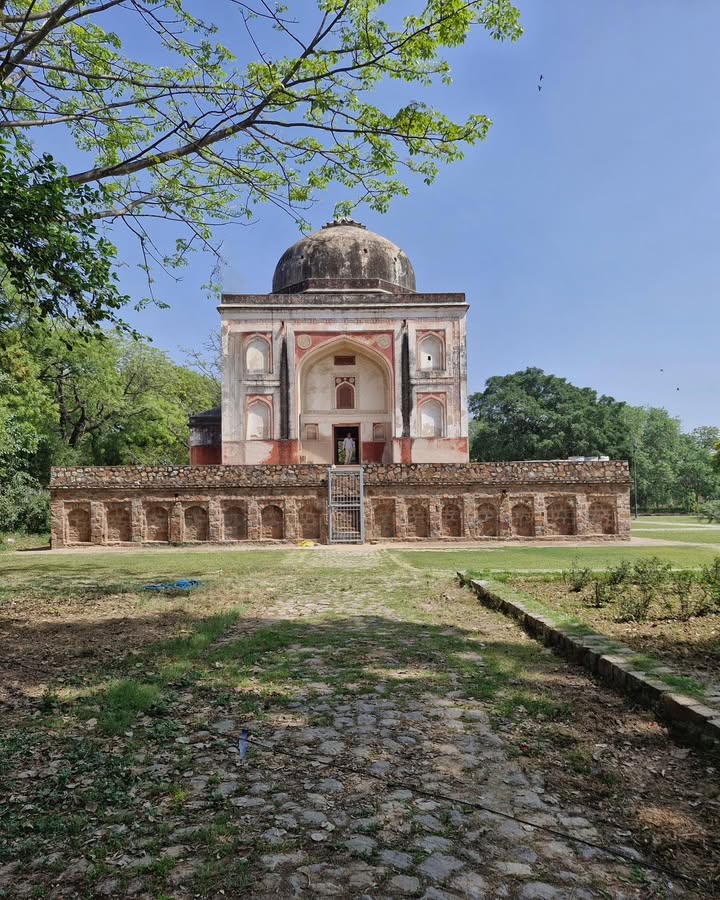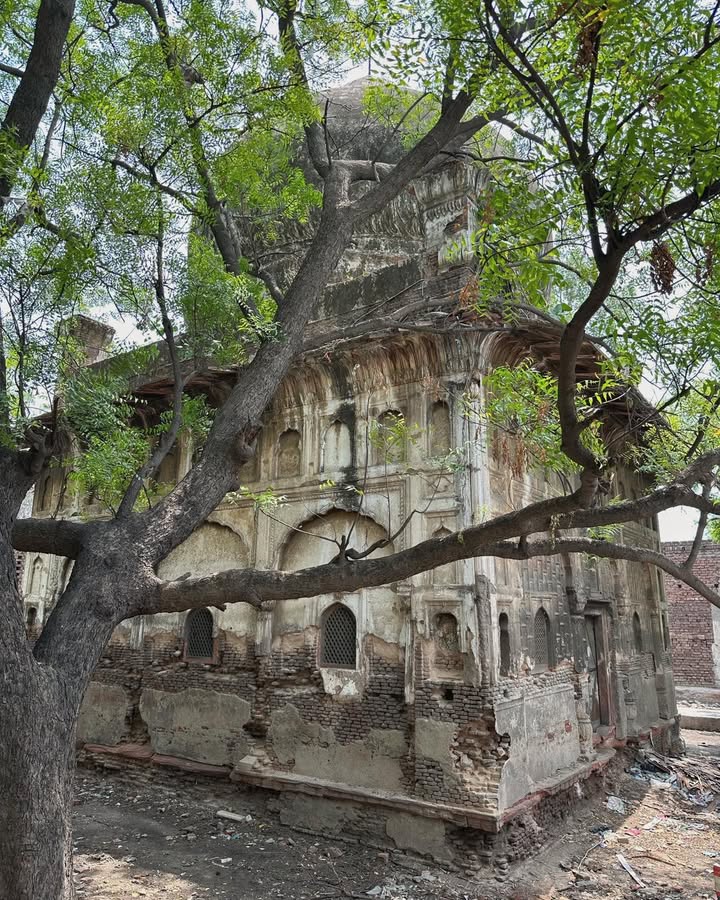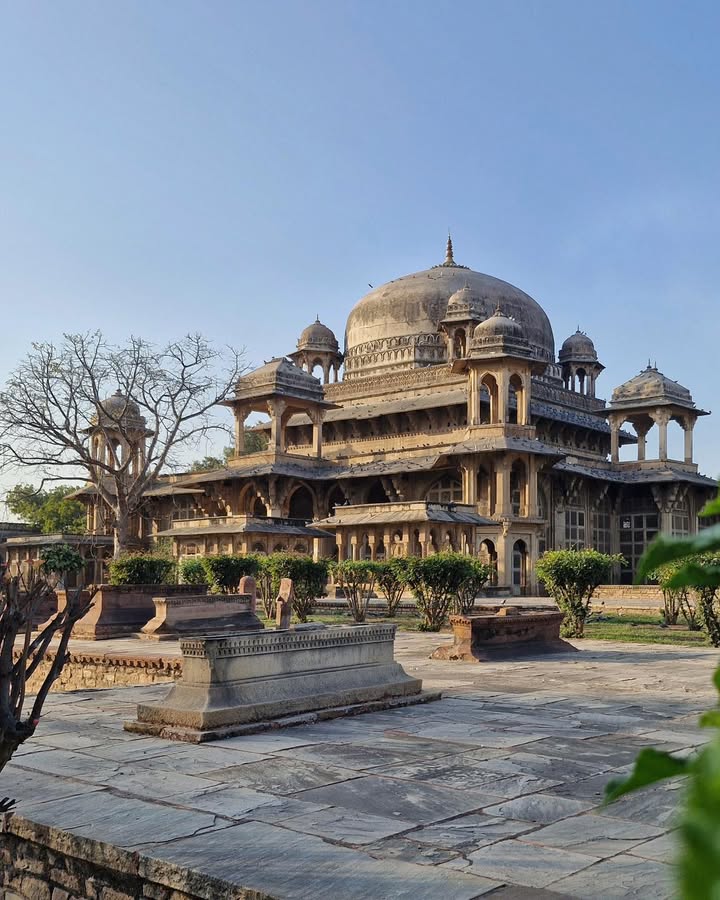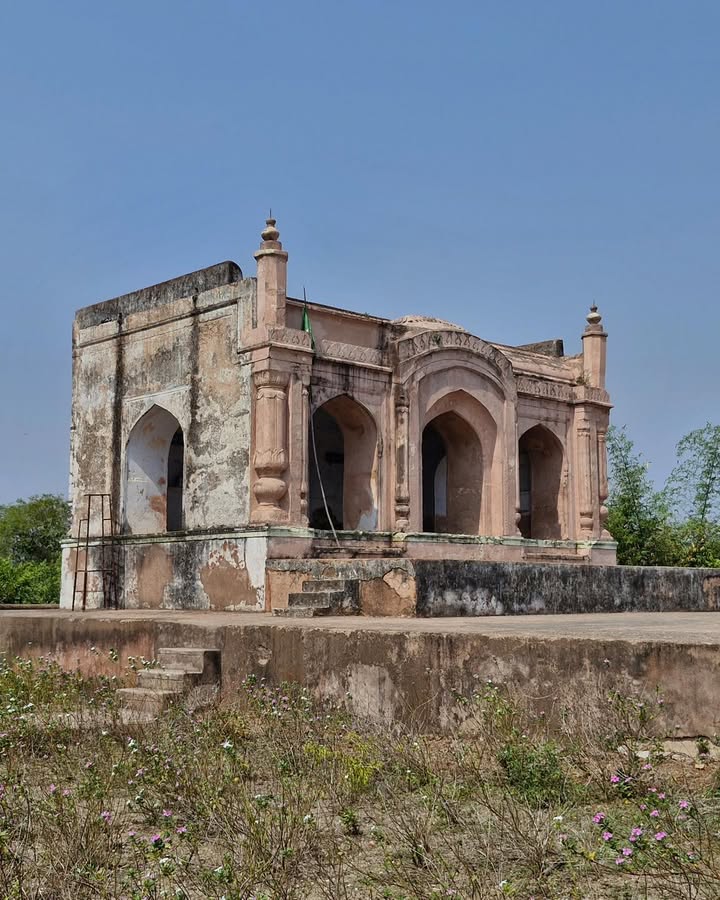








RAJA NAIN SINGH GURJAR’S SATI TEMPLE, KILAPARIKSHITGARH,MEERUT.


RAJA NAIN SINGH GURJAR’S SATI TEMPLE, KILAPARIKSHITGARH,MEERUT.
A Forgotten Chapter of Gurjar Legacy in Meerut
Kila Parikshitgarh, located in the present-day Meerut district of Uttar Pradesh, carries layers of history that quietly bridge the Mahabharata tradition with the regional politics of the 18th century.
Among its lesser-known custodians was Raja Nain Singh Gurjar (also referred to in some records as Raja Nain Singh Nagar), a prominent Gurjar ruler of the 18th century. Along with Raja Ram Dayal Singh Gurjar of Landhaura and Rao Ajit Singh Gurjar of Dadri, he is remembered in regional history as one of the three influential Gurjar chiefs of the period.
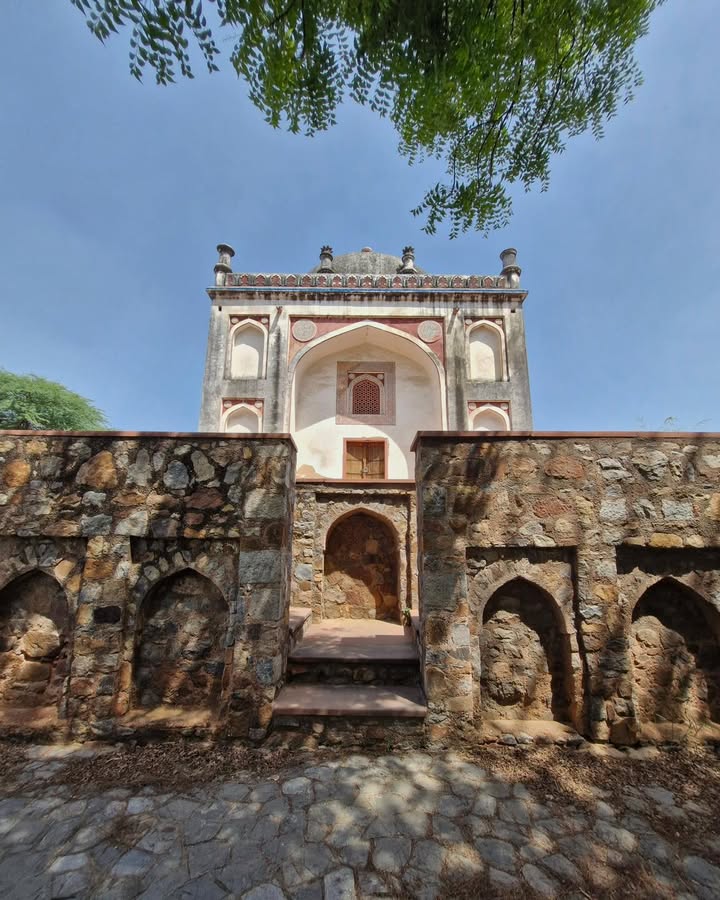
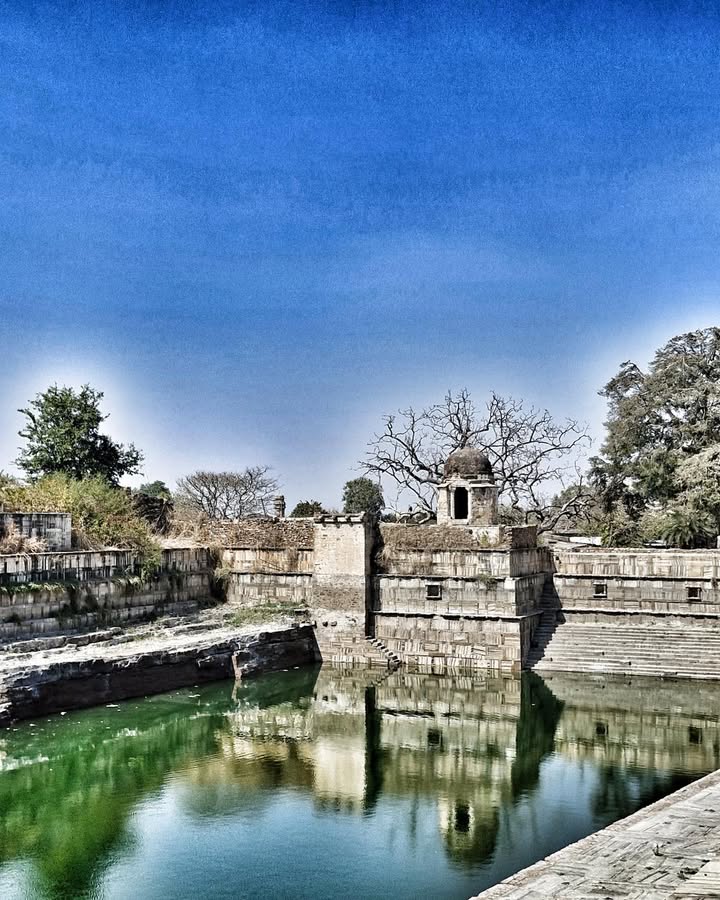
Historical and local records consistently state that Raja Nain Singh undertook restoration works at Kila Parikshitgarh in the 18th century, at a time when the fort and surrounding Mahabharata-associated tirthas had fallen into neglect. His patronage was not limited to military architecture; it extended to religious sites, pilgrimage spots, and public spaces across Parikshitgarh.
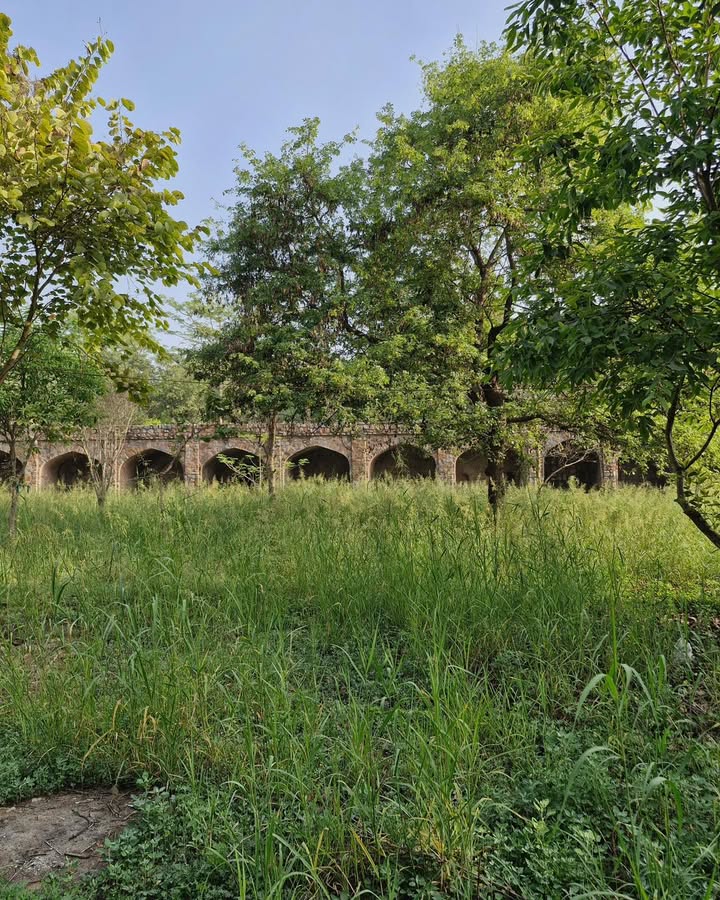
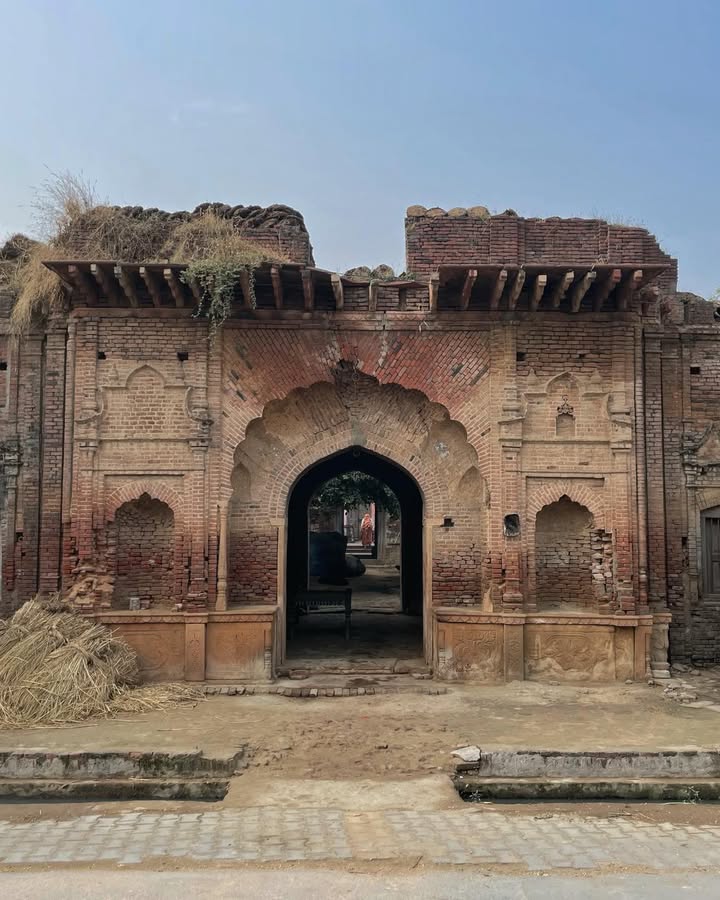
The tragedy of this legacy unfolded in 1857, when the fort was heavily damaged during British reprisals and later repurposed as a police station. What survived physically did not survive in spirit.
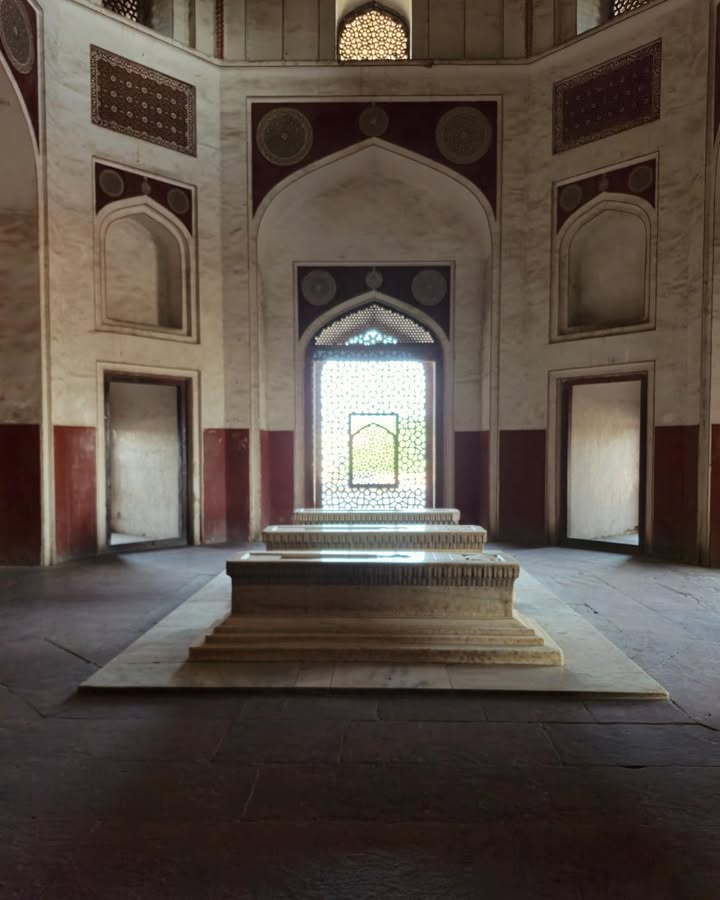
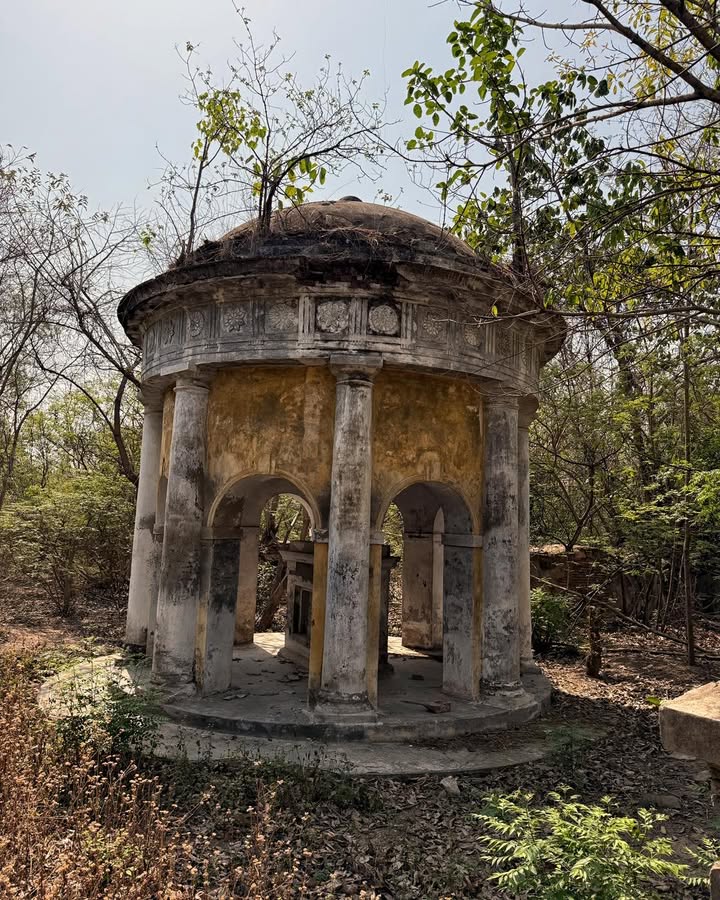
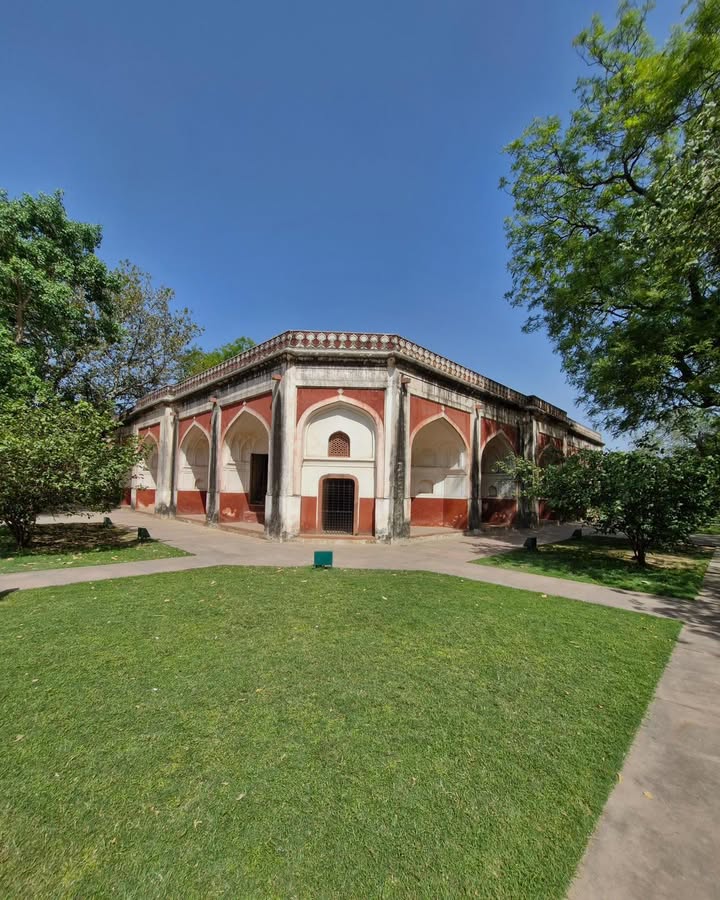
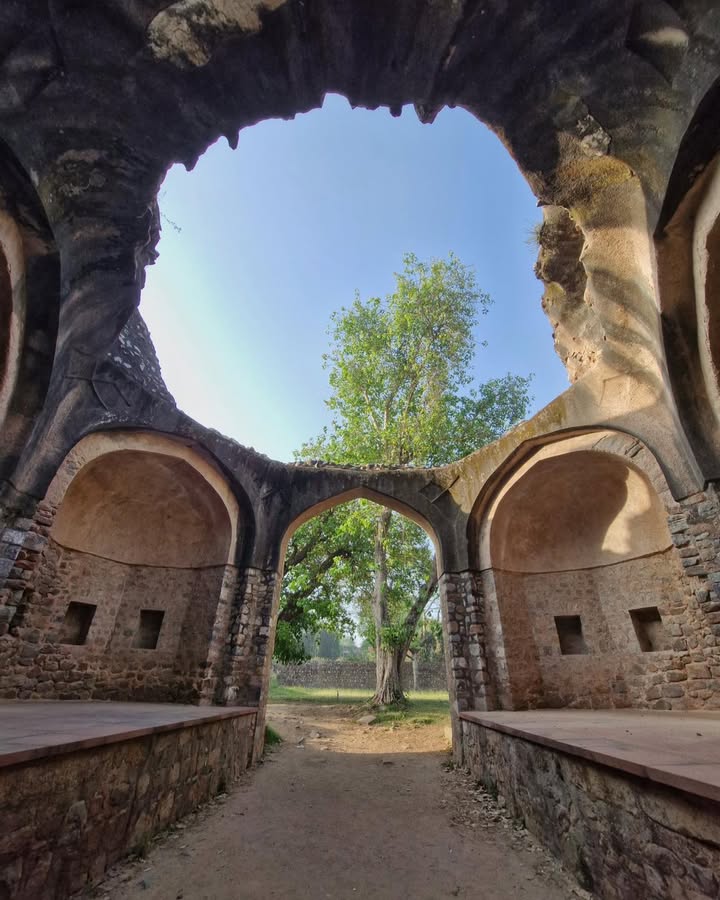
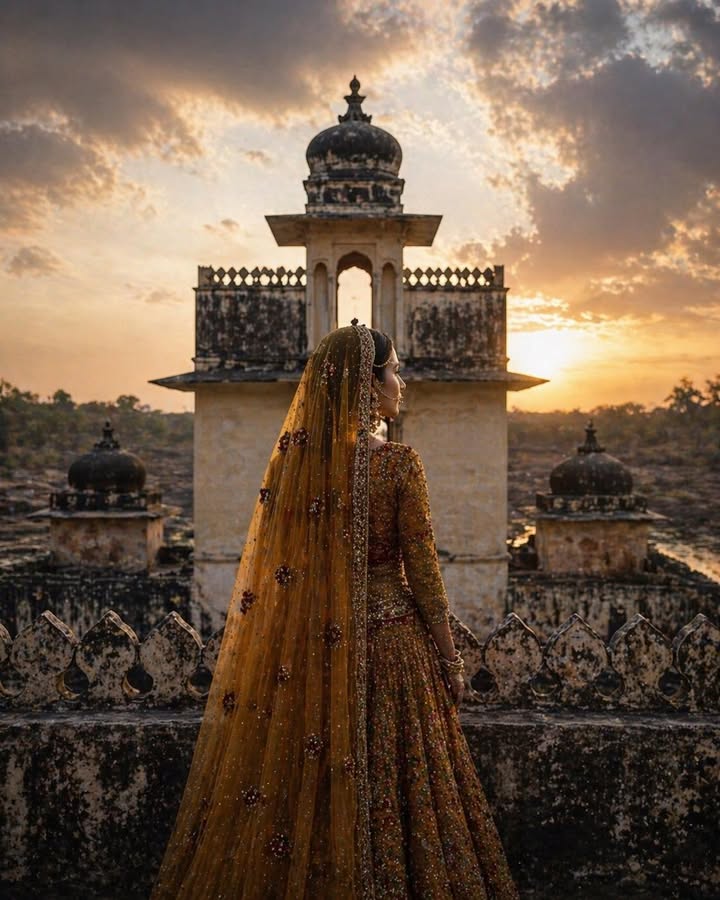
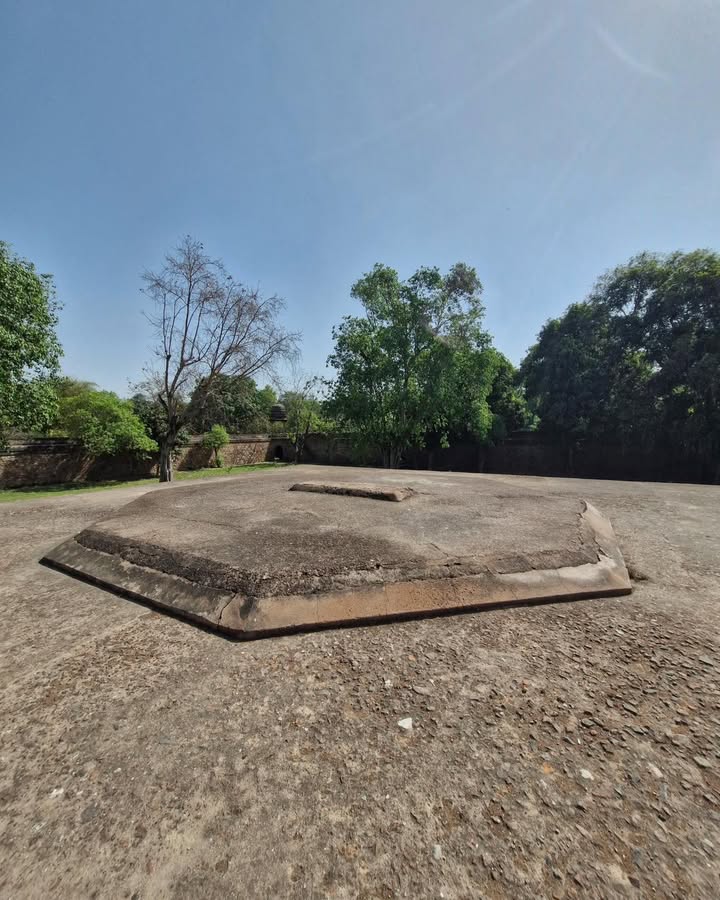
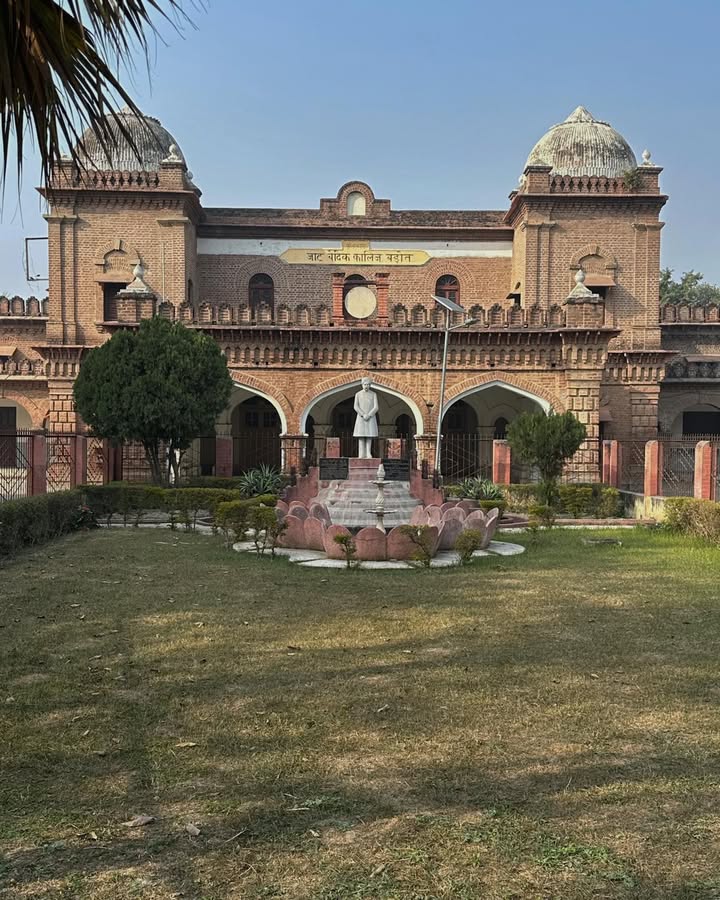
Today, within the ruins stands the Sati memorial of Raja Nain Singh’s queen—a site remembered through strong local tradition rather than formal inscriptional evidence. The memorial, along with the statue of the king himself, lies in a state of abandonment. The broken sword of the statue and the crumbling Sati shrine silently reflect the erosion of both memory and respect.
This is not merely about a neglected monument. It is about how regional histories—especially those of local rulers who rebuilt, protected, and sustained sacred landscapes—slowly fade when preservation gives way to indifference.
Parikshitgarh does not only belong to epics or empires; it also belongs to its forgotten guardians.
This story is part of a larger effort to document and preserve the fading heritage of Meerut.
Our premium coffee table book ITIHASNAMA by StudioDharma features 25 carefully researched heritage narratives of Meerut.
To own a copy, kindly use the official purchase link:
राजा नैन सिंह गुर्जर की सती का मंदिर, किला परीक्षितगढ़,मेरठ
मेरठ की गुर्जर विरासत का भूला-बिसरा अध्याय
उत्तर प्रदेश के मेरठ ज़िले में स्थित किला परीक्षितगढ़ केवल महाभारत कालीन परंपराओं से ही नहीं, बल्कि 18वीं सदी के क्षेत्रीय इतिहास से भी गहराई से जुड़ा हुआ है।
इसी इतिहास में एक महत्वपूर्ण नाम है राजा नैन सिंह गुर्जर, जिन्हें कुछ स्थानीय स्रोतों में राजा नैन सिंह नागर भी कहा गया है। 18वीं सदी में वे परीक्षितगढ़ के प्रभावशाली गुर्जर शासक थे। उस समय लन्ढौरा के राजा राम दयाल सिंह गुर्जर और दादरी के राव अजीत सिंह गुर्जर के साथ उन्हें क्षेत्र के तीन शक्तिशाली गुर्जर शासकों में गिना जाता था।
इतिहास और स्थानीय परंपराएँ यह बताती हैं कि राजा नैन सिंह ने 18वीं सदी में किला परीक्षितगढ़ का जीर्णोद्धार करवाया, साथ ही महाभारत काल से जुड़े तीर्थ स्थलों और धार्मिक स्थलों को भी पुनर्जीवित कराया। उनका योगदान केवल किले तक सीमित नहीं था, बल्कि पूरे क्षेत्र की सांस्कृतिक और धार्मिक विरासत से जुड़ा हुआ था।
1857 के विद्रोह के बाद किले को भारी क्षति पहुँची और बाद में इसका उपयोग पुलिस थाने के रूप में किया गया। यहीं से इस विरासत का पतन शुरू हुआ।
आज राजा नैन सिंह की प्रतिमा टूटी हुई तलवार के साथ खड़ी है और उनकी रानी का सती स्मारक, जो स्थानीय परंपरा में स्मरण किया जाता है, जर्जर अवस्था में पड़ा है। यह केवल पत्थरों का टूटना नहीं, बल्कि स्मृति और सम्मान का क्षरण है।
परीक्षितगढ़ की यह विरासत हमें यह सोचने पर मजबूर करती है कि क्या हम अपने स्थानीय इतिहास के साथ न्याय कर पा रहे हैं।
मेरठ की विलुप्त होती विरासत को संजोने का यह प्रयास ITIHASNAMA by StudioDharma के माध्यम से किया गया है।
इस प्रीमियम कॉफी टेबल बुक में मेरठ की 25 ऐतिहासिक कहानियाँ संकलित हैं।
पुस्तक प्राप्त करने हेतु आधिकारिक लिंक: