









The Forgotten Idgah of Asirgarh – A Silent Witness of a Vanished Town .
The Forgotten Idgah of Asirgarh – A Silent Witness of a Vanished Town .
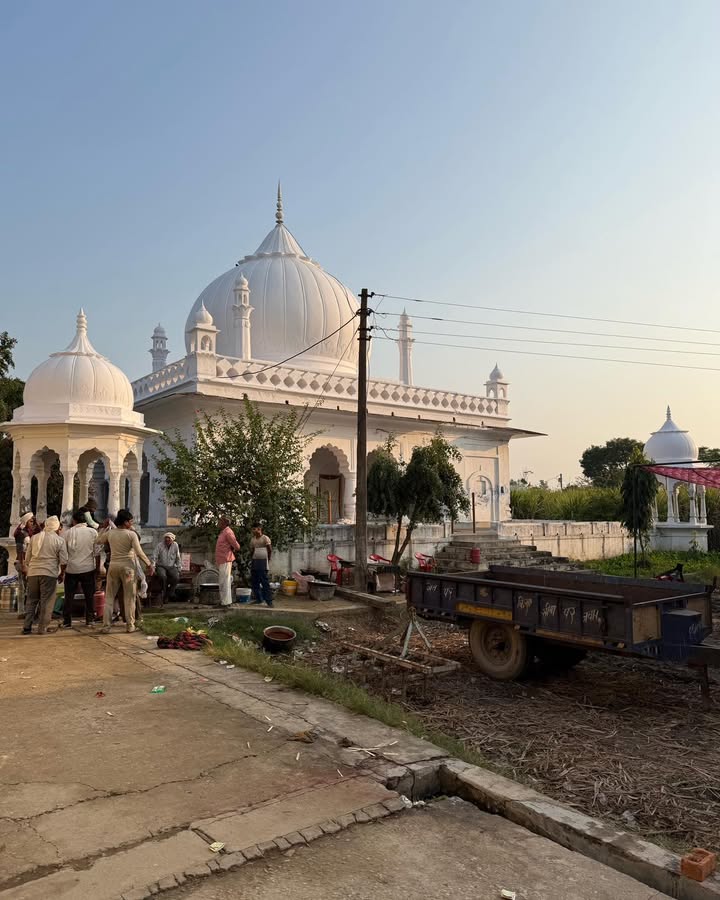
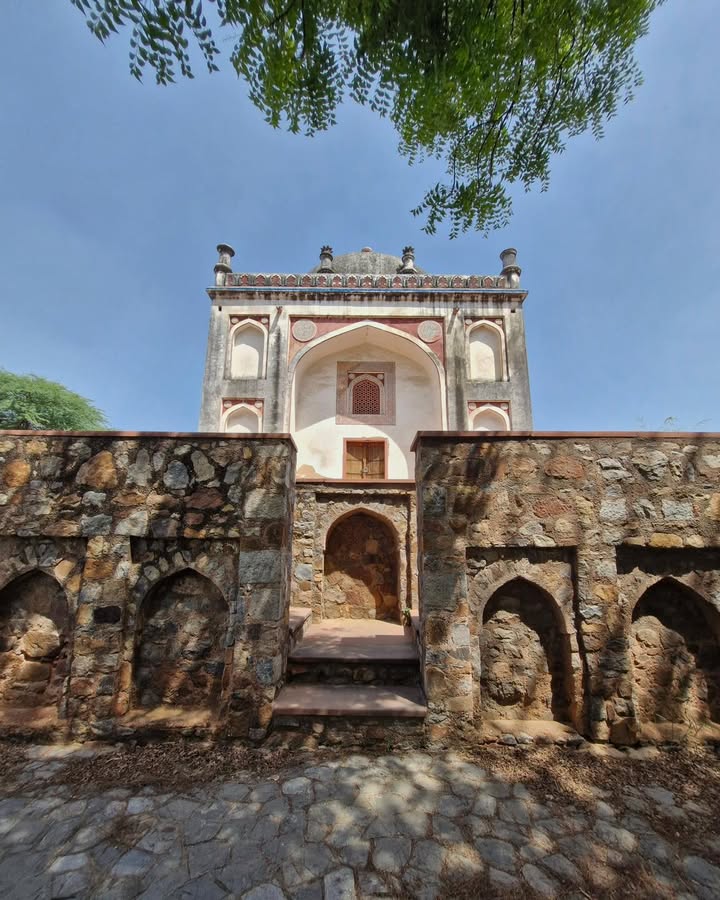
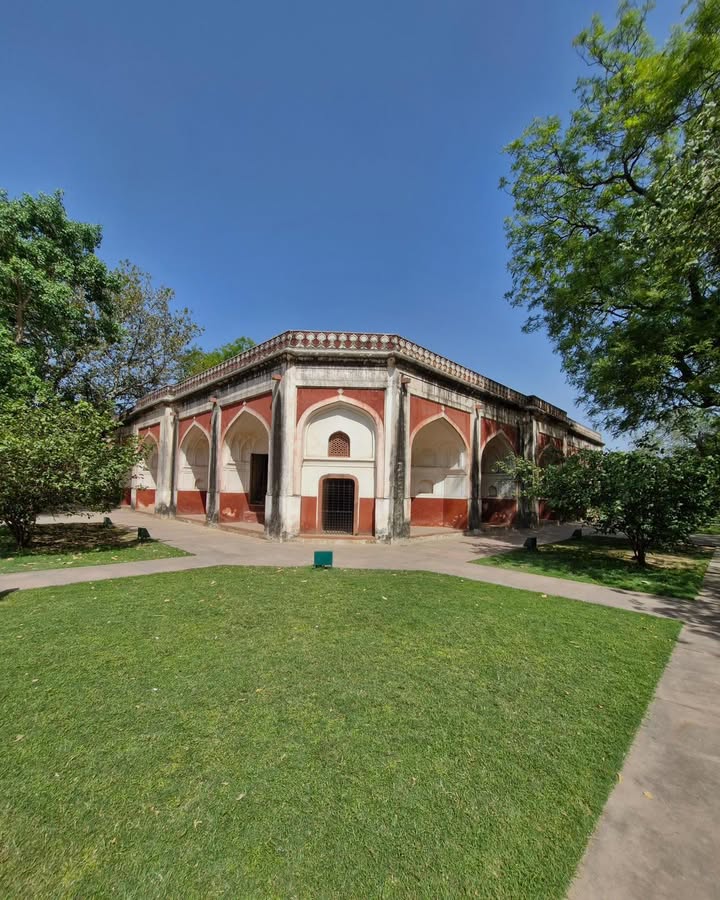
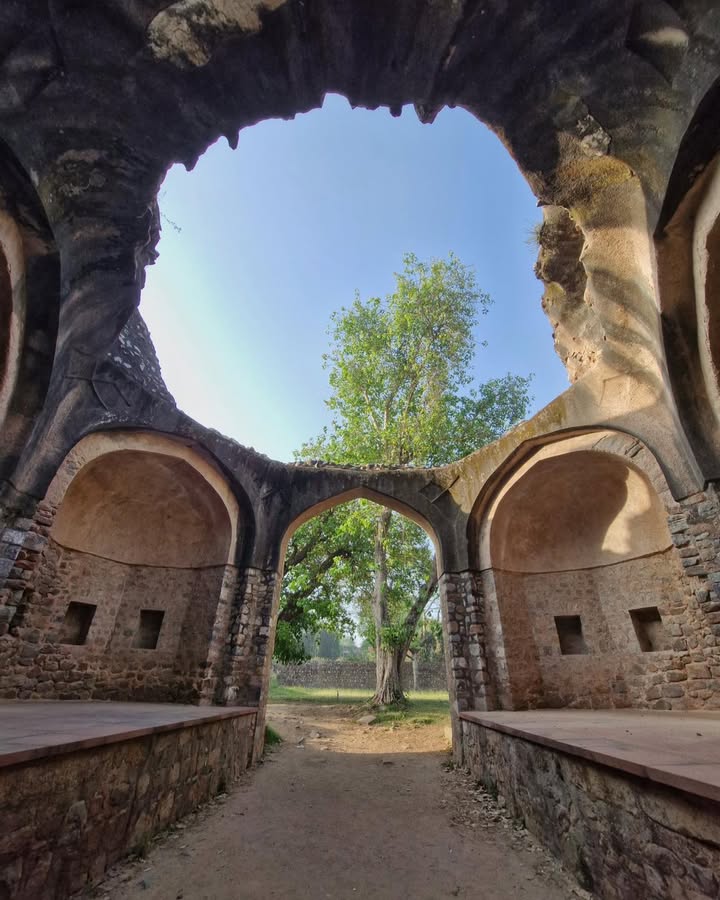
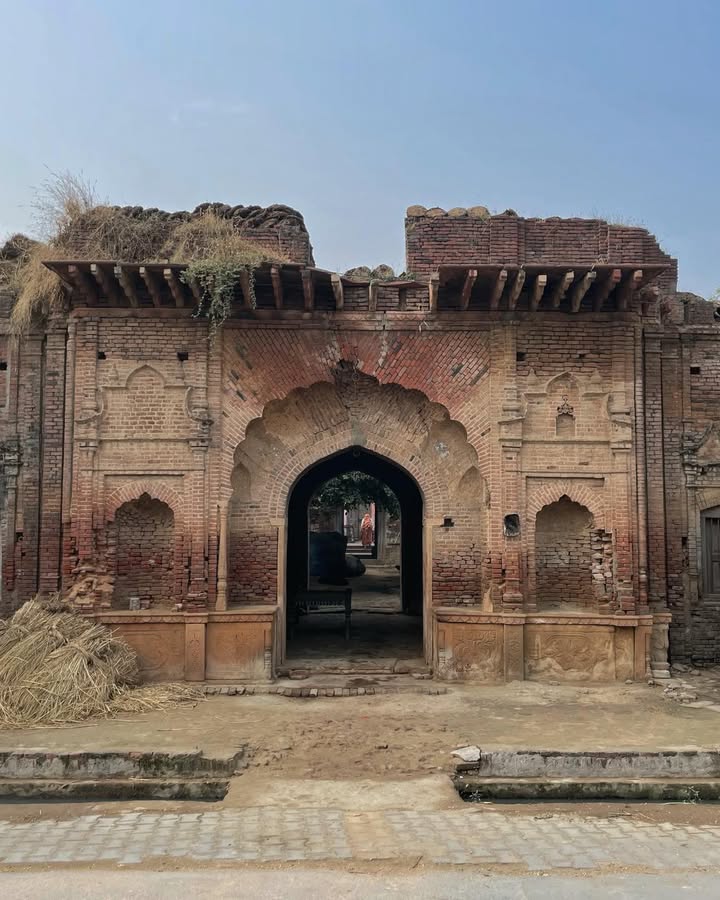
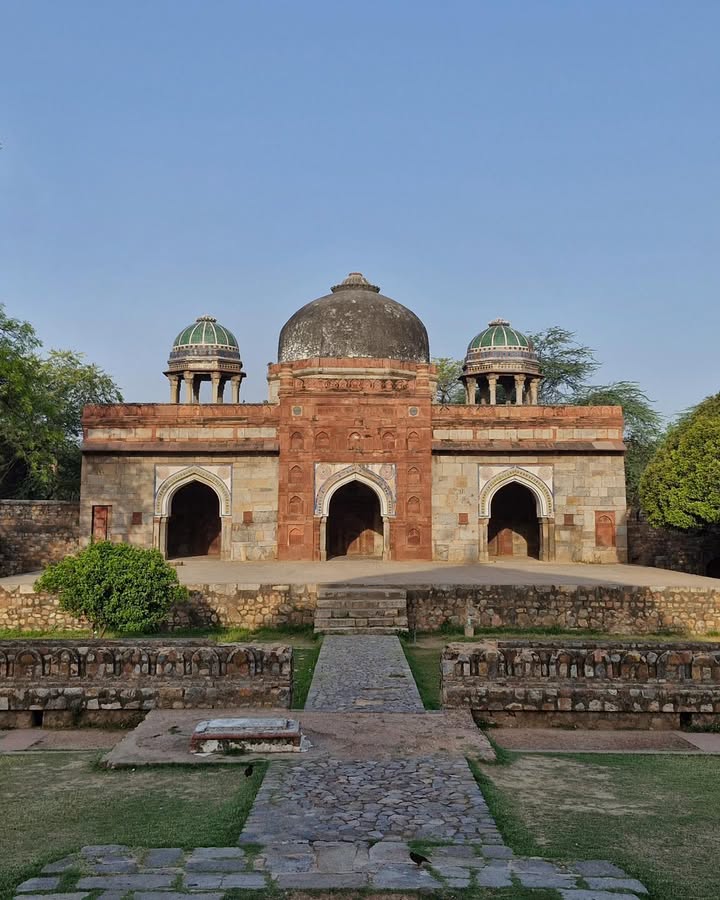
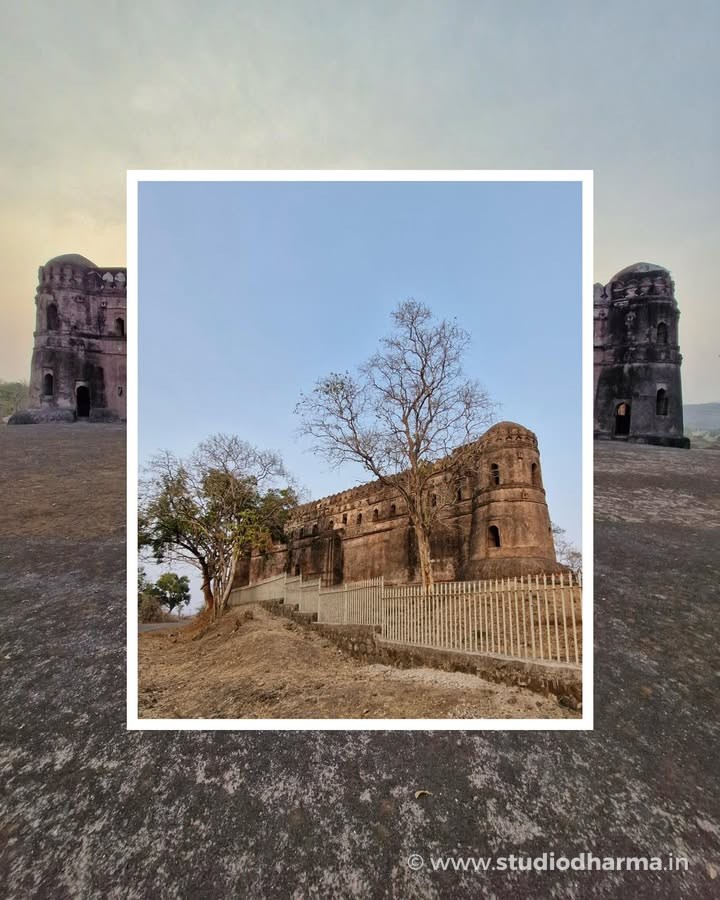
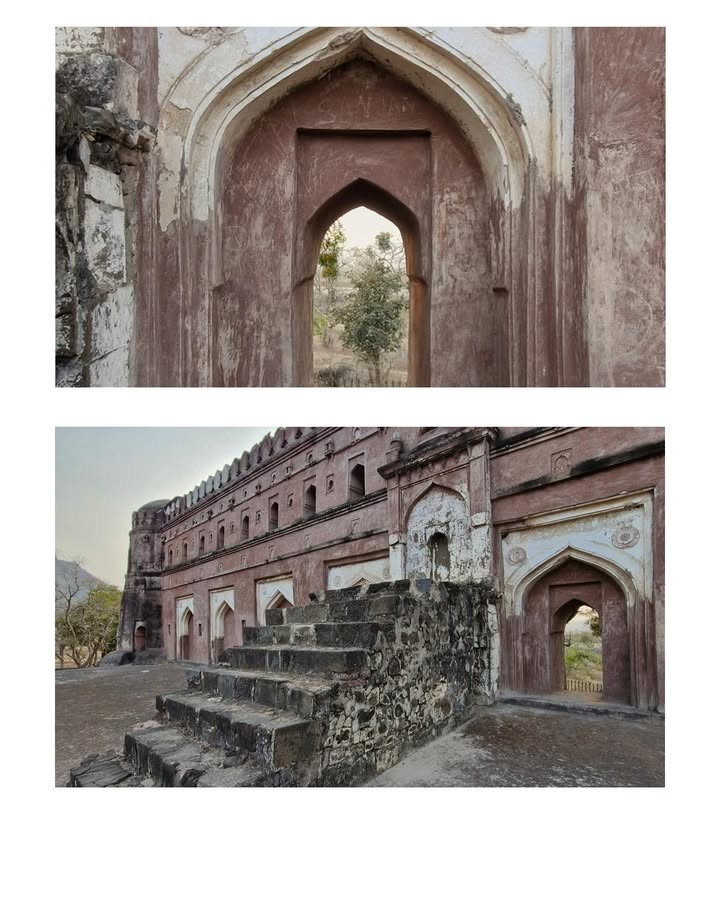
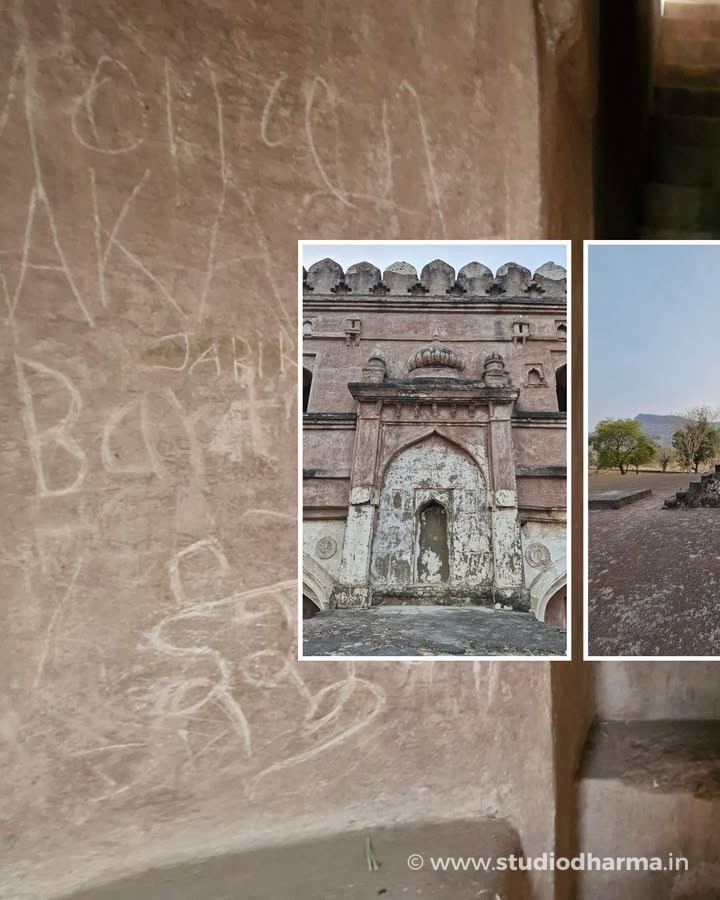
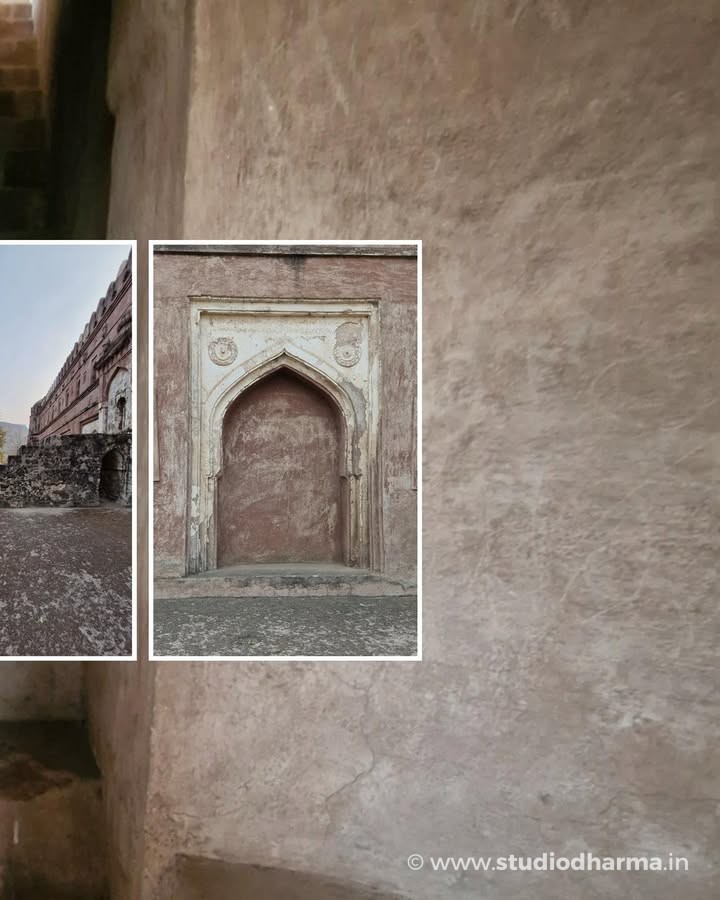
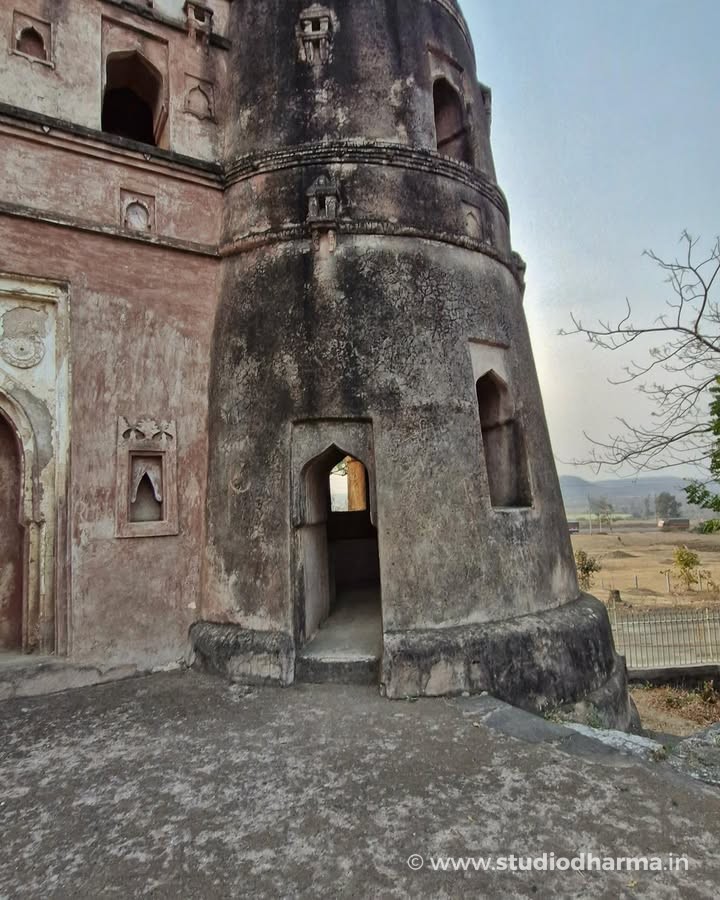
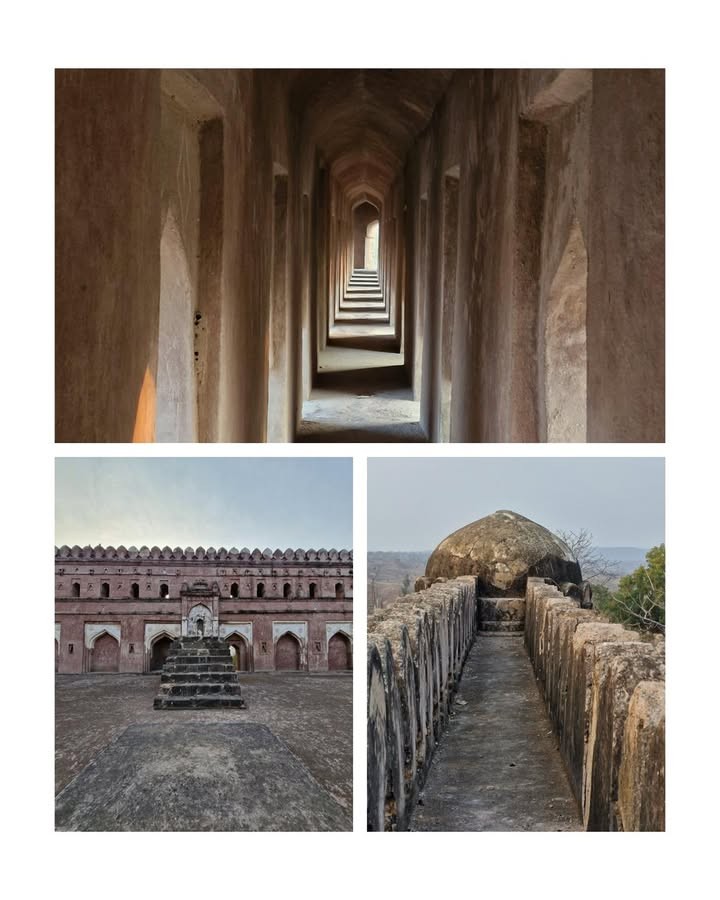
At the foot of the mighty Asirgarh Fort, often called the “Gateway to the Deccan,” lies a structure that speaks not through grandeur, but through silence — an abandoned Idgah, weathered by nearly four centuries of time.
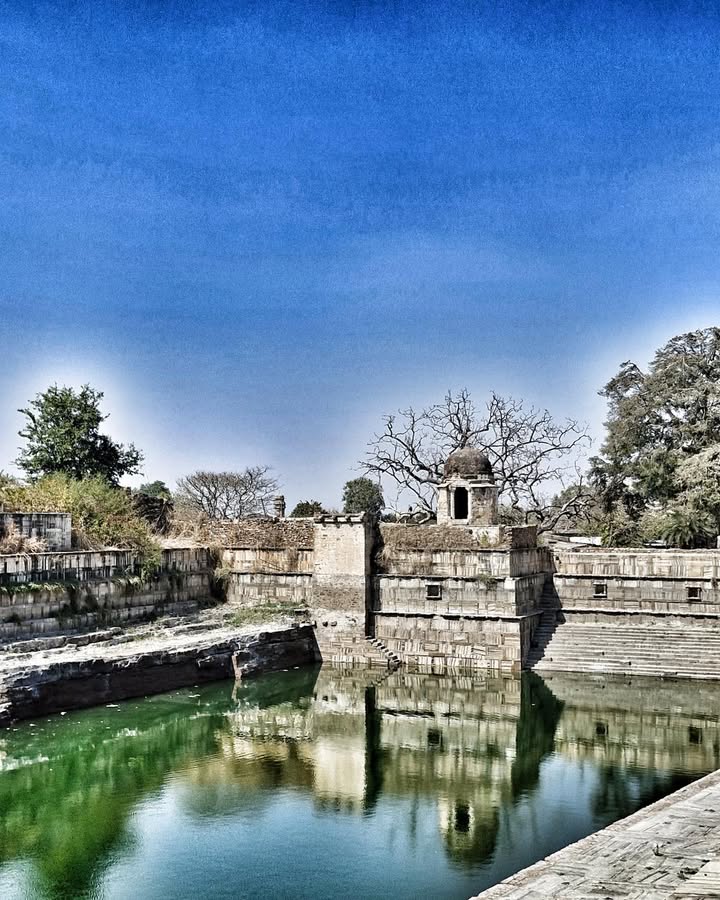
Just 25 kilometers from Burhanpur, this forgotten prayer ground stands where once life thrived. In the late 16th century, during the reign of Raja Ali Khan Faruqi, this region was not desolate but part of a flourishing settlement beneath the fortress. The Faruqi rulers, known for their architectural patronage, left behind remarkable monuments — including the Jama Masjid of Asirgarh and Burhanpur, both adorned with rare bilingual inscriptions in Arabic and Sanskrit.
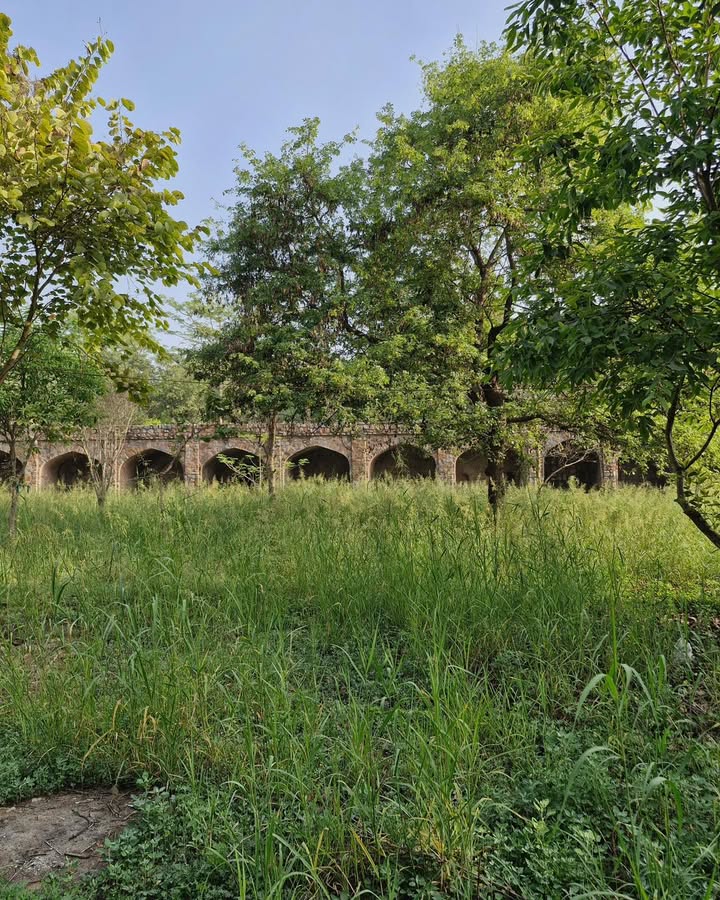
Though no surviving inscription directly confirms the builder of this Idgah, its style and location strongly suggest a connection to the Faruqi period. Supporting this, Abul Fazl in the Ain-i-Akbari describes a substantial town existing below the fort — a town that has now vanished into history.
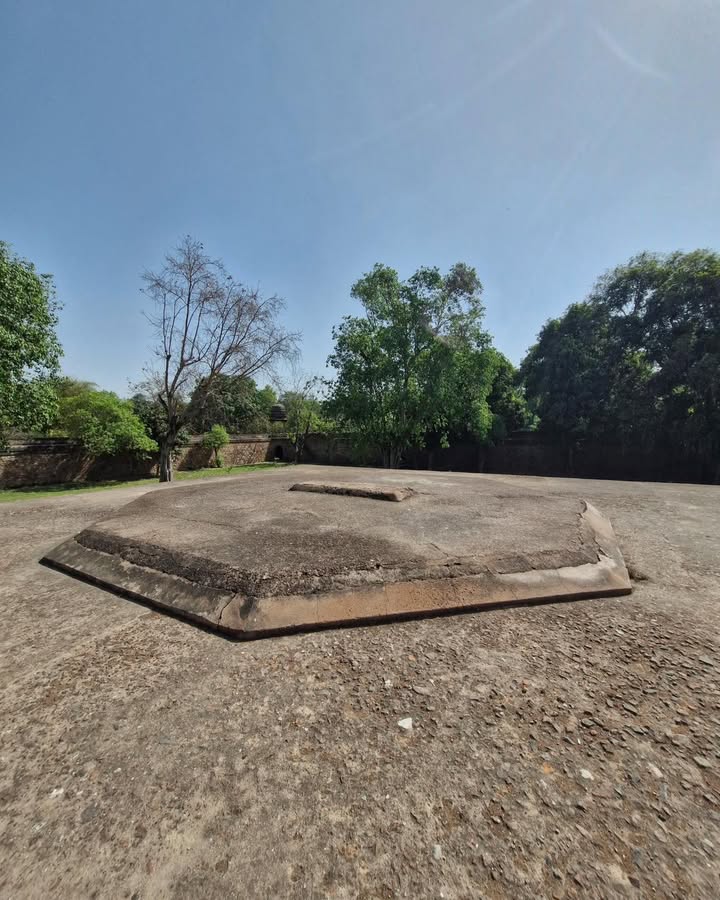
What remains today is this quiet Idgah — once a gathering place for communal prayers, now surrounded by stillness. As empires changed hands — from the Faruqis to the Mughals in 1601, then to the Marathas, and eventually the British — the fort above witnessed battles and power shifts, while this Idgah silently endured below.
Its worn walls and open expanse are not just ruins; they are fragments of a lost settlement, echoes of forgotten footsteps, and a reminder that history does not always disappear — sometimes, it simply fades into silence.
If you stand here long enough, you don’t just see history — you feel it.
Discover more such forgotten stories of Meerut in the premium coffee table book ITIHASNAMA by StudioDharma.
Order your copy here:
असीरगढ़ का भूला-बिसरा ईदगाह – एक खोए हुए नगर की ख़ामोश गवाही
असीरगढ़ किले की तलहटी में, जिसे “दक्कन का द्वार” कहा जाता है, एक ऐसा ढांचा खड़ा है जो अपनी भव्यता से नहीं, बल्कि अपनी खामोशी से इतिहास कहता है — एक परित्यक्त ईदगाह, जो लगभग चार सदियों से समय की मार झेल रहा है।
बुरहानपुर से लगभग 25 किलोमीटर दूर स्थित यह स्थान कभी वीरान नहीं था। 16वीं शताब्दी के उत्तरार्ध में, जब राजा अली खान फारूकी का शासन था, तब यह क्षेत्र किले के नीचे बसे एक समृद्ध नगर का हिस्सा हुआ करता था। फारूकी शासक स्थापत्य कला के संरक्षक माने जाते हैं — असीरगढ़ और बुरहानपुर की जामा मस्जिदें इसका प्रमाण हैं, जिन पर अरबी और संस्कृत दोनों भाषाओं में शिलालेख मिलते हैं।
हालाँकि इस ईदगाह के निर्माण का कोई स्पष्ट शिलालेख नहीं मिलता, लेकिन इसकी शैली और स्थान इसे फारूकी काल से जोड़ते हैं। अबुल फ़ज़ल ने अपनी पुस्तक ‘आइने-अकबरी’ में किले के नीचे बसे एक बड़े नगर का उल्लेख किया है — एक ऐसा नगर जो अब इतिहास में खो चुका है।
आज जो बचा है, वह यह शांत ईदगाह है — जहाँ कभी सामूहिक नमाज़ अदा की जाती थी, वहाँ अब सन्नाटा पसरा है। समय के साथ जब किले पर फारूकी, मुग़ल (1601), मराठा और अंततः अंग्रेजों का अधिकार हुआ, तब यह ईदगाह हर बदलाव की गवाह बनी रही।
इसकी जर्जर दीवारें केवल खंडहर नहीं हैं, बल्कि एक खोई हुई बस्ती के अवशेष हैं — बीते समय की आहटें और यह याद दिलाती हैं कि इतिहास कभी पूरी तरह मिटता नहीं, वह बस खामोश हो जाता है।
अगर आप यहाँ कुछ देर ठहरें, तो इतिहास सिर्फ दिखाई नहीं देता — महसूस होता है।
मेरठ की ऐसी ही भूली-बिसरी कहानियों को जानने के लिए StudioDharma की प्रीमियम कॉफी टेबल बुक ITIHASNAMA देखें।
अपनी प्रति यहाँ से ऑर्डर करें: