










Kirti Stambh, Chittorgarh – The Silent Tower of Jain Glory.
Kirti Stambh, Chittorgarh – The Silent Tower of Jain Glory.
There are monuments that celebrate victory… and then there are those that preserve faith.
Inside the vast expanse of Chittorgarh Fort, long before the towering presence of Vijay Stambha, another structure quietly rose — not for kings, but for devotion.
The Kirti Stambh.
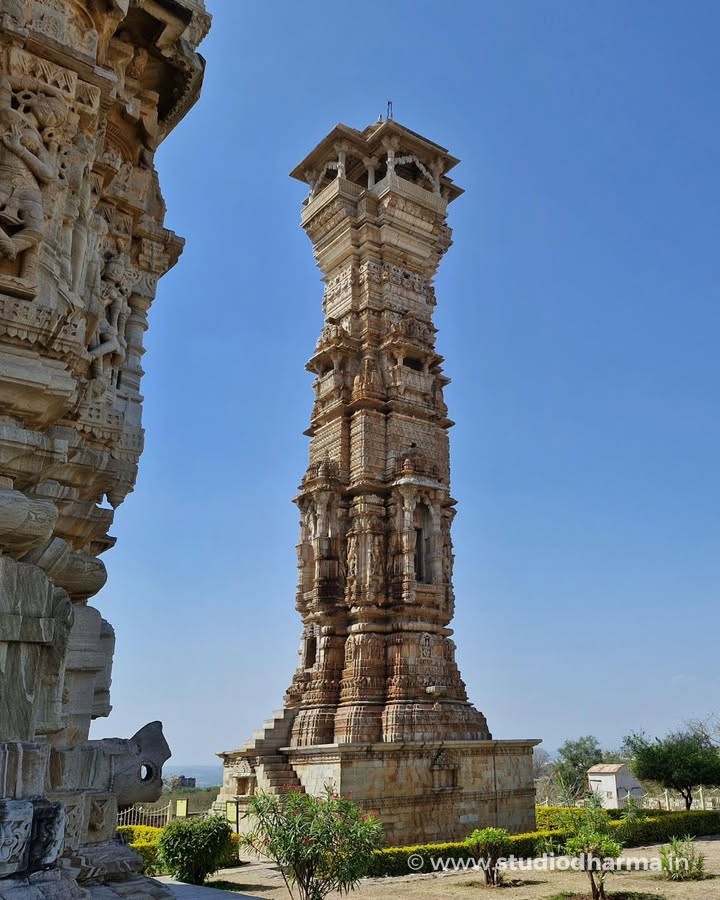
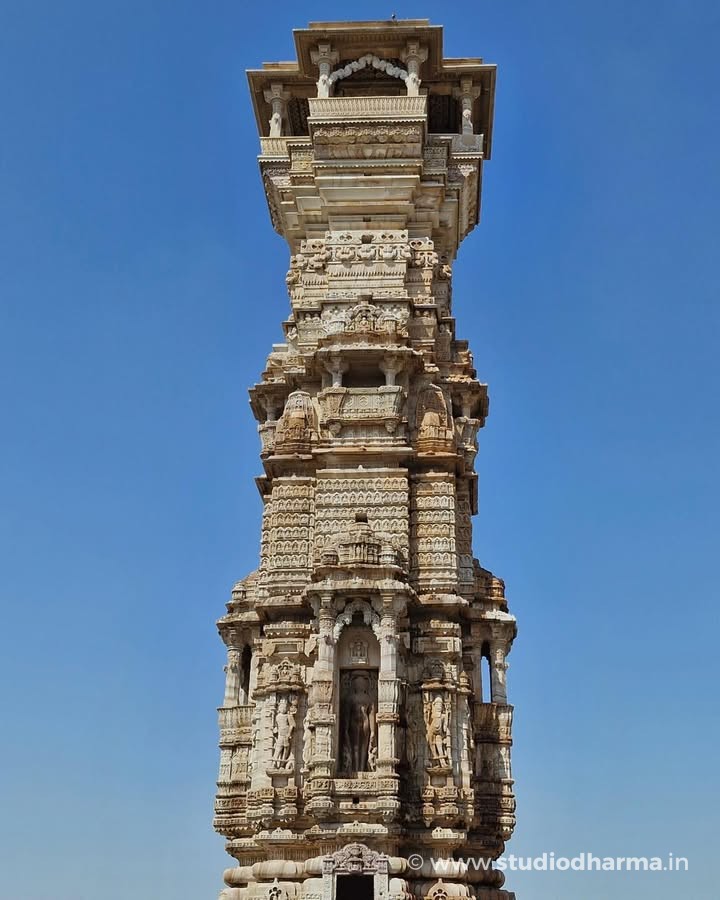
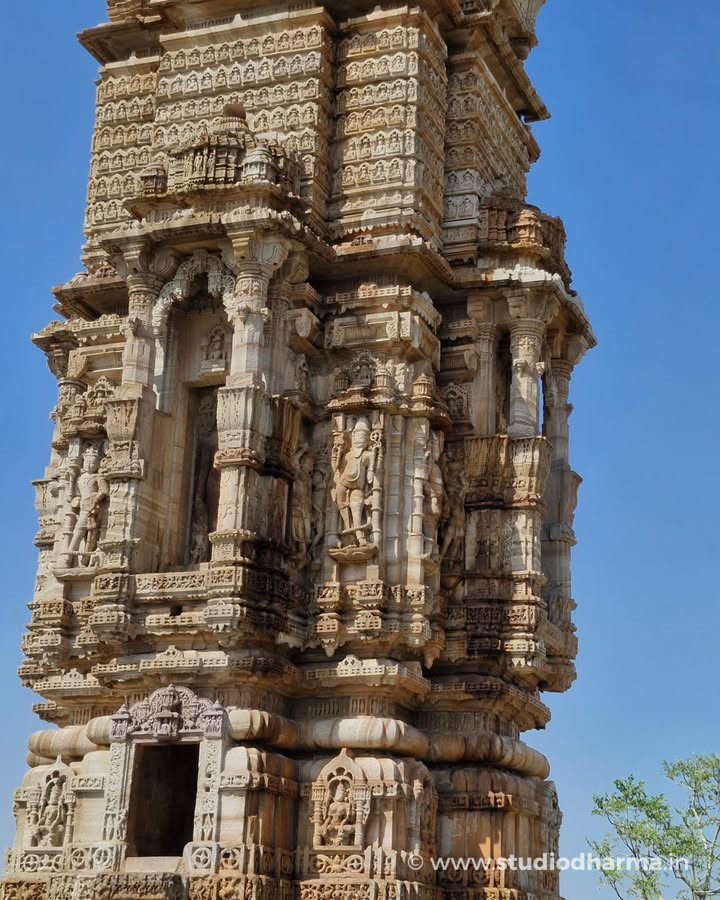
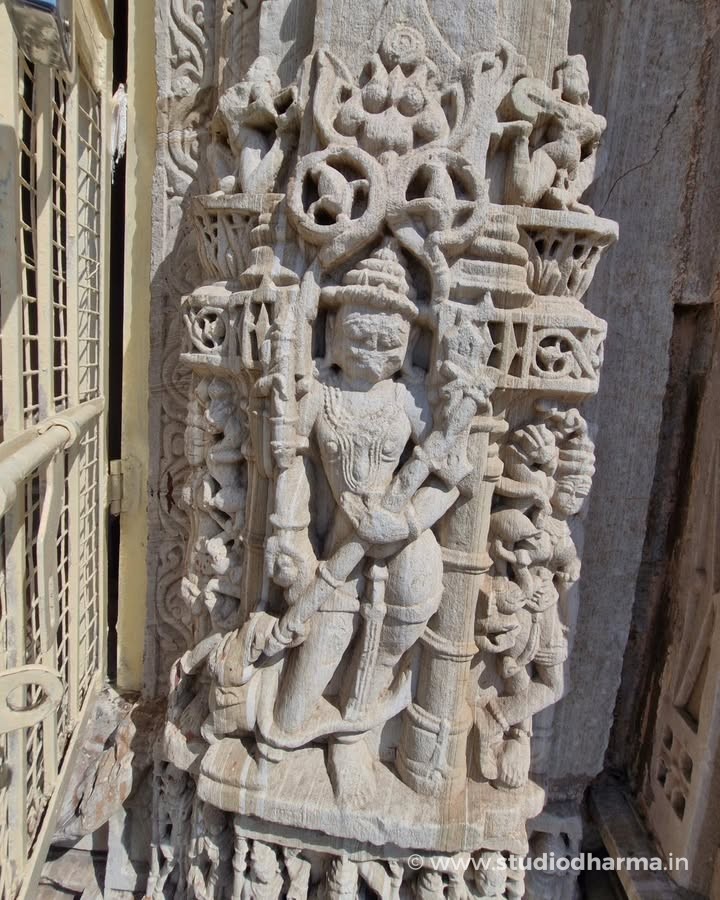
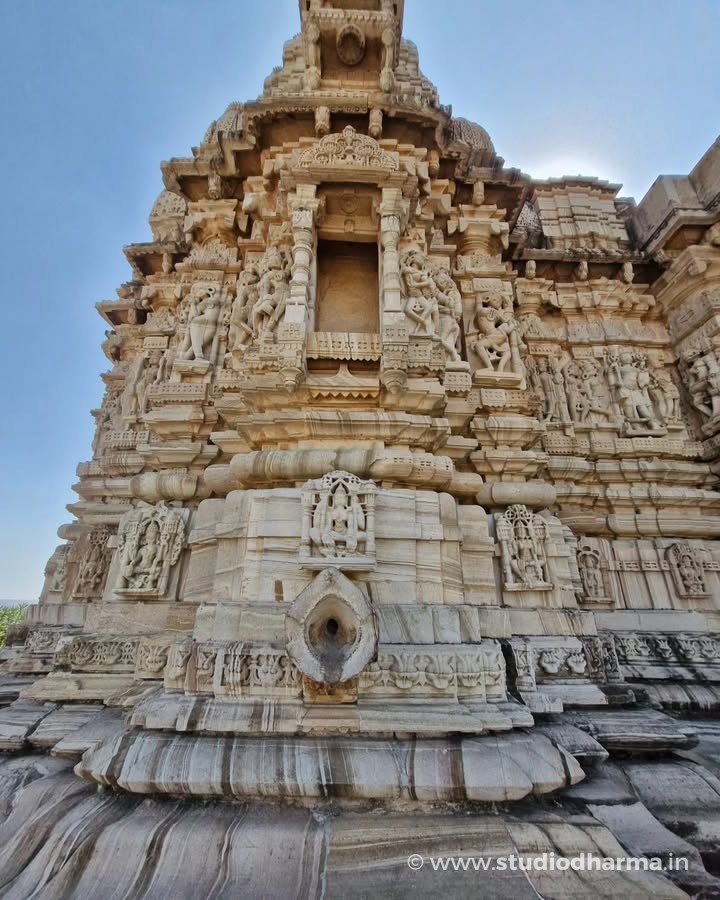
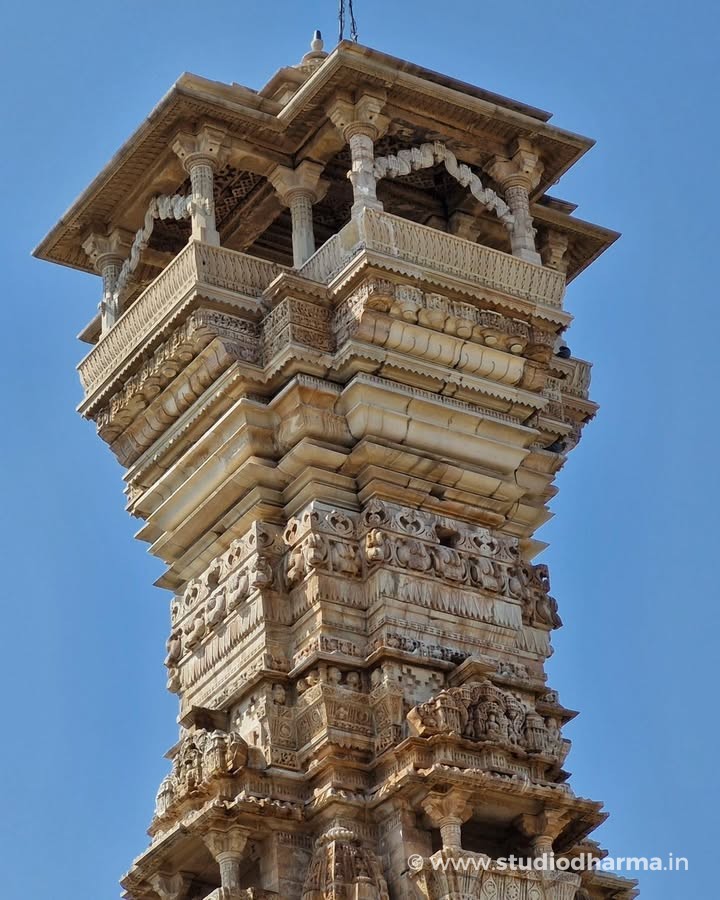
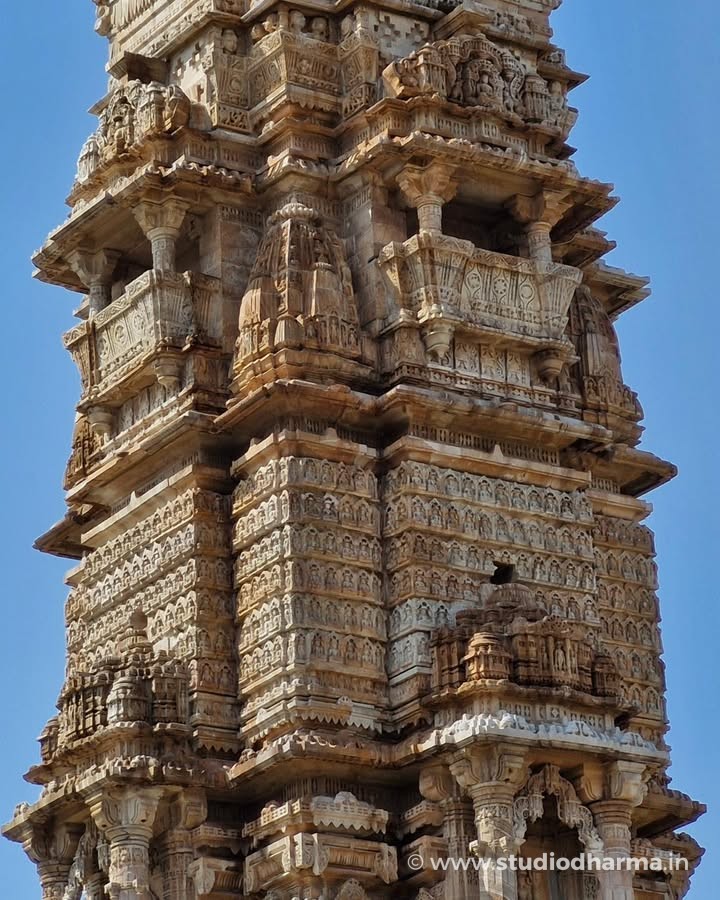
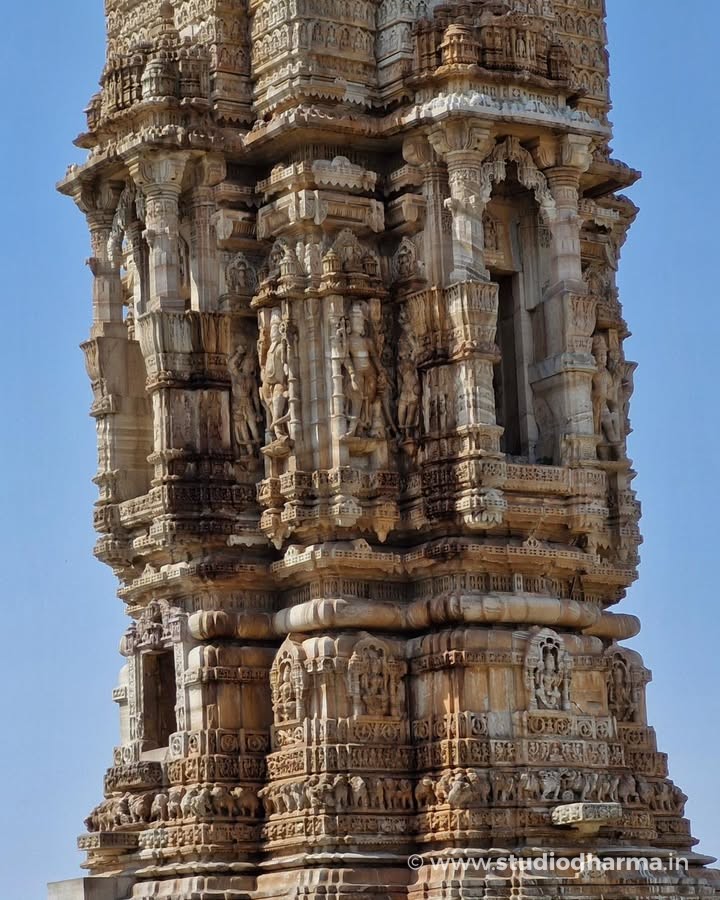
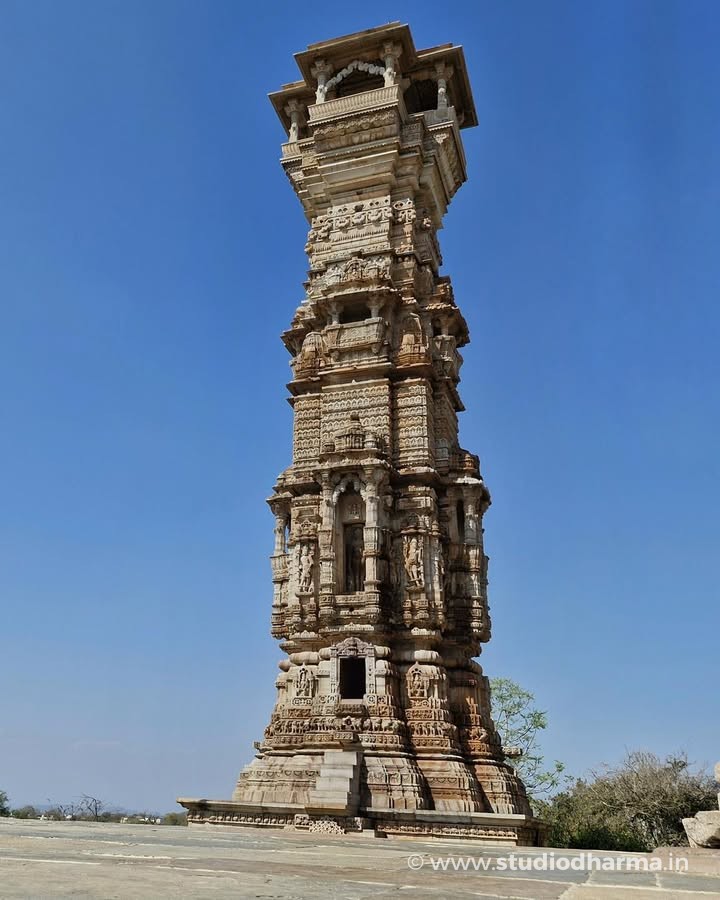
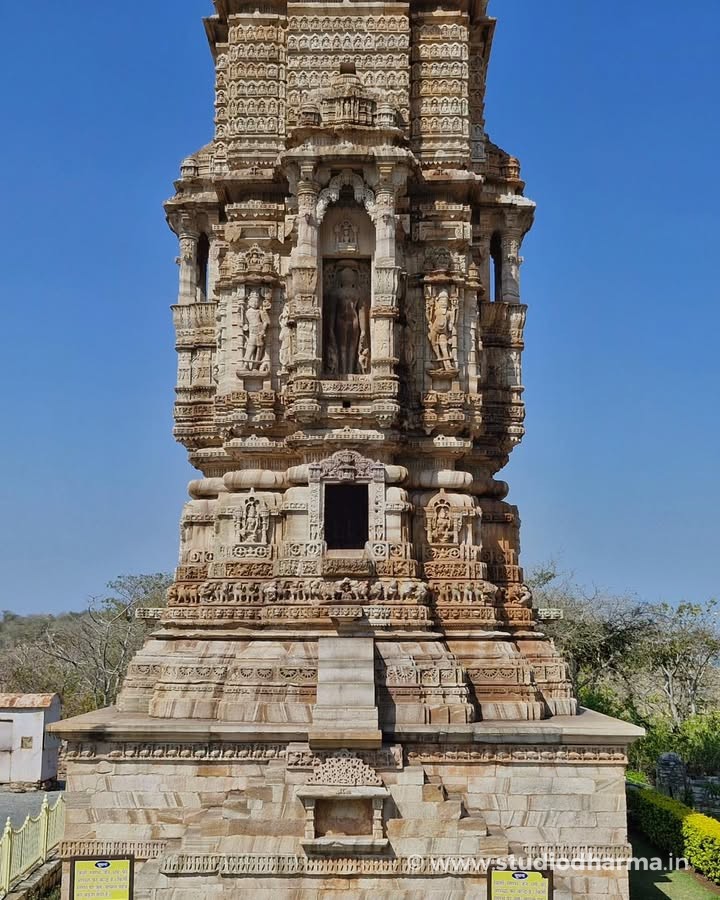
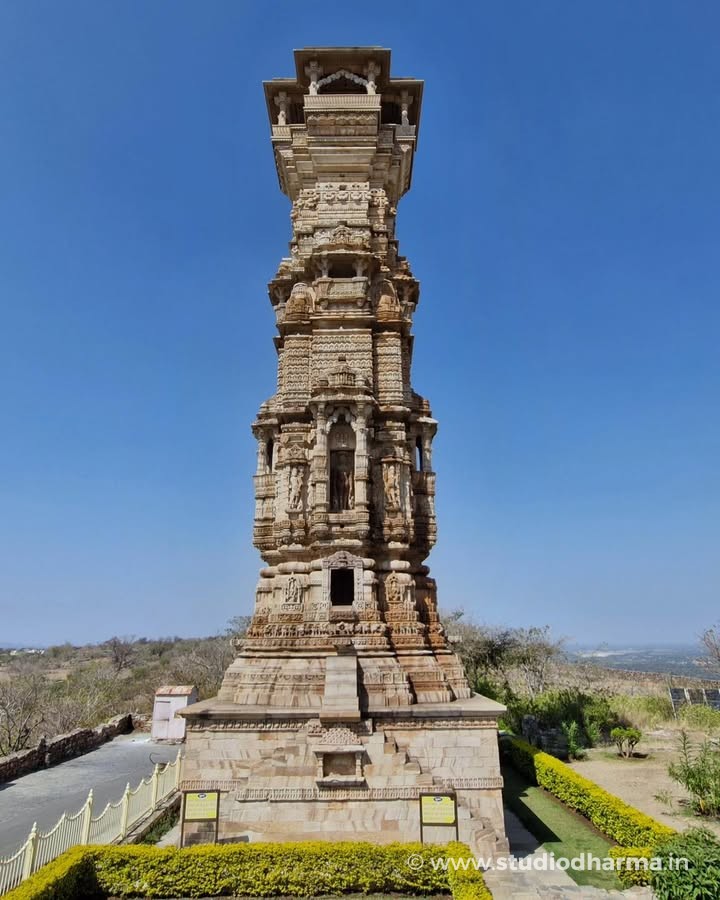
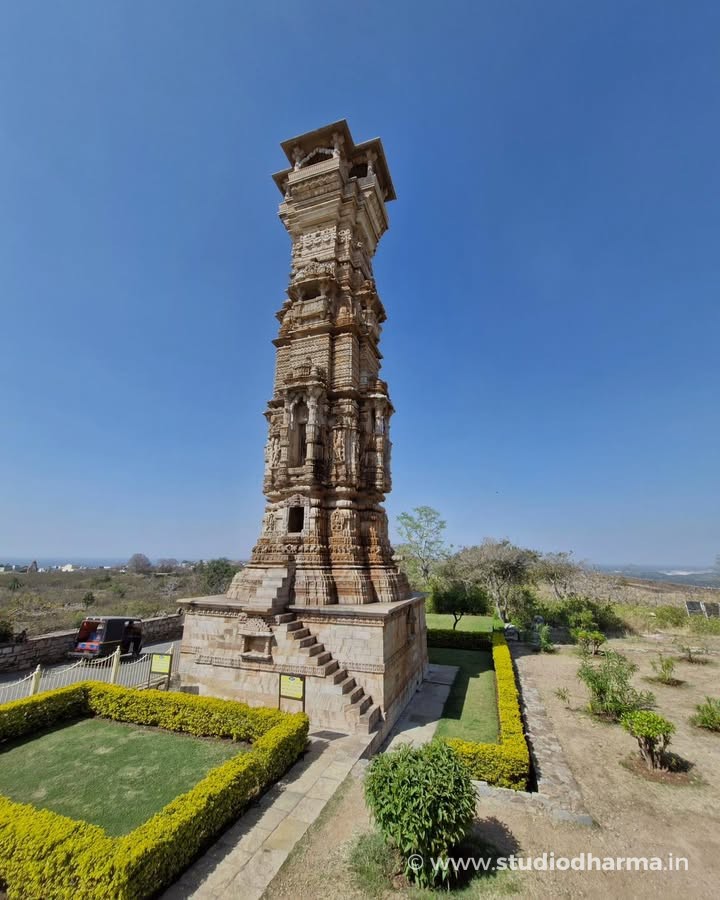
Standing about 22 meters high, this seven-storey tower was commissioned in the late 12th century by a Jain merchant, Jeeja Bhagerwala, during the reign of Rawal Kumar Singh. Built in the intricate Solanki architectural style, every inch of this tower speaks — not of conquest, but of devotion.
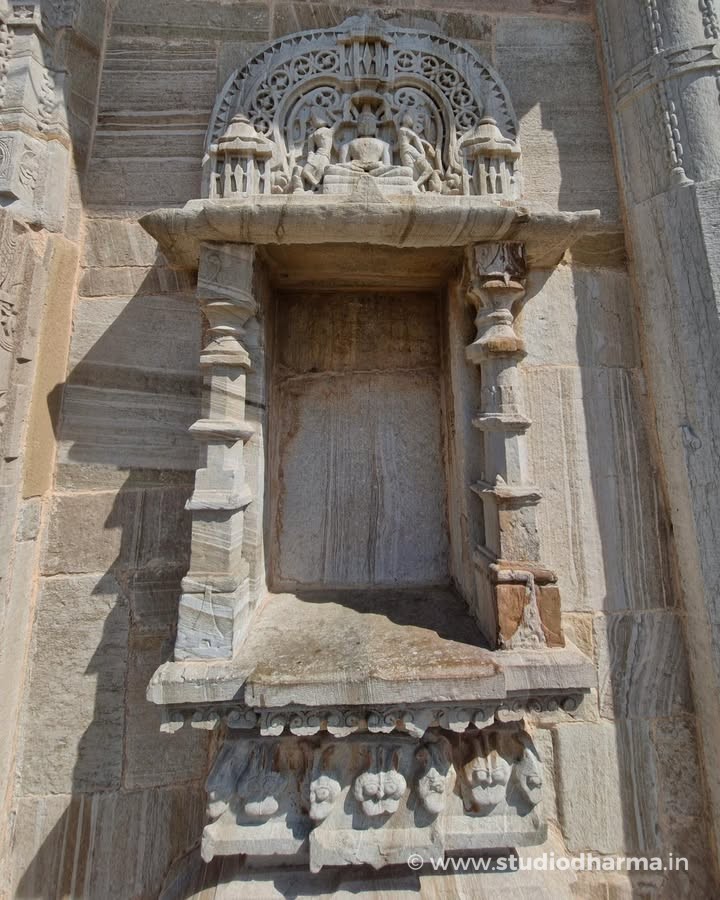
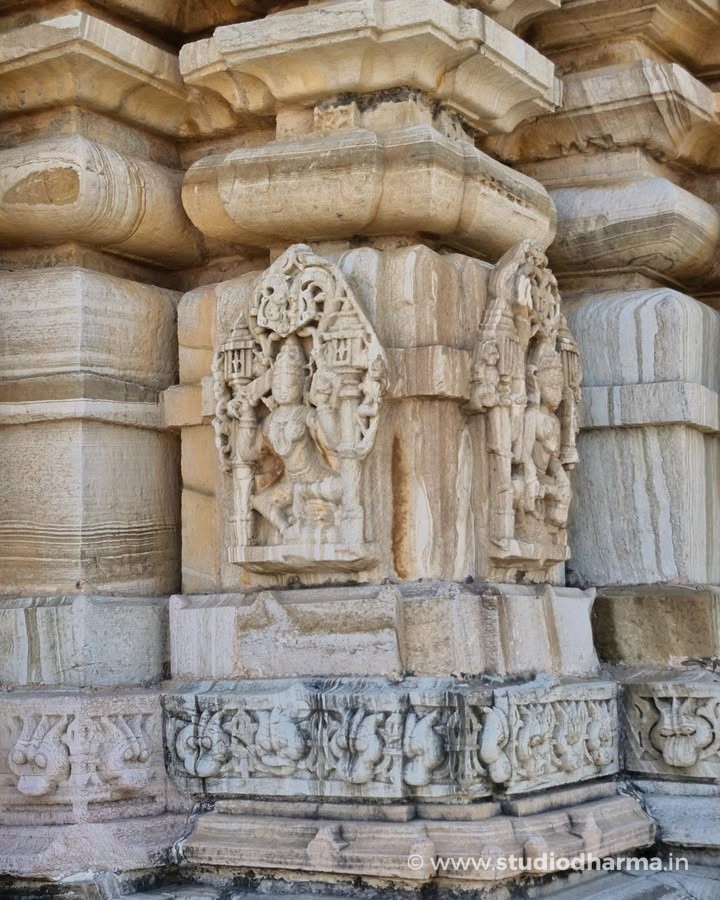
Its walls are adorned with detailed carvings, and within its niches once stood life-sized images of Bhagwan Rishabhanatha, the first Tirthankara. This was not just a monument — it was a vertical expression of Jain philosophy, rising layer by layer towards liberation.
But the story of Chittor runs even deeper.
Long before Rajput valour defined this land, it was a thriving centre of Jain learning. Nearby lay the ancient city of Madhyamika, and inscriptions from the Kushana period refer to this region as a major Jain hub. It is believed that Acharya Haribhadra Suri, one of Jainism’s greatest scholars, was born here in the 6th century, while later, Virasena composed profound texts that shaped Jain philosophy.
Kirti Stambh thus stands not alone — it stands on centuries of intellectual and spiritual legacy.
From the 15th to 17th century, it even served as the seat of a Bhattaraka, continuing its role as a centre of Jain authority.
Today, as visitors walk past it, many barely pause.
Perhaps because it does not announce itself like the Vijay Stambha.
It simply stands… quietly carrying the weight of a forgotten scholarly past.
A tower not of victory — but of knowledge, faith, and identity.
Discover more such untold stories in our premium coffee table book ITIHASNAMA by StudioDharma, featuring 25 curated heritage stories of Meerut.
Order your copy here:
कीर्ति स्तंभ, चित्तौड़गढ़ – जैन आस्था का मौन स्तंभ
कुछ स्मारक विजय की कहानी कहते हैं… और कुछ आस्था की।
चित्तौड़गढ़ किला के विशाल परिसर में, विजय स्तंभ के बनने से भी पहले एक और स्तंभ खड़ा हुआ — राजाओं के लिए नहीं, बल्कि श्रद्धा के लिए।
कीर्ति स्तंभ।
लगभग 22 मीटर ऊँचा यह सात मंज़िला स्तंभ 12वीं शताब्दी के अंत में जैन व्यापारी जीजा बघेरवाल द्वारा, रावल कुमार सिंह के काल में बनवाया गया था। सोलंकी शैली में निर्मित यह स्तंभ अपने हर पत्थर में भक्ति और दर्शन की कहानी समेटे हुए है।
इसके कोनों और दीवारों पर सूक्ष्म नक्काशी है, और इसके भीतर भगवान ऋषभदेव की जीवन आकार की प्रतिमाएँ स्थापित थीं। यह केवल एक स्मारक नहीं था — यह जैन दर्शन की एक ऊर्ध्व यात्रा थी, जो आत्मा को मोक्ष की ओर ले जाने का प्रतीक बनती है।
लेकिन चित्तौड़ की कहानी इससे भी पुरानी है।
राजपूत वीरता से पहले, यह भूमि जैन विद्या और साधना का केंद्र रही। पास ही स्थित प्राचीन नगर मध्यमिका का उल्लेख कुषाण काल के अभिलेखों में मिलता है। यही वह भूमि है जहाँ 6वीं शताब्दी में आचार्य हरिभद्र सूरी का जन्म हुआ और 9वीं शताब्दी में वीरसेनाचार्य ने अपने ग्रंथों से जैन दर्शन को नई ऊँचाई दी।
इस तरह कीर्ति स्तंभ केवल एक संरचना नहीं, बल्कि सदियों पुरानी आध्यात्मिक और बौद्धिक परंपरा का प्रतीक है।
15वीं से 17वीं शताब्दी तक यह भट्टारकों का केंद्र भी रहा, जहाँ से जैन धर्म की परंपरा आगे बढ़ी।
आज जब लोग इसके पास से गुजरते हैं, तो अक्सर इसे नजरअंदाज कर देते हैं।
शायद इसलिए कि यह विजय स्तंभ की तरह ऊँची आवाज़ में नहीं बोलता।
यह बस चुपचाप खड़ा है… अपने भीतर इतिहास की गहराई लिए।
यह विजय का नहीं, बल्कि ज्ञान, आस्था और पहचान का स्तंभ है।
StudioDharma की प्रीमियम कॉफी टेबल बुक ITIHASNAMA में ऐसे ही 25 ऐतिहासिक स्थलों की कहानियाँ संजोई गई हैं।
अपनी प्रति यहाँ से प्राप्त करें: