












【 The Native House of the 13th Native Infantry, Lucknow 】.
【 The Native House of the 13th Native Infantry, Lucknow 】.
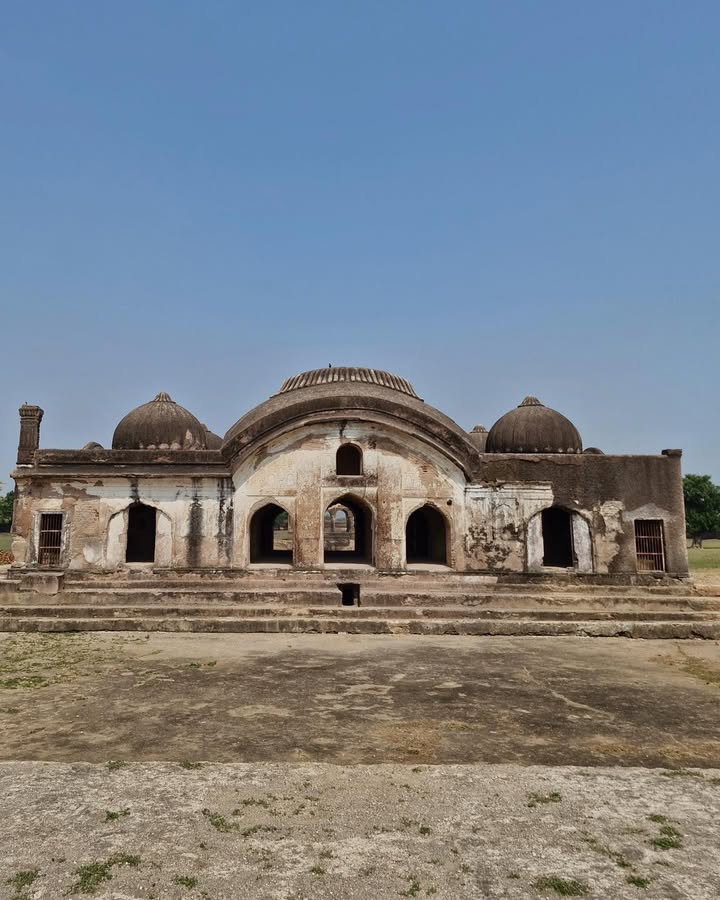
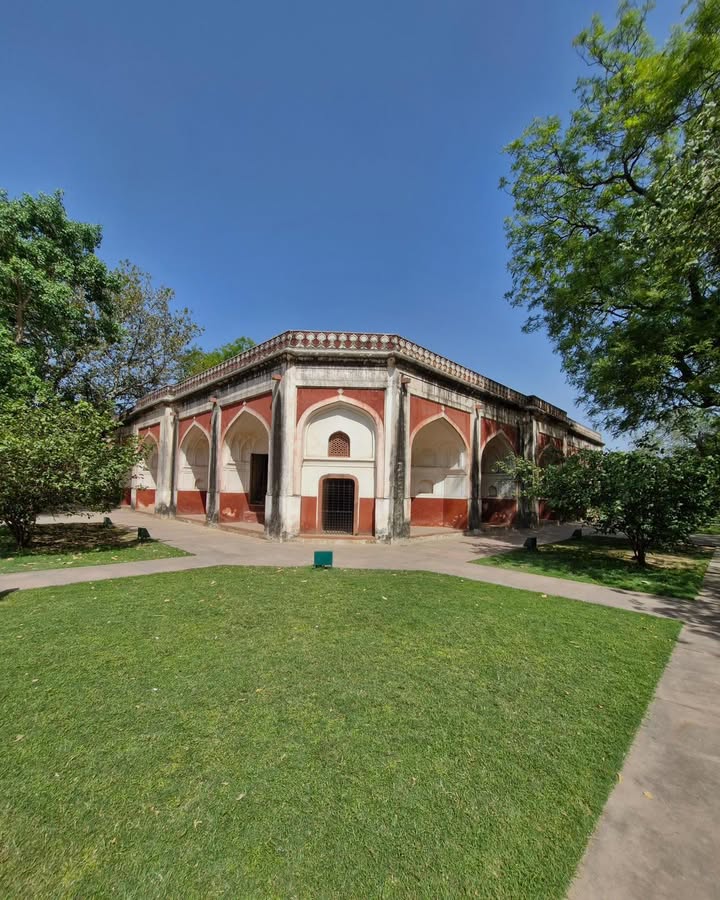
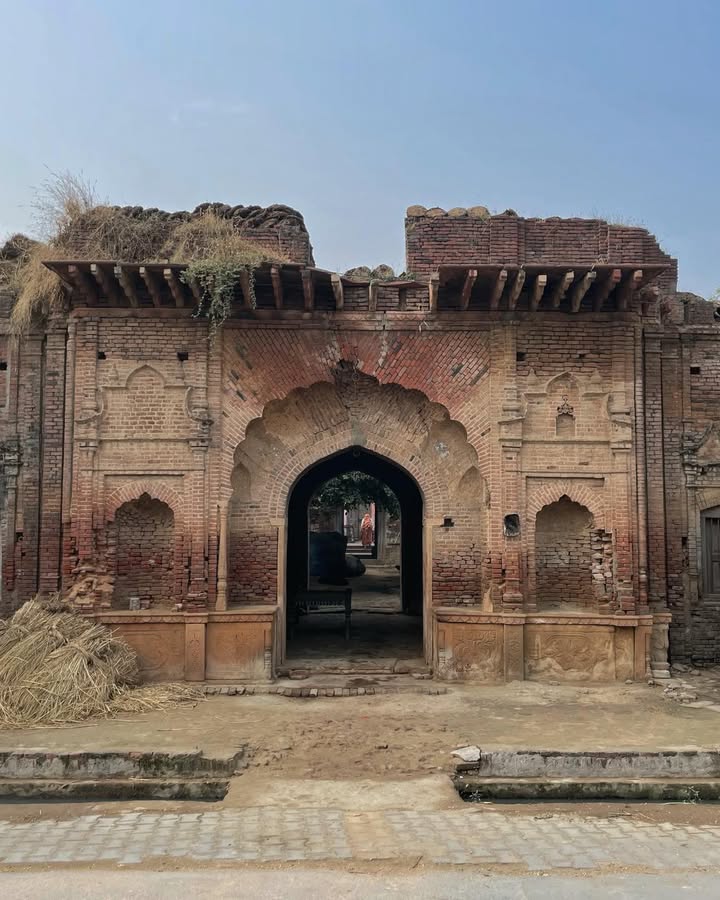
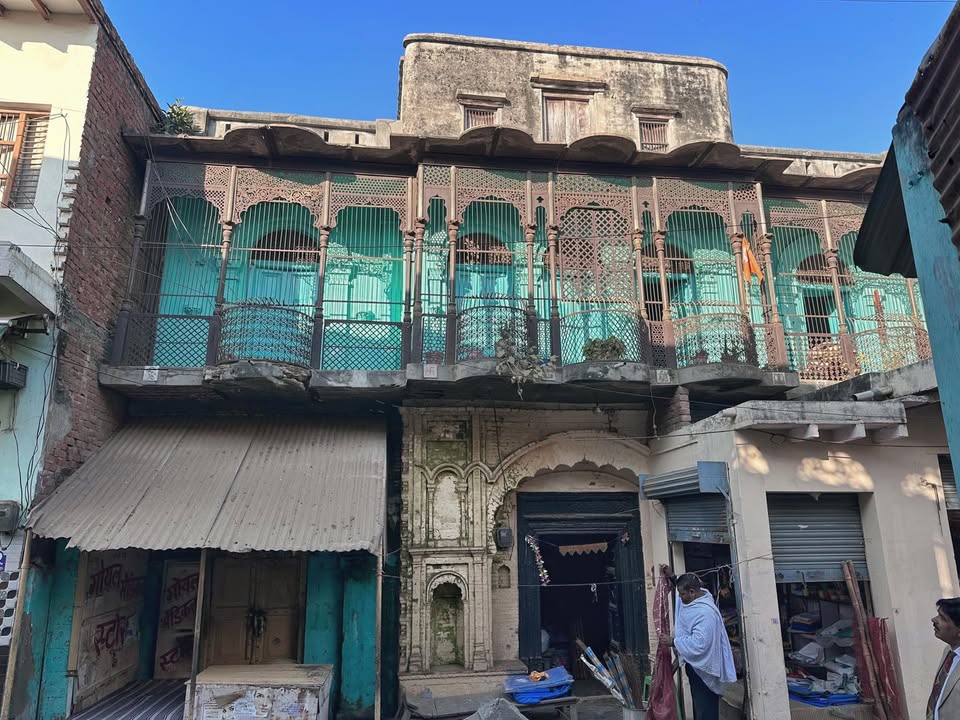
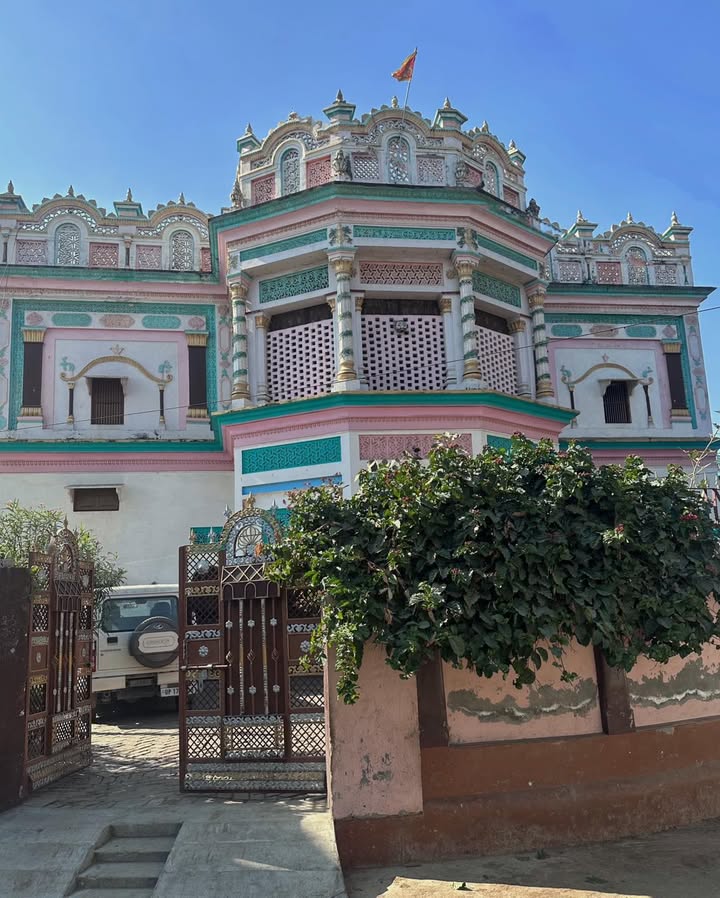
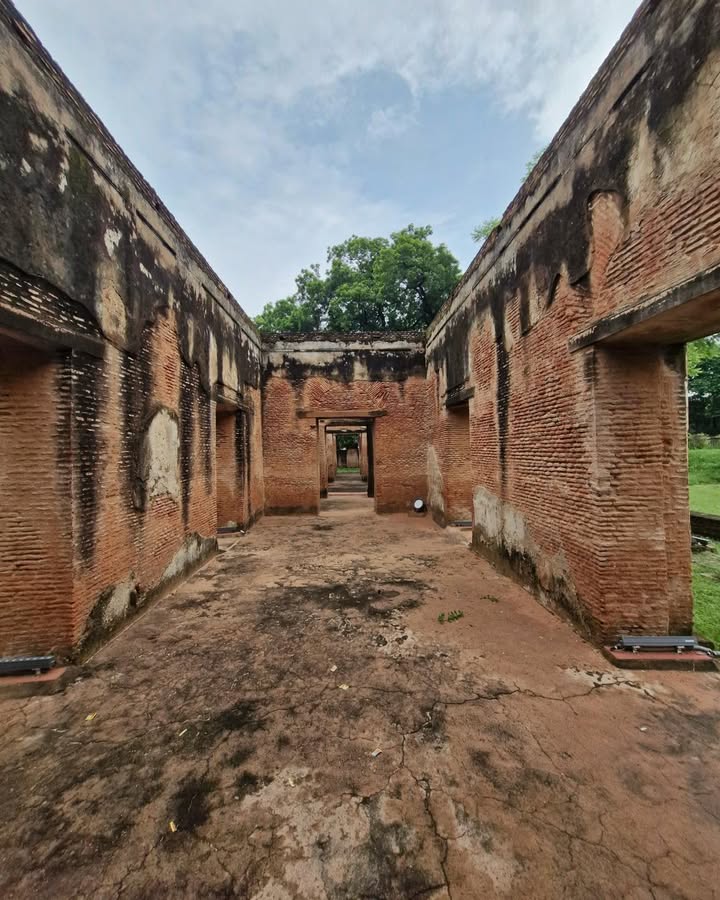
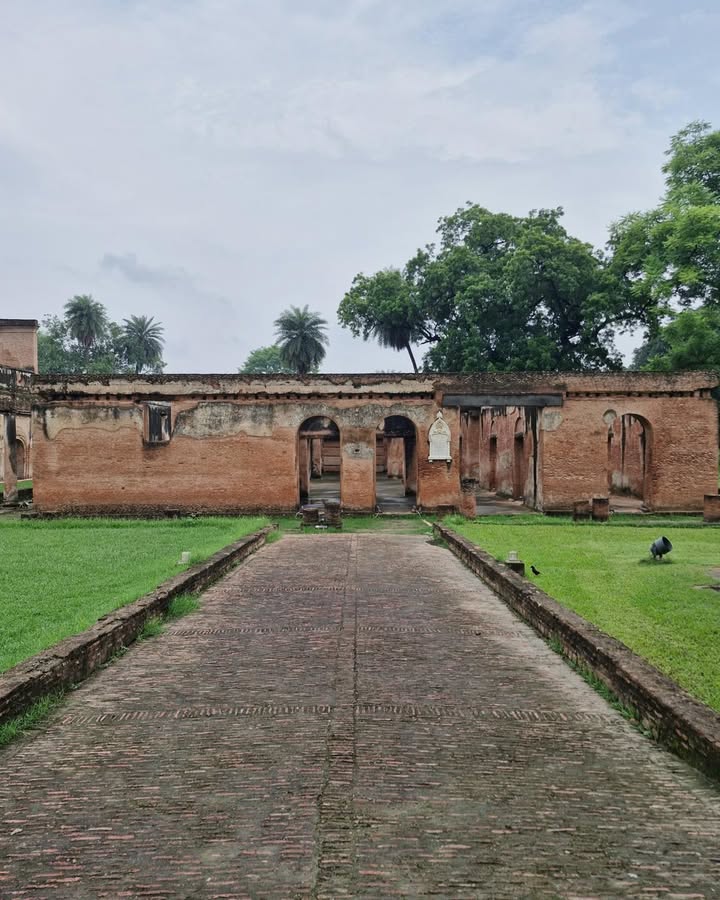
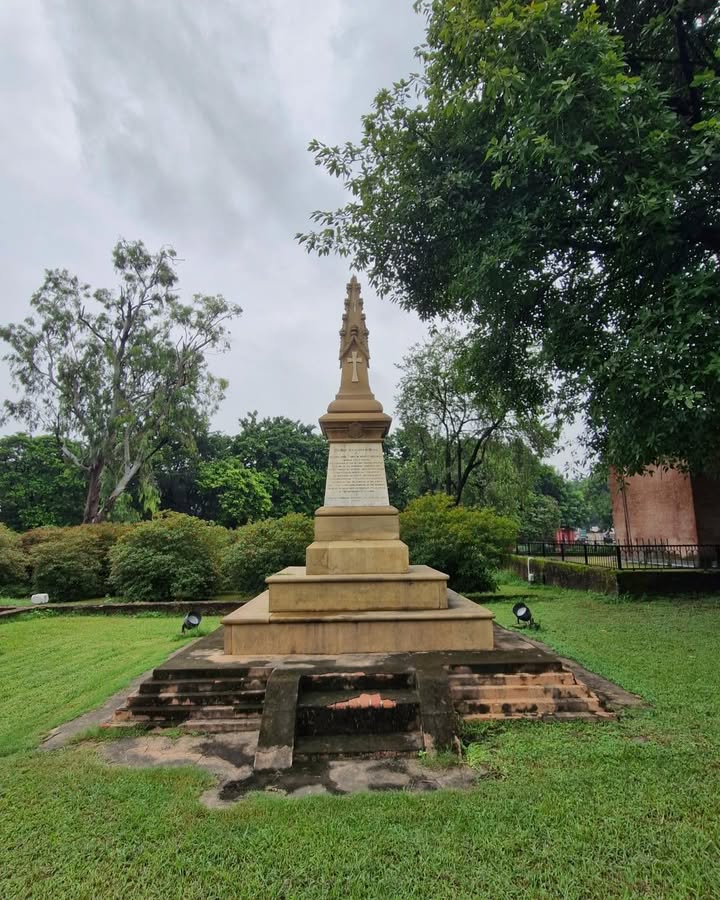
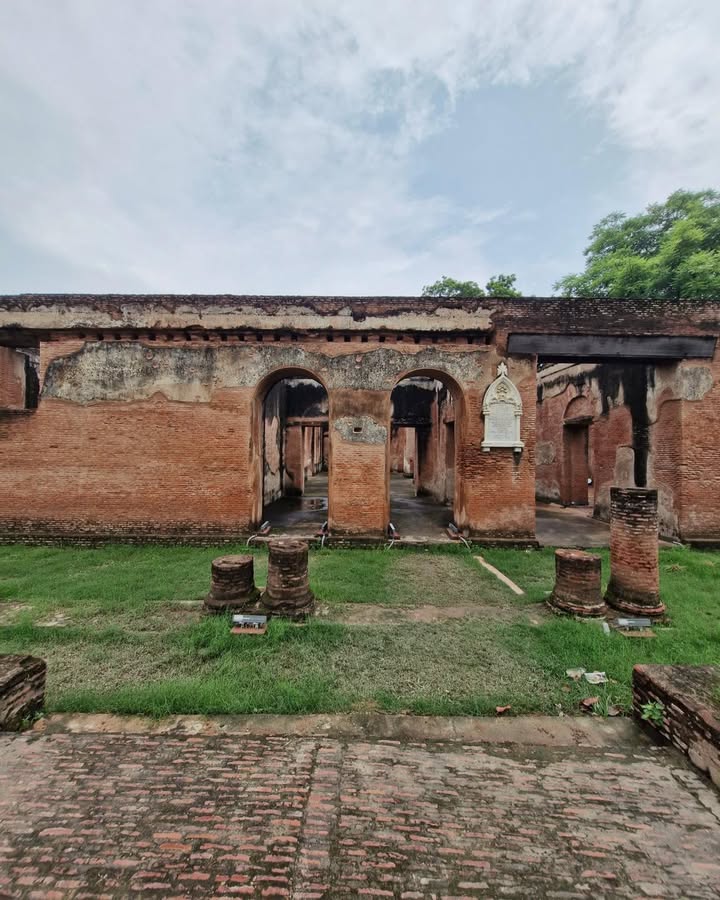
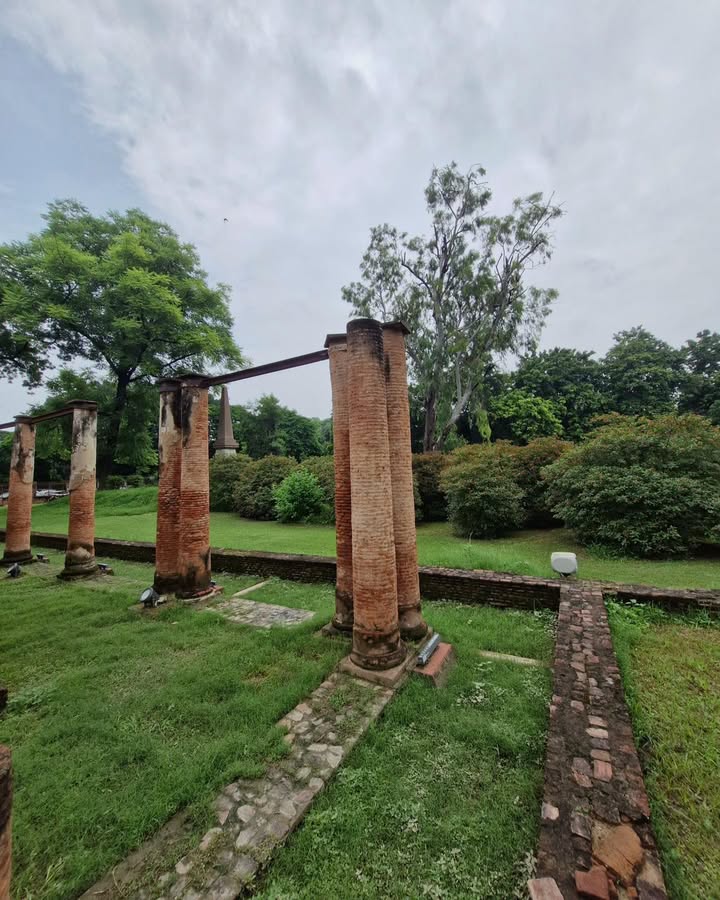
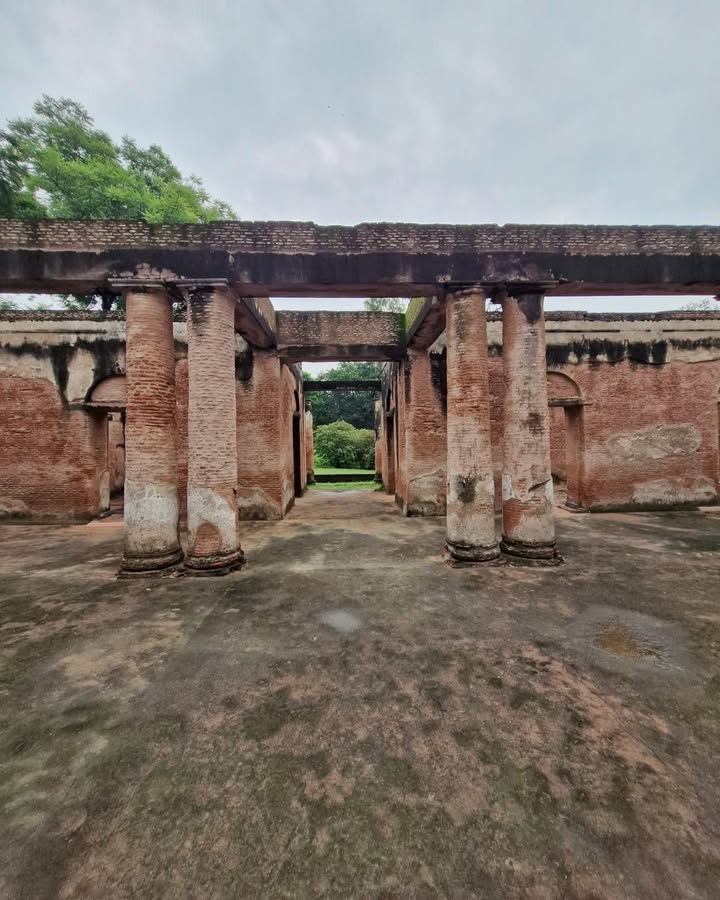
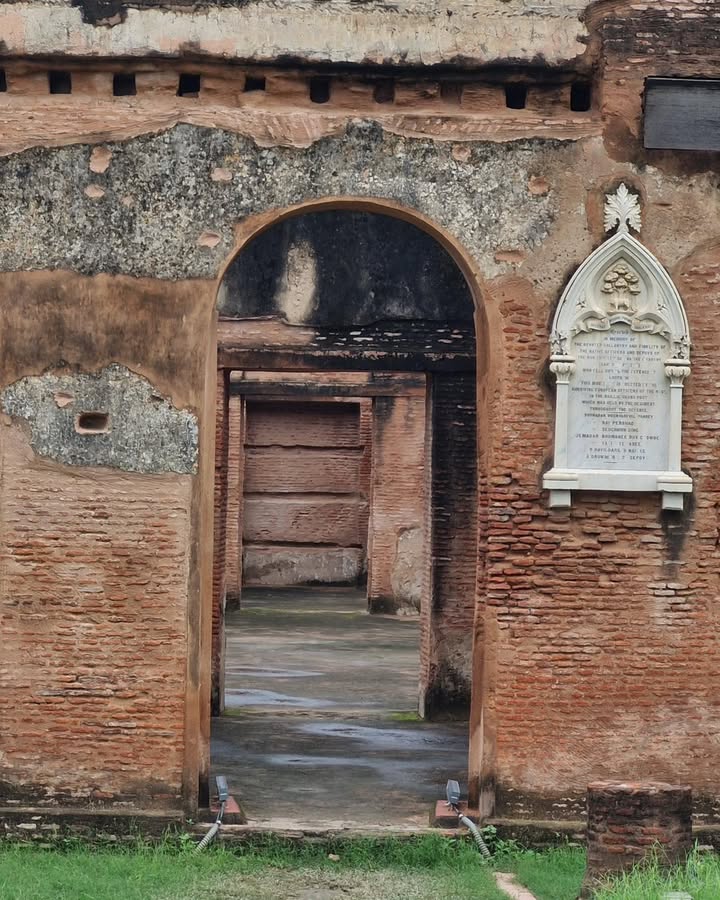
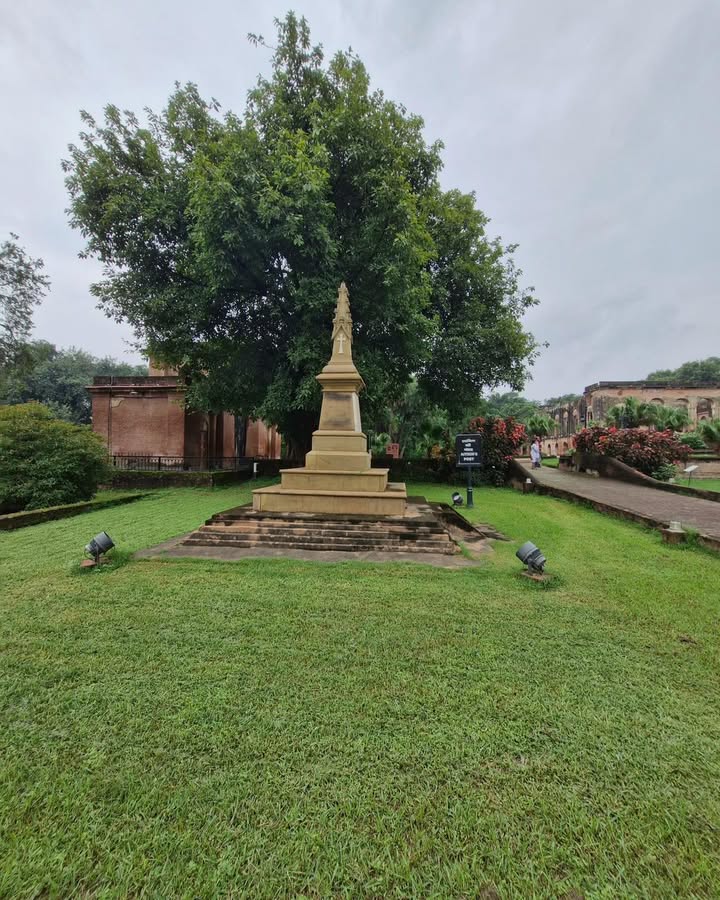
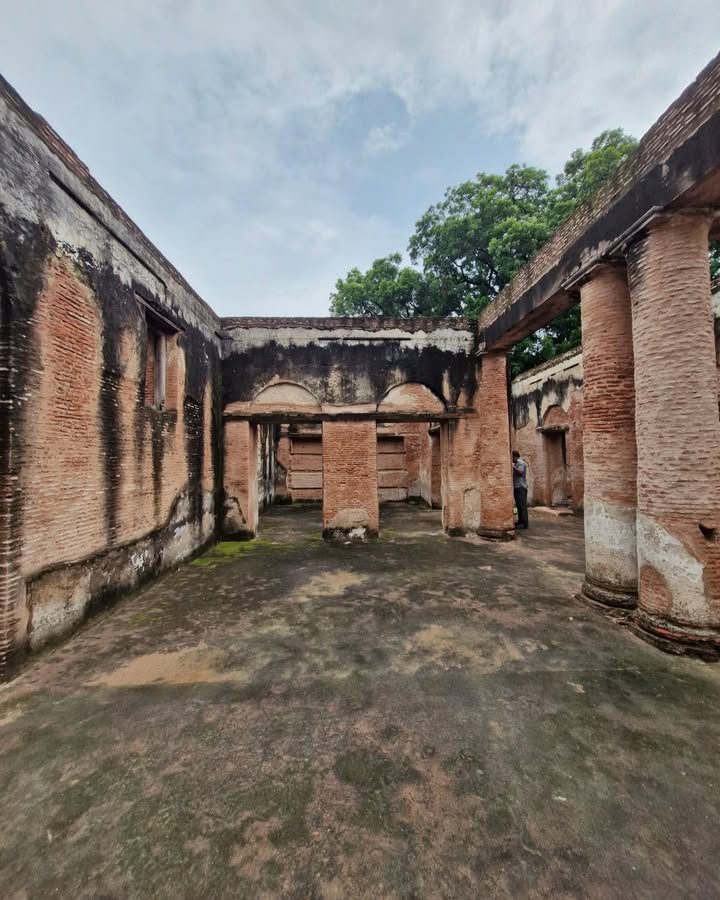
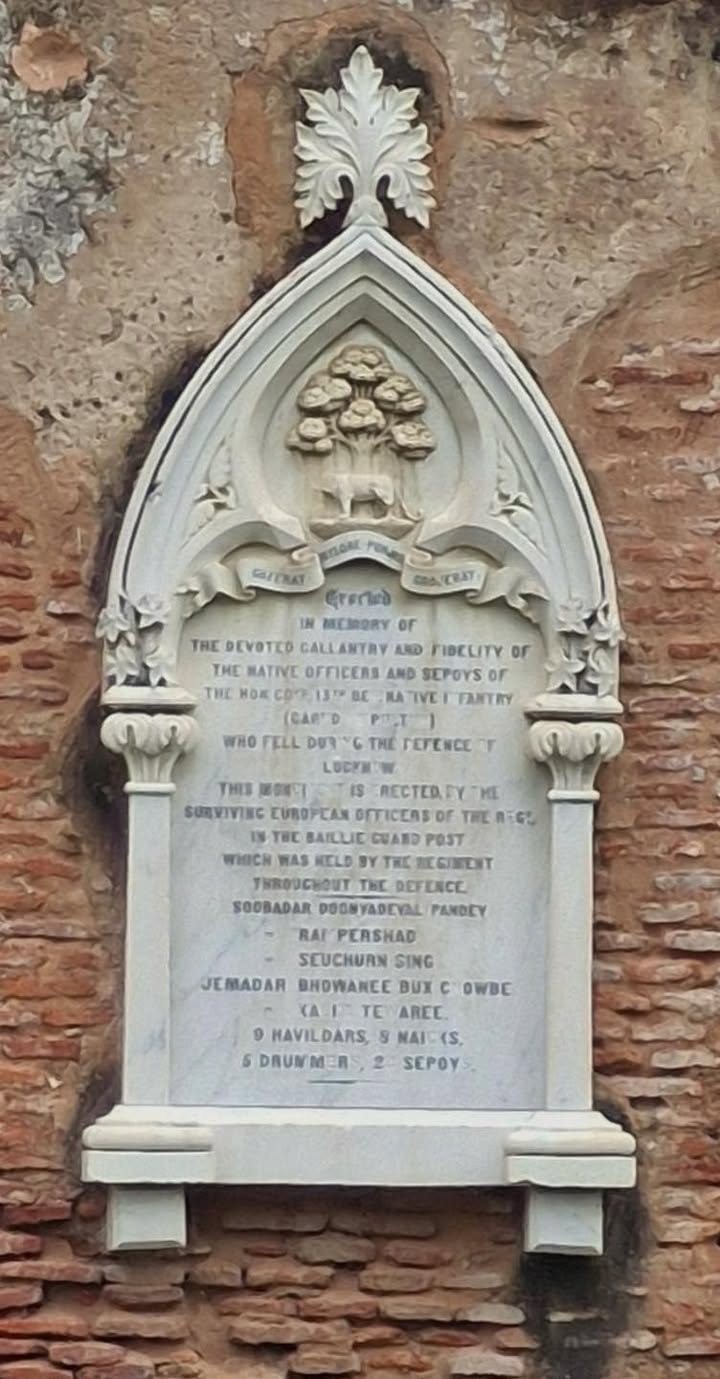
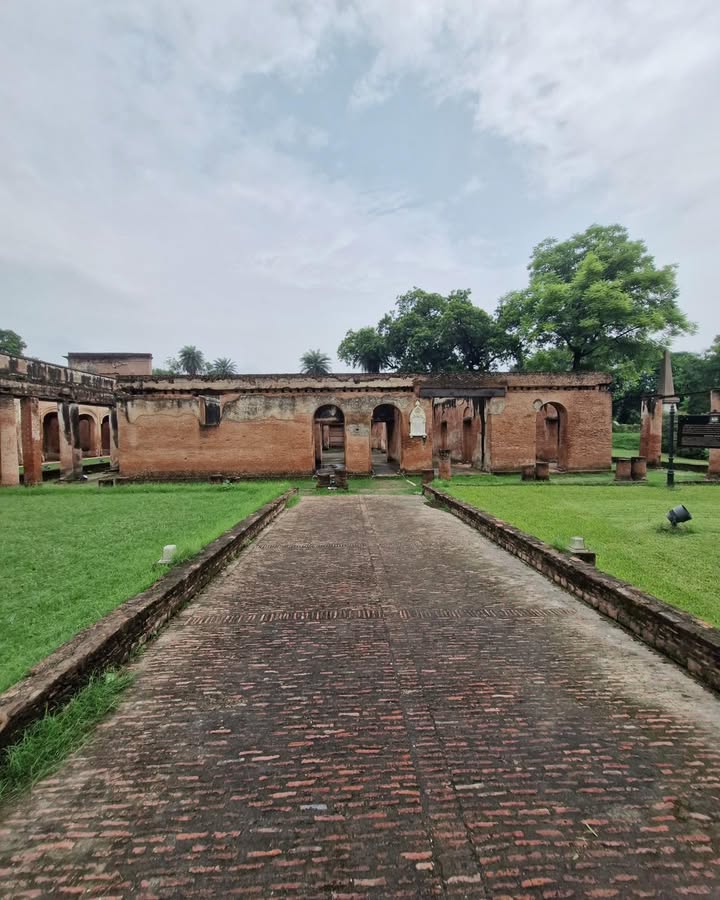
Long before Lucknow became the grand city of wide avenues and British-era bungalows, it carried a quieter yet deeper architectural soul—one built on its “native houses.” Among these stood the Native House of the 13th Native Infantry, located near the Baillie Guard Gate of the Lucknow Residency. It served as the living quarters for the Indian sepoys of the East India Company who were stationed in the Residency long before the Revolt of 1857 reshaped the city forever.
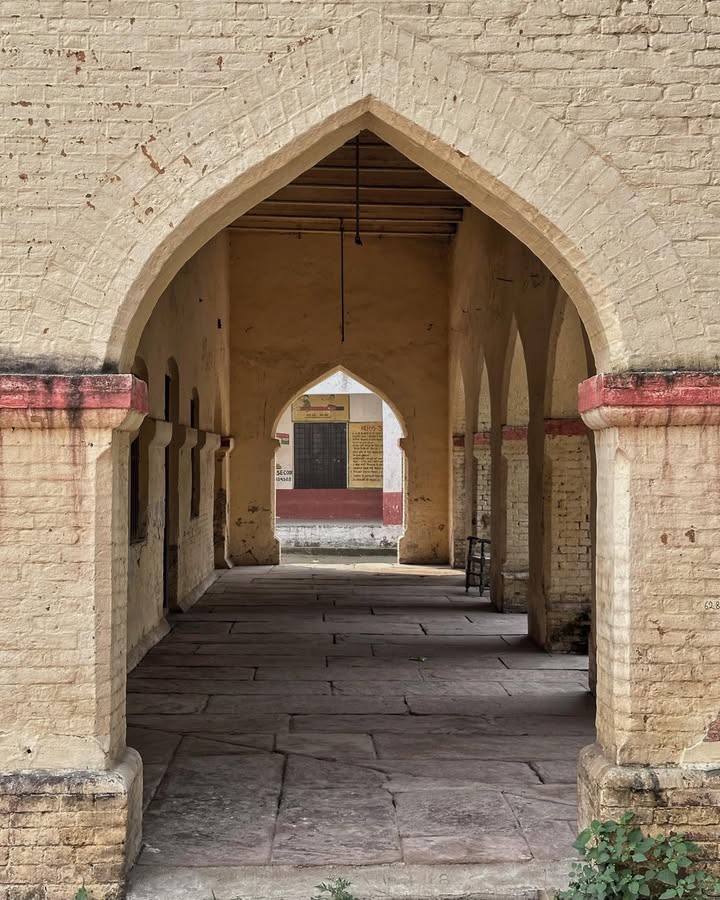
These quarters were not merely barrack-rooms. They represented a full architectural universe—vernacular Lucknowi design, created by local craftsmen using brick, lime, plaster and delicate stucco work. This style, which blended local Awadhi elements with subtle European influences, formed the earliest layer of what later became famous as Nawabi Lucknow architecture.
When the siege of the Residency began in 1857, the sepoys of the 13th Native Infantry were part of the military landscape that surrounded these very quarters. After the British recaptured and redesigned the city, many buildings of this vernacular style—including the Native House—were dismantled, modified beyond recognition, or lost to new planning lines.
Today, the original structure no longer survives. But its idea remains essential to understanding Lucknow:
a city where architecture grew not from palaces alone, but also from the lived spaces of sepoys, artisans, and ordinary residents who shaped its cultural foundation.
The Native House may have vanished physically, but it continues to define the memory of how Lucknow once lived, breathed, and built itself.
To explore more such forgotten layers of North Indian heritage, stories of old architecture, and the soul of historic cities, get your copy of StudioDharma’s premium coffee table book ITIHASNAMA.
Purchase link:
【 १३वीं नेटिव इन्फैंट्री का ‘नेटिव हाउस’, लखनऊ 】
लखनऊ की विरासत केवल उसके महलों, इमामबाड़ों और रूमी गेट तक सीमित नहीं है। इस शहर की आत्मा उन “नेटिव हाउसेज़” में भी बसती थी, जिन्हें स्थानीय कारीगरों ने ईंट, चूना और नाज़ुक स्टुको कला से बनाया था। इन्हीं में से एक था 13th Native Infantry के भारतीय सिपाहियों का नेटिव हाउस, जो लखनऊ रेजिडेंसी के बेली गार्ड गेट के पास स्थित था।
यह भवन केवल सैनिकों के रहने का स्थान नहीं था—यह लखनऊ की सबसे शुरुआती वास्तुकला का जीवंत उदाहरण था। 18वीं–19वीं शताब्दी में उभरने वाली यह शैली स्थानीय अवधी परंपरा और यूरोपीय प्रभावों का मेल थी, जिसने आगे चलकर नवाबी लखनऊ की पहचान बनाई।
1857 के विद्रोह के समय, यह वही क्षेत्र था जहाँ से भारतीय सिपाहियों का जीवन, संघर्ष और कहानियाँ जुड़ी थीं। विद्रोह के बाद जब ब्रिटिश शासन ने शहर को नए ढांचे में ढालना शुरू किया, तब ऐसे कई मूल भवन—जिनमें यह नेटिव हाउस भी शामिल था—या तो तोड़ दिए गए या पूरी तरह बदल दिए गए।
आज वह भवन भौतिक रूप में मौजूद नहीं है, लेकिन उसकी विरासत लखनऊ की उस सांस्कृतिक शुरुआत को समझने में बेहद अहम है—
एक ऐसा दौर जब शहर की पहचान महलों से कम, और साधारण लोगों के घरों से अधिक बनती थी।
नेटिव हाउस लखनऊ के उसी पुरखे शहर का प्रतीक है, जो बन तो चुका था, पर मिटाया नहीं जा सका।
ऐसी और भी भूली-बिसरी ऐतिहासिक कहानियों और उत्तर भारत की विरासत को समझने के लिए StudioDharma की प्रीमियम कॉफी-टेबल बुक ITIHASNAMA अवश्य पढ़ें।
अपनी कॉपी यहाँ से प्राप्त करें:
.1