









Rani Ji Ki Baori, Bundi – The Queen Who Built Water Into Architecture.


Rani Ji Ki Baori, Bundi – The Queen Who Built Water Into Architecture.
In the heart of Bundi, where palaces rise against rugged hills and blue houses whisper stories of Rajput pride, stands a monument not built for war, but for water.
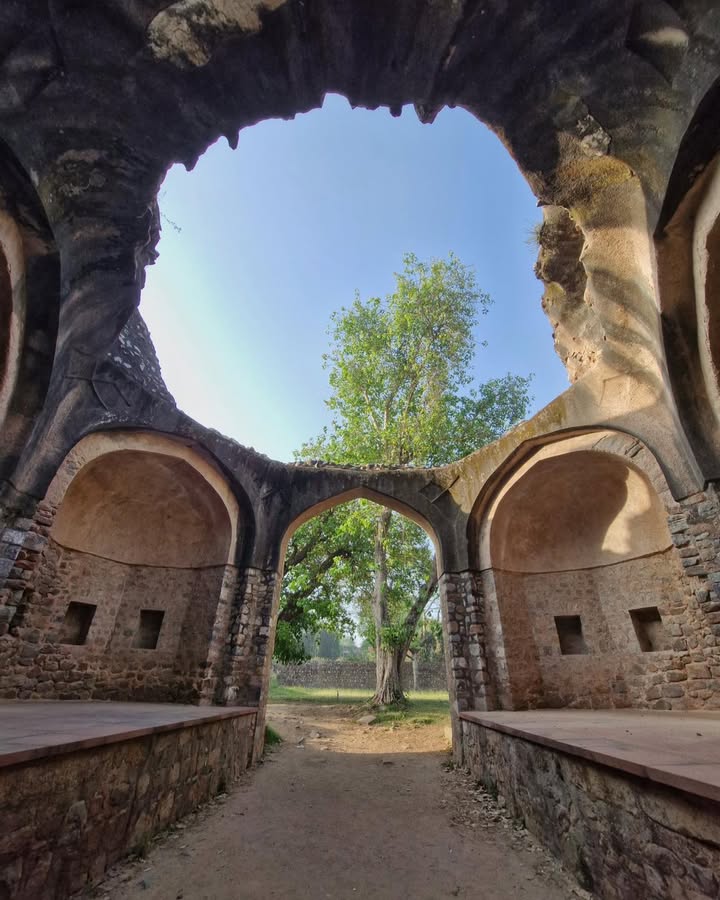
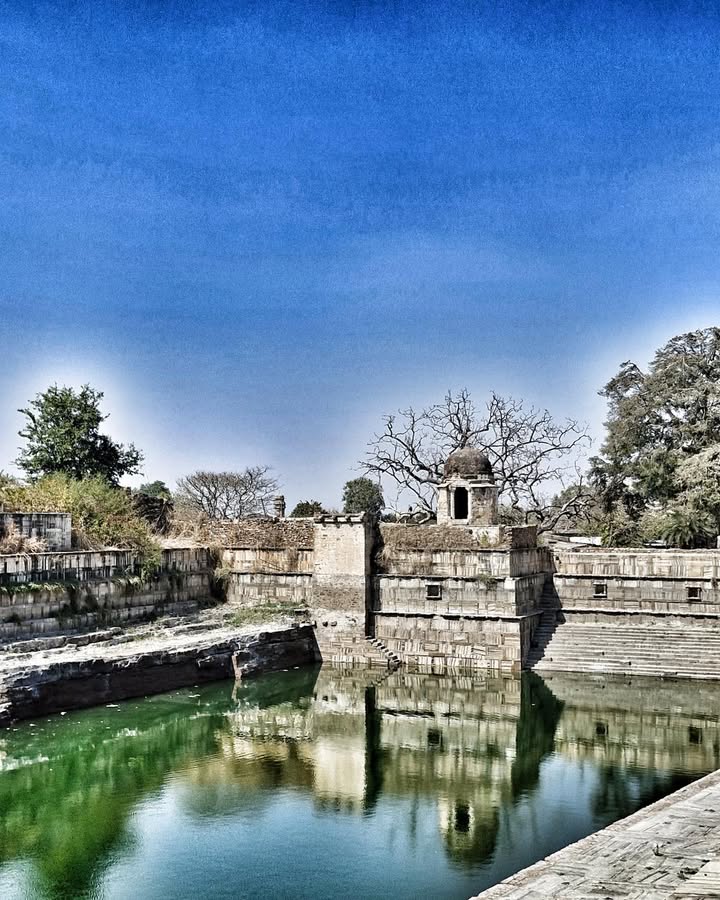
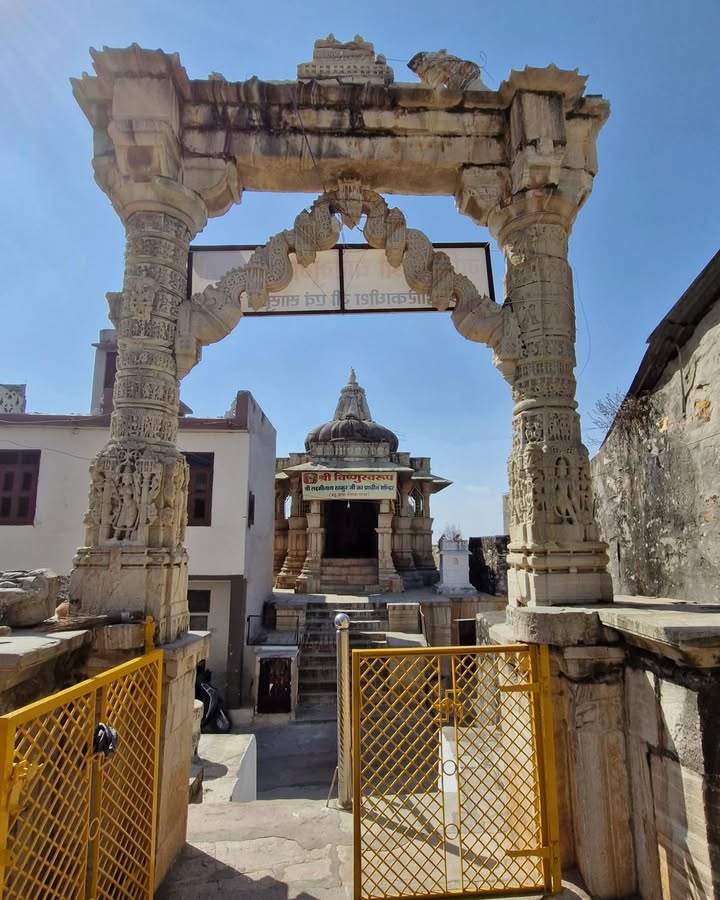
In 1699 CE, Rani Nathavati Ji, queen of Rao Raja Anirudh Singh, commissioned what would become the grandest baori of Bundi. Nearly 46 metres deep, Rani Ji Ki Baori descends into the earth like a stone symphony. Its narrow entrance opens through carved pillars into a vast multi-storeyed marvel where every level once echoed with footsteps, prayers, and daily conversations.
Unlike ordinary wells, this was architecture with purpose. Elephant sculptures guard its corners. Ogee-arched gateways frame its descent. Each storey once housed shrines, turning the act of collecting water into a sacred ritual. In medieval Bundi, baoris were not merely water reservoirs; they were social theatres where women gathered, communities bonded, and stories flowed as freely as water.
Today, as you stand at its edge and look down into its geometric depths, you don’t just see stone — you witness the vision of a queen who understood that water is life, and architecture can preserve both dignity and devotion.
Experience more forgotten heritage stories from Meerut in my premium coffee table book ITIHASNAMA by StudioDharma (25 curated historical narratives).
Order your copy here:
रानी जी की बावड़ी, बूंदी – जब एक रानी ने जल को वास्तुकला में बदल दिया
बूंदी की पहाड़ियों और नीले घरों के बीच एक स्मारक खड़ा है जो युद्ध के लिए नहीं, बल्कि जीवन के लिए बनाया गया था।
सन 1699 में रानी नाथावती जी (सोलंकी), जो राव राजा अनिरुद्ध सिंह की रानी थीं, ने इस भव्य बावड़ी का निर्माण करवाया। लगभग 46 मीटर गहरी यह संरचना धरती के भीतर उतरती हुई पत्थरों की एक अद्भुत रचना है। संकरे प्रवेश द्वार से भीतर जाते ही स्तंभों और मेहराबों से सुसज्जित बहु-स्तरीय स्थापत्य सामने आता है, जहाँ कभी लोगों की आवाज़ें, प्रार्थनाएँ और दैनिक जीवन की हलचल गूँजती थीं।
यह केवल जल संग्रह का स्थान नहीं था। कोनों में आमने-सामने खड़े पत्थर के हाथी, मेहराबों पर सजी नक्काशी, और प्रत्येक तल पर बने छोटे मंदिर इस बावड़ी को एक आध्यात्मिक आयाम देते थे। मध्यकालीन बूंदी में बावड़ियाँ सामाजिक मिलन स्थल थीं, जहाँ महिलाएँ जल भरते-भरते संबंध और संवाद भी रचती थीं।
आज जब आप इसकी गहराई में झाँकते हैं, तो केवल पत्थर नहीं देखते — आप एक रानी की दूरदर्शिता देखते हैं, जिसने जल को जीवन और स्थापत्य दोनों का आधार बना दिया।
मेरठ की भूली-बिसरी विरासत की 25 ऐतिहासिक कहानियों को जानिए मेरी प्रीमियम कॉफी टेबल बुक ITIHASNAMA by StudioDharma में।
अपनी प्रति यहाँ से मँगवाएँ: