

















𝓝𝓪𝓷𝓰𝓵𝓪 𝓥𝓲𝓵𝓵𝓪𝓰𝓮, 𝓑𝓪𝓰𝓱𝓹𝓪𝓽 – 𝓣𝓱𝓮 𝓡𝓲𝓼𝓮 𝓪𝓷𝓭 𝓕𝓪𝓵𝓵 𝓸𝓯 𝓘𝓷𝓭𝓲𝓪’𝓼 𝓐𝓭𝓪𝓻𝓼𝓱 𝓖𝓻𝓪𝓶.
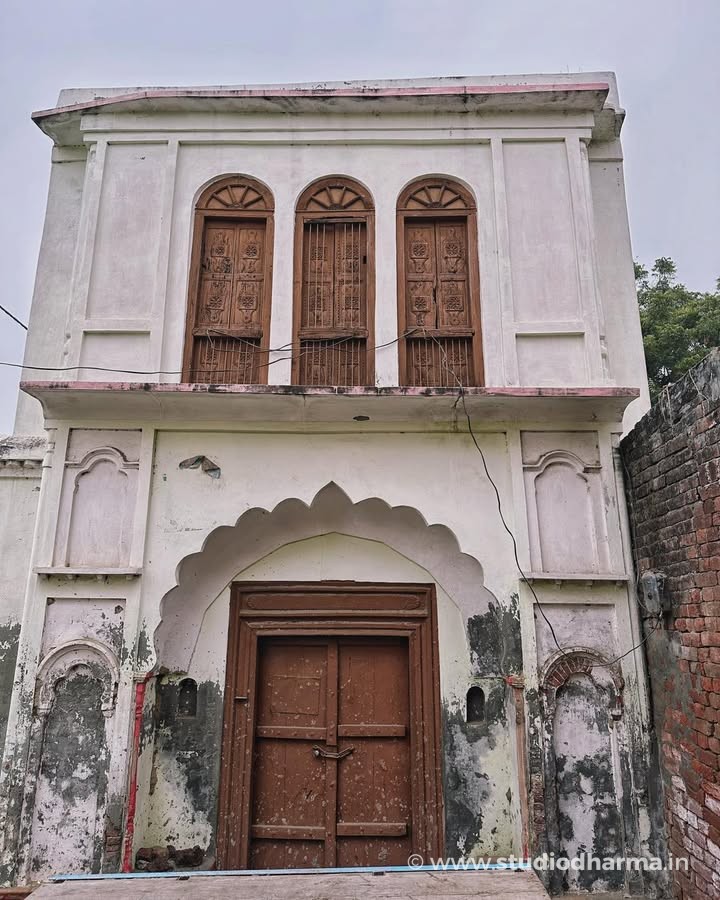
𝓝𝓪𝓷𝓰𝓵𝓪 𝓥𝓲𝓵𝓵𝓪𝓰𝓮, 𝓑𝓪𝓰𝓱𝓹𝓪𝓽 – 𝓣𝓱𝓮 𝓡𝓲𝓼𝓮 𝓪𝓷𝓭 𝓕𝓪𝓵𝓵 𝓸𝓯 𝓘𝓷𝓭𝓲𝓪’𝓼 𝓐𝓭𝓪𝓻𝓼𝓱 𝓖𝓻𝓪𝓶.
There was a time, just after Independence, when a small village near Baraut in present-day Baghpat district of Uttar Pradesh quietly became a symbol of what rural India could achieve.
This was Nangla — earlier known as Khwaja Nangla.
In the years following 1947, when India was still shaping its democratic institutions, Uttar Pradesh moved swiftly to implement Panchayati Raj. Between 1947 and 1949, the first Gram Panchayat elections were held. By August 1949, nearly 35,000 village panchayats had come into existence.
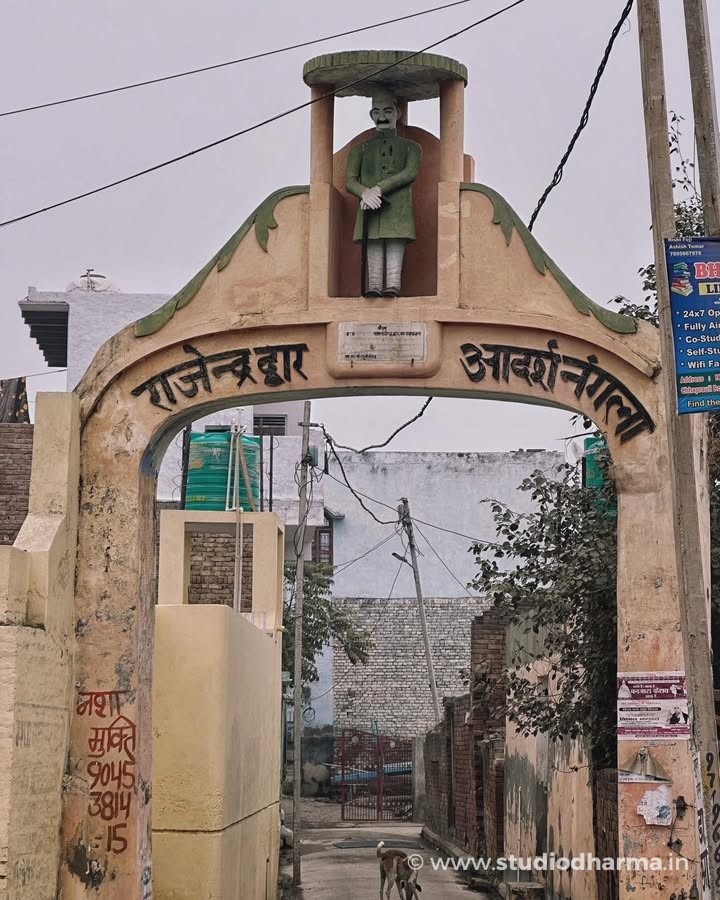
It was in this climate of newly empowered rural governance that Nangla emerged as an “Adarsh Gram.” During the tenure of Prime Minister Jawaharlal Nehru, the village received recognition as a model of decentralized development.
The first elected (unopposed) village head, Shri Asharam Ji, led a Panchayat that made a bold decision — to build a covered drainage system across the entire village. At a time when many towns in India did not have proper sanitation, Nangla already had underground drains.
But that was only the beginning.
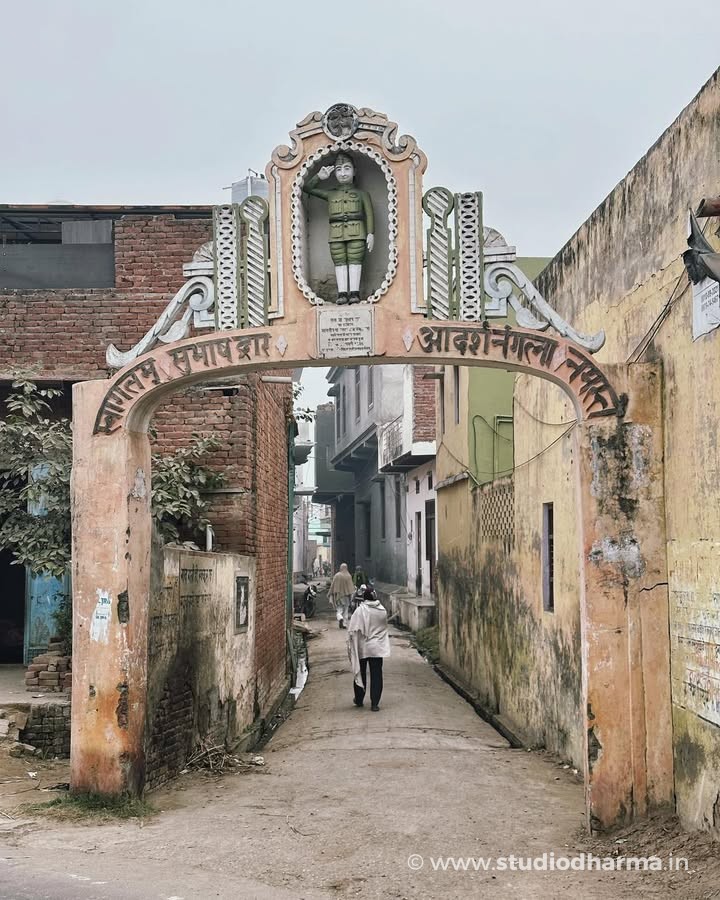
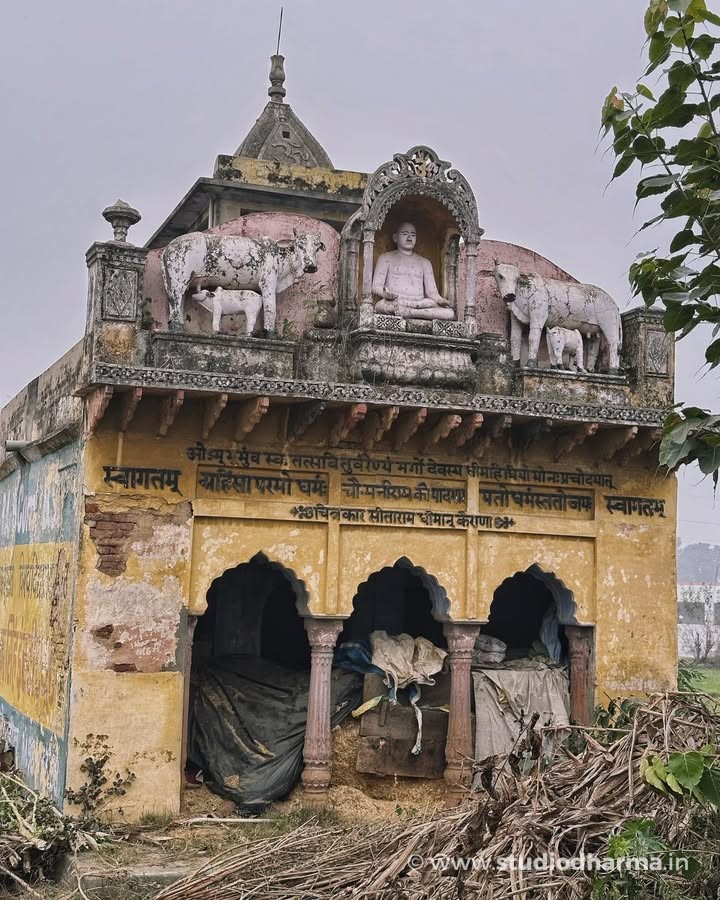
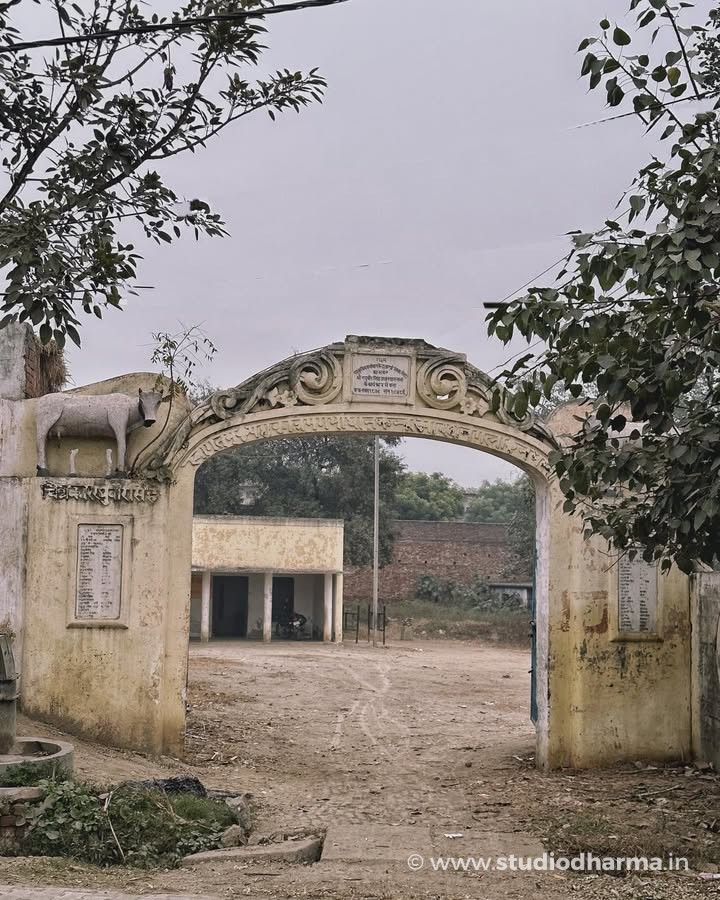
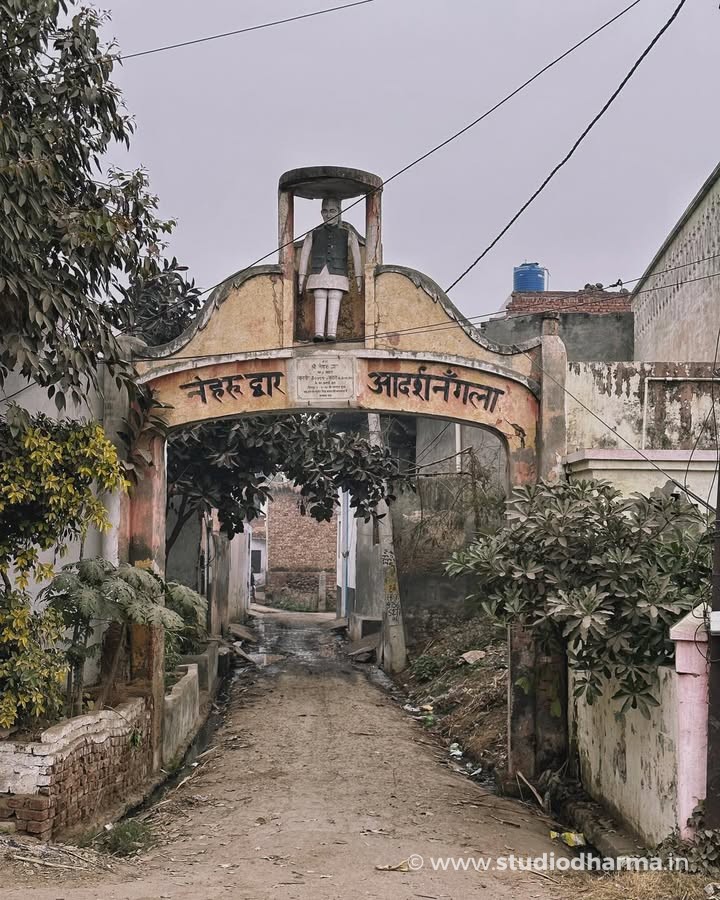
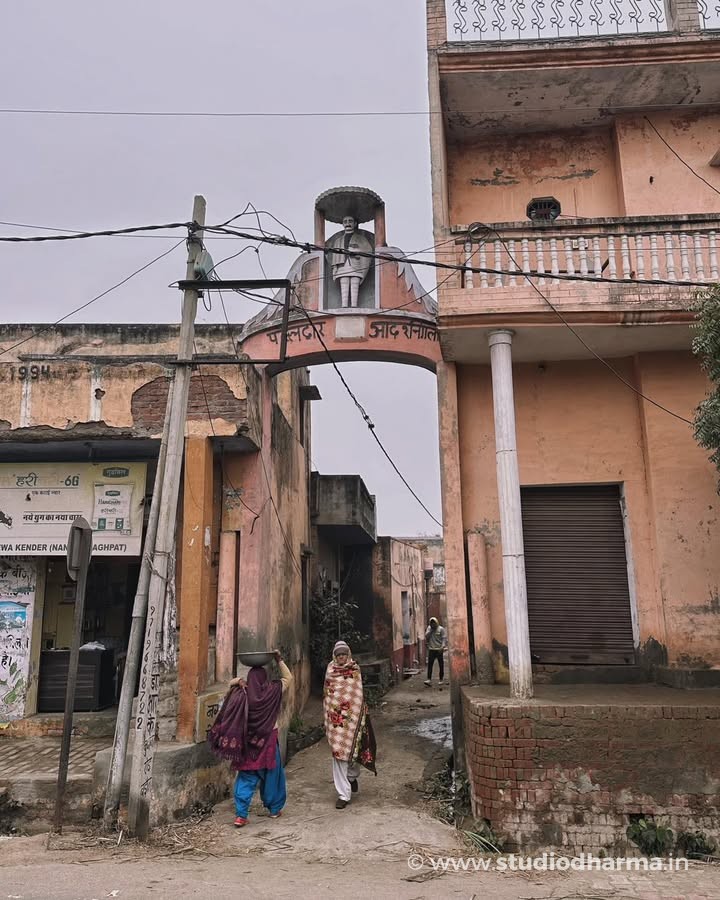
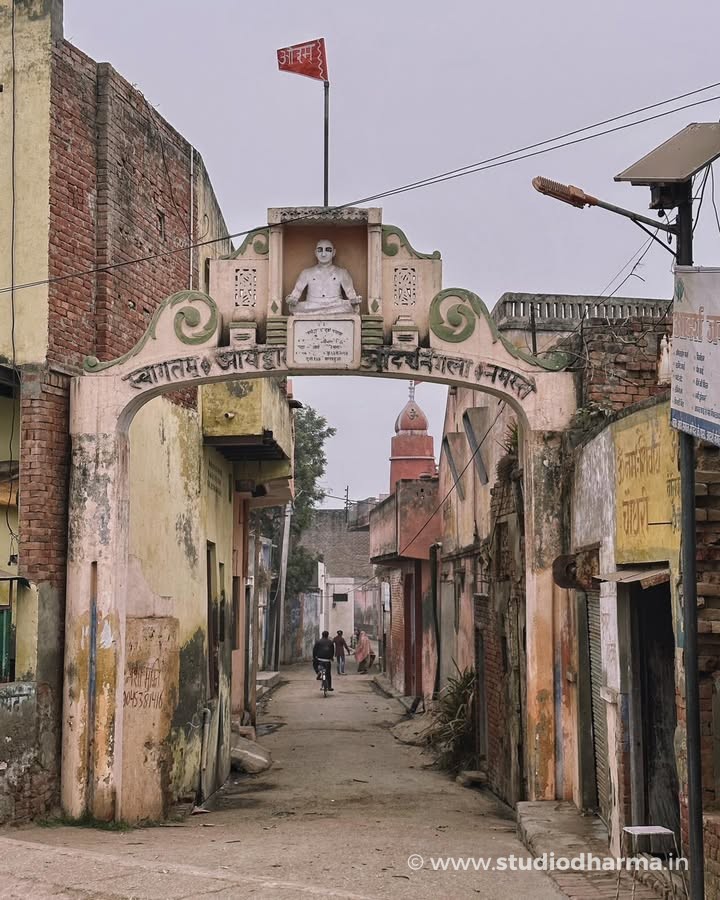
The Panchayat, supported by community effort and government assistance, oversaw the construction of flush toilets for women, public urinals, covered wells, a veterinary hospital with an artificial insemination centre, an Ayurvedic dispensary, a residential school for girls, pucca houses for Dalit families, a centralized compost centre, a seed warehouse, decorated gateways in every lane and a gaushala.
Land was donated by villagers. Labour was voluntary. The slogan was simple — Shram Daan and Bhoomi Daan. Because the land and labour were free, the cost of development remained minimal, but the impact was extraordinary.
Under the supervision of Shri Raghuveer Singh, Gram Pradhan, and Shri Maniram Ji, Block Pramukh, the village witnessed what many describe as its golden era. Nangla was even mentioned in official reports as a shining example of Panchayati governance. In the 1960s, delegations from the United States and Japan reportedly visited to study this rural experiment.
It was not just infrastructure that made Nangla special. It was social harmony. Different castes lived side by side. Years before later housing schemes, the Panchayat ensured proper housing and sanitation facilities for Dalit families.
Then, slowly, the story changed.
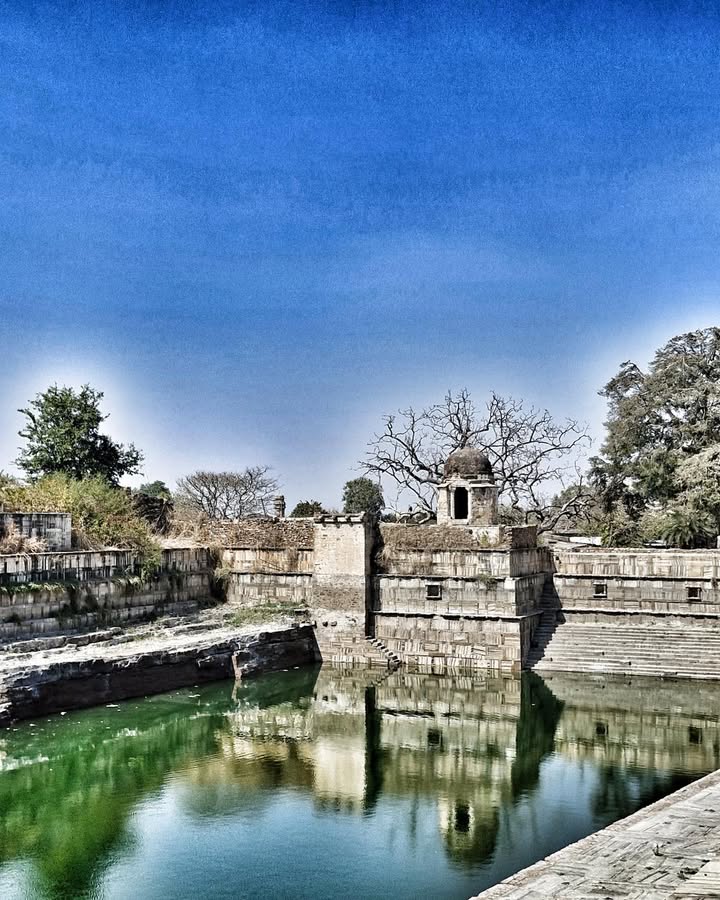
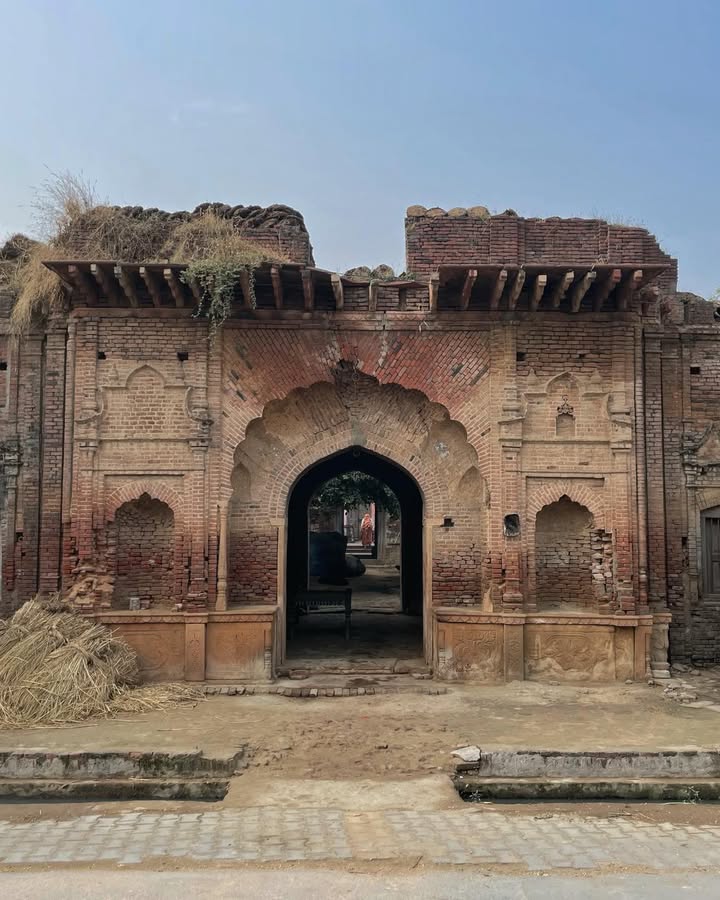
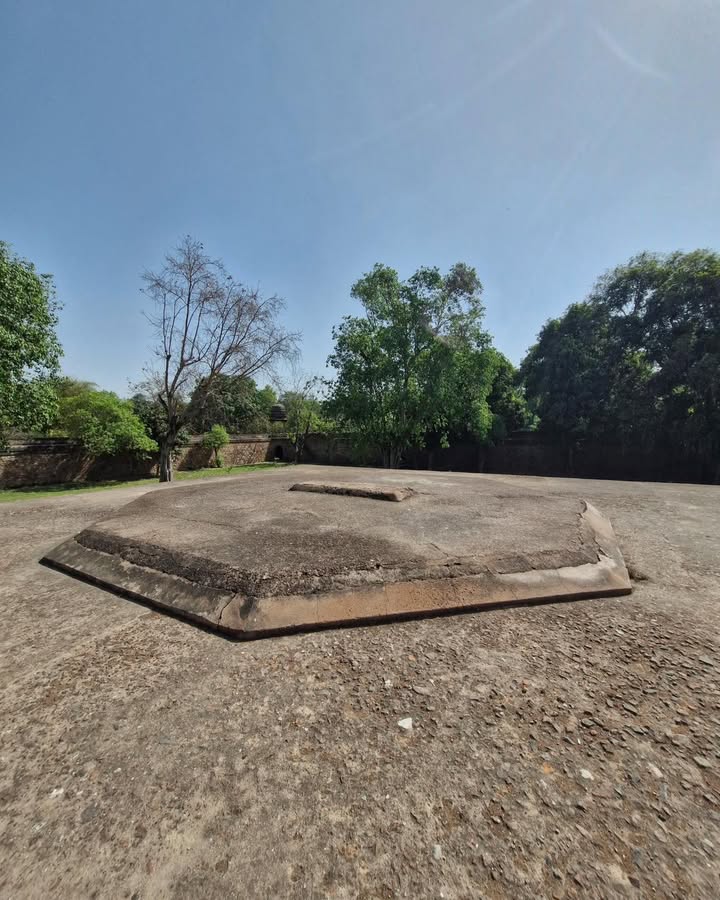
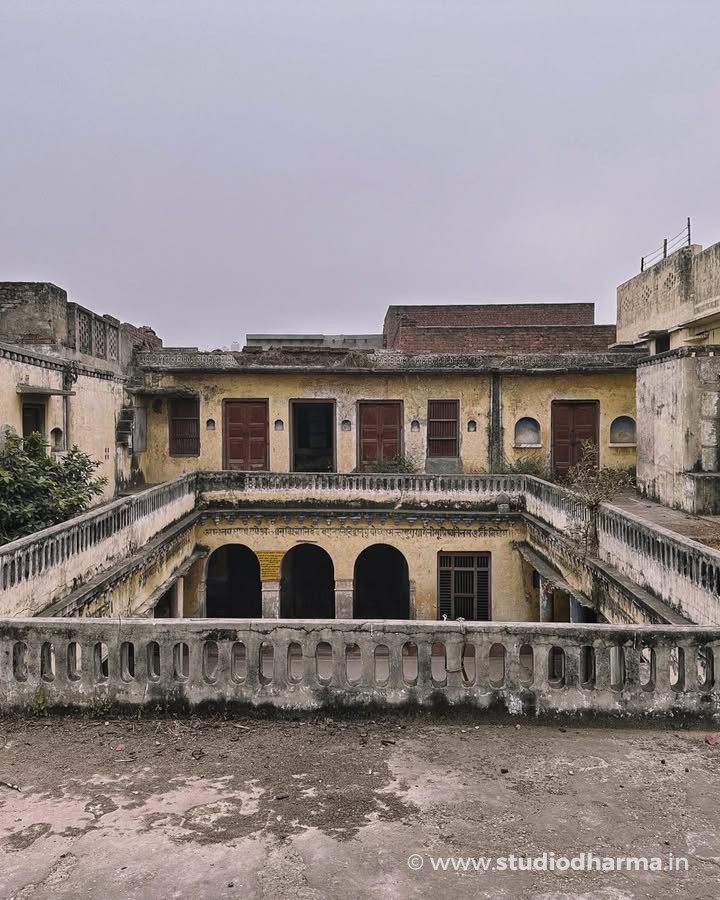
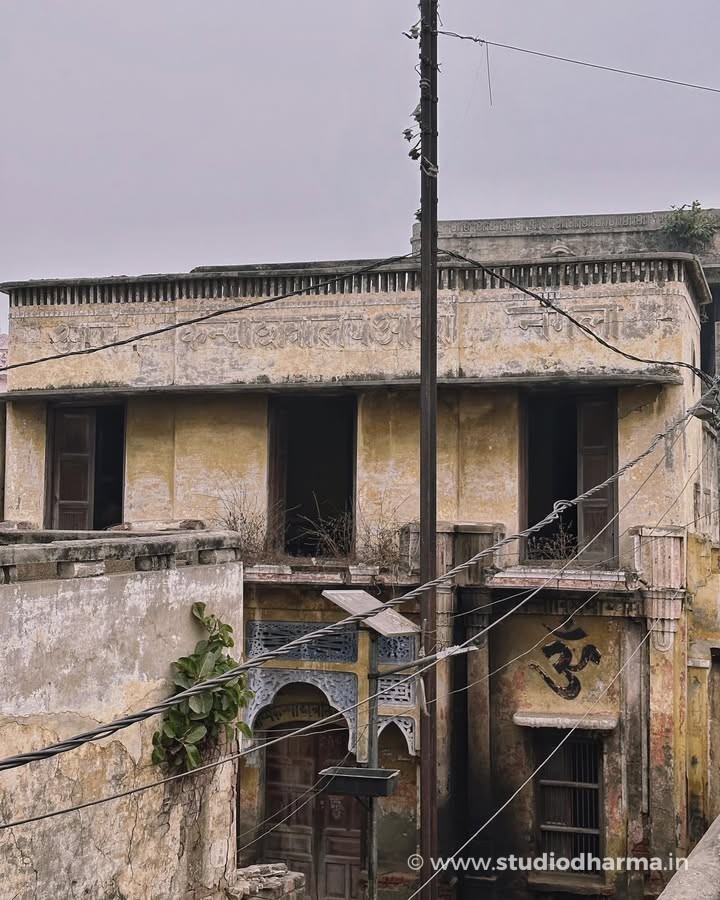
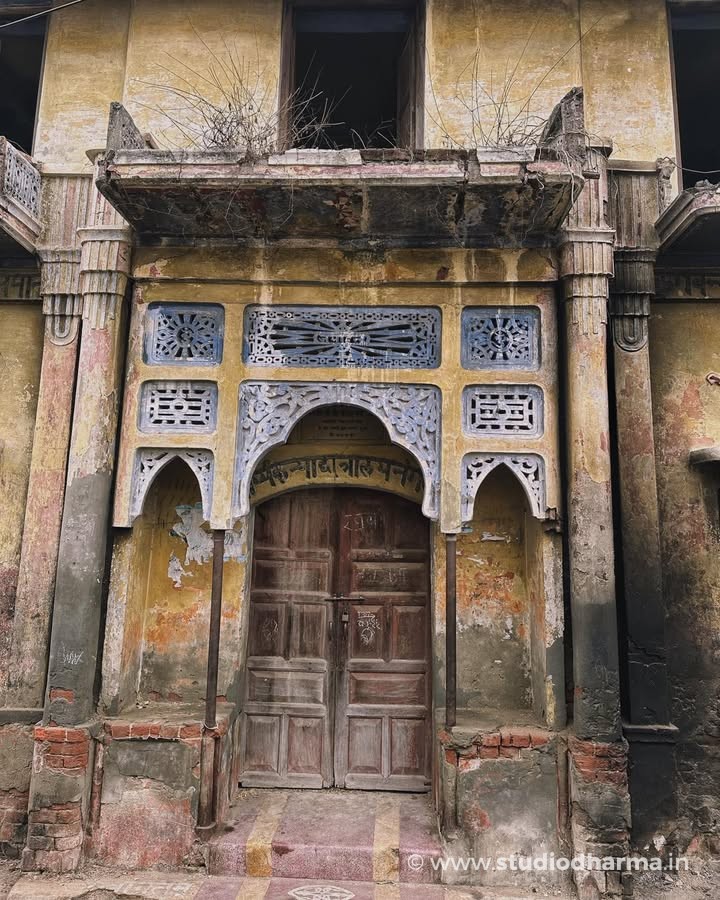
By the 1970s, the system was still functioning. But over time, factional politics, reduced grants and weakening collective responsibility began to take their toll. Toilets fell into disuse. The compost centre disappeared. The girls’ residential school closed. The veterinary hospital stopped functioning. The artificial insemination centre shut down. The gaushala turned barren. The seed warehouse became defunct.
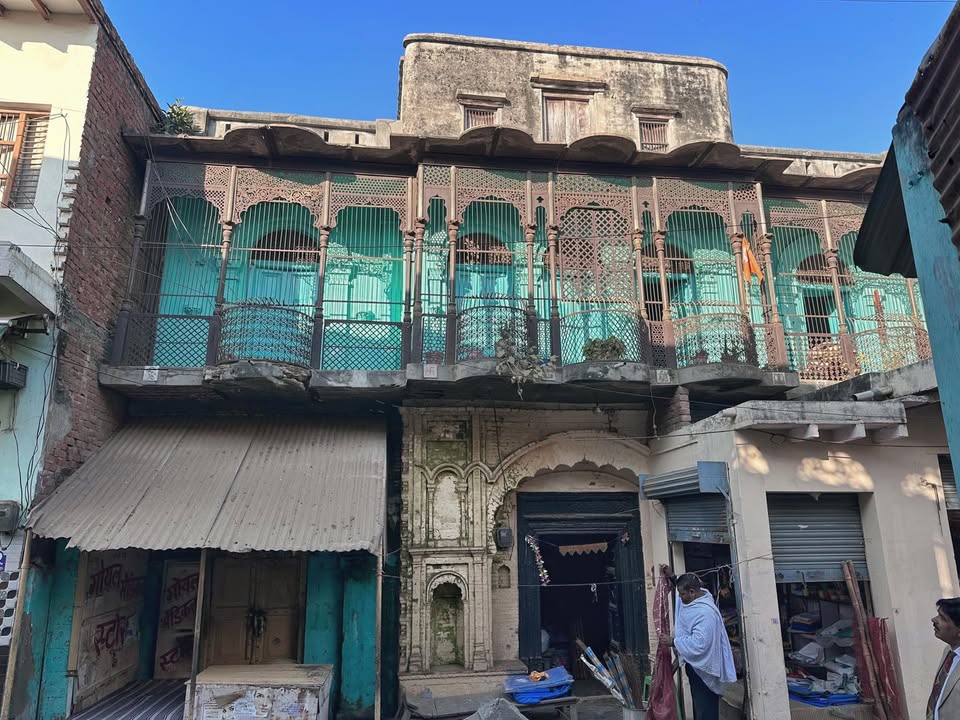
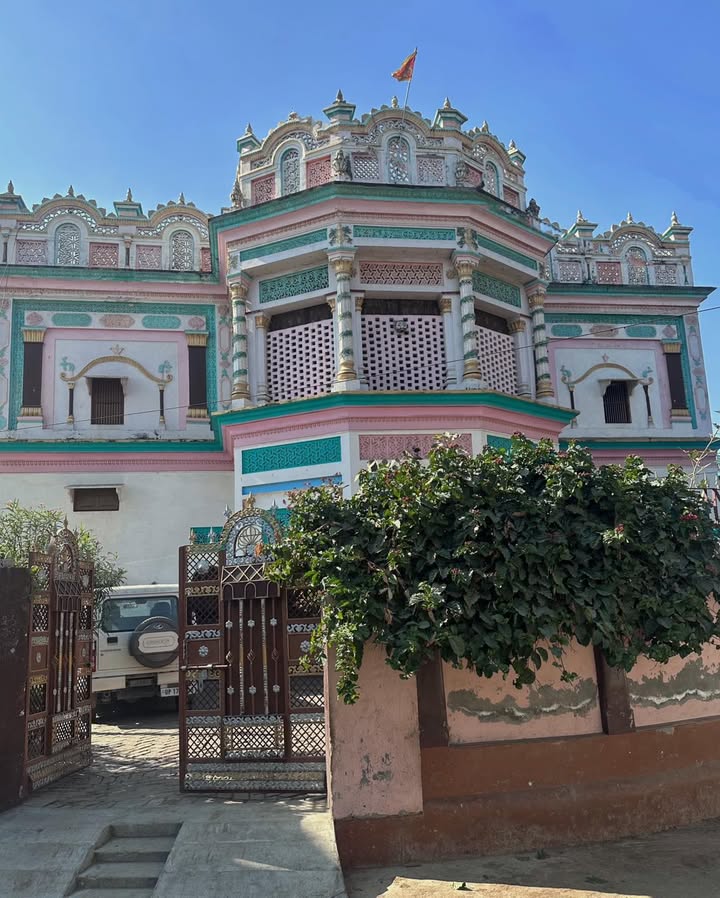
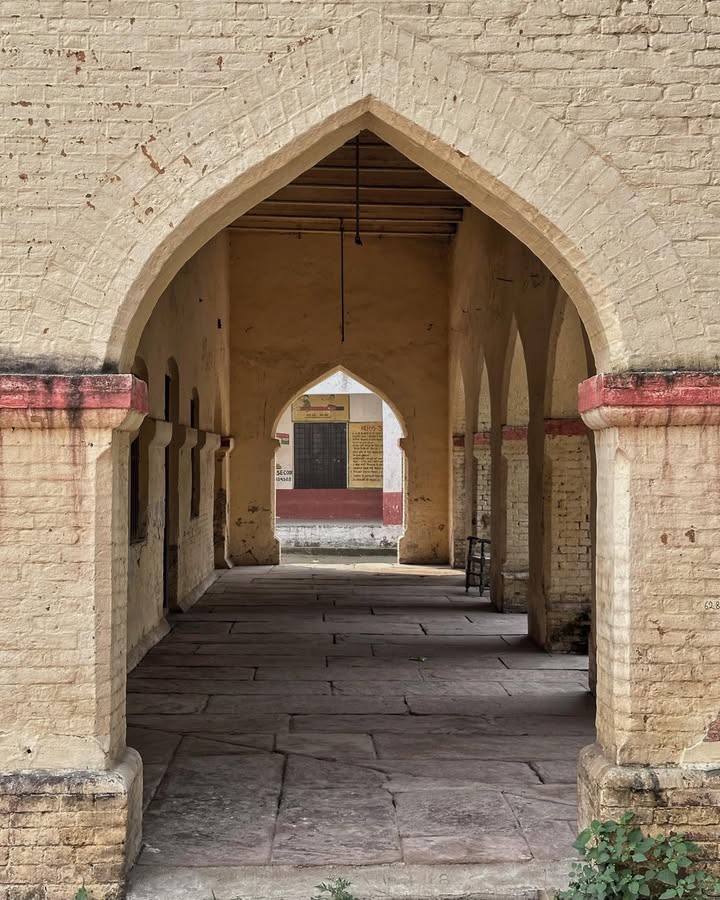
Today, with a population of around four thousand, much of that pioneering infrastructure stands in decline — a silent reminder of both ambition and neglect.
Nangla’s story is not merely about rise and fall. It is about a moment in post-Independence India when empowered villagers, guided by Panchayati ideals, showed the nation what was possible.
And perhaps, it asks a quiet question — can that spirit return?
नंगला गाँव, बागपत – भारत के आदर्श ग्राम की उत्थान और पतन की कथा
स्वतंत्रता के बाद के शुरुआती वर्षों में, जब भारत अपनी लोकतांत्रिक संस्थाओं को आकार दे रहा था, तब उत्तर प्रदेश के बड़ौत क्षेत्र का एक छोटा सा गाँव देश के सामने एक उदाहरण बनकर उभरा।
वह था नंगला — जिसका पुराना नाम ख्वाजा नंगला था।
1947 से 1949 के बीच जब उत्तर प्रदेश में पहली ग्राम पंचायतों का गठन हुआ और अगस्त 1949 तक लगभग 35,000 पंचायतें अस्तित्व में आ गईं, उसी दौर में नंगला ने स्वयं को “आदर्श ग्राम” के रूप में स्थापित किया।
गाँव के पहले निर्विरोध प्रधान श्री आशाराम जी के नेतृत्व में पंचायत ने पूरे गाँव में ढकी हुई नालियों का निर्माण कराया — उस समय जब कई शहरों में भी ऐसी व्यवस्था नहीं थी।
इसके बाद महिलाओं के लिए फ्लश शौचालय, मूत्रालय, ढके हुए कुएँ, पशु चिकित्सालय व कृत्रिम गर्भाधान केंद्र, आयुर्वेद चिकित्सालय, बालिका आवासीय विद्यालय, दलित परिवारों के लिए पक्के मकान, केंद्रीकृत खाद केंद्र, बीज गोदाम और गौशाला जैसी सुविधाएँ विकसित की गईं।
ग्रामीणों ने भूमि दान दी और श्रमदान किया। “श्रमदान और भूमिदान” उस समय का नारा था। इसी सामूहिक प्रयास ने गाँव को एक आदर्श मॉडल बना दिया।
श्री रघुवीर सिंह जी ग्राम प्रधान और श्री मनीराम जी ब्लॉक प्रमुख के कार्यकाल में गाँव ने अपनी स्वर्णिम अवस्था देखी। 1960 के दशक में विदेशी प्रतिनिधिमंडल भी यहाँ की व्यवस्था का अध्ययन करने आए।
परंतु समय के साथ गुटबाज़ी, सरकारी सहायता में कमी और रखरखाव की उपेक्षा ने इस आदर्श व्यवस्था को धीरे-धीरे जर्जर कर दिया। आज कई संरचनाएँ खंडहर बन चुकी हैं।
नंगला की कहानी केवल विकास की नहीं, बल्कि सामूहिक चेतना की भी कहानी है — और शायद एक प्रेरणा भी कि यदि इच्छा और एकता हो, तो गाँव स्वयं अपना भविष्य गढ़ सकता है।