









𝓣𝓱𝓮 𝓜𝓪𝓭𝓻𝓪𝓼𝓪 𝓸𝓯 𝓢𝓾𝓵𝓽𝓪𝓷 𝓐𝓵𝓪𝓾𝓭𝓭𝓲𝓷 𝓚𝓱𝓲𝓵𝓳𝓲, 𝓠𝓾𝓽𝓫 𝓒𝓸𝓶𝓹𝓵𝓮𝔁, 𝓜𝓮𝓱𝓻𝓪𝓾𝓵𝓲.
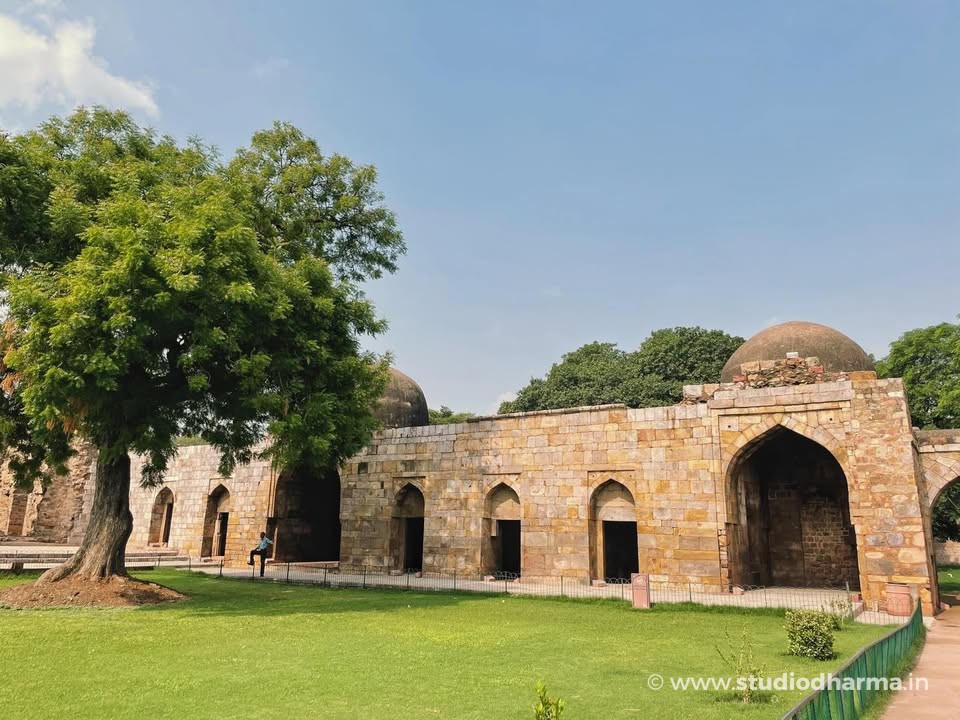
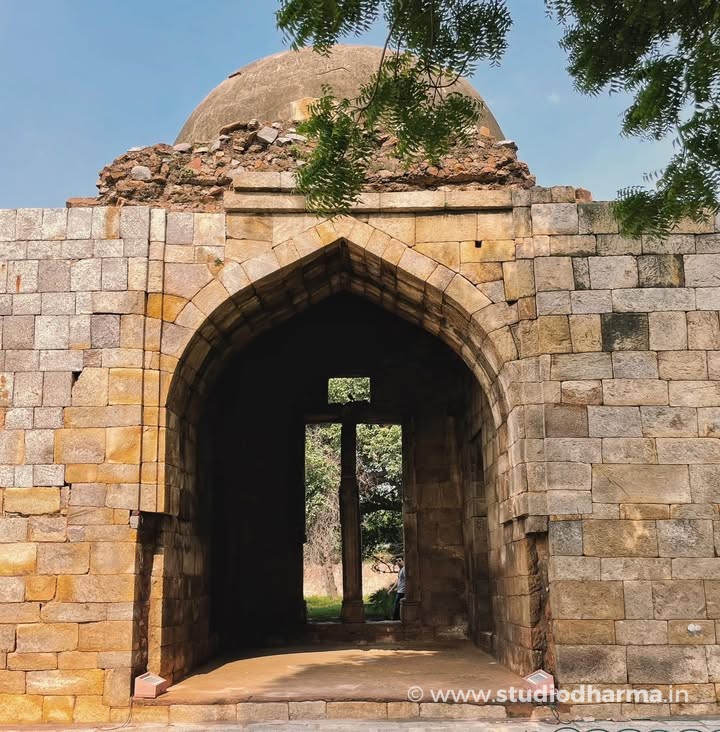
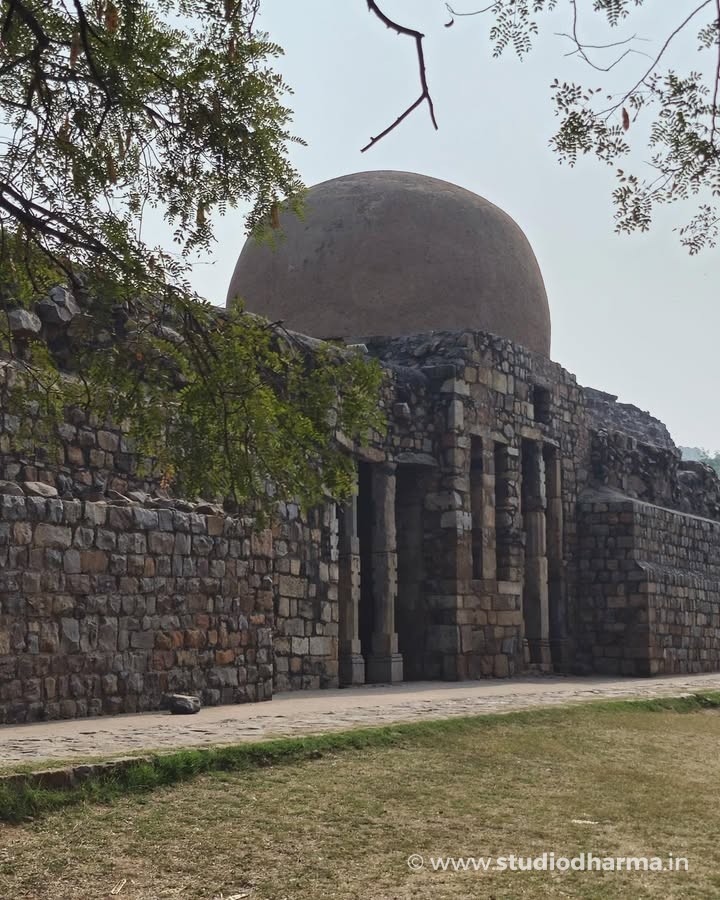
𝓣𝓱𝓮 𝓜𝓪𝓭𝓻𝓪𝓼𝓪 𝓸𝓯 𝓢𝓾𝓵𝓽𝓪𝓷 𝓐𝓵𝓪𝓾𝓭𝓭𝓲𝓷 𝓚𝓱𝓲𝓵𝓳𝓲, 𝓠𝓾𝓽𝓫 𝓒𝓸𝓶𝓹𝓵𝓮𝔁, 𝓜𝓮𝓱𝓻𝓪𝓾𝓵𝓲.
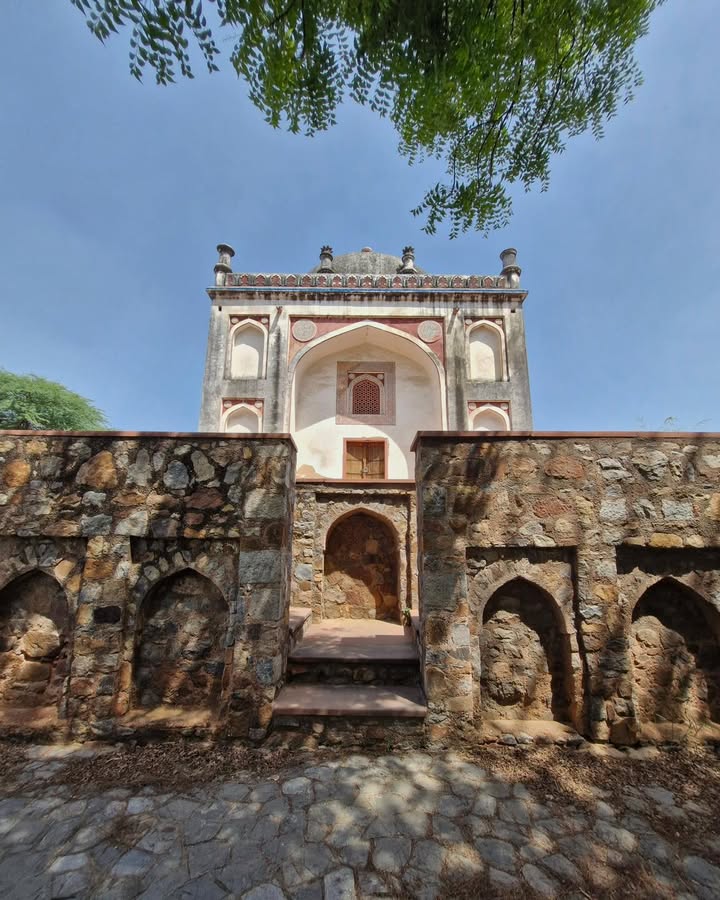
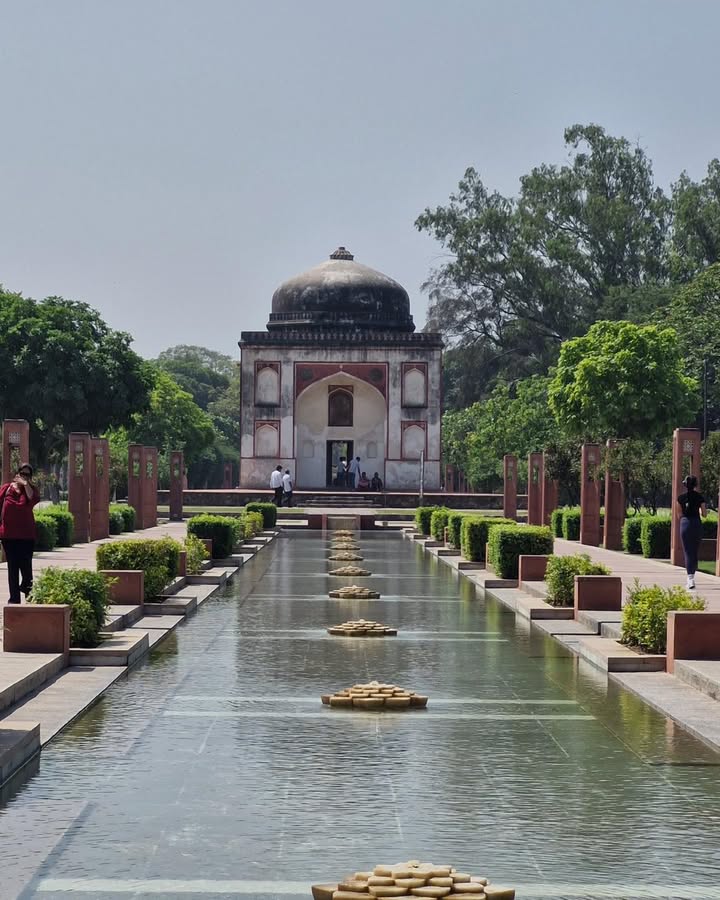
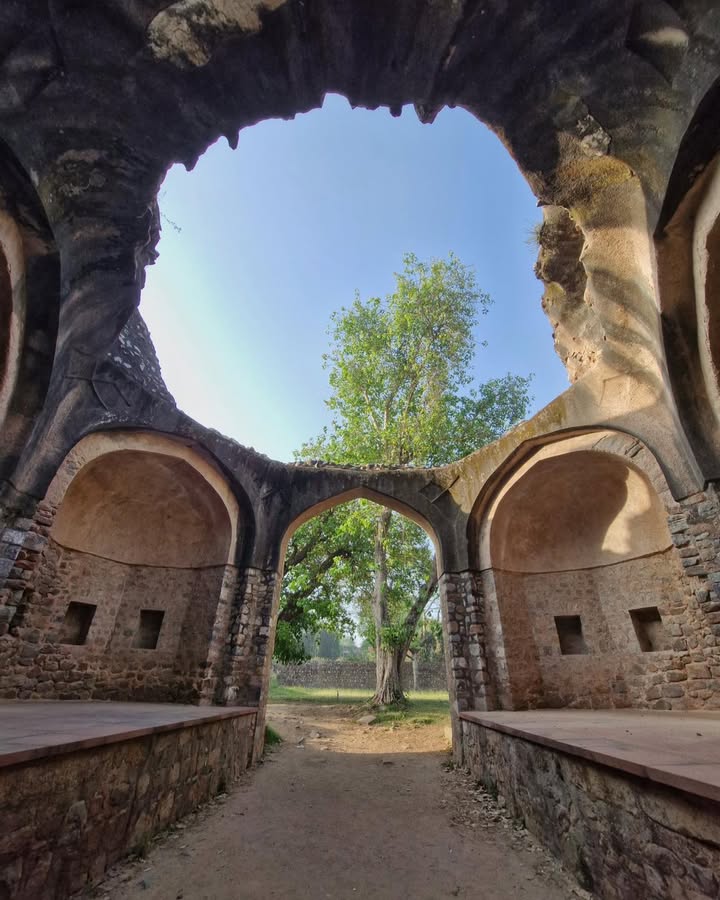
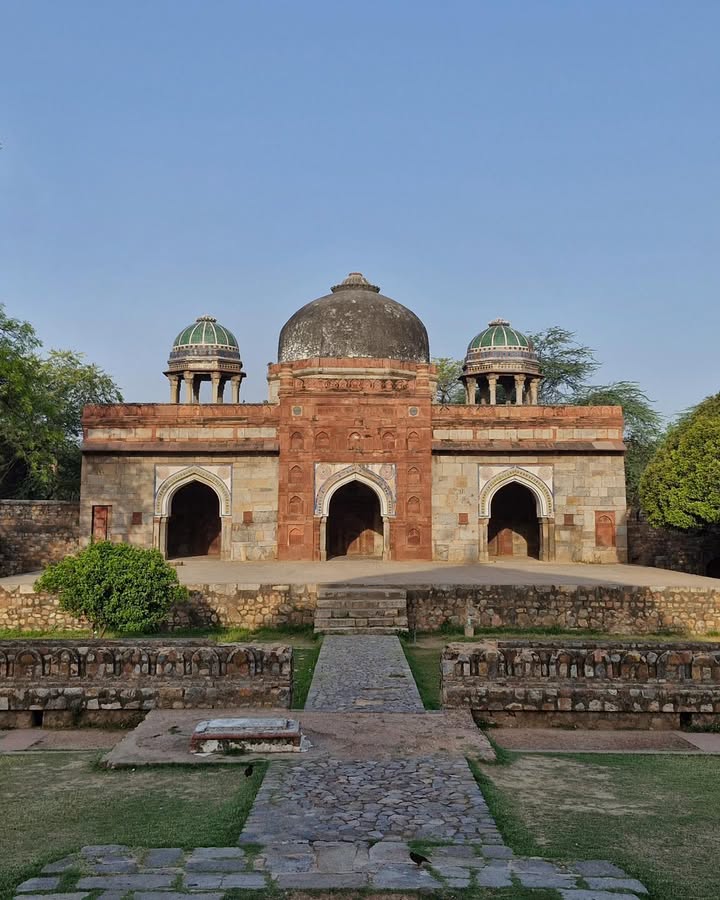
Hidden quietly within the sacred precincts of the Qutb Complex stands one of the most intellectually significant yet often overlooked monuments of early Delhi Sultanate history — the madrasa built by Alauddin Khilji around 1315 AD.
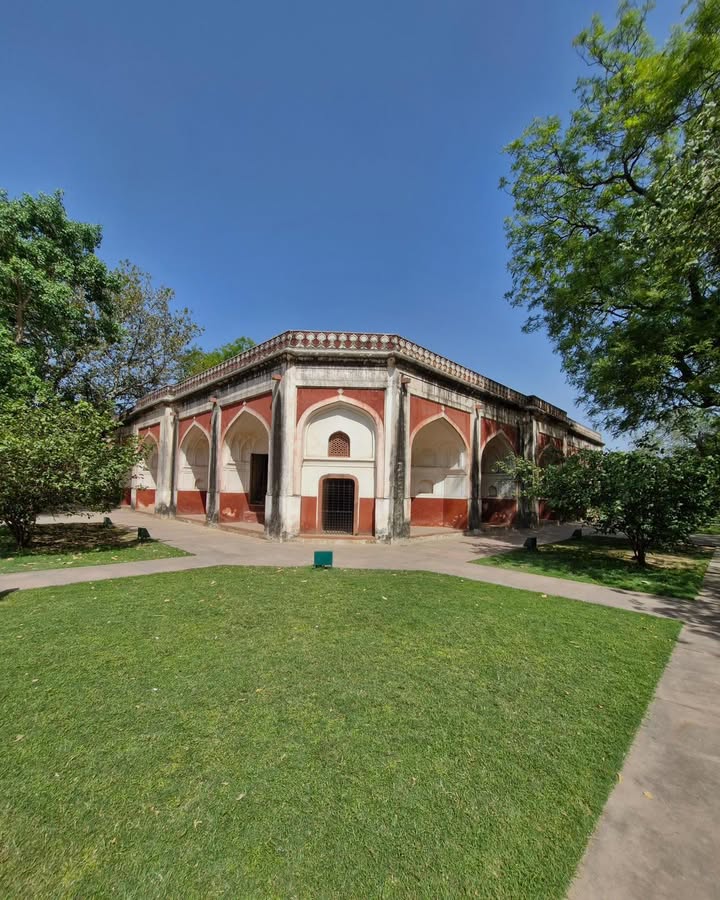
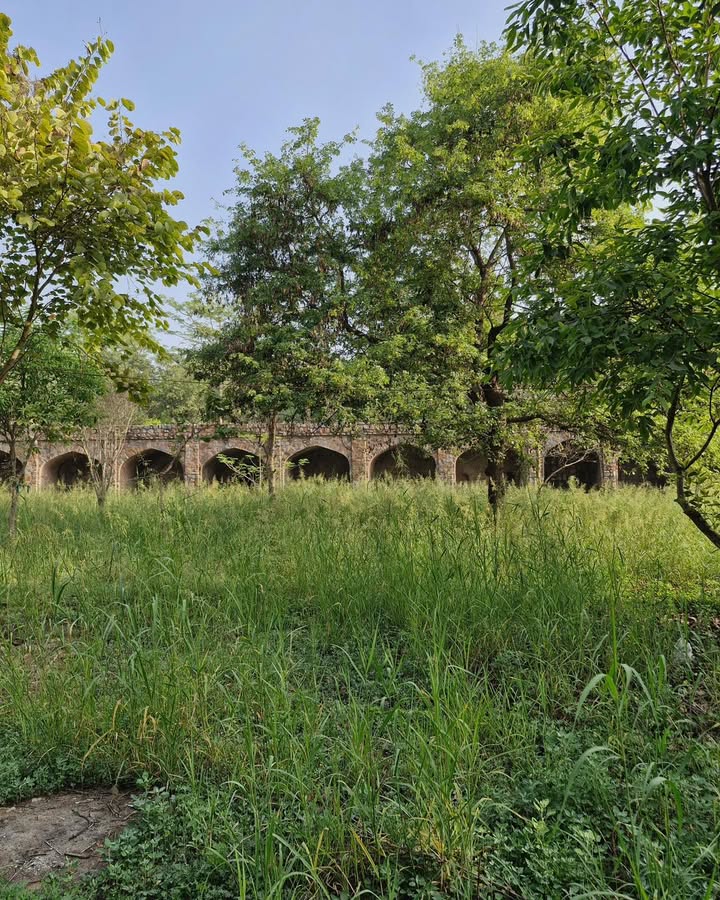
Conceived not merely as an architectural structure but as a living centre of learning, this madrasa once echoed with debates on theology, Quranic exegesis, and Islamic jurisprudence. It was here that scholarship and sovereignty met in stone. Unlike later Islamic colleges, this madrasa was uniquely designed in an L-shaped plan, enclosing a quadrangular courtyard, with small residential cells for students and teachers lining its sides — a rare spatial insight into medieval academic life in India.
What sets this monument apart is its extraordinary madrasa–tomb combination. In a striking and unusual decision, Alauddin Khilji chose to place his own tomb within the southern wing of the college, making this one of the earliest known examples in India where a ruler combined education, faith, and mortality within a single architectural vision. The structure reflects early Indo-Islamic experimentation, using corbelled pendentives to transition from square chambers to domed roofs — a hallmark of the Sultanate period before true arches became standard.
Located south-west of the Quwwat-ul-Islam Mosque, inside the Qutb Complex, the madrasa functioned as an important intellectual hub during the later years of the Khilji reign. However, after Alauddin’s death in 1316 AD and the decline of the Khilji dynasty, the institution gradually fell silent. Some later traditions suggest that scholars were uncomfortable studying religious texts beside a royal grave — a belief still debated by historians — but the political instability that followed played an equally decisive role.
Today, the weathered walls and quiet courtyard of this madrasa stand as a powerful reminder that medieval Delhi was not only a city of conquest, but also of ideas, scholarship, and institutional learning. Among the surviving pre-Mughal madrasas of India, this monument remains a rare window into the intellectual ambitions of the early Sultanate.
This story is part of a larger journey to document and preserve forgotten layers of our shared heritage.
Explore ITIHASNAMA by StudioDharma — a premium coffee table book capturing carefully researched histories through images and words.
Purchase link:
सुल्तान अलाउद्दीन खिलजी का मदरसा, क़ुतुब परिसर, मेहरौली
क़ुतुब परिसर के भीतर स्थित यह मदरसा, जिसे सुल्तान अलाउद्दीन खिलजी ने लगभग 1315 ईस्वी में बनवाया था, दिल्ली सल्तनत काल की बौद्धिक विरासत का एक दुर्लभ और अत्यंत महत्वपूर्ण साक्ष्य है।
यह केवल एक इमारत नहीं थी, बल्कि एक जीवंत शैक्षणिक केंद्र था जहाँ इस्लामी धर्मशास्त्र, कुरआन की व्याख्या और फ़िक़्ह की उच्च शिक्षा दी जाती थी। इस मदरसे की योजना एल-आकार में बनाई गई थी, जिसके चारों ओर एक खुला आंगन था और किनारों पर छात्रों व उस्तादों के लिए छोटे-छोटे कक्ष बने हुए थे।
इस स्मारक को विशिष्ट बनाता है इसका मदरसा-मक़बरा संयोजन। अलाउद्दीन खिलजी ने अपने जीवन के अंतिम वर्षों में अपने ही मक़बरे को मदरसे के दक्षिणी भाग में स्थापित करवाया — जो भारत में इस प्रकार का एक अत्यंत दुर्लभ उदाहरण है। यहाँ वर्गाकार कक्षों से गुंबद तक जाने के लिए कॉर्बेल्ड पेंडेंटिव्स का प्रयोग किया गया, जो प्रारंभिक सल्तनत स्थापत्य की विशेषता मानी जाती है।
यह मदरसा क़ुव्वत-उल-इस्लाम मस्जिद के दक्षिण-पश्चिम में स्थित है और खिलजी वंश के पतन के बाद धीरे-धीरे निष्क्रिय हो गया। कुछ ऐतिहासिक मान्यताओं के अनुसार राजा की क़ब्र के पास धार्मिक शिक्षा देना अनुचित माना गया, हालांकि इतिहासकार इस मत पर एकराय नहीं हैं। राजनीतिक अस्थिरता भी इसके पतन का एक प्रमुख कारण रही।
आज यह शांत, खंडहर रूप में खड़ा मदरसा इस बात की याद दिलाता है कि मध्यकालीन दिल्ली केवल सत्ता और युद्ध की नहीं, बल्कि ज्ञान और अध्ययन की भी राजधानी
भारत की भूली-बिसरी विरासत को सहेजने का यह प्रयास ITIHASNAMA में विस्तार से देखा जा सकता है।
पुस्तक खरीदने के लिए लिंक: