






✦🍂✦ ✧✧ ꧁ The Mughal Princes Who Begged in Delhi’s Nights ꧂ ✧✧ ✦🍂✦From Throne to Shadows.
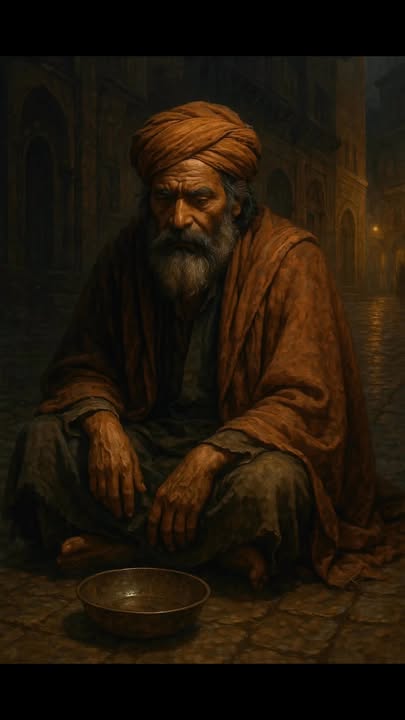
✦🍂✦ ✧✧ ꧁ The Mughal Princes Who Begged in Delhi’s Nights ꧂ ✧✧ ✦🍂✦From Throne to Shadows.In the fading twilight of 1857, the Mughal throne crumbled. Bahadur Shah Zafar was sent to Rangoon, and the Red Fort — once alive with poetry, music, and royal pageantry — turned into a silent shell of memories. But the true tragedy of Delhi was not only the loss of an empire, it was the fate of the princes who were left behind.One such prince was Mirza Qamar Sultan Bahadur, grandson of Zafar. Once hailed as Sahib-e-Alam, he slipped into such poverty that he dared to step out only at night. Wrapping himself in shadows, he whispered a prayer as he stretched out his hand in the alleys of Shahjahanabad: “Ya Allah, bas itna de de ke aaj ka guzara ho jaye.” From royal halls to darkened streets, his life became Delhi’s most haunting tale.The city saw another fallen heir — Mirza Nasir-ul-Mulk. By 1911, he was a cripple, dragging himself through the same lanes, begging for coins where Mughal elephants once paraded in glory. The descendants of emperors were reduced to shadows in their own city.And then there is Mirza Jawan Bakht (1841–1884), Zafar’s beloved son, born in the Red Fort itself. His mother, Zeenat Mahal, dreamt of a throne for him. Instead, he was exiled to Rangoon after 1858, where he died in 1884. He never begged in Delhi, yet the city’s memory tied his name to this sorrow, as if his exile itself was not enough of a wound.Three names, three destinies — all bound by one truth: that history can strip princes of crowns and leave them faceless in the night, their stories carried only by whispers in Delhi’s lanes. .1