








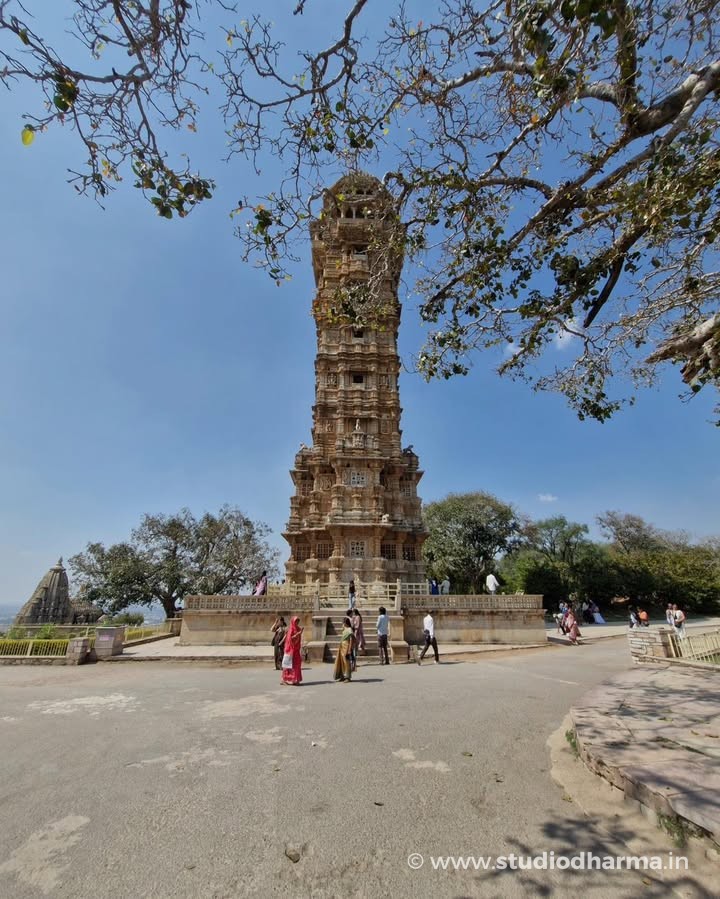
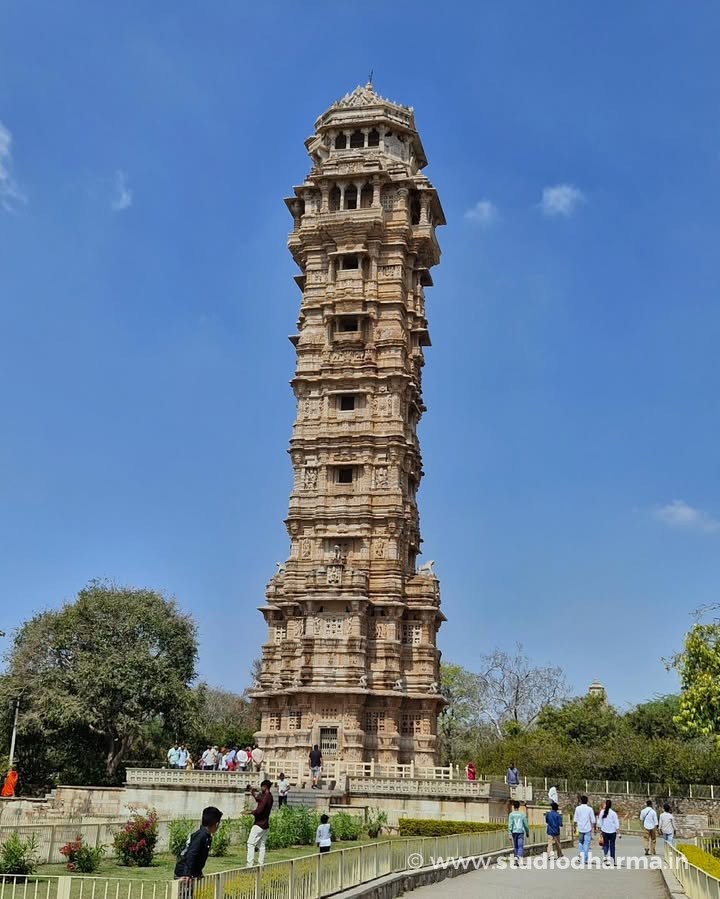
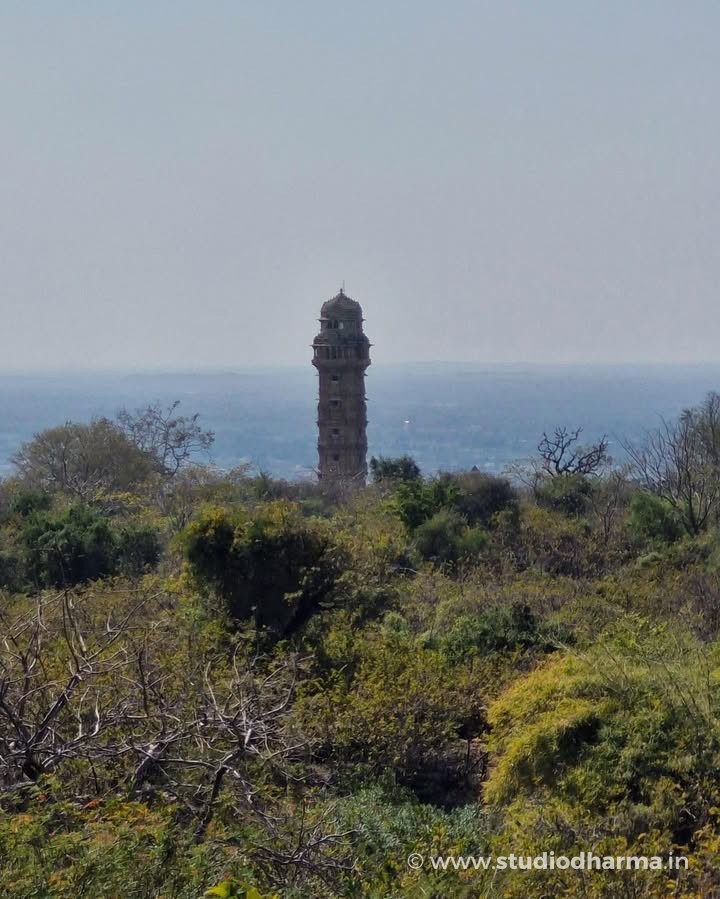
VIJAYA STAMBHA, CHITTORGARH, RAJASTHAN – A MASTERPIECE OF RAJPUT ARCHITECTURE, ONCE CALLED SUPERIOR TO QUTUB MINAR.
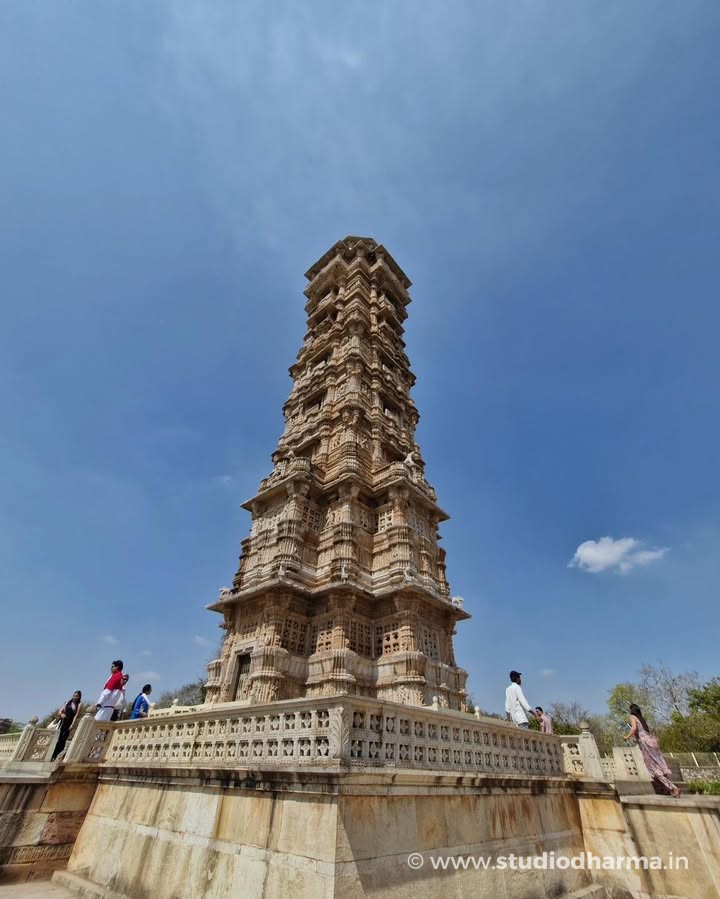
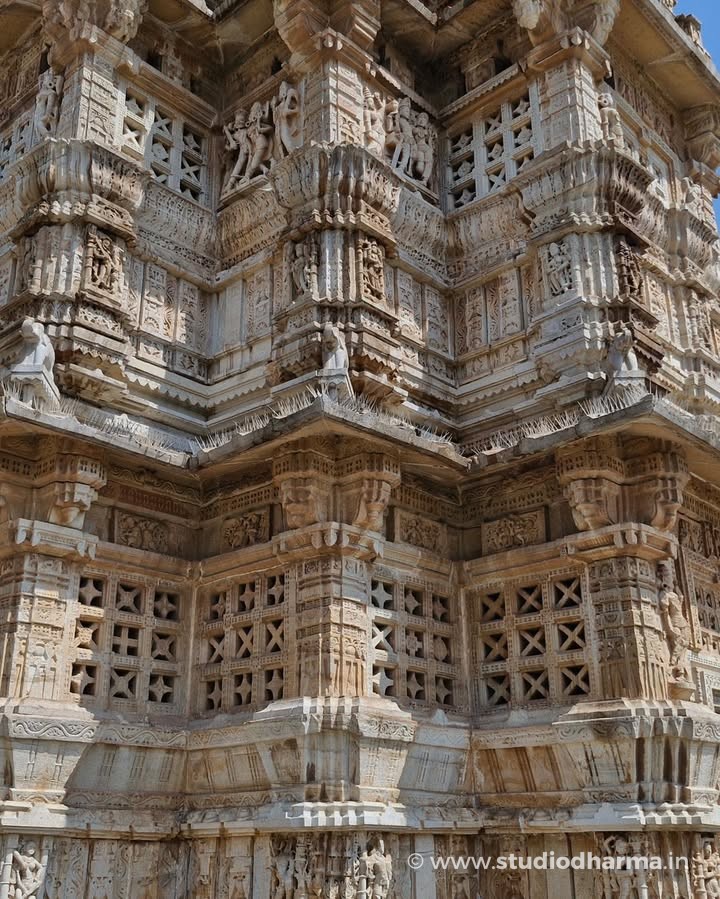
VIJAYA STAMBHA, CHITTORGARH, RAJASTHAN – A MASTERPIECE OF RAJPUT ARCHITECTURE, ONCE CALLED SUPERIOR TO QUTUB MINAR.
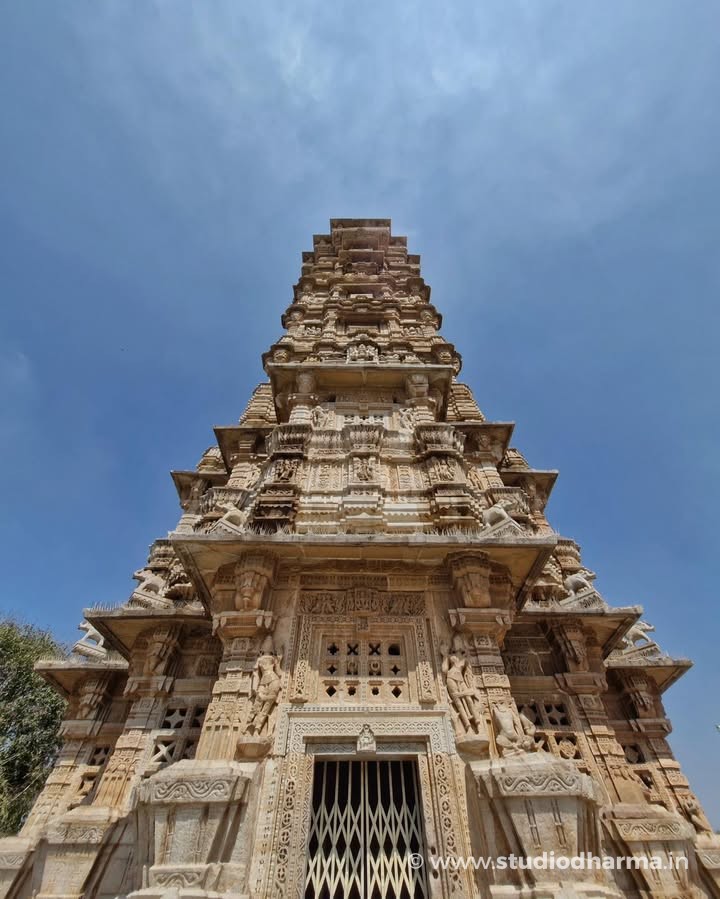
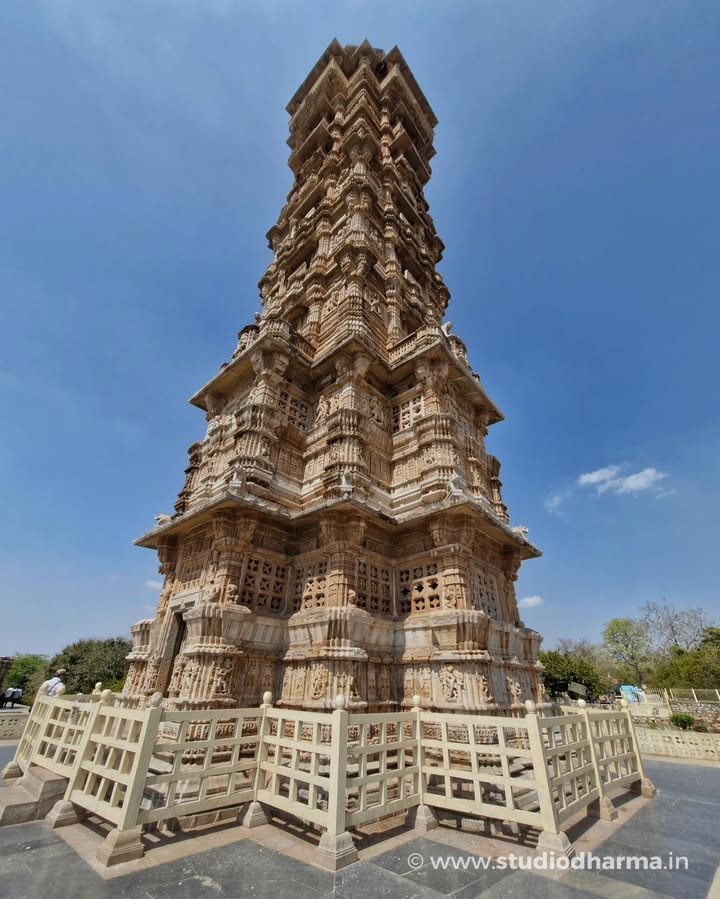
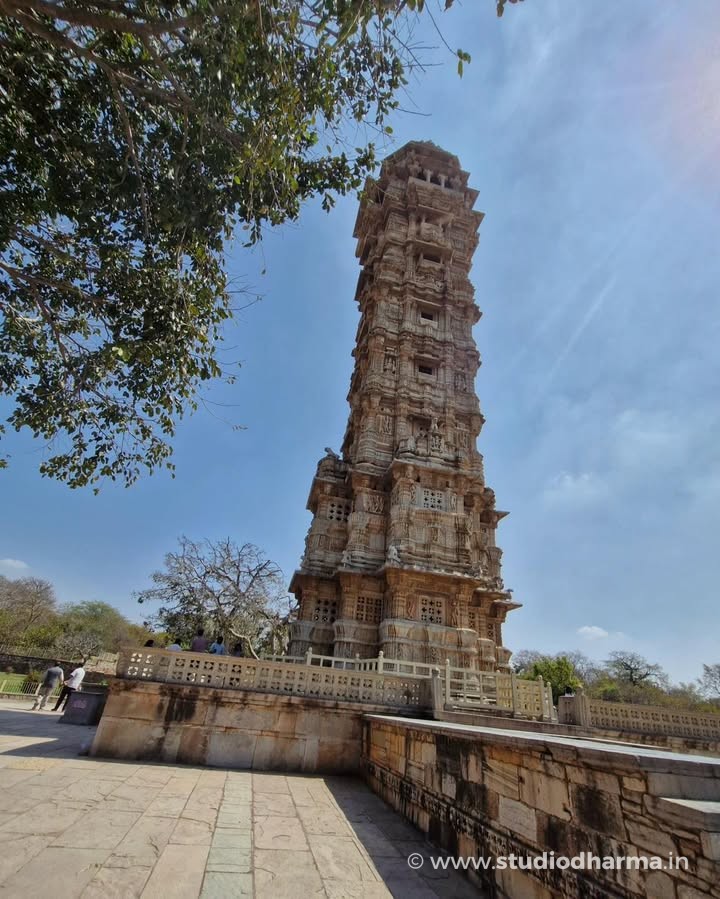
Rising proudly within the vast expanse of Chittor Fort, the Vijaya Stambha is not just a monument—it is a statement of victory carved in stone, echoing the courage and pride of Mewar.
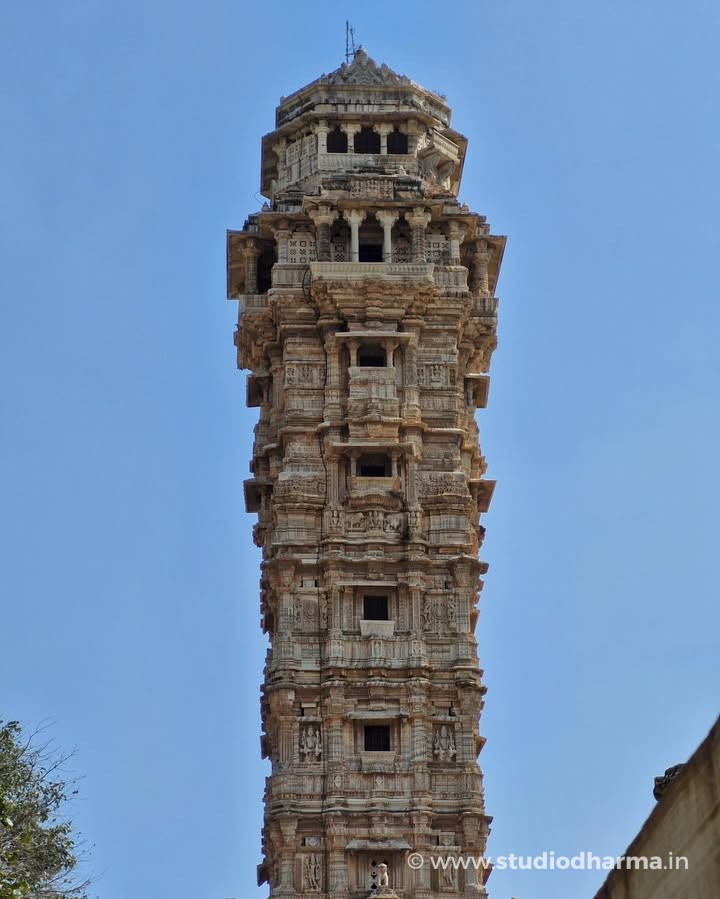
Built in 1448 CE by Rana Kumbha, this nine-storeyed tower commemorates his decisive victory over Sultan Mahmud Khilji of Malwa in the Battle of Sarangpur. This was not merely a battlefield success, but a defining moment that asserted the strength of Mewar against powerful Sultanates of the time, including Malwa and Gujarat.
Every surface of the Vijaya Stambha tells a story. Its walls are richly carved with depictions of Hindu deities, mythological scenes, and detailed inscriptions that record the genealogy and achievements of the rulers of Chittor. These inscriptions were composed by court scholar Atri and his son Mahesh, preserving history in its purest form—etched into stone.
The monument was designed by master architect Sutradhar Jaita, along with his sons Napa, Puja, and Poma—whose names remain inscribed within the structure, offering rare recognition to the craftsmen behind this architectural marvel.
Dedicated to Lord Vishnu, the tower also reflects the spirit of religious harmony practiced by the Rajputs. At its topmost level, an image of the Jain goddess Padmavati stands quietly, symbolizing coexistence and inclusivity.
Centuries later, the Vijaya Stambha continues to inspire admiration. British historian James Tod once described it as one of the finest examples of Rajput architecture, even calling it superior to the Qutub Minar—an observation that highlights the artistic brilliance of this monument.
Standing tall for nearly six centuries, the Vijaya Stambha is not just a tower of victory—it is a timeless symbol of identity, legacy, and the soul of Mewar.
If stories like these fascinate you, explore the forgotten heritage of Meerut through my premium coffee table book ITIHASNAMA by StudioDharma.
Order your copy here:
विजय स्तंभ, चित्तौड़गढ़, राजस्थान – राजपूत वास्तुकला का अद्भुत उदाहरण, जिसे कभी कुतुब मीनार से भी श्रेष्ठ कहा गया
चित्तौड़गढ़ किले की विशालता के बीच खड़ा विजय स्तंभ केवल एक स्मारक नहीं, बल्कि यह मेवाड़ की वीरता और स्वाभिमान की पत्थरों में लिखी हुई कहानी है।
इसका निर्माण 1448 ईस्वी में मेवाड़ के शासक राणा कुम्भा ने मालवा के सुल्तान महमूद खिलजी पर सारंगपुर के युद्ध में अपनी विजय के उपलक्ष्य में करवाया था। यह केवल एक युद्ध की जीत नहीं थी, बल्कि उस समय के शक्तिशाली सल्तनतों के सामने मेवाड़ की शक्ति का प्रतीक भी थी।
विजय स्तंभ की सबसे बड़ी विशेषता इसकी दीवारों पर उकेरी गई कहानी है। इसमें देवी-देवताओं की मूर्तियाँ, पौराणिक दृश्य और चित्तौड़ के शासकों की वंशावली तथा उनके कार्यों का विस्तृत वर्णन अंकित है। इन अभिलेखों को दरबारी विद्वान अत्रि और उनके पुत्र महेश ने लिखा था।
इस अद्भुत संरचना के शिल्पकार सूत्रधार जैता और उनके पुत्र नापा, पूजा और पोमा थे, जिनके नाम आज भी इस स्तंभ पर अंकित हैं—जो उस समय के शिल्पकारों को मिला एक दुर्लभ सम्मान है।
भगवान विष्णु को समर्पित इस स्तंभ में धार्मिक समावेशिता की झलक भी मिलती है। इसके शीर्ष पर जैन देवी पद्मावती की प्रतिमा स्थापित है, जो सह-अस्तित्व की भावना को दर्शाती है।
सदियों बाद भी यह स्तंभ केवल एक विजय का प्रतीक नहीं, बल्कि इतिहास, पहचान और विरासत का जीवंत प्रमाण बनकर खड़ा है।
यदि आपको ऐसी ऐतिहासिक कहानियाँ आकर्षित करती हैं, तो मेरे प्रीमियम कॉफी टेबल बुक ITIHASNAMA by StudioDharma में मेरठ की भूली-बिसरी विरासत को विस्तार से जानें।
अपनी प्रति यहाँ से ऑर्डर करें: