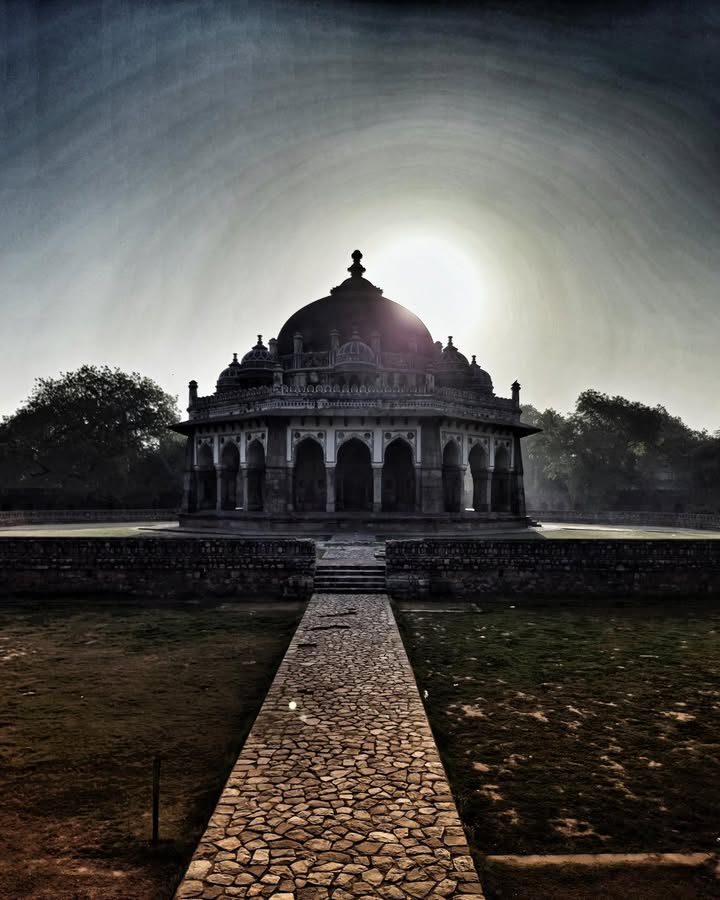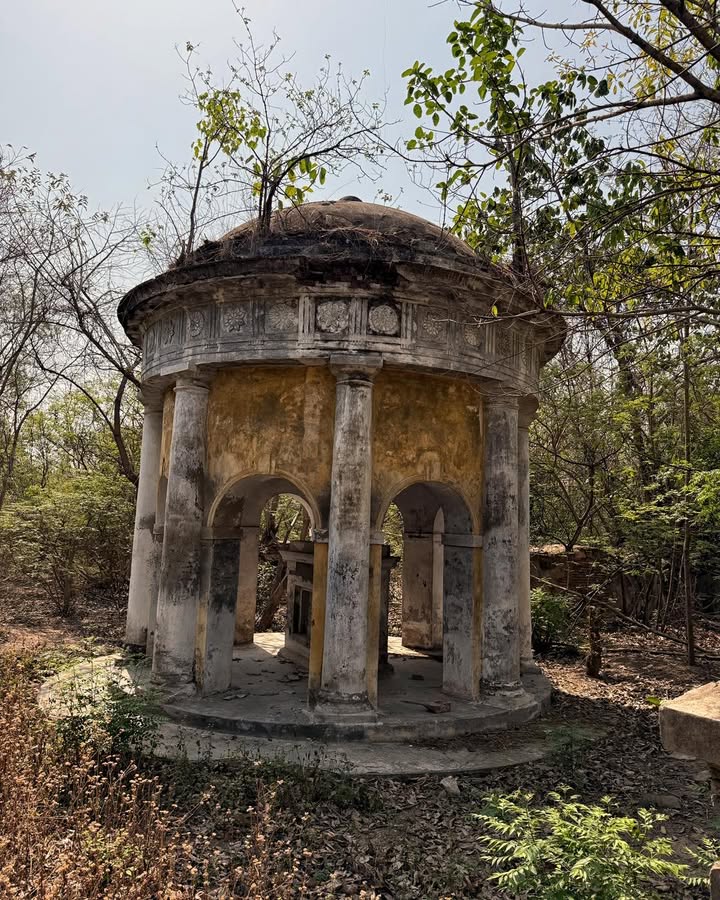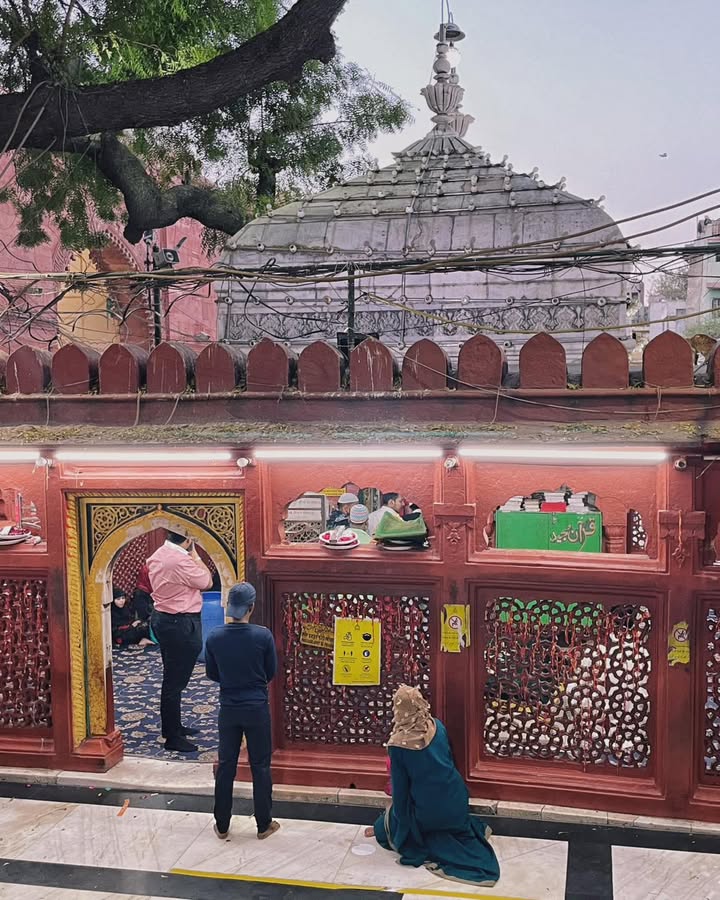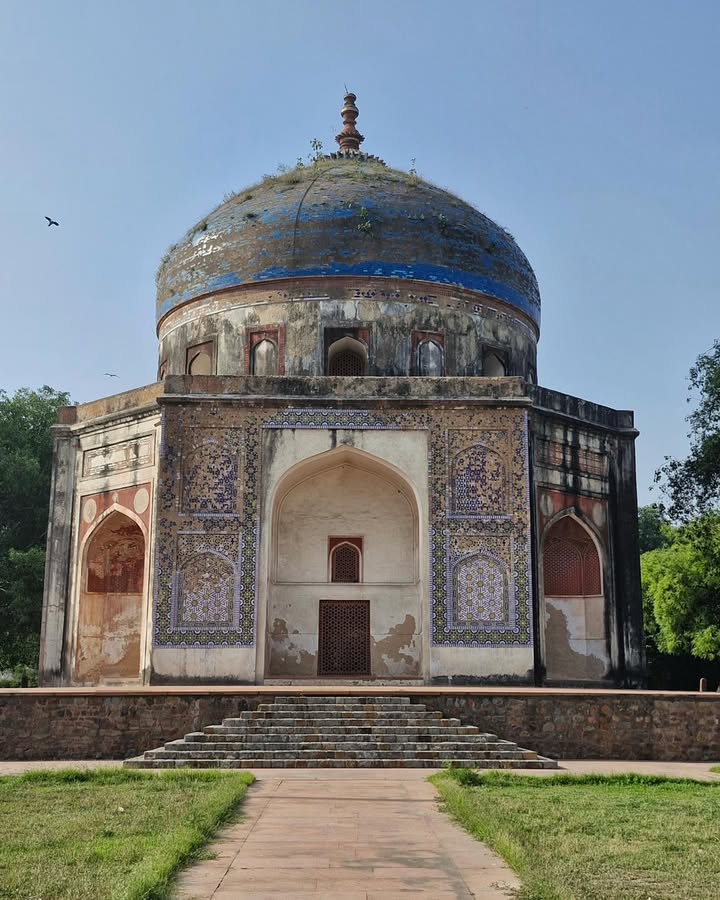










✦🌺✦Tomb of Nawab Saadat Ali Khan II — Echoes of a Bygone Awadh ꧂ ✦🌺✦.
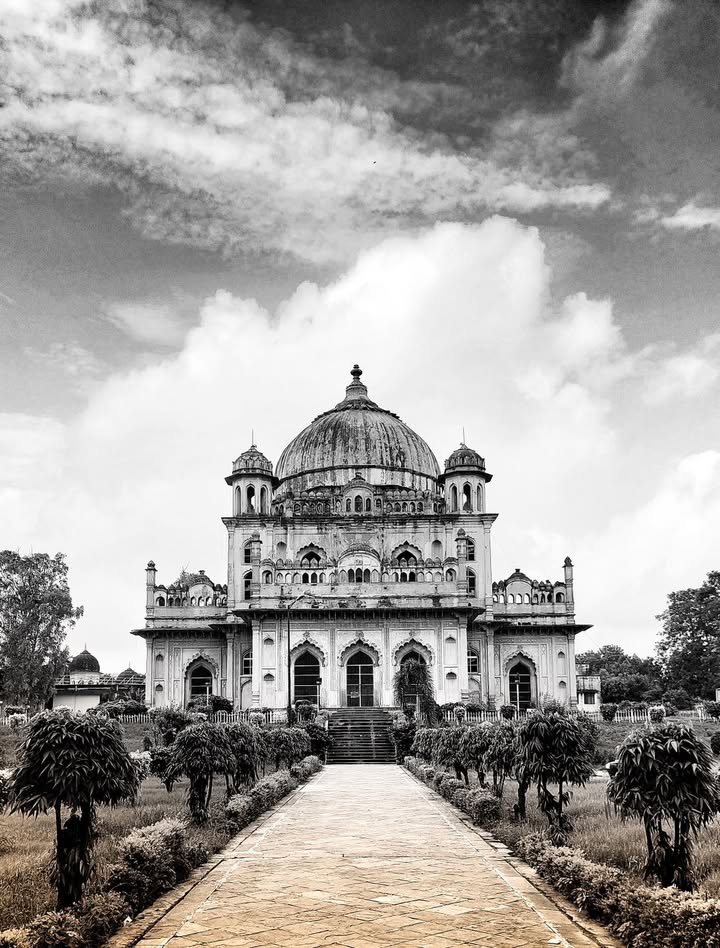
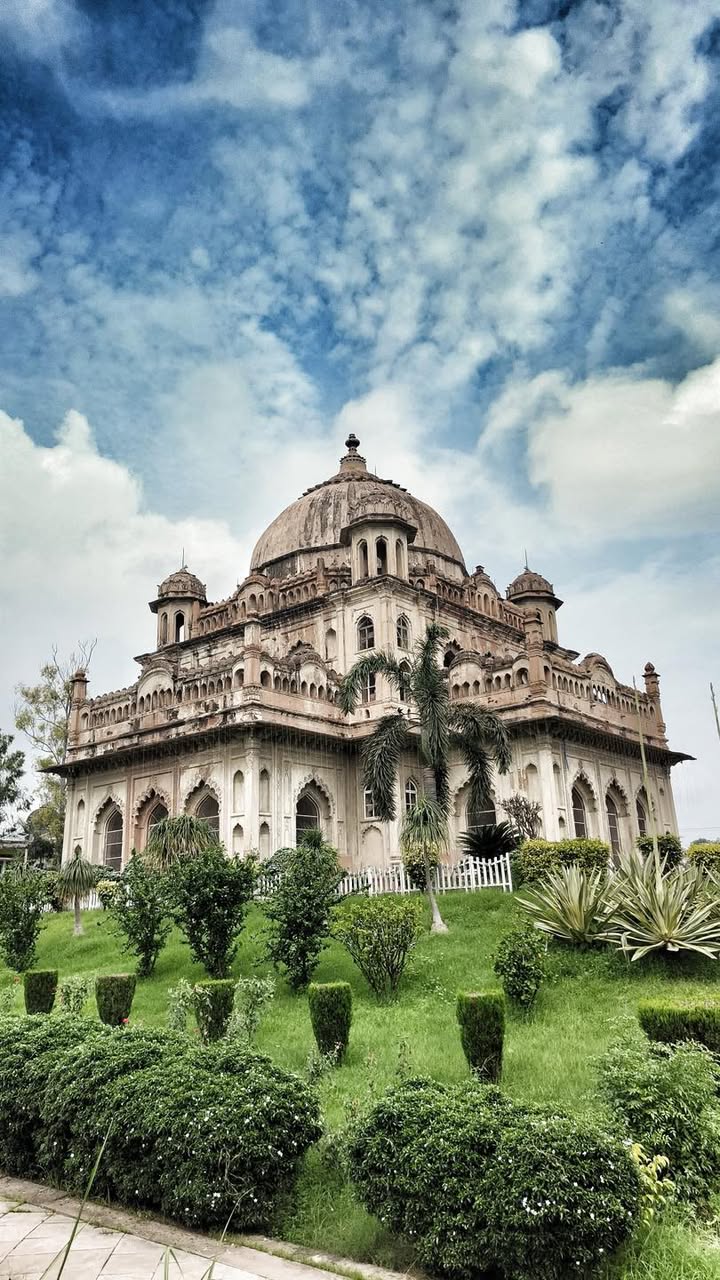
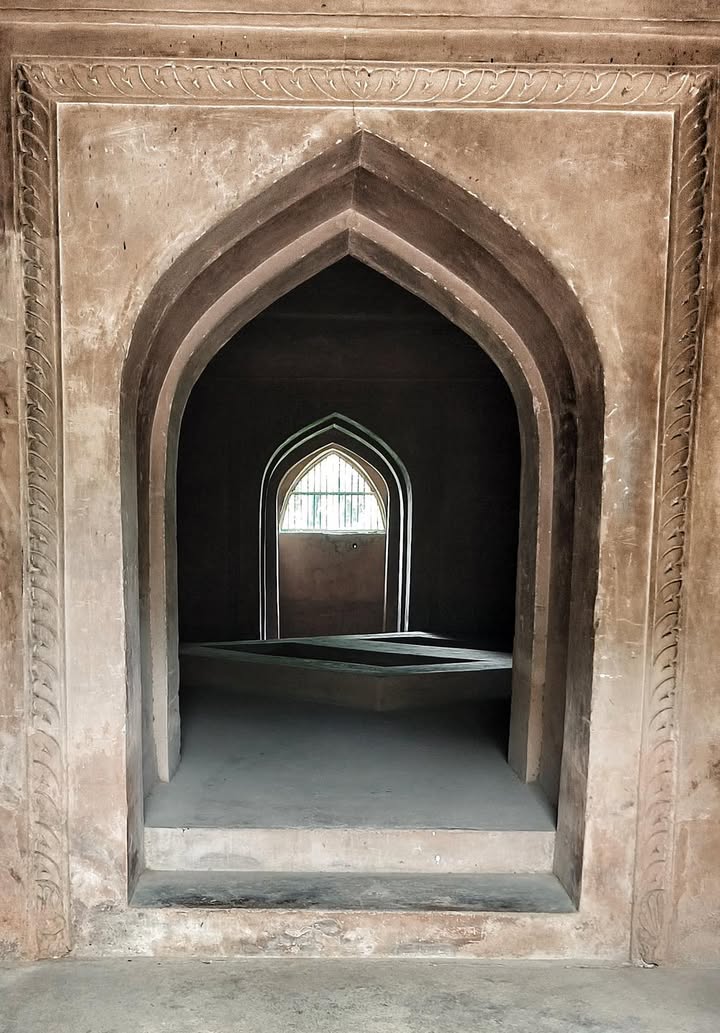
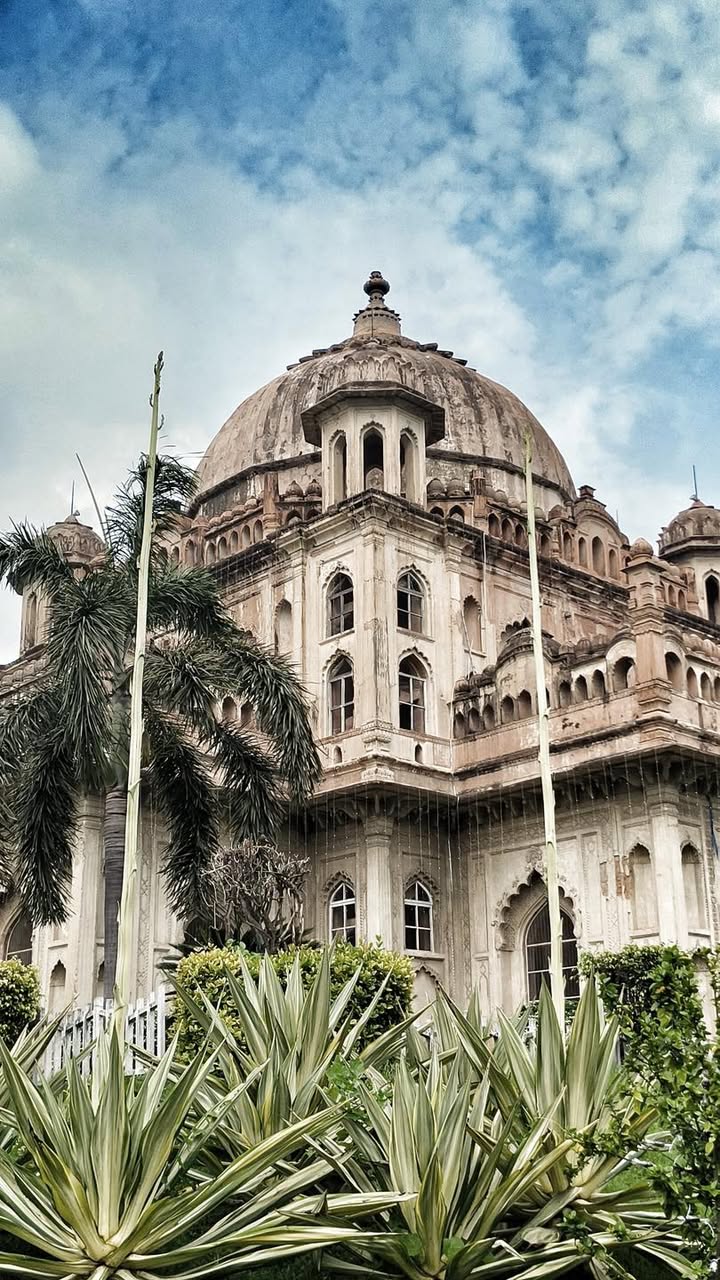
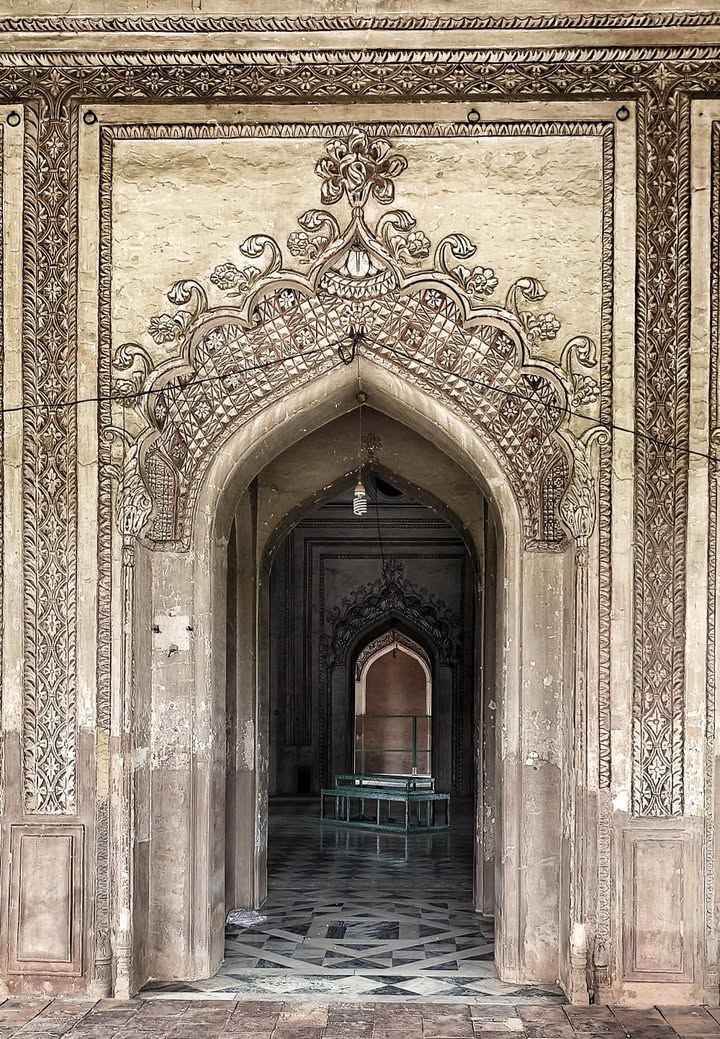
✦🌺✦Tomb of Nawab Saadat Ali Khan II — Echoes of a Bygone Awadh ꧂ ✦🌺✦.
In the shifting sands of late-18th-century India, a new chapter quietly unfolded in Awadh. It was the winter of 1798 when Saadat Ali Khan II — son of the powerful Shuja-ud-Daula — was crowned at the regal Bibiyapur Palace in Lucknow. The coronation, performed by Sir John Shore, marked not only the rise of a new Nawab but also the beginning of a decisive turning point in Awadh’s destiny.
Awadh, once a flourishing seat of Indo-Persian culture, poetry, and architectural brilliance, was facing mounting British pressure. In 1801, a treaty changed everything — half of Awadh’s dominions were ceded to the East India Company in exchange for “permanent protection.” The promise sounded reassuring, but history remembers it as the doorway through which the British entered Awadh’s political heart.
Yet Saadat Ali Khan II was more than the treaty he was compelled to sign. He was a patron of beauty, refinement, and architecture. The stretch from Kaiserbagh to Dilkusha transformed under his vision. Among his creations stood the stunning Dilkusha Kothi — designed in 1805 by Sir Gore Ouseley — a palace that blended European design with the elegance of Awadhi spirit. Even in ruins today, it whispers stories of regal evenings, horse-drawn carriages, and the faint glow of chandeliers.
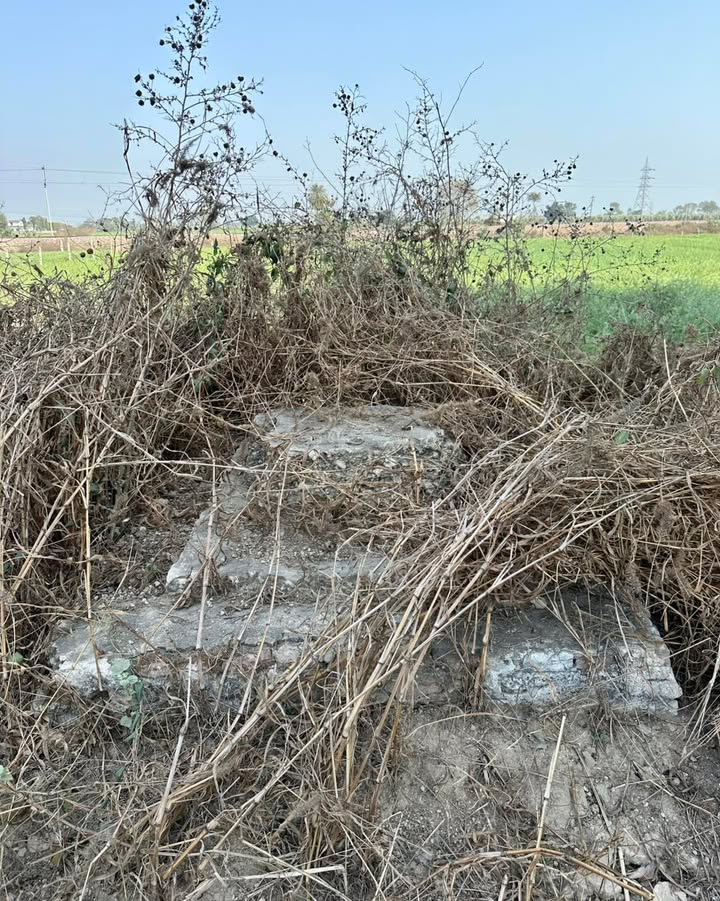
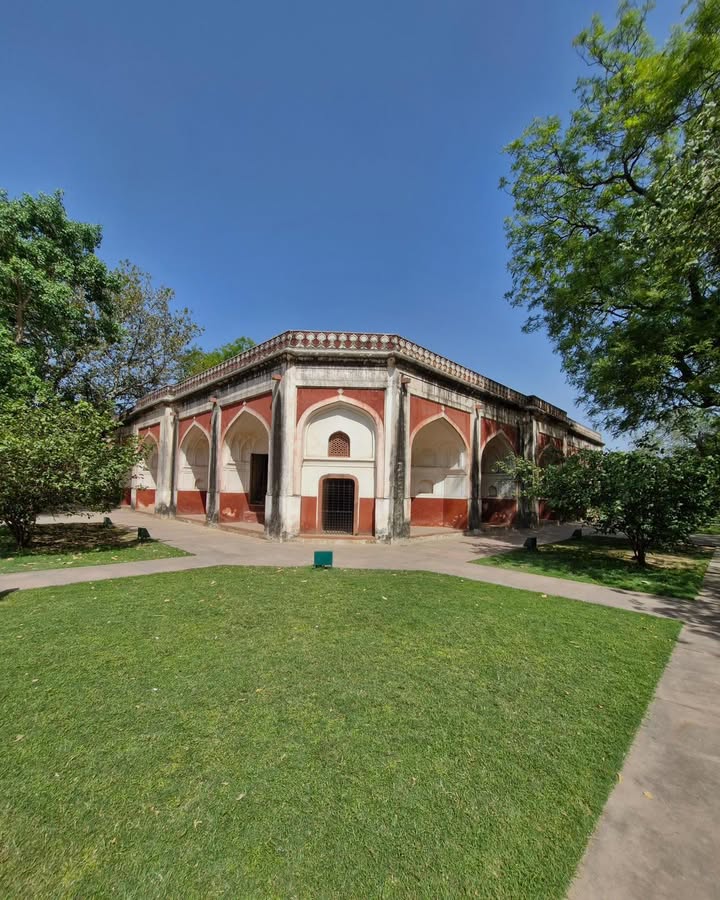
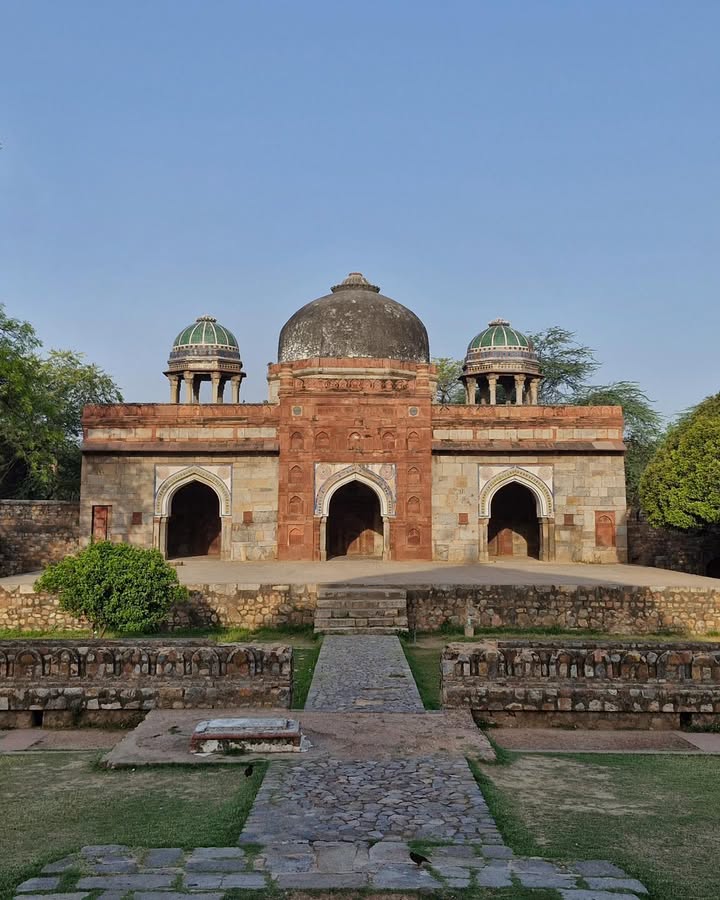
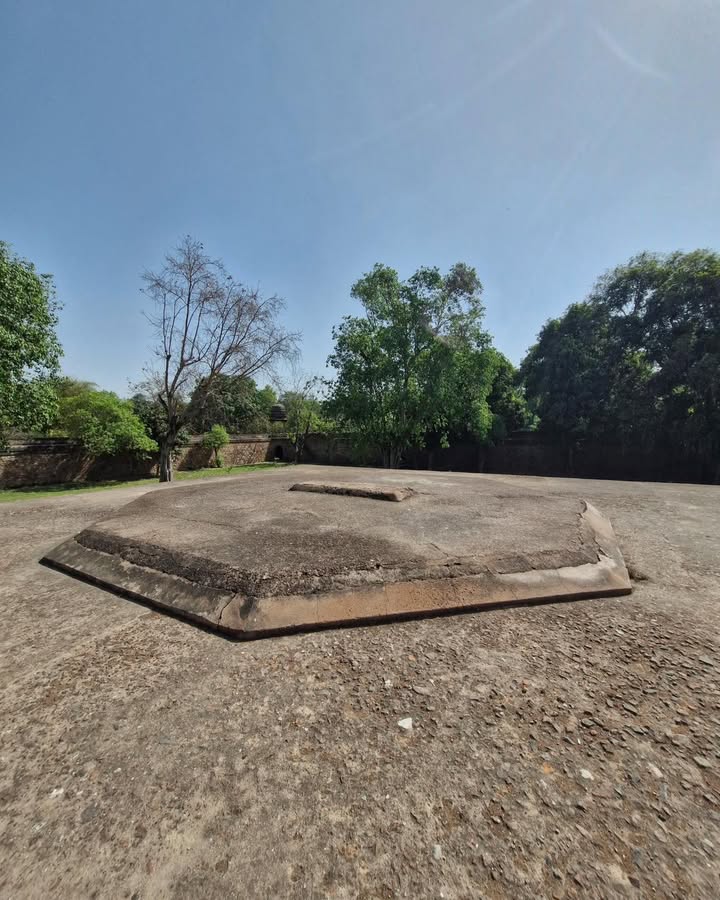
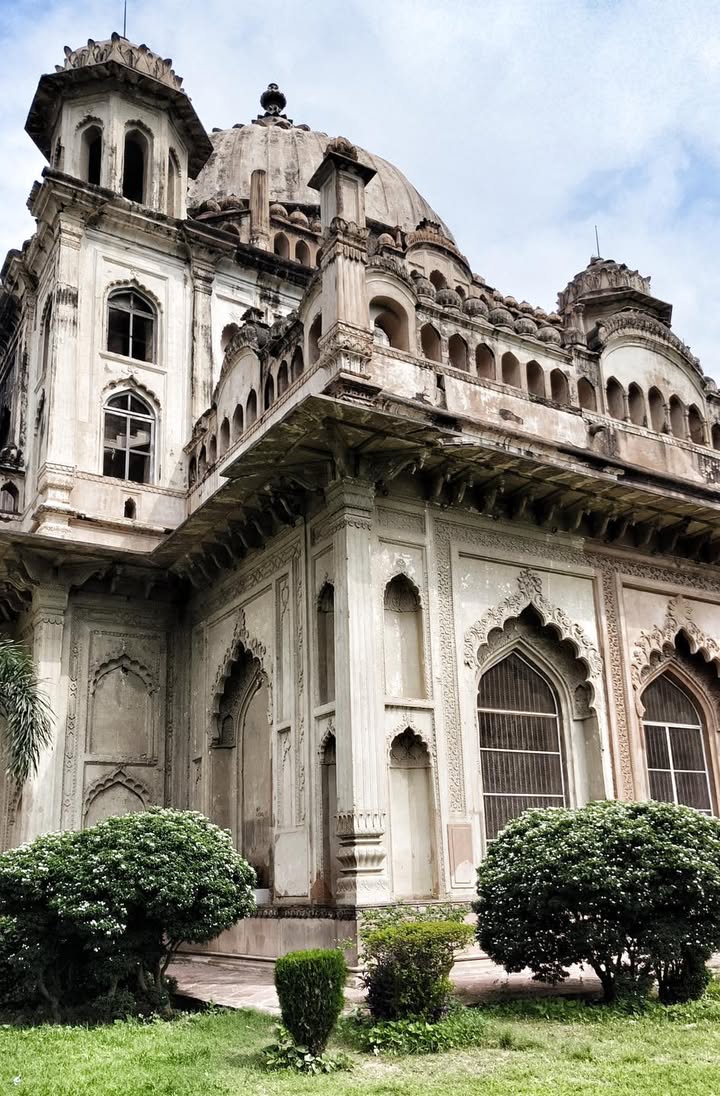
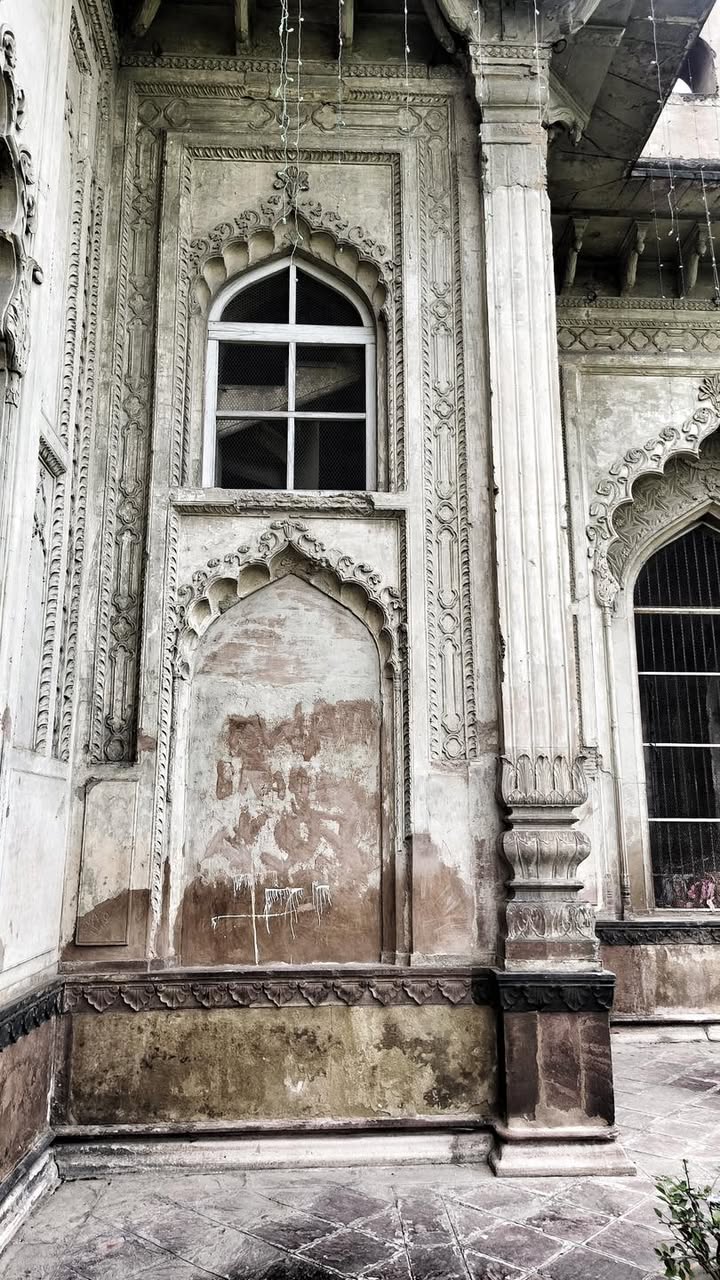
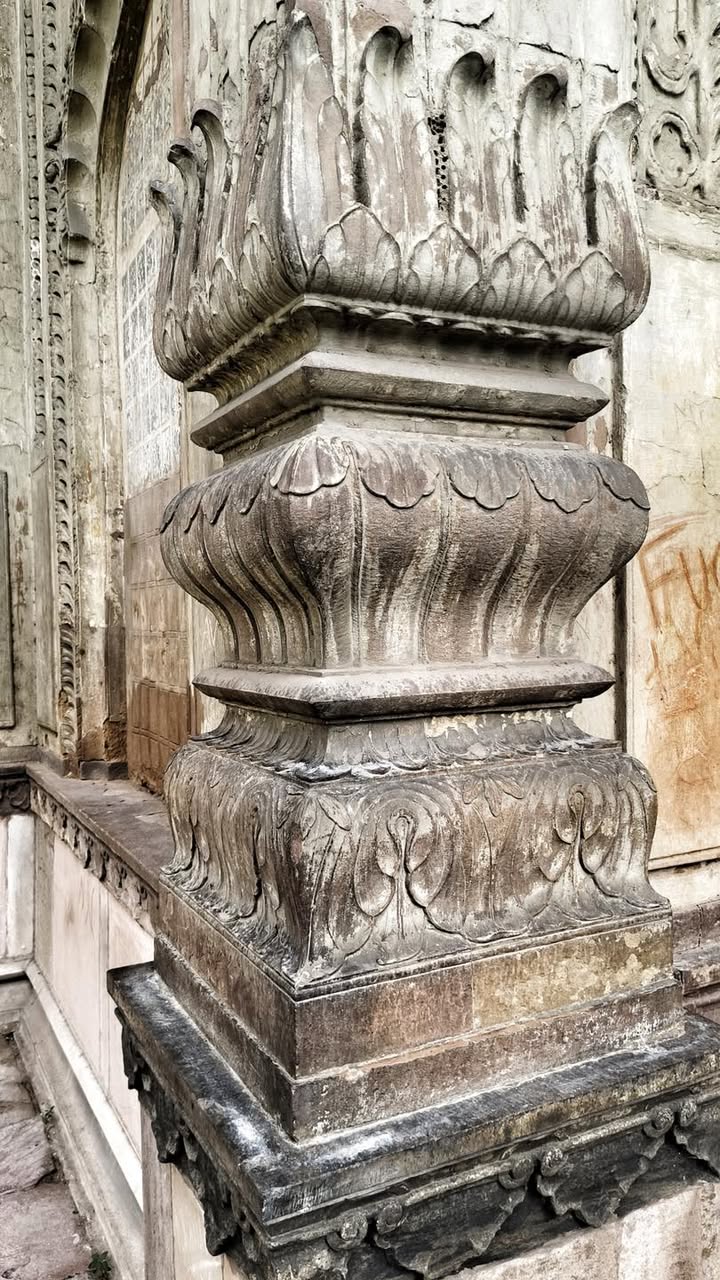
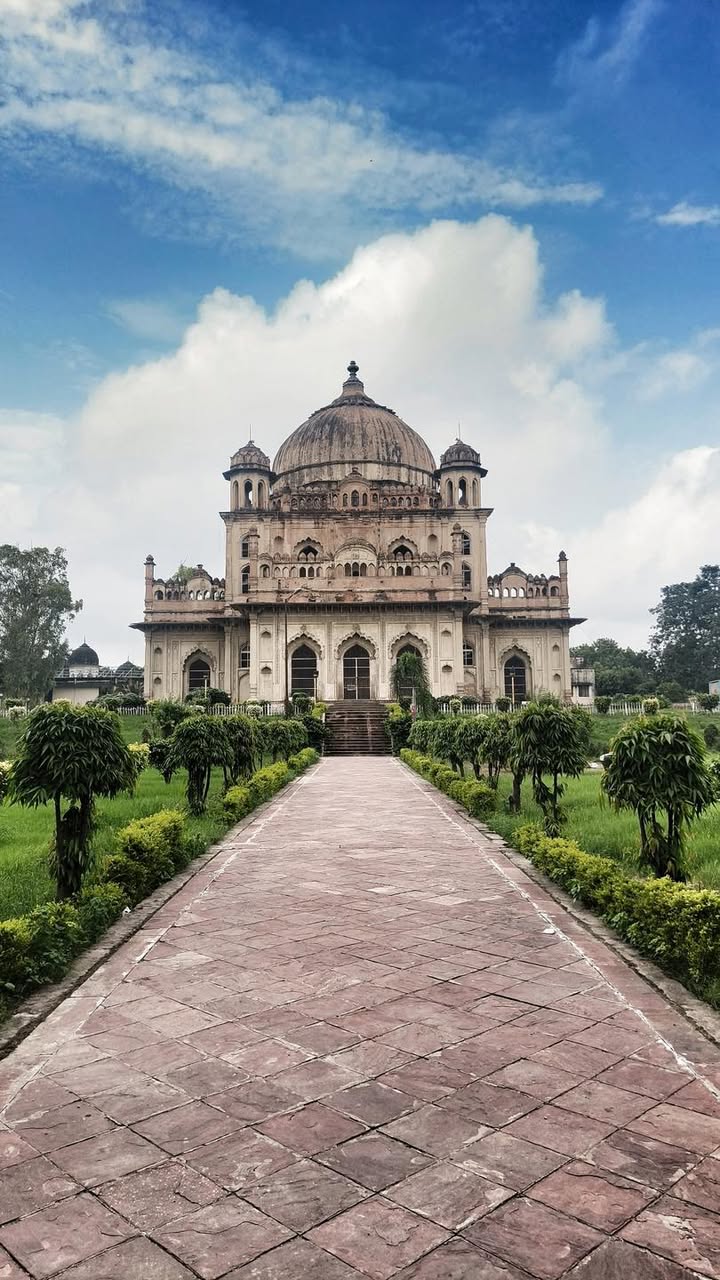
The Nawab’s life, however, remained tied to political turbulence and unavoidable compromises. After years of navigating the tightening British influence, he passed away on 11 July 1814. He rests beside his wife Khursheed Zadi at Qaiser Bagh — a quiet corner where marble, memory, and history still hold hands.
Saadat Ali Khan II’s story is not simply that of a ruler — it is the tale of a cultural kingdom caught between its glorious past and the shadow of colonial expansion.
To explore more forgotten stories of North India’s heritage, monuments, and cultural echoes, get your copy of the premium coffee-table book ITIHASNAMA by StudioDharma.
Purchase here:
〖 नवाब सआदत अली ख़ान द्वितीय — अवध की बदलती दिशा 〗
अठारहवीं सदी के उत्तरार्ध का वह समय था जब अवध की तहज़ीब, संगीत और महलों के बीच इतिहास एक नई करवट ले रहा था। 21 जनवरी 1798 को बिबियापुर पैलेस, लखनऊ में सआदत अली ख़ान द्वितीय का ताजपोशी हुई — ब्रिटिश सर जॉन शोर की उपस्थिति में। यह ताजपोशी केवल एक नवाब का उदय नहीं थी, बल्कि अवध के भाग्य में आने वाले गहरे बदलावों का संकेत भी थी।
1801 में दबाव के बीच हुए उस प्रसिद्ध संधि ने इतिहास की धारा मोड़ दी — अवध का आधा इलाक़ा ईस्ट इंडिया कंपनी को सौंप दिया गया, बदले में “स्थायी सुरक्षा” का वादा मिला। यह वादा बाद में एक ऐसे दरवाज़े की तरह साबित हुआ जिसके माध्यम से ब्रिटिश सत्ता सीधे अवध के दिल में प्रवेश कर गई।
फिर भी, सआदत अली ख़ान द्वितीय का व्यक्तित्व केवल राजनीति तक सीमित नहीं था। वे कला और स्थापत्य के संरक्षक थे। क़ैसरबाग से दिलकुशा तक का इलाक़ा उनकी निगरानी में निखरा। दिलकुशा कोठी — जिसे 1805 में सर गोर ओउज़ली ने बनाया — आज भी अपने खंडहरों में उस दौर की शान की गवाही देती है।
11 जुलाई 1814 को उनका देहांत हुआ और उन्हें उनकी पत्नी ख़ुर्शीद ज़ादी के साथ क़ैसरबाग में दफ़नाया गया — जहाँ आज भी इतिहास की हवा उनकी कहानियों को छूकर गुजरती है।
सआदत अली ख़ान द्वितीय की कहानी एक नवाब की नहीं, बल्कि उस अवध की है जो अपने सुनहरे अतीत और औपनिवेशिक दबाव के बीच जूझता रहा।
अवध, उत्तर प्रदेश और उत्तर भारत की विरासत को महसूस करने के लिए StudioDharma की प्रीमियम कॉफी-टेबल बुक ITIHASNAMA अवश्य पढ़ें।
खरीदने के लिए लिंक:
.1