






ZAFAR MAHAL, MEHRAULI (DELHI) The Last Breath of the Mughal World.


ZAFAR MAHAL, MEHRAULI (DELHI)
The Last Breath of the Mughal World.
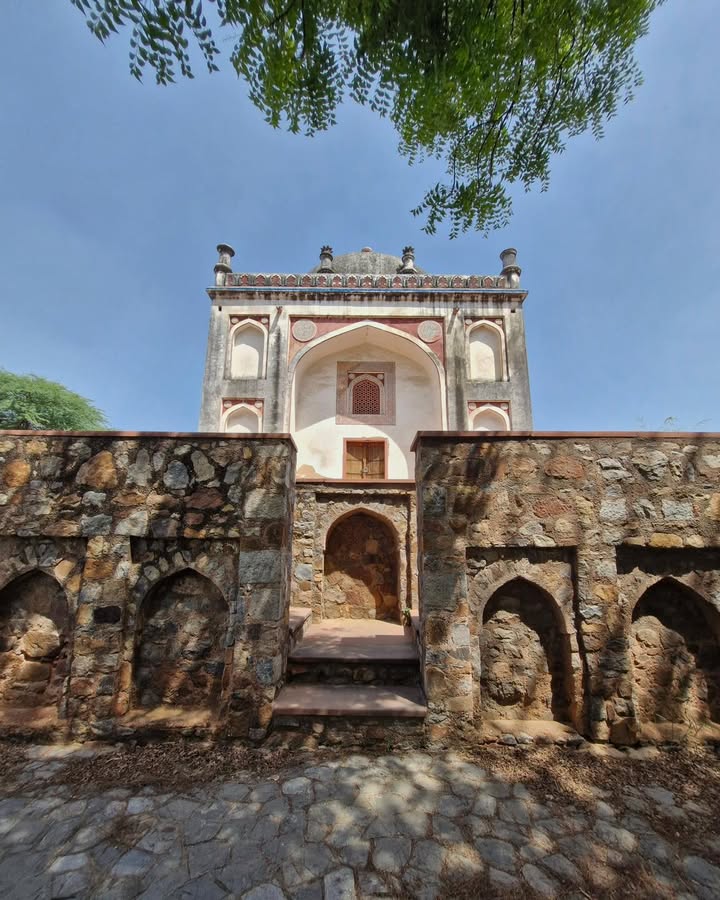
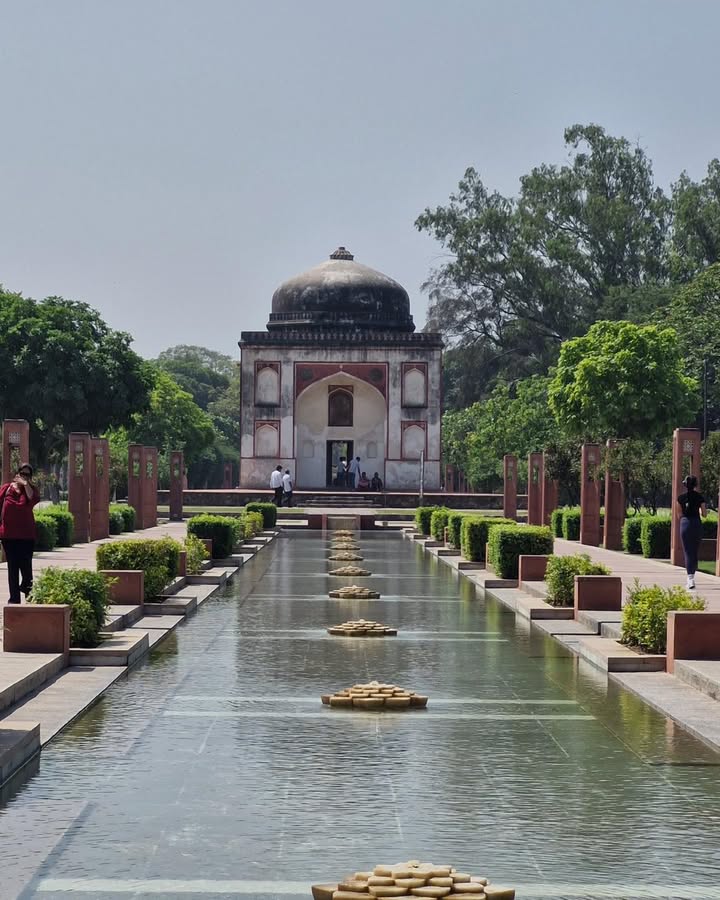
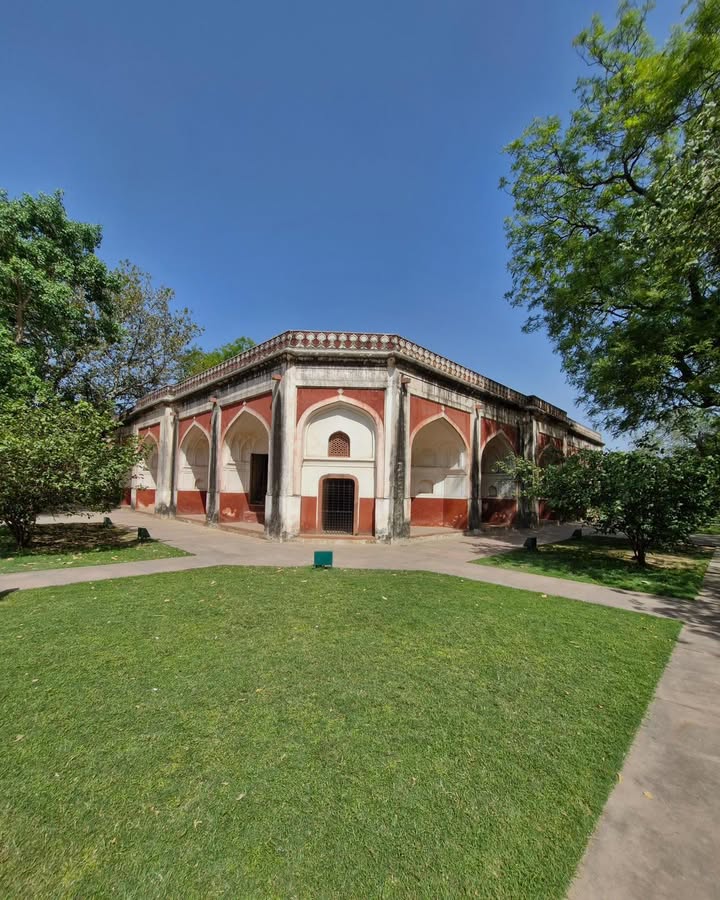
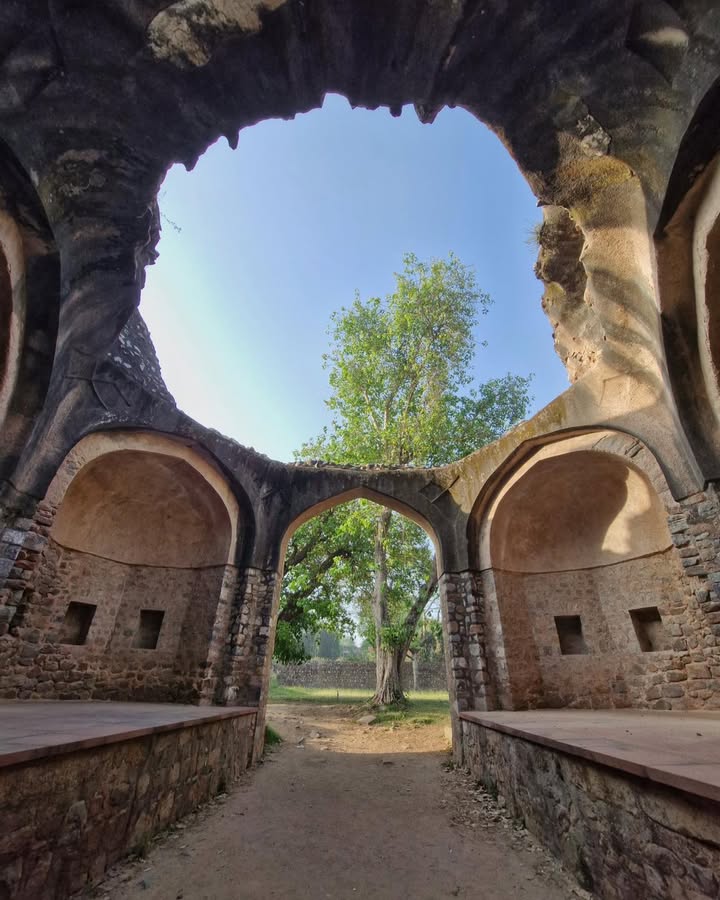
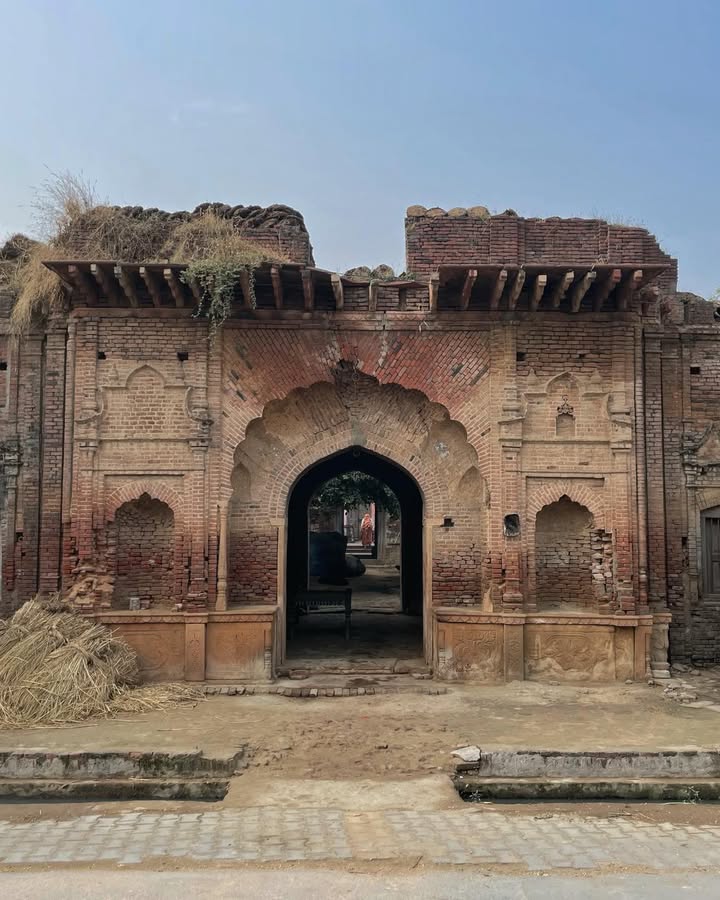
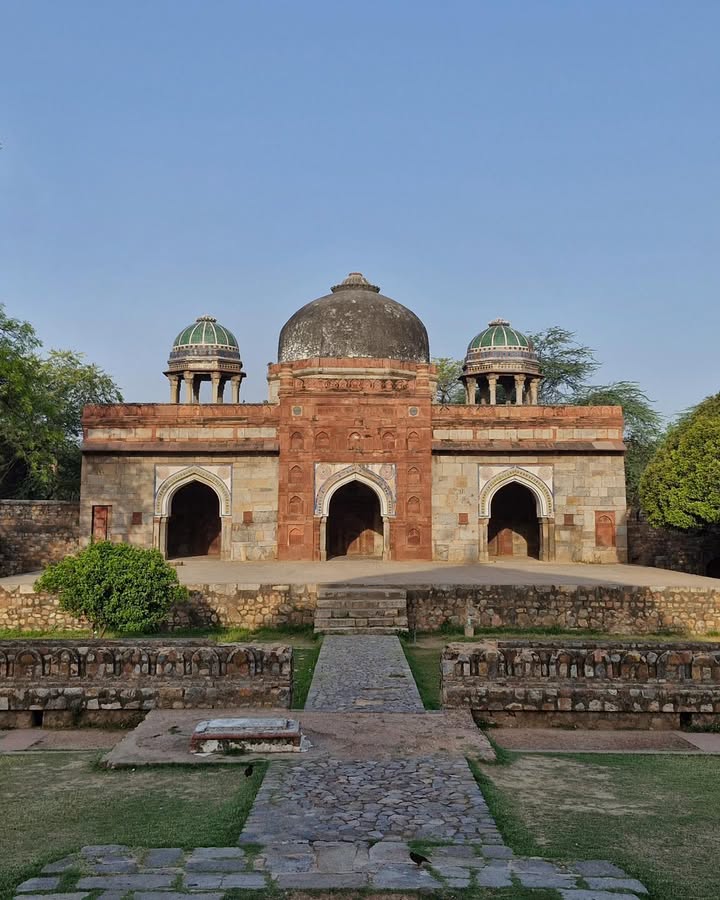
At the edge of Mehrauli, where Delhi’s earliest layers quietly converge, stands Zafar Mahal—widely regarded as the final monumental expression of the Mughal era. It was conceived not to display imperial might, but as a restrained summer retreat at a time when authority had already begun to ebb and remembrance had replaced power.
The palace structure was initiated by Emperor Akbar Shah II in the early nineteenth century. Its imposing entrance gateway was later rebuilt by his son, Bahadur Shah Zafar, whose poetic nom de plume “Zafar,” meaning victory, stands in poignant contrast to his fate.
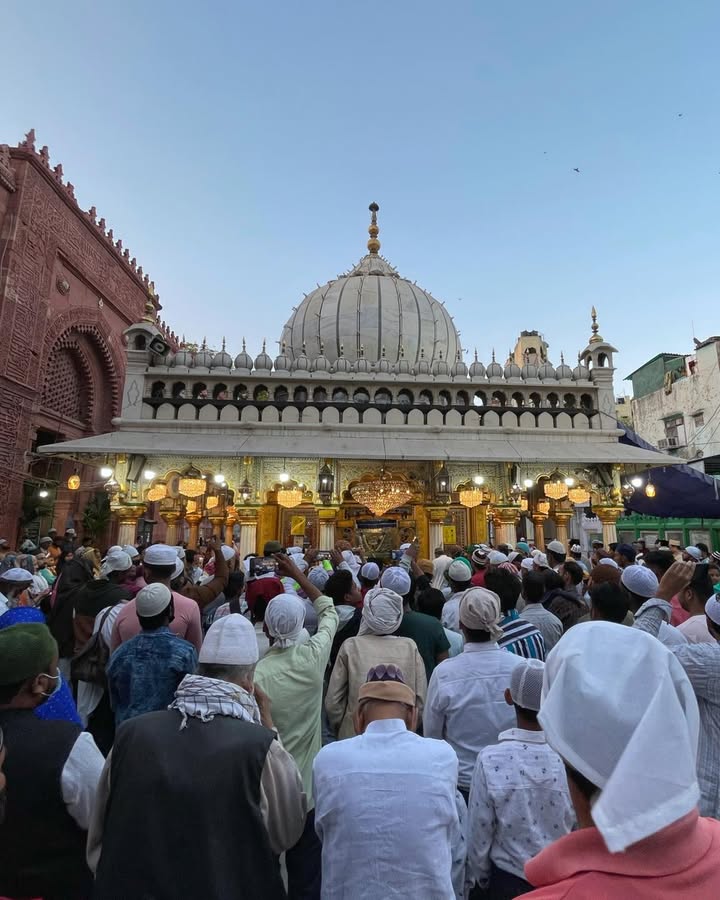
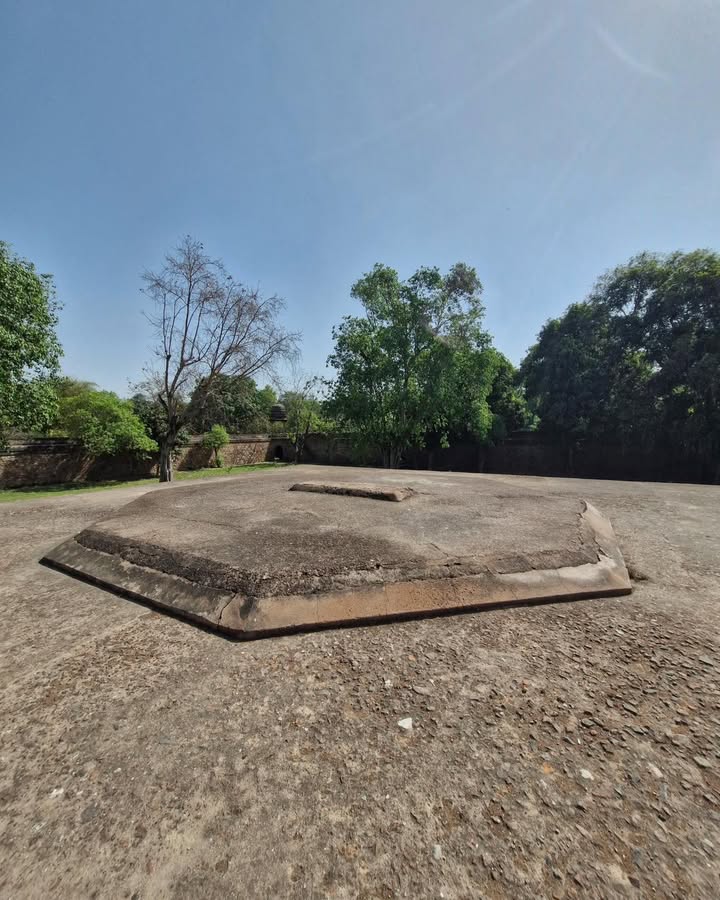
Zafar Mahal stands beside the revered dargah of Qutubuddin Bakhtiar Kaki, a spiritual centre deeply associated with the later Mughals. Bahadur Shah Zafar held this place in profound reverence and explicitly wished to be buried here. A burial site (sardgah) was even identified within the precincts. History, however, intervened.
After the failure of the Revolt of 1857, the emperor was tried, deposed, and exiled from Delhi in 1858. He left his capital under armed escort and never returned. Zafar died in Rangoon in November 1862, far from the city he loved, and was buried there hurriedly at night under official supervision—his final wish unfulfilled.
Within Mehrauli itself, the marble-enclosed graves near Zafar Mahal quietly narrate the dynasty’s decline: Shah Alam II, blinded and powerless; Akbar Shah II; and other princes whose lives mirrored the shrinking authority of the empire. Zafar Mahal thus stands as a threshold between sovereignty and exile, poetry and loss.
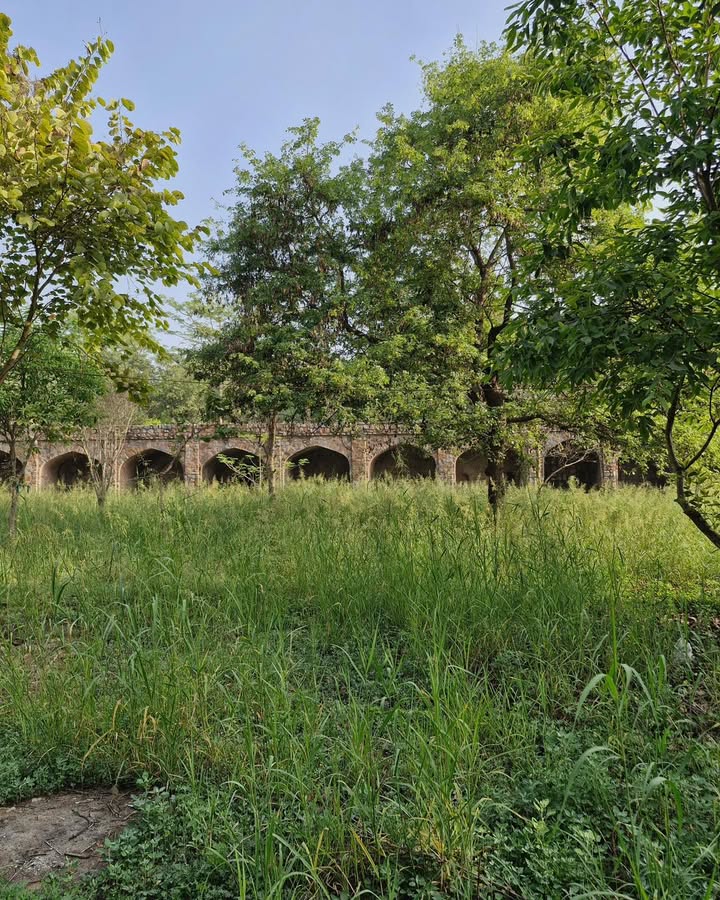
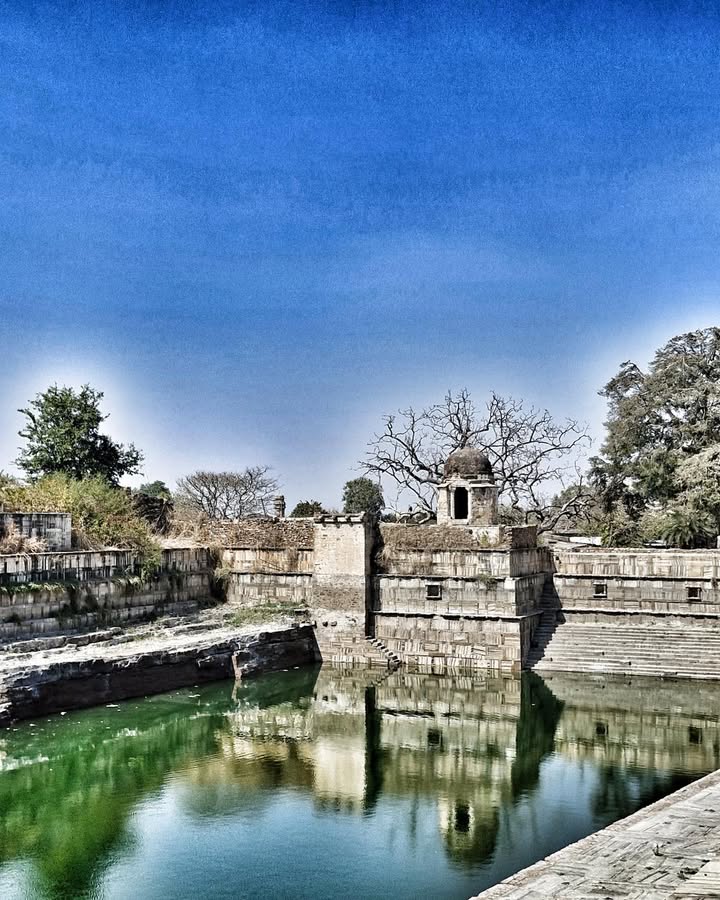
Today, despite neglect and encroachment, the palace still speaks. In its silence lies the story of a poet-king, a lost homeland, and the end of a 332-year-old dynasty that once ruled from Delhi.
Discover more such verified histories in the premium coffee table book ITIHASNAMA by StudioDharma.
Purchase link:
ज़फ़र महल, महरौली (दिल्ली)
मुग़ल साम्राज्य की अंतिम साँस
महरौली के ऐतिहासिक परिदृश्य में स्थित ज़फ़र महल को प्रायः मुग़ल काल का अंतिम स्मारक माना जाता है। यह किसी वैभवशाली सत्ता-प्रदर्शन का प्रतीक नहीं, बल्कि उस समय की स्मृति है जब साम्राज्य की शक्ति क्षीण हो चुकी थी और बादशाहत कविता, आध्यात्म और स्मृतियों में सिमट गई थी।
इस महल का निर्माण सम्राट अकबर शाह द्वितीय द्वारा आरंभ कराया गया था, जबकि इसका भव्य प्रवेश द्वार उनके पुत्र, अंतिम मुग़ल सम्राट बहादुर शाह ज़फ़र ने बनवाया। “ज़फ़र” उनका तख़ल्लुस था—अर्थात विजय—परंतु इतिहास ने उन्हें विजय नहीं, निर्वासन दिया।
ज़फ़र महल, प्रसिद्ध सूफ़ी संत ख़्वाजा क़ुतुबुद्दीन बख़्तियार काकी की दरगाह के निकट स्थित है। बहादुर शाह ज़फ़र का इस स्थान से गहरा आध्यात्मिक जुड़ाव था। उनकी स्पष्ट इच्छा थी कि उन्हें यहीं दफ़नाया जाए, और इसके लिए महल परिसर में दफ़न की जगह (सरदगाह) भी चिन्हित की गई थी। किंतु इतिहास ने उन्हें यह सौभाग्य नहीं दिया।
1857 के विद्रोह की असफलता के बाद, अंग्रेज़ों ने बहादुर शाह ज़फ़र को पदच्युत कर 1858 में दिल्ली से निर्वासित कर दिया। वे कभी दिल्ली वापस नहीं लौट सके। नवंबर 1862 में रंगून में उनका निधन हुआ, जहाँ उन्हें रात के अंधेरे में, अत्यंत शीघ्रता से दफ़न किया गया—उनकी अंतिम इच्छा अधूरी रह गई।
महरौली परिसर में स्थित संगमरमर से घिरी क़ब्रें—सम्राट शाह आलम द्वितीय, अकबर शाह द्वितीय तथा अन्य मुग़ल शहज़ादों की—एक ढलते हुए साम्राज्य की मूक गवाह हैं। ज़फ़र महल आज भी उस इतिहास की ख़ामोशी को अपने भीतर समेटे खड़ा है।
ऐसी ही शोध-आधारित ऐतिहासिक कथाओं का संकलन है
ITIHASNAMA by StudioDharma
पुस्तक खरीदने हेतु लिंक: