


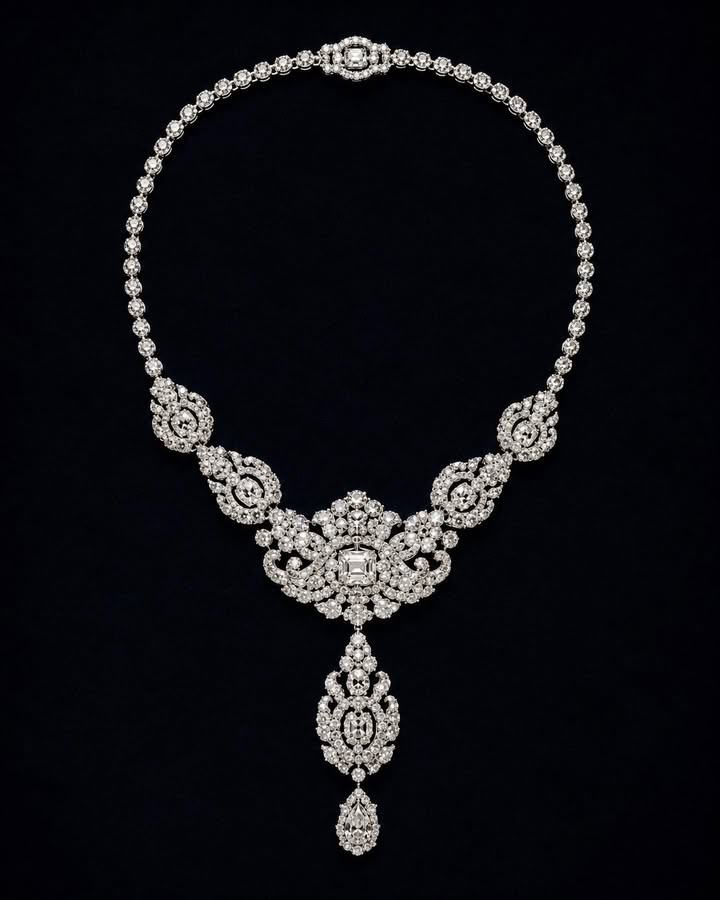
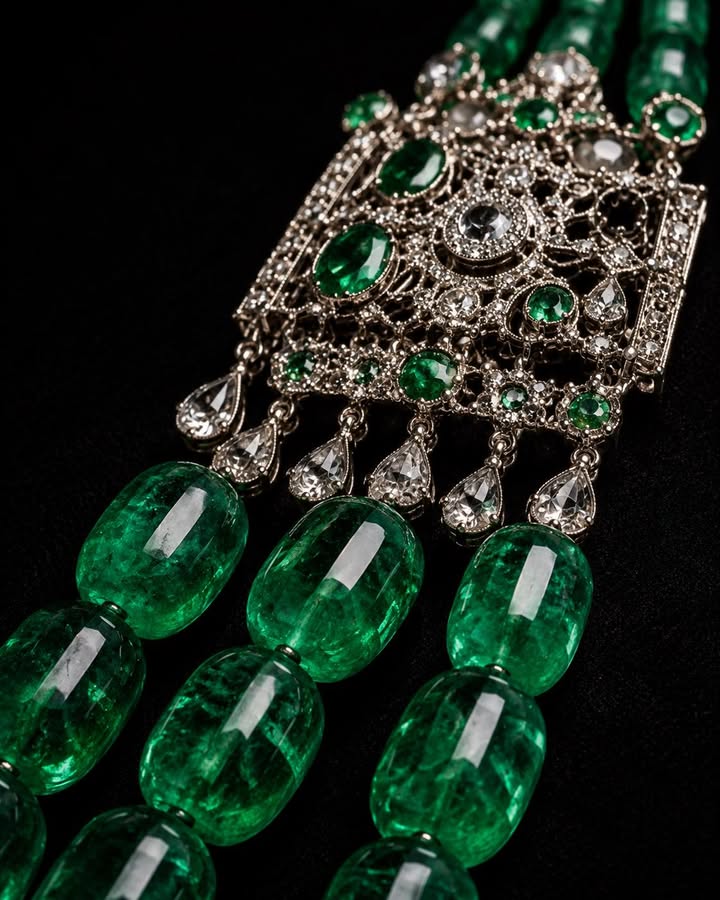
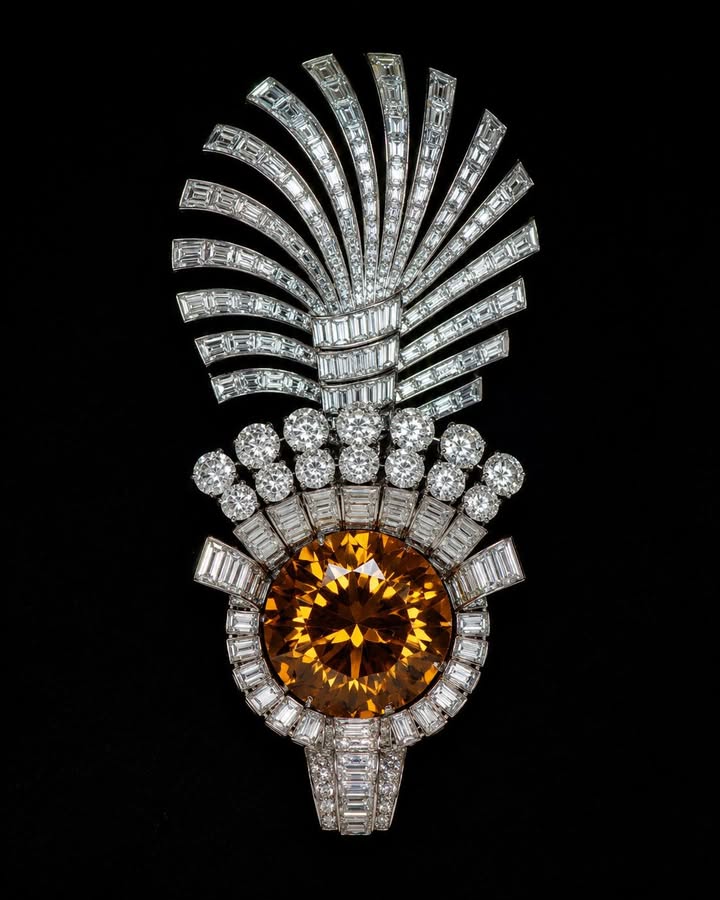












JUBILEE DIAMOND.
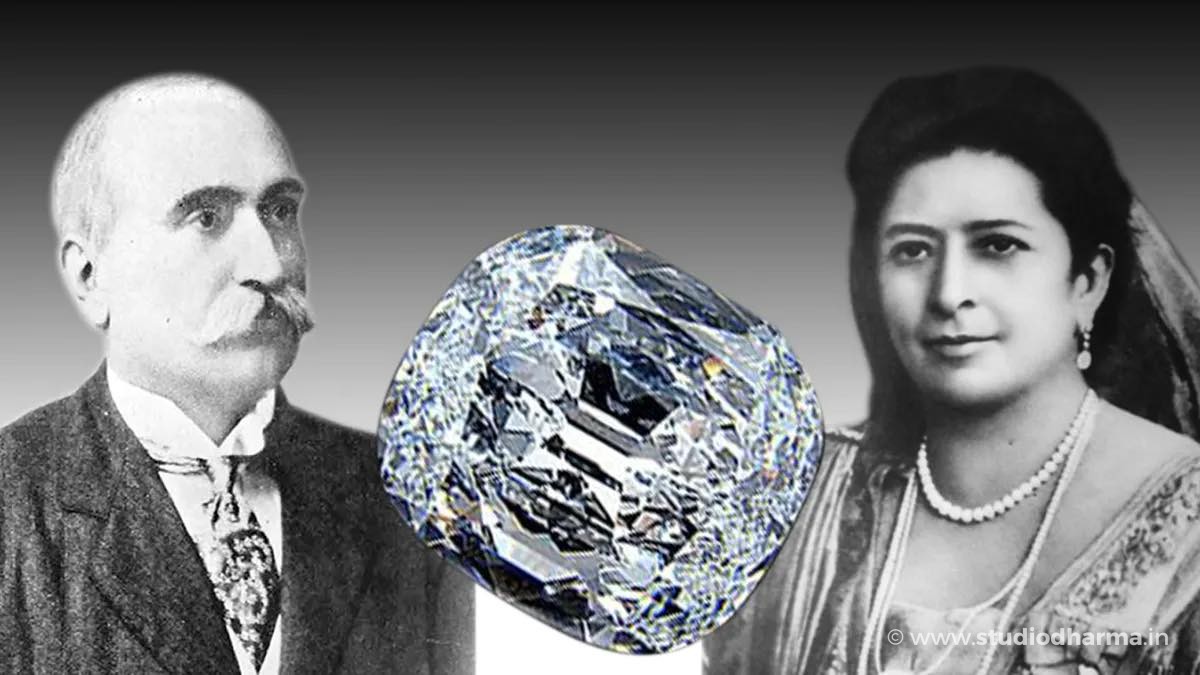
JUBILEE DIAMOND.
You could say the Tata Group, one of India’s largest industrial and houses, owes its good fortune to a diamond, for it was the sixth-largest diamond in the world that bailed out the first-ever Tata company, Tata Steel, in the 1920s.
Found in the mines of South Africa in 1895, the diamond was named 'Jubilee' as it was originally meant to be presented to Britain’s Queen Victoria on the Diamond Jubilee of her accession to the throne, in 1897.
The Jubilee was never presented to the Empress and, somewhere down the line, it was bought by Sir Dorabji Tata, son of Jamsetjee Tata, founder of the Tata Group of companies. Sir Dorabji presented it to his wife, Lady Meherbai Tata.
At the time, the Tatas were making the transition from mill owners to industrialists, and the Jubilee Diamond greatly enhanced their social standing. The Taj Mahal Hotel had just opened, Tata Steel (then TISCO) had been founded in 1907, and Tata Power in 1910.
In 1924, Tata Steel was facing a financial crisis. It needed Rs 2 crore and, to bail out the company, the diamond was pledged to the Imperial Bank of India (now SBI), as collateral for a loan. This saved the company, now one of India’s leading steel makers, from going under.
After the death of Sir Dorabji and Lady Meherbai, the Jubilee Diamond passed to the Sir Dorabji Trust along with his other assets. By 1935, the trustees had sold the gem to fund the Tata Memorial Hospital in Mumbai, one of India’s most prominent cancer-treatment centres.
The Jubilee Diamond was bought by French industrialist M Paul-Louis Weiller, who sold it to Robert Mouawad, a Lebanese diamond collector.