






𝓕𝓪𝓽𝓮𝓱𝓹𝓾𝓻𝓲 𝓜𝓪𝓼𝓳𝓲𝓭, 𝓓𝓮𝓵𝓱𝓲 – 𝓐 𝓜𝓸𝓷𝓾𝓶𝓮𝓷𝓽 𝓣𝓱𝓪𝓽 𝓢𝓾𝓻𝓿𝓲𝓿𝓮𝓭 𝓔𝓶𝓹𝓲𝓻𝓮𝓼.
𝓕𝓪𝓽𝓮𝓱𝓹𝓾𝓻𝓲 𝓜𝓪𝓼𝓳𝓲𝓭, 𝓓𝓮𝓵𝓱𝓲 – 𝓐 𝓜𝓸𝓷𝓾𝓶𝓮𝓷𝓽 𝓣𝓱𝓪𝓽 𝓢𝓾𝓻𝓿𝓲𝓿𝓮𝓭 𝓔𝓶𝓹𝓲𝓻𝓮𝓼.
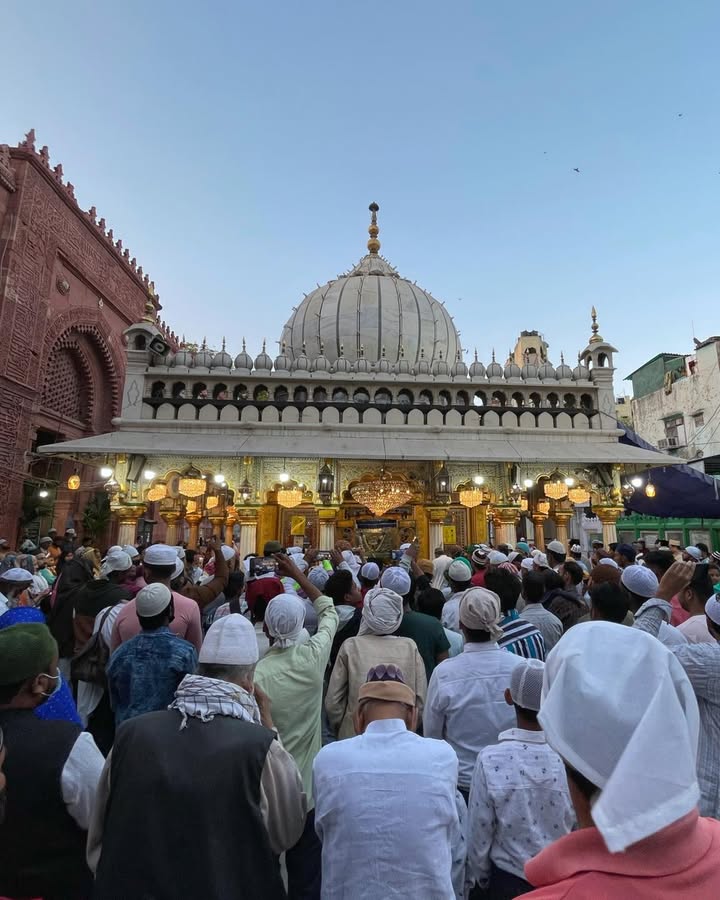
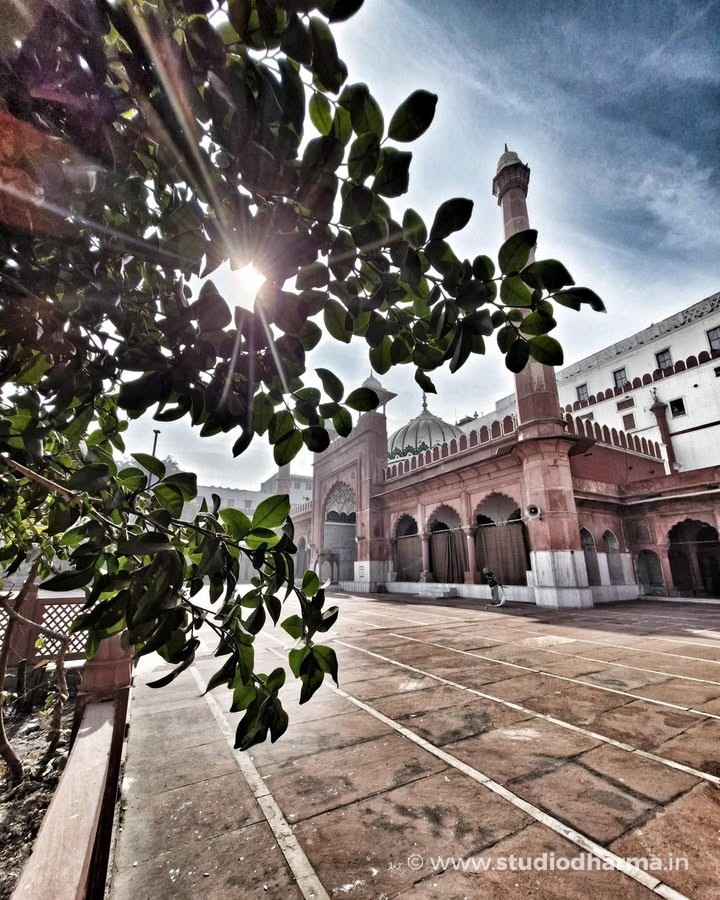
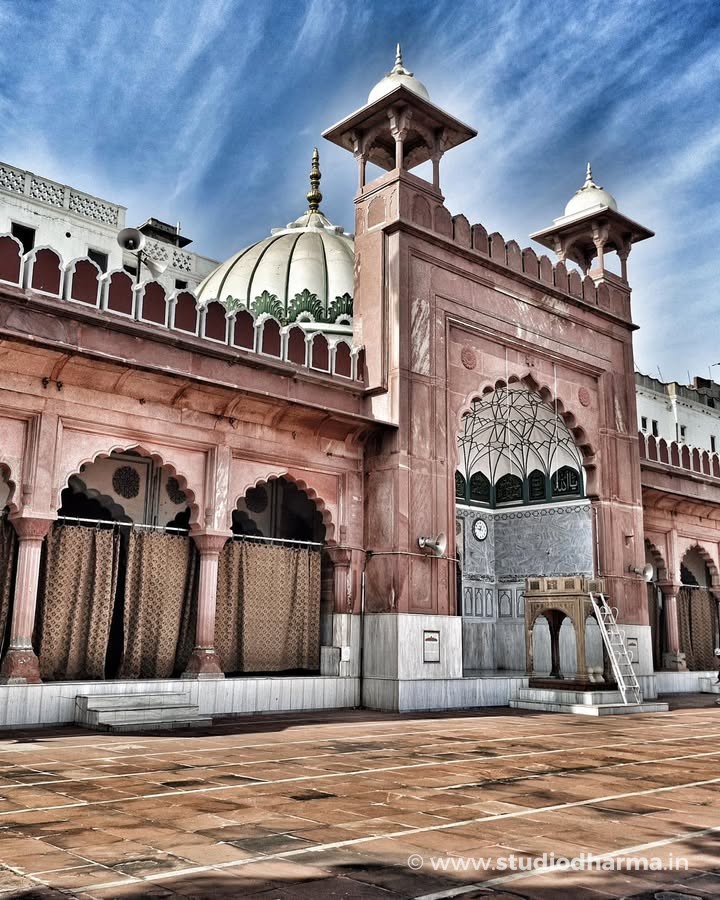
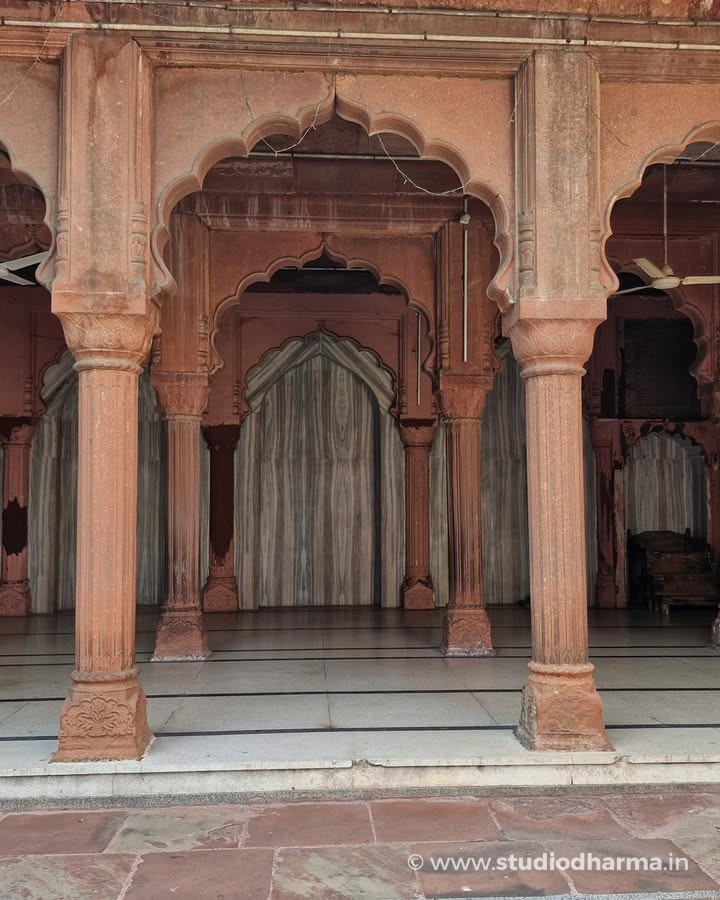
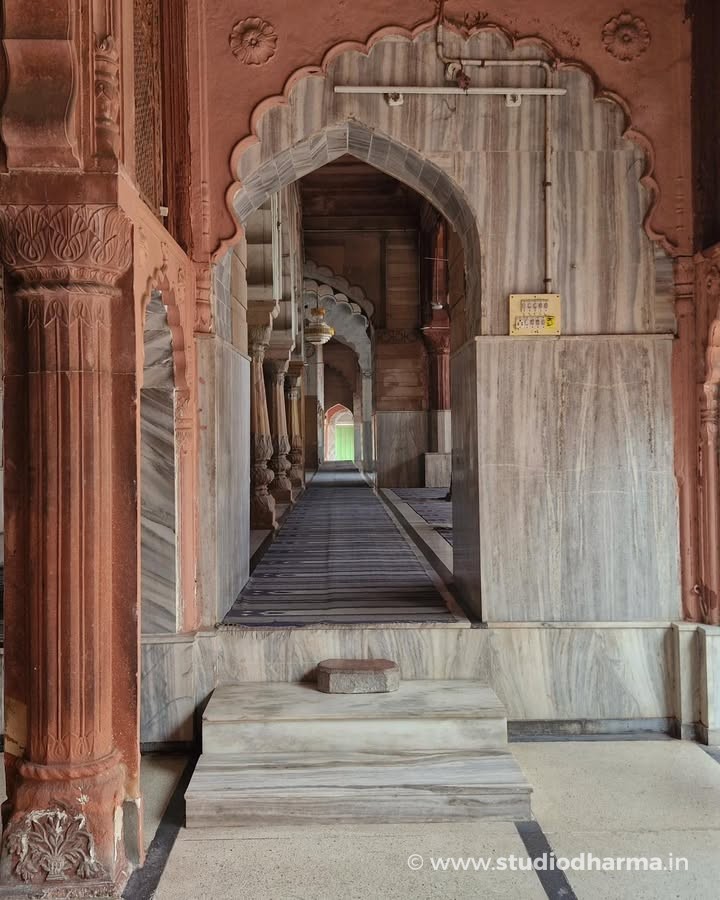
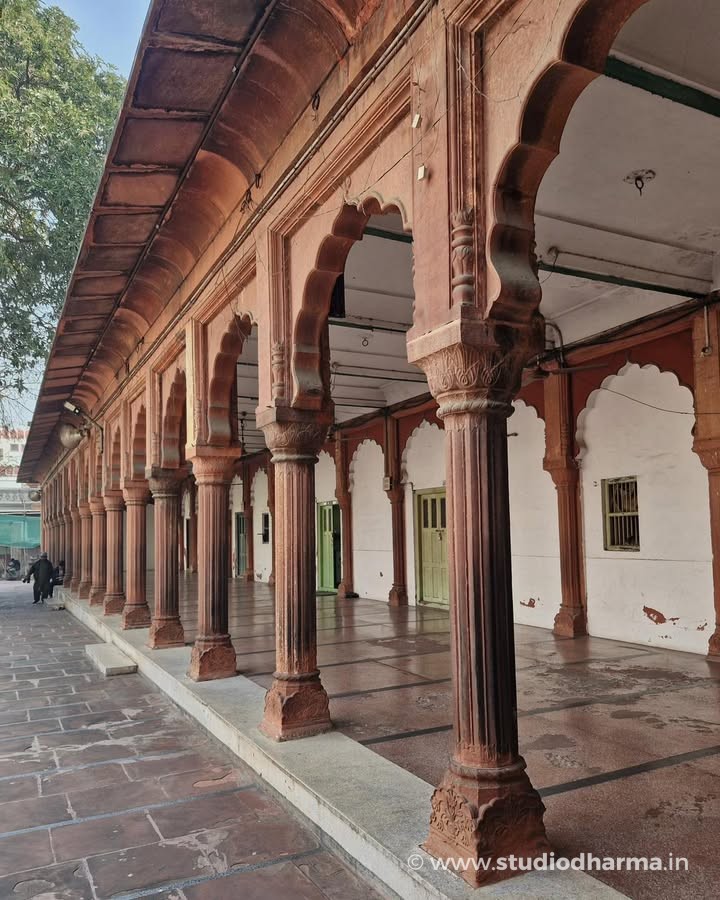
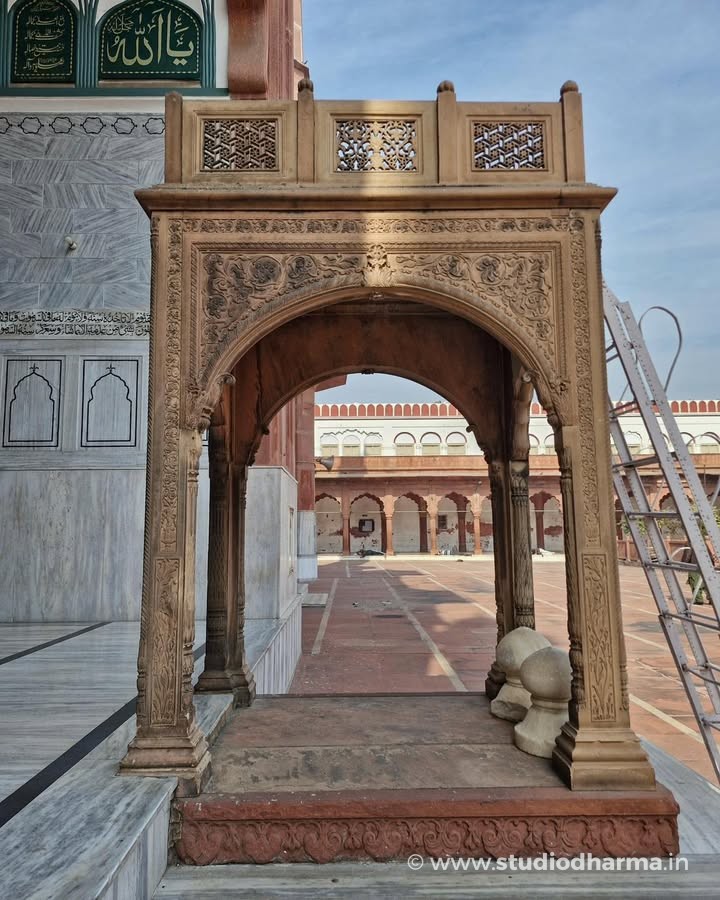
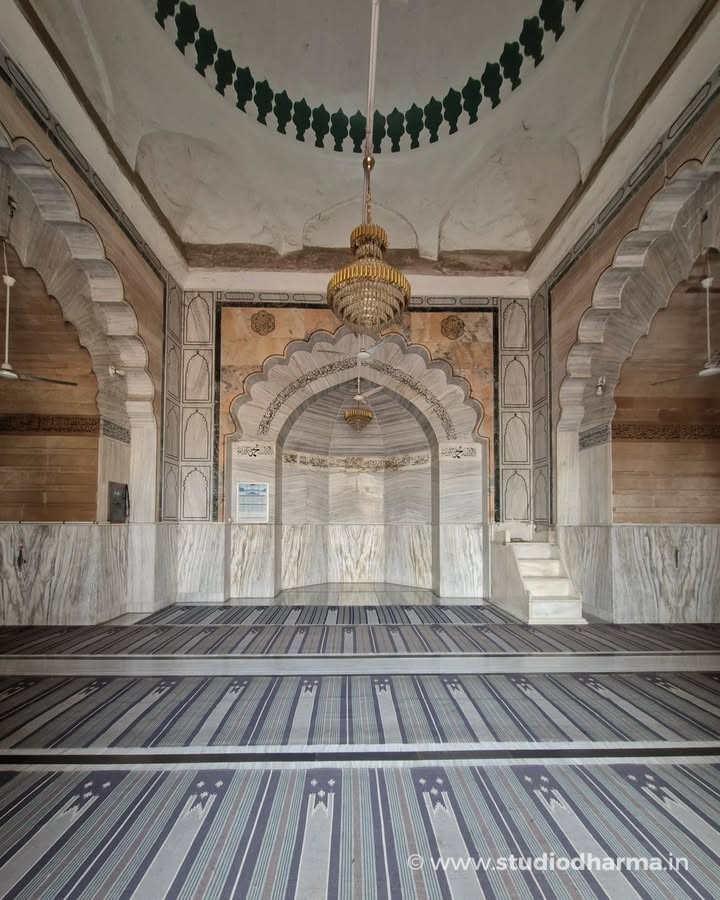
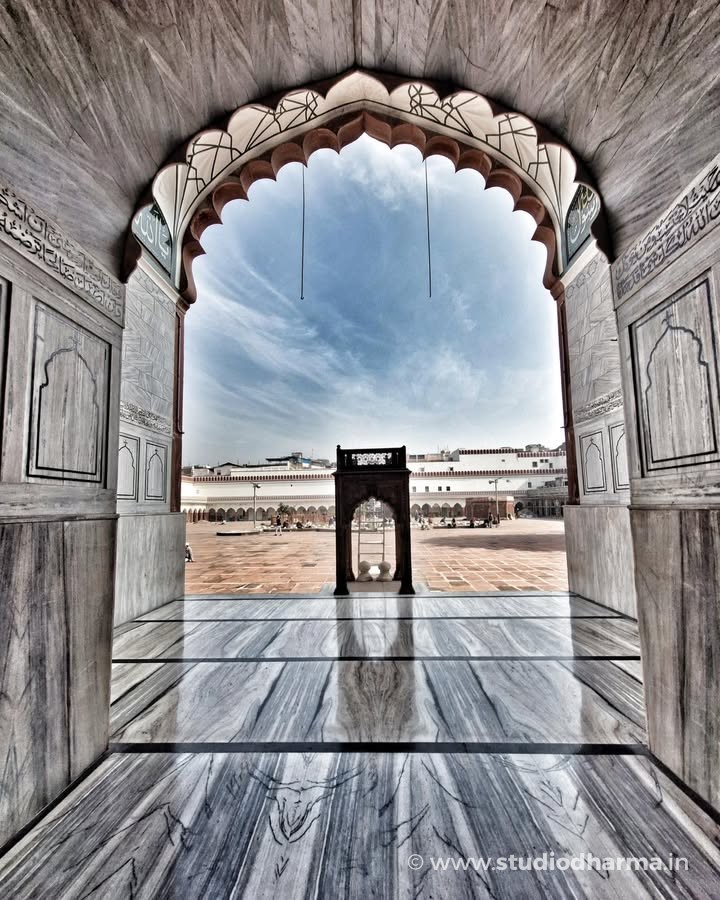
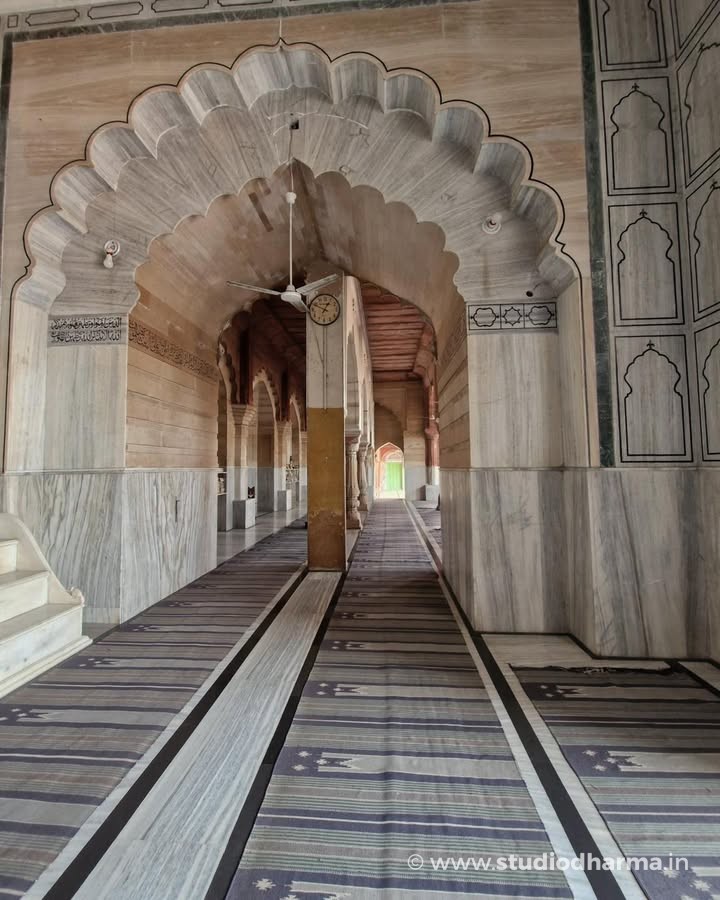
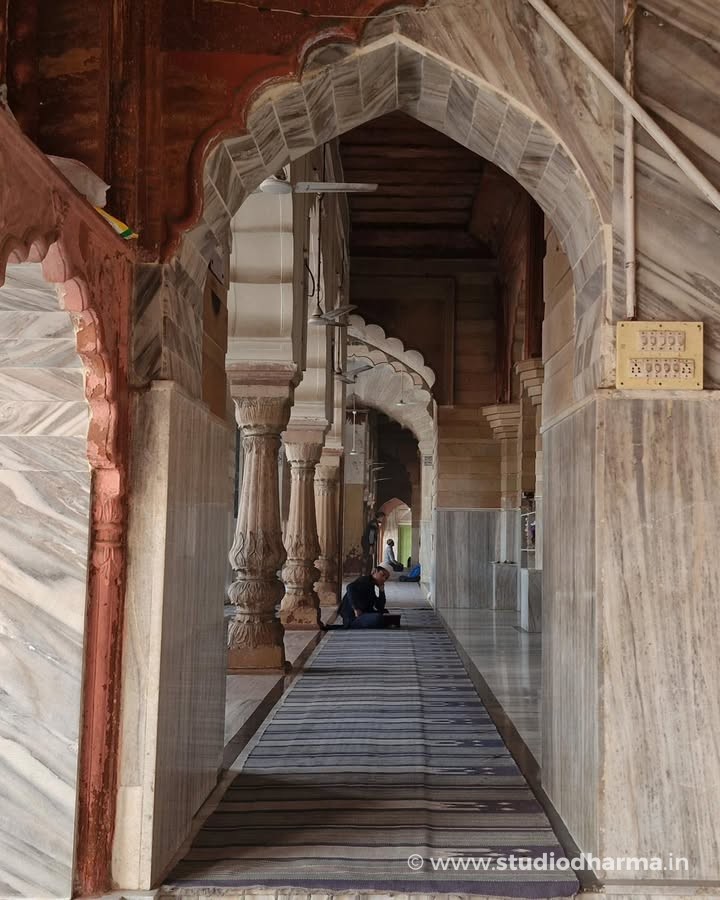
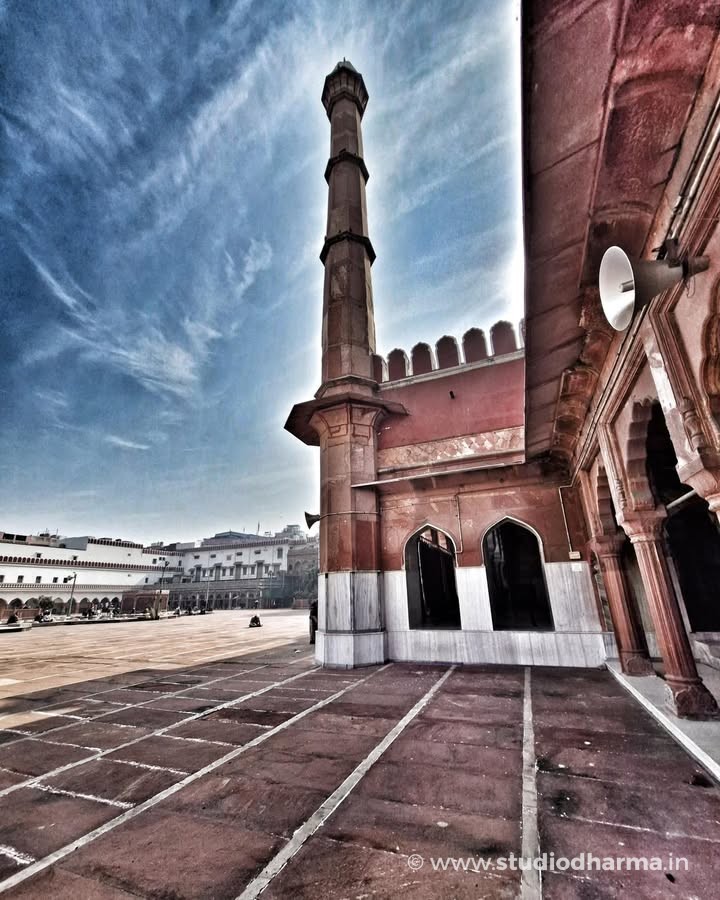
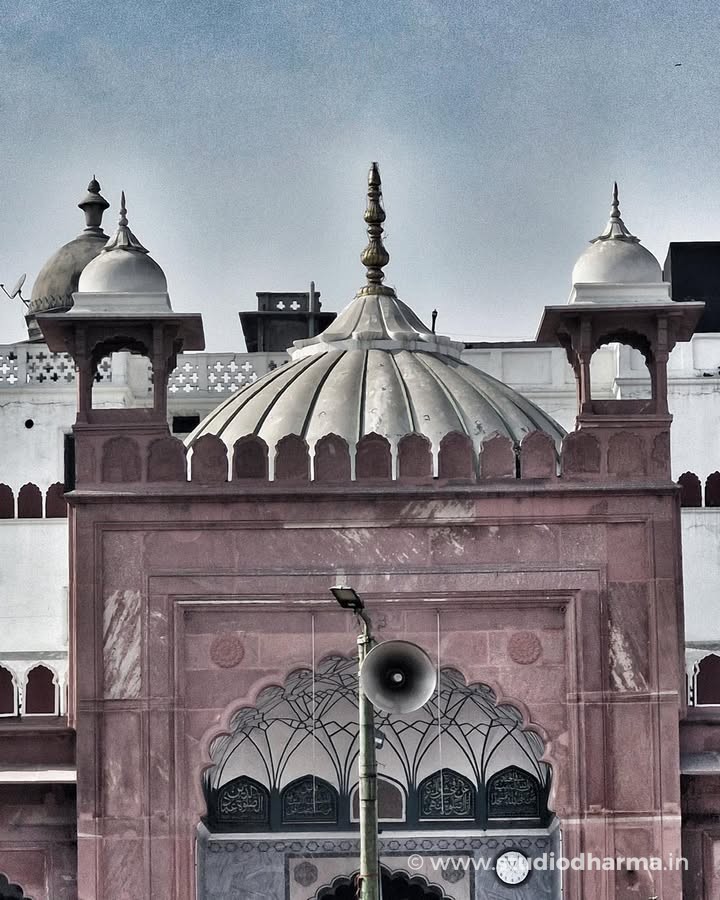
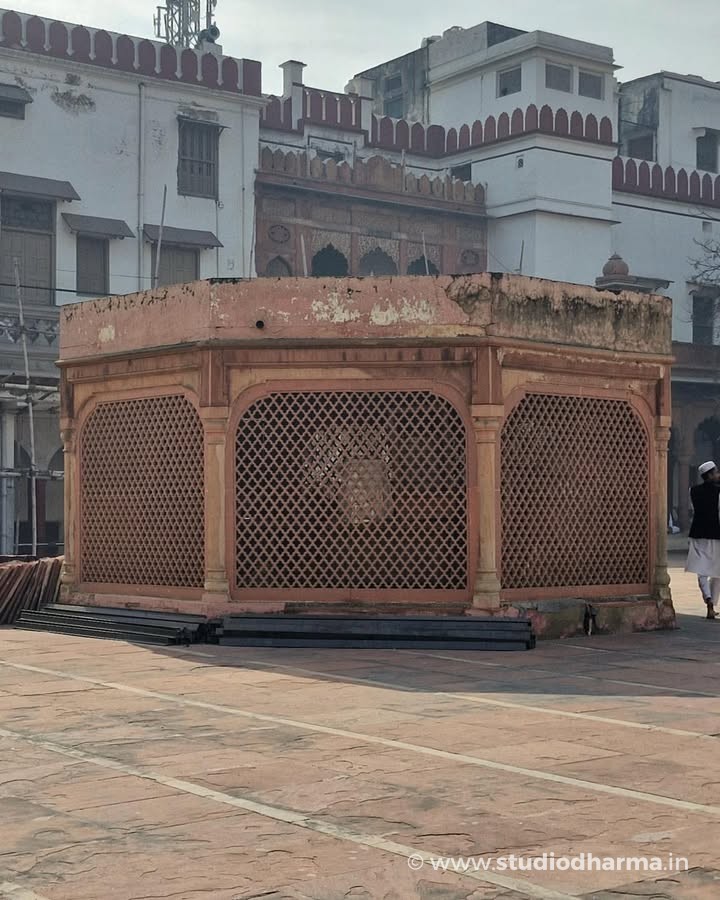
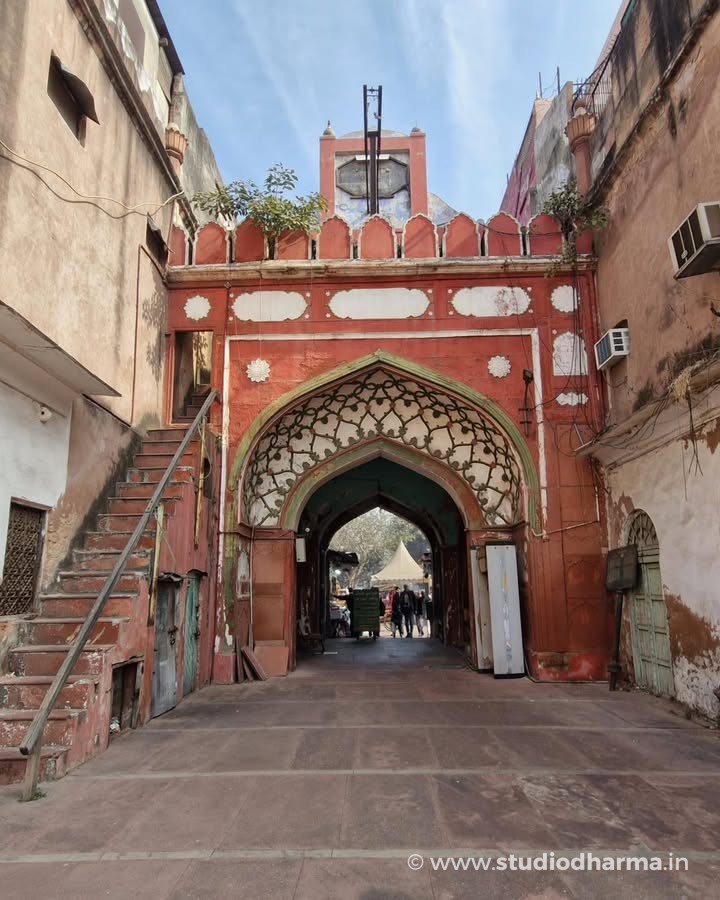
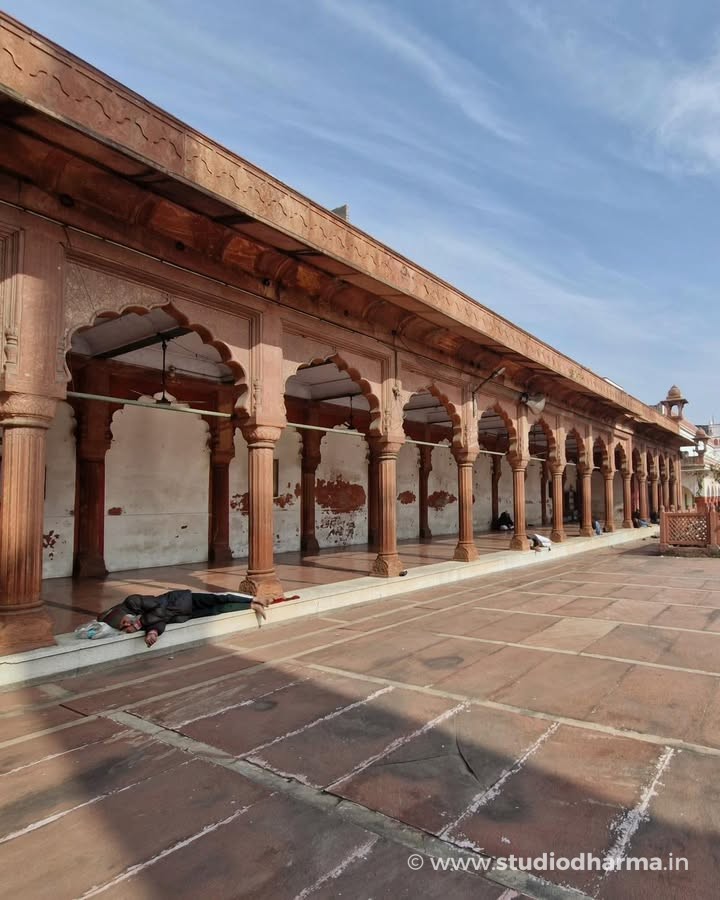
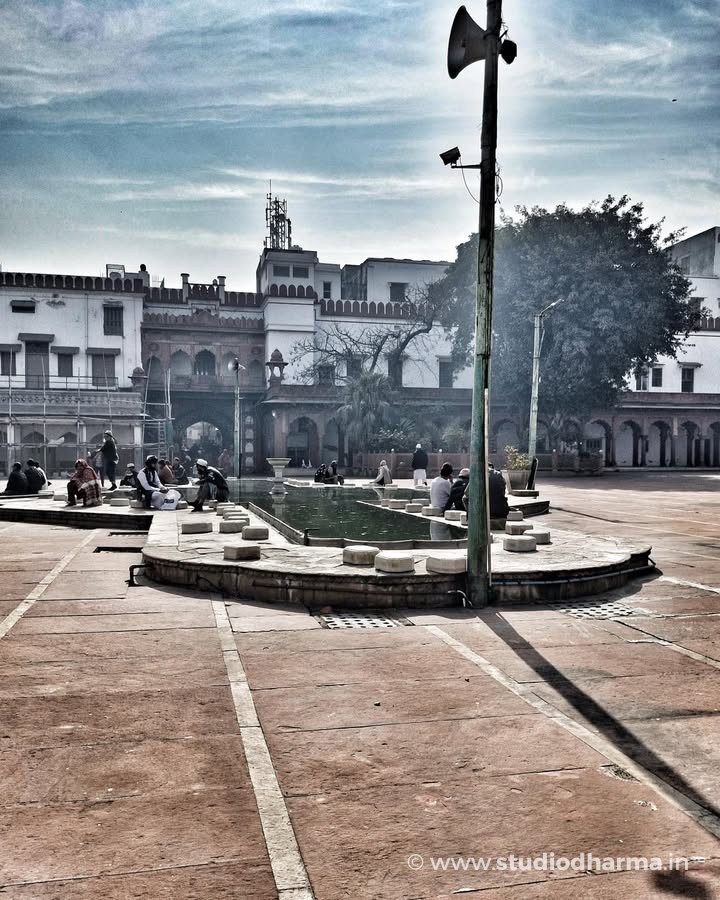
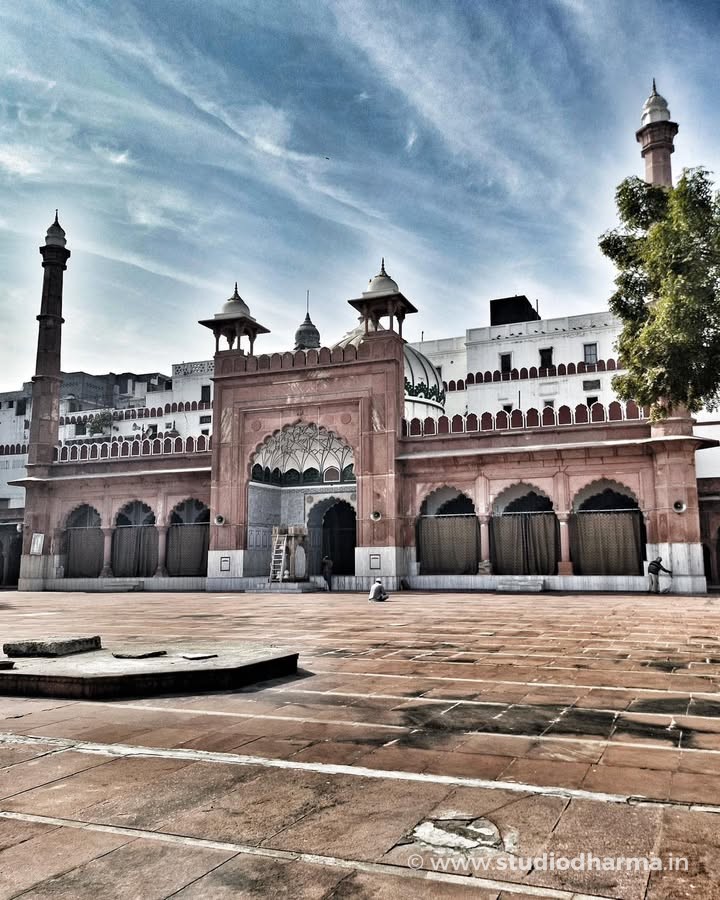
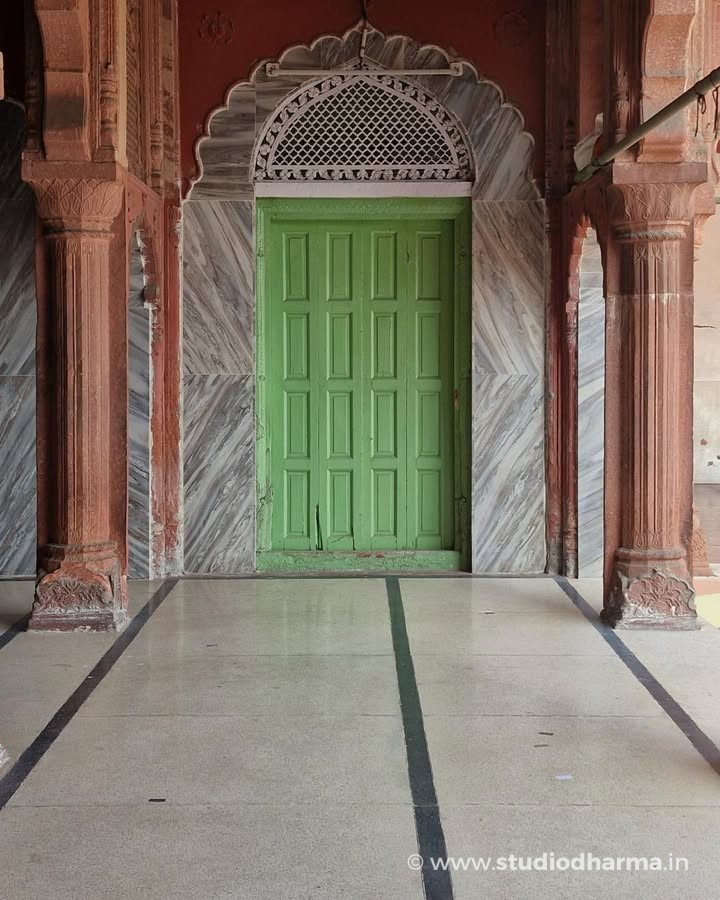
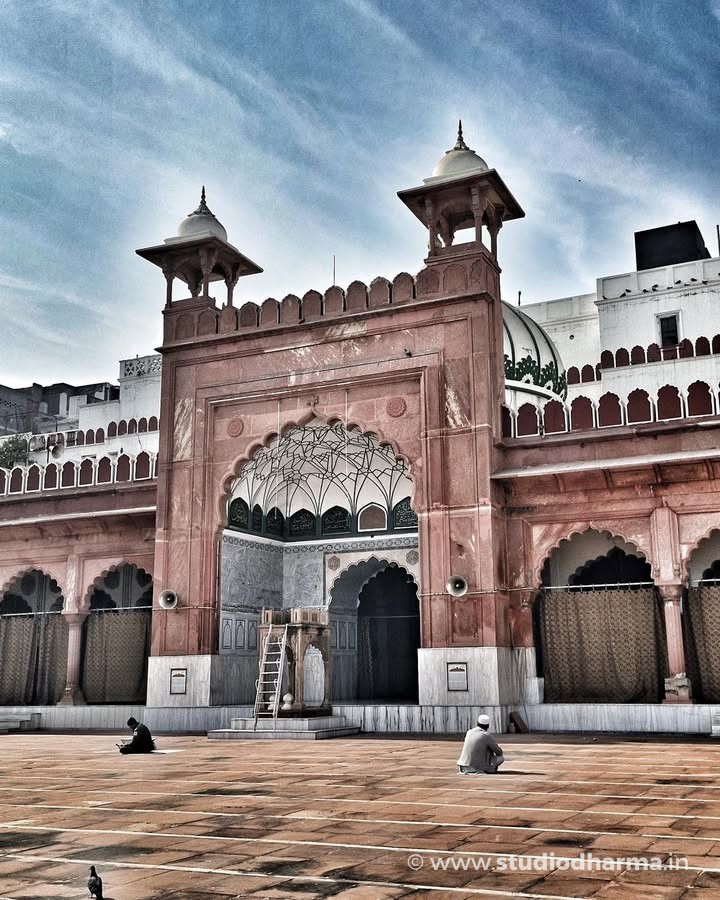
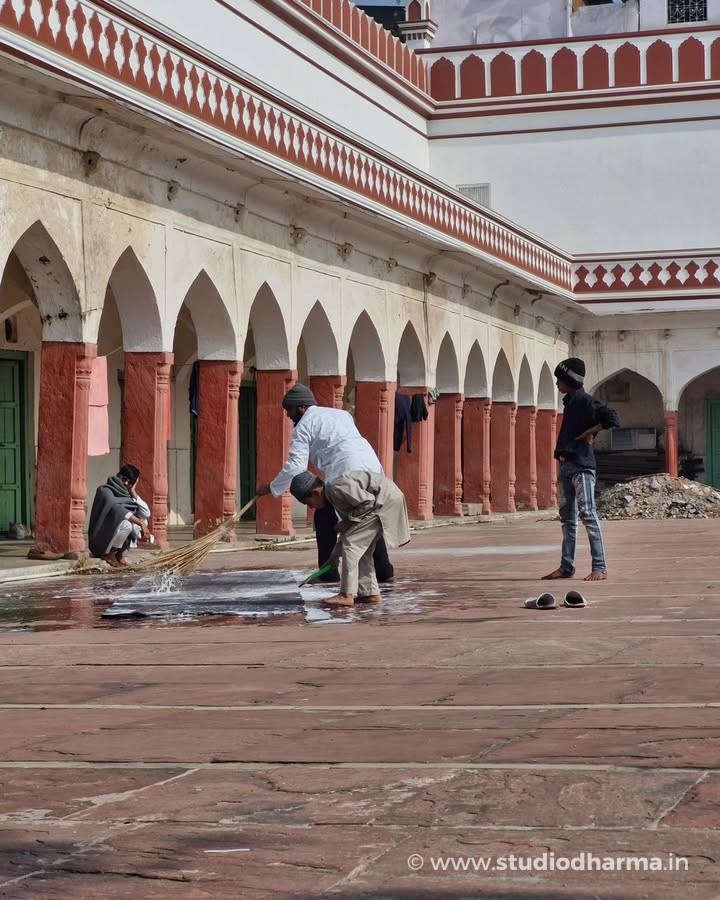
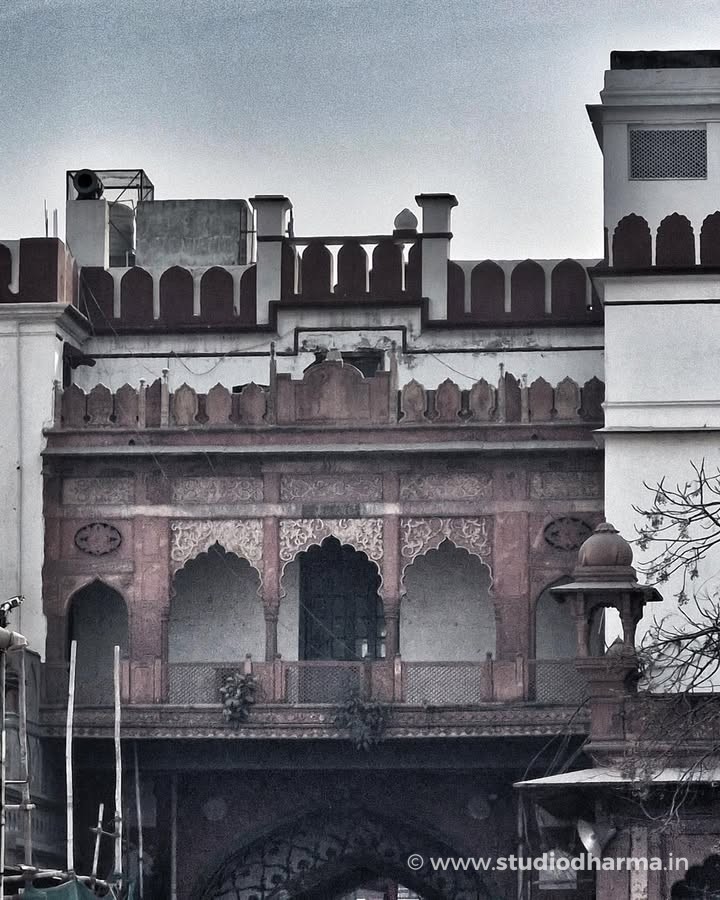
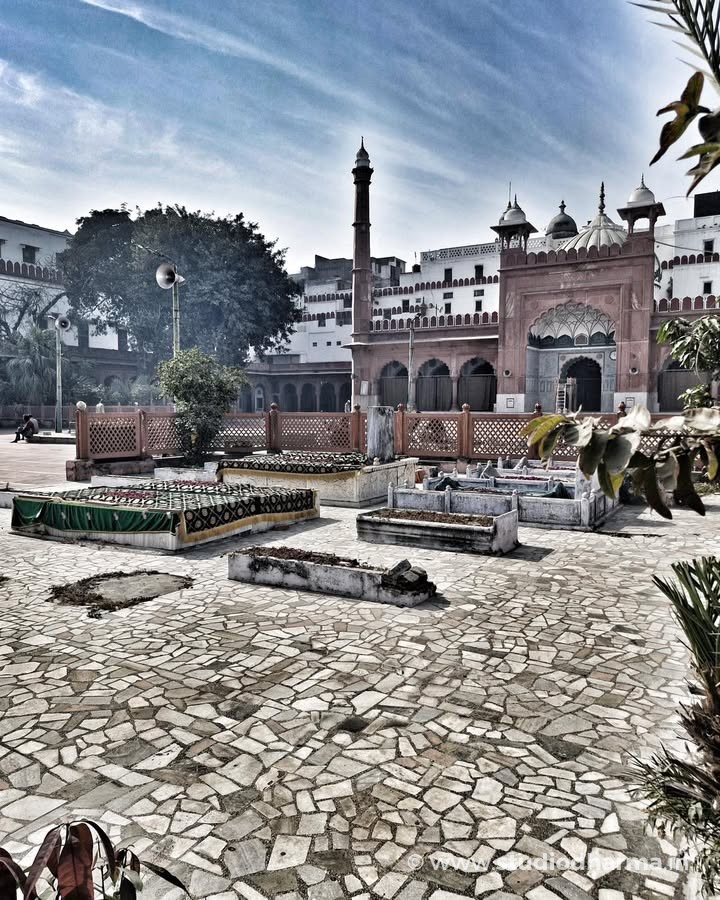
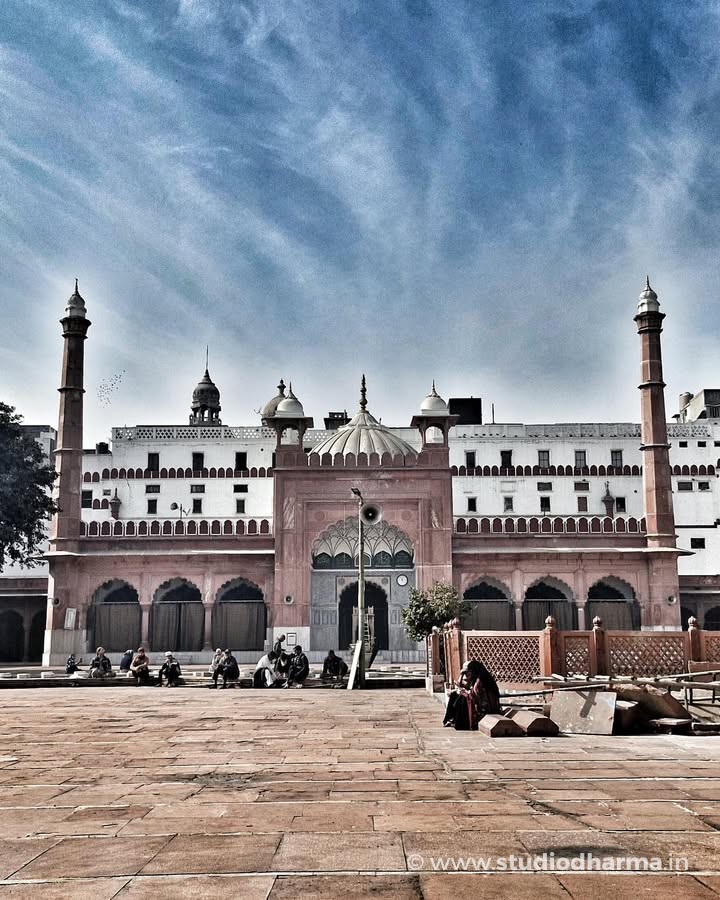
At the western end of Chandni Chowk stands Fatehpuri Masjid, built in 1650 by Fatehpuri Begum, one of Emperor Shah Jahan’s wives, as part of the grand design of Shahjahanabad. Constructed in red sandstone, the mosque reflects classical Mughal balance — a vast courtyard, seven arched openings in the prayer hall, slender minarets, a white marble pulpit and a central ablution tank. It remains the second-largest mosque in Delhi after Jama Masjid.
Its most dramatic chapter began after the Revolt of 1857. When the British recaptured Delhi, they confiscated several religious structures, including this mosque. It was auctioned and purchased for about ₹19,000 by Lala Chunnamal, a prominent Hindu merchant and municipal commissioner of Shahjahanabad, known for his vast textile trade and financial influence in Old Delhi.
Despite acquiring the property, Lala Chunnamal did not demolish or alter the mosque. This decision ensured its physical survival during a period when many Mughal-era structures faced destruction.
In 1877, during the Delhi Durbar marking Queen Victoria’s proclamation as Empress of India, the British government reacquired the mosque (reportedly in exchange for estates and land) and restored it to the Muslim community for worship.
Today, Fatehpuri Masjid continues to function as an active place of worship in Old Delhi, with Mufti Mukarram Ahmed serving as Shahi Imam — a living reminder that history is rarely simple, but always layered.
Explore more layered heritage stories in ITIHASNAMA by StudioDharma — a premium coffee table book featuring 25 curated historical narratives of Meerut.
Order your copy here:
फतेहपुरी मस्जिद, दिल्ली – साम्राज्यों से बची एक ऐतिहासिक धरोहर
चांदनी चौक के पश्चिमी छोर पर स्थित फतेहपुरी मस्जिद का निर्माण सन् 1650 में मुगल सम्राट शाहजहाँ की पत्नी फतेहपुरी बेगम ने कराया था। लाल बलुआ पत्थर से बनी यह मस्जिद विशाल आंगन, सात मेहराबों वाले नमाज़ कक्ष, संगमरमर के मिंबर और पारंपरिक हौज़ के कारण मुगल स्थापत्य की उत्कृष्ट मिसाल मानी जाती है। यह दिल्ली की दूसरी सबसे बड़ी मस्जिद है।
1857 के विद्रोह के बाद अंग्रेजों ने इसे जब्त कर नीलाम कर दिया। लगभग 19,000 रुपये में इसे लाला चुन्नामल ने खरीदा, जो उस समय के प्रसिद्ध व्यापारी और नगर आयुक्त थे। उन्होंने इसे न तो तोड़ा और न ही किसी अन्य प्रयोजन में बदला — जिससे यह संरचना सुरक्षित रही।
1877 में दिल्ली दरबार के समय अंग्रेज सरकार ने इसे पुनः अधिग्रहित कर मुस्लिम समुदाय को वापस सौंप दिया।
आज भी यह मस्जिद सक्रिय इबादत स्थल है और इसके शाही इमाम मुफ़्ती मुकर्रम अहमद हैं।
StudioDharma की प्रीमियम कॉफी टेबल बुक ITIHASNAMA में मेरठ की 25 ऐतिहासिक कहानियाँ संकलित हैं।
अपनी प्रति यहाँ से ऑर्डर करें: