









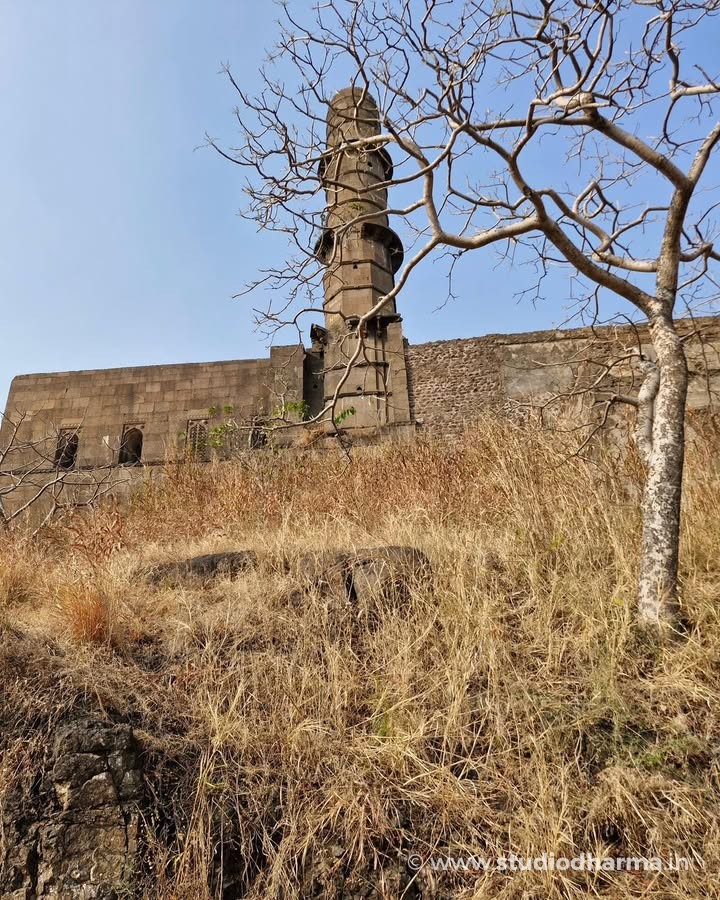
The Forgotten Mosque of Asirgarh Fort, Madhya Pradesh.
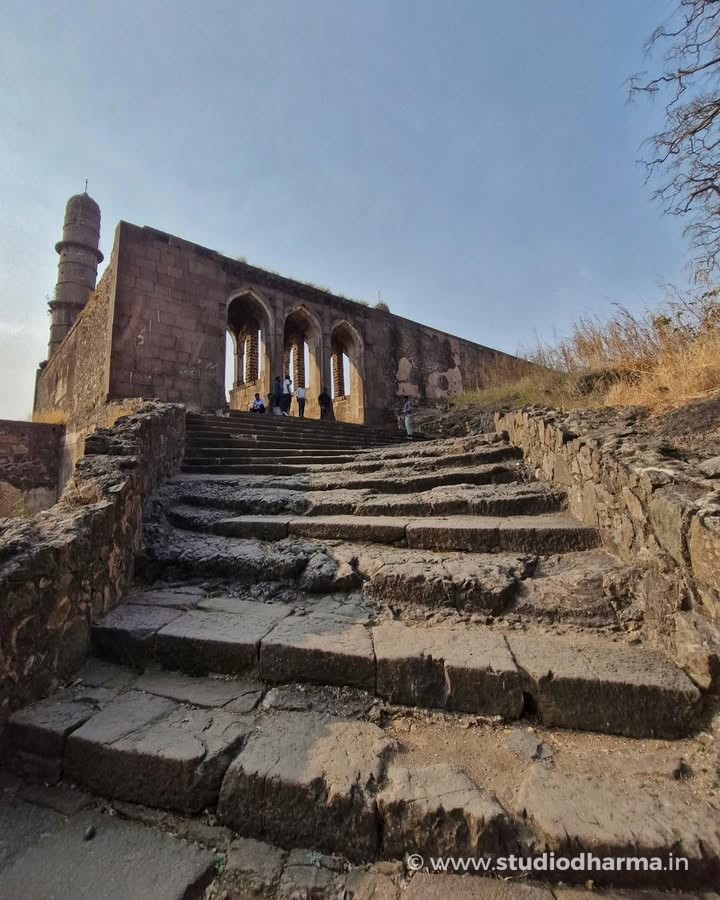
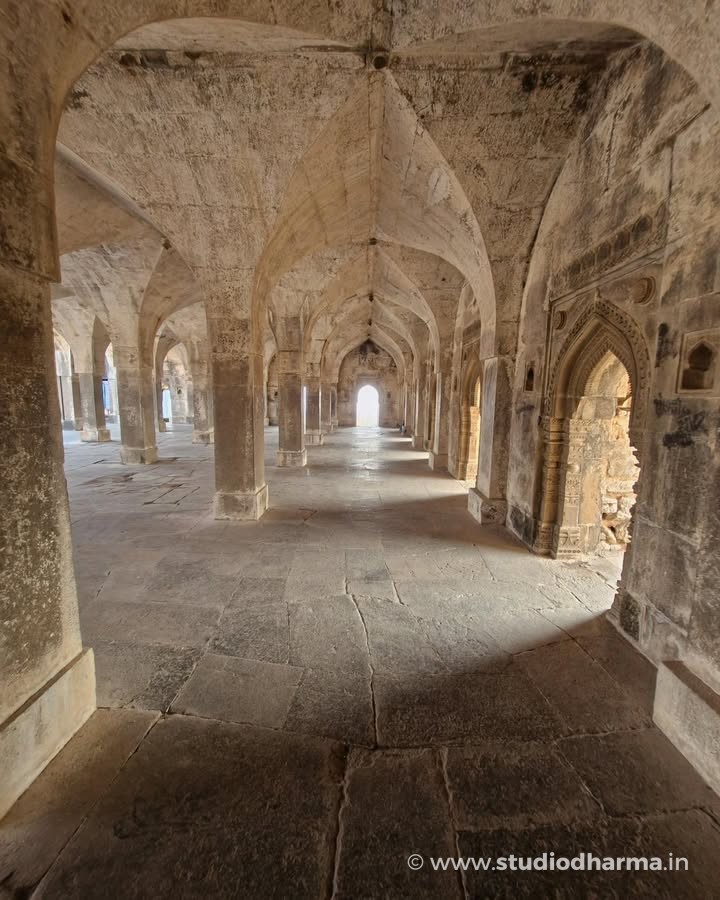
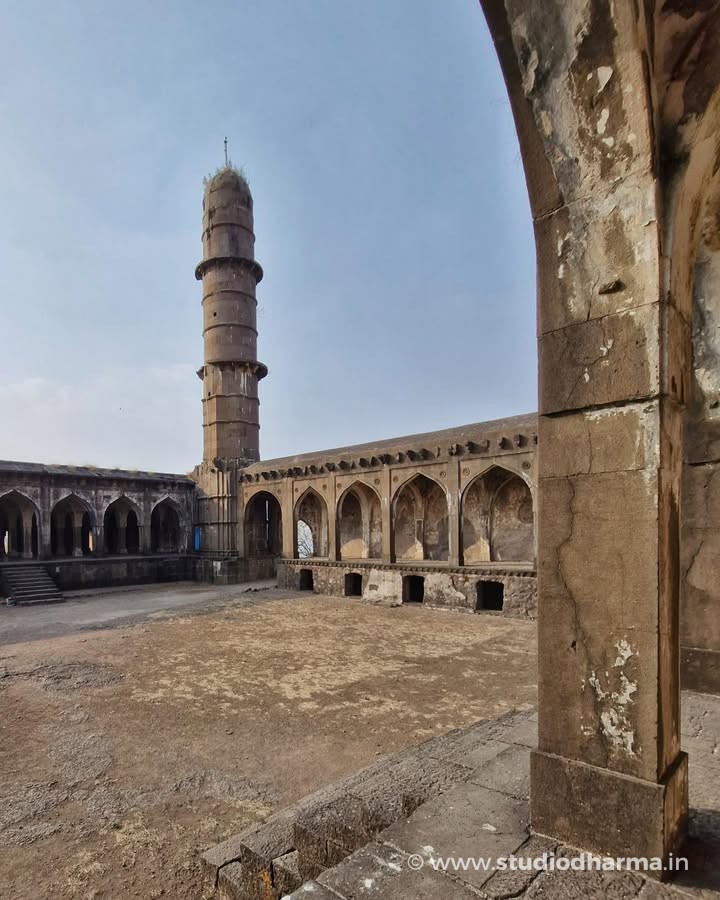
The Forgotten Mosque of Asirgarh Fort, Madhya Pradesh.
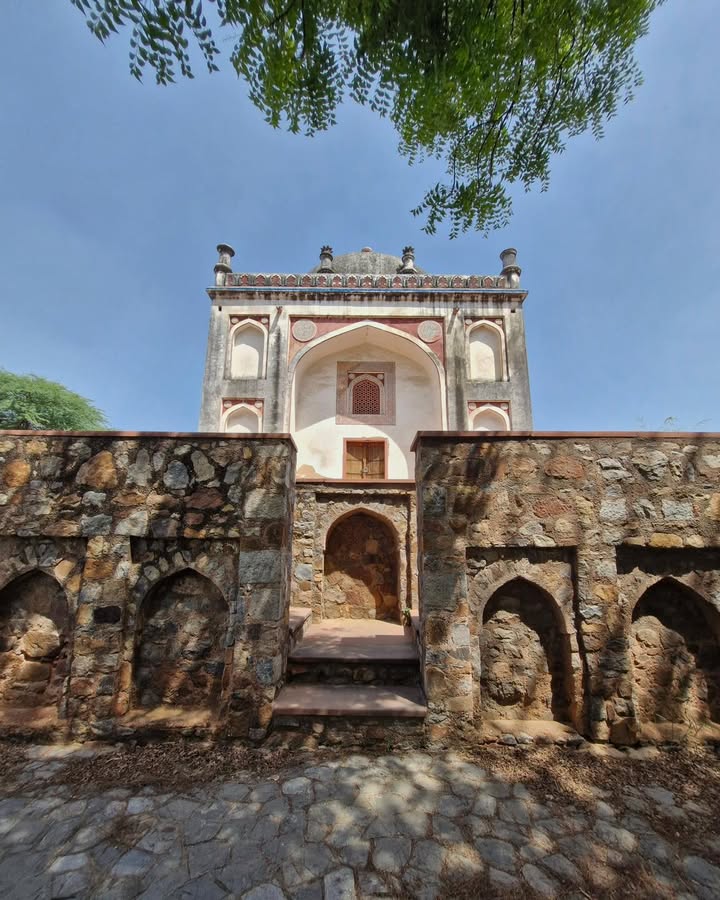
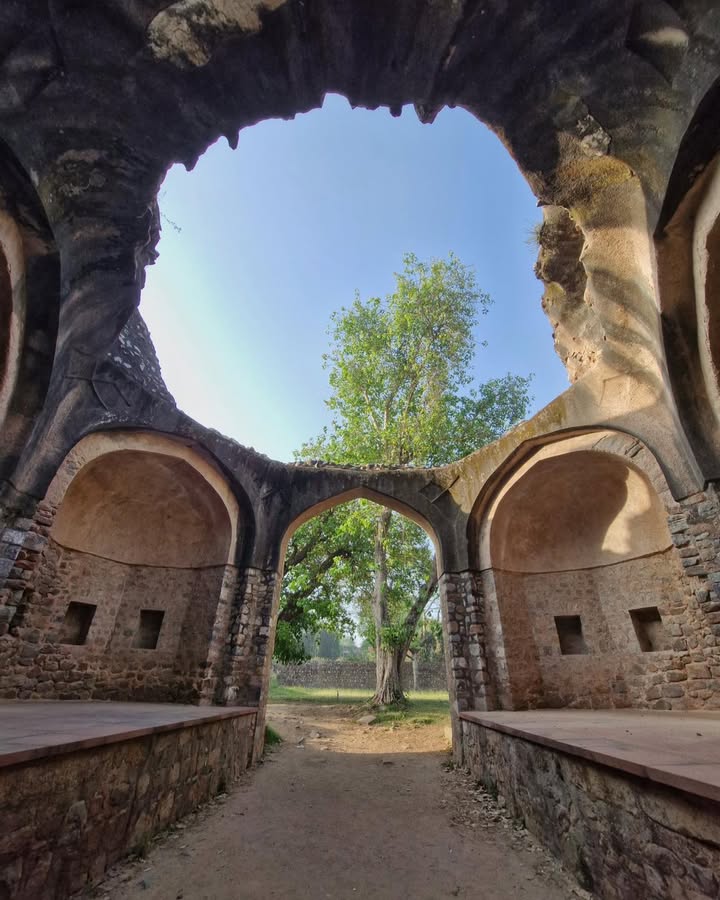
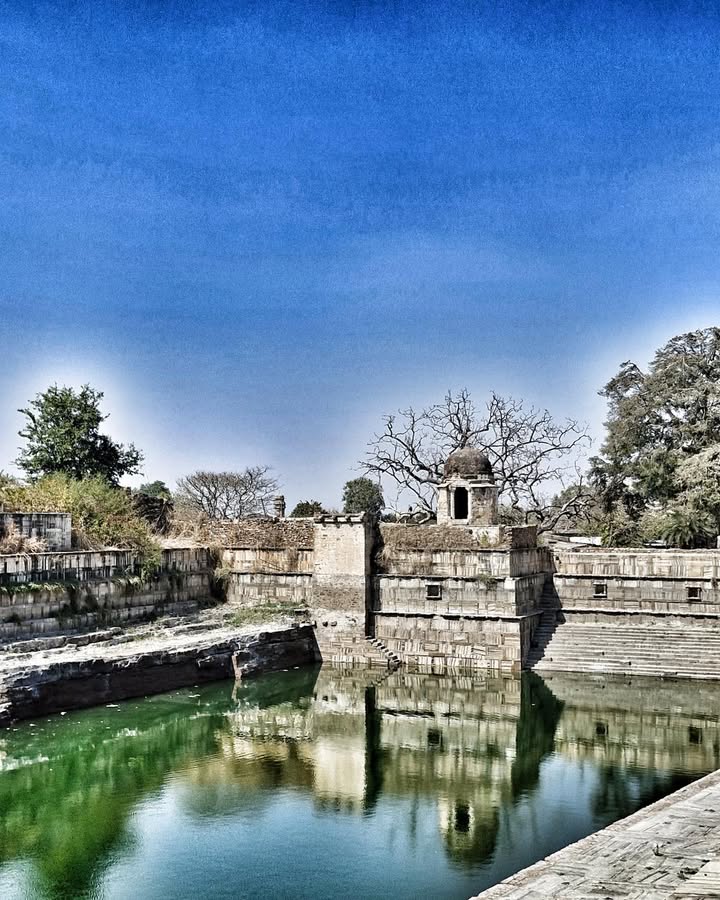
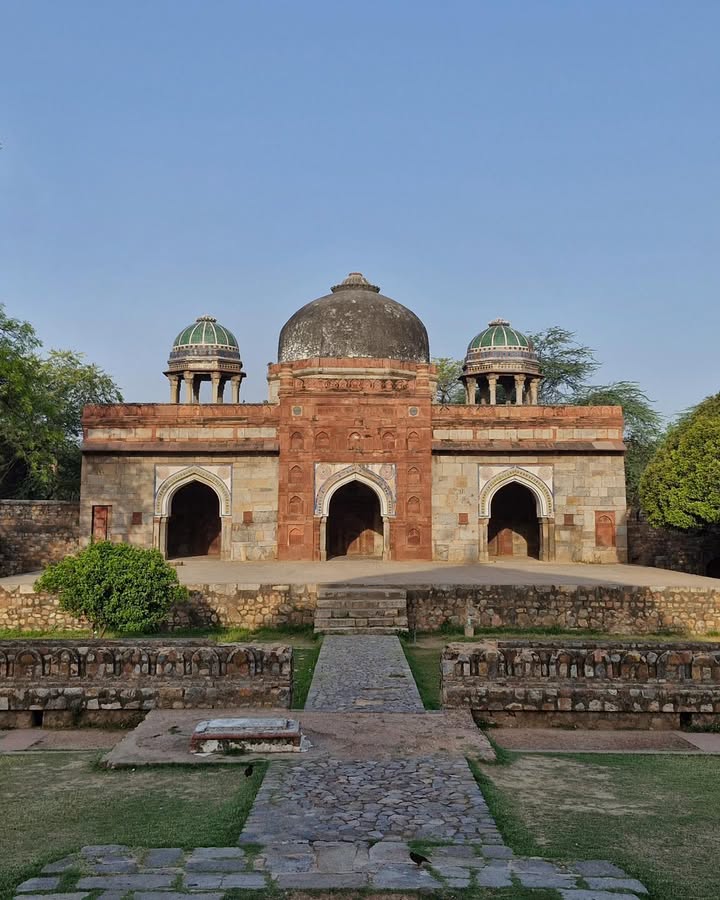
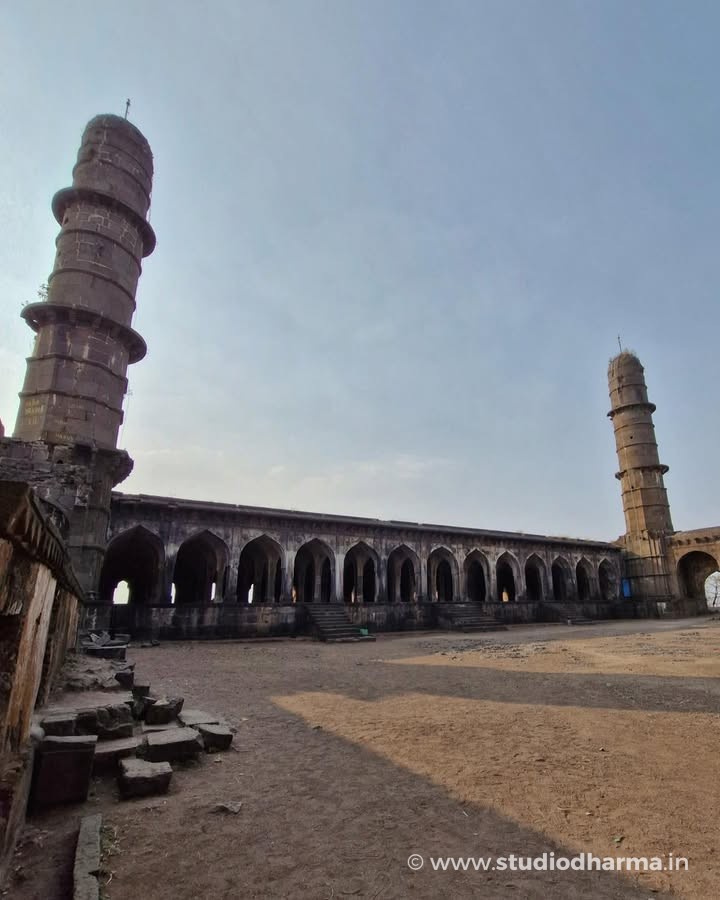
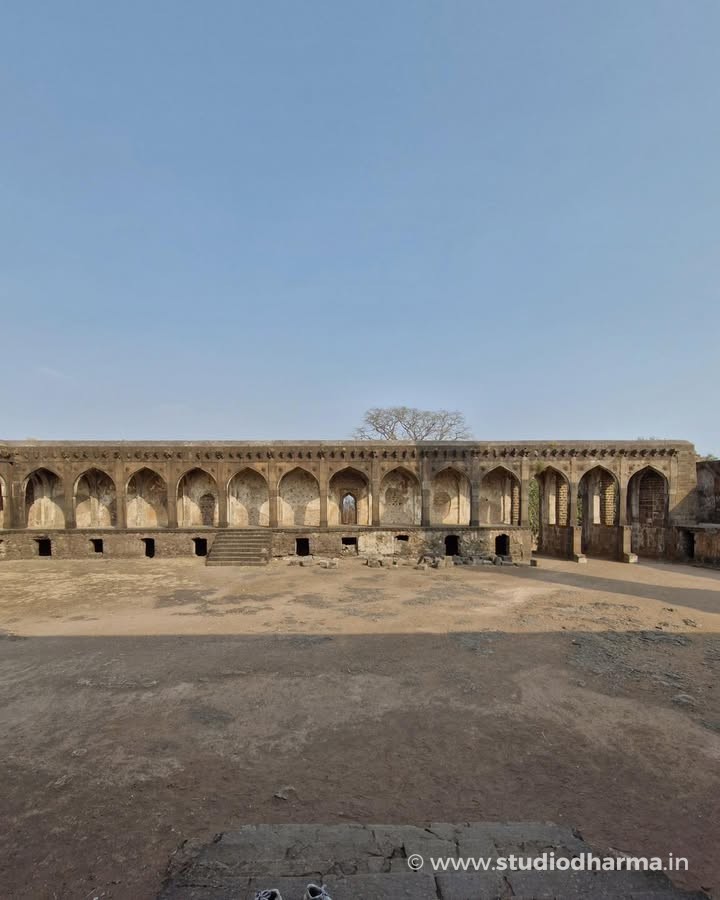
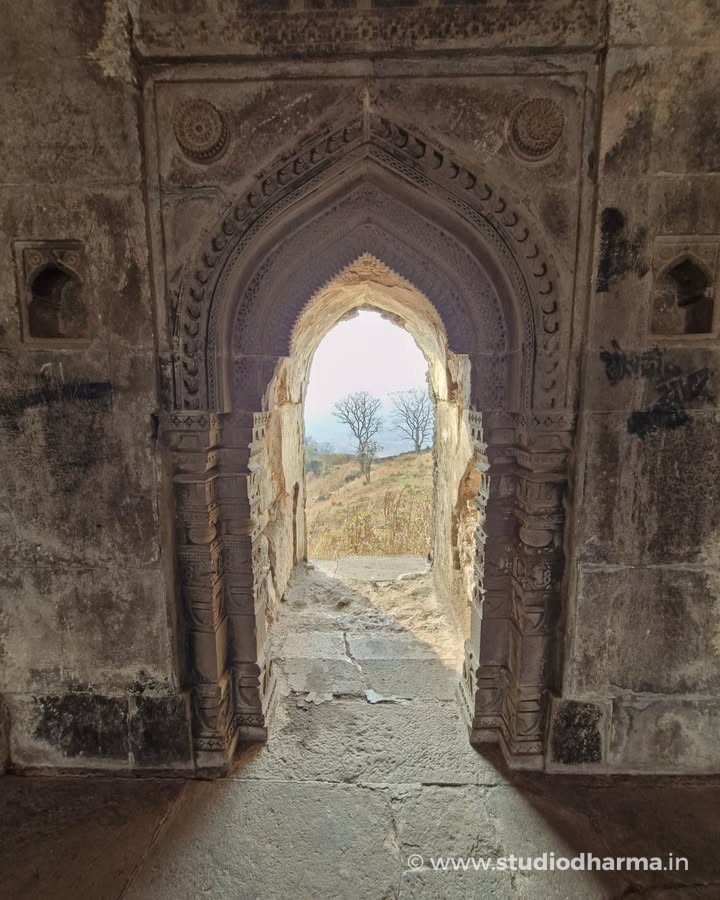
At the summit of the mighty Asirgarh Fort, where the winds of the Satpura hills whisper stories of conquest and faith, stands a silent yet powerful structure — the Asir Masjid.
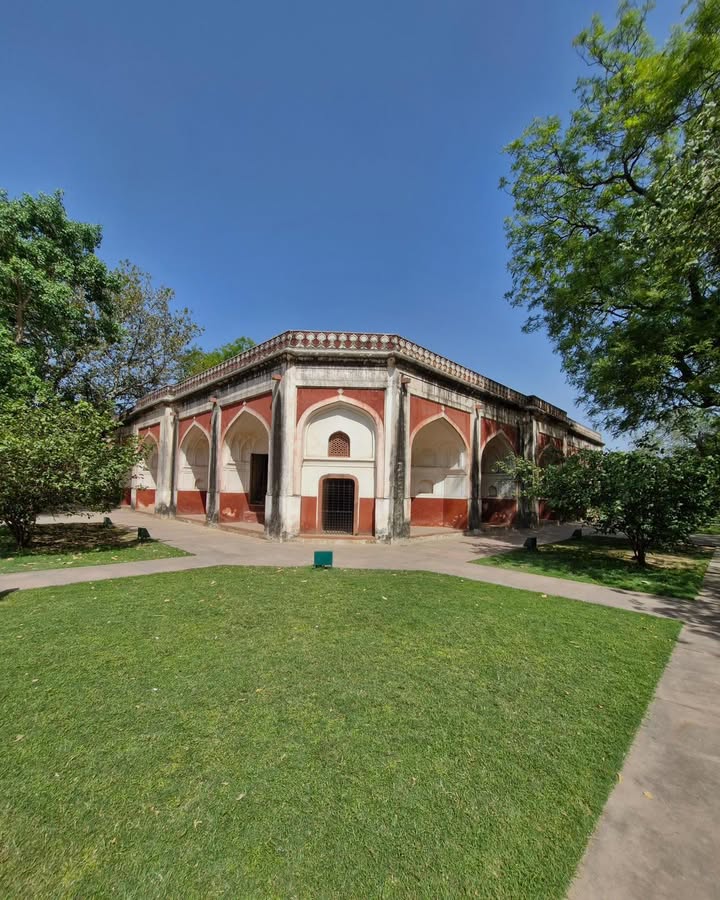
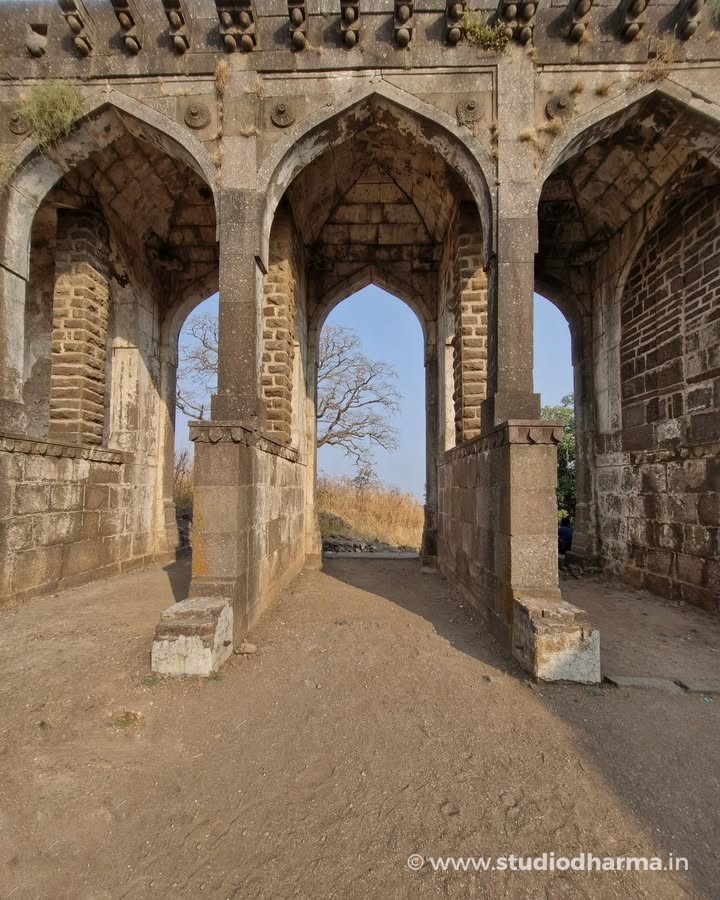
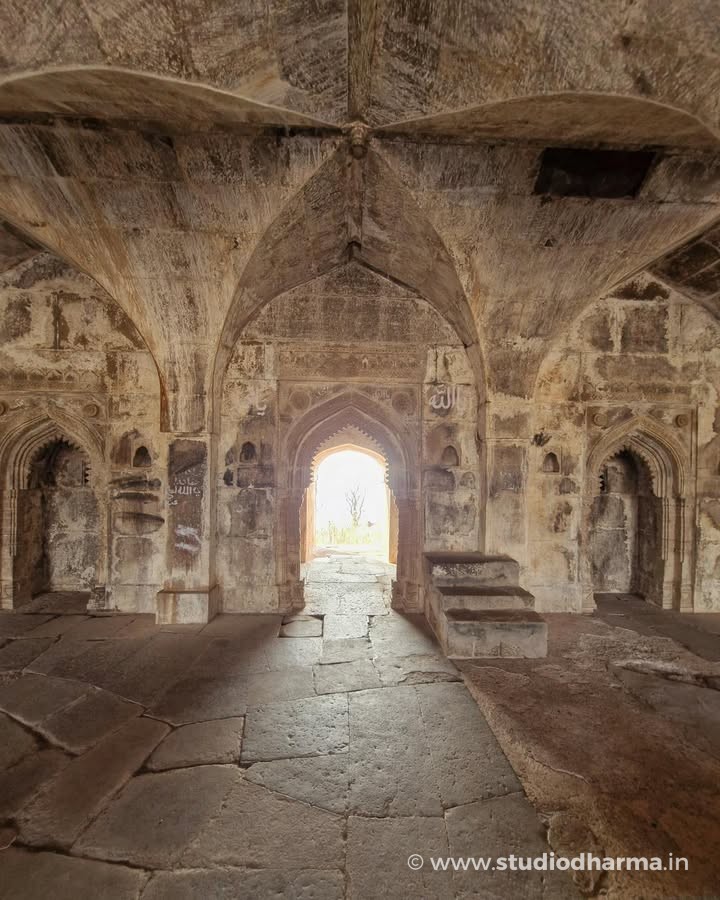
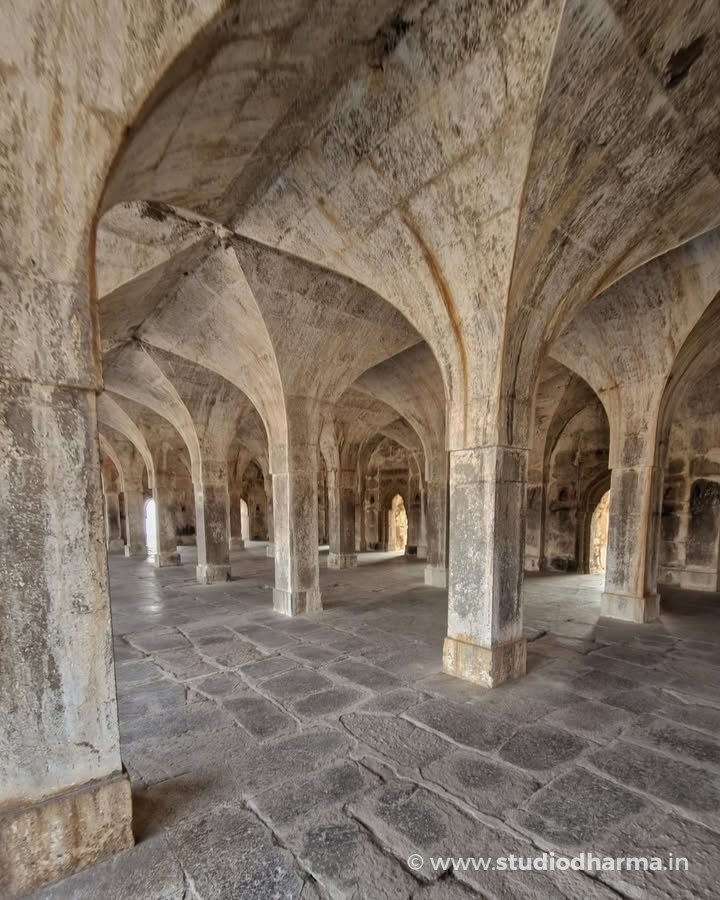
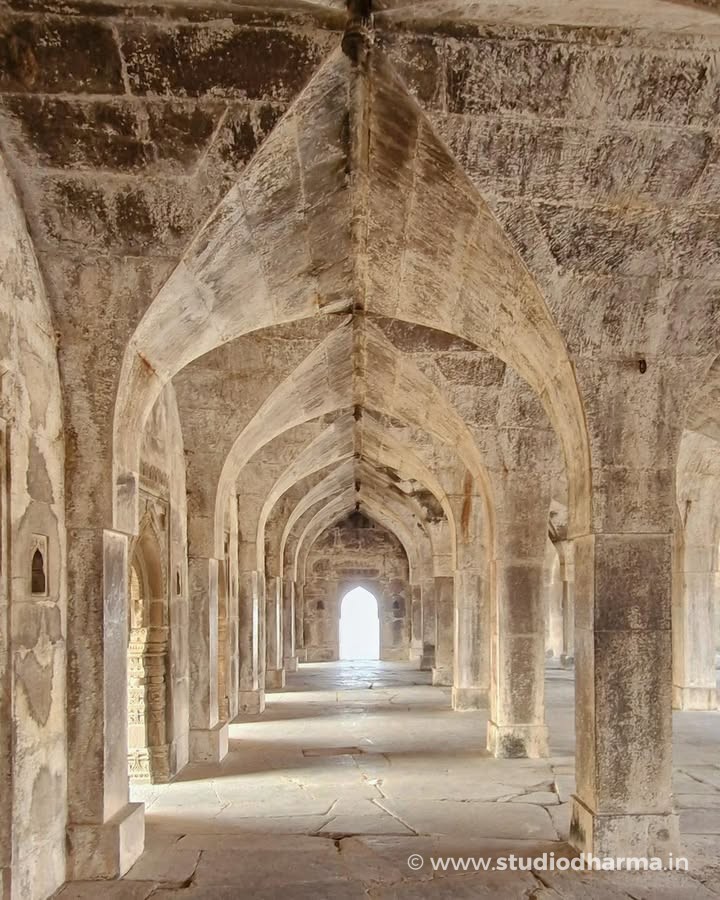
Built in 1590 CE by the Farooqi ruler Raja Ali Khan (Adil Shah IV), this mosque is not just a place of prayer, but a reflection of a unique cultural harmony that once defined this region. Its architectural language echoes the grandeur of the Shahi Jama Masjid of Burhanpur, yet here, amidst the fort’s rugged terrain, it feels more intimate, more enduring.
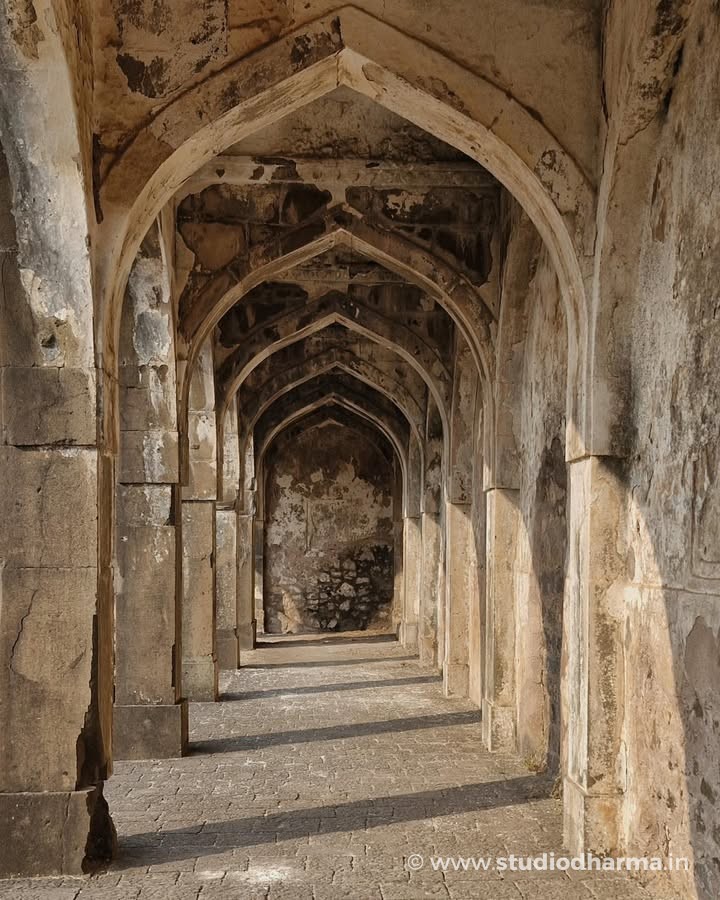
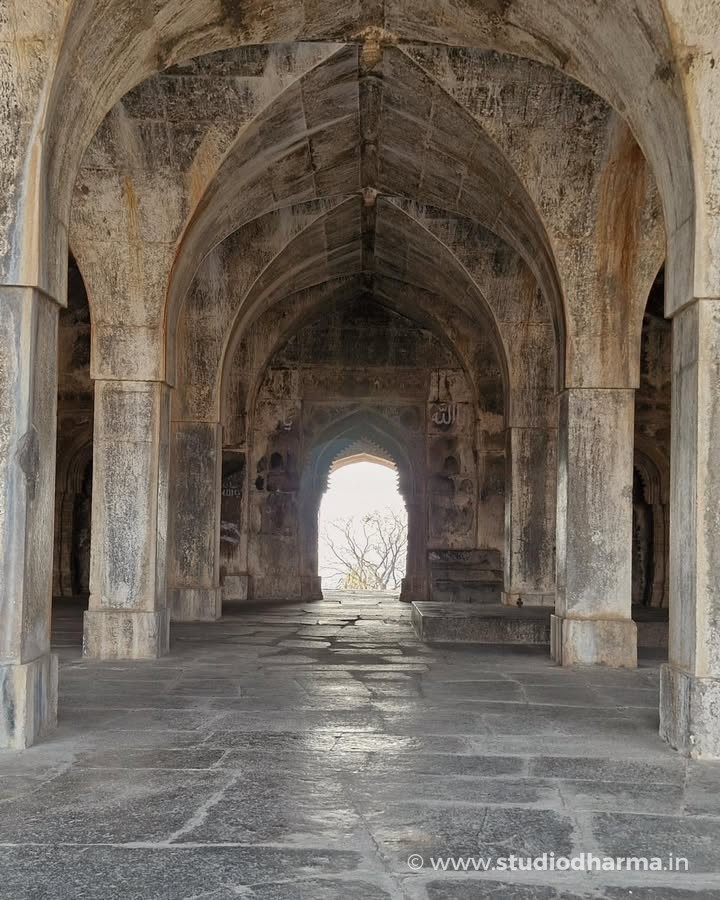
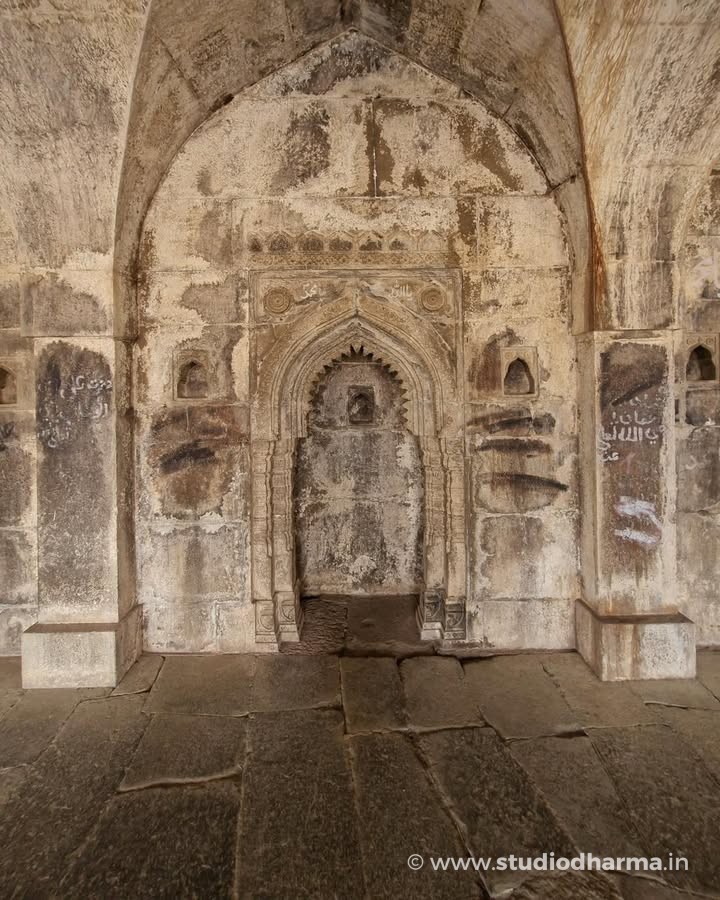
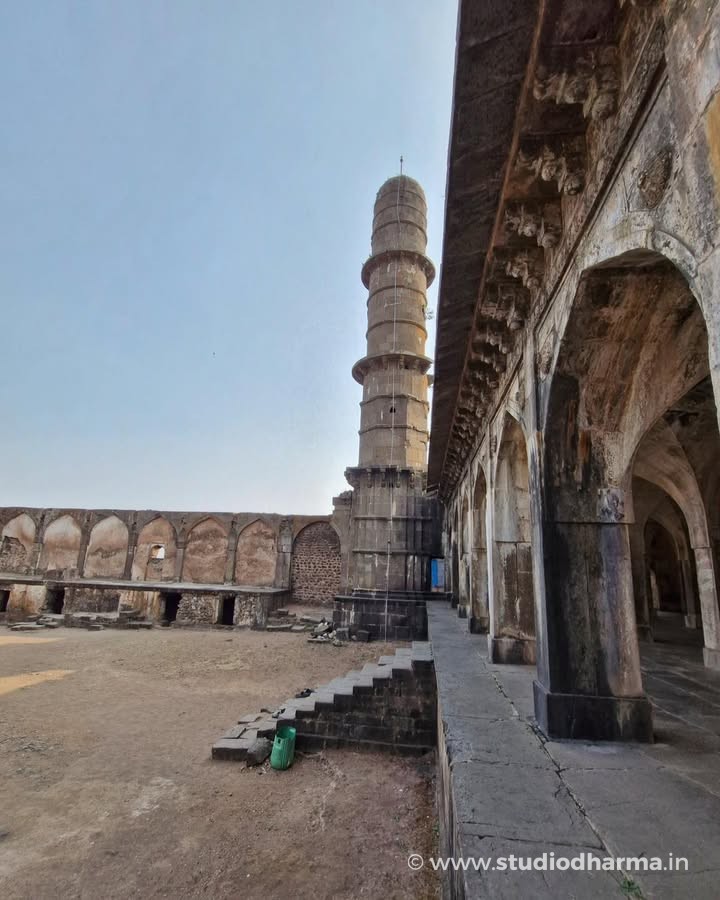
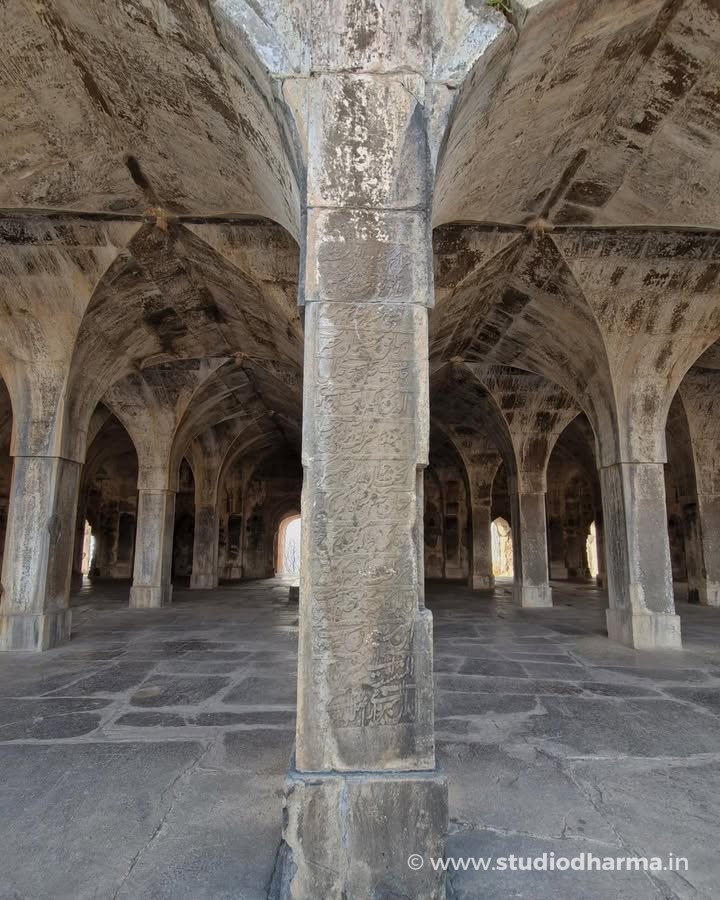
What makes this mosque truly extraordinary is not just its design — with symmetrical arches, intersecting vaulted ceilings, and tall minarets — but its voice carved in stone. The presence of bilingual inscriptions in Arabic and Sanskrit reveals a rare syncretic tradition, where even Islamic monuments carried the imprint of India’s ancient scholarly language.
In 1601, when Mughal Emperor Akbar captured Asirgarh Fort after a long siege, history records that he offered namaz here on 5 January — marking not just a military victory, but a moment of spiritual assertion within these walls.
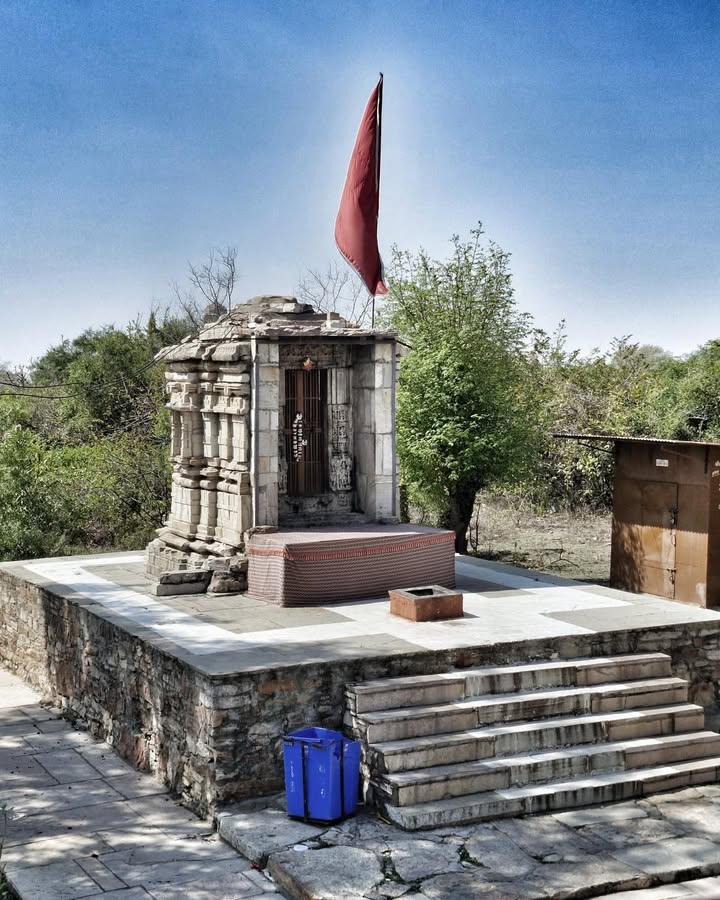
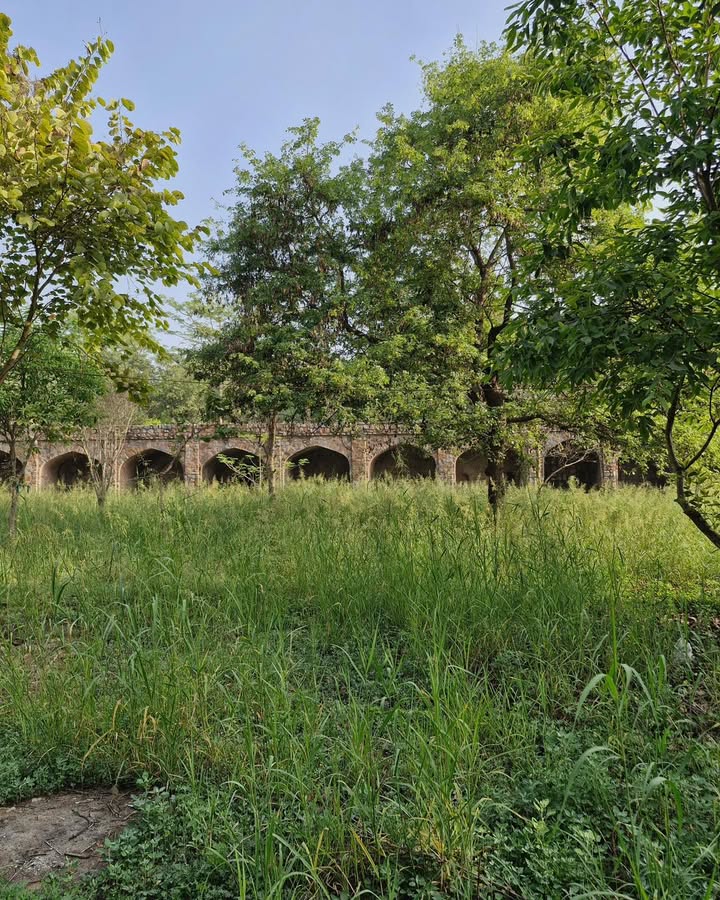
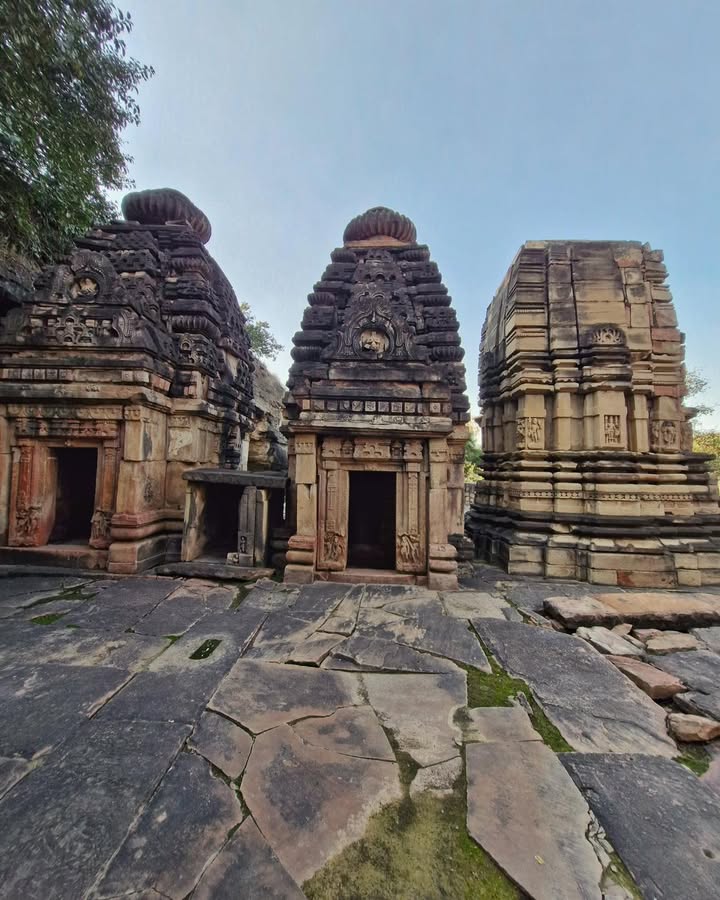
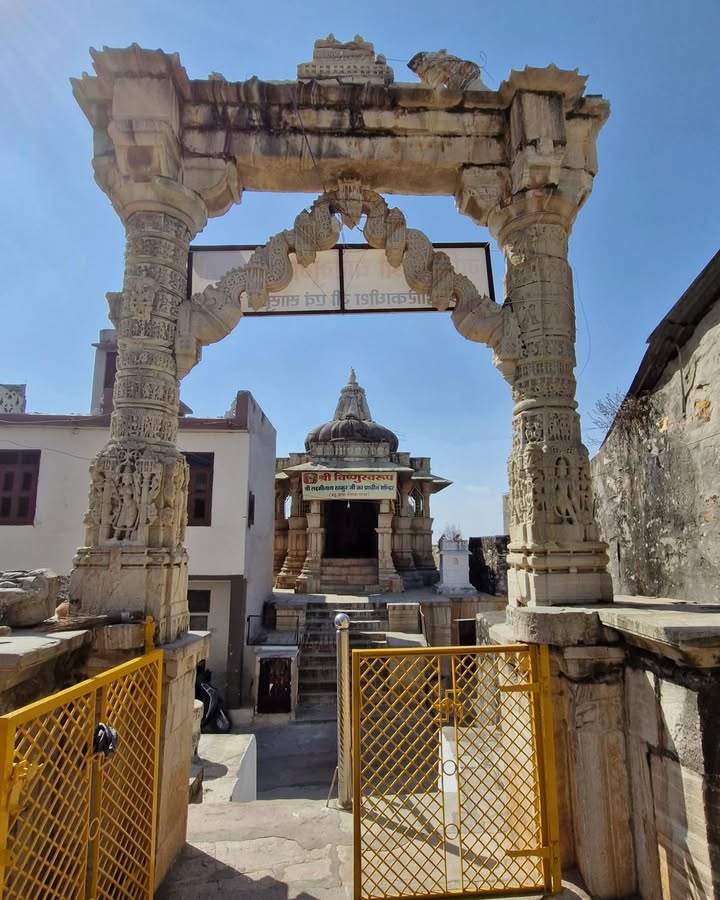
Today, though partially in ruins, the Asir Masjid still breathes history. And perhaps what makes it even more profound is its coexistence within the fort — alongside the Gupteshwar Mahadev temple and a Sikh Gurudwara — quietly reminding us that Asirgarh was never just a fort of battles, but a landscape of shared faiths.
A place where stone speaks… and silence echoes centuries.
Discover more such hidden stories of Meerut in my coffee table book ITIHASNAMA by StudioDharma.
Order your copy here:
असीरगढ़ किले की भूली हुई मस्जिद, मध्य प्रदेश
सतपुड़ा की पहाड़ियों की ऊँचाई पर स्थित असीरगढ़ किले के शिखर पर, जहां हवाएं इतिहास की परतों को छूती हैं, वहीं खड़ी है एक खामोश मगर प्रभावशाली इमारत — असीर मस्जिद।
इसका निर्माण 1590 ईस्वी में फ़ारूकी शासक राजा अली खान (आदिल शाह चतुर्थ) ने करवाया था। यह मस्जिद केवल इबादत का स्थान नहीं, बल्कि उस सांस्कृतिक समन्वय की जीवंत मिसाल है जो कभी इस क्षेत्र की पहचान था। इसकी बनावट बुरहानपुर की शाही जामा मस्जिद से मिलती-जुलती है, लेकिन किले की ऊंचाई पर स्थित होने के कारण इसमें एक अलग ही गहराई और सादगी महसूस होती है।
इस मस्जिद की सबसे खास बात इसकी वास्तुकला नहीं, बल्कि इसके शिलालेख हैं। यहां अरबी और संस्कृत दोनों भाषाओं में अभिलेख मिलते हैं — जो यह दर्शाते हैं कि फ़ारूकी काल में धार्मिक और सांस्कृतिक सीमाएं इतनी कठोर नहीं थीं। संस्कृत जैसी प्राचीन भाषा का प्रयोग इस्लामी इमारतों में होना एक दुर्लभ और अद्भुत उदाहरण है।
1601 में जब मुग़ल सम्राट अकबर ने असीरगढ़ किले को जीत लिया, तब 5 जनवरी को उन्होंने इसी मस्जिद में नमाज़ अदा की — यह घटना केवल एक सैन्य विजय नहीं, बल्कि एक ऐतिहासिक आध्यात्मिक क्षण भी थी।
आज यह मस्जिद खंडहरों में बदल चुकी है, लेकिन इसकी दीवारें अब भी इतिहास को संजोए हुए हैं। और शायद इसकी सबसे बड़ी विशेषता यह है कि इसी किले में गुप्तेश्वर महादेव मंदिर और एक सिख गुरुद्वारा भी स्थित हैं — जो इस स्थान को विभिन्न आस्थाओं के संगम के रूप में प्रस्तुत करते हैं।
यह सिर्फ एक किला नहीं… बल्कि सदियों की साझी विरासत की कहानी है।
Meerut की भूली-बिसरी विरासतों को जानने के लिए मेरी कॉफी टेबल बुक ITIHASNAMA अवश्य देखें।
ऑर्डर करने के लिए यहाँ जाएँ: