






𝓣𝓱𝓮 𝓣𝓸𝓶𝓫 𝓸𝓯 𝓘𝓵𝓽𝓾𝓽𝓶𝓲𝓼𝓱, 𝓓𝓮𝓵𝓱𝓲.
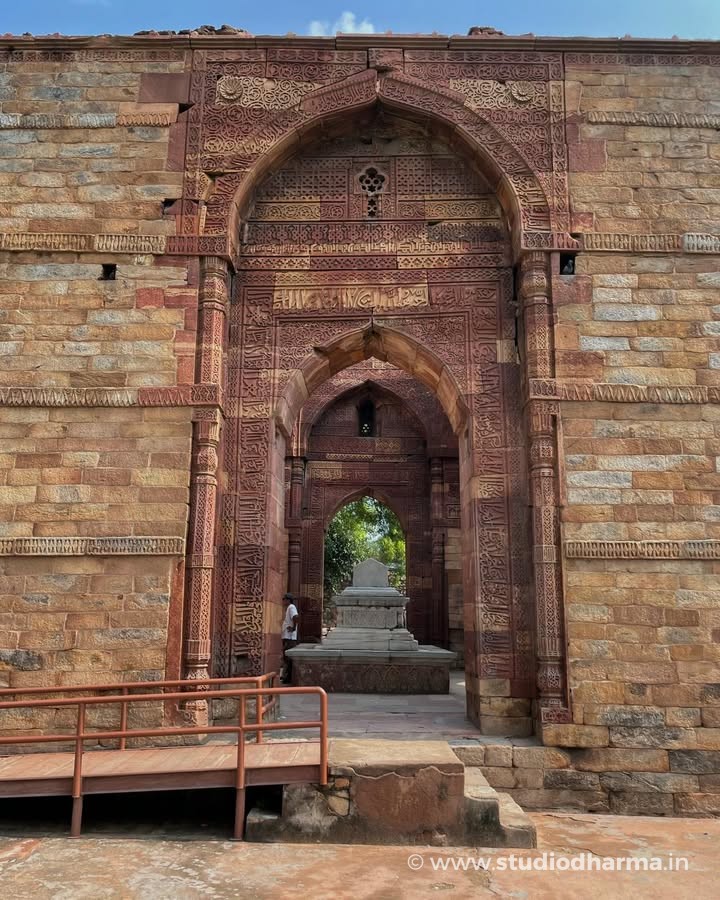
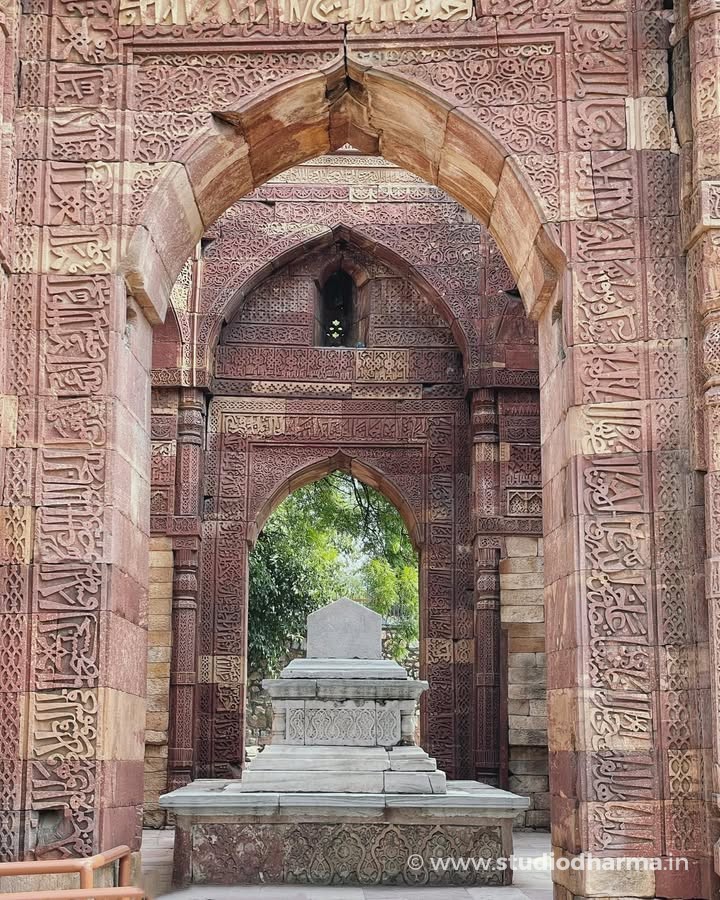
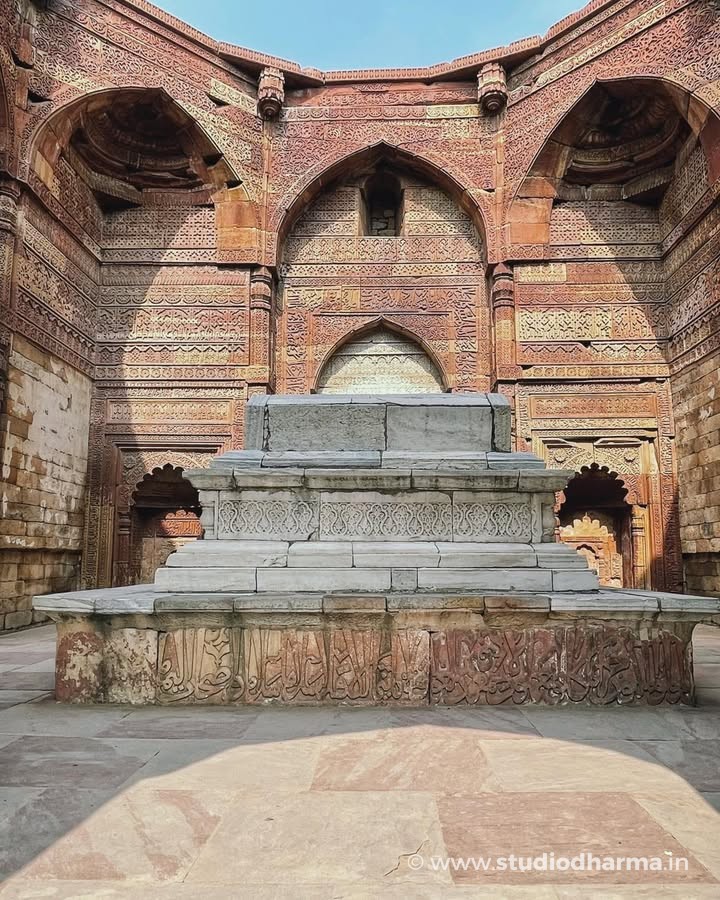
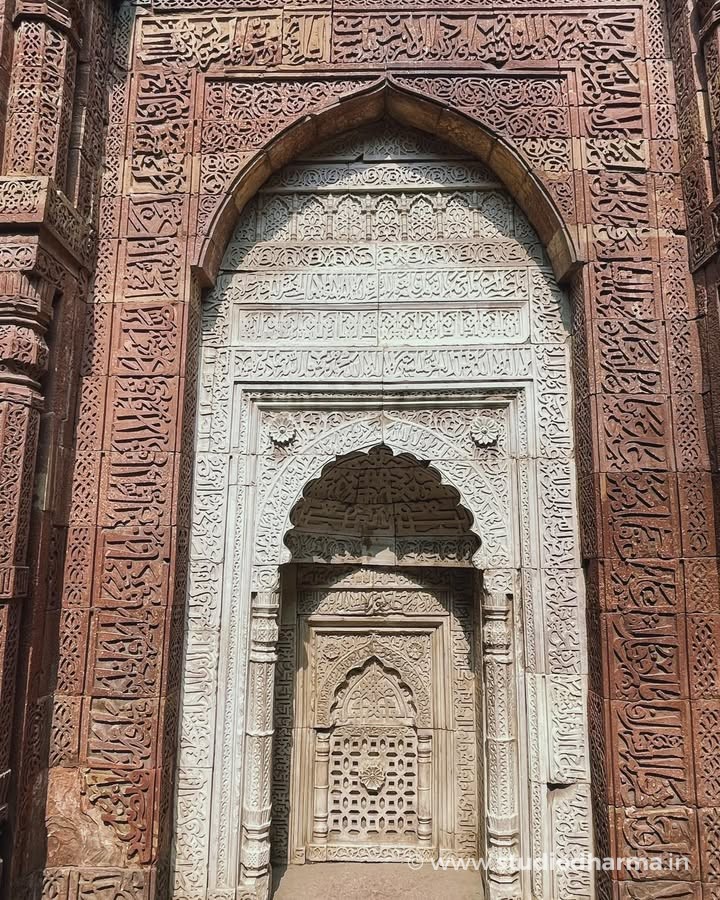
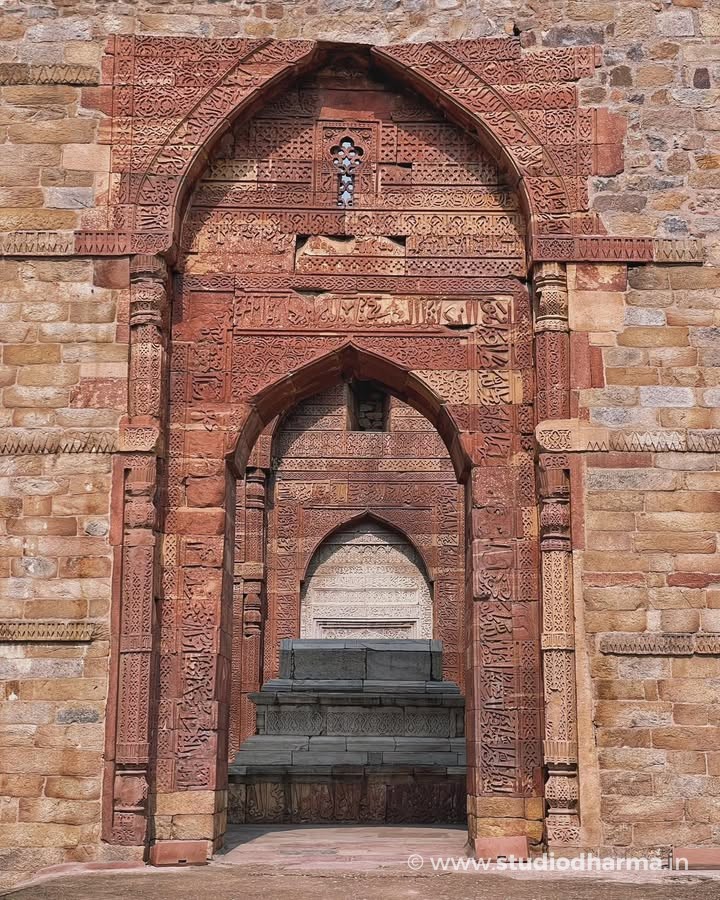
𝓣𝓱𝓮 𝓣𝓸𝓶𝓫 𝓸𝓯 𝓘𝓵𝓽𝓾𝓽𝓶𝓲𝓼𝓱, 𝓓𝓮𝓵𝓱𝓲.
A Tomb That Gave India Its First Woman Sultan
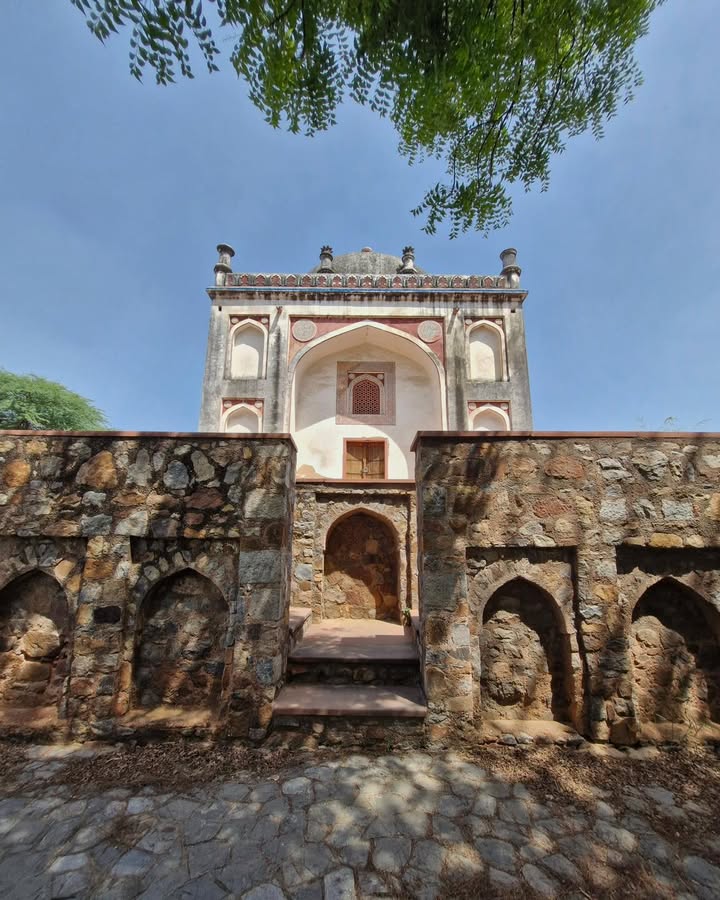
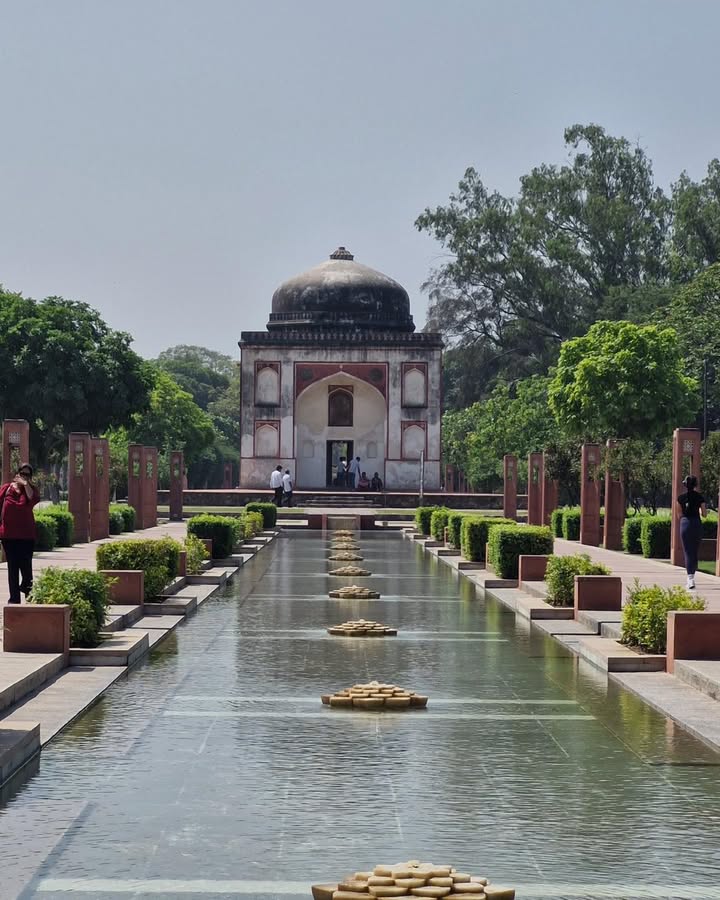
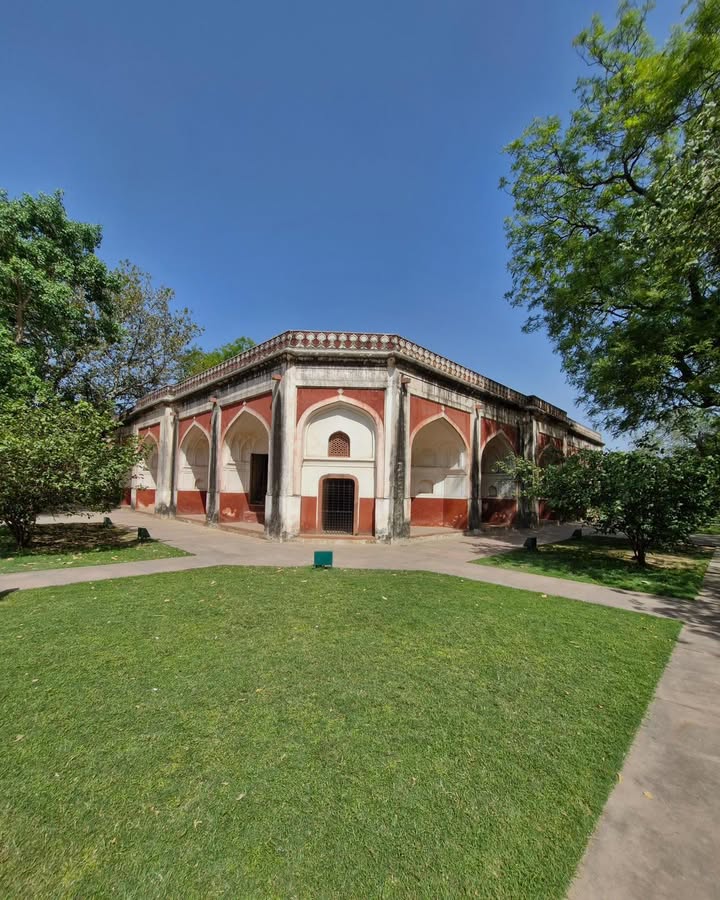
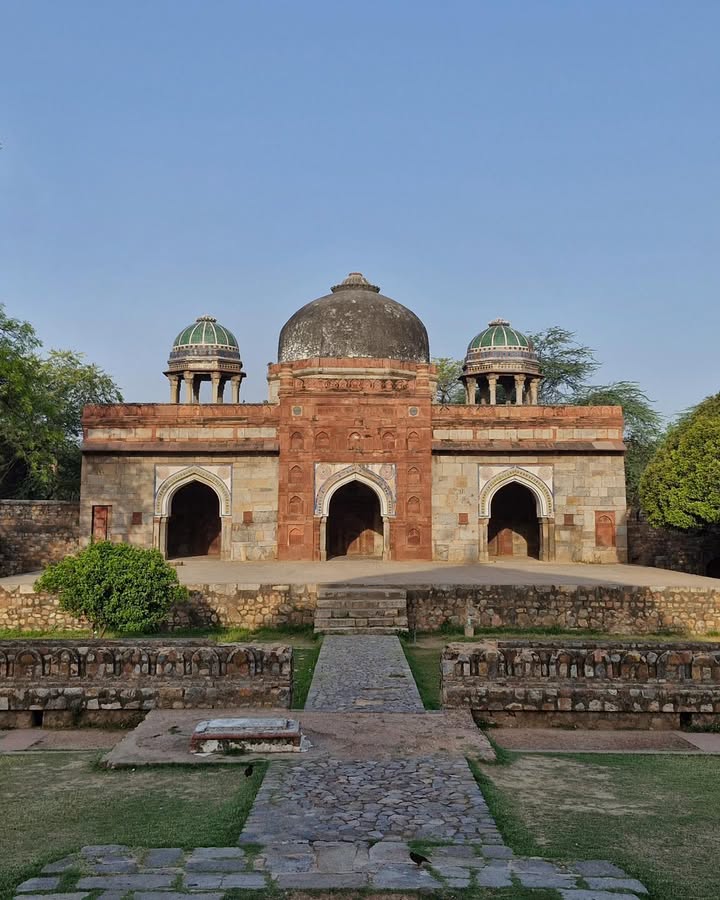
Hidden within the sacred precincts of the Qutb Minar Complex, the Tomb of Shams-ud-din Iltutmish stands as one of the most important yet understated monuments of early medieval India.
Completed in 1235 CE, just a year before his death, this structure is recognised as the first true Islamic tomb built in Delhi. Its plain red sandstone exterior reflects restraint rather than display—an architecture of transition, marking the moment when Islamic rule in India began to establish permanence.
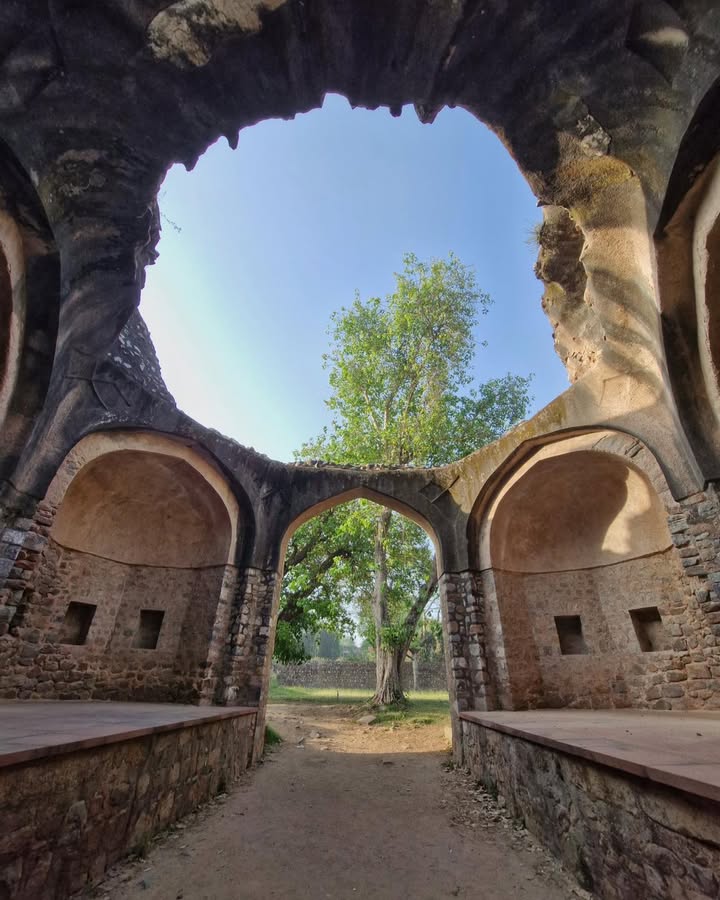
Inside, the walls are densely carved with Quranic verses in Kufic, Tughra, and Naskh scripts, displaying extraordinary craftsmanship. Three mihrabs on the western wall, including a central one in marble, establish the tomb as both a sacred and royal space. Though the original dome no longer survives, the visible transition from a square base toward a circular form influenced later Sultanate and Mughal funerary architecture.
This monument also carries a remarkable legacy. Iltutmish was the father of Razia Sultana (r. 1236–1240 CE), the first and only woman to rule the Delhi Sultanate, and the first female Muslim ruler in Indian history. Defying convention, he named her his successor. Razia ruled in her own right—appearing in public court, leading armies, and governing with rare political confidence.
Here, the tomb feels less like an end and more like a turning point—where architecture, authority, and an extraordinary father-daughter legacy quietly reshaped Indian history.
Explore ITIHASNAMA—a premium coffee table book featuring deeply researched heritage narratives.
Purchase link:
इल्तुतमिश का मक़बरा, दिल्ली
एक ऐसा मक़बरा जिसने भारत को पहली महिला सुल्तान दी
क़ुतुब मीनार परिसर में स्थित इल्तुतमिश का यह मक़बरा, 1235 ईस्वी में निर्मित हुआ और दिल्ली का पहला प्रामाणिक इस्लामी मक़बरा माना जाता है। बाहर से साधारण लाल बलुआ पत्थर की संरचना, भीतर गहन आध्यात्मिकता और उत्कृष्ट शिल्पकला में बदल जाती है।
दीवारों पर कुफ़ी, तुग़रा और नस्क़ लिपियों में खुदी क़ुरआनी आयतें, उस युग की कलात्मक ऊँचाई को दर्शाती हैं। पश्चिमी दीवार पर बने तीन मिहराब इस स्थान को धार्मिक गरिमा प्रदान करते हैं। यहीं से भारतीय-इस्लामी मक़बरा वास्तुकला की दिशा तय हुई।
यह मक़बरा केवल इल्तुतमिश की स्मृति नहीं, बल्कि उनकी पुत्री रज़िया सुल्ताना की विरासत से भी जुड़ा है—जो 1236 से 1240 ईस्वी तक दिल्ली सल्तनत की एकमात्र महिला शासक और भारत की पहली मुस्लिम महिला शासक रहीं। इल्तुतमिश द्वारा उन्हें उत्तराधिकारी नामित किया जाना, अपने समय से बहुत आगे की सोच थी।
यह मक़बरा इतिहास का अंत नहीं, बल्कि एक साहसी शुरुआत का संकेत है।
ITIHASNAMA—मेरठ की विरासत पर आधारित स्टूडियोधर्मा की विशेष कॉफी टेबल बुक।
खरीदने हेतु लिंक: