










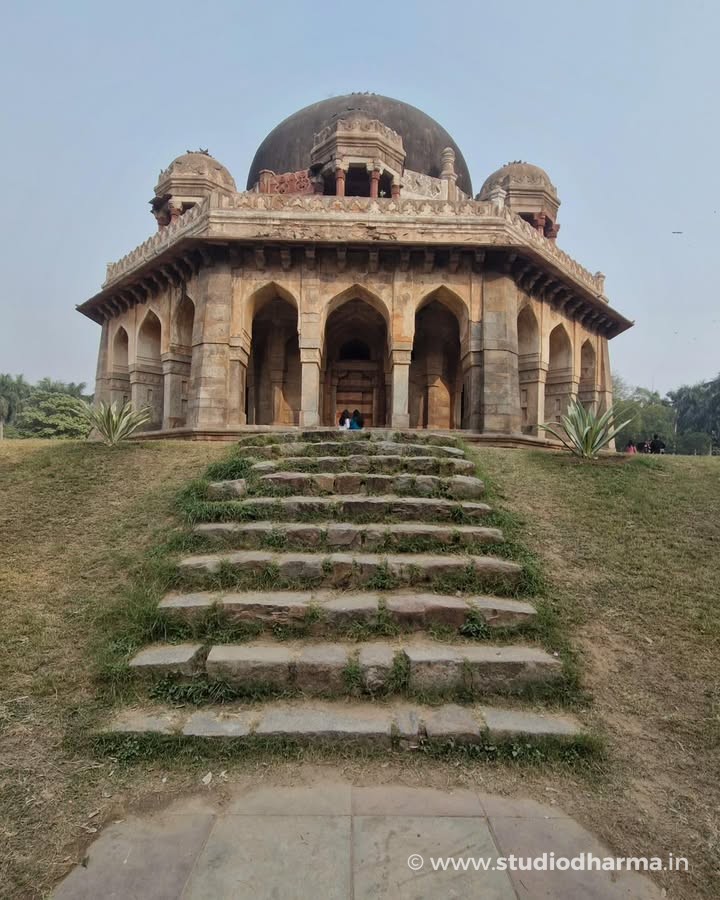
MUHAMMAD SHAH’S TOMB, LODHI GARDENS, DELHI.
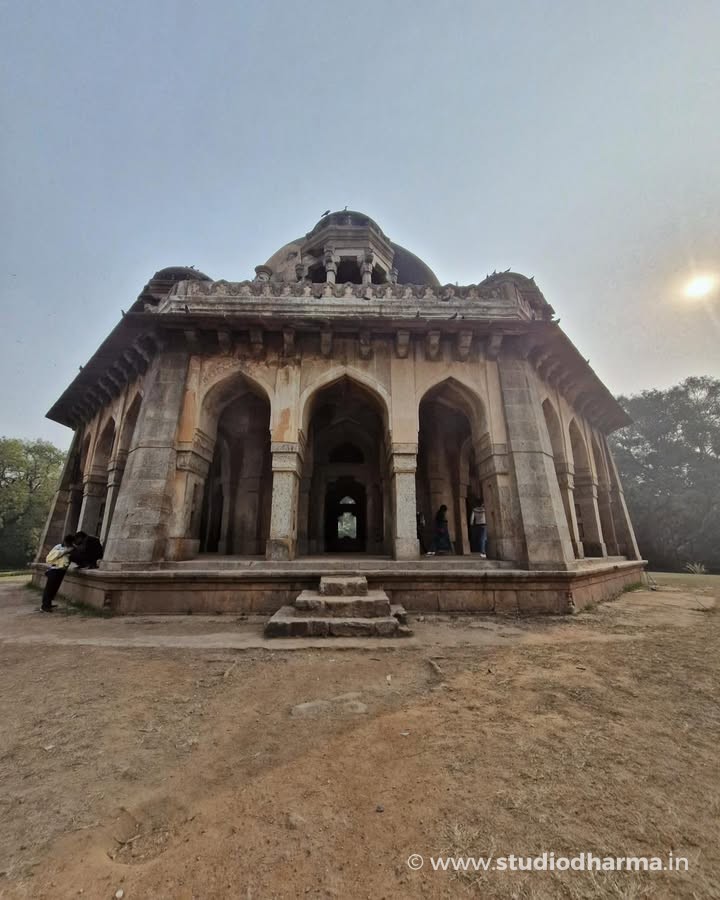
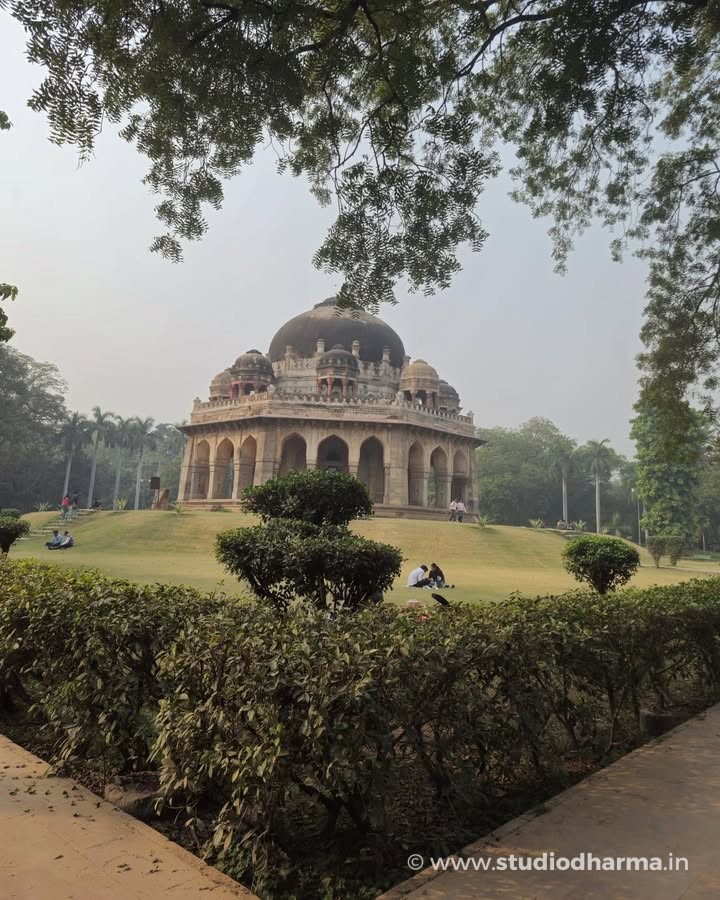
MUHAMMAD SHAH’S TOMB, LODHI GARDENS, DELHI.
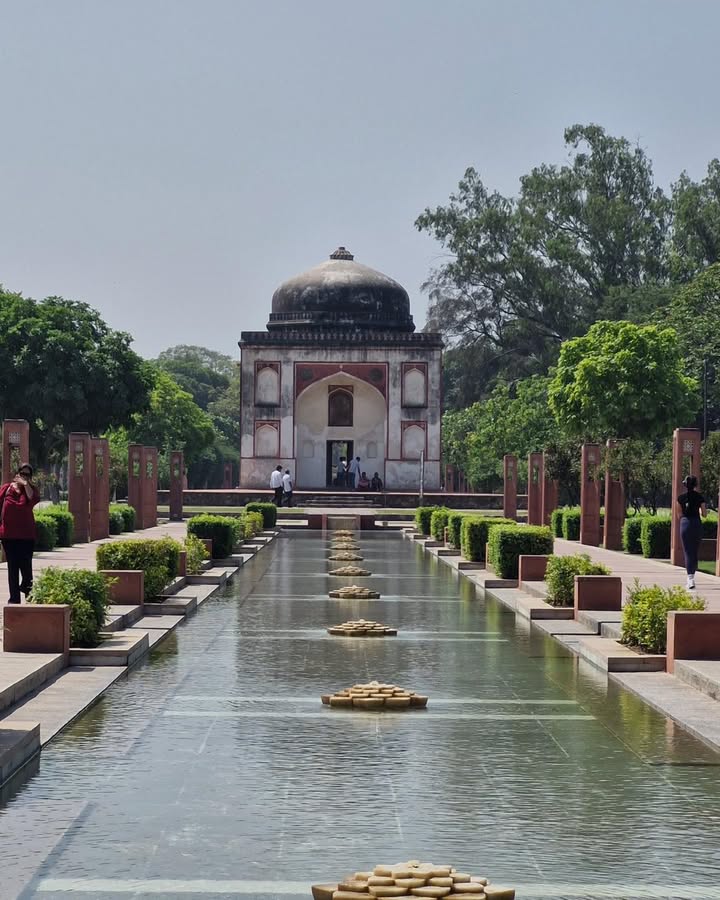
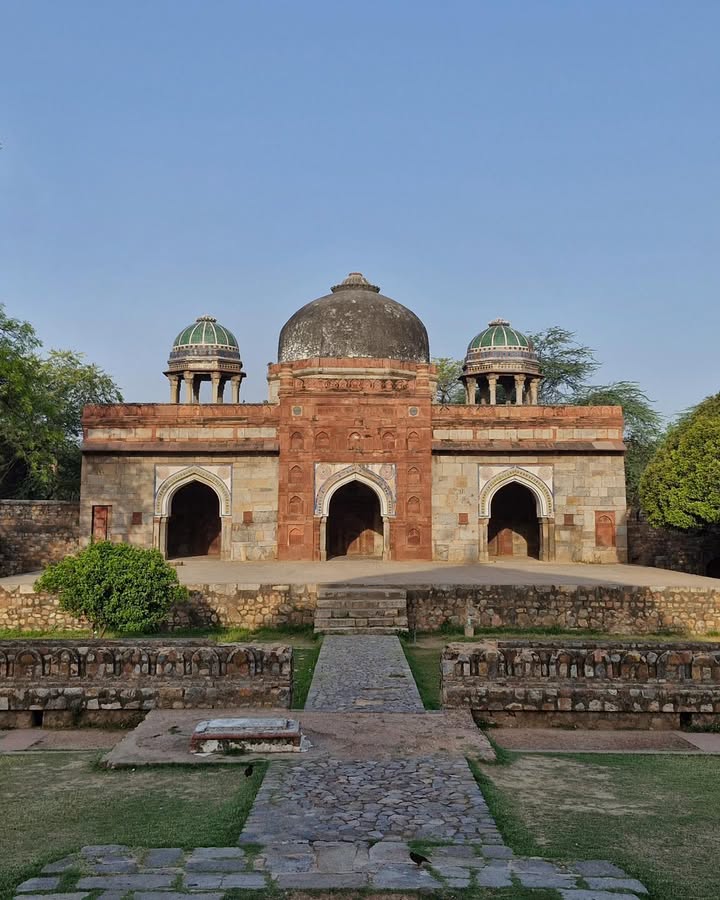
Standing quietly amid the greenery of Lodhi Gardens, the tomb of Muhammad Shah carries the memory of a lesser-known yet important phase of Delhi’s Sultanate history. Muhammad Shah, the third ruler of the Sayyid dynasty, reigned from 1434 to 1445 CE, a time marked by political fragility but evolving architectural expression.
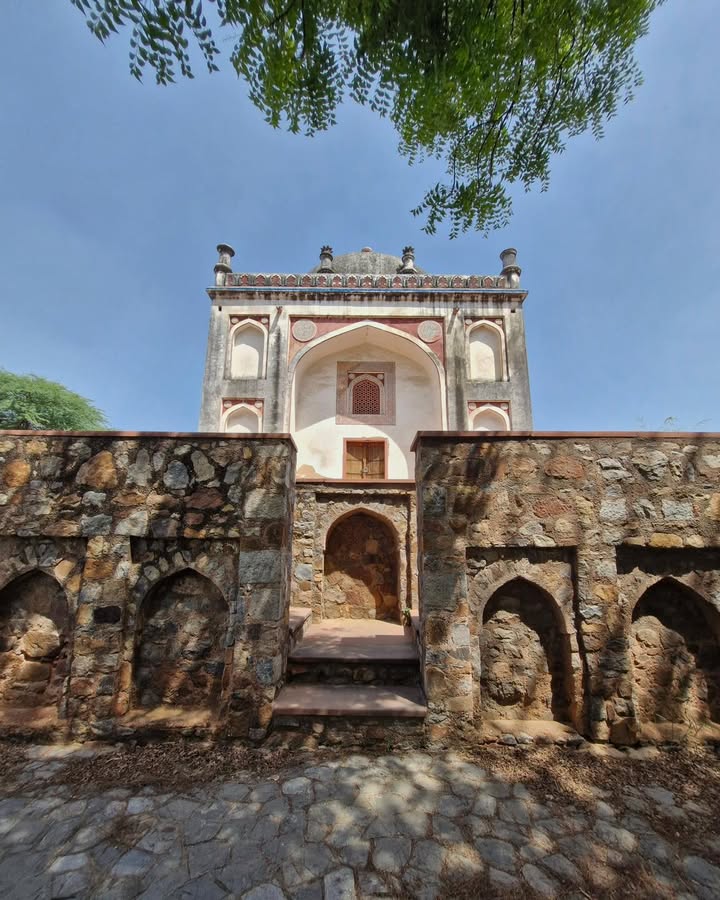
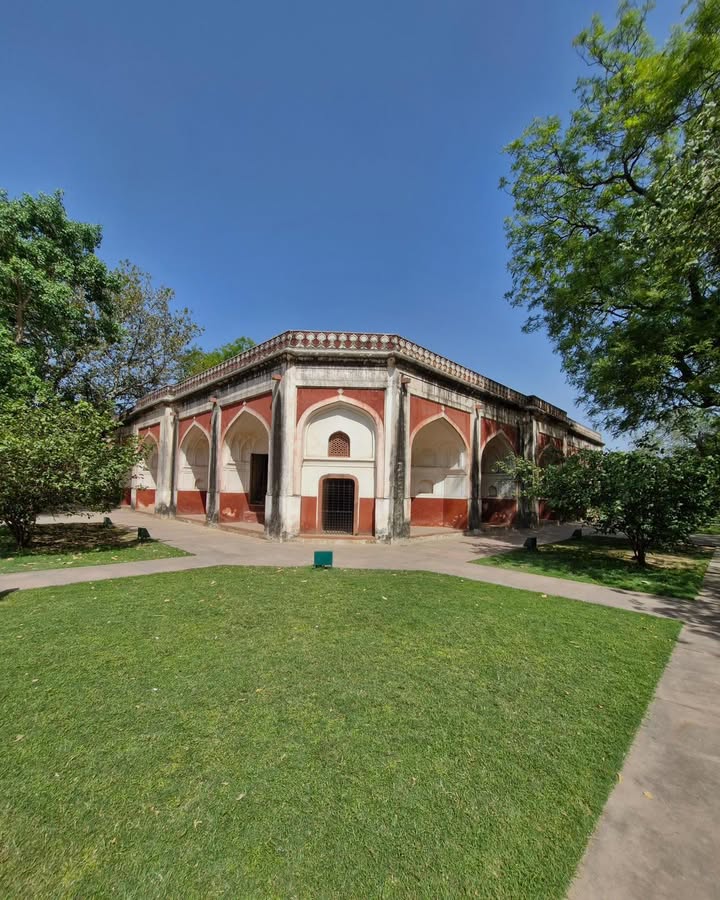
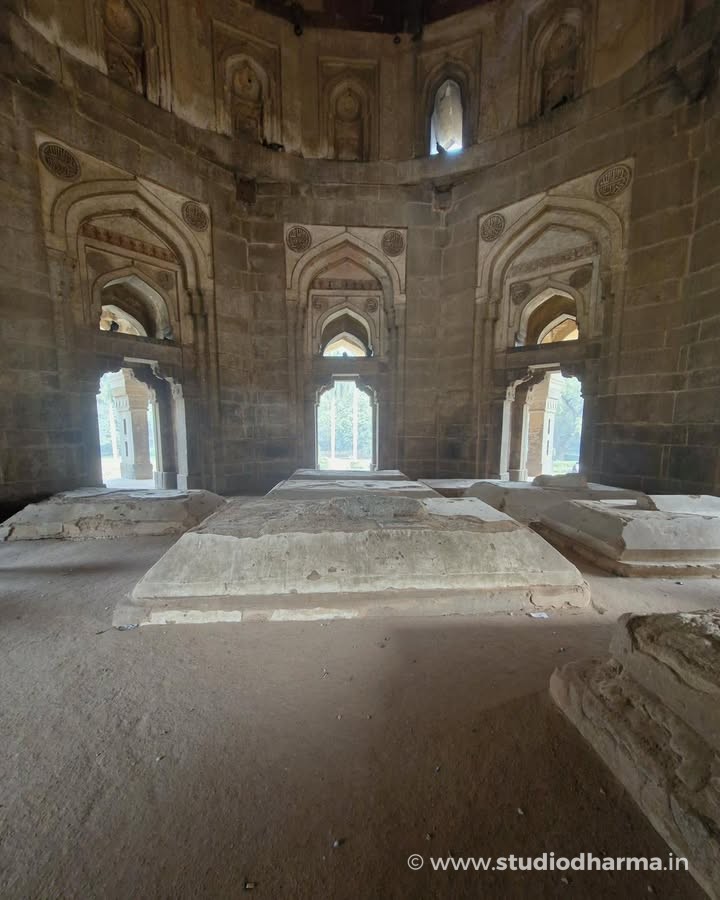
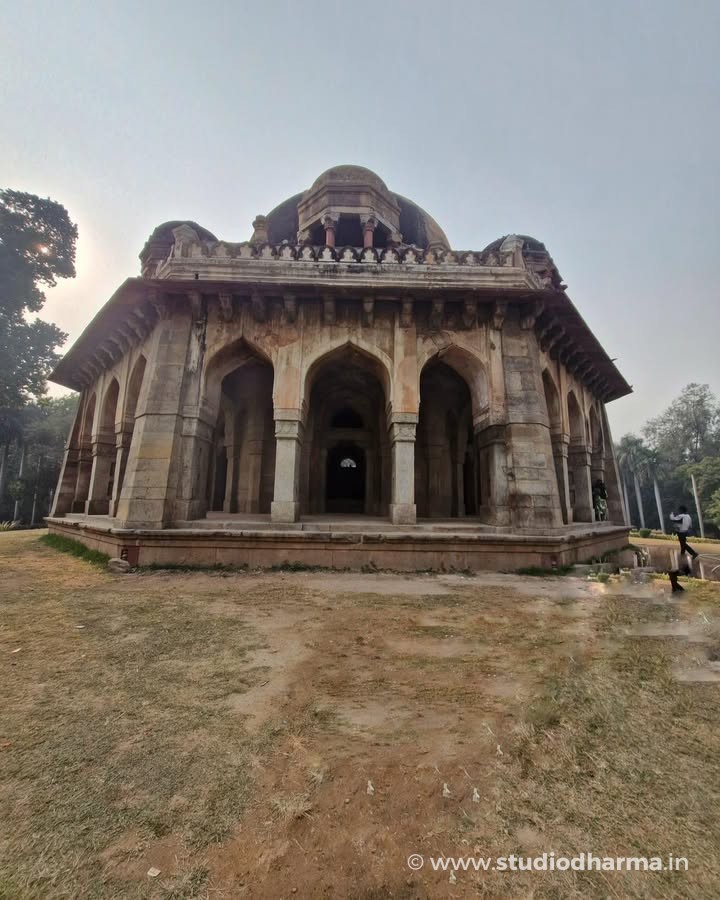
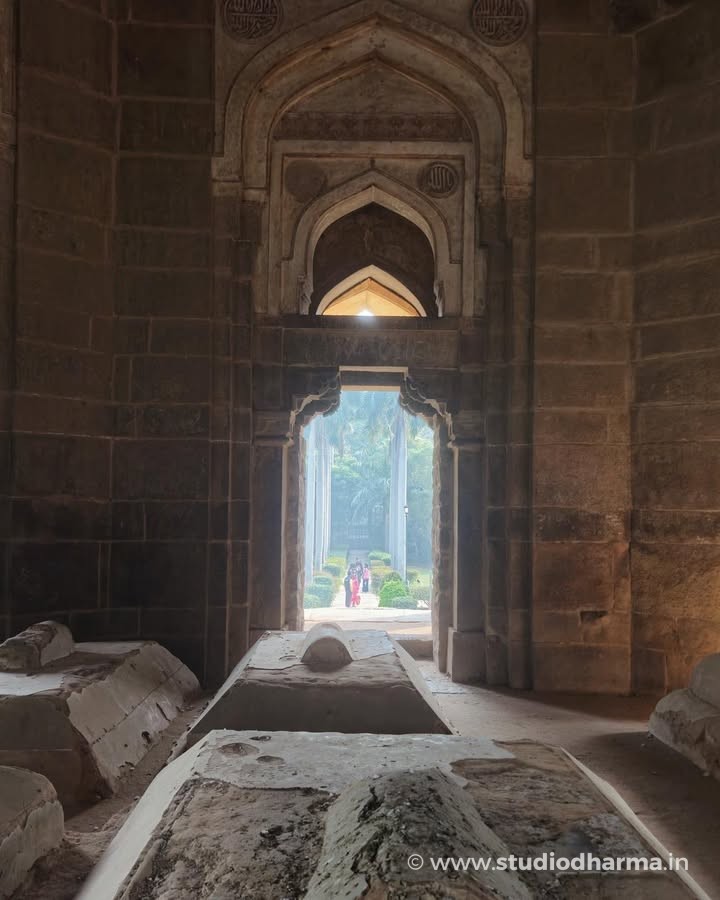
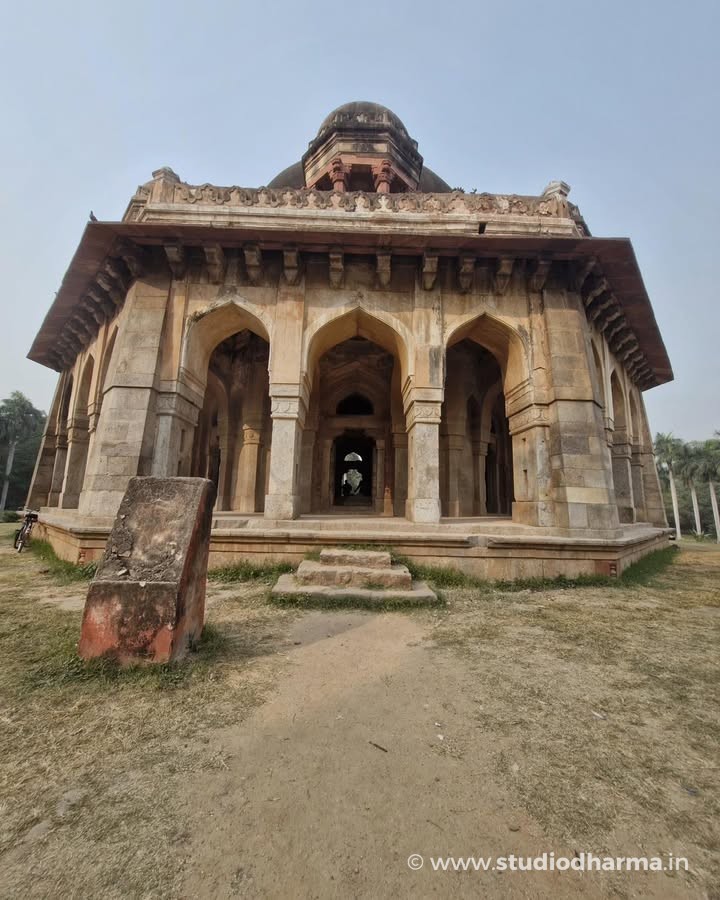
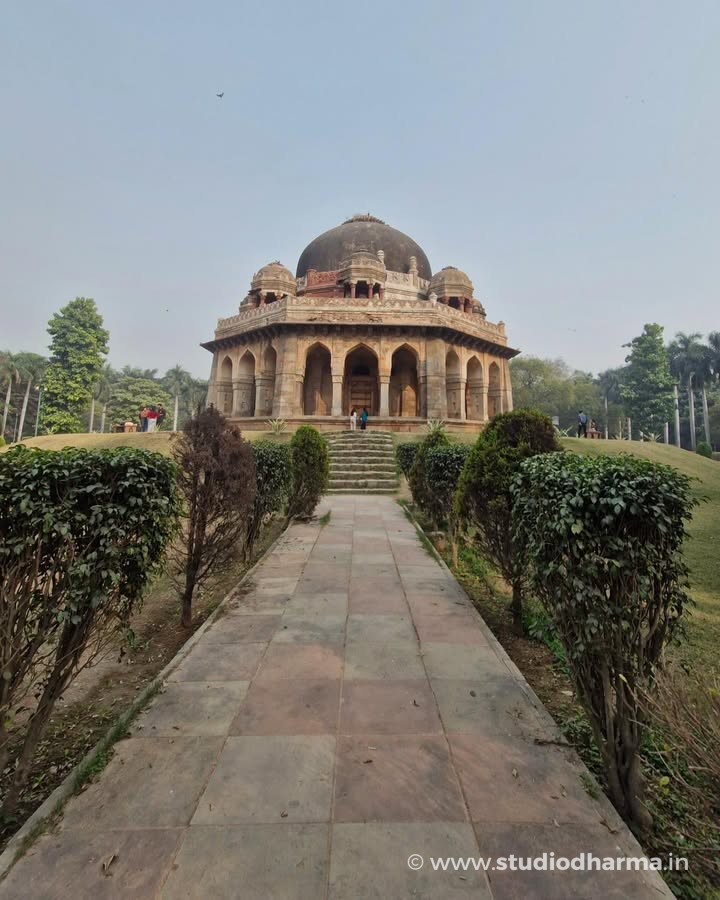
Built by his son and successor, Ala-ud-Din Alam Shah, around the mid-15th century (circa 1444–1451 CE), this octagonal mausoleum reflects the royal funerary tradition of its age. The tomb rises on a high platform, its central chamber encircled by an arched verandah, creating a rhythmic balance of space and symmetry.
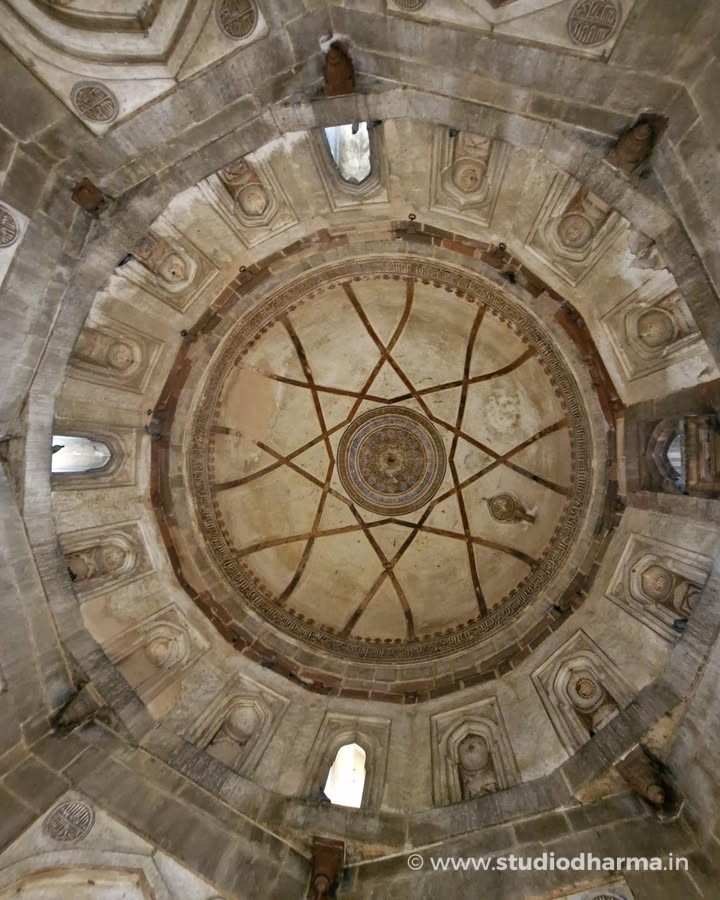
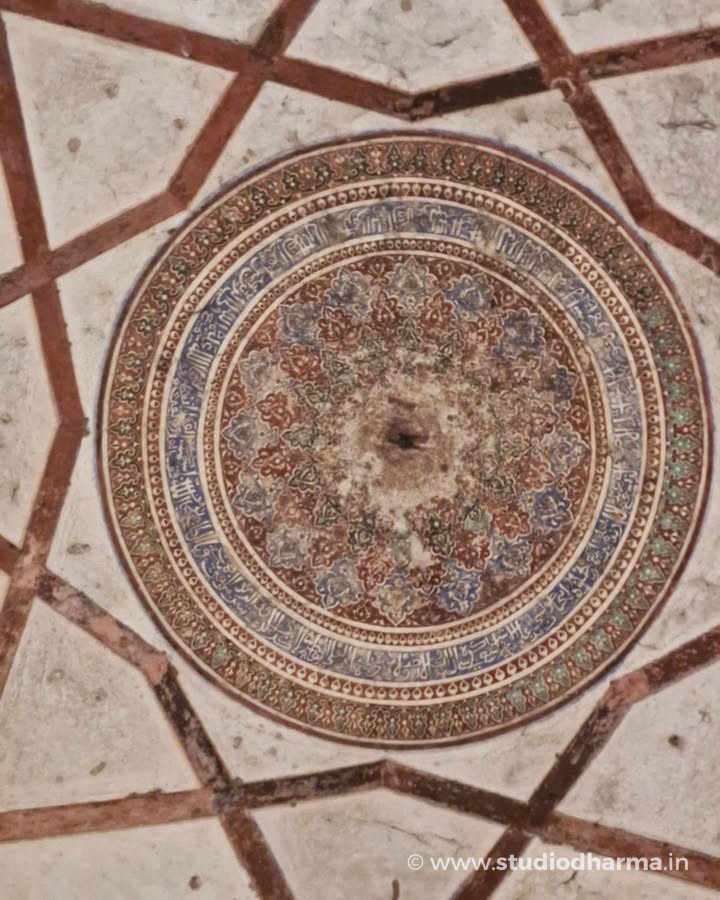
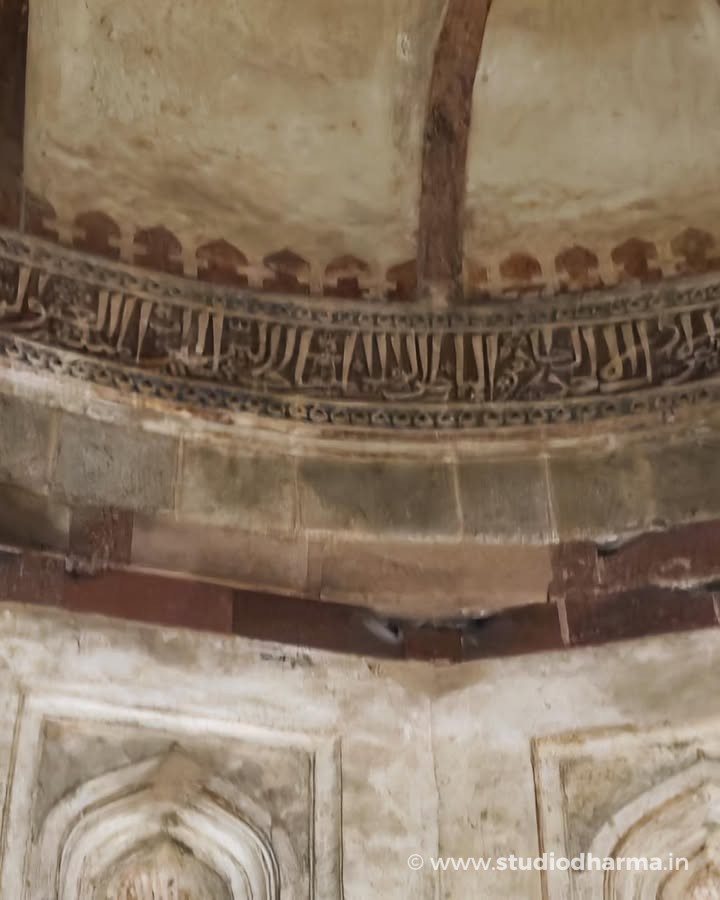
What makes this structure remarkable is its subtle fusion of styles. Islamic principles of geometry and calligraphy blend with indigenous elements—chhatris crowning the roof, lotus finials atop the domes, and sloping buttresses that echo local building traditions. These features quietly announce a transitional moment in Indo-Islamic architecture, bridging earlier Sultanate forms and later developments under the Lodis.
Though modest compared to grand imperial mausoleums, Muhammad Shah’s Tomb remains one of the finest surviving monuments of the Sayyid period—an enduring reminder that even in times of limited power, architecture continued to evolve with grace and restraint.
Explore more such forgotten stories and monuments in ITIHASNAMA — a premium coffee table book by StudioDharma, celebrating layered histories and fading architectural memories.
Purchase link:
मोहम्मद शाह का मकबरा, लोधी गार्डन, दिल्ली
सैय्यद काल की एक मौन विरासत
दिल्ली के लोधी गार्डन की हरियाली के बीच स्थित मोहम्मद शाह का मकबरा, सैय्यद वंश के उस दौर की कहानी कहता है जिसे अक्सर इतिहास में कम जगह मिलती है। सुल्तान मोहम्मद शाह, जिन्होंने 1434 से 1445 ईस्वी तक शासन किया, राजनीतिक अस्थिरता के समय के शासक थे, लेकिन उनकी स्मृति में बनी यह संरचना उस युग की स्थापत्य संवेदनशीलता को उजागर करती है।
इस अष्टकोणीय मकबरे का निर्माण उनके पुत्र और उत्तराधिकारी आलाउद्दीन आलम शाह ने 15वीं शताब्दी के मध्य में करवाया। ऊँचे चबूतरे पर स्थित यह समाधि, बाहरी मेहराबदार परिक्रमा-पथ और केंद्रीय कक्ष के संतुलित संयोजन के कारण विशिष्ट दिखाई देती है।
इस मकबरे की सबसे बड़ी विशेषता इसकी मिश्रित वास्तुकला है—इस्लामी ज्यामिति और सुलेख के साथ छतरियाँ, कमलाकार कलश और ढलानदार बुर्ज जैसे स्थानीय तत्व जुड़े हुए हैं। यह संरचना दिल्ली सल्तनत की वास्तुकला में एक संक्रमणकाल को दर्शाती है, जहाँ भारतीय और इस्लामी शैलियाँ सहज रूप से एक-दूसरे में घुलती हैं।
भव्यता से अधिक सादगी में निहित यह मकबरा आज भी सैय्यद काल की एक शांत लेकिन महत्वपूर्ण धरोहर के रूप में खड़ा है।
ऐसी ही भूली-बिसरी विरासतों और उनकी कहानियों को समेटे हुए है ITIHASNAMA — स्टूडियोधर्मा की एक प्रीमियम कॉफी टेबल बुक।
खरीदने के लिए लिंक: