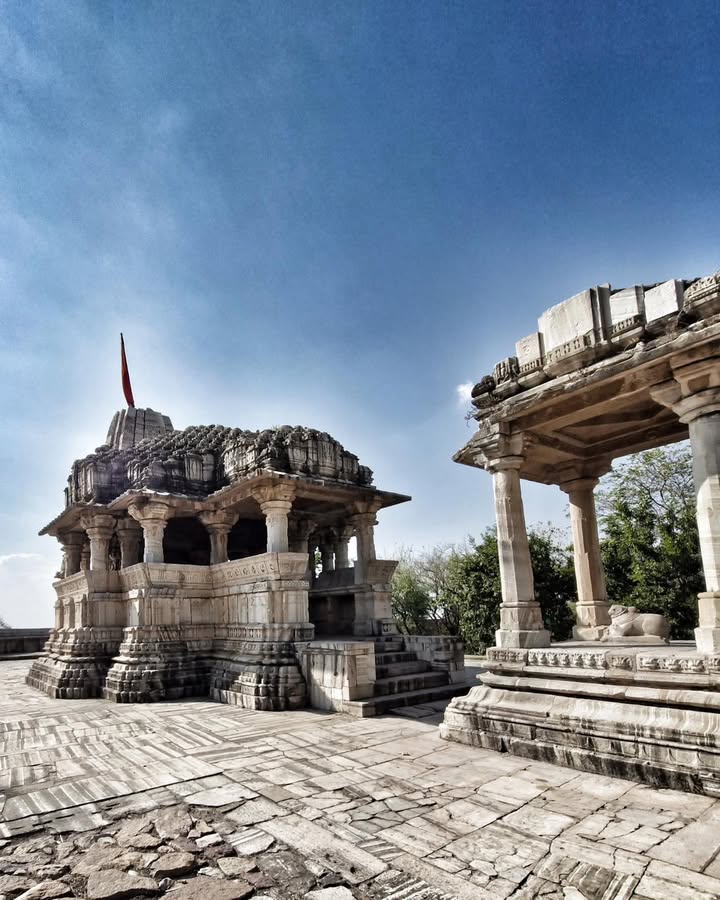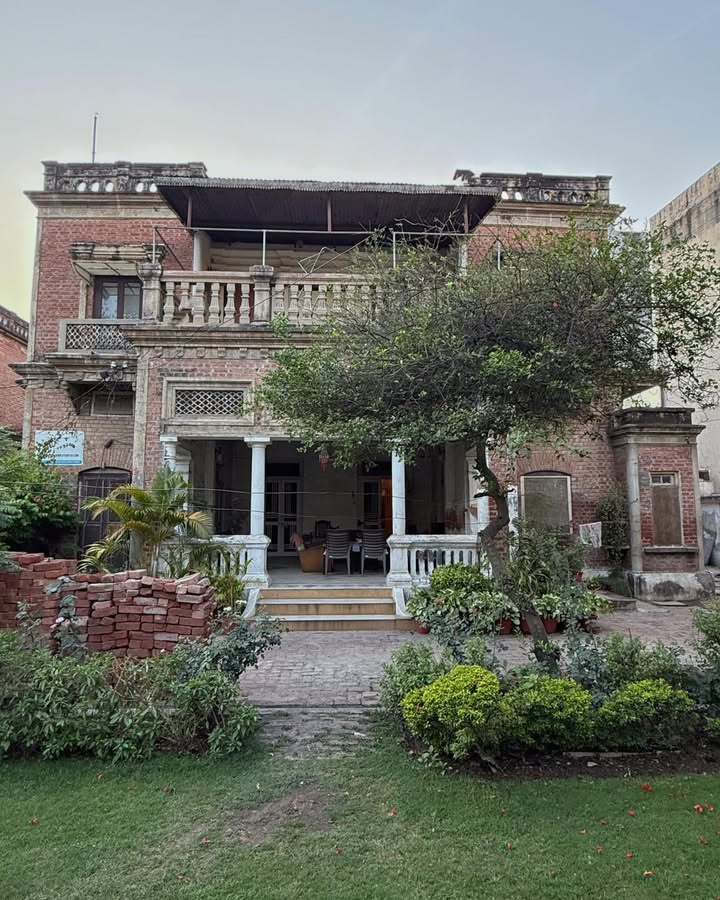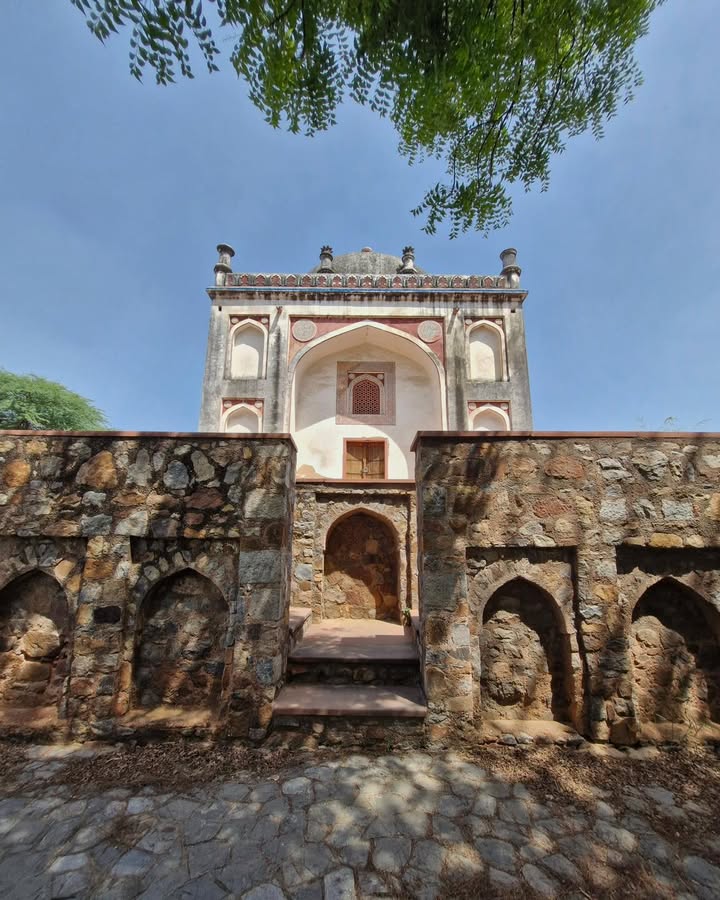
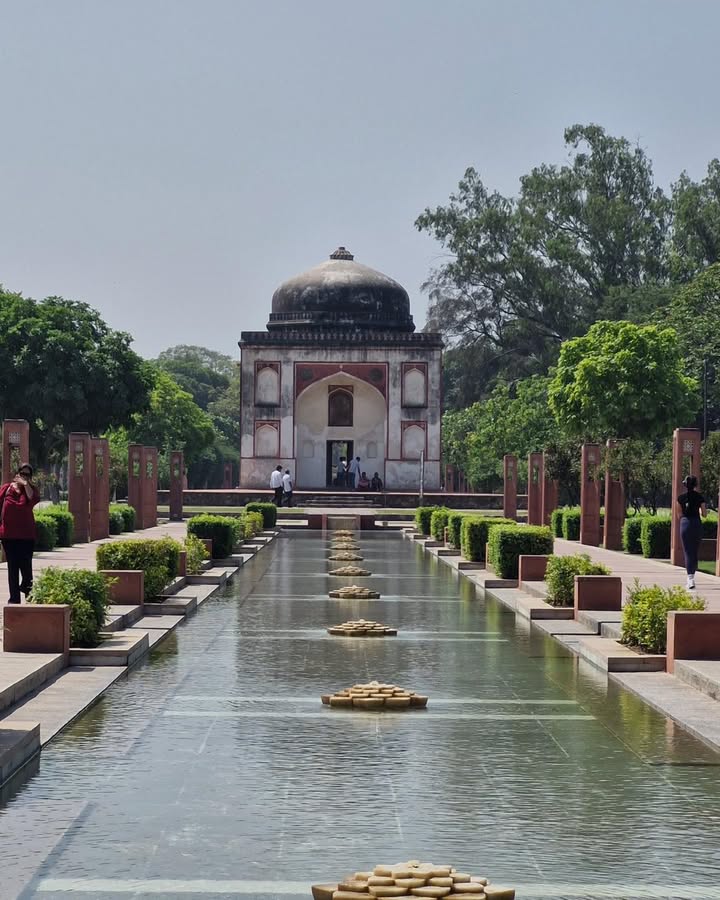
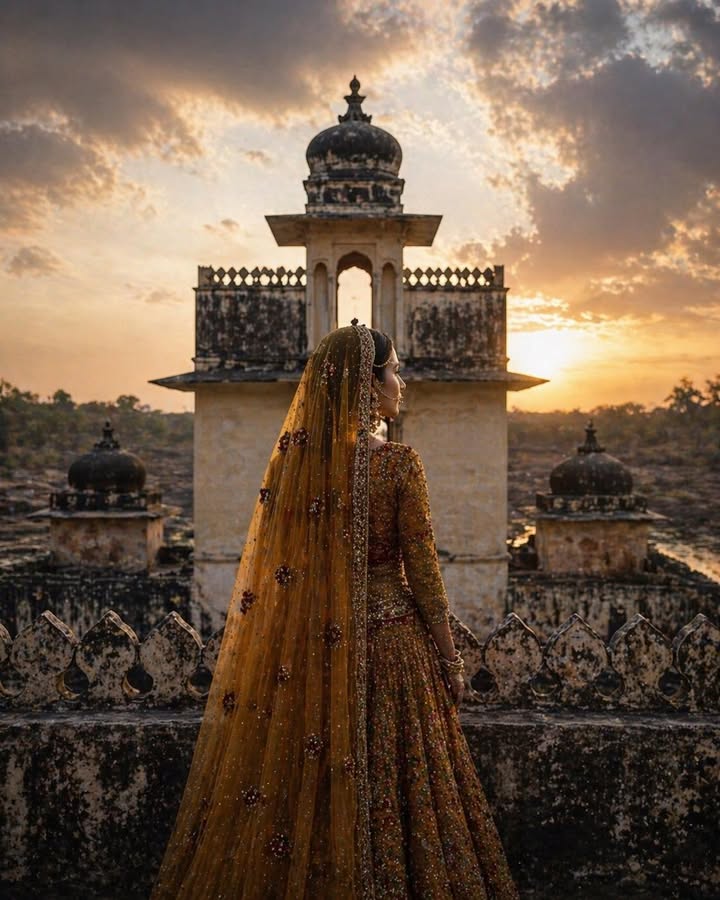











Tansen’s Tomb, Gwalior – Where Music Still Breathes in Silence.
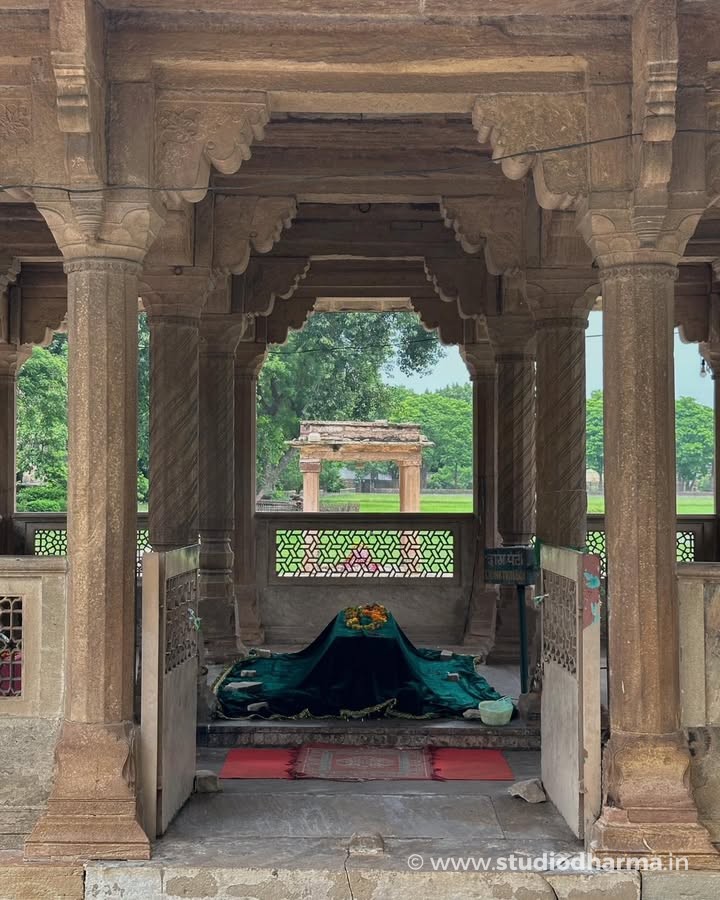
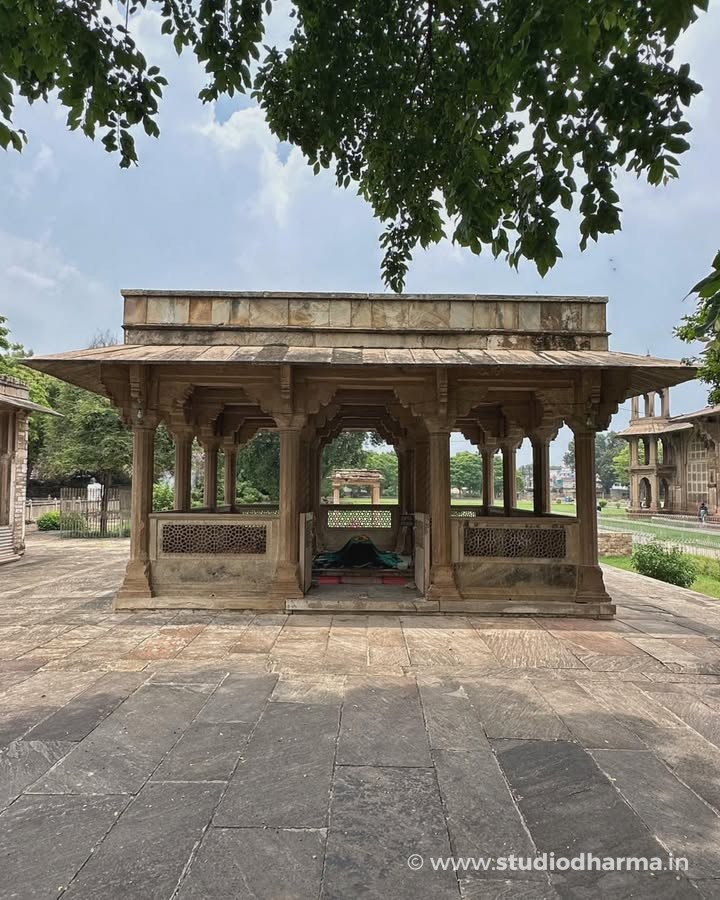
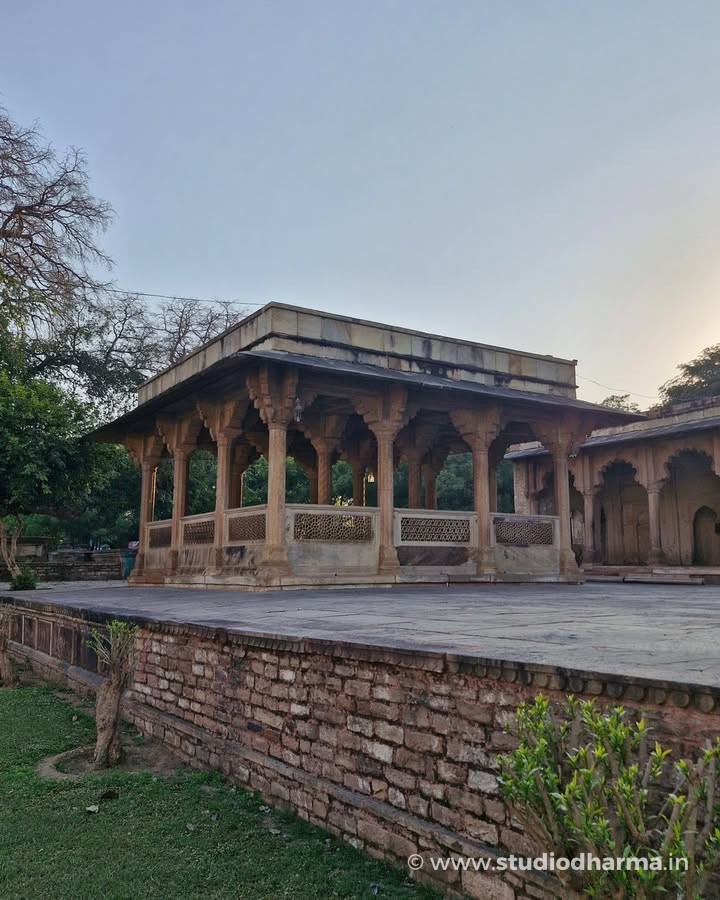
Tansen’s Tomb, Gwalior – Where Music Still Breathes in Silence.
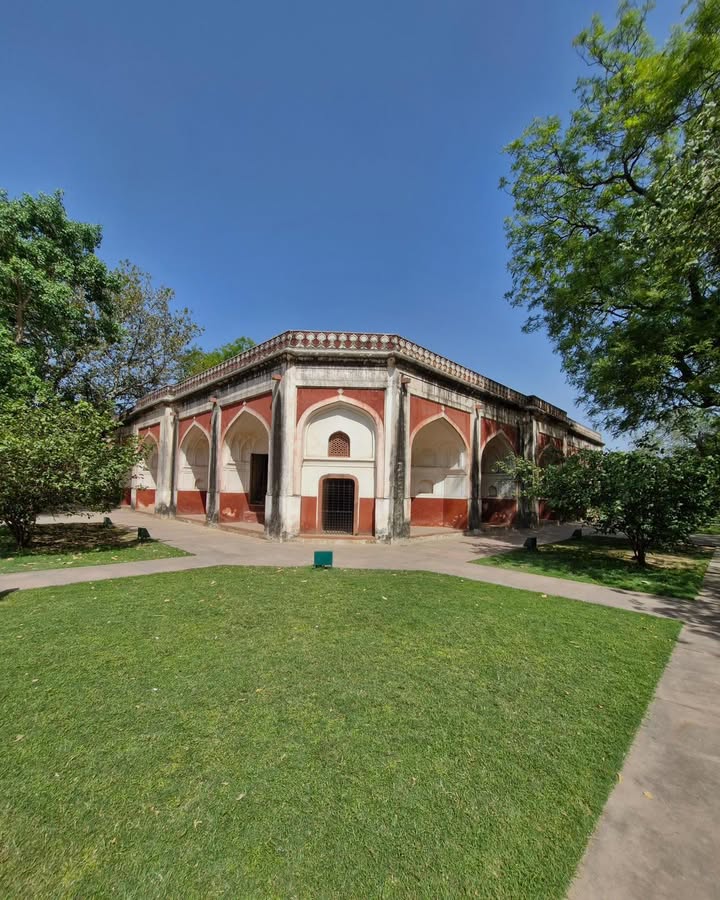
In the historic city of Gwalior in Madhya Pradesh stands a quiet monument dedicated to one of the greatest musicians India has ever known — Miyan Tansen.
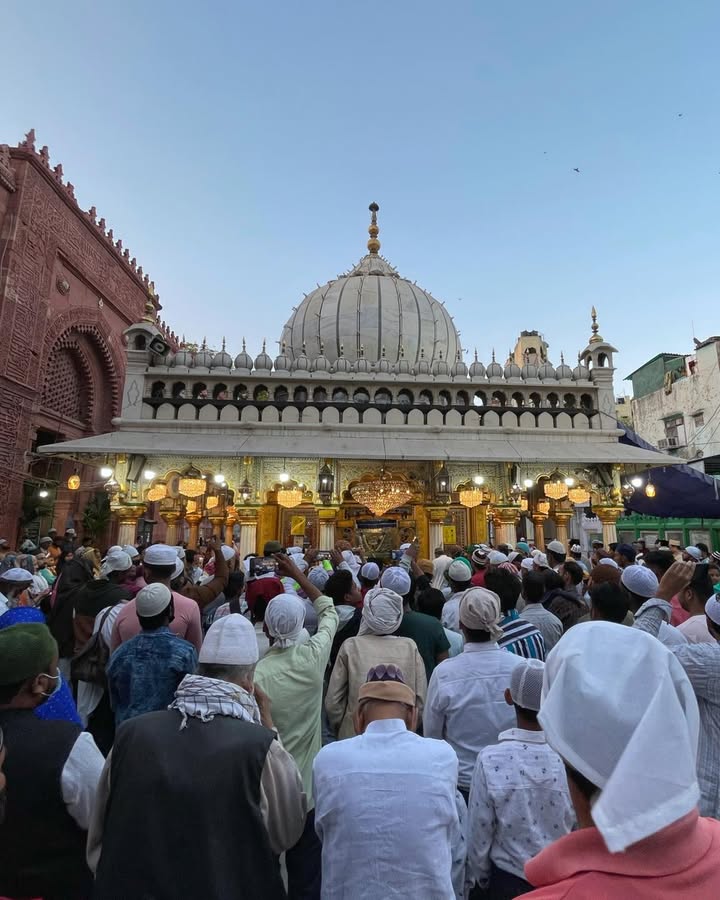
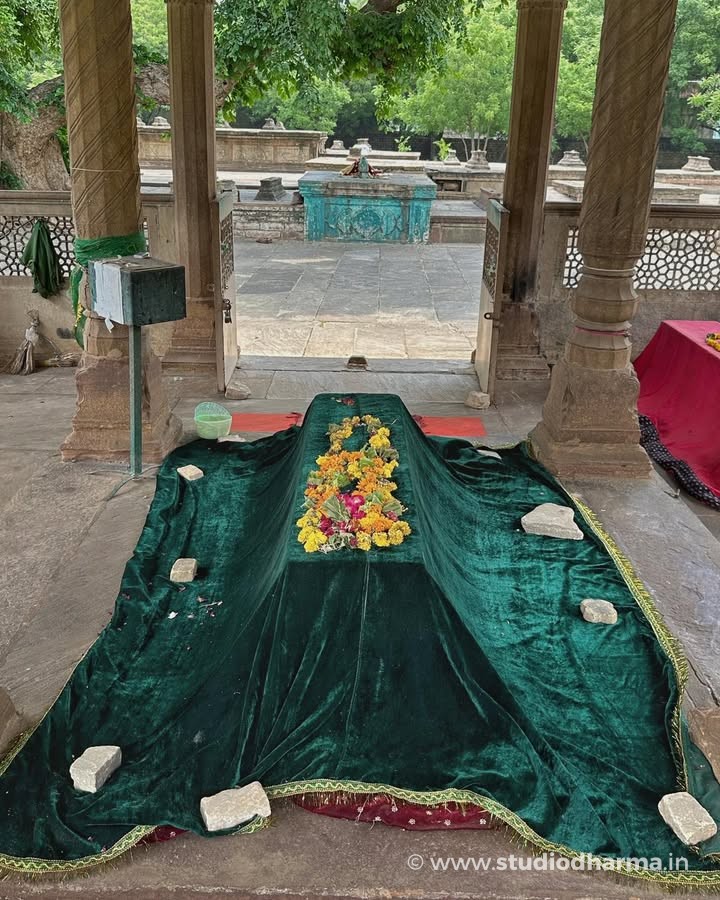
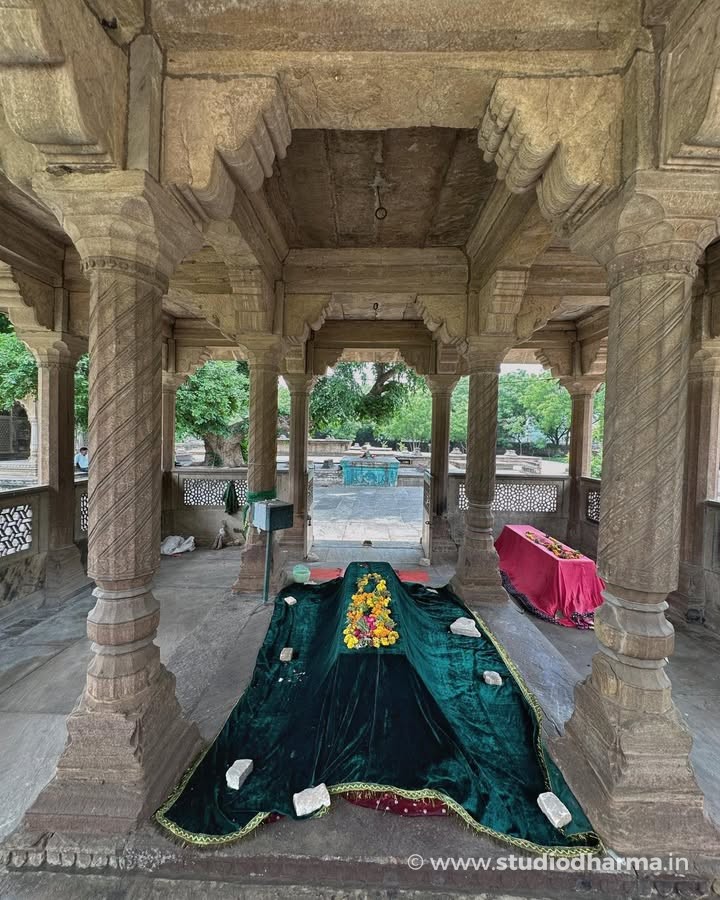
Hidden within a serene garden complex beside the magnificent tomb of the Sufi saint Muhammad Ghaus lies the modest resting place of Ram Tanu Pandey, later known to the world as Miyan Tansen. Born around 1500 into a Hindu Gaud Brahmin family, Tansen displayed remarkable musical talent from a very young age. His early musical training is associated with the great saint-musician Swami Haridas of Vrindavan, a legendary figure of the Bhakti musical tradition.
Tansen spent a significant part of his early career under the patronage of Raja Ramchandra Singh of Rewa, whose court became the place where his musical genius first achieved widespread recognition. It was from here that news of his extraordinary talent reached the Mughal emperor Akbar. In 1562, at around sixty years of age, Tansen entered Akbar’s imperial court, eventually becoming one of the celebrated Navratnas — the nine jewels of Akbar’s court.
His name became synonymous with the golden age of Hindustani classical music. Tansen is remembered for his powerful Dhrupad compositions and for developing several ragas that continue to shape Indian classical music even today. Many musical traditions credit him with strengthening the Gwalior style that later evolved into the famous Gwalior Gharana.
Like many great historical figures, Tansen’s life is surrounded by legends. Folk traditions say that his music could light lamps with Raga Deepak or bring rain through Raga Megh Malhar, enchanting even animals and nature itself. While these stories are part of India’s rich cultural imagination, historians consider them symbolic expressions of his unmatched musical mastery.
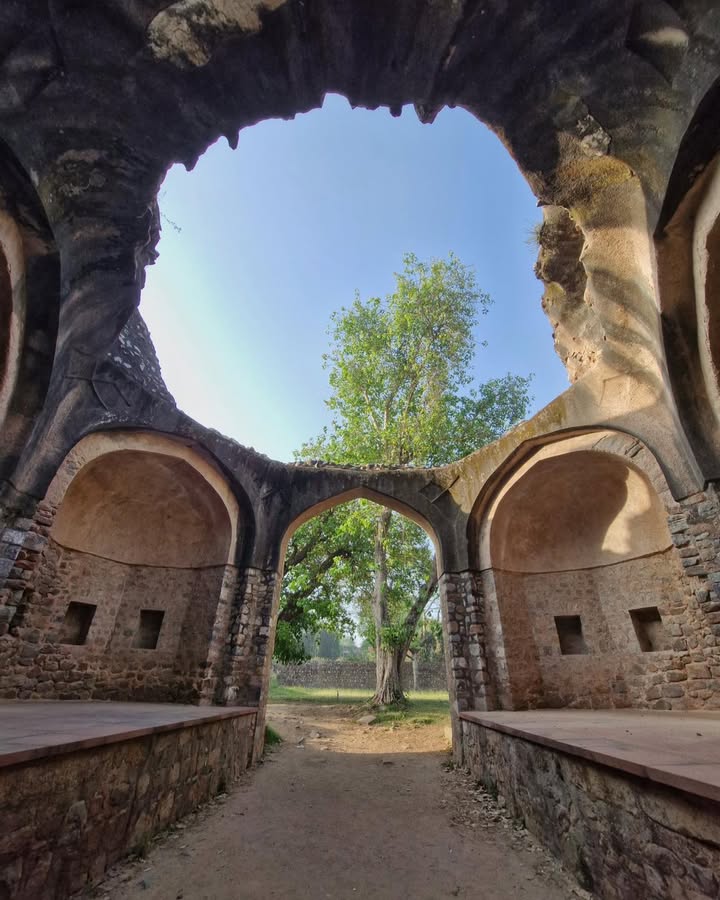
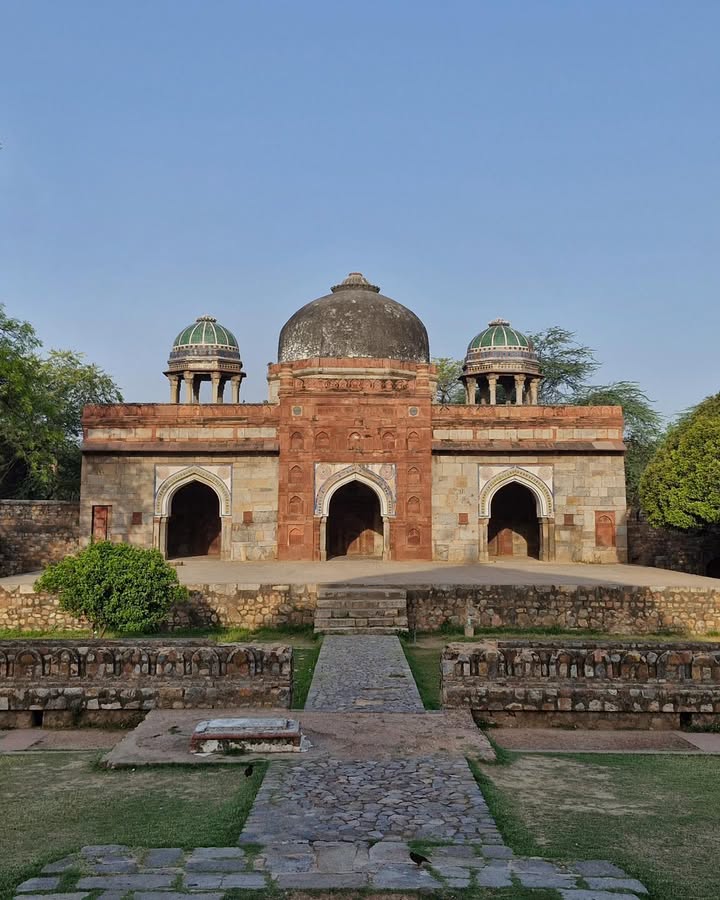
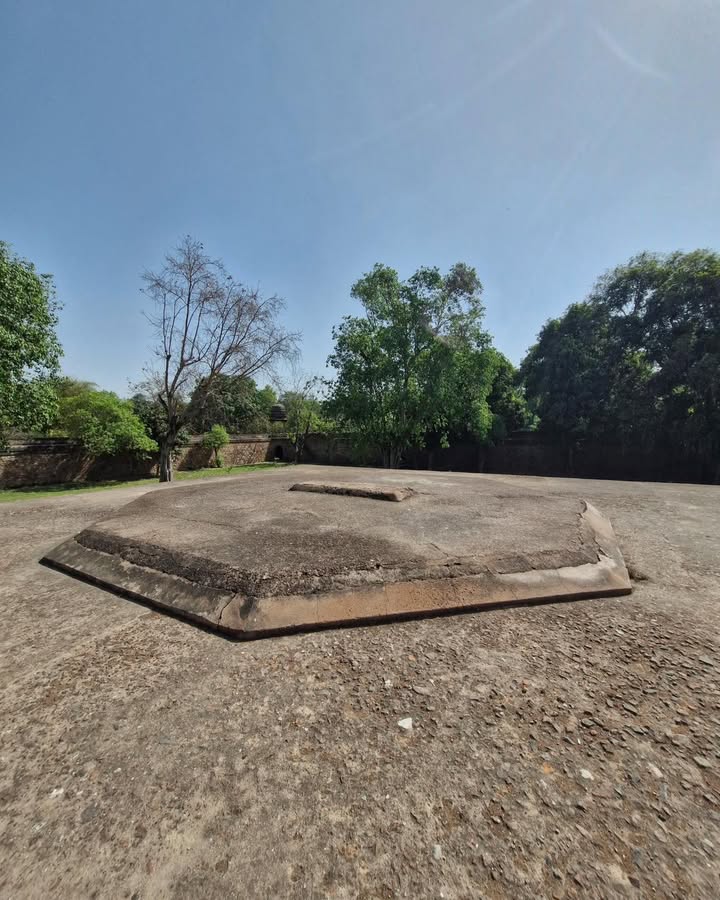
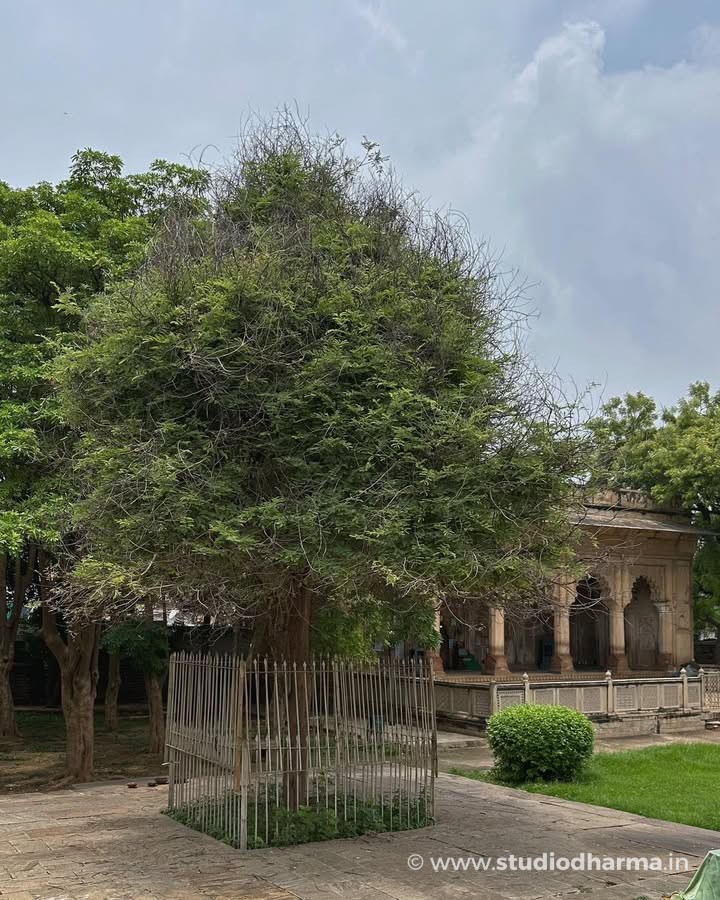
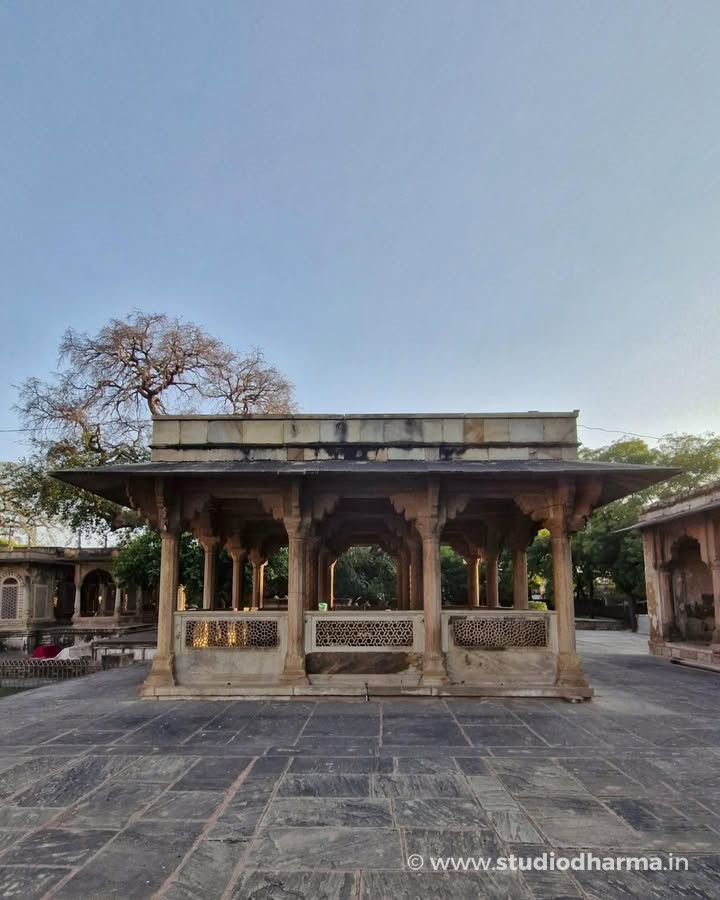
Tansen passed away in 1586, and his tomb was constructed near that of his spiritual guide Muhammad Ghaus in Gwalior. The tomb complex, surrounded by Mughal-style gardens, remains an important cultural site. A tamarind tree near his grave is locally believed to enhance a singer’s voice if its leaves are chewed — another enduring legend that reflects the reverence people still hold for the maestro.
Even today, the spirit of Tansen lives on through music. Every year in November and December, the famous Tansen Music Festival is held here in Gwalior, where classical musicians from across India gather to pay homage to the legendary maestro whose voice continues to echo through centuries.
For lovers of music and history alike, the tomb of Tansen is not merely a monument — it is a reminder that true art never fades.
Discover more forgotten stories of heritage and history in the coffee table book ITIHASNAMA by StudioDharma, featuring 25 carefully curated historical narratives from Meerut.
Book your copy here:
संगीत सम्राट तानसेन का मकबरा, ग्वालियर – जहाँ आज भी संगीत की प्रतिध्वनि सुनाई देती है
मध्य प्रदेश के ऐतिहासिक शहर ग्वालियर में एक शांत परिसर के भीतर भारत के महानतम संगीतकारों में से एक, मियाँ तानसेन की समाधि स्थित है।
सूफी संत मोहम्मद गौस की भव्य दरगाह के पास बने इस हरित परिसर में रामतनु पांडे की सादगीपूर्ण कब्र है, जिन्हें इतिहास मियाँ तानसेन के नाम से जानता है। लगभग 1500 ईस्वी के आसपास एक हिंदू गौड़ ब्राह्मण परिवार में जन्मे तानसेन ने बचपन से ही असाधारण संगीत प्रतिभा दिखाई। माना जाता है कि उन्होंने वृंदावन के महान संत-संगीतकार स्वामी हरिदास से प्रारंभिक संगीत शिक्षा प्राप्त की।
तानसेन ने अपने जीवन का एक महत्वपूर्ण समय रीवा के राजा रामचंद्र सिंह के दरबार में बिताया। वहीं उनके अद्भुत संगीत कौशल की ख्याति दूर-दूर तक फैल गई। यही प्रसिद्धि उन्हें मुगल सम्राट अकबर के दरबार तक ले गई। सन् 1562 में, लगभग साठ वर्ष की आयु में, तानसेन अकबर के दरबार में शामिल हुए और जल्द ही अकबर के प्रसिद्ध नवरत्नों में गिने जाने लगे।
हिंदुस्तानी शास्त्रीय संगीत के इतिहास में तानसेन का स्थान अत्यंत महत्वपूर्ण माना जाता है। उनकी ध्रुपद रचनाएँ, नए रागों का विकास और संगीत की ग्वालियर परंपरा को सशक्त करने में उनका योगदान आज भी स्मरण किया जाता है।
तानसेन के जीवन से जुड़ी कई किंवदंतियाँ भी लोक परंपरा का हिस्सा हैं। कहा जाता है कि वे राग दीपक गाकर दीप जला सकते थे और राग मेघ मल्हार से वर्षा करा सकते थे। इतिहासकार इन कथाओं को प्रतीकात्मक मानते हैं, जो उनकी अद्भुत संगीत क्षमता को दर्शाती हैं।
1586 ईस्वी में तानसेन का निधन हुआ और उन्हें ग्वालियर में अपने आध्यात्मिक मार्गदर्शक मोहम्मद गौस की दरगाह के पास दफनाया गया। यह परिसर मुगल स्थापत्य शैली और हरित बगीचों से घिरा हुआ है। उनकी समाधि के पास स्थित एक इमली के पेड़ के बारे में स्थानीय मान्यता है कि उसके पत्ते चबाने से गायक की आवाज में मधुरता आती है।
आज भी हर वर्ष नवंबर और दिसंबर में यहाँ भव्य तानसेन संगीत समारोह आयोजित होता है, जिसमें देशभर के प्रसिद्ध शास्त्रीय गायक भाग लेते हैं और इस महान संगीतकार को श्रद्धांजलि अर्पित करते हैं।
संगीत और इतिहास के प्रेमियों के लिए तानसेन का मकबरा केवल एक स्मारक नहीं, बल्कि भारतीय संगीत की अमर विरासत का प्रतीक है।
स्टूडियोधर्मा की कॉफी टेबल बुक ITIHASNAMA में मेरठ के 25 ऐतिहासिक स्थलों और कहानियों को विस्तार से प्रस्तुत किया गया है।
अपनी प्रति यहाँ से प्राप्त करें: