















The Bara Gumbad Mosque — A Quiet Beginning of a New Architectural Phase.


The Bara Gumbad Mosque — A Quiet Beginning of a New Architectural Phase.
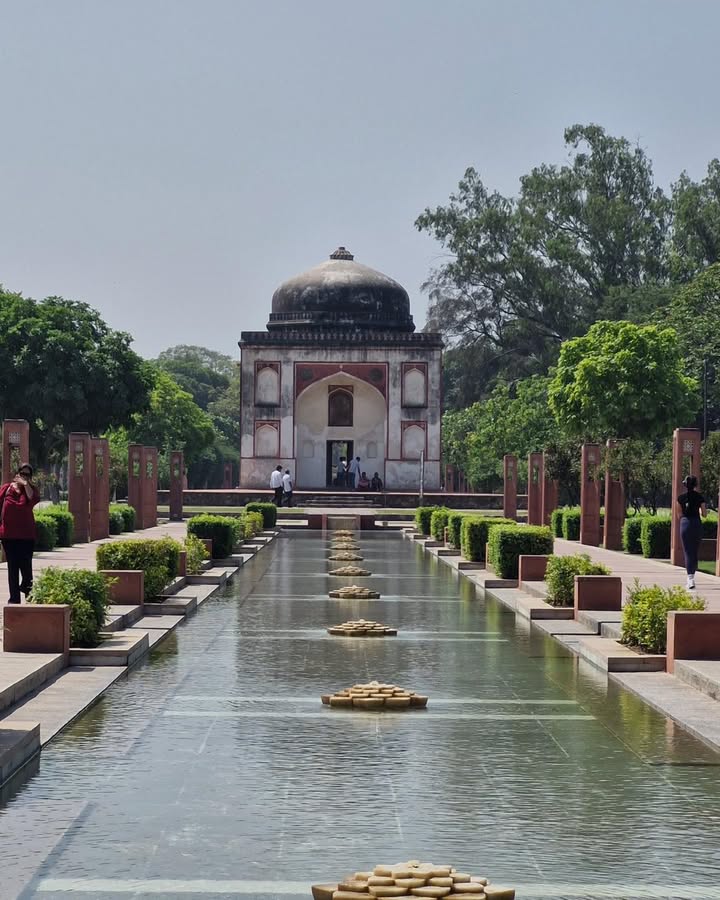
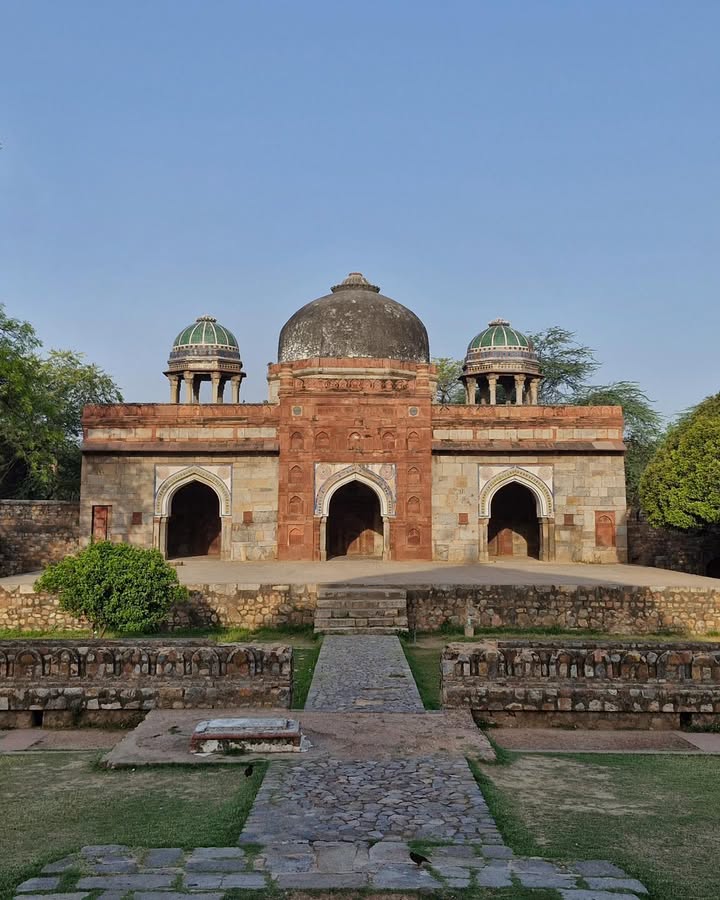
Hidden behind the massive yet hollow Bara Gumbad in today’s Lodi Gardens, Delhi, stands a modest mosque that quietly marked an important transition in Indo-Islamic architecture.
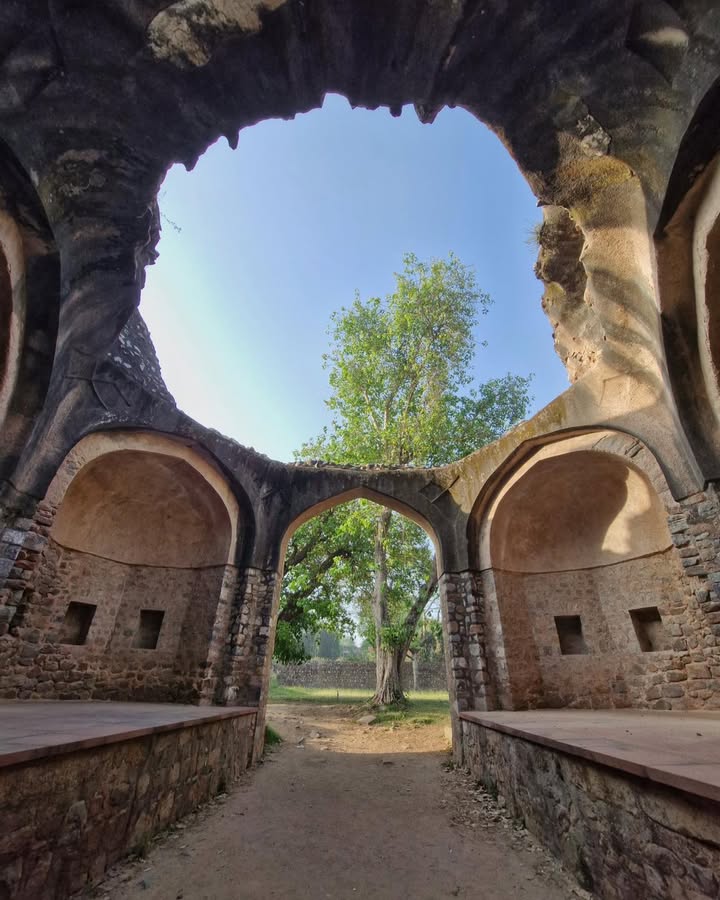
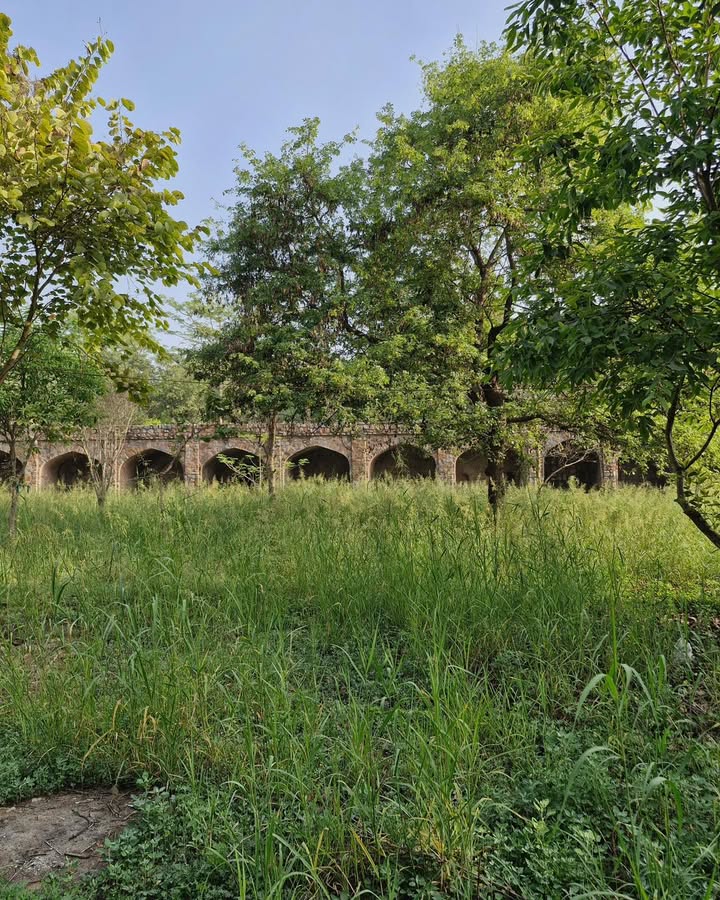
Built in 1494 CE, during the reign of Sikandar Lodi, the Bara Gumbad Mosque does not assert itself through scale. Instead, its significance lies in restraint. The structure consists of an open prayer hall divided into five uneven arched bays, with interior walls carved with Quranic inscriptions in Arabic. Above rise three low hemispherical domes, angular and imperfect, resting on bases decorated with lotus motifs — a clear indication of local craftsmen adapting Islamic architectural forms using indigenous techniques.
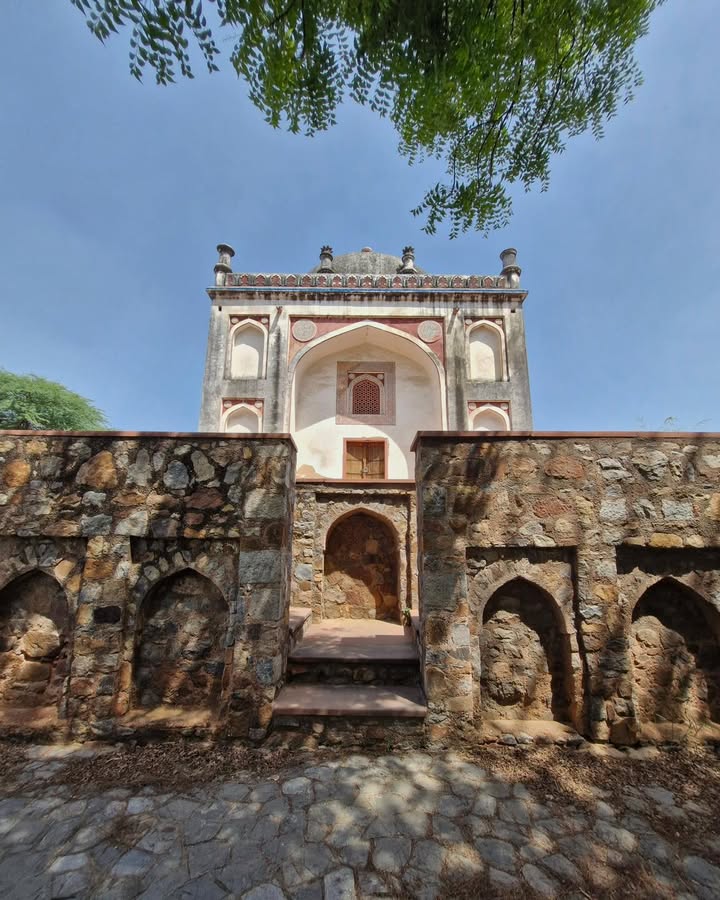
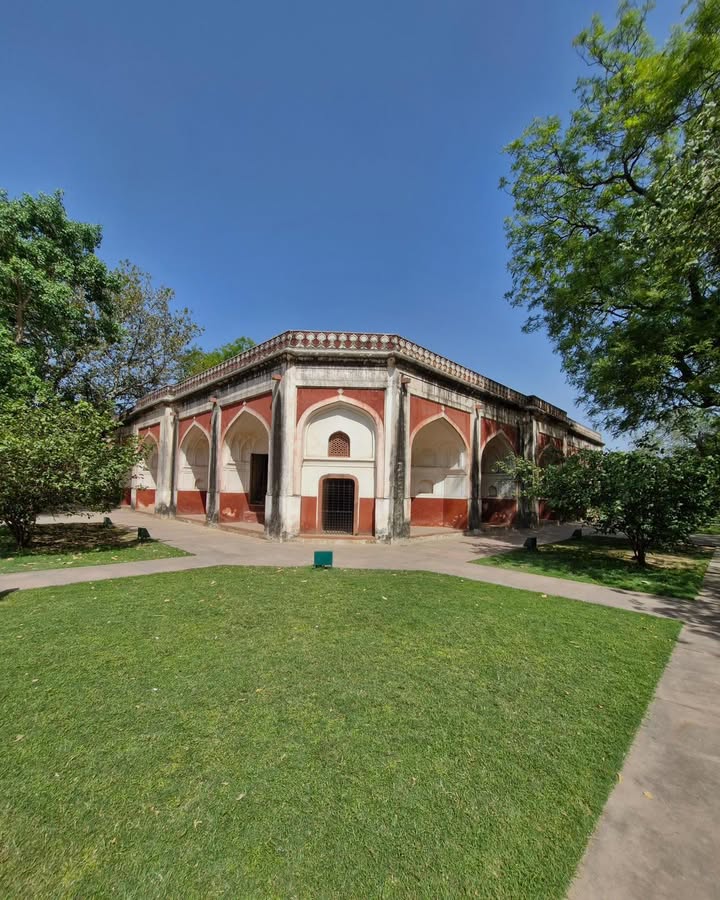
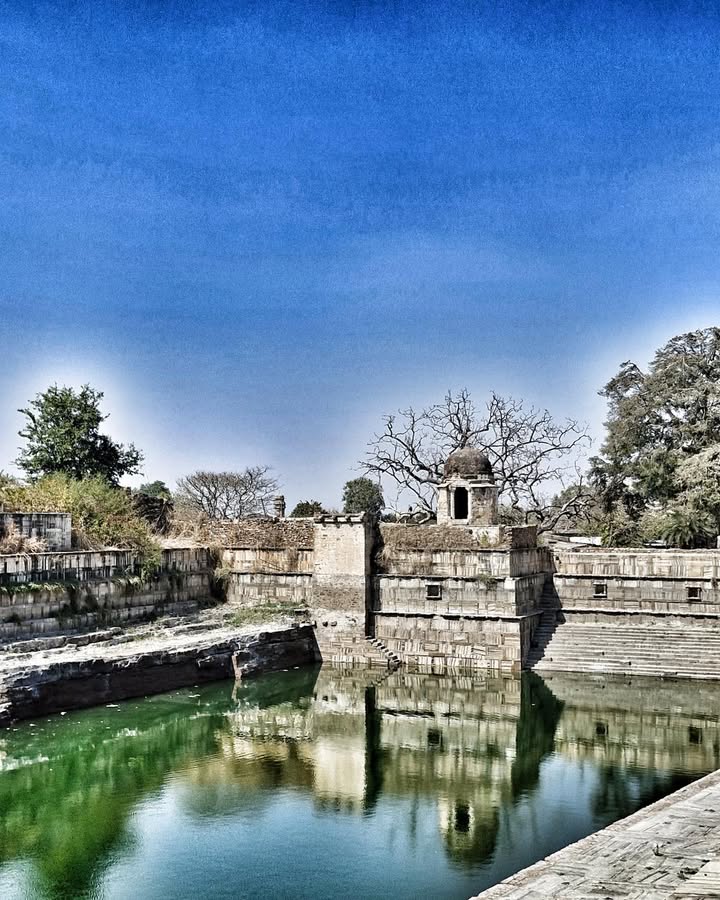
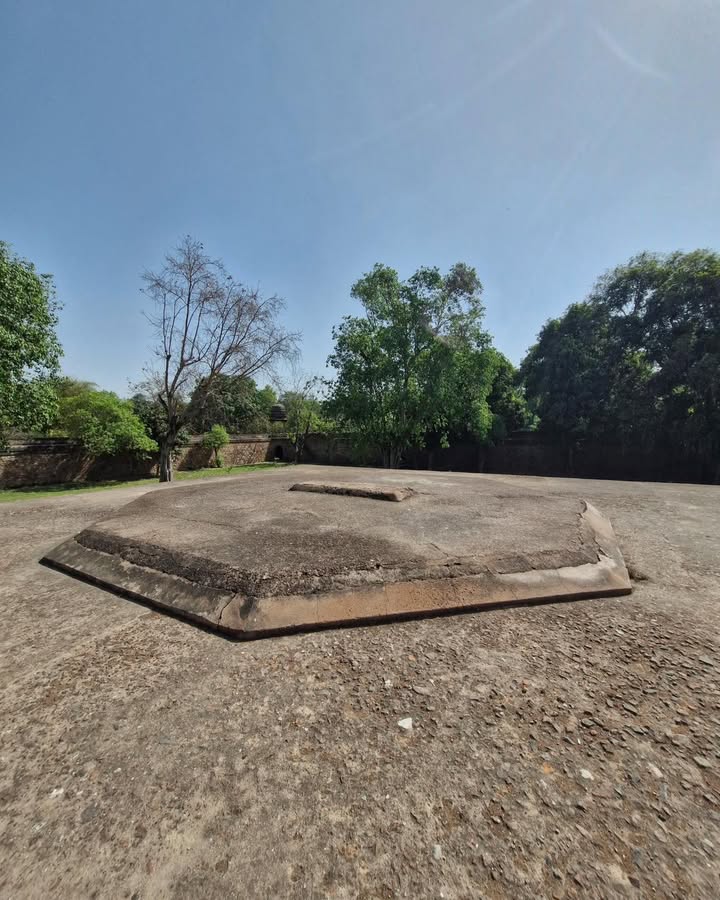
Facing the mosque is a small single-storied structure believed to have served as a Mehman Khana, while between the two lies a rubble-built water reservoir accessed by steps. Archaeological evidence suggests that the Bara Gumbad was constructed first, followed by the mosque, and only later the rest house — each built independently and at different points in time.
The identity of the patron remains unknown. No inscription survives to indicate whether the mosque was commissioned by the Sultan, a noble, or the local community. Its small scale suggests it was never intended as an imperial monument.
Architecturally, the mosque belongs to an experimental phase, when artisans had not yet mastered the smooth Persian-style domes that would later define Mughal architecture. Despite these limitations, the structure represents a crucial moment — a bridge between early Sultanate traditions and the architectural maturity that followed.
Such overlooked monuments and layered histories are documented in ITIHASNAMA, a premium coffee table book by StudioDharma.
Purchase link:
बड़ा गुम्बद मस्जिद — स्थापत्य इतिहास की एक शांत शुरुआत
आज के लोदी गार्डन, दिल्ली में स्थित विशाल बड़ा गुम्बद के पीछे एक सादगीपूर्ण मस्जिद खड़ी है, जिसने इंडो-इस्लामिक स्थापत्य के विकास में एक महत्वपूर्ण भूमिका निभाई।
यह मस्जिद 1494 ईस्वी में सिकंदर लोदी के शासनकाल में निर्मित मानी जाती है। पाँच असमान मेहराबों वाला खुला नमाज़ कक्ष, दीवारों पर उकेरी गई अरबी क़ुरआनी आयतें, और ऊपर बने तीन अर्धगोलाकार गुम्बद — जिनके आधार पर कमल अलंकरण दिखाई देता है — इसकी प्रमुख पहचान हैं।
मस्जिद के सामने स्थित एक मंज़िला इमारत संभवतः मेहमानख़ाना रही होगी, जबकि इनके बीच बना जलाशय उस समय की सामुदायिक आवश्यकताओं को दर्शाता है। पुरातात्त्विक अध्ययन संकेत देते हैं कि पहले बड़ा गुम्बद का निर्माण हुआ, उसके बाद मस्जिद बनी, और सबसे बाद में मेहमानख़ाना जोड़ा गया।
इस मस्जिद के निर्माणकर्ता का नाम आज भी अज्ञात है। संभव है कि इसे किसी सुल्तान, अमीर या स्थानीय समुदाय द्वारा बनवाया गया हो। इसका छोटा आकार और सादगी यही संकेत देता है कि यह कोई भव्य शाही परियोजना नहीं थी।
बड़ा गुम्बद मस्जिद उस दौर का प्रतीक है जब इंडो-इस्लामिक स्थापत्य अभी विकसित हो रहा था और स्थानीय कारीगर नई शैलियों के साथ प्रयोग कर रहे थे — जो आगे चलकर मुगल स्थापत्य की नींव बने।
ऐसी ही भूली-बिसरी विरासतों की कहानियाँ ITIHASNAMA — StudioDharma की विशेष कॉफी टेबल बुक में संकलित हैं।
खरीदने हेतु लिंक: