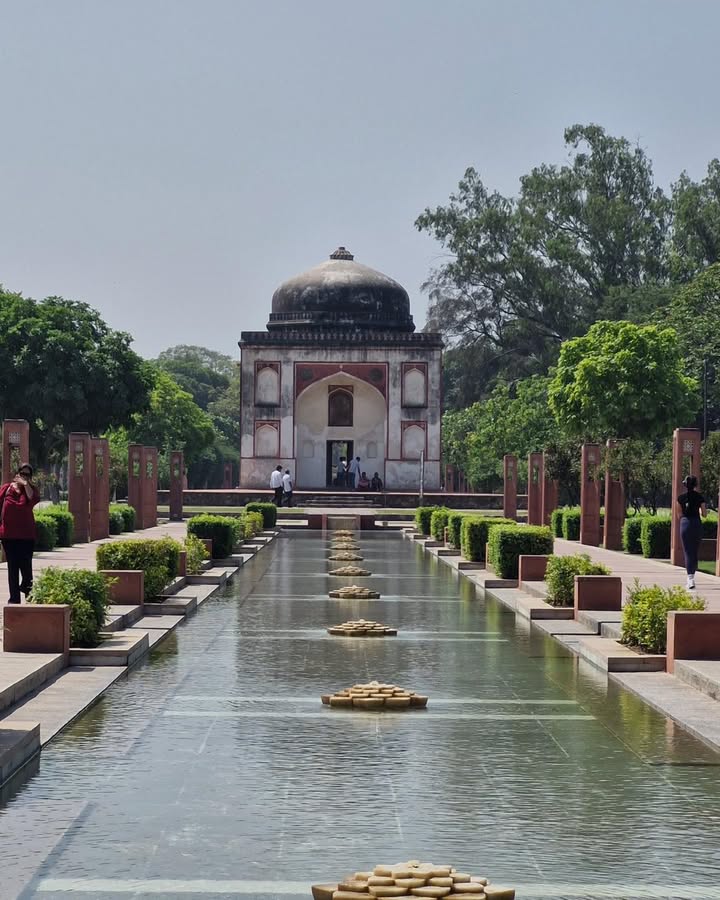
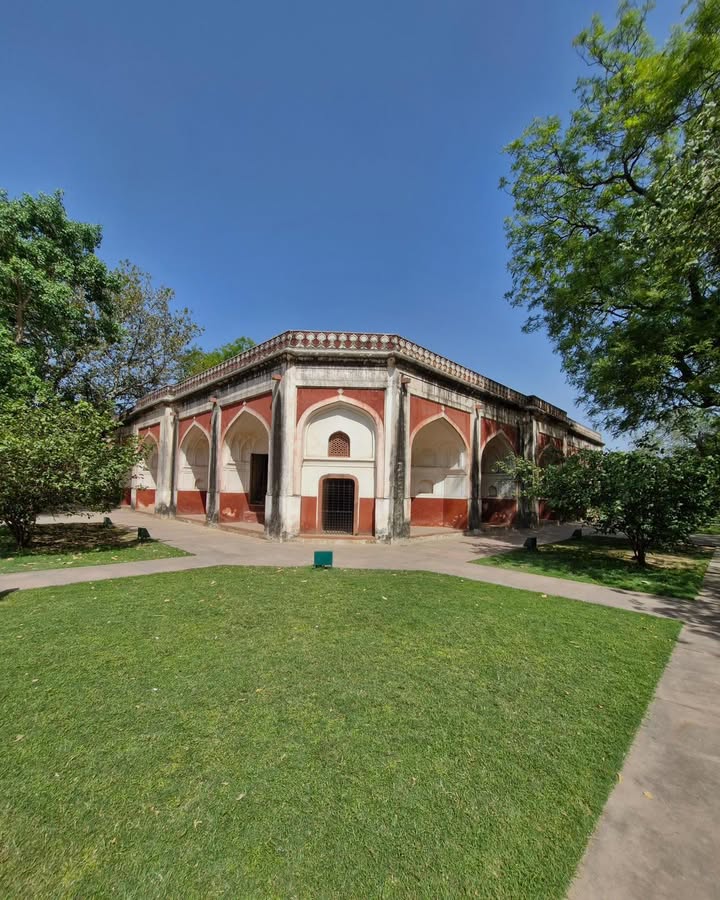
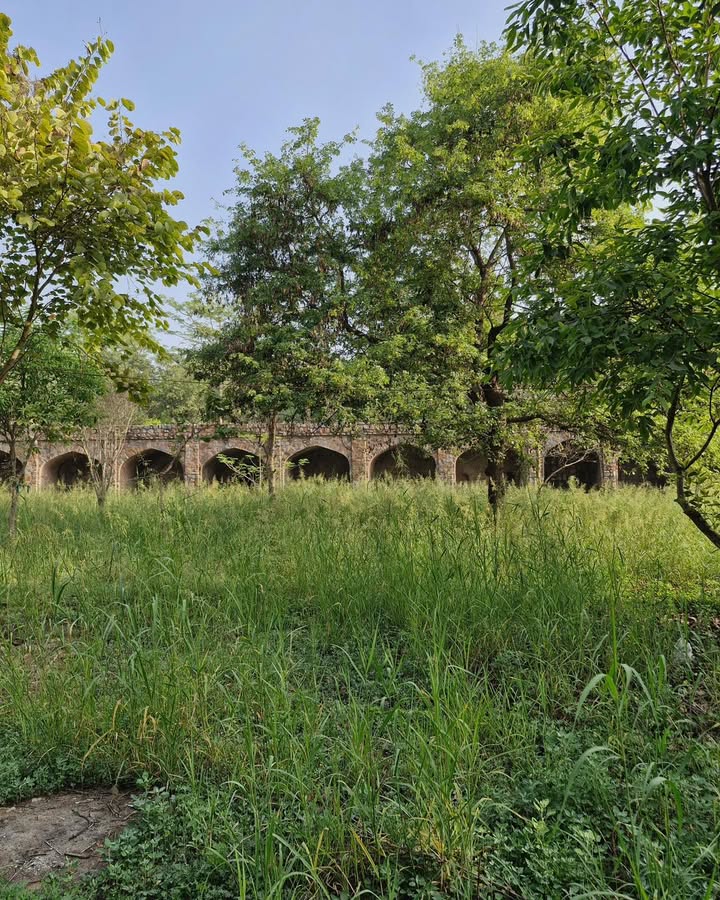










THE FORGOTTEN JAIN LEGACY OF ADHAI DIN KA JHONPRA, AJMER, RAJASTHAN.
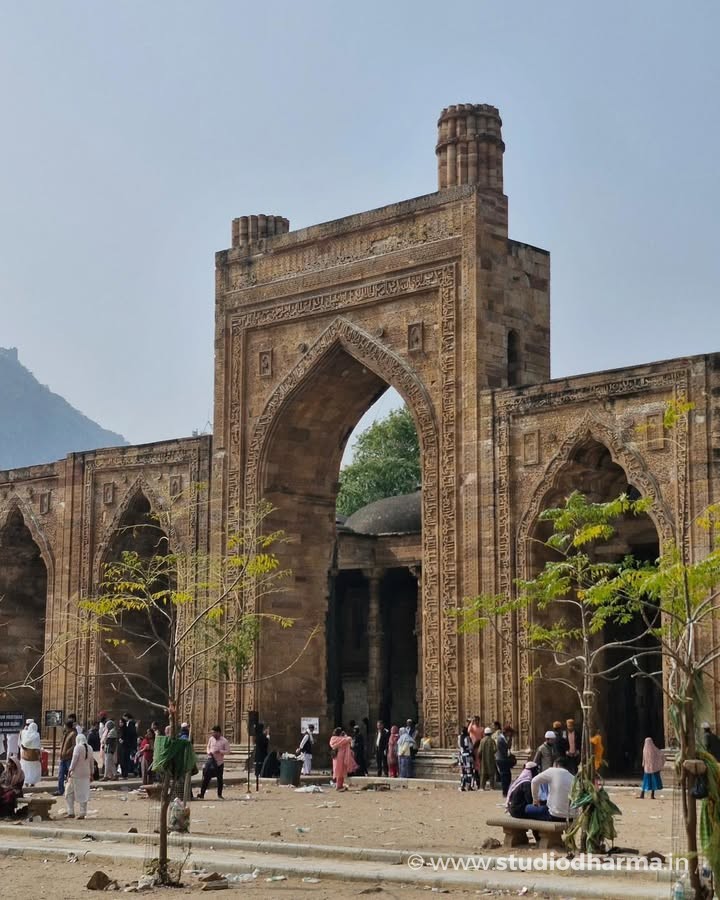
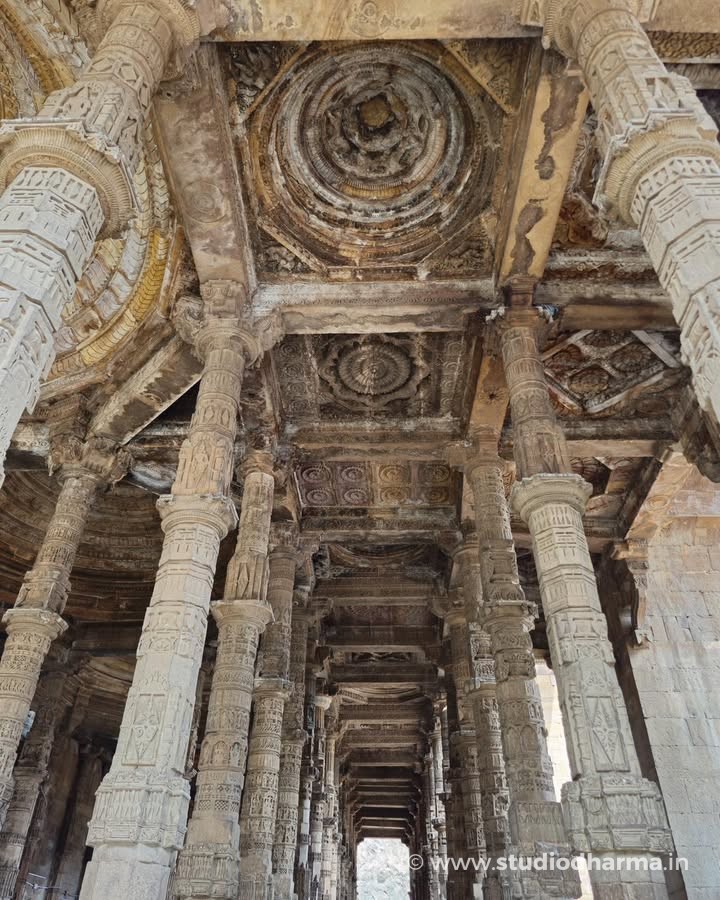
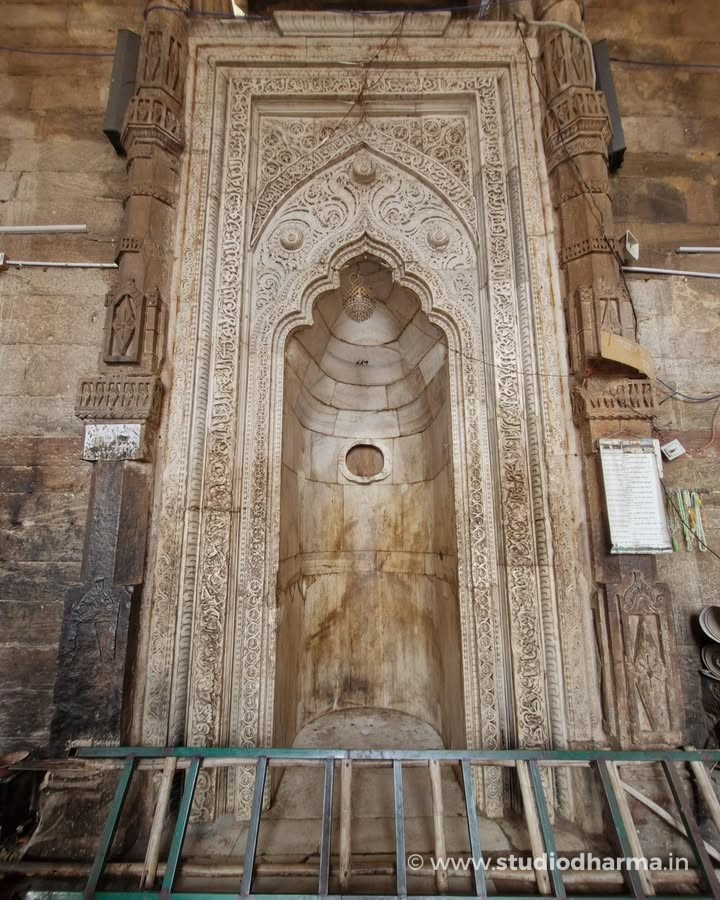
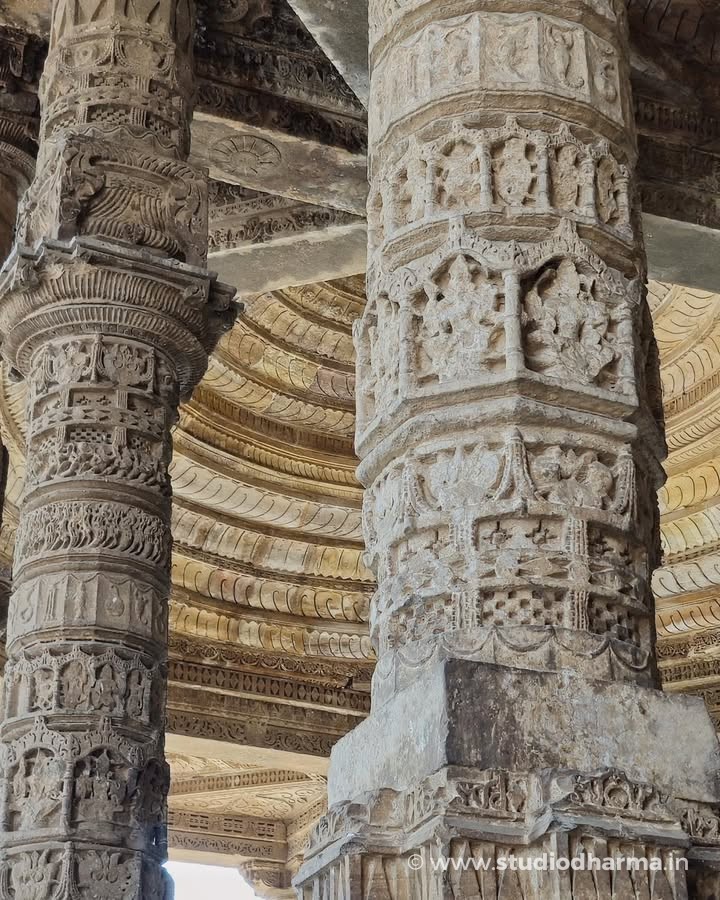
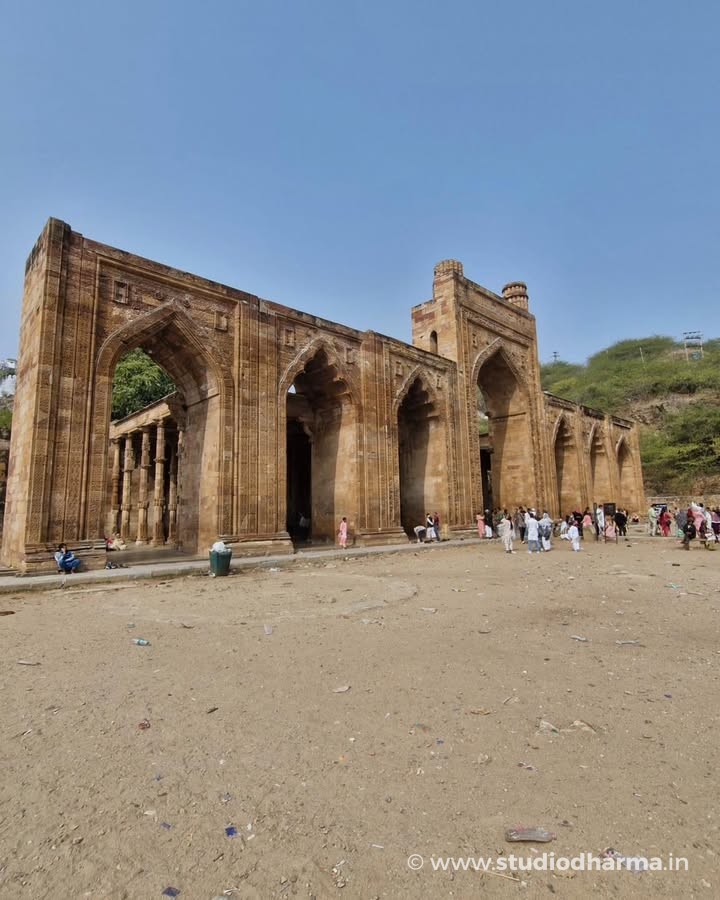
THE FORGOTTEN JAIN LEGACY OF ADHAI DIN KA JHONPRA, AJMER, RAJASTHAN.
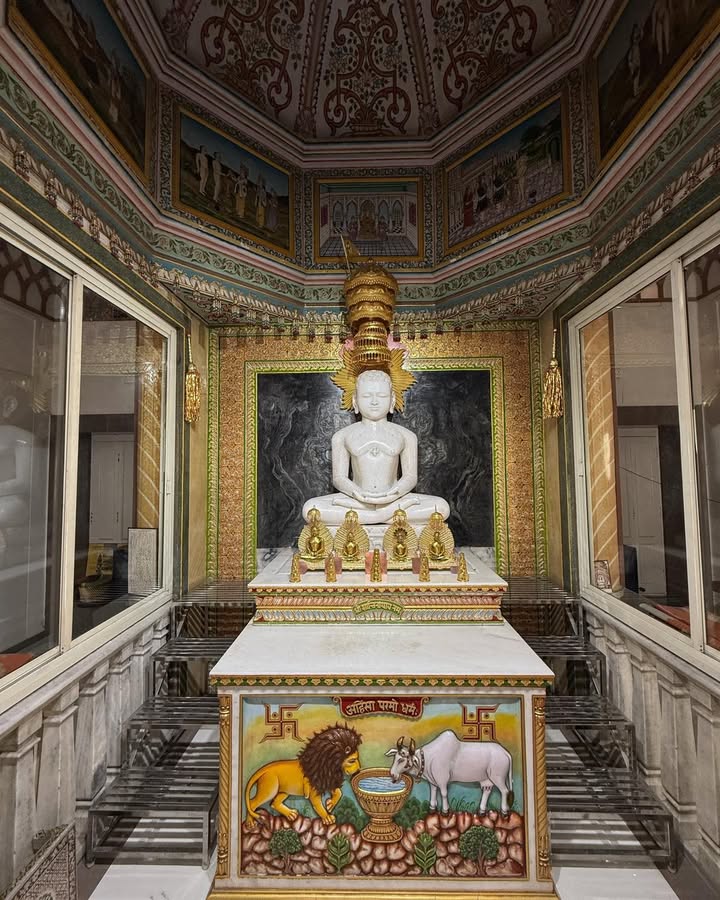
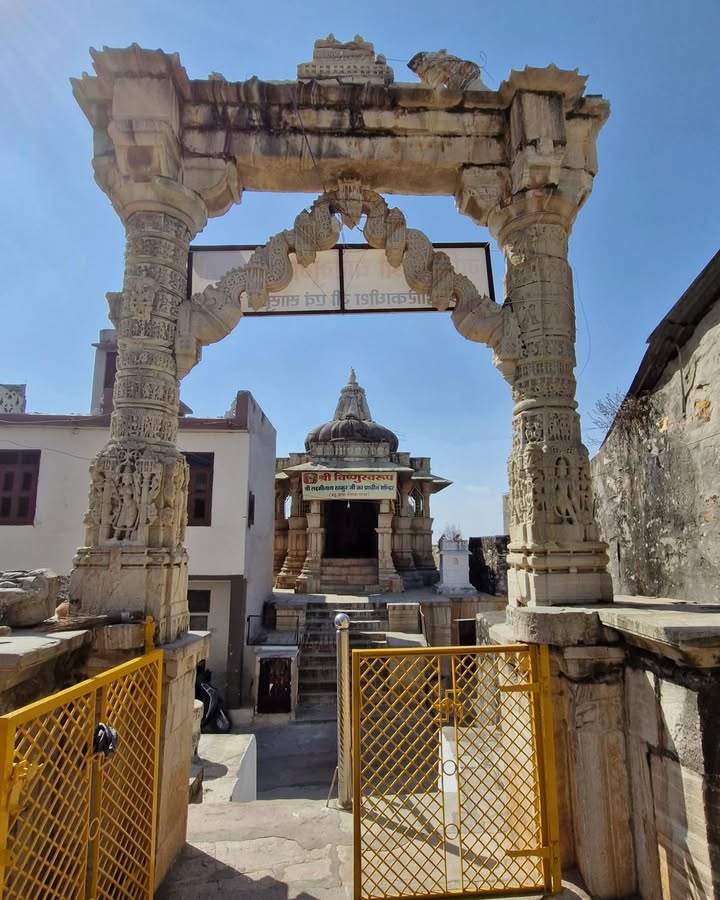
Long before the arches of Adhai Din Ka Jhonpra rose in Ajmer, this site was believed to hold a sacred Jain connection.
According to Jain tradition, a wealthy merchant named Seth Viramdeva Kala constructed a Jain shrine here around 660 CE to celebrate the Panch Kalyanaka of a Tirthankara. While archaeological confirmation of that early date remains uncertain, the tradition survives in Jain historical narratives and forms one of the earliest layers of the site’s story.
By the 12th century, during the reign of the Chauhan ruler Vigraharaja IV (Visaladeva), the site had become a renowned Sanskrit college. An inscription discovered here indicates that this educational complex existed before 1153 CE and was associated with temple structures, including one dedicated to Goddess Sarasvati. Ajmer at that time was an important intellectual centre of the Chauhan kingdom.
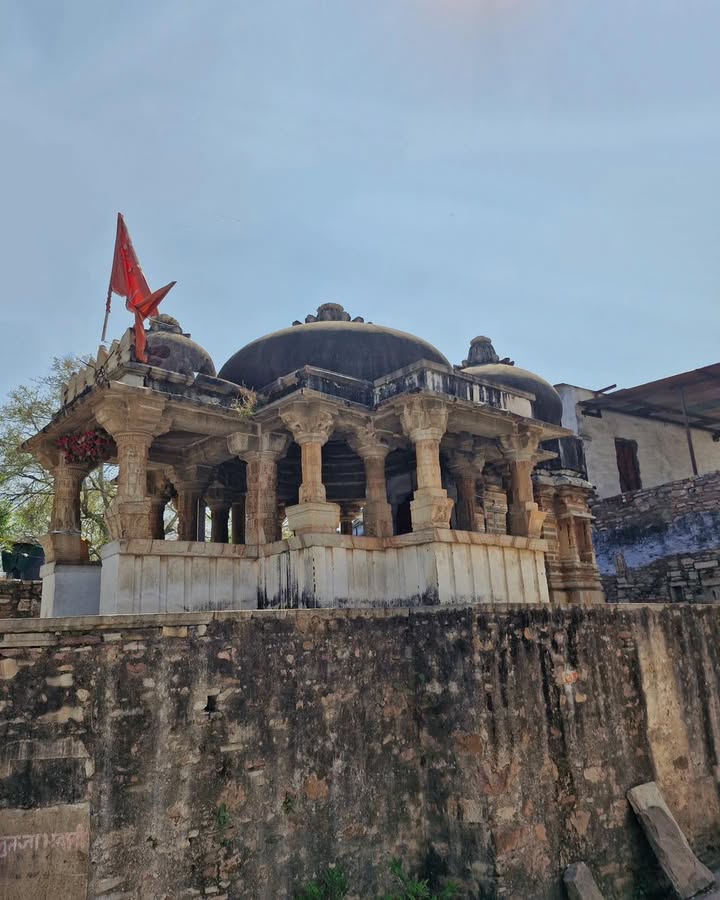
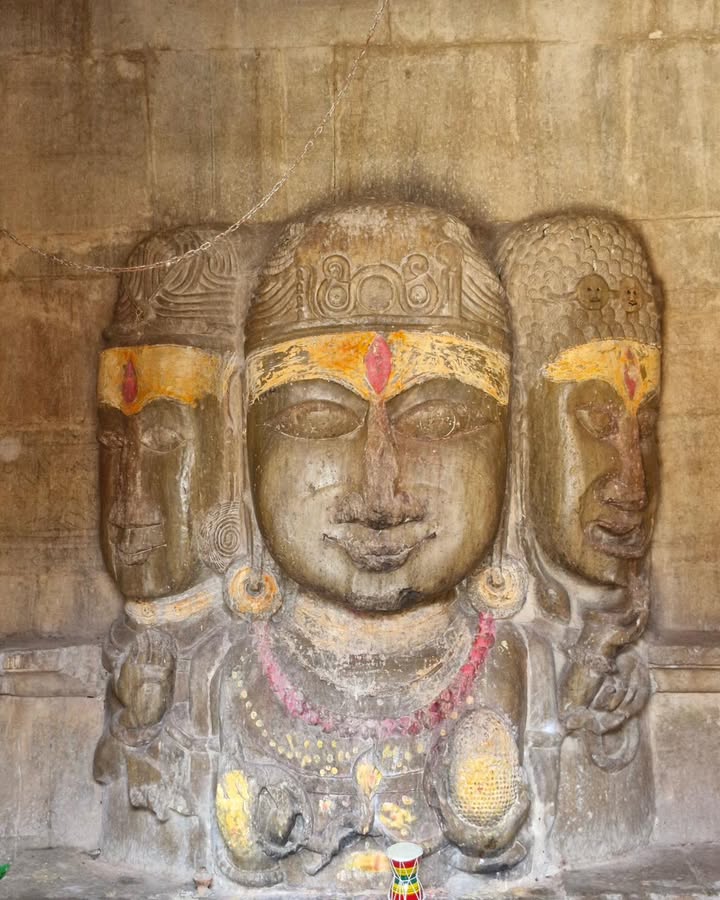
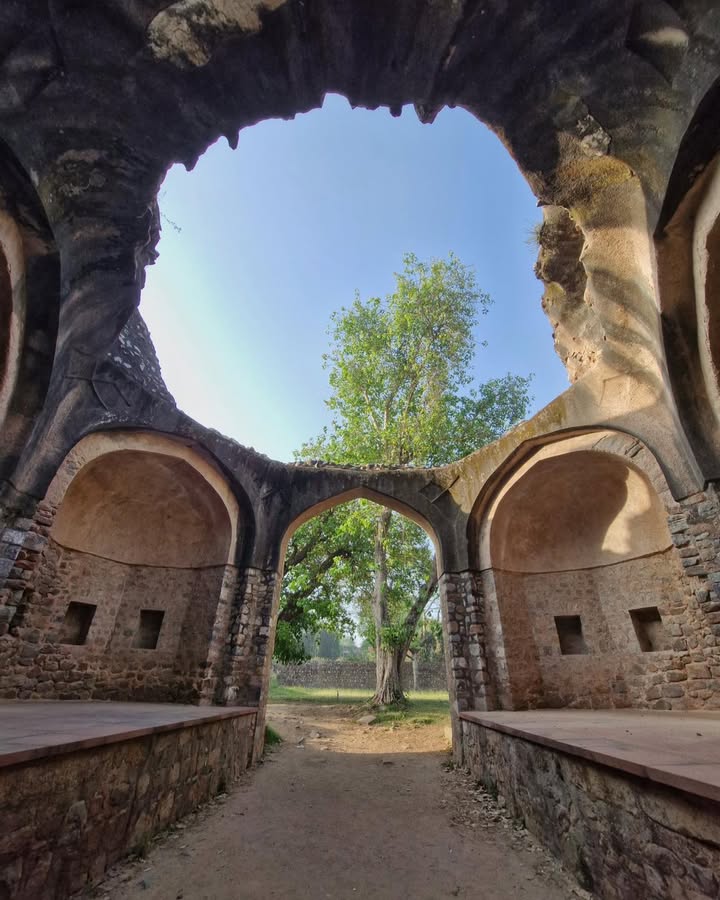
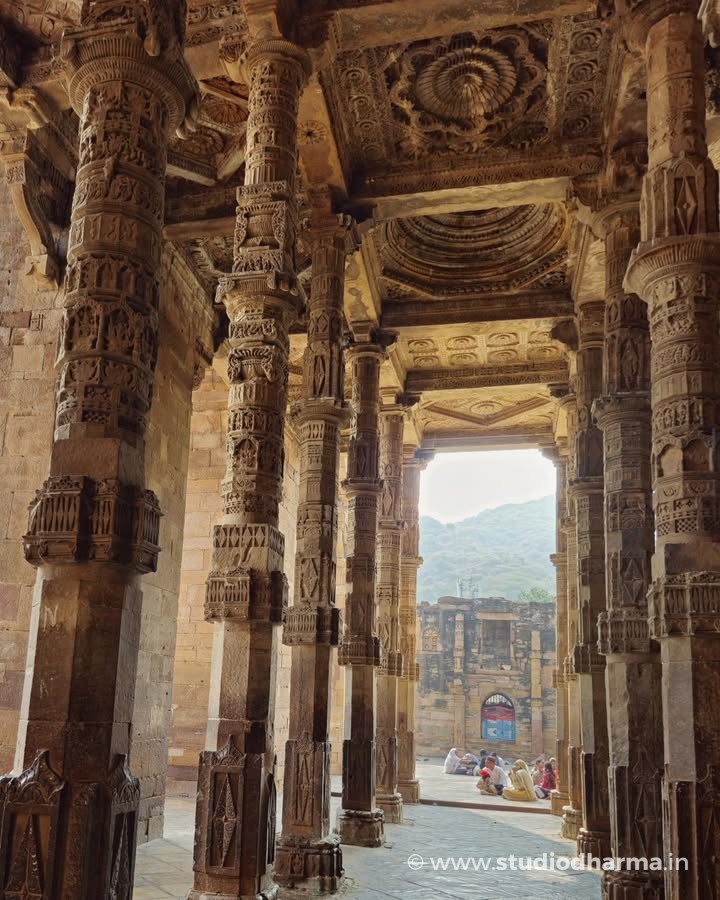
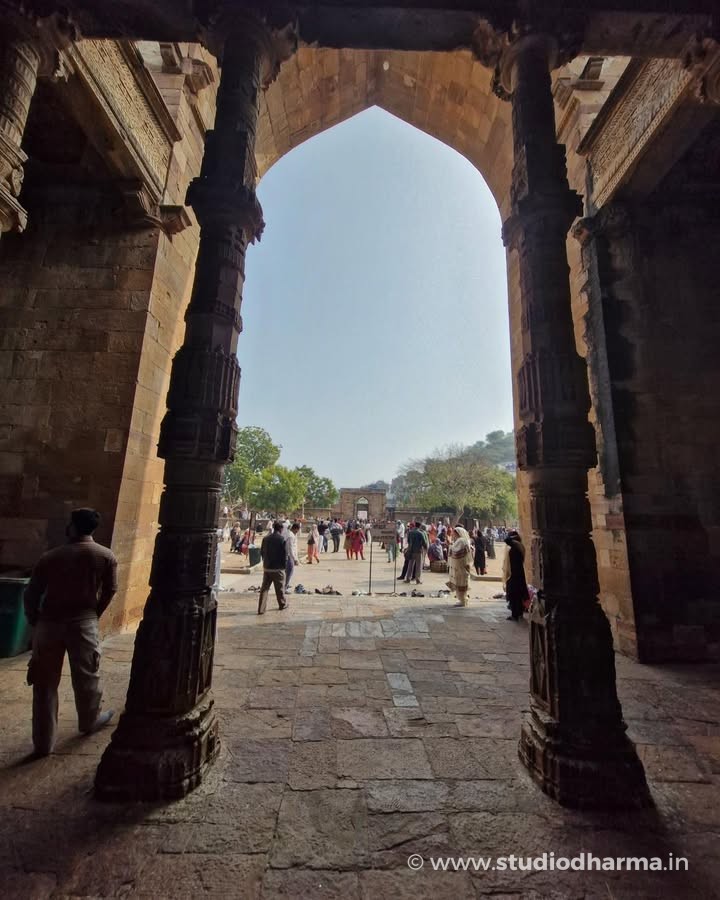
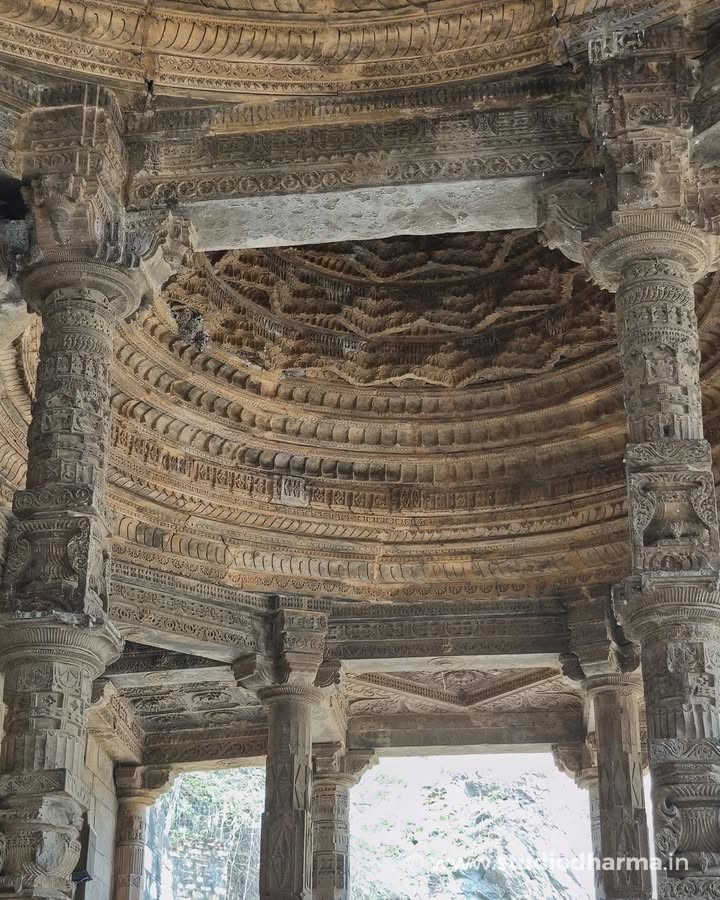
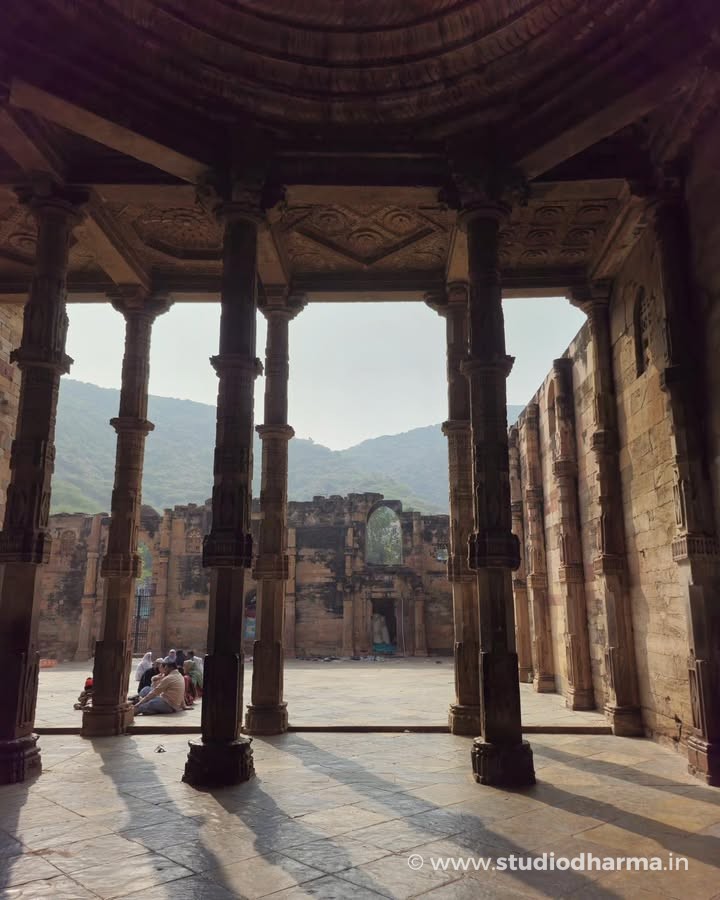
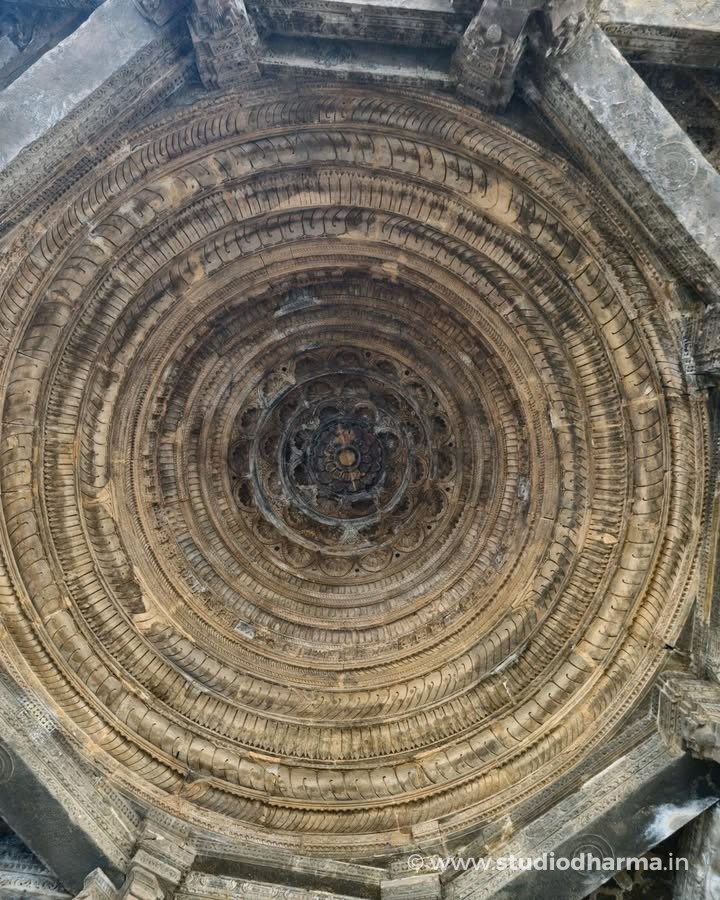
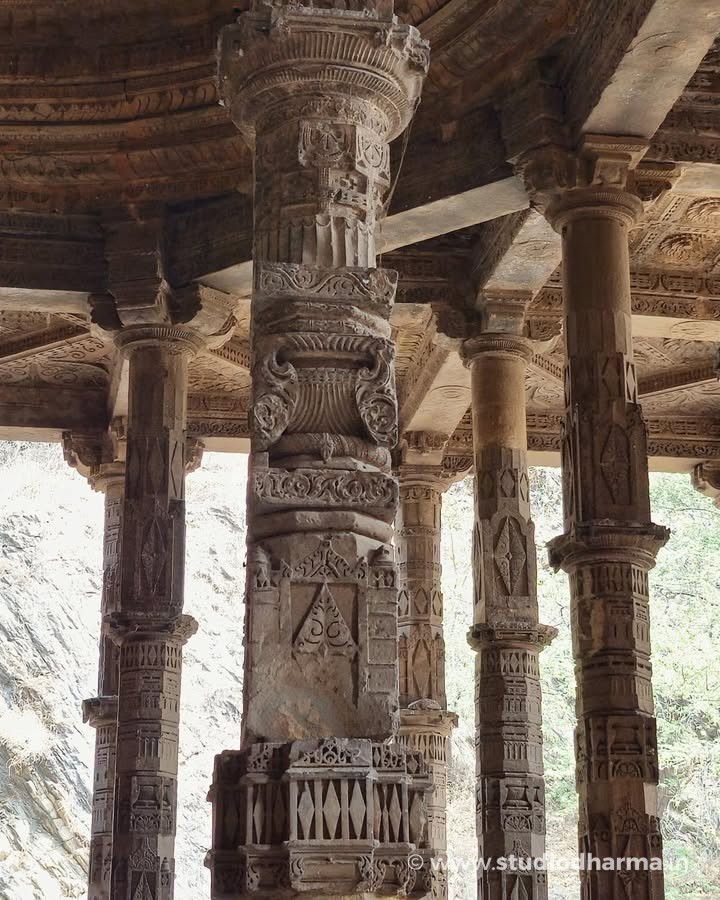
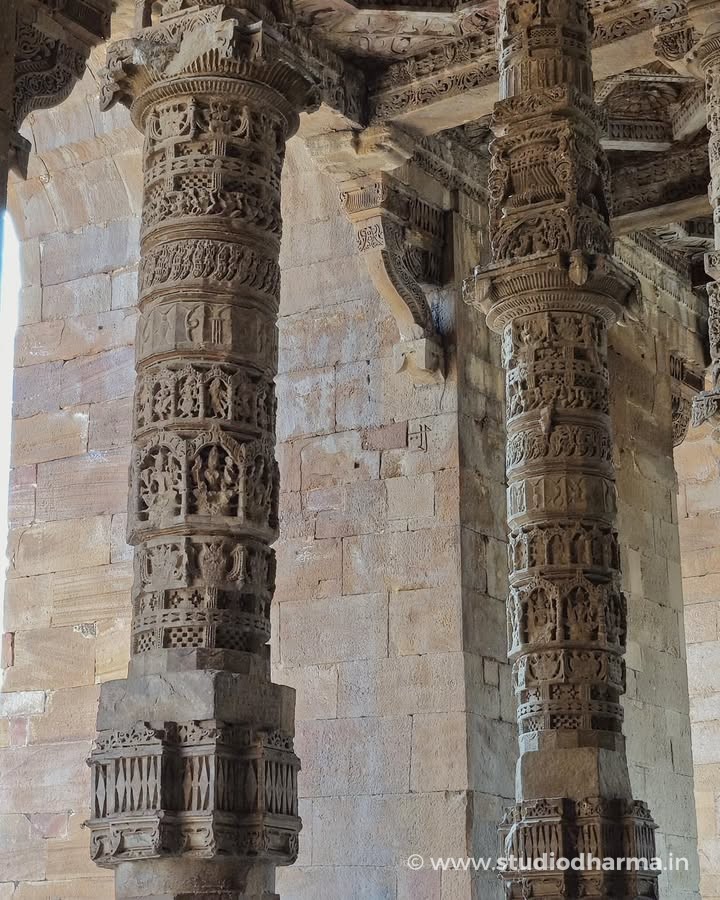
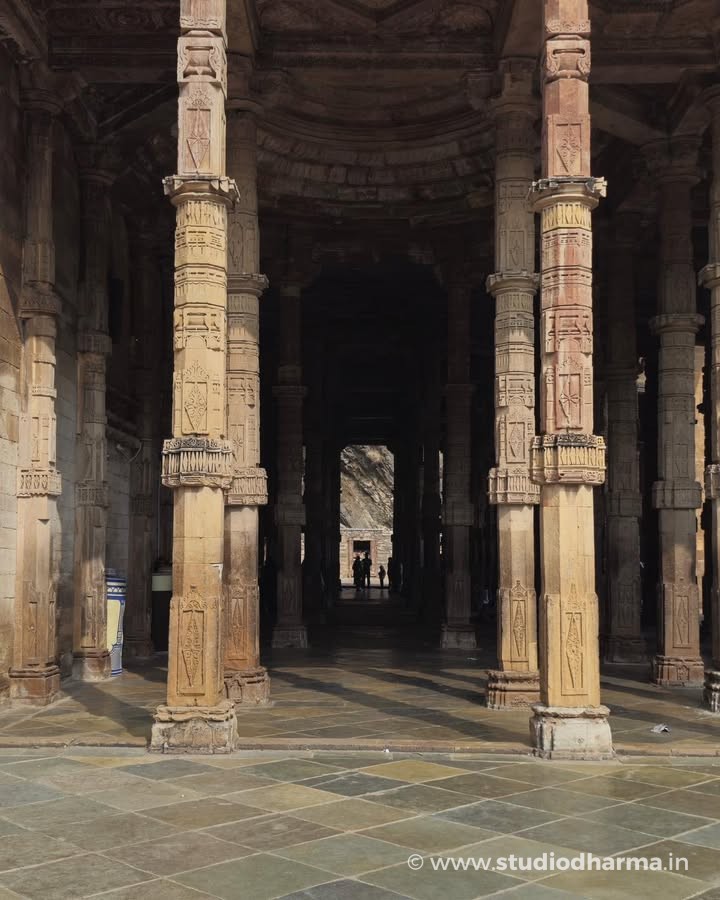
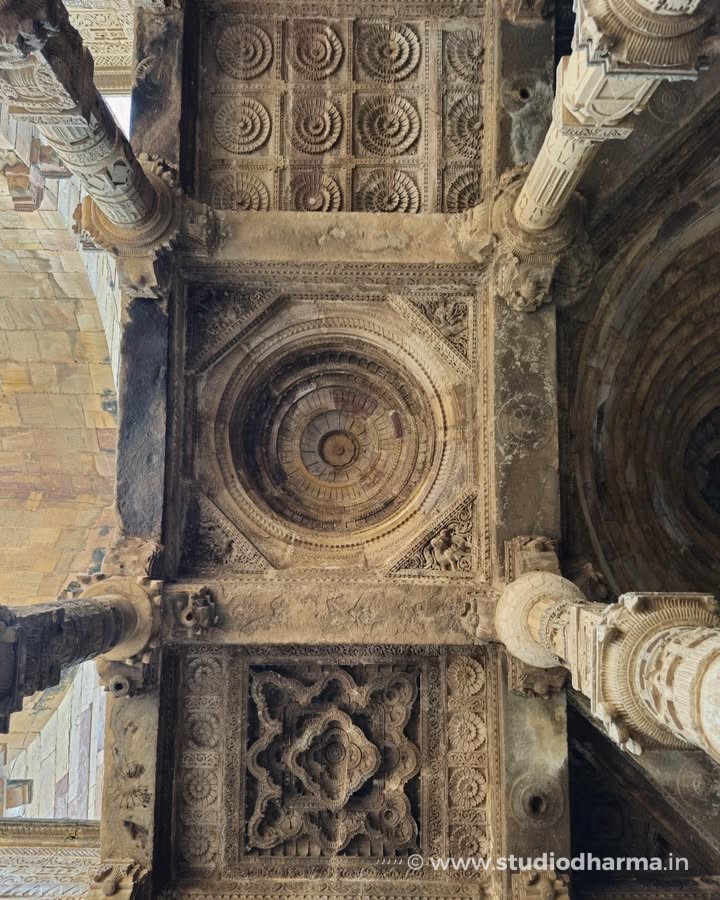
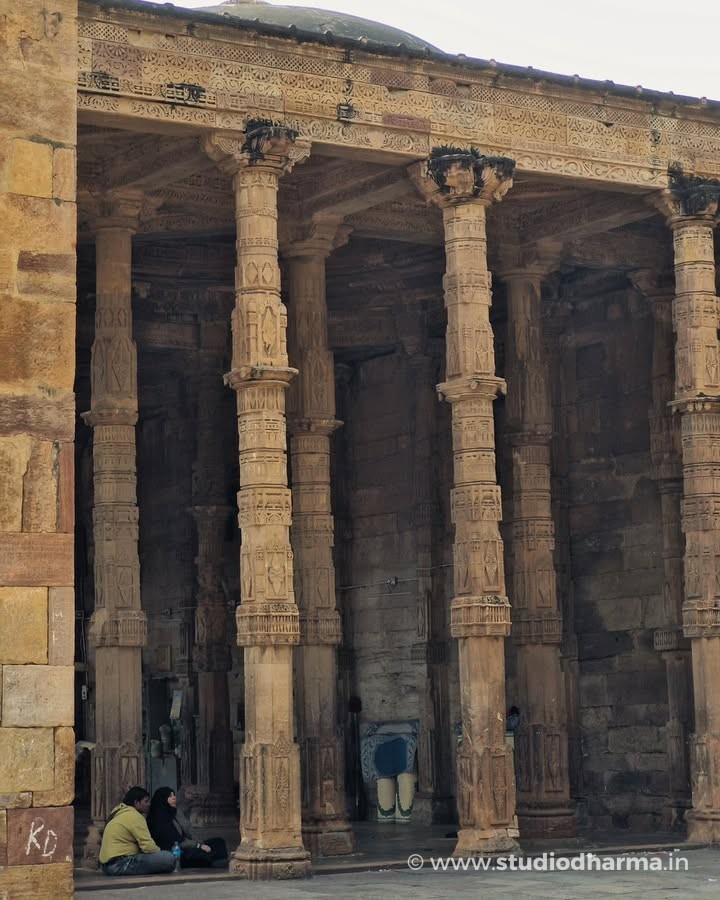
Even today the interior of the monument reveals traces of that earlier world. The prayer hall stands on hundreds of intricately carved pillars displaying motifs typical of Hindu and Jain temple architecture. Archaeologist Alexander Cunningham suggested that many of these pillars may have come from dozens of earlier temples in the region, making the structure one of the earliest examples of architectural reuse in Indo-Islamic monuments.
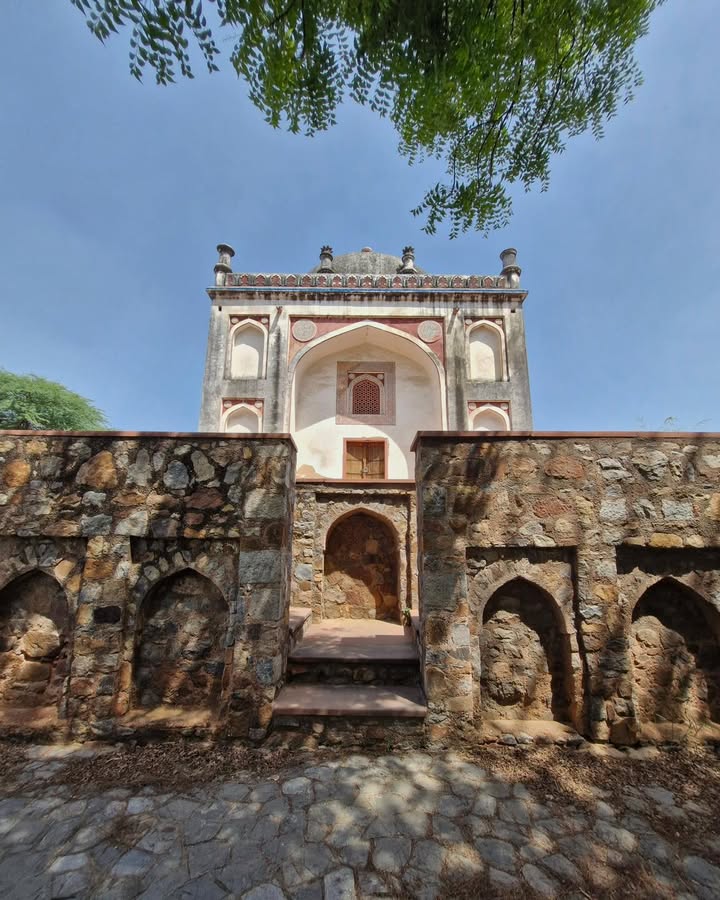
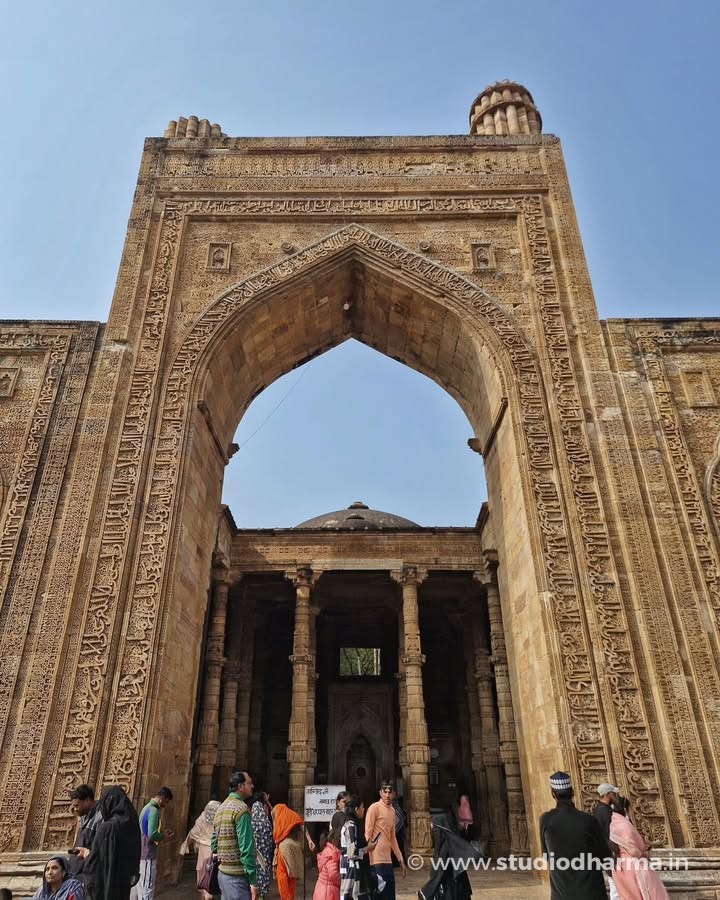
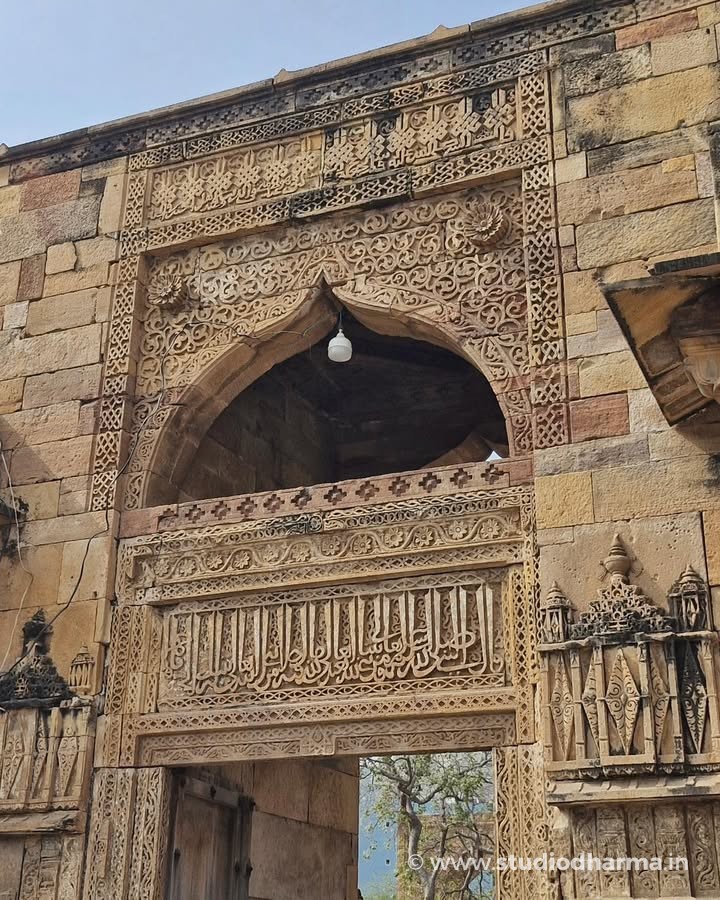
History took a dramatic turn after the Second Battle of Tarain in 1192 CE. Following the Ghurid conquest of Ajmer, Muhammad of Ghor’s general Qutb-ud-Din Aibak commissioned a mosque at this site. An inscription inside the monument records its completion in 1199 CE.
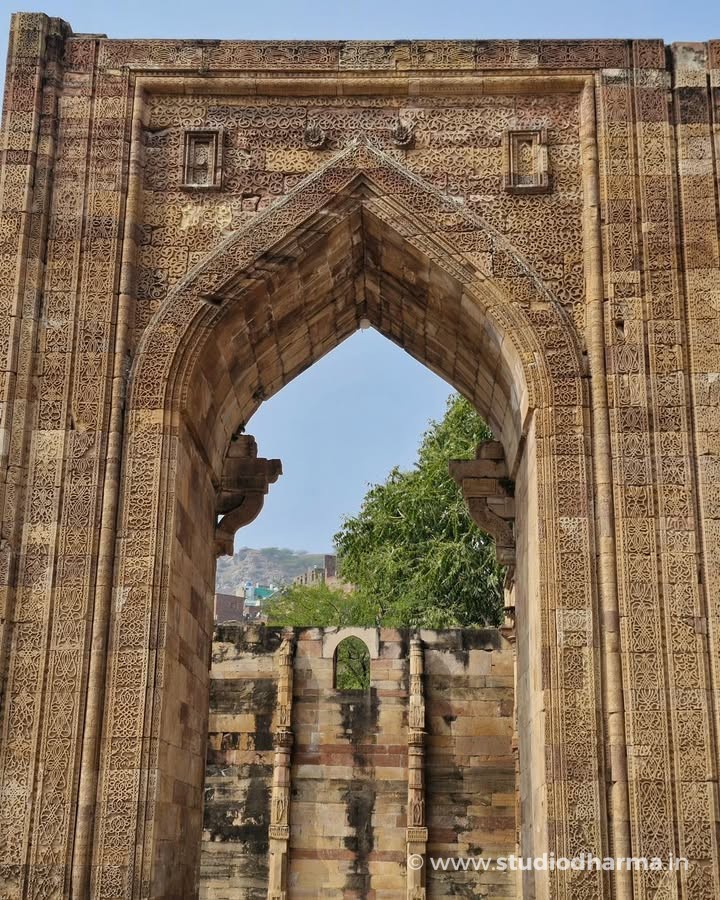
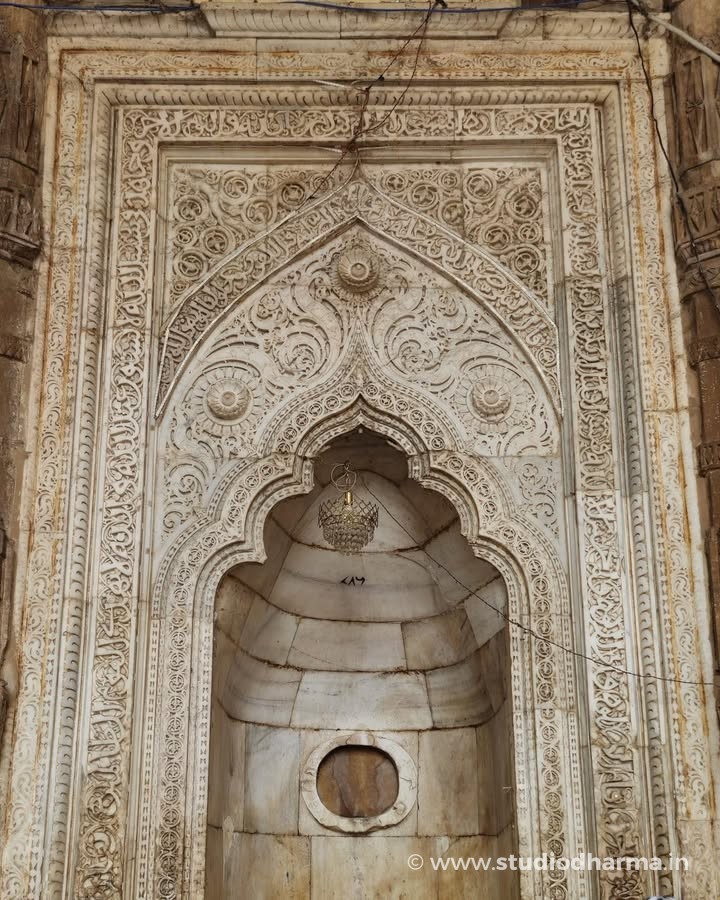
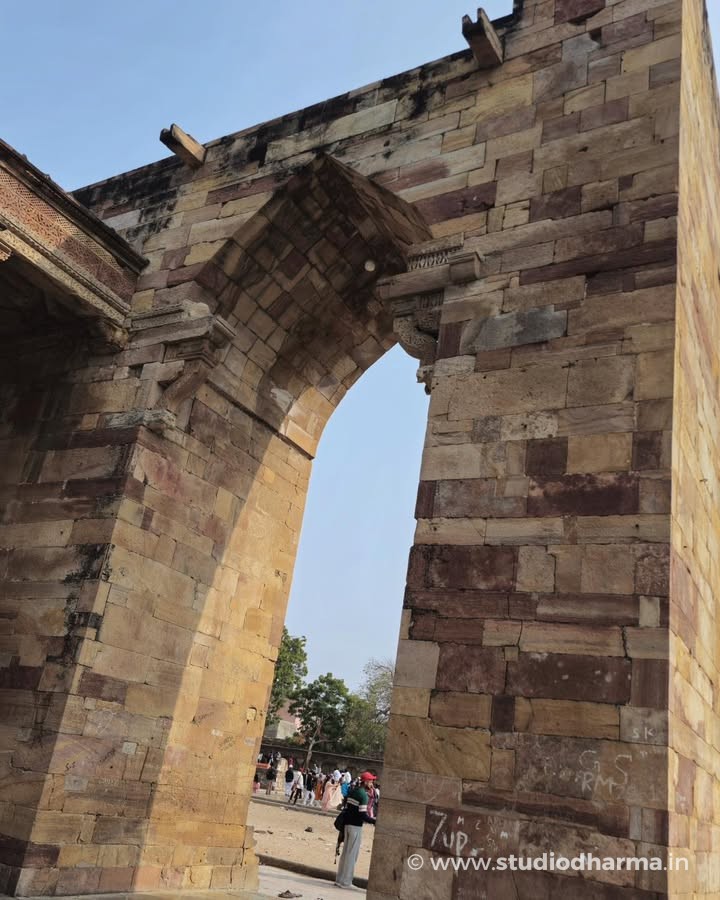
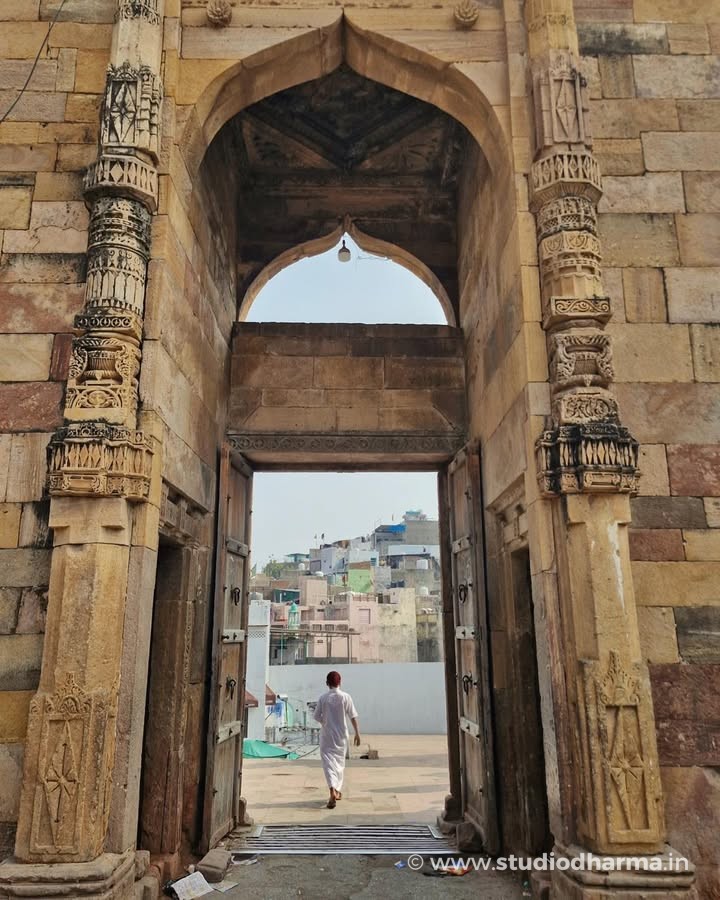
In 1213 CE Sultan Iltutmish further transformed the structure by adding the magnificent screen wall with pointed arches, marking an important early experiment in Indo-Islamic architecture.
The curious name “Adhai Din Ka Jhonpra” itself appeared much later. Historical sources before the 18th century simply refer to the structure as a mosque. During the Maratha period, fakirs gathered here to celebrate the Urs of the Sufi saint Panjaba Shah, a fair that lasted two and a half days. Over time the monument came to be known by this unusual name.
Today protected by the Archaeological Survey of India, Adhai Din Ka Jhonpra stands as a rare monument where Jain tradition, Chauhan scholarship and early Sultanate architecture intersect, preserving centuries of Ajmer’s layered history in stone.
My premium coffee table book ITIHASNAMA by StudioDharma presents 25 carefully researched heritage stories of Meerut through photography and historical narratives.
Book Price: ₹3999
Order your copy here
अढ़ाई दिन का झोंपड़ा, अजमेर, राजस्थान – जैन परंपरा से सल्तनती स्थापत्य तक की कहानी
अजमेर की तारागढ़ पहाड़ियों की तलहटी में स्थित अढ़ाई दिन का झोंपड़ा केवल एक ऐतिहासिक इमारत नहीं, बल्कि कई सदियों की परतों से बनी एक अद्भुत कहानी है।
जैन परंपरा के अनुसार लगभग 660 ईस्वी में सेठ वीरमदेव कला ने यहाँ पंच कल्याणक के उत्सव के लिए एक जैन मंदिर बनवाया था। हालांकि इस तिथि की प्रत्यक्ष पुरातात्विक पुष्टि नहीं मिलती, लेकिन यह परंपरा जैन इतिहास में सुरक्षित है और इस स्थल की प्राचीनता की ओर संकेत करती है।
12वीं शताब्दी में चौहान वंश के शक्तिशाली शासक विग्रहराज चतुर्थ (विसलदेव) के समय यह स्थान एक प्रसिद्ध संस्कृत महाविद्यालय के रूप में विकसित हुआ। यहाँ मिले शिलालेख बताते हैं कि 1153 ईस्वी से पहले यह शिक्षण संस्थान अस्तित्व में था और इसके साथ मंदिर परिसर भी जुड़े हुए थे, जिनमें सरस्वती देवी का मंदिर उल्लेखनीय था। उस समय अजमेर चौहान साम्राज्य का एक महत्वपूर्ण विद्या केन्द्र था।
आज भी इस स्मारक के भीतर लगे सैकड़ों नक्काशीदार स्तंभ उस पुराने युग की झलक देते हैं। इन स्तंभों पर हिन्दू और जैन मंदिरों की स्थापत्य शैली स्पष्ट दिखाई देती है। पुरातत्वविद अलेक्जेंडर कनिंघम ने भी अनुमान लगाया था कि ये स्तंभ आसपास के अनेक प्राचीन मंदिरों से लाए गए होंगे।
1192 ईस्वी में तराइन के दूसरे युद्ध के बाद जब मोहम्मद गौरी की सेना ने अजमेर पर अधिकार किया, तब इस स्थल का इतिहास बदल गया। गौरी के सेनापति कुतुबुद्दीन ऐबक ने यहाँ एक मस्जिद का निर्माण करवाया, जो 1199 ईस्वी में पूर्ण हुई।
इसके बाद 1213 ईस्वी में सुल्तान इल्तुतमिश ने इस इमारत में भव्य मेहराबी परदा-दीवार का निर्माण करवाया, जो भारत की प्रारम्भिक इंडो-इस्लामिक वास्तुकला का महत्वपूर्ण उदाहरण माना जाता है।
“अढ़ाई दिन का झोंपड़ा” नाम बाद में प्रचलित हुआ। 18वीं शताब्दी में मराठा काल के दौरान यहाँ सूफी संत पंजाबा शाह की याद में ढाई दिन का उर्स मेला आयोजित होता था, जिसके कारण यह नाम प्रसिद्ध हो गया।
आज भारतीय पुरातत्व सर्वेक्षण द्वारा संरक्षित यह स्मारक अजमेर के इतिहास की उन परतों को समेटे हुए है जहाँ जैन परंपरा, चौहानकालीन शिक्षा और सल्तनती स्थापत्य एक साथ दिखाई देते हैं।
ITIHASNAMA मेरठ की 25 ऐतिहासिक विरासत कहानियों को शोध, इतिहास और फोटोग्राफी के माध्यम से प्रस्तुत करती है।
पुस्तक मूल्य: ₹3999
अपनी प्रति यहाँ से ऑर्डर करें