










❈✦꧁ The Qutub Minar, Delhi ꧂✦❈.


❈✦꧁ The Qutub Minar, Delhi ꧂✦❈.
A Tower That Marked the Birth of Sultanate Delhi
Rising from the rocky plains of Mehrauli, Qutub Minar has watched Delhi change for more than eight centuries. Begun around 1192 CE, shortly after the establishment of Sultanate rule, the Minar was conceived as a victory tower and a symbol of new political authority beside the Quwwat-ul-Islam Mosque.
Its story is layered, much like its five storeys. Qutb-ud-din Aibak laid the foundation and raised the first storey, initiating a form that Delhi had never seen before. His successor, Iltutmish, expanded the vision by adding three more storeys around 1220 CE, transforming it into the soaring minaret we recognise today. After lightning damage in the 14th century, Firoz Shah Tughlaq rebuilt the uppermost storey in 1368, introducing stylistic elements of his own time.
Standing about 73 metres tall, the Minar tapers elegantly from a broad base to a narrow summit, each storey marked by projecting balconies and encircling bands of Quranic inscriptions. Red sandstone dominates the lower levels, while marble appears higher up, quietly narrating changes in patronage and craftsmanship. Together, these layers make the tower a textbook example of evolving Indo-Islamic architecture.
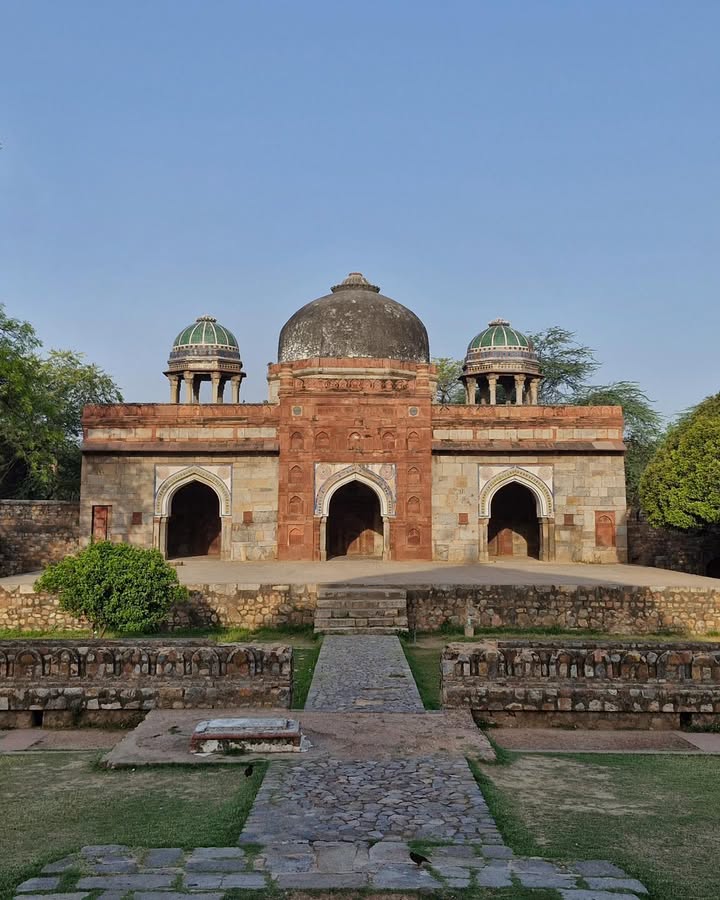
The Minar is inseparable from its surroundings. Within the Qutub Complex lie the Quwwat-ul-Islam Mosque, the tomb of Iltutmish, and the Alai Darwaza built by Alauddin Khalji—structures that collectively trace the early architectural language of the Delhi Sultanate. The reuse of materials from earlier Hindu and Jain temples, visible in carved pillars and motifs, adds another complex and debated layer to its history.
Modern history, too, has left its mark. A tragic stampede in December 1981, caused by a lighting failure inside the staircase, claimed 45 lives—many of them schoolchildren. Following this and later safety concerns, public access inside the Minar was permanently closed, turning it into a monument meant to be read, observed, and remembered from the ground.
Today, as a UNESCO World Heritage Site, the Qutub Minar stands not merely as a victory tower, but as a silent chronicle of conquest, craftsmanship, continuity, and caution—an enduring landmark in the long and layered story of Delhi.
Discover more such deeply researched heritage stories through ITIHASNAMA by StudioDharma — a premium coffee table book celebrating Indian history and architecture through powerful visuals and narratives.
Purchase link:
❈✦꧁ क़ुतुब मीनार, दिल्ली ꧂✦❈
सल्तनत की शुरुआत का साक्षी एक मीनार
दिल्ली के महरौली क्षेत्र में स्थित क़ुतुब मीनार पिछले आठ सौ वर्षों से इतिहास को निहारती खड़ी है। लगभग 1192 ईस्वी में इसकी नींव उस समय रखी गई, जब दिल्ली में सल्तनत शासन की स्थापना हो चुकी थी। इसे क़ुव्वत-उल-इस्लाम मस्जिद के समीप एक विजय स्तम्भ के रूप में आरम्भ किया गया।
इस मीनार का निर्माण एक ही शासक के समय में पूर्ण नहीं हुआ। क़ुतुबुद्दीन ऐबक ने इसकी पहली मंज़िल बनवाई, जबकि उनके उत्तराधिकारी इल्तुतमिश ने लगभग 1220 ईस्वी में इसमें तीन और मंज़िलें जोड़कर इसे ऊँचाई प्रदान की। 14वीं शताब्दी में आकाशीय बिजली से क्षति के बाद फिरोज़ शाह तुग़लक़ ने 1368 ईस्वी में इसकी ऊपरी मंज़िल का पुनर्निर्माण कराया।
लगभग 73 मीटर ऊँची यह मीनार नीचे से चौड़ी और ऊपर की ओर क्रमशः संकरी होती जाती है। प्रत्येक मंज़िल पर बनी बालकनियाँ और क़ुरआनी आयतों की सुंदर पट्टियाँ इसके स्थापत्य सौंदर्य को बढ़ाती हैं। निचले हिस्से में लाल बलुआ पत्थर और ऊपरी भागों में संगमरमर का प्रयोग, विभिन्न कालों की कलात्मक सोच को दर्शाता है।
क़ुतुब मीनार केवल एक संरचना नहीं, बल्कि पूरे क़ुतुब परिसर का हिस्सा है, जिसमें क़ुव्वत-उल-इस्लाम मस्जिद, इल्तुतमिश का मक़बरा और अलाउद्दीन खिलजी द्वारा निर्मित अलाई दरवाज़ा शामिल हैं। मस्जिद के स्तंभों में दिखाई देने वाले हिंदू-जैन मंदिरों के पुनः प्रयुक्त शिल्प, उस दौर की जटिल ऐतिहासिक सच्चाइयों की ओर संकेत करते हैं।
आधुनिक काल में भी यह स्मारक एक दर्दनाक घटना का साक्षी बना। दिसंबर 1981 में सीढ़ियों की रोशनी फेल होने से मची भगदड़ में 45 लोगों की मृत्यु हो गई, जिनमें अधिकांश स्कूली बच्चे थे। इसके बाद सुरक्षा कारणों से मीनार के भीतर प्रवेश स्थायी रूप से बंद कर दिया गया।
आज, एक यूनेस्को विश्व धरोहर के रूप में, क़ुतुब मीनार केवल विजय का प्रतीक नहीं, बल्कि दिल्ली के इतिहास, स्थापत्य विकास और मानवीय स्मृतियों का मौन दस्तावेज़ बन चुकी है।
StudioDharma द्वारा प्रकाशित ITIHASNAMA में ऐसी ही प्रमाणिक और गहराई से शोध की गई विरासत कथाएँ संकलित हैं, जो इतिहास को दृश्य और शब्दों के माध्यम से जीवंत करती हैं।
खरीद लिंक:
Facebook Hashtags (30)