









𝓐𝓵𝓪𝓲 𝓜𝓲𝓷𝓪𝓻, 𝓓𝓮𝓵𝓱𝓲 The Incomplete ‘Tower of Victory’.
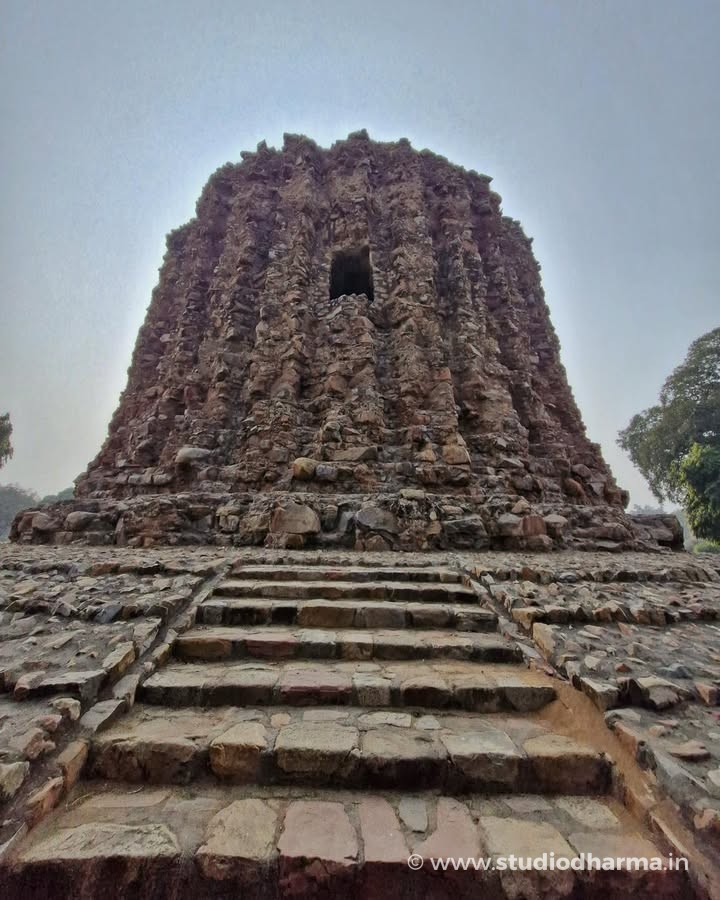
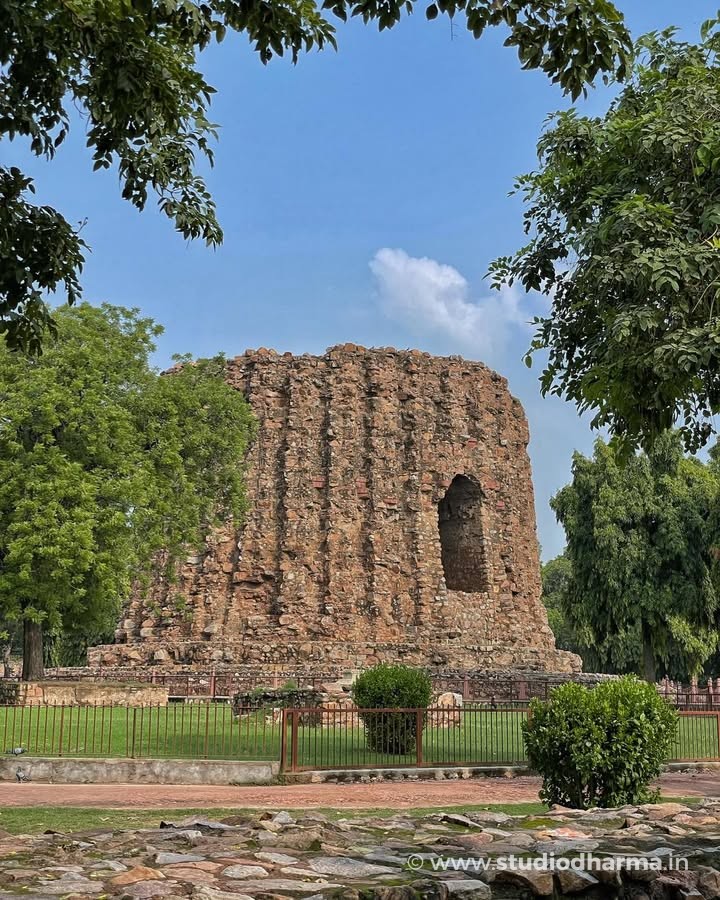
𝓐𝓵𝓪𝓲 𝓜𝓲𝓷𝓪𝓻, 𝓓𝓮𝓵𝓱𝓲
The Incomplete ‘Tower of Victory’.
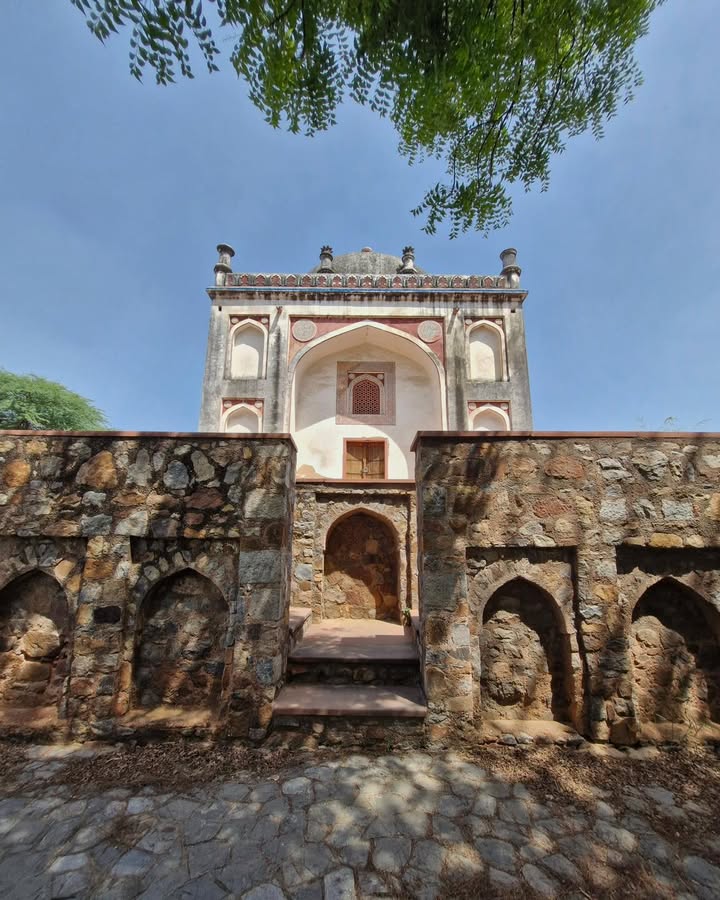
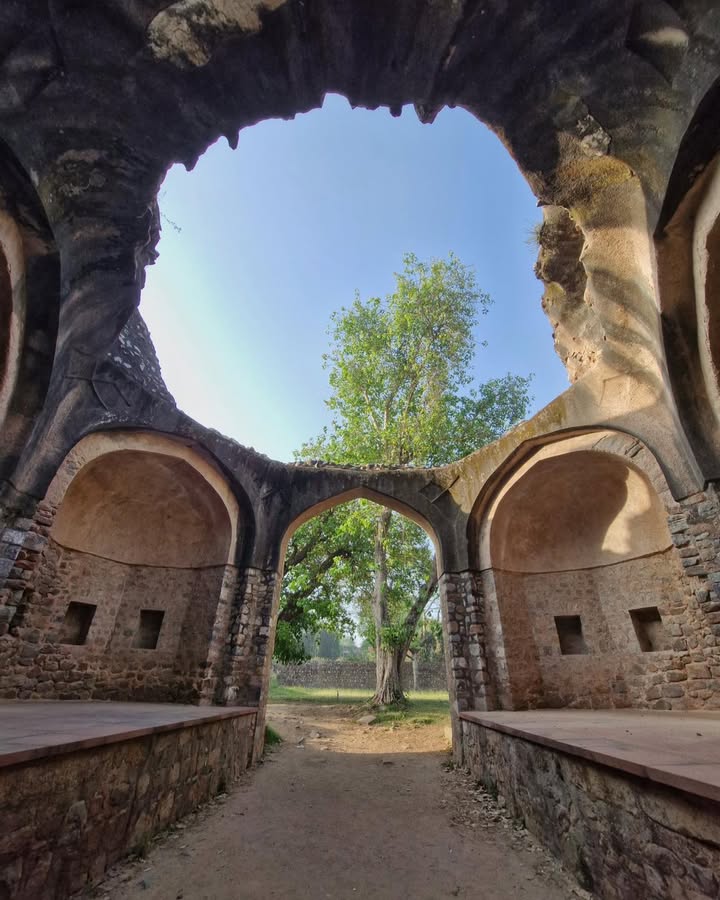
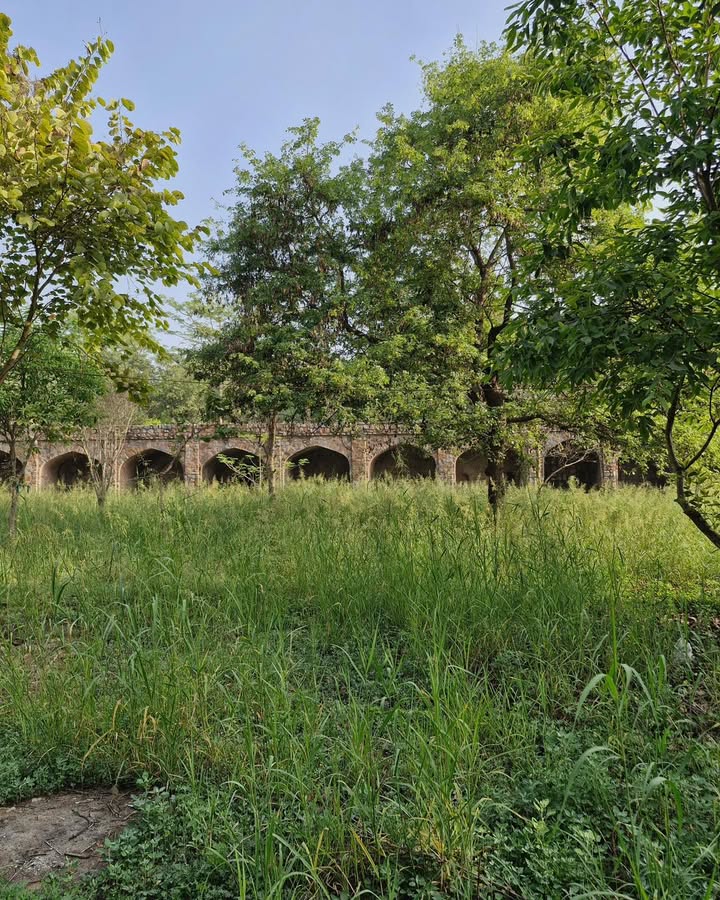
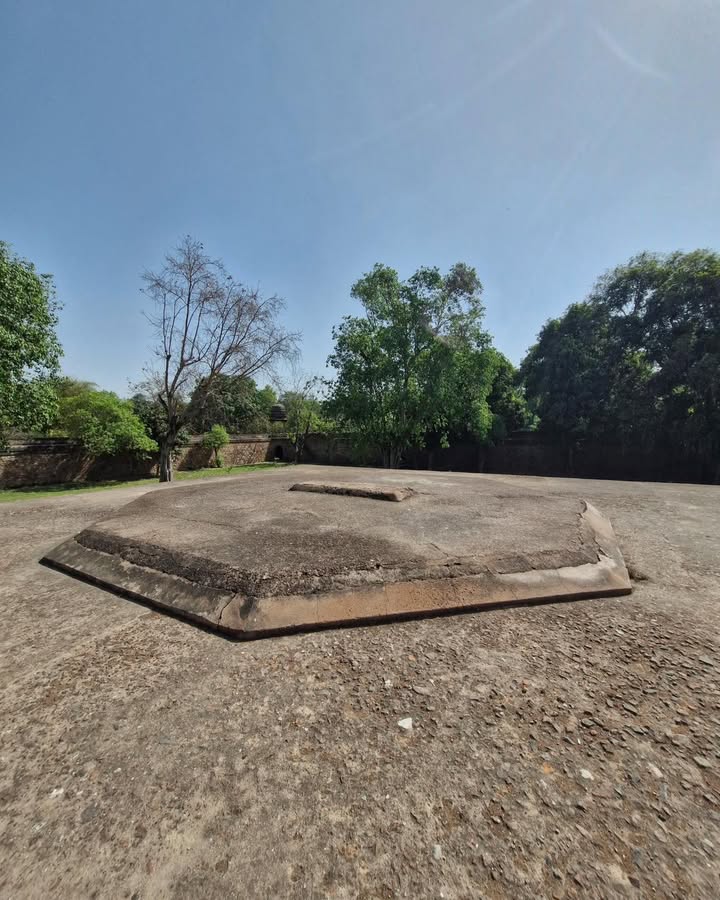
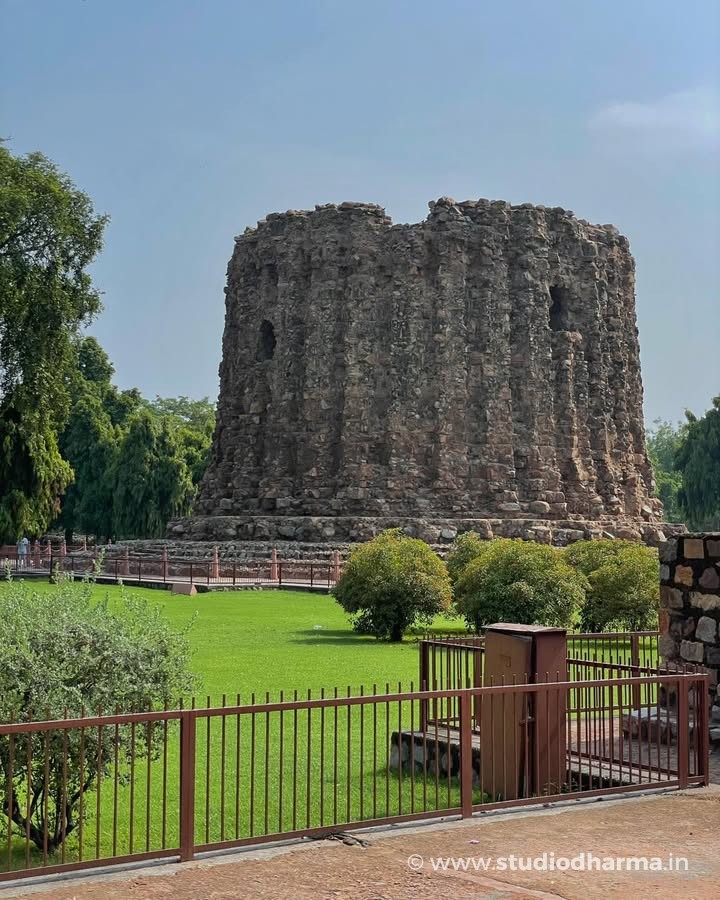
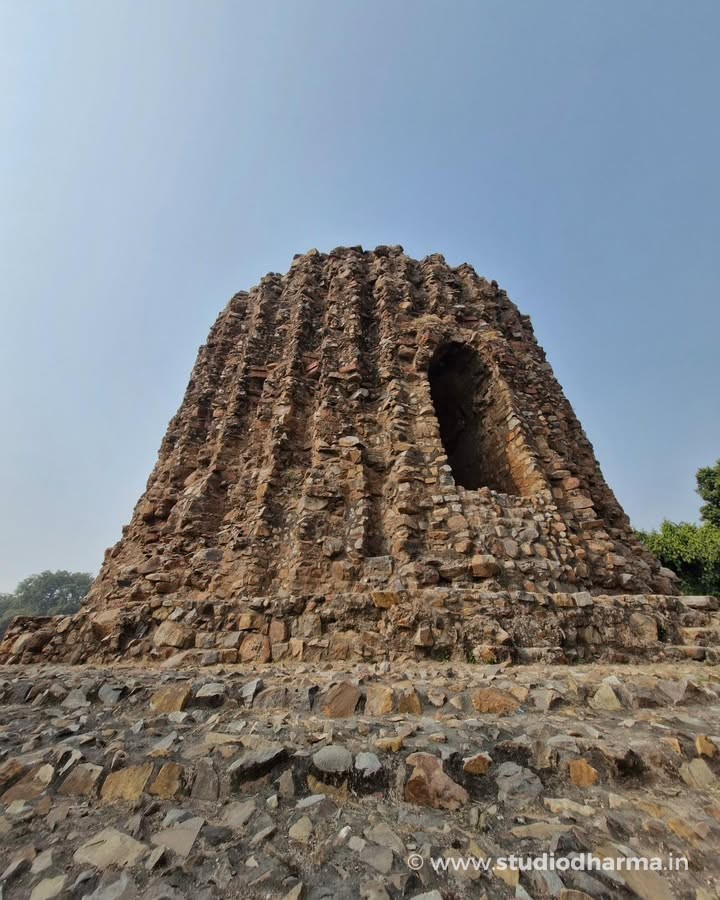
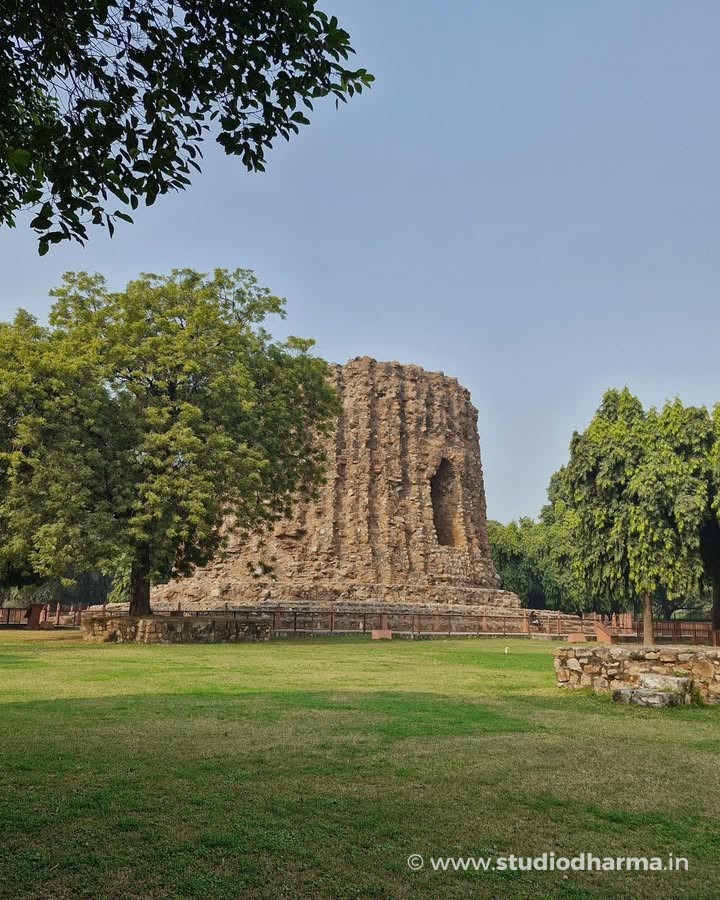
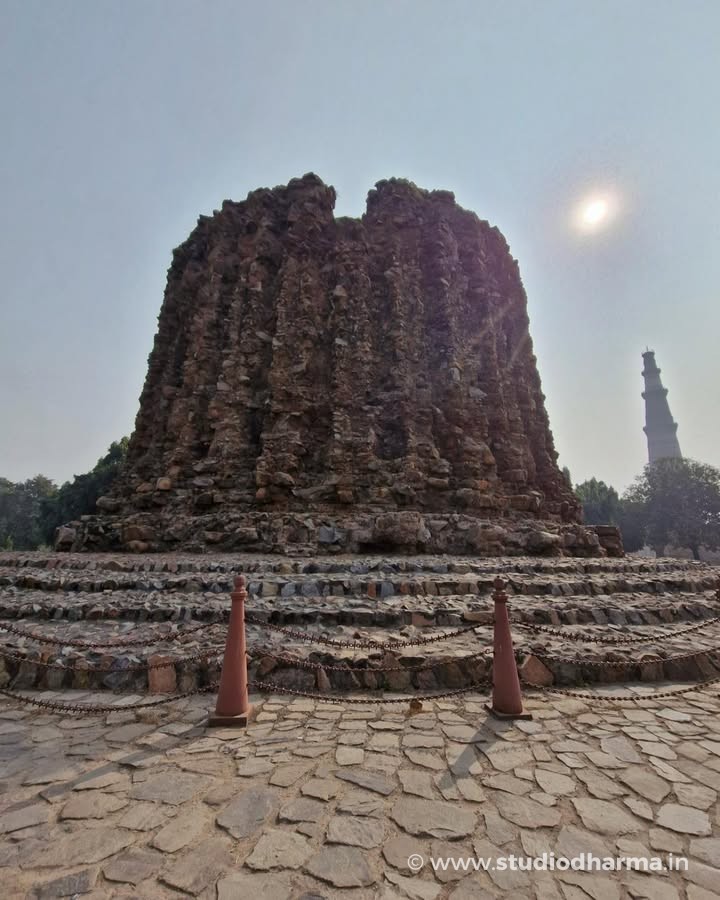
Not far from the soaring silhouette of the Qutub Minar stands a massive circular structure that often escapes attention. Rough, unfinished, and silent, the Alai Minar is not merely a ruin — it is the frozen ambition of one of Delhi’s most formidable rulers, Alauddin Khilji.
Conceived around 1311 CE within the expanding Qutub complex, the Alai Minar was planned as a Tower of Victory. Alauddin Khilji, who proudly styled himself Sikander-i-Sani — the Second Alexander — sought to eclipse the architectural legacy of the Qutub Minar by building a minar twice its height. This was imperial messaging carved in stone.
By this time, Khilji’s armies had subdued Chittor, Ranthambore, Jalore, Gujarat, and Malwa, and marched deep into the Deccan under his trusted general Malik Kafur, bringing immense wealth to Delhi. To commemorate these victories, the Sultan ordered the Quwwat-ul-Islam Mosque enclosure to be expanded fourfold and commissioned a colossal new minar to dominate the skyline.
The contemporary poet-historian Amir Khusrau, in Tarikh-i-Alai, records the Sultan’s desire to raise a tower “so high that none could surpass it.” Construction progressed only up to the first storey — around 24.5 metres — before Alauddin Khilji’s death in 1316 CE brought the project to a halt. His successors never resumed it.
Today, the Alai Minar stands unfinished yet powerful — a monument overshadowed by the very tower it sought to surpass, reminding us that even the greatest ambitions can be arrested by time.
ITIHASNAMA by StudioDharma is a premium coffee-table book documenting forgotten monuments and layered histories through research-based storytelling and original photography.
Purchase link:
अलई मीनार, दिल्ली
अधूरी ‘विजय स्तंभ’ की कहानी
क़ुतुब मीनार की ऊँचाई के समीप एक विशाल गोलाकार संरचना मौन खड़ी है — अलई मीनार। अधूरी, खुरदरी और अनसुनी, यह स्मारक केवल एक अवशेष नहीं बल्कि सुल्तान अलाउद्दीन खिलजी की अधूरी महत्वाकांक्षा का प्रमाण है।
लगभग 1311 ईस्वी में आरंभ की गई यह मीनार एक विजय स्तंभ के रूप में कल्पित थी। स्वयं को सिकंदर-ए-सानी कहने वाले खिलजी का उद्देश्य क़ुतुब मीनार से भी दुगनी ऊँचाई की मीनार बनाकर अपनी सैन्य सफलताओं को अमर करना था। यह सत्ता, वैभव और विजय की घोषणा थी — पत्थरों में गढ़ी हुई।
इस काल तक खिलजी की सेनाएँ चित्तौड़, रणथम्भौर, जालौर, गुजरात और मालवा को जीत चुकी थीं, तथा मलिक काफ़ूर के नेतृत्व में दक्षिण भारत तक पहुँच गई थीं। अपार धन दिल्ली पहुँचा और इसी वैभव के स्मरण में कुव्वत-उल-इस्लाम मस्जिद का विस्तार तथा इस विशाल मीनार की योजना बनी।
सूफ़ी कवि अमीर ख़ुसरो तारीख-ए-अलई में उल्लेख करते हैं कि सुल्तान ऐसी मीनार बनाना चाहता था जिसे कोई पार न कर सके। पर 1316 ईस्वी में उसकी मृत्यु के साथ ही निर्माण रुक गया। पहली मंज़िल — लगभग 24.5 मीटर — से आगे यह सपना कभी पूरा न हो सका।
आज अलई मीनार एक मौन साक्षी है — उस सत्ता का, जो ऊँचाइयों को छूना चाहती थी, पर समय से पराजित हो गई।
StudioDharma द्वारा प्रकाशित ITIHASNAMA एक विशेष कॉफी-टेबल बुक है, जिसमें भूली-बिसरी विरासत को शोध और कथात्मक शैली में प्रस्तुत किया गया है।
खरीदने के लिए लिंक: