










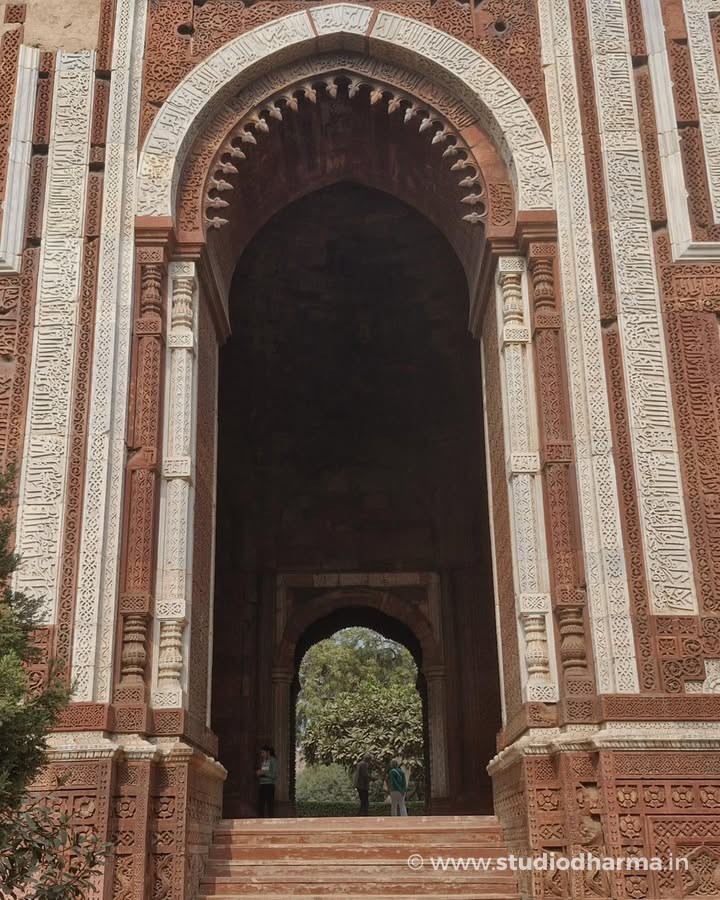
𝓣𝓱𝓮 𝓐𝓵𝓪𝓲 𝓓𝓪𝓻𝔀𝓪𝔃𝓪, 𝓓𝓮𝓵𝓱𝓲 — 𝓣𝓱𝓮 𝓕𝓲𝓻𝓼𝓽 𝓣𝓻𝓾𝓮 𝓐𝓻𝓬𝓱 𝓸𝓯 𝓘𝓷𝓭𝓲𝓪.
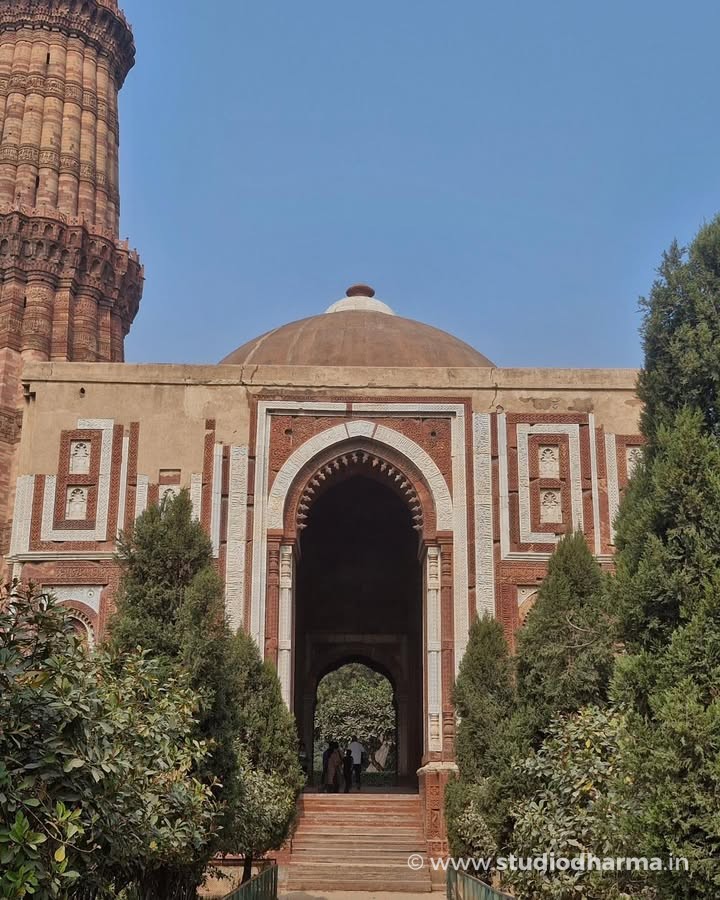
𝓣𝓱𝓮 𝓐𝓵𝓪𝓲 𝓓𝓪𝓻𝔀𝓪𝔃𝓪, 𝓓𝓮𝓵𝓱𝓲 — 𝓣𝓱𝓮 𝓕𝓲𝓻𝓼𝓽 𝓣𝓻𝓾𝓮 𝓐𝓻𝓬𝓱 𝓸𝓯 𝓘𝓷𝓭𝓲𝓪.
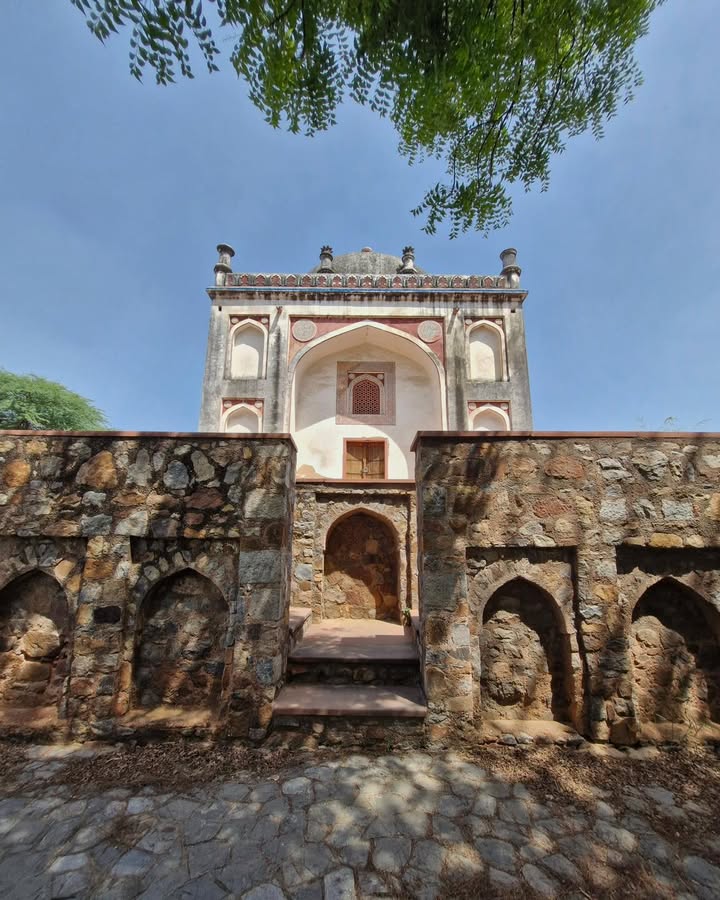
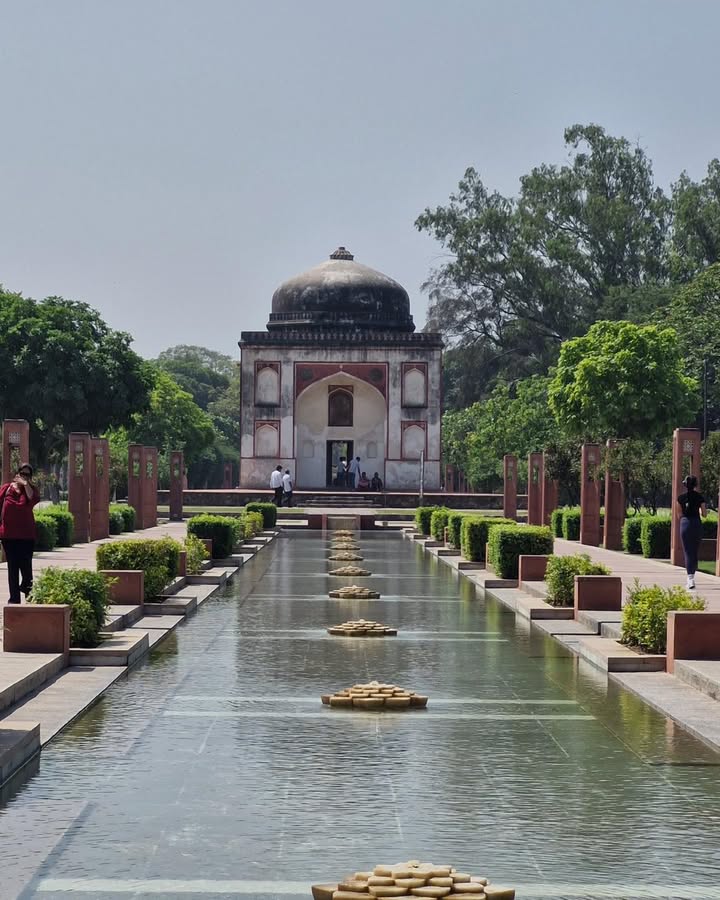
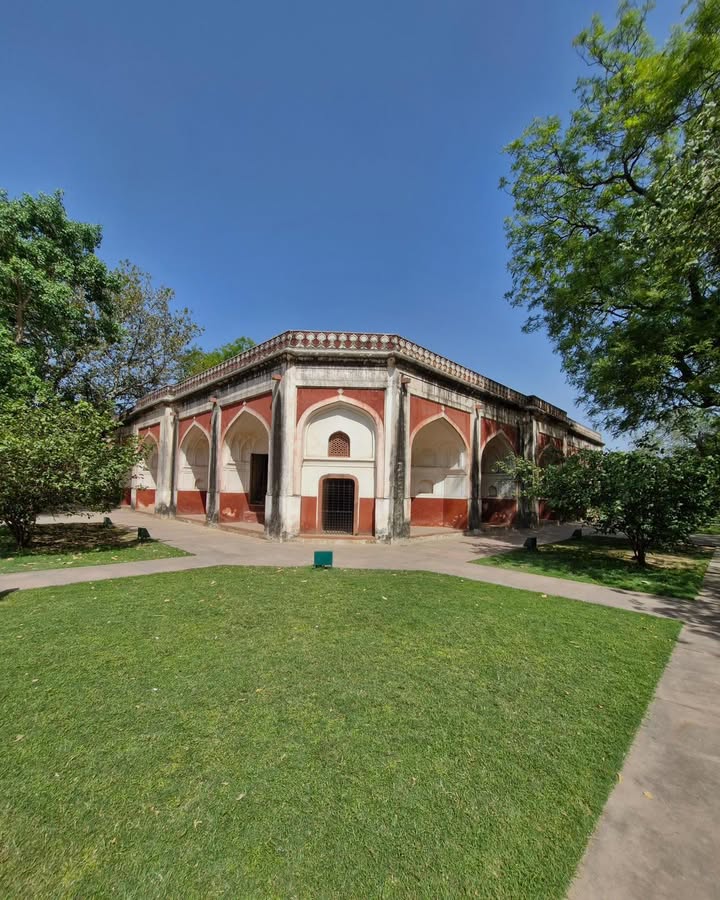
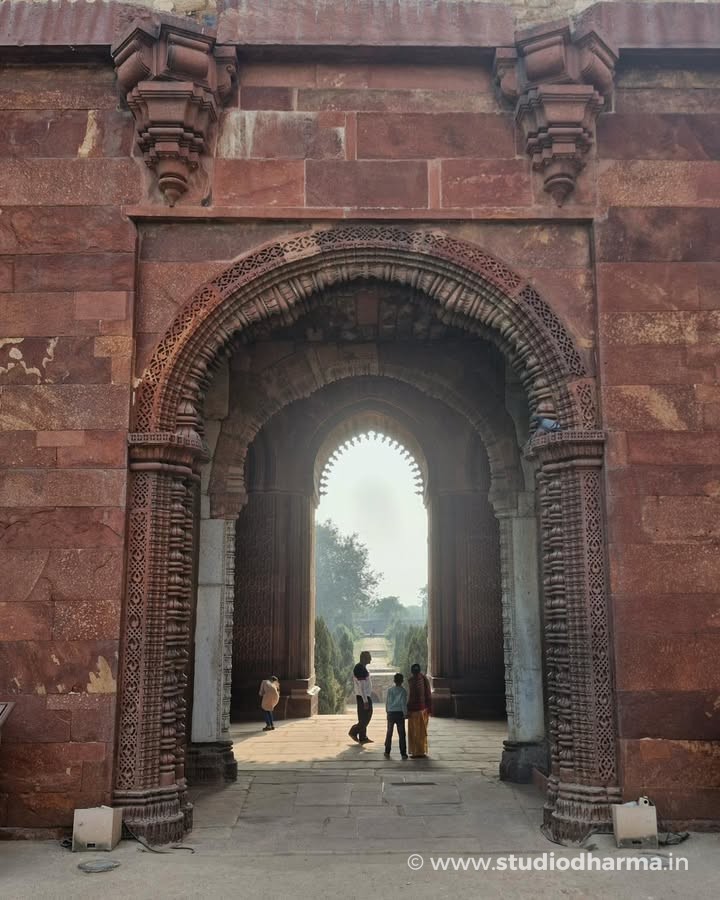
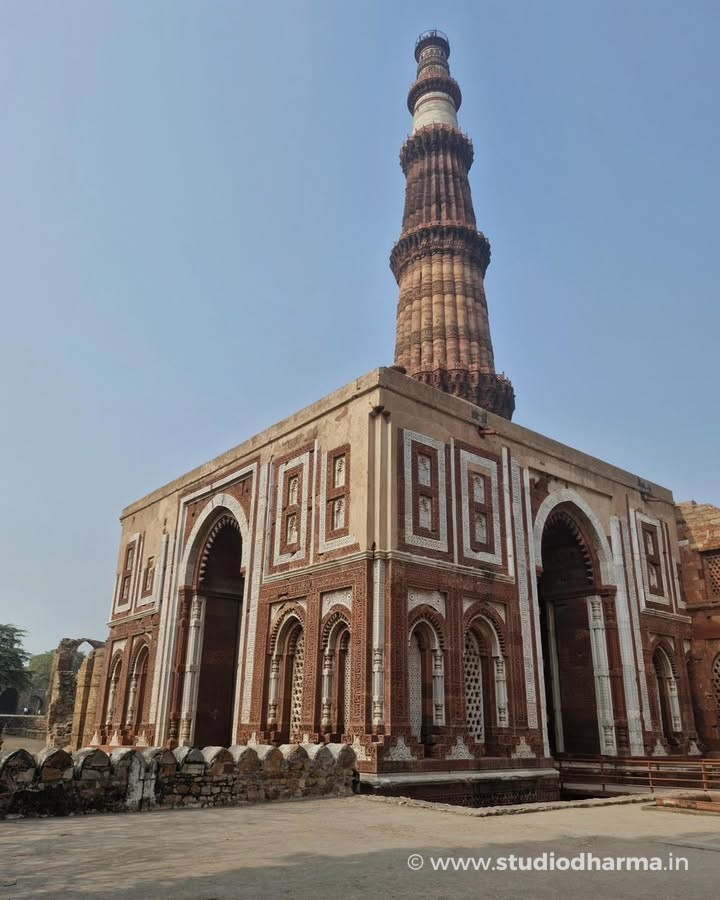
Standing quietly at the southern edge of the Quwwat-ul-Islam Mosque, the Alai Darwaza marks a decisive moment in the architectural history of India. Built in 1311 CE by Alauddin Khilji, this gateway was envisioned as the grand entrance to his ambitious expansion of the mosque within the Qutb Complex.
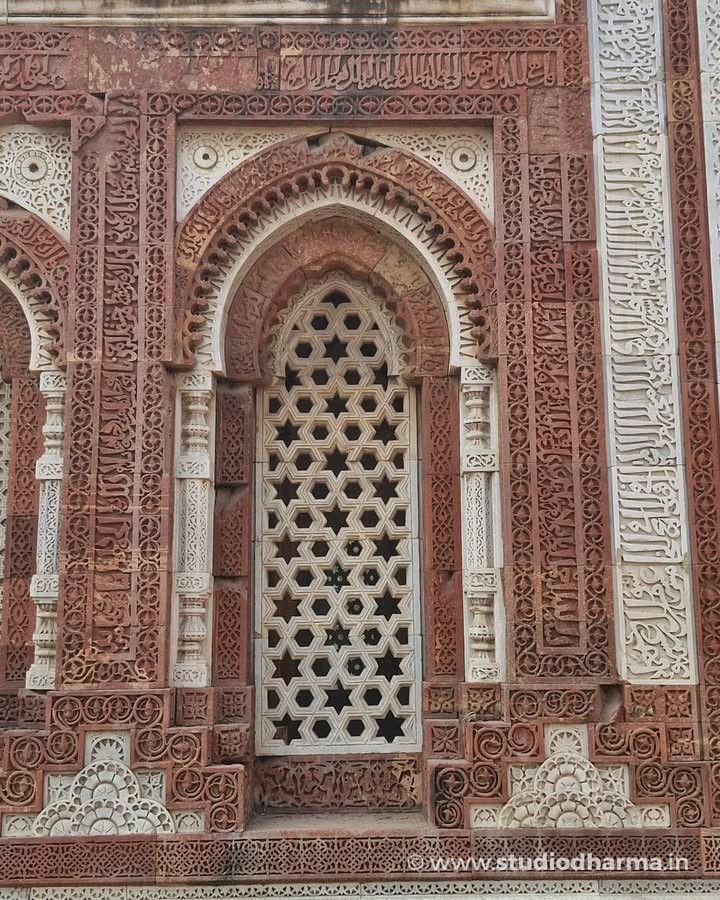
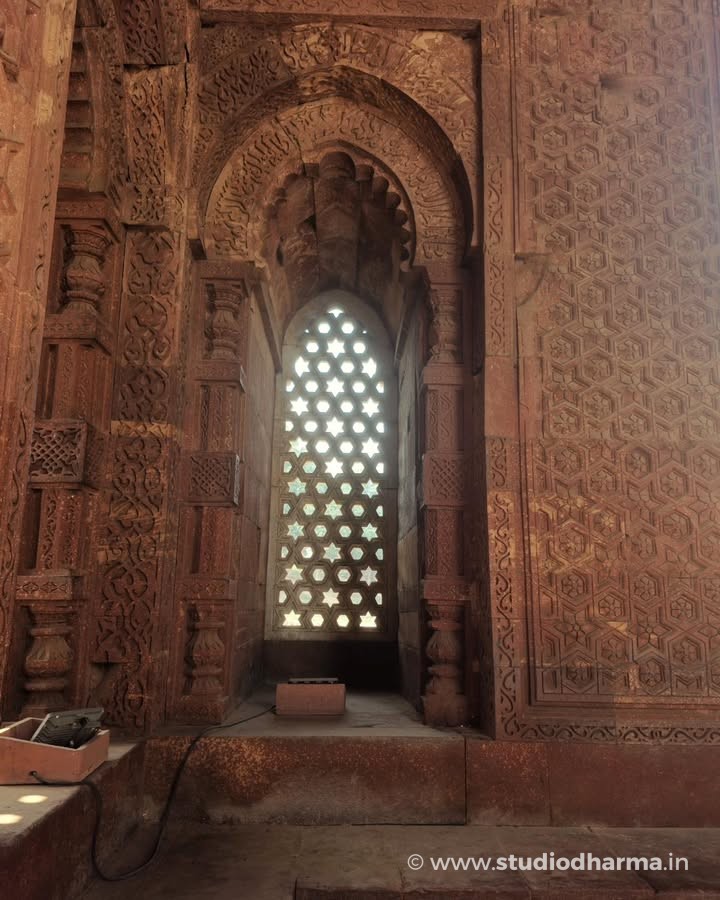
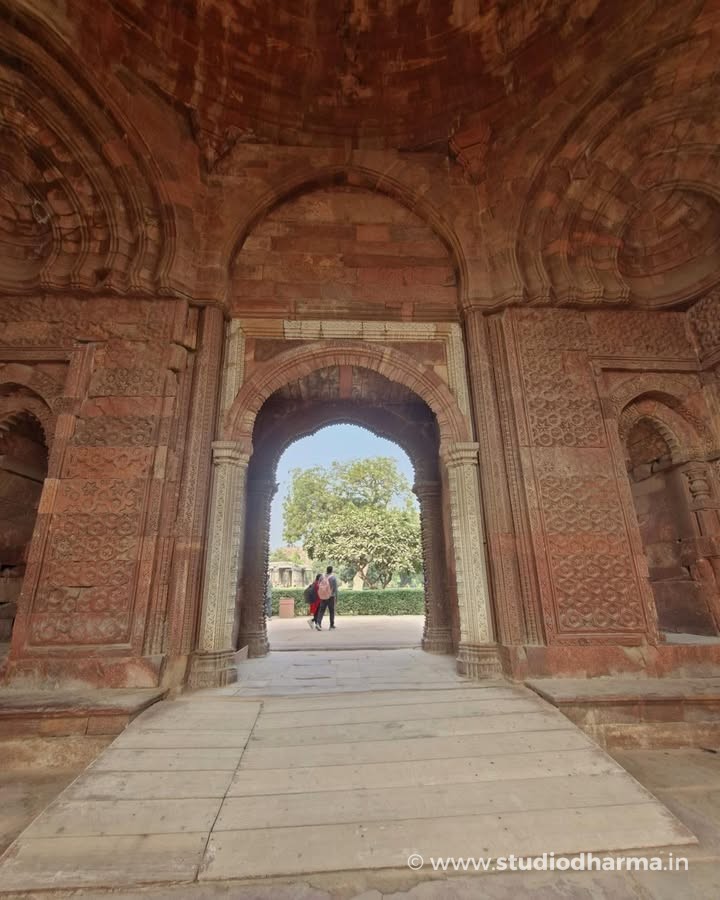
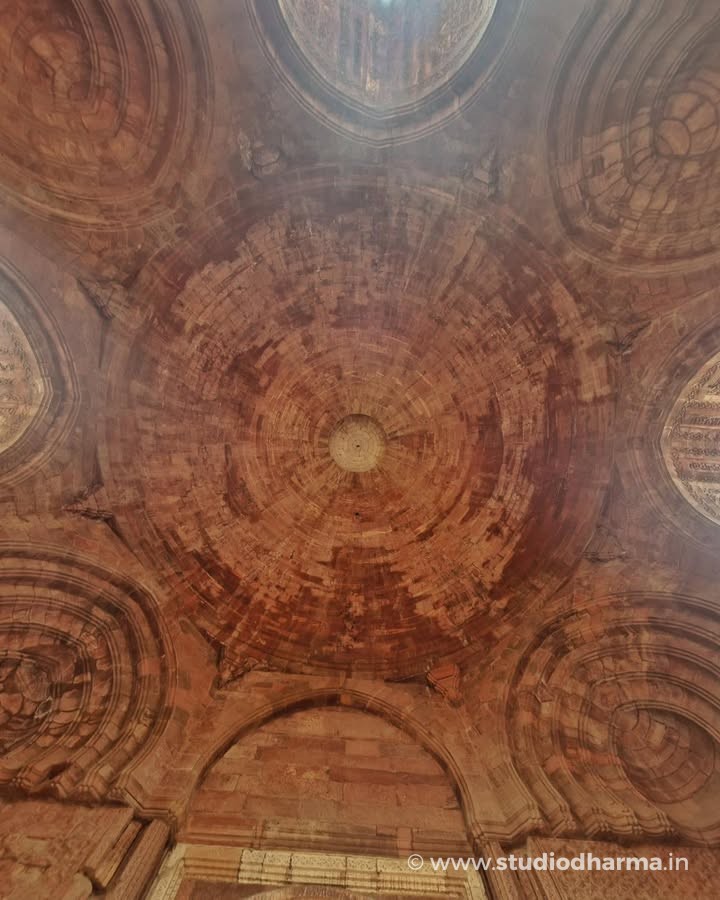
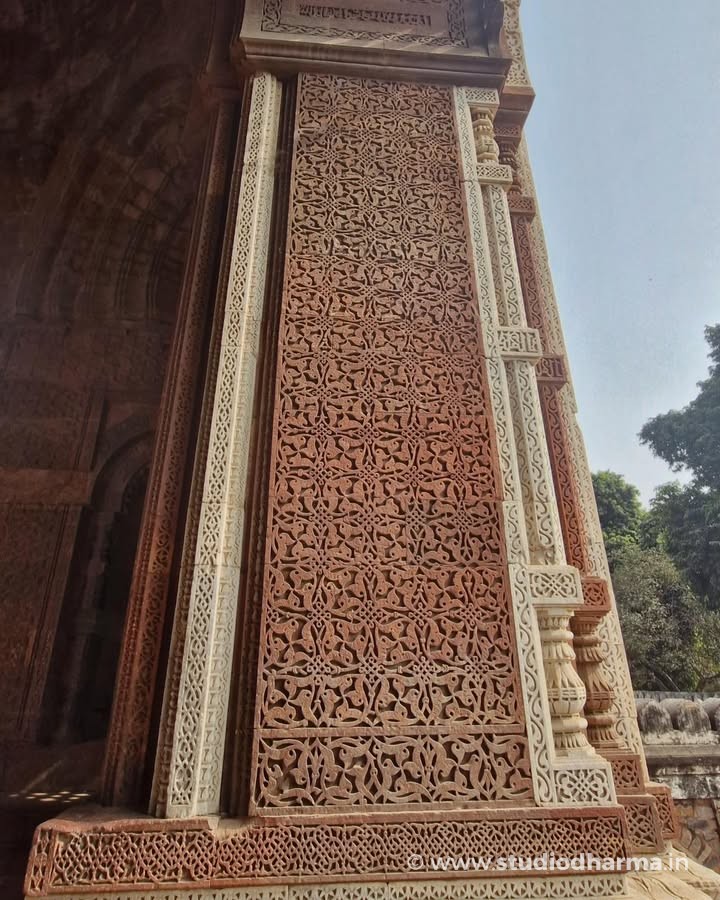
Unlike earlier structures that relied on corbelled techniques, the Alai Darwaza introduced true arches and a true dome to India for the first time. Its red sandstone body, delicately inlaid with white marble, is adorned with Quranic calligraphy, precise geometric patterns, and unmistakably Indian lotus motifs. This fusion reflects a mature Indo-Islamic style—Islamic structural principles shaped by local craftsmanship.
Khilji planned four monumental gateways, but history paused the vision. Only the Alai Darwaza was completed before his death in 1316, leaving this single structure to speak for an unrealised imperial dream. Today, within the sacred precincts of the Qutb Complex—alongside the Qutb Minar and other Sultanate-era monuments—it stands as a silent but powerful witness to architectural innovation in medieval India.
This monument and many more stories of India’s layered past are documented in ITIHASNAMA by StudioDharma.
To purchase the coffee table book, visit:
अलई दरवाज़ा, दिल्ली — भारत का पहला सच्चा मेहराब
क़ुव्वत-उल-इस्लाम मस्जिद के दक्षिणी छोर पर स्थित अलई दरवाज़ा भारतीय स्थापत्य इतिहास का एक निर्णायक अध्याय है। 1311 ईस्वी में सुल्तान अलाउद्दीन खिलजी द्वारा निर्मित यह द्वार क़ुतुब परिसर में मस्जिद के भव्य विस्तार की योजना का हिस्सा था।
जहाँ इससे पहले की इमारतें कोरबेल्ड तकनीक पर आधारित थीं, वहीं अलई दरवाज़ा भारत में पहली बार सच्चे मेहराब और सच्चे गुंबद के प्रयोग का प्रमाण देता है। लाल बलुआ पत्थर पर सफ़ेद संगमरमर की जड़ाई, कुरआनी लेखन, ज्यामितीय अलंकरण और कमल की आकृतियाँ—इस्लामी वास्तु सिद्धांतों और भारतीय शिल्प परंपरा के सुंदर संगम को दर्शाती हैं।
खिलजी चार भव्य द्वार बनवाना चाहते थे, लेकिन 1316 में उनके निधन के बाद यह योजना अधूरी रह गई। आज यह अकेला द्वार, क़ुतुब परिसर के अन्य स्मारकों के साथ, मध्यकालीन भारत की स्थापत्य क्रांति की मूक साक्षी बनकर खड़ा है।
भारत की ऐसी ही विरासतों की प्रामाणिक कहानियाँ ITIHASNAMA में संकलित हैं।
कॉफी टेबल बुक ख़रीदने के लिए लिंक: