








DANPUR ESTATE, BULANDSHAHAR.
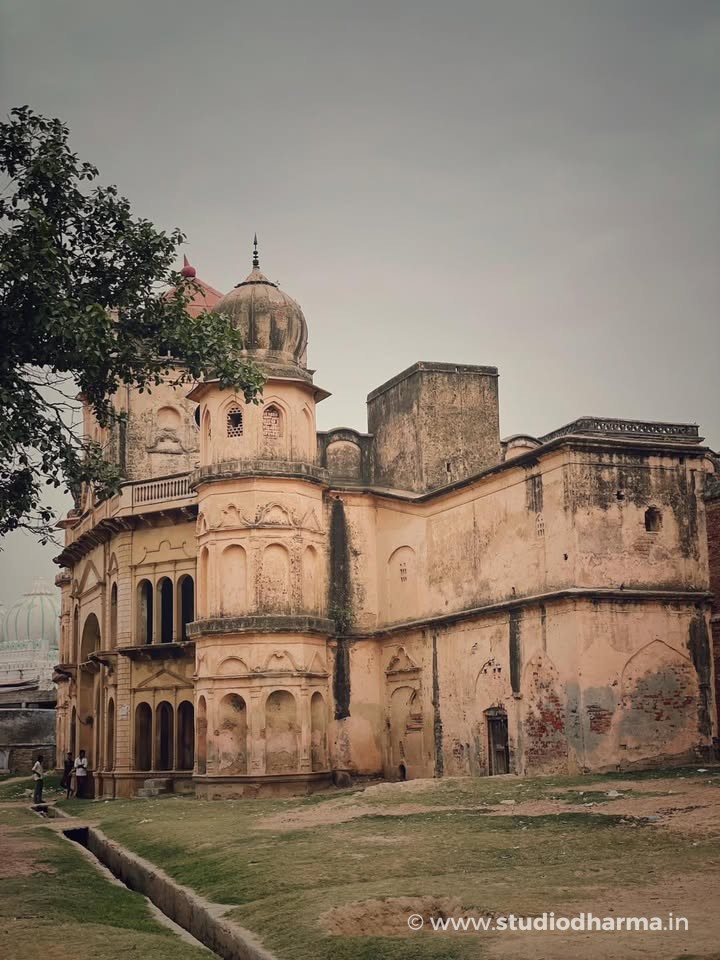
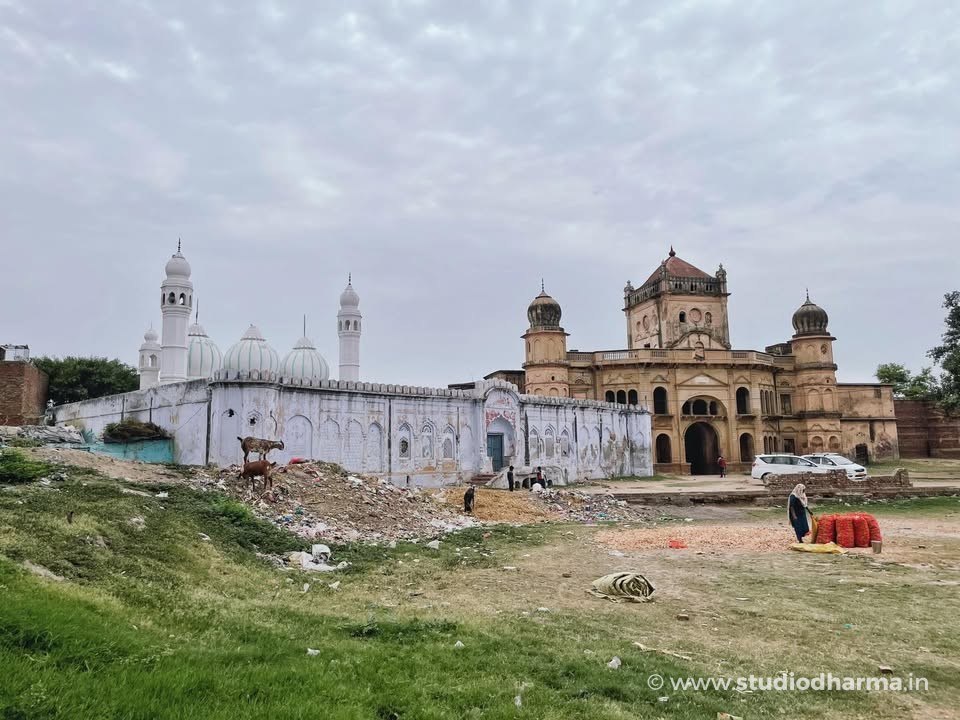
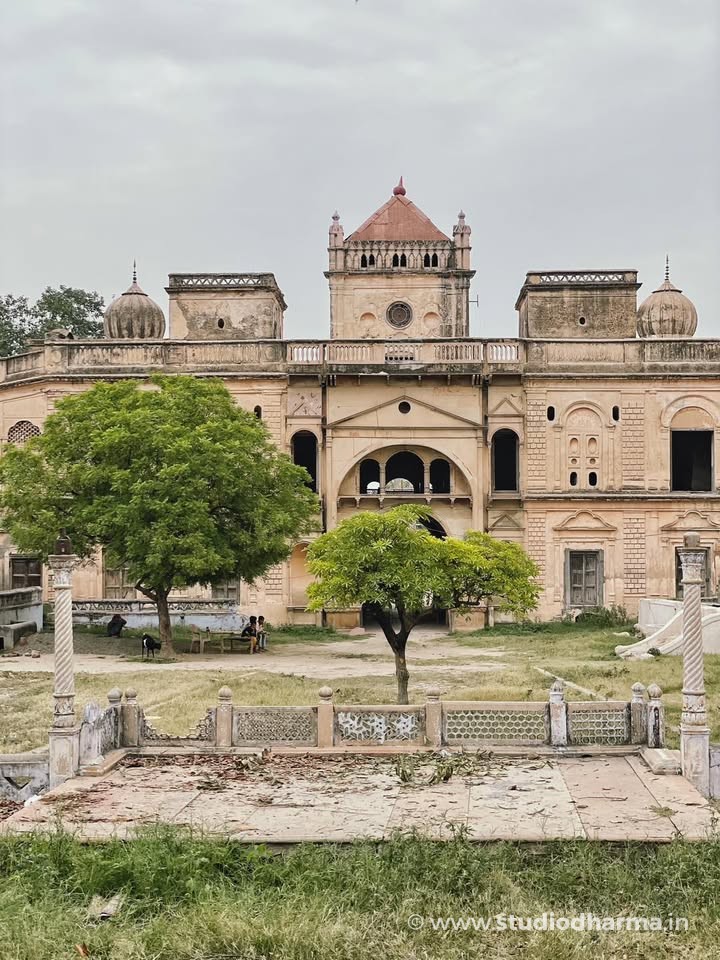
DANPUR ESTATE, BULANDSHAHAR.
A Living Chronicle of the Lal Khani Legacy
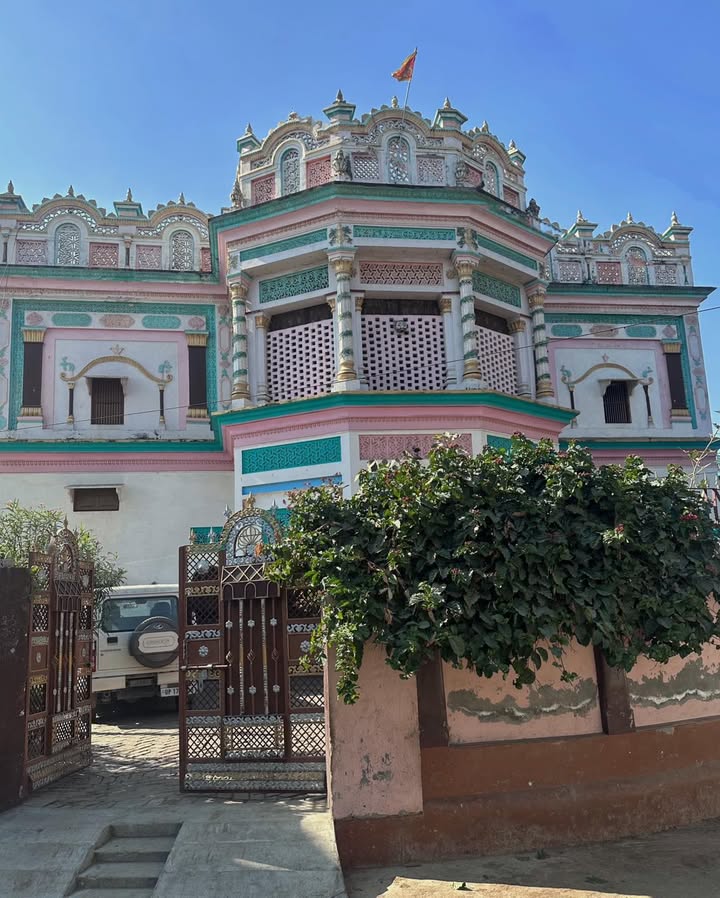
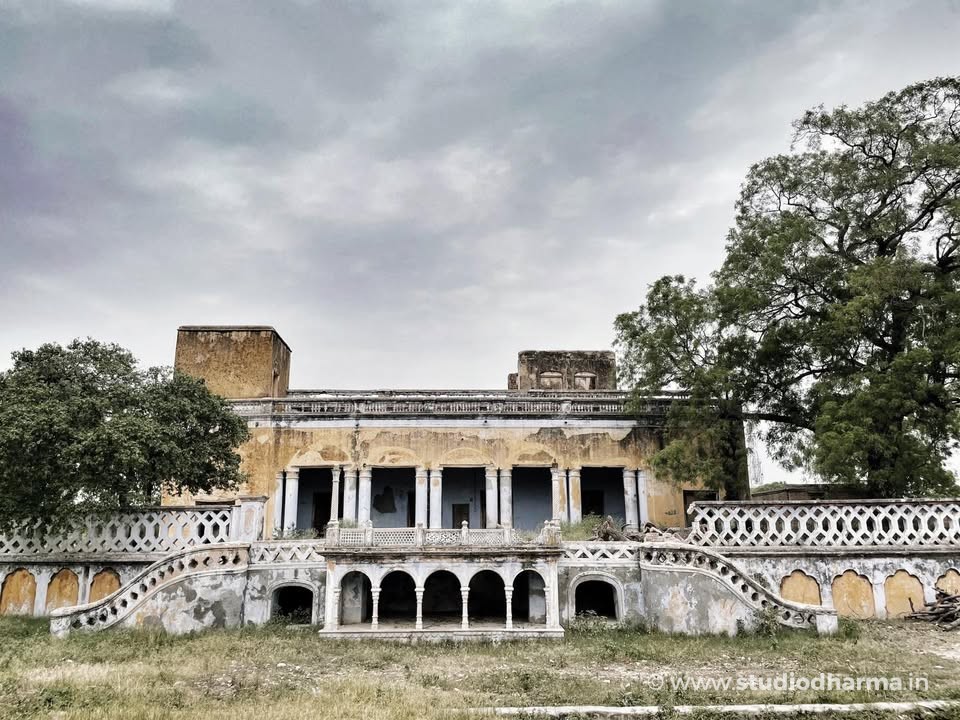
Hidden within Danpur village of Bulandshahar stands an estate that quietly carries centuries of North India’s political, cultural, and spiritual history. Danpur was once a prominent jagir ruled by the Lal Khani Badgujar Muslim Rajputs, a lineage that emerged from Rajput roots and rose to prominence under Mughal patronage.
The origins of the Lal Khanis trace back to Emperor Akbar’s reign, when Raja Lalsingh, an eleventh-generation descendant of Pratap Singh, was honoured with the title Raja Lal Khan. This imperial recognition gave birth to the Lal Khani identity. Under Emperor Shah Jahan, in 1639 CE, Salbahan Singh received a royal sanad granting rights over sixty-four villages around Pahasu, firmly establishing the estate’s territorial power.
Spiritual transformation soon followed. Influenced by Hazrat Mujaddid Alf-Sani of Sirhind Sharif, the family embraced Islam, shaping a unique synthesis of Rajput lineage, Mughal culture, and Islamic thought. Danpur thus evolved not only as a seat of authority, but as a centre of faith and governance.
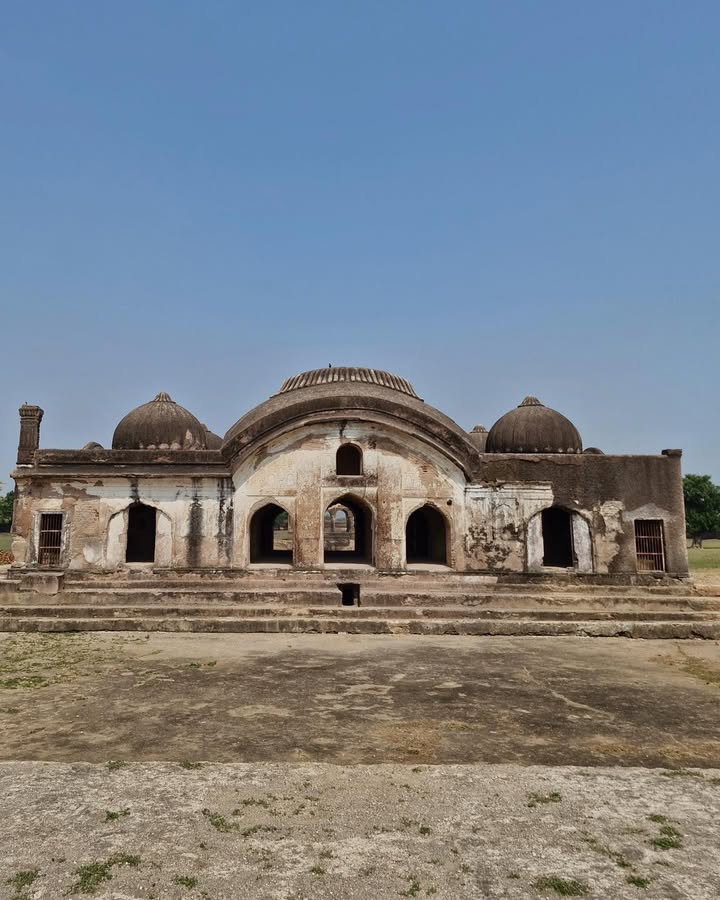
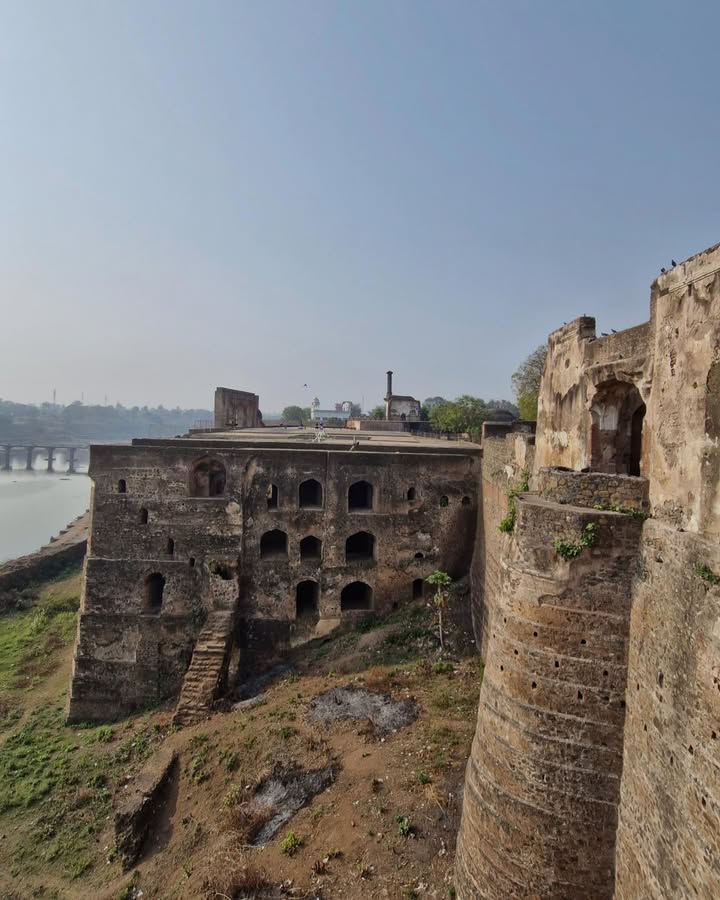
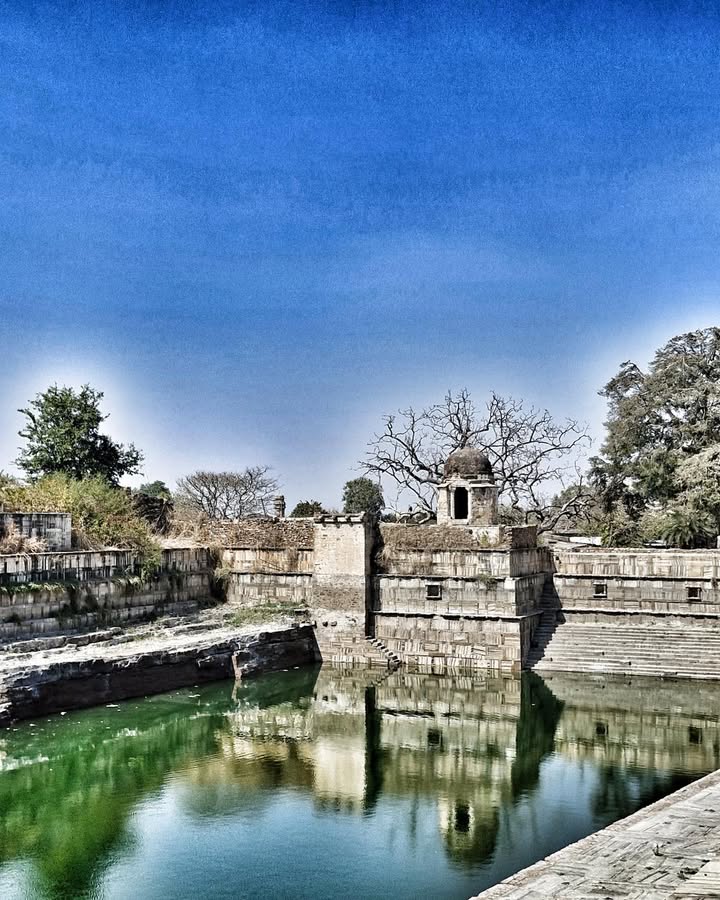
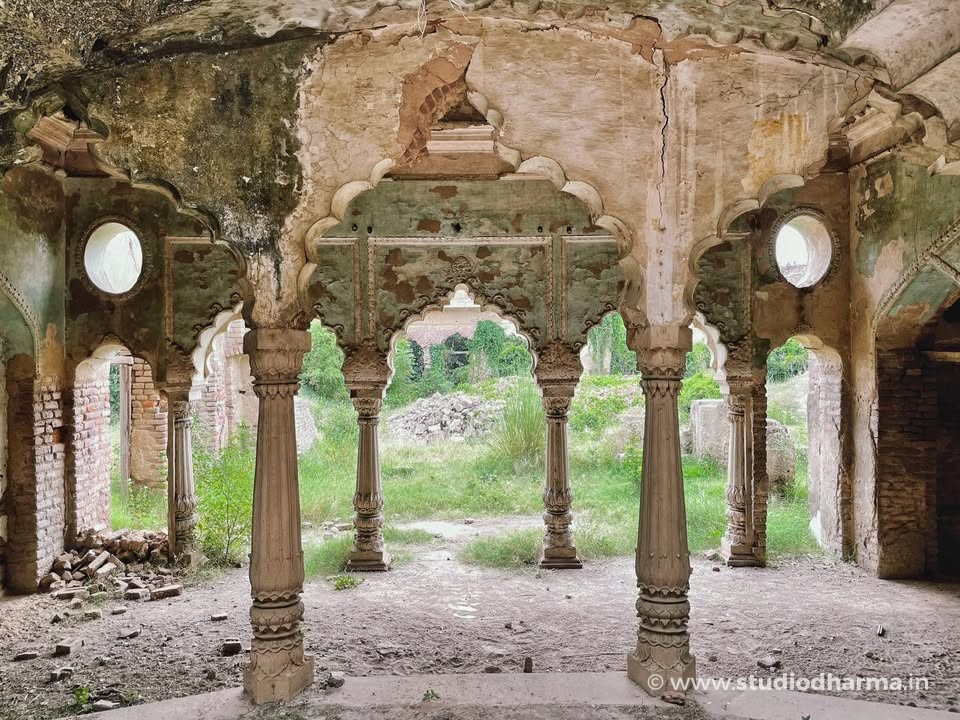
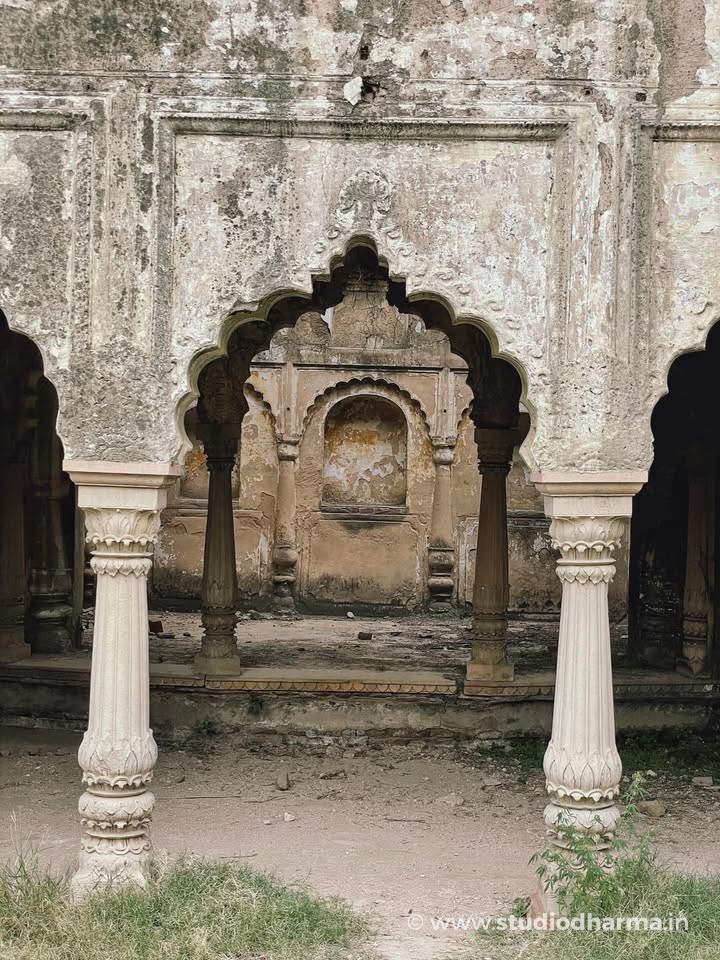
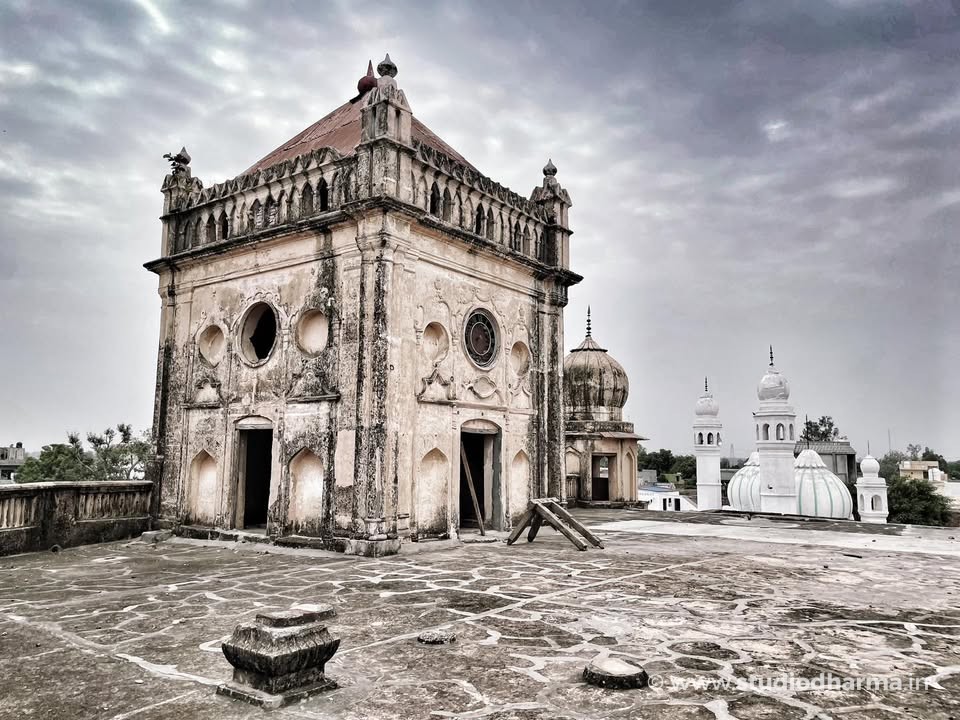
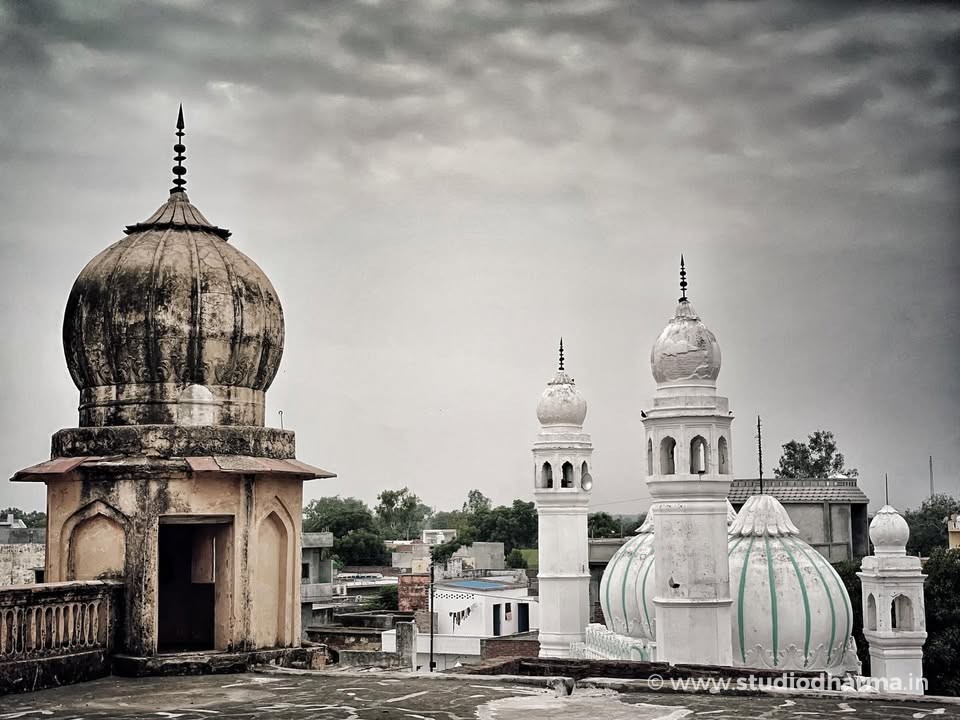
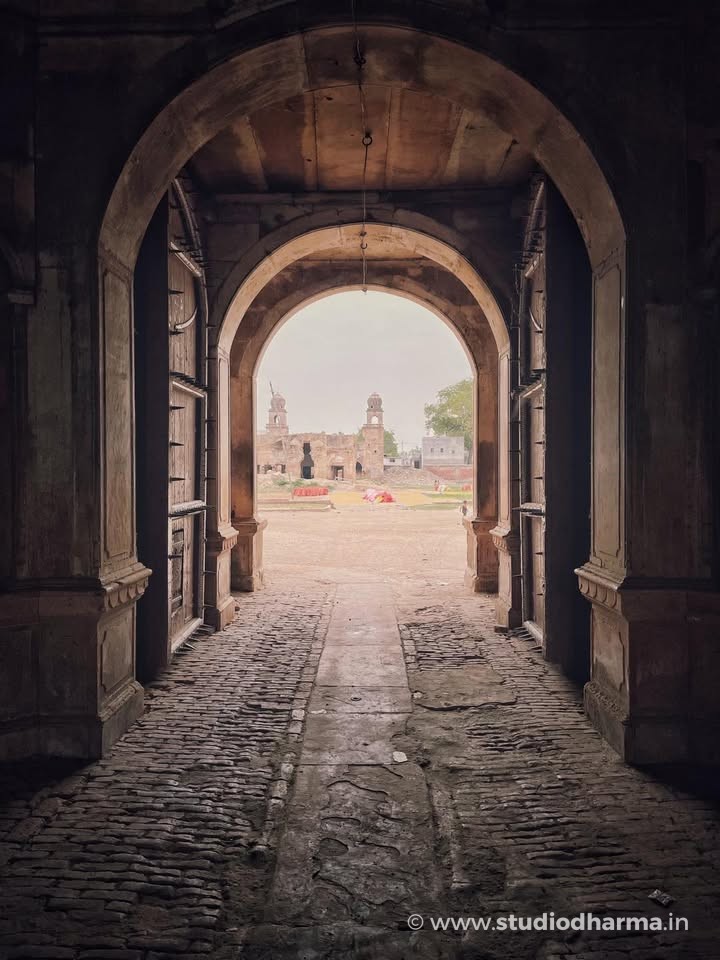
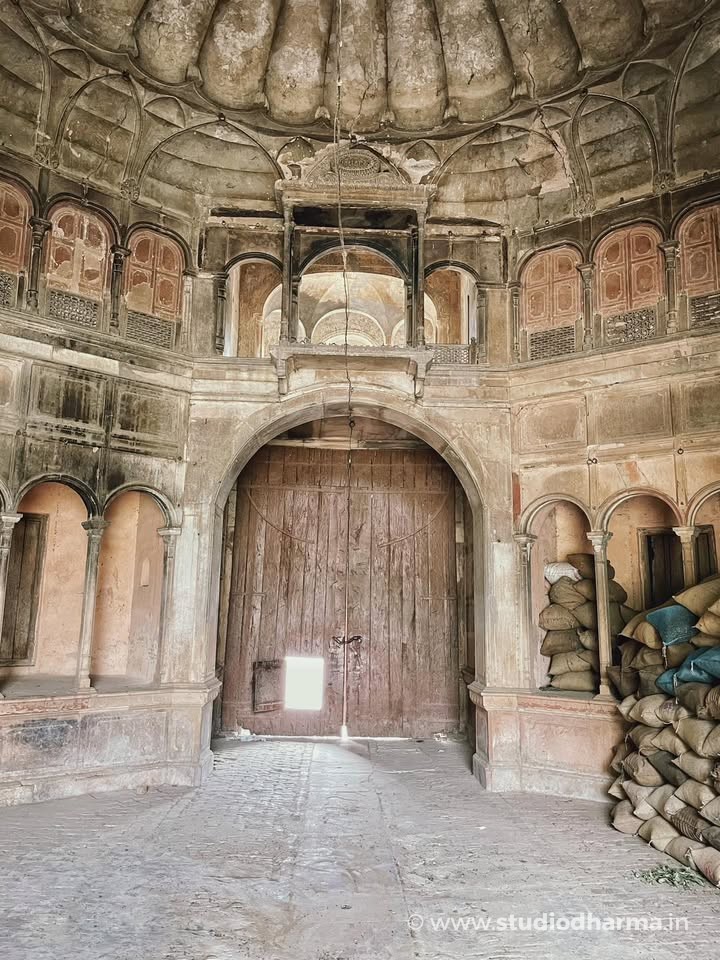
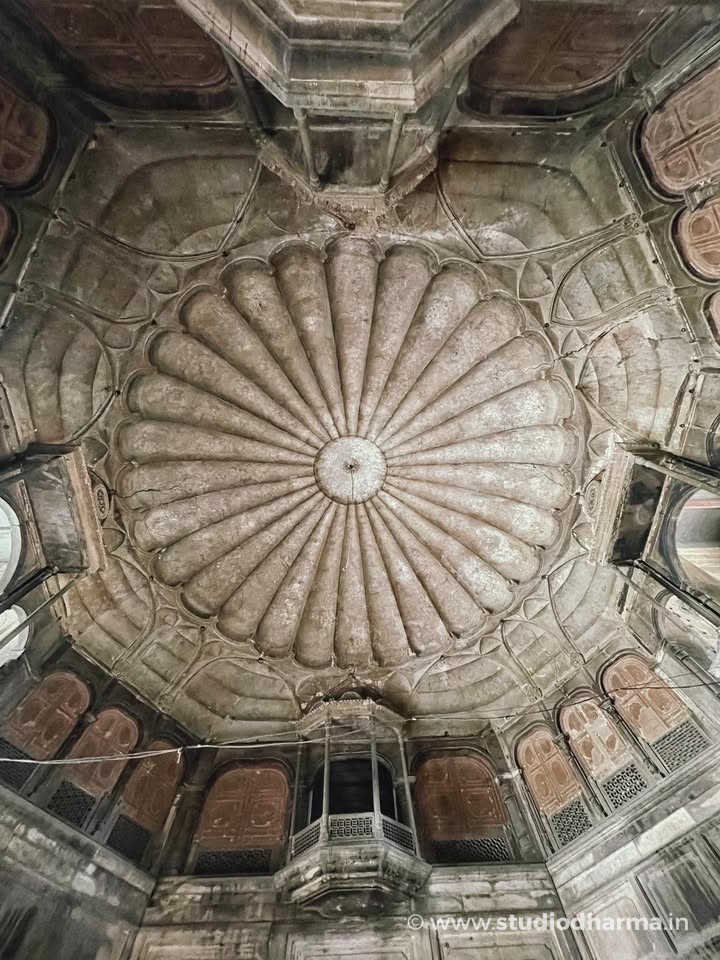
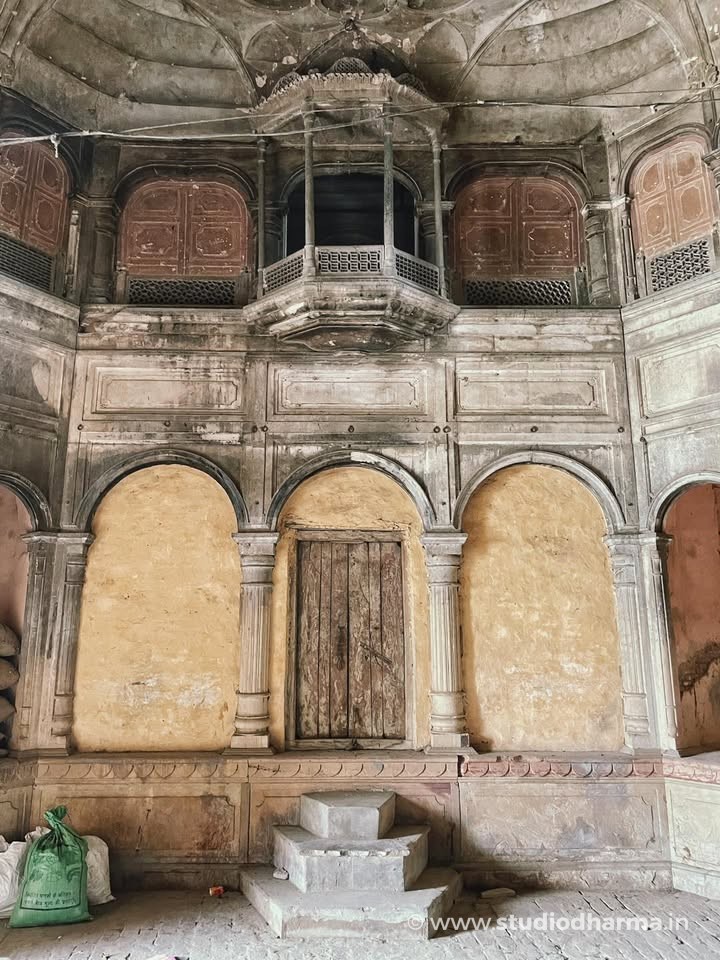
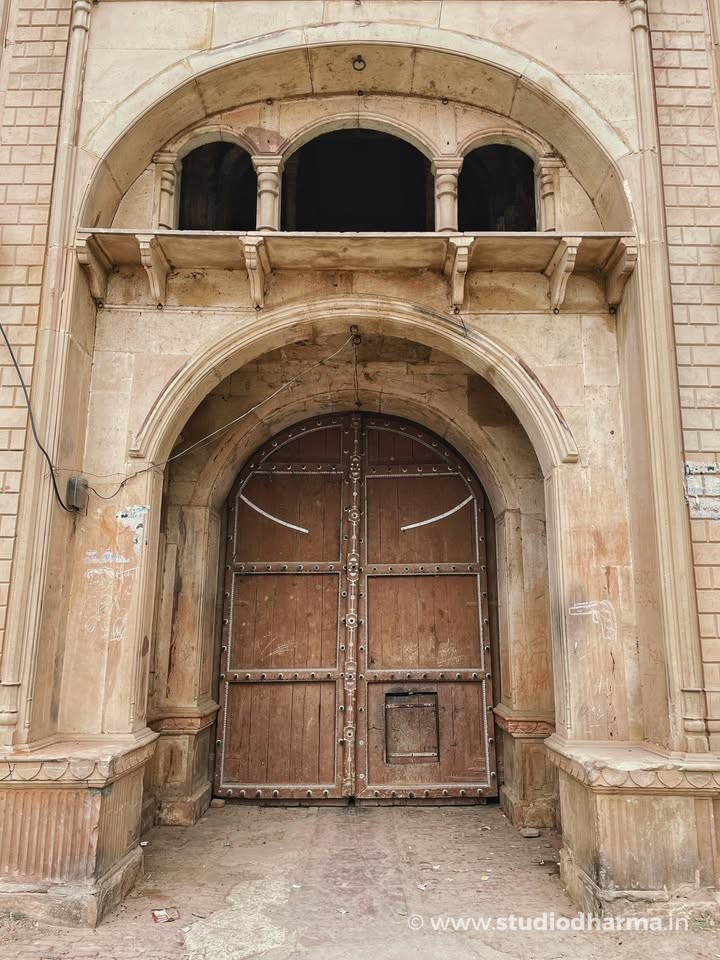
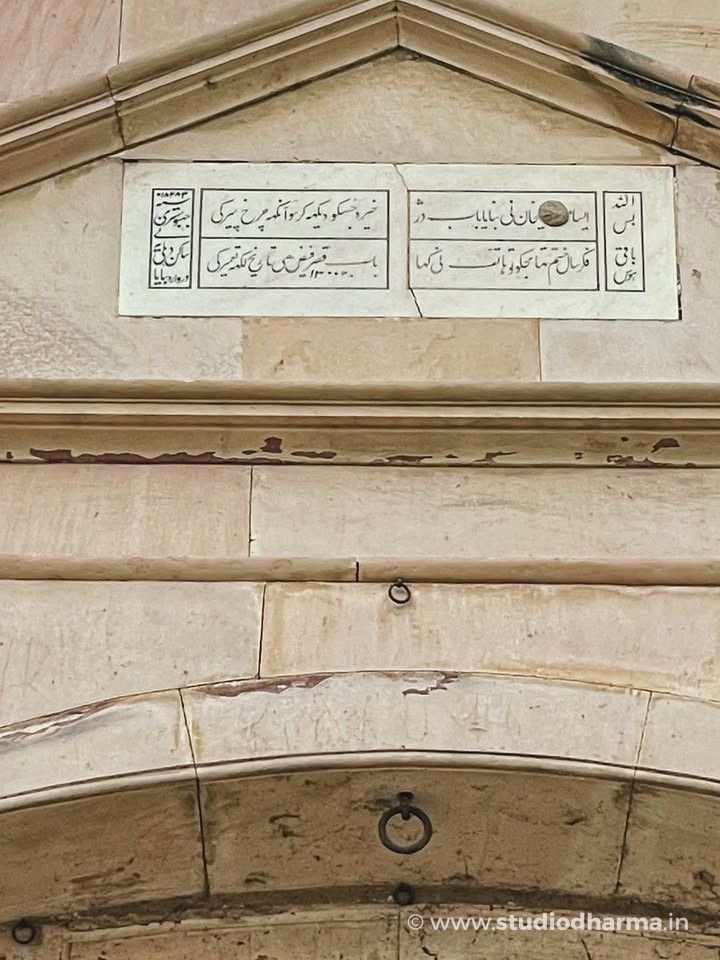
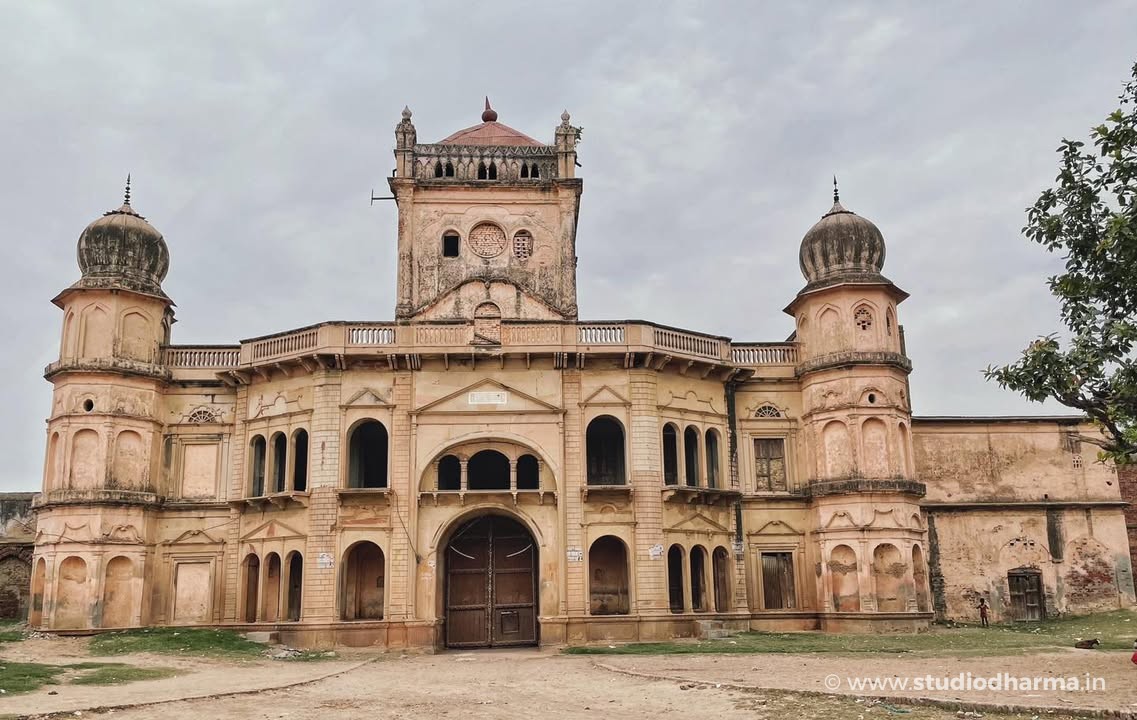
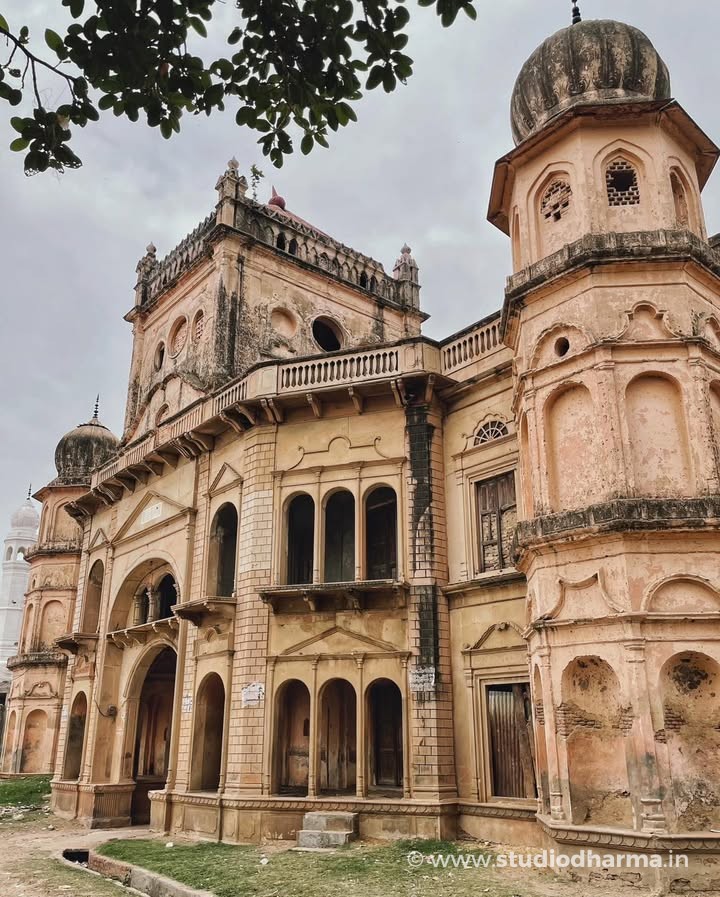
At the heart of the estate stands the Danpur Fort, built in Hijri 1025 by Raja Anirai. Rising amid the village settlement, the fort reflects Mughal architectural sensibilities with its seven domes, four minarets, and a women’s mosque that survives to this day. Local tradition speaks of underground tunnels and a massive bell once housed in the fort—stories that remain part of Danpur’s living memory.
The late eighteenth and early nineteenth centuries brought turmoil. In 1774, Nawab Nahar Ali Khan received the taluqa of Pitampura from Emperor Shah Alam II. Resistance to British authority led to repeated confiscations, restorations, and redistributions of Lal Khani lands. Through resilience and careful alliances, the estate eventually expanded to nearly 200 villages across Bulandshahar, Aligarh, and Mathura districts.
Beyond land and power, the Lal Khanis left a deep imprint on education and public life. Their close association with Sir Syed Ahmad Khan placed them at the heart of the Aligarh Movement. The lineage reached its public zenith with Nawab Sir Mohammad Ahmad Saeed Khan of Chhatari, who served as Chief Minister of the United Provinces, Governor, Prime Minister of Hyderabad State, and Chancellor of Aligarh Muslim University until 1981.
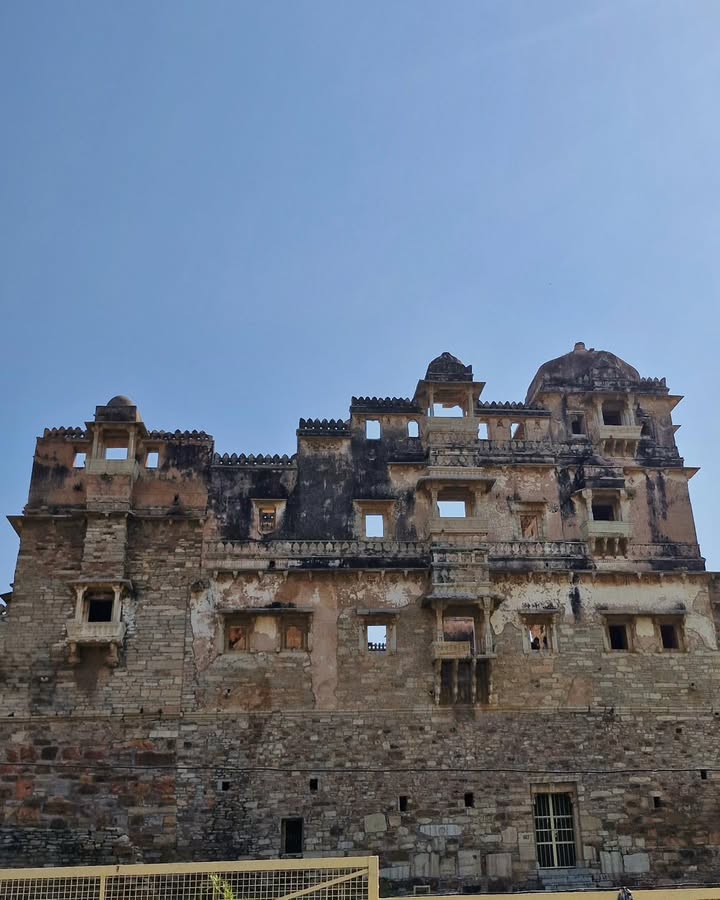
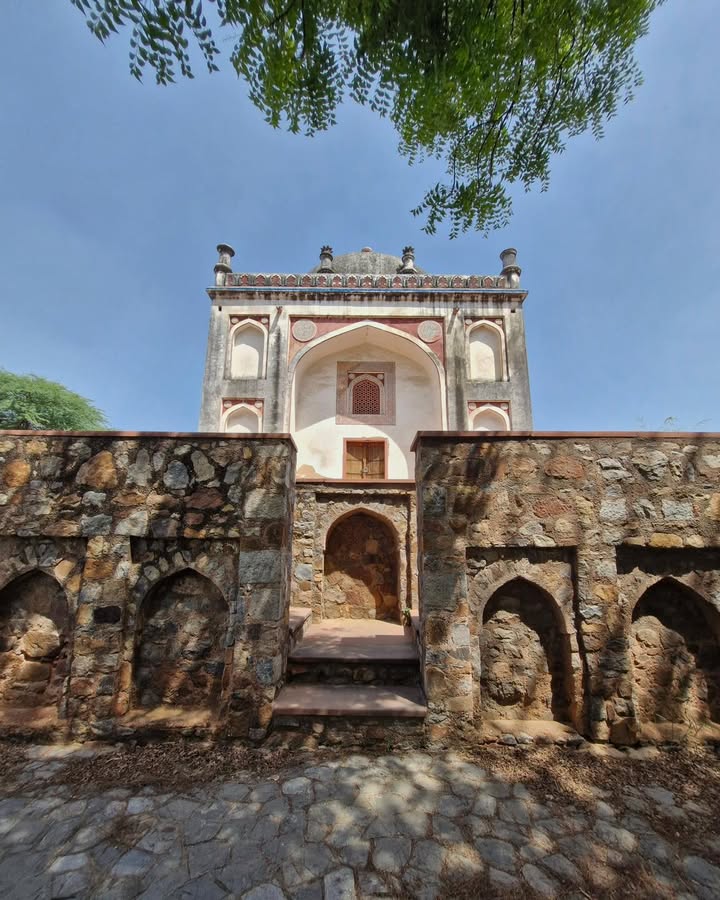
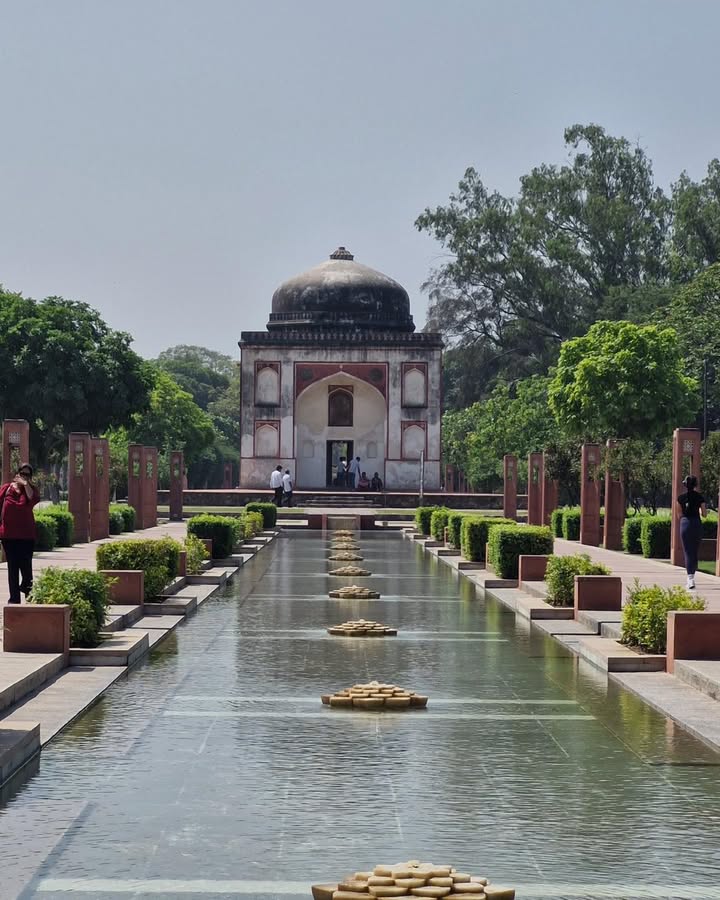
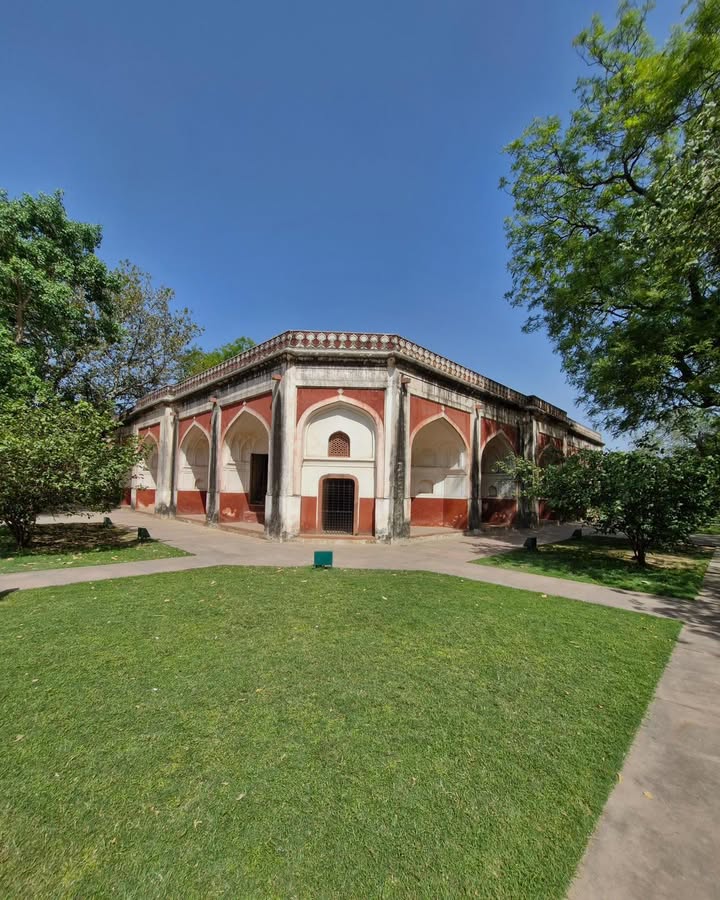
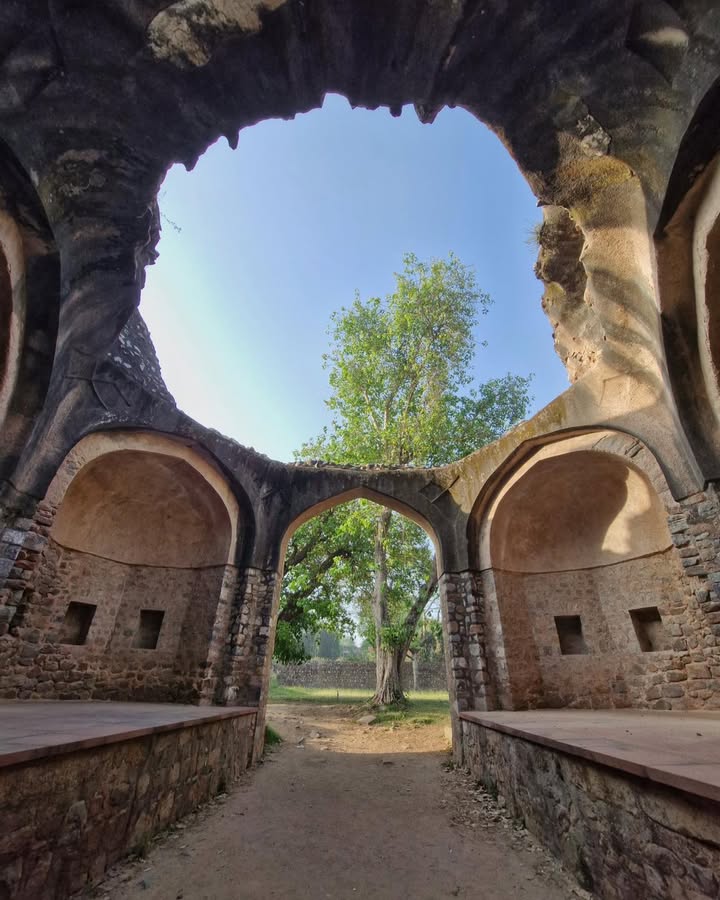
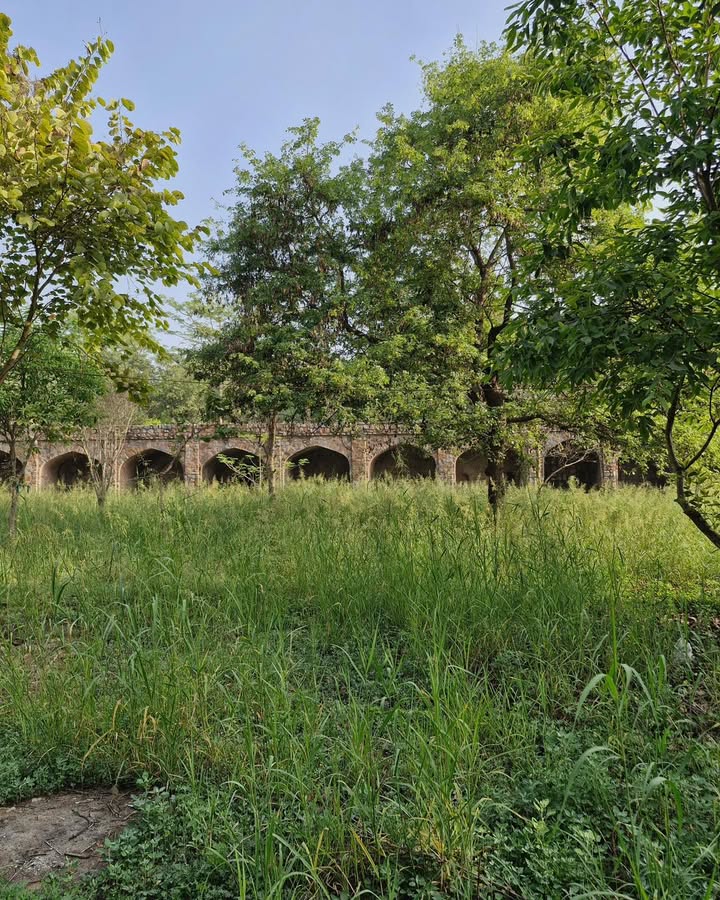
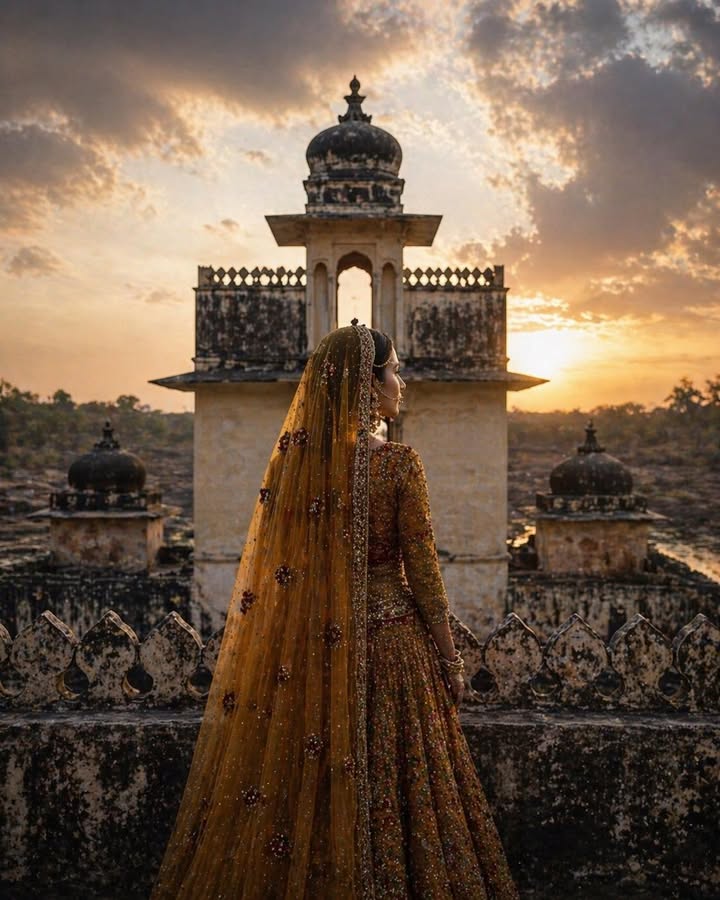
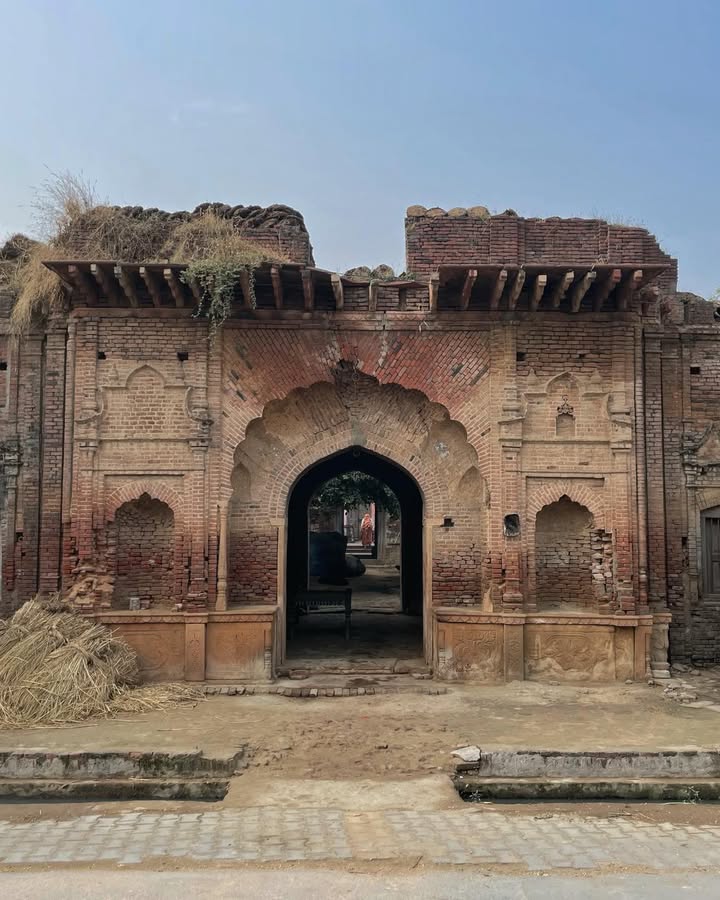
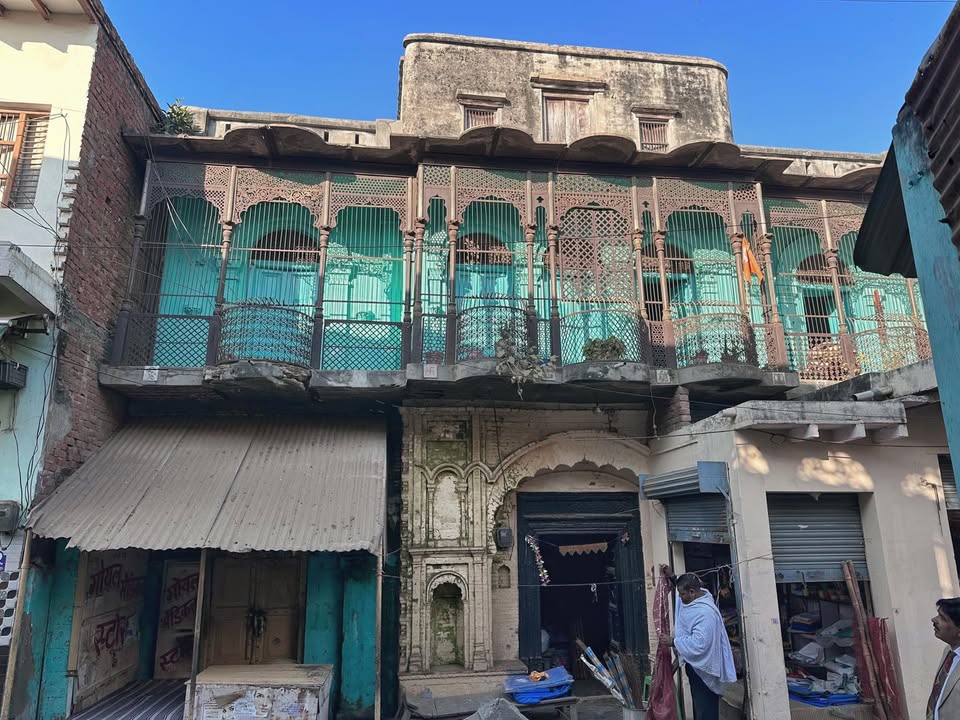
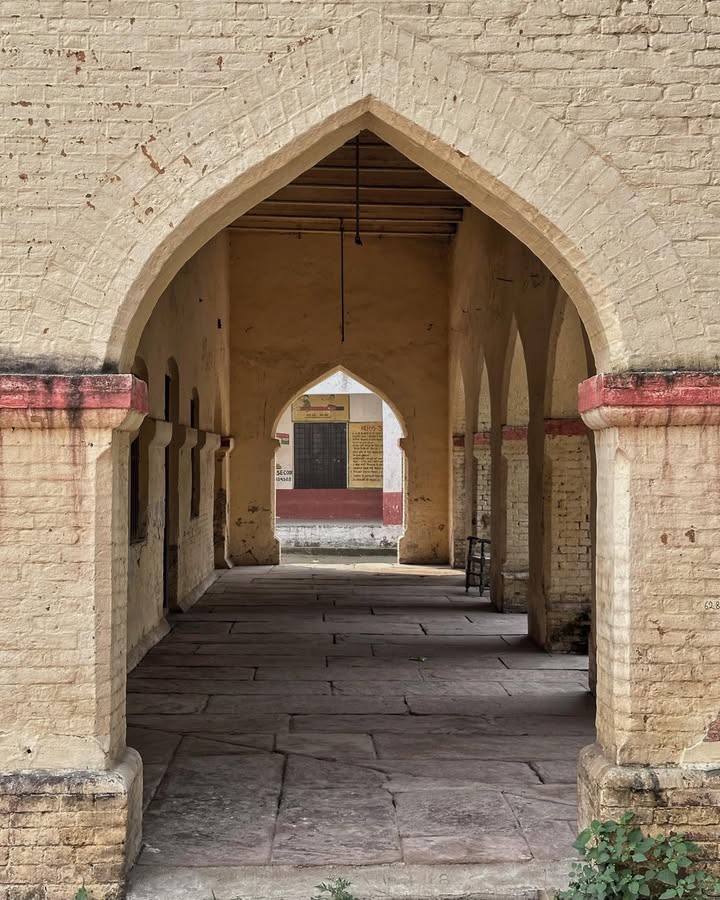
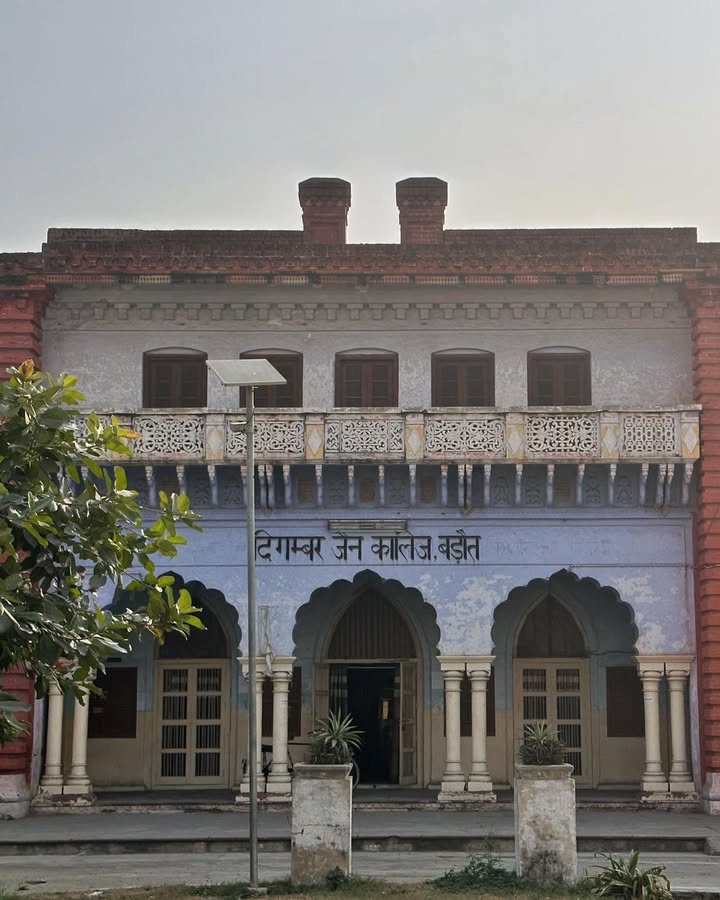
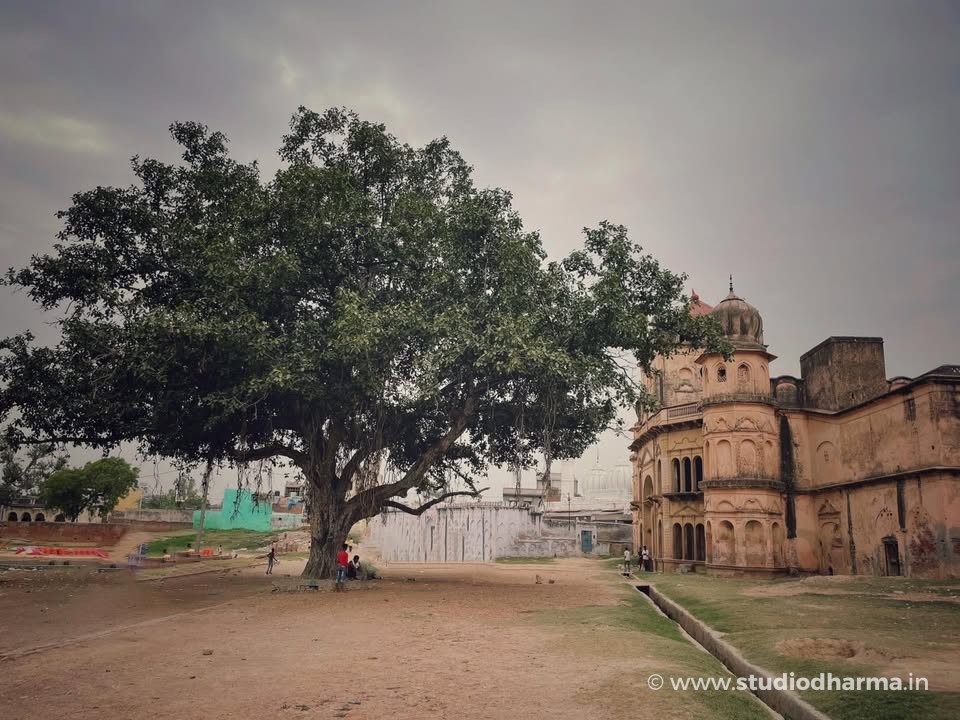
Today, Danpur Estate stands weathered yet dignified—its walls echoing stories of sovereignty, reform, devotion, and survival. It remains not just a monument, but a living chapter of Bulandshahar’s layered heritage.
This story is part of my effort to document forgotten heritage narratives of North India.
Explore more such histories in my premium coffee table book ITIHASNAMA by StudioDharma.
Purchase link
दानपुर रियासत, बुलन्दशहर
लालखानी विरासत की जीवित दास्तान
उत्तर प्रदेश के बुलन्दशहर ज़िले के दानपुर गांव में स्थित दानपुर रियासत केवल एक जागीर नहीं थी, बल्कि यह मुगलकाल से लेकर औपनिवेशिक भारत तक फैली सत्ता, आस्था और संघर्ष की सजीव गाथा रही है। यह रियासत लालखानी बडगुजर मुस्लिम राजपूतों की थी, जिनकी जड़ें सीधे मुगल दरबार से जुड़ी हुई थीं।
सम्राट अकबर के काल में प्रताप सिंह के वंशज राजा लालसिंह को उनकी निष्ठा के लिए राजा लाल खान की उपाधि प्रदान की गई। यहीं से लालखानी वंश की पहचान स्थापित हुई। शाहजहाँ के समय, 1639 ईस्वी में सलबहन सिंह को पहासू क्षेत्र के आसपास 64 गांवों की सनद प्राप्त हुई, जिससे दानपुर रियासत का वास्तविक विस्तार हुआ।
सरहिंद शरीफ के हजरत मुजद्दिद अल्फ़ सानी के आध्यात्मिक प्रभाव में आकर इसी वंश की मुस्लिम शाखा का उदय हुआ। इसके बाद दानपुर केवल सत्ता का केंद्र नहीं रहा, बल्कि धार्मिक और सांस्कृतिक चेतना का भी केंद्र बना।
दानपुर का किला, जिसका निर्माण हिजरी 1025 में राजा अनिराय द्वारा कराया गया, मुगल स्थापत्य का एक महत्वपूर्ण उदाहरण है। सात गुंबद, चार मीनारें और महिला मस्जिद आज भी इसके गौरव की कहानी कहते हैं। किले से राजघाट तक जाने वाली सुरंगों और विशाल घंटे से जुड़ी कथाएँ आज भी लोकस्मृति में जीवित हैं, भले ही वे ऐतिहासिक प्रमाणों से परे हों।
अठारहवीं–उन्नीसवीं शताब्दी में रियासत को अंग्रेज़ी सत्ता से संघर्ष करना पड़ा। नवाब नाहर अली खान और उनके उत्तराधिकारियों की भूमि कई बार जब्त और पुनः बहाल की गई। समय के साथ मर्दन अली खान जैसे शासकों ने संपत्ति का विस्तार कर बुलन्दशहर, अलीगढ़ और मथुरा के लगभग 200 गांवों तक इसे फैलाया।
लालखानी परिवार का योगदान शिक्षा और प्रशासन में भी उल्लेखनीय रहा। सर सैयद अहमद खान के साथ इनके संबंधों ने अलीगढ़ आंदोलन को मजबूती दी। इसी वंश के नवाब सर मोहम्मद अहमद सईद खान छत्तारी भारत के सार्वजनिक जीवन की एक महत्वपूर्ण हस्ती बने, जिन्होंने मुख्यमंत्री, राज्यपाल और अलीगढ़ मुस्लिम विश्वविद्यालय के कुलाधिपति जैसे पदों को सुशोभित किया।
आज दानपुर रियासत के अवशेष मौन हैं, पर उनकी दीवारों में इतिहास अब भी सांस लेता है—एक ऐसा इतिहास जो सत्ता, सेवा, शिक्षा और आस्था की साझी विरासत है।
यह लेख उत्तर भारत की भूली-बिसरी विरासत को संरक्षित करने के प्रयास का हिस्सा है।
मेरी प्रीमियम कॉफी टेबल बुक ITIHASNAMA by StudioDharma ऐसे ही ऐतिहासिक स्थलों और कथाओं को समर्पित है।
पुस्तक खरीदने का आधिकारिक लिंक: