
















Diwan-i-Aam: The Throne of the People.


Diwan-i-Aam: The Throne of the People.
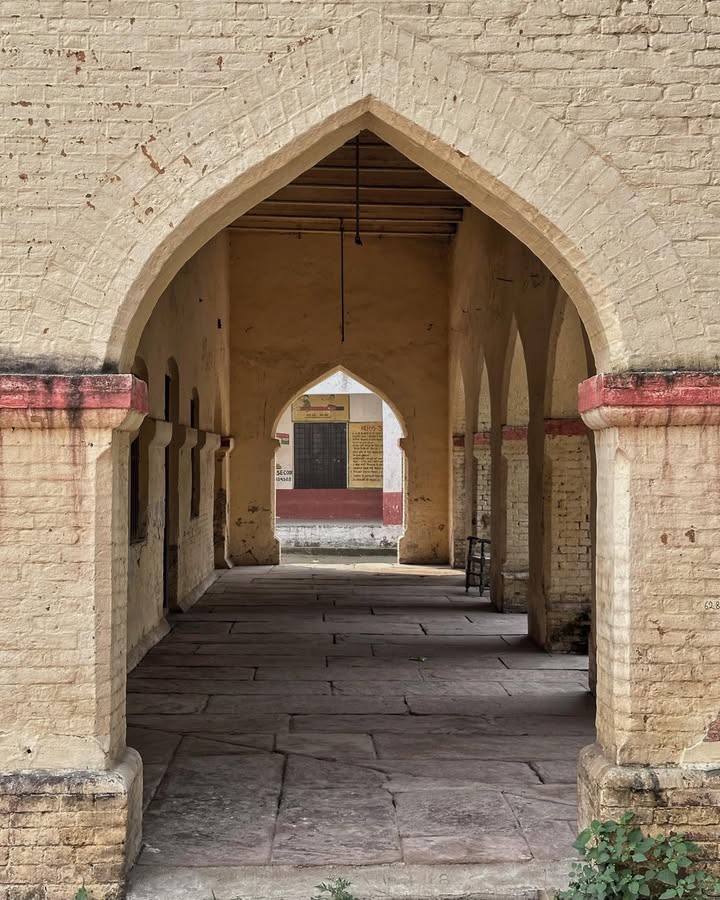
Built between 1631–1640, the Diwan-i-Aam or Hall of Public Audience at Agra Fort was where Emperor Shah Jahan addressed his subjects and nobility. Though made from red sandstone, it was covered in white shell plaster to resemble marble—his early expression of love for white stone.
The grand hall, with nine massive arches and three aisles, housed the Takht-i-Murassa (Throne Room)—an opulent marble jharokha inlaid with precious stones. From here, the emperor addressed petitions brought by his Wazir, seated below at the Baithak.
Hidden behind delicate marble jaalis, royal ladies observed these public ceremonies unseen, while nobles stood behind silver balustrades in a gold-accented hall—each according to rank. A majestic blend of imperial authority and Mughal artistry.
दीवान-ए-आम: जनता का दरबार
1631 से 1640 के बीच बना दीवान-ए-आम, आगरा किले का वह भव्य सभागार था जहाँ शाहजहाँ आम जनता और अमीर-उमराओं से संवाद करते थे। लाल बलुआ पत्थर से बना यह भवन सफ़ेद सीप की पलस्तर से ढका गया था ताकि यह संगमरमर जैसा दिखे—शाहजहाँ के संगमरमर प्रेम की शुरुआती झलक।
इस विशाल सभा भवन में नौ बड़े मेहराब और तीन गलियारे थे। ऊँचे मंच पर स्थित तख़्त-ए-मुरस्सअ (सजाया गया सिंहासन) एक संगमरमर की झरोखे में था, जिसमें कीमती पत्थरों की जड़ाई थी। इसी से बादशाह लोगों को संबोधित करते थे, और नीचे बैठक पर वज़ीर दरख़्वास्तें पेश करता था।
झरोखे के दोनों ओर की जालीदार संगमरमर खिड़कियों से शाही महिलाएँ बिना देखे गए दरबार को देखती थीं। वहीं अमीर लोग चाँदी की रेलिंगों के पीछे, अपने दर्जे के अनुसार खड़े होते थे। एक ऐसा दरबार जहाँ सत्ता और शिल्प की सुंदरता एक साथ दिखती थी।
.1