














❖ Nahar Jharokha, Mandu – A Glimpse of the King ❖.


❖ Nahar Jharokha, Mandu – A Glimpse of the King ❖.
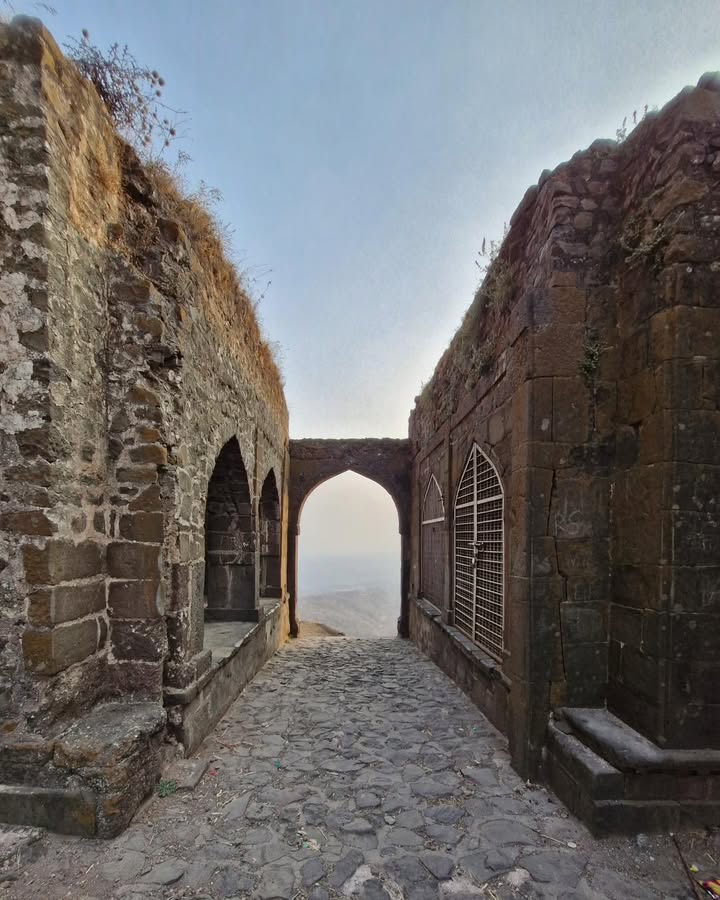
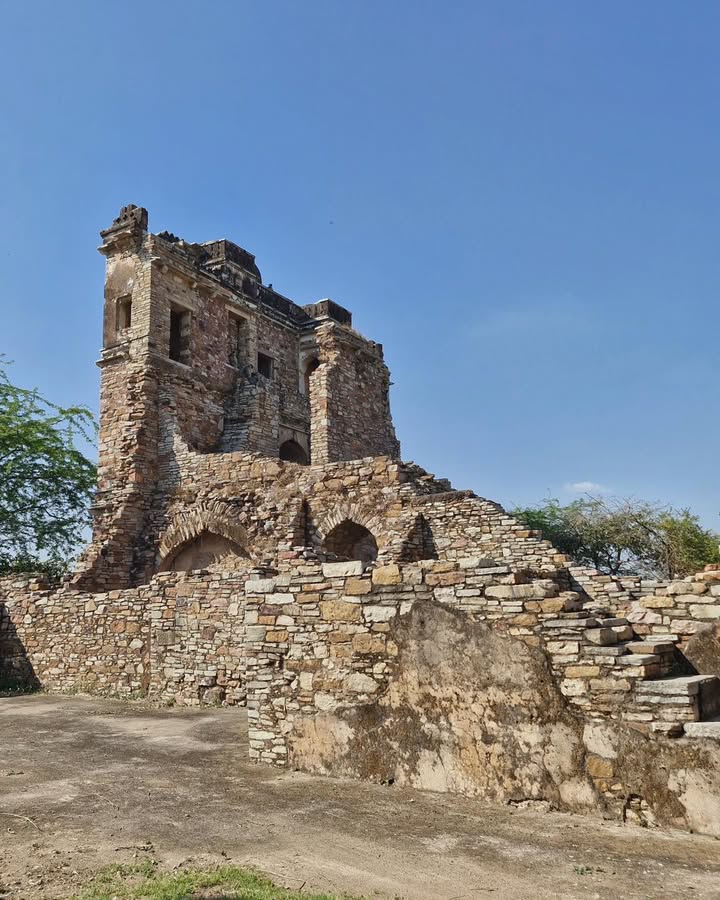
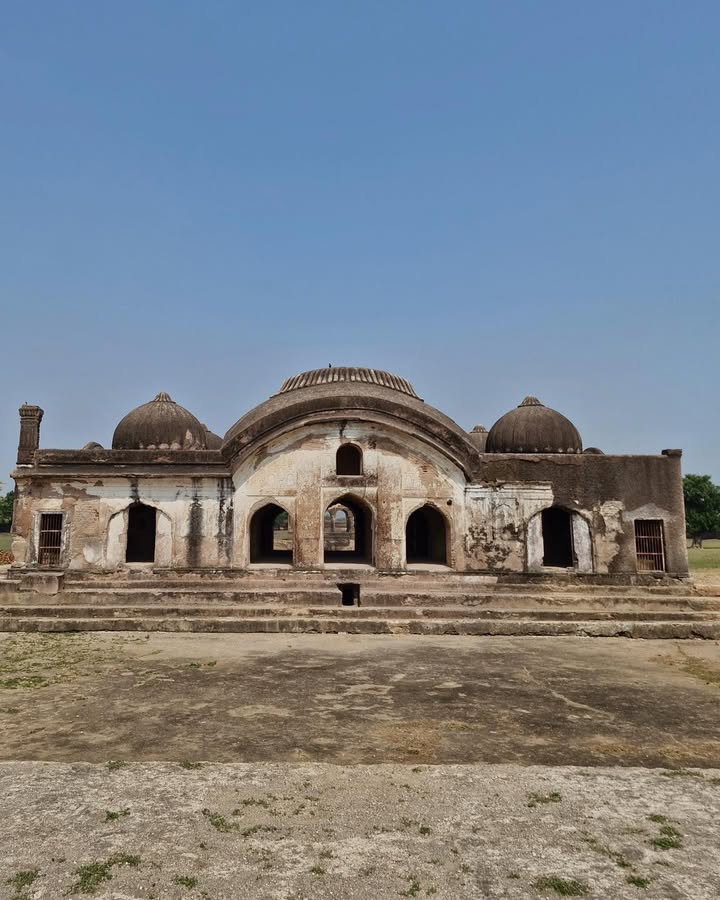
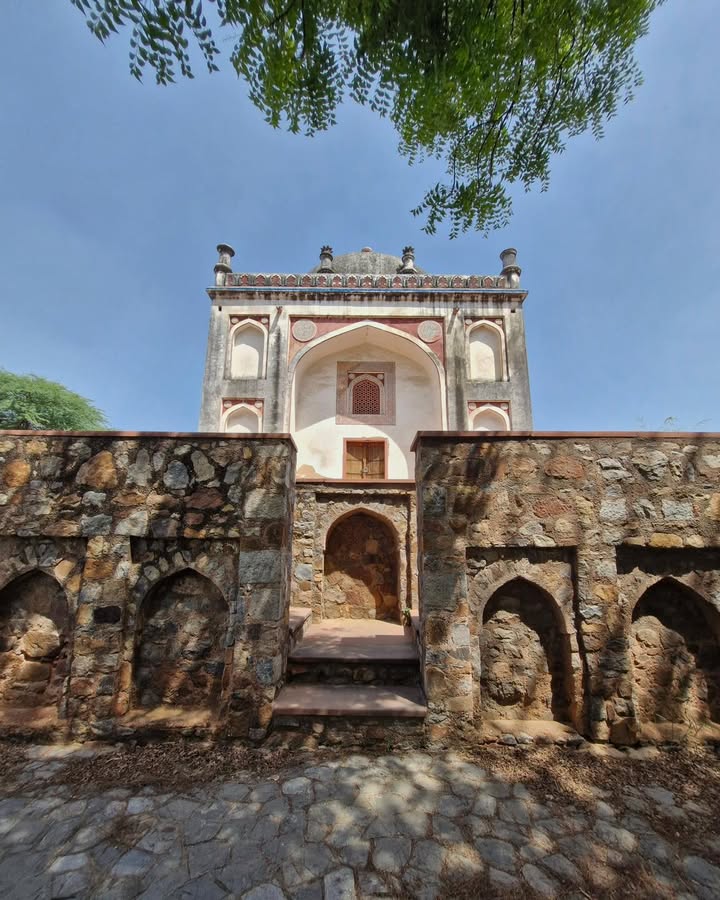
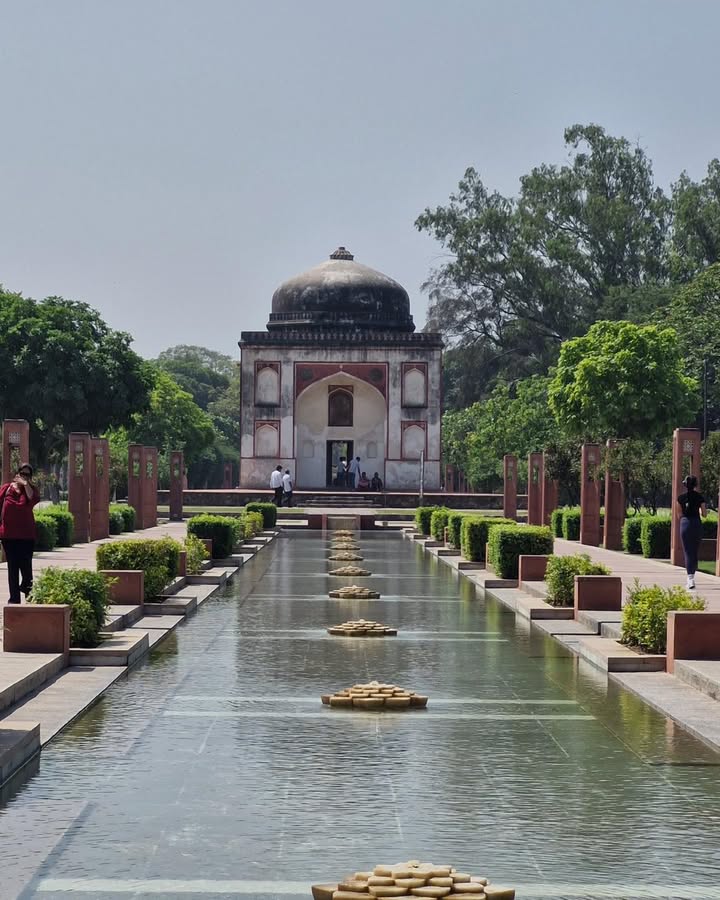
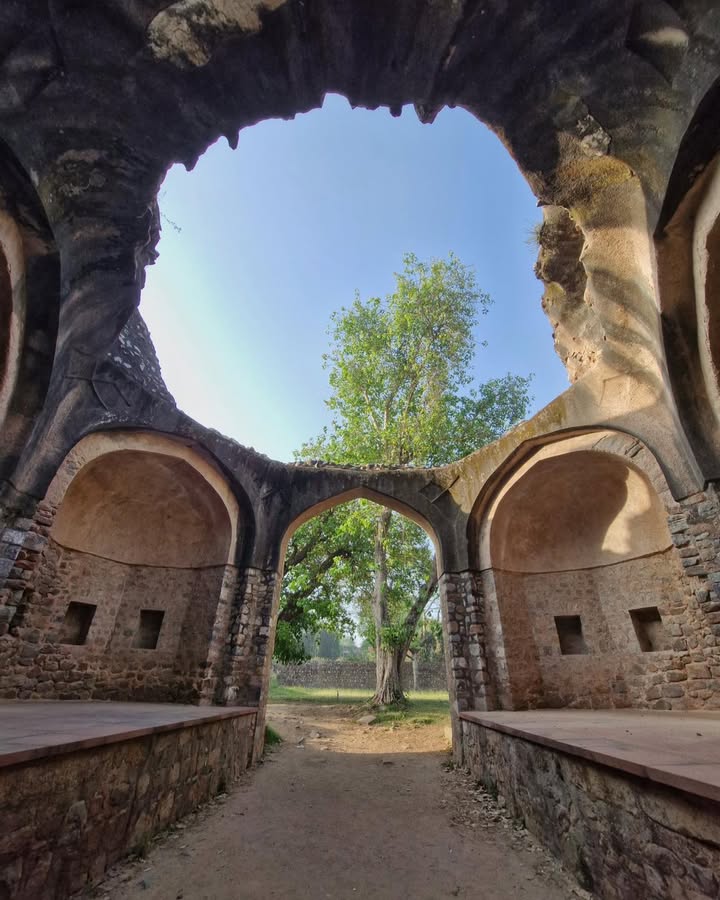
Set within the Royal Group of Monuments at Mandu, Nahar Jharokha stands quietly beside the Hindola Mahal, overlooking a vast courtyard that once connected ruler and subject. Located about 1.5 km from the Mandu bus stand, this fragmented balcony was an important part of the ceremonial life of the Malwa Sultanate.
Nahar Jharokha was designed as a royal viewing balcony, where the Sultan appeared before his people. Each morning, subjects gathered in the open courtyard below, waiting for a brief but meaningful sight of their ruler — a tradition rooted in Sultanate court culture and known well before the Mughal emperor Akbar’s arrival in Mandu.
The structure derives its name from a tiger (nahar) effigy that once supported the balcony, earning it the popular name “Tiger Balcony.” Though the effigy no longer survives, the name preserves its memory.
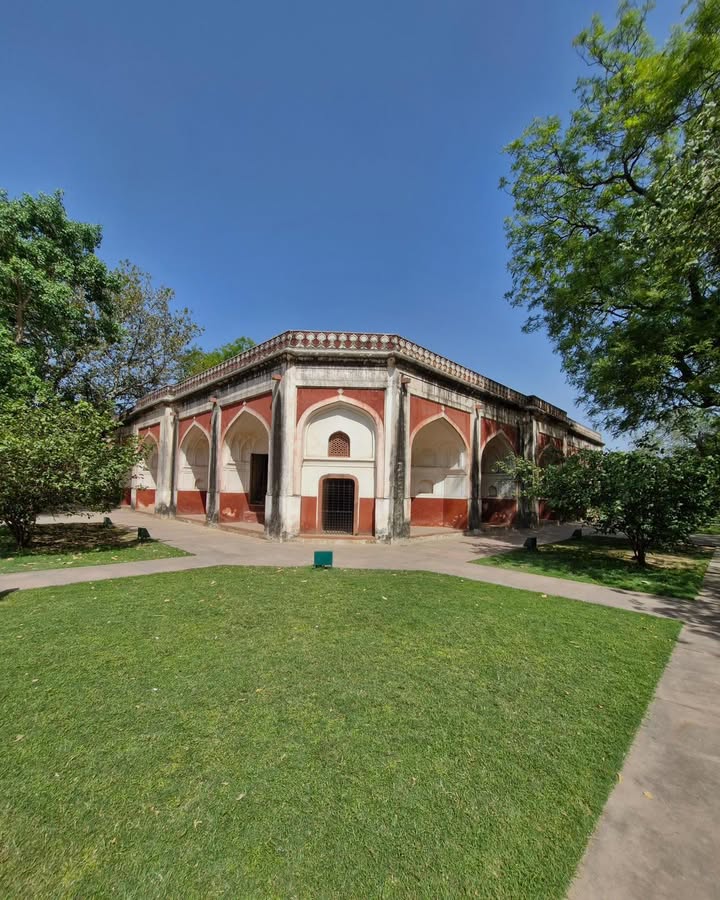
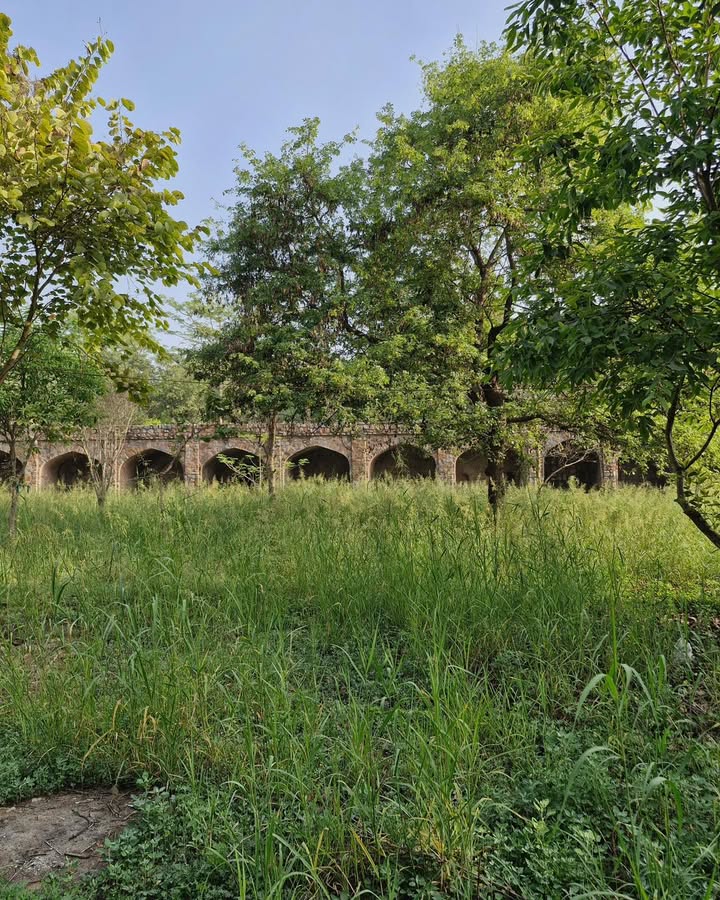
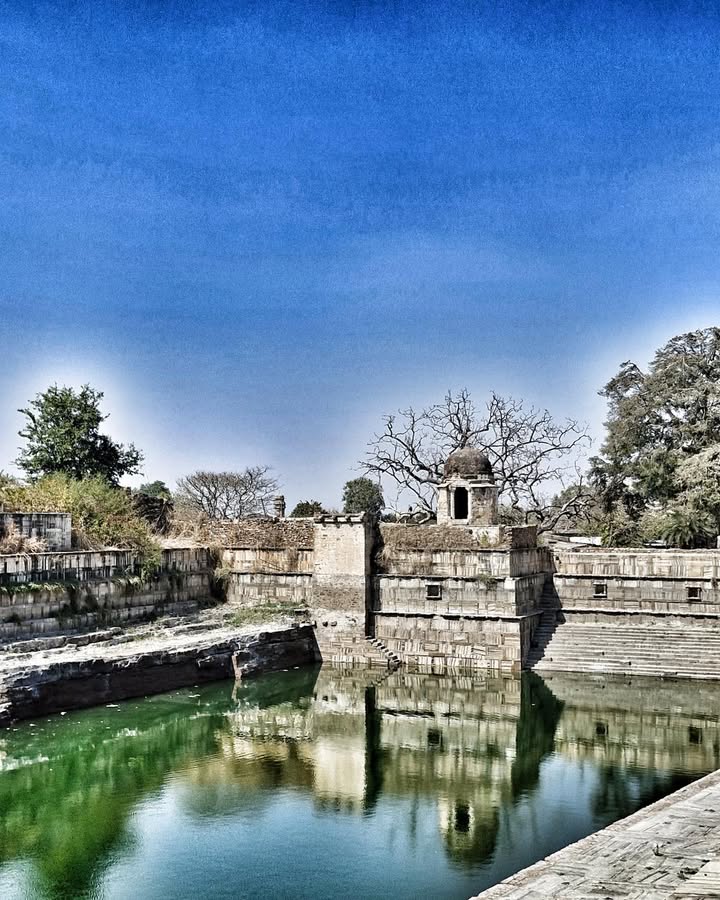
Behind the jharokha lies a double-storeyed Mughal-period building, with rooms arranged in rows on both levels. The ground floor is divided into halls, while the central courtyard contains a square water tank with traces of a fountain. Rainwater from the rooftop was carefully channelled into this tank through an aqueduct — a reminder of Mandu’s sophisticated water-management systems.
Today, Nahar Jharokha remains a silent witness to a time when architecture served power, visibility, and public connection — not through grandeur alone, but through presence.
This post is part of a larger journey into India’s forgotten heritage.
ITIHASNAMA by StudioDharma is a premium coffee table book featuring 25 carefully researched heritage stories of Meerut, captured through photography and narrative storytelling.
To purchase your copy, use the official link:
❖ नाहर झरोखा, मांडू – राजा की एक झलक ❖
मांडू के रॉयल स्मारक समूह में स्थित नाहर झरोखा, हिंडोला महल के समीप एक शांत लेकिन अर्थपूर्ण संरचना है। मांडू बस स्टैंड से लगभग 1.5 किलोमीटर की दूरी पर स्थित यह खंडित बालकनी, मालवा सल्तनत के शाही दरबार और जनता के बीच संवाद का एक महत्वपूर्ण माध्यम थी।
नाहर झरोखा वह स्थान था जहाँ से सुल्तान अपनी प्रजा को दर्शन देते थे। हर सुबह लोग विशाल प्रांगण में एकत्र होकर अपने शासक की एक झलक पाने की प्रतीक्षा करते थे। यह परंपरा सल्तनत काल से जुड़ी मानी जाती है और मुगल सम्राट अकबर के मांडू आगमन से भी पहले प्रचलित थी।
इस झरोखे का नाम उस बाघ (नाहर) की प्रतिमा से जुड़ा है, जो कभी बालकनी को सहारा देती थी। यद्यपि वह प्रतिमा अब मौजूद नहीं है, लेकिन उसका स्मरण इस संरचना के नाम में आज भी जीवित है।
झरोखे के पीछे एक मुगलकालीन दो-मंज़िला भवन स्थित है, जिसमें दोनों मंज़िलों पर कमरों की कतारें हैं। आंगन के मध्य एक वर्गाकार जलकुंड है, जिसमें कभी फव्वारे के अवशेष रहे हैं। छत से वर्षा जल को जलकुंड तक पहुँचाने के लिए जल-प्रणाली बनाई गई थी — जो मांडू की उन्नत जल-संरचना का प्रमाण है।
आज नाहर झरोखा इतिहास की उस परंपरा का साक्षी है, जहाँ सत्ता और जनता के बीच संबंध स्थापत्य के माध्यम से स्थापित होते थे।
यह पोस्ट स्टूडियोधर्मा की उस विरासत यात्रा का हिस्सा है, जिसमें भारत के भूले-बिसरे ऐतिहासिक स्थलों को सहेजा गया है।
ITIHASNAMA एक प्रीमियम कॉफी टेबल बुक है, जिसमें मेरठ के 25 ऐतिहासिक अध्याय शामिल हैं।
पुस्तक खरीदने के लिए आधिकारिक लिंक:
.1