
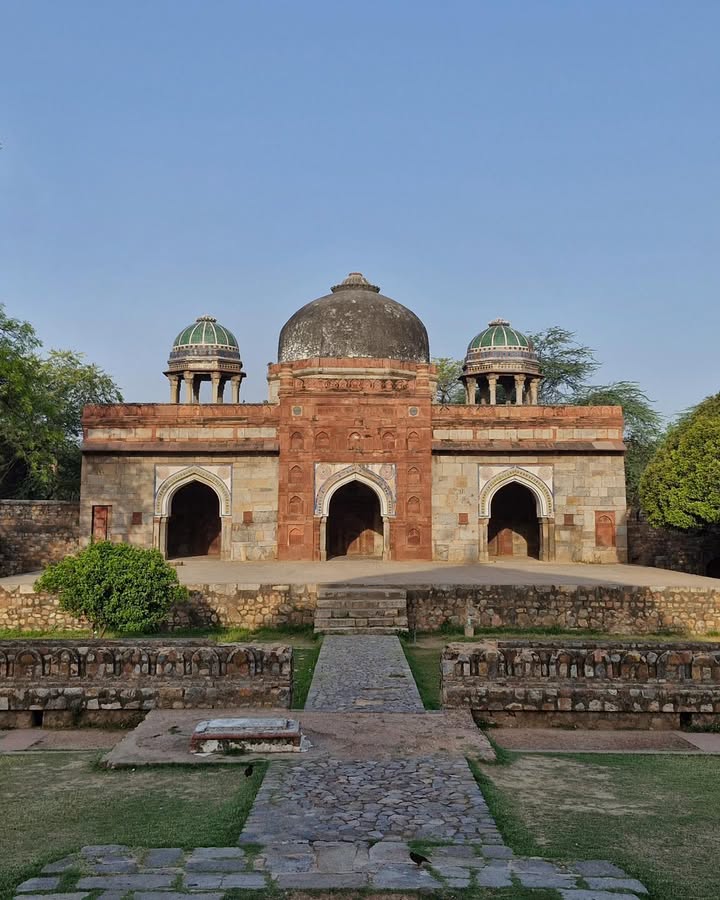
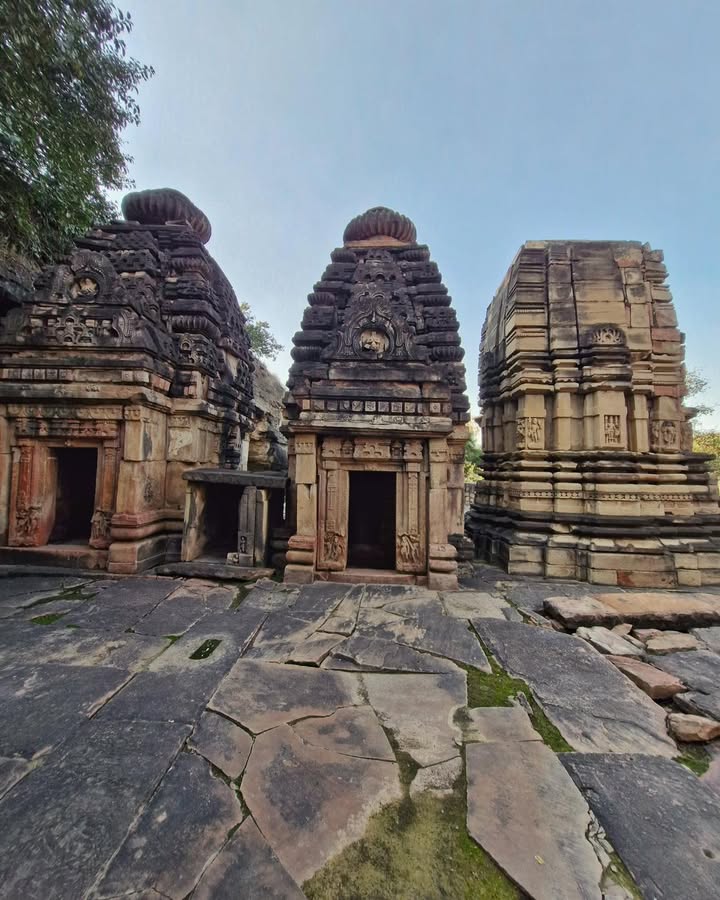
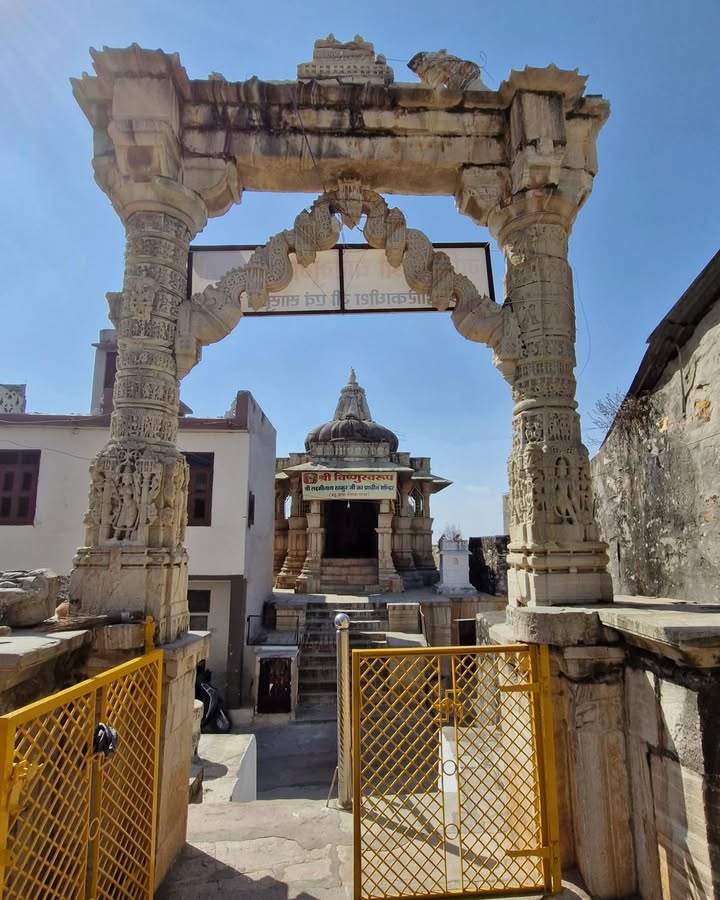
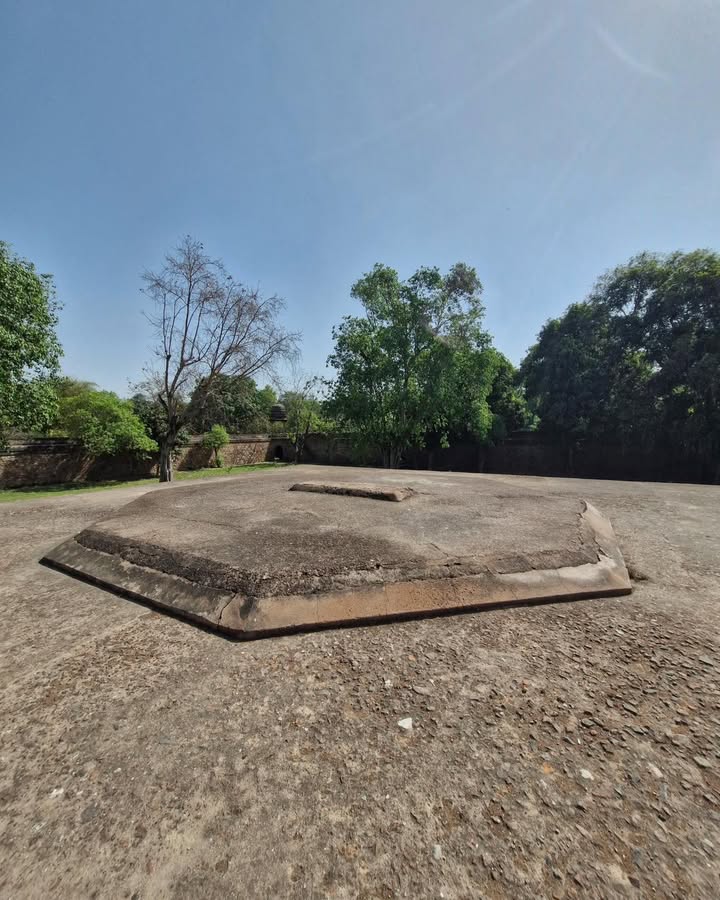












Pachmadhi Masjid, Chanderi.


Pachmadhi Masjid, Chanderi.
A Ruined Name Echoing Water, Worship and Time
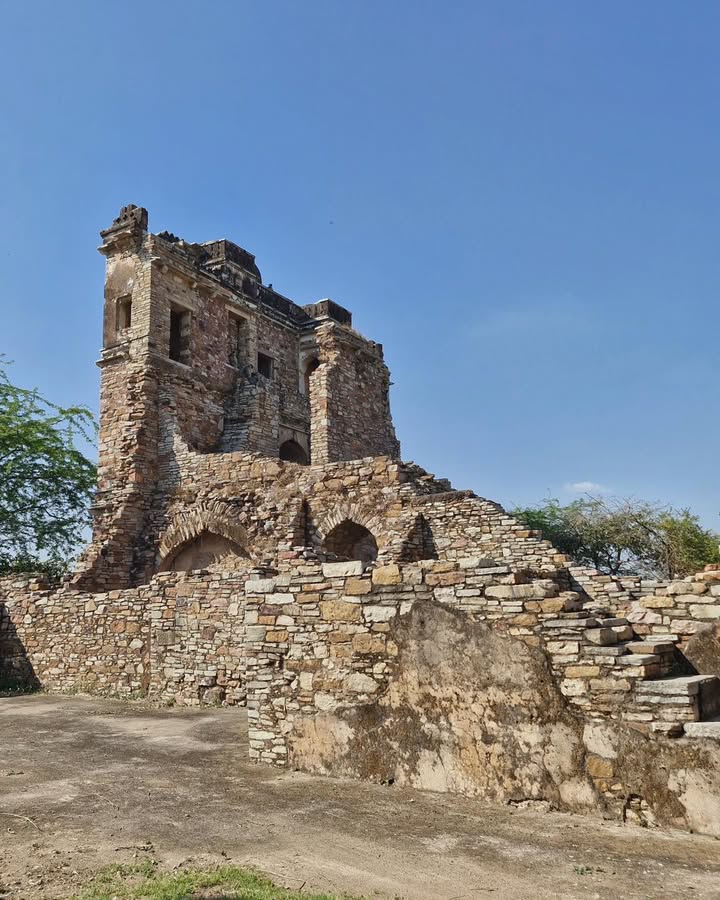
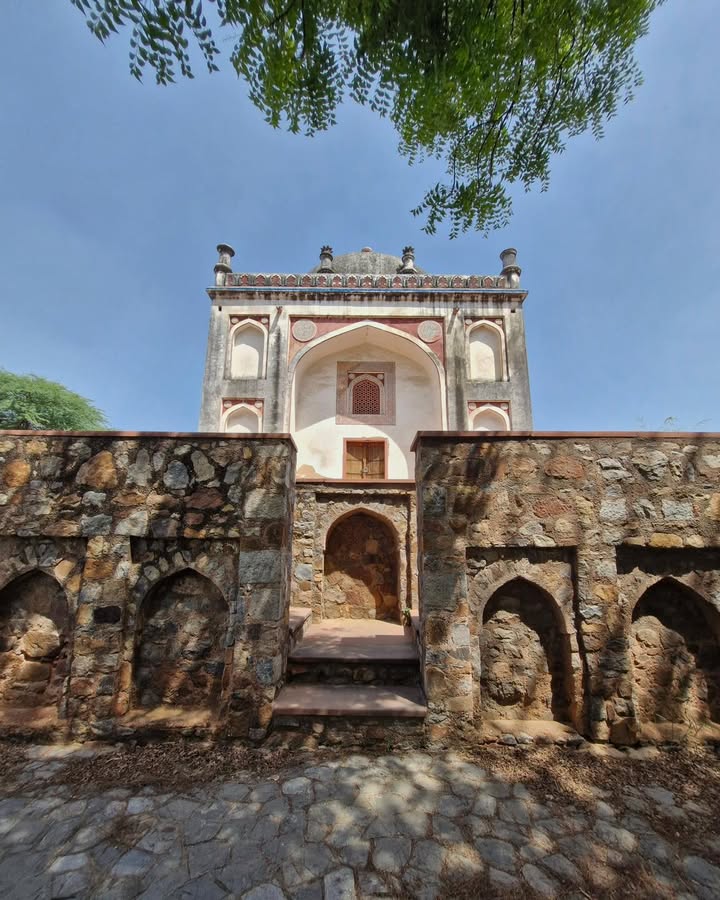
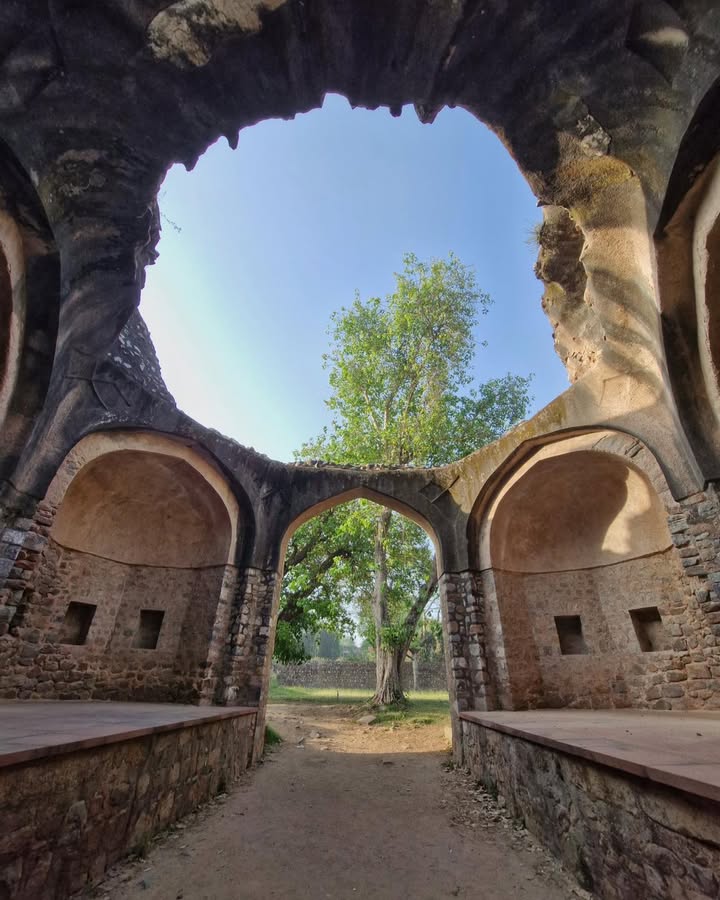
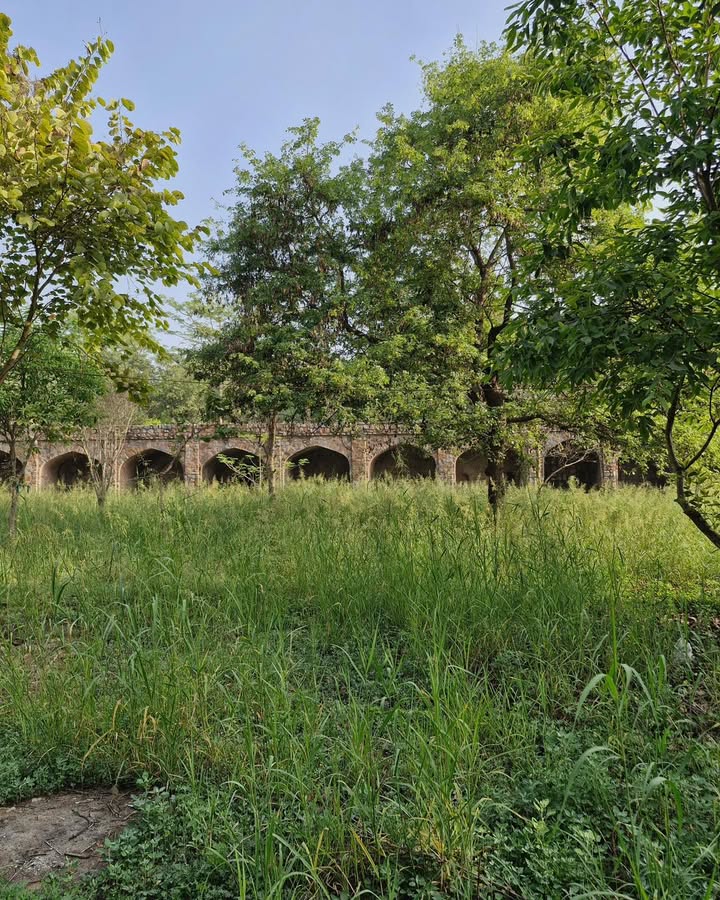
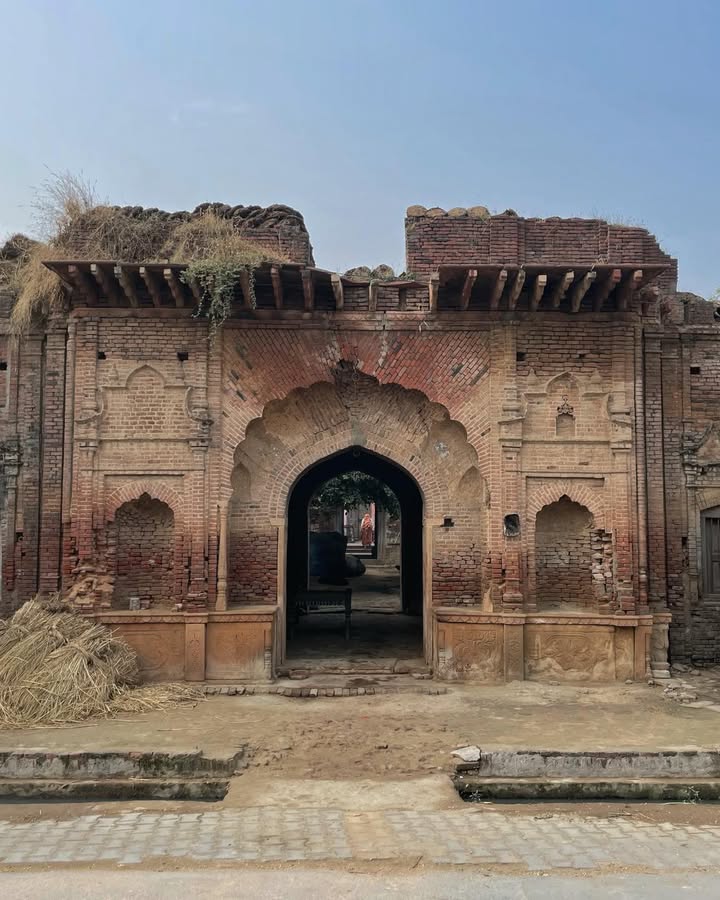
Hidden quietly among the layered ruins of Chanderi, the Pachmadhi Masjid is not a grand imperial monument, yet it carries a deeply evocative presence. The name Pachmadhi is believed to originate from five vaulted domes that once crowned the structure. Today, all five lie damaged, leaving behind a broken skyline that still hints at its former rhythm.
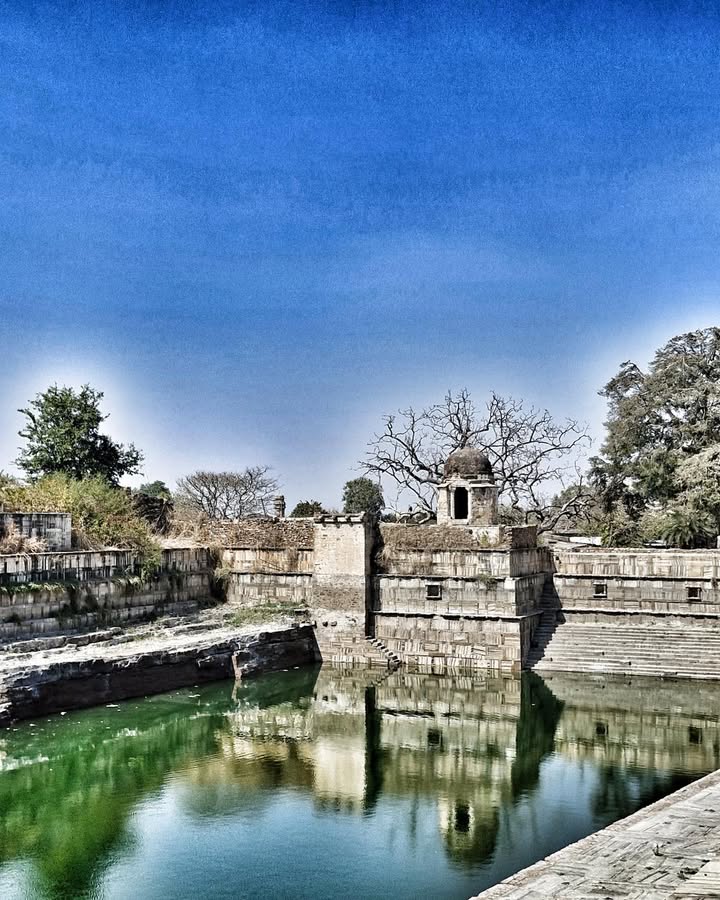
Dating approximately to the 15th century, the structure stands beside a small stepwell, a pairing that reflects how water and worship were inseparable in medieval town planning. Beneath the mosque lies a basement, suggesting use beyond prayer alone—possibly for rest, storage, or shelter during extreme seasons.
What makes Pachmadhi intriguing is that it does not appear prominently in imperial chronicles. Unlike monumental constructions such as Badal Mahal Gate, associated with Mahmud Shah Khilji, Pachmadhi survives largely through local memory and spatial context rather than textual glorification.
Chanderi itself evolved through Hindu, Malwa Sultanate, and Mughal phases, absorbing each layer into its architecture. Many scholars and heritage listings suggest that “Pachmadhi” may originally have referred to a baoli or water structure, with a modest mosque developing alongside it—serving local communities rather than royal spectacle.
Today, the Pachmadhi Masjid stands as a fragment—neither fully documented nor entirely forgotten. Its broken domes, silent basement, and neighboring stepwell together remind us that history often survives not in grandeur, but in quiet continuity.
Discover many such overlooked layers of heritage in ITIHASNAMA — a premium coffee table book by StudioDharma, curating forgotten histories through authentic research and visual storytelling.
Purchase link:
पचमढ़ी मस्जिद, चंदेरी
जल, इबादत और समय की टूटी हुई स्मृति
मध्य प्रदेश के ऐतिहासिक नगर Chanderi में स्थित पचमढ़ी मस्जिद किसी विशाल शाही इमारत की तरह प्रसिद्ध नहीं है, लेकिन इसकी खामोशी अपने आप में इतिहास बोलती है। माना जाता है कि पचमढ़ी नाम उन पाँच गुम्बदों से जुड़ा है, जो कभी इस मस्जिद की छत पर थे और आज पूरी तरह क्षतिग्रस्त हो चुके हैं।
लगभग 15वीं शताब्दी की यह संरचना एक छोटी बावड़ी के पास स्थित है, जो उस दौर की नगर योजना में जल और इबादत के गहरे संबंध को दर्शाती है। मस्जिद के नीचे बना तहखाना यह संकेत देता है कि इसका उपयोग केवल नमाज़ तक सीमित नहीं था।
चंदेरी की वास्तुकला हिन्दू, मालवा सल्तनत और मुगल काल की परतों से बनी है। जहाँ Badal Mahal Gate जैसे स्मारक शासकीय शक्ति के प्रतीक हैं, वहीं पचमढ़ी मस्जिद जैसे स्थल स्थानीय जीवन और स्मृति से जुड़े रहे।
ऐसा माना जाता है कि पचमढ़ी मूल रूप से एक जल संरचना थी, जिसके साथ यह मस्जिद विकसित हुई। आज यह स्थान अधूरी जानकारी और टूटे गुम्बदों के बीच खड़ा होकर हमें याद दिलाता है कि इतिहास हमेशा भव्य नहीं होता—कभी-कभी वह चुपचाप बचा रहता है।
ऐसी ही भूली-बिसरी विरासत कथाओं को संजोती है ITIHASNAMA — StudioDharma की एक प्रीमियम कॉफी टेबल बुक।
खरीदने के लिए लिंक: