











Pre-Partition Meerut — When a City Quietly Built Modern India.
Pre-Partition Meerut — When a City Quietly Built Modern India.
Long before 1947 reshaped the nation, Meerut was already shaping everyday India — not through grand monuments, but through work, craft, and systems that touched ordinary lives.
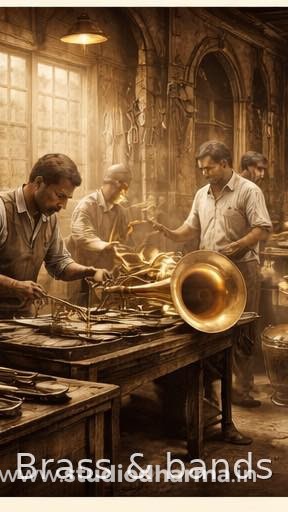
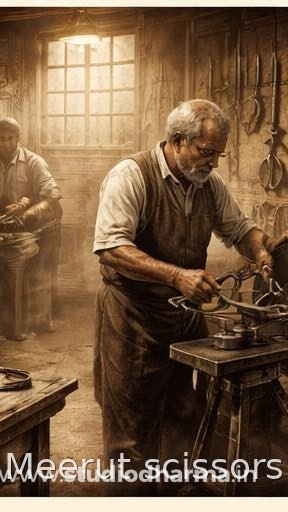
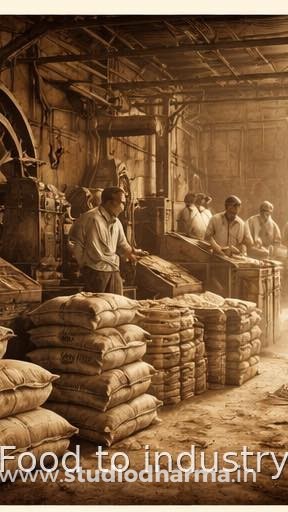
This was a city where industry grew alongside tradition. Organised soap manufacturing reflected an early understanding of hygiene and mass consumption. Flour processing began moving beyond the hand-chakki toward registered, mechanised mills, marking an important shift in food production. In small workshops, craftsmen forged Meerut’s famous scissors — tools valued for their durability, repairability, and long working life. In neighbouring lanes, brass instruments were shaped and polished, later becoming the unmistakable sound of bands across India.
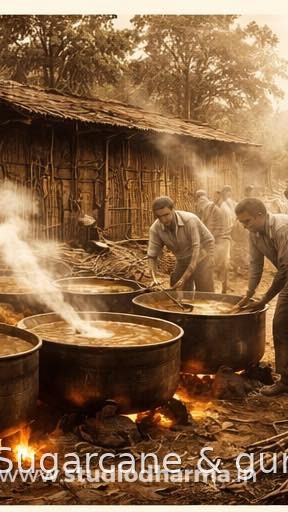
Beyond the city, Meerut’s countryside sustained a powerful agro-economy. Sugarcane was not just a crop but a livelihood. From fields to gur bhattas, jaggery was prepared through age-old methods, while pre-independence sugar factories in the region showed how traditional practices were slowly meeting organised industry.
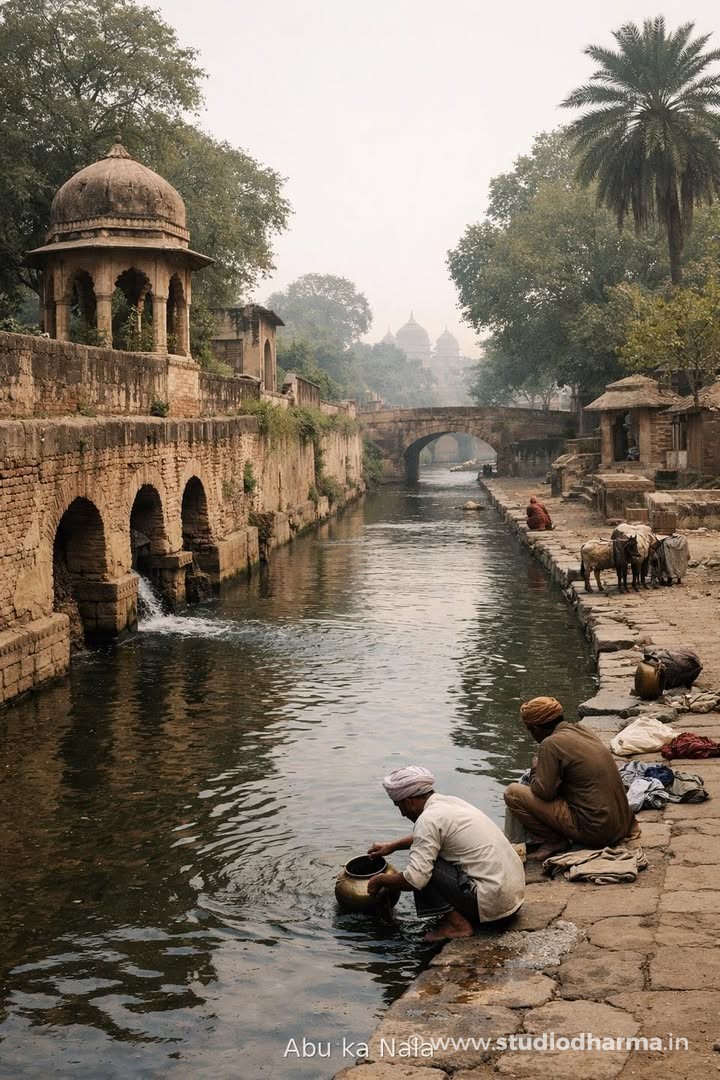
Water shaped Meerut long before modern utilities arrived. One of the city’s oldest and most significant water channels, Abu ka Nala, is believed to have originated during the Mughal period, traditionally associated with Nawab Abu in the 17th century. Conceived as a channel to bring fresh water toward the city from the Kali Nadi region, Abu ka Nala supported ponds, gardens, and settlements for generations. Over time, especially under colonial urban expansion, this historic watercourse gradually changed in function and was later absorbed into Meerut’s drainage network — a reminder of how older water systems were repurposed within modern city planning.
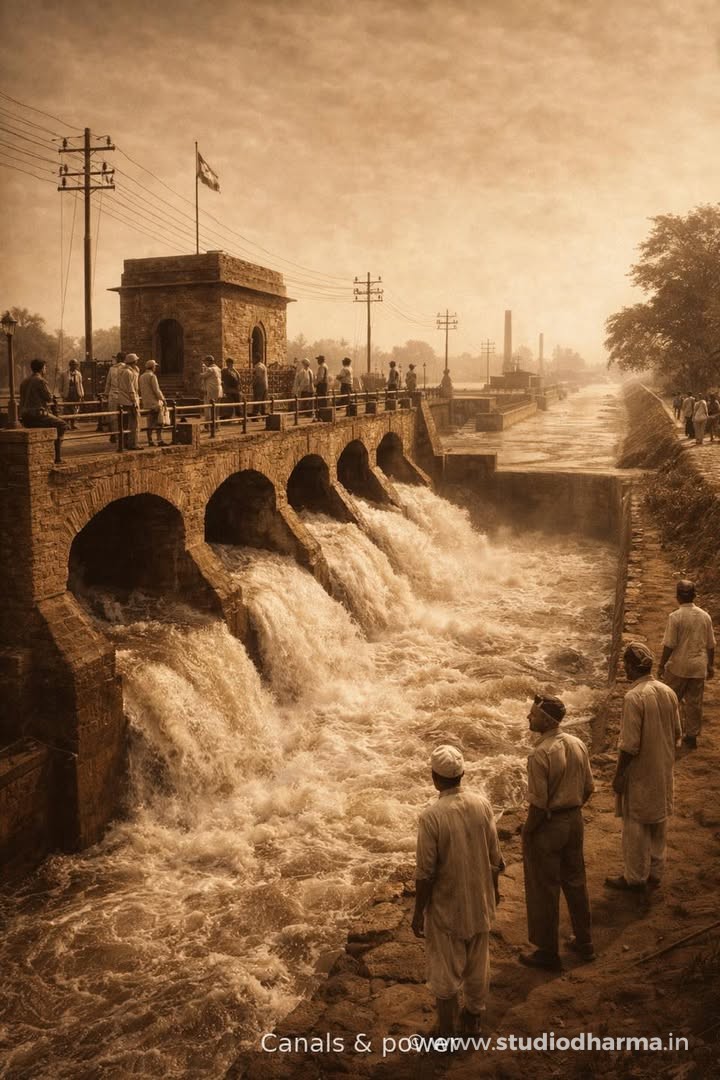
Infrastructure quietly supported this transformation. The Upper Ganga Canal redefined irrigation and water use, while canal “jhaal” sites like Bhola ki Jhaal became early centres of utility and power use. Electricity appeared gradually, not as spectacle but as necessity. The presence of one of North India’s largest cantonments shaped discipline, demand, healthcare, transport, and industrial standards across the city.
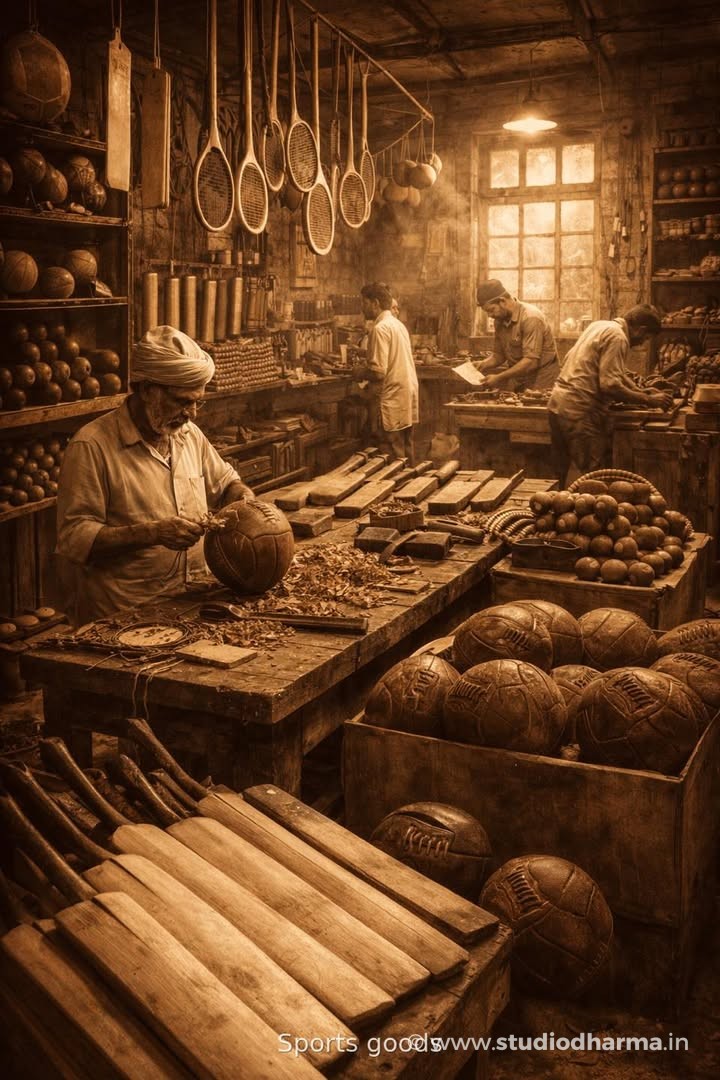
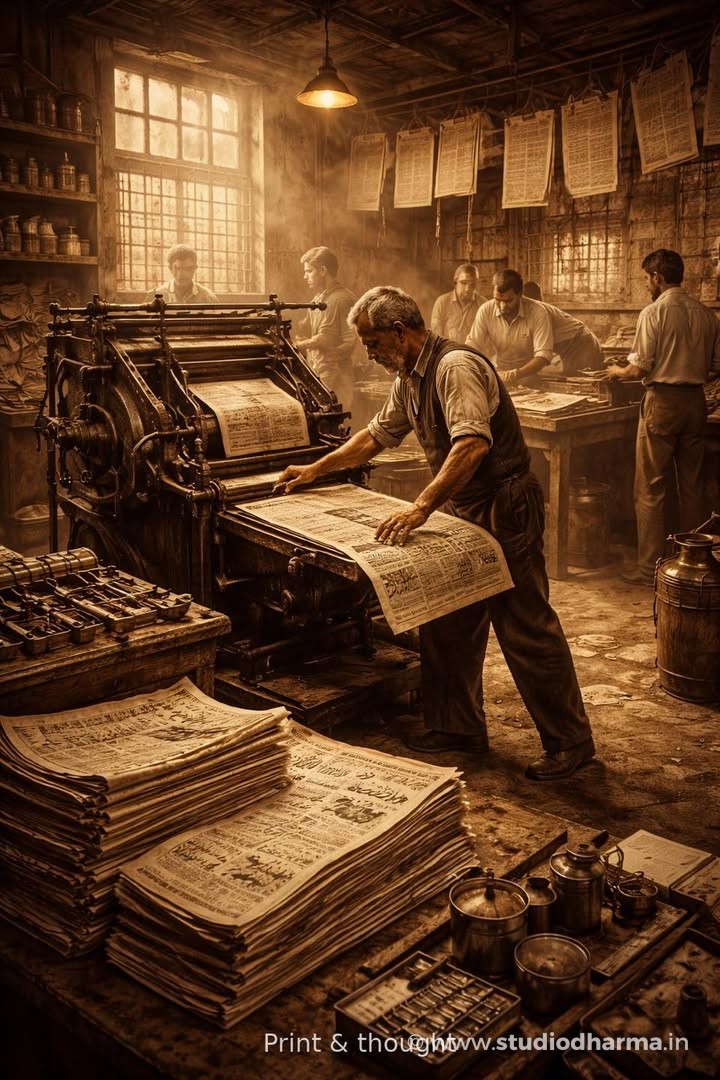
Meerut was also a city of skill and enterprise. Sports-goods manufacturing took root early here, supplying equipment for games that were spreading through institutions and public life. Printing presses and newspapers in Hindi and Urdu circulated ideas, while educational institutions trained generations for administration, public service, and industry.
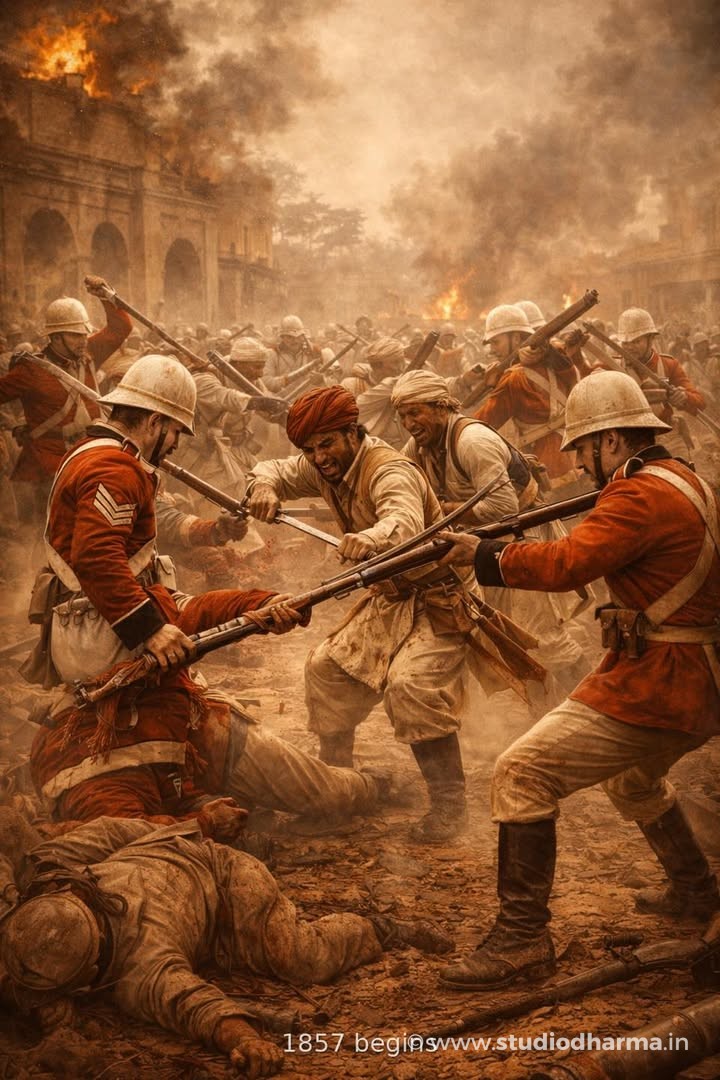
And alongside these industries and systems, Meerut witnessed one of the most defining moments of Indian history.
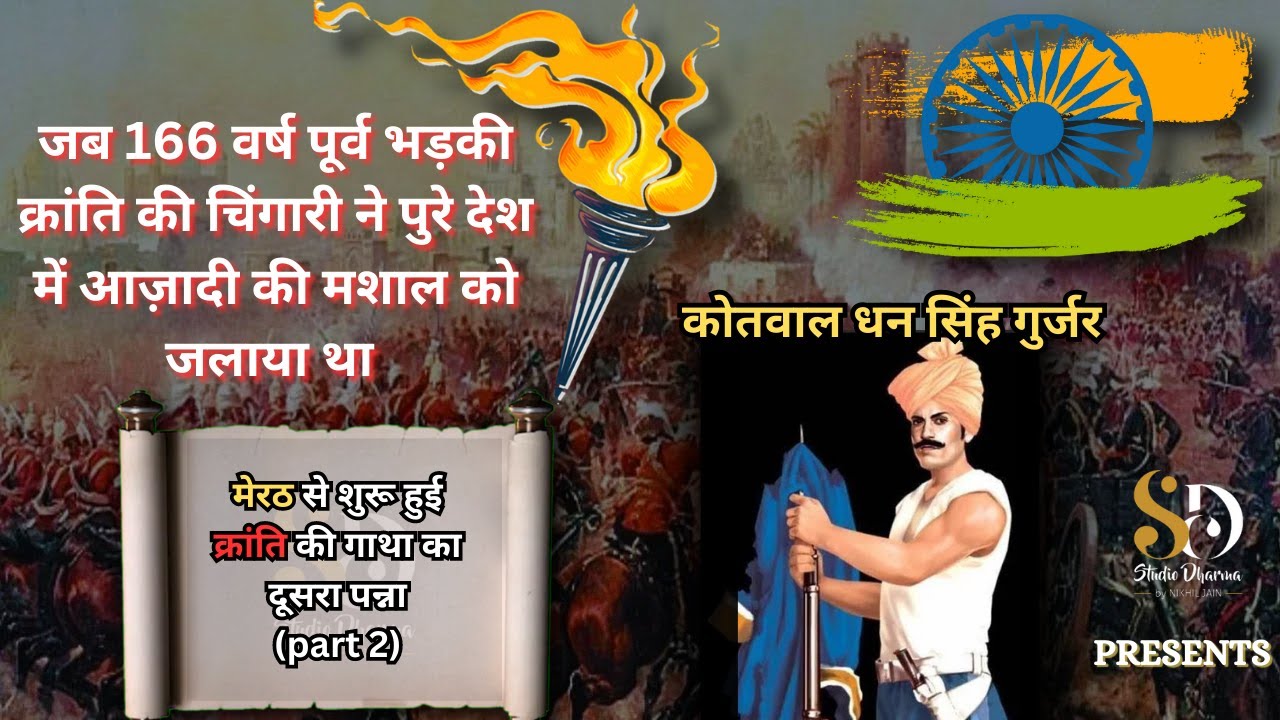
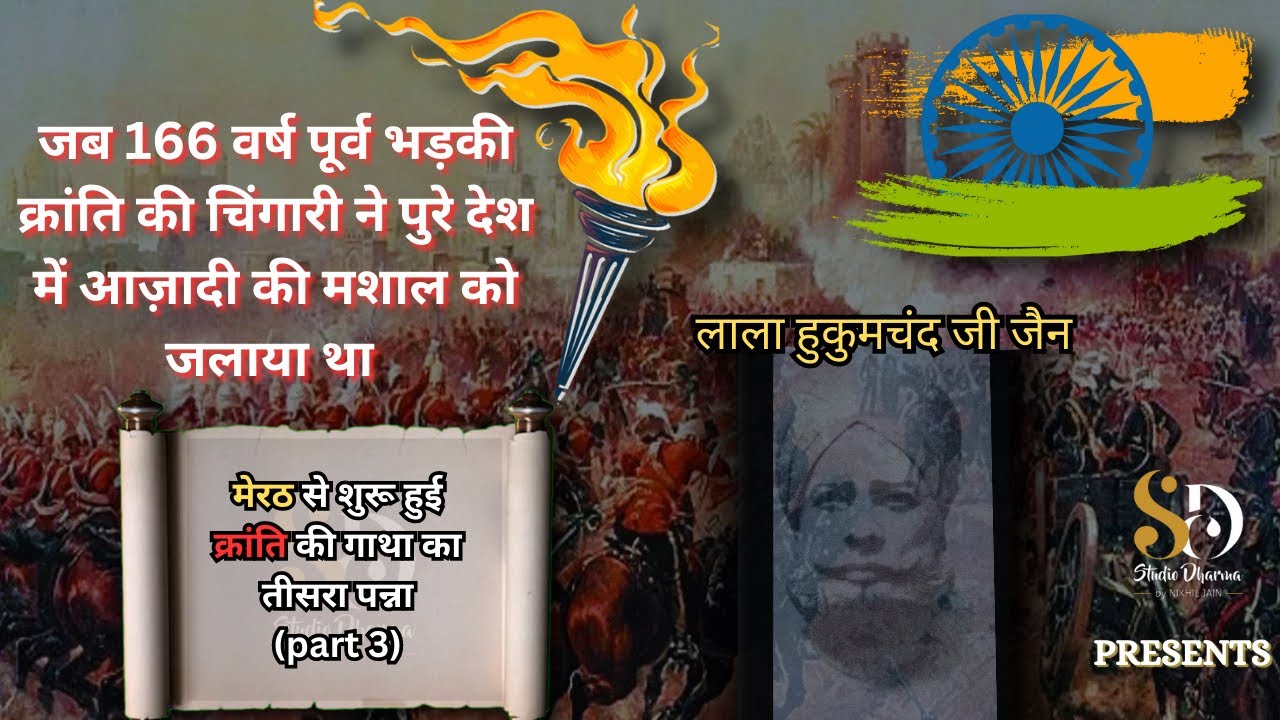
The uprising of 1857—widely regarded as India’s First War of Independence—began in Meerut, making the city a turning point in the country’s anti-colonial history.
History often remembers capitals and ports.
But cities like Meerut built the foundations of modern India — quietly, steadily, and long before independence.
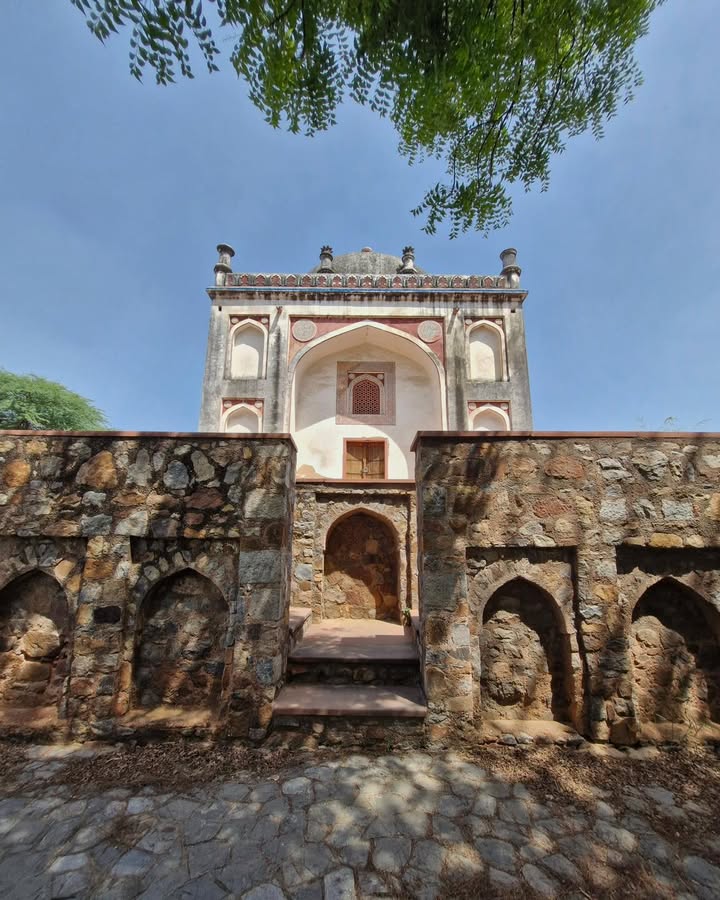
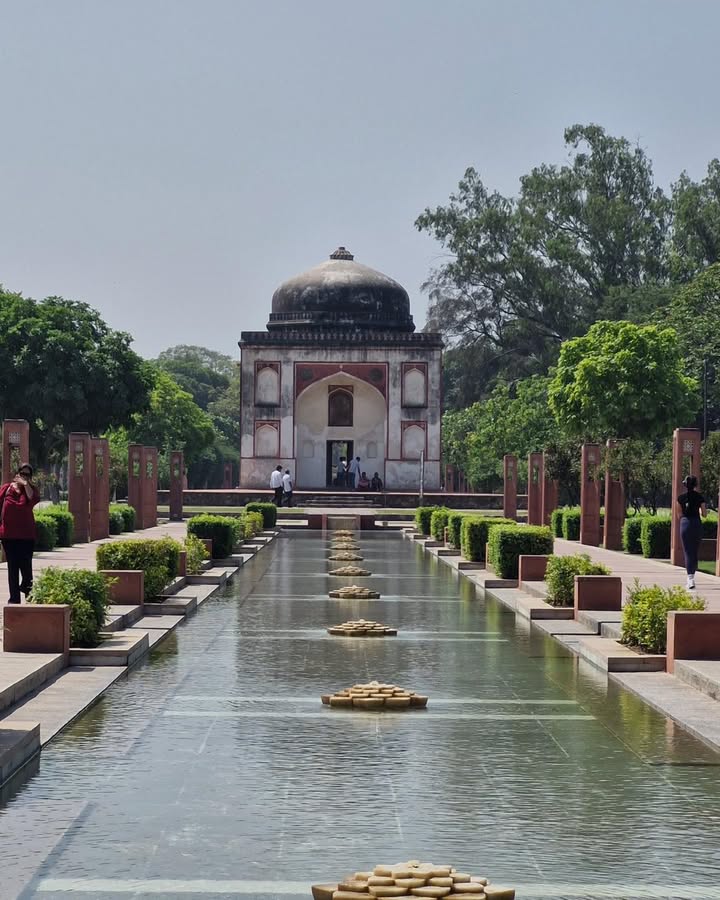
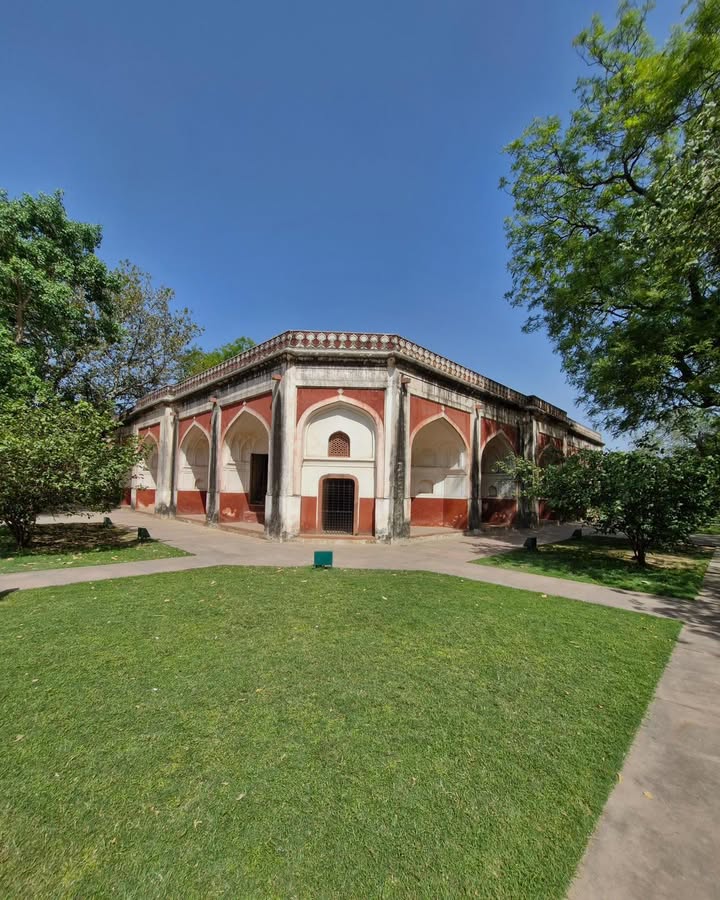
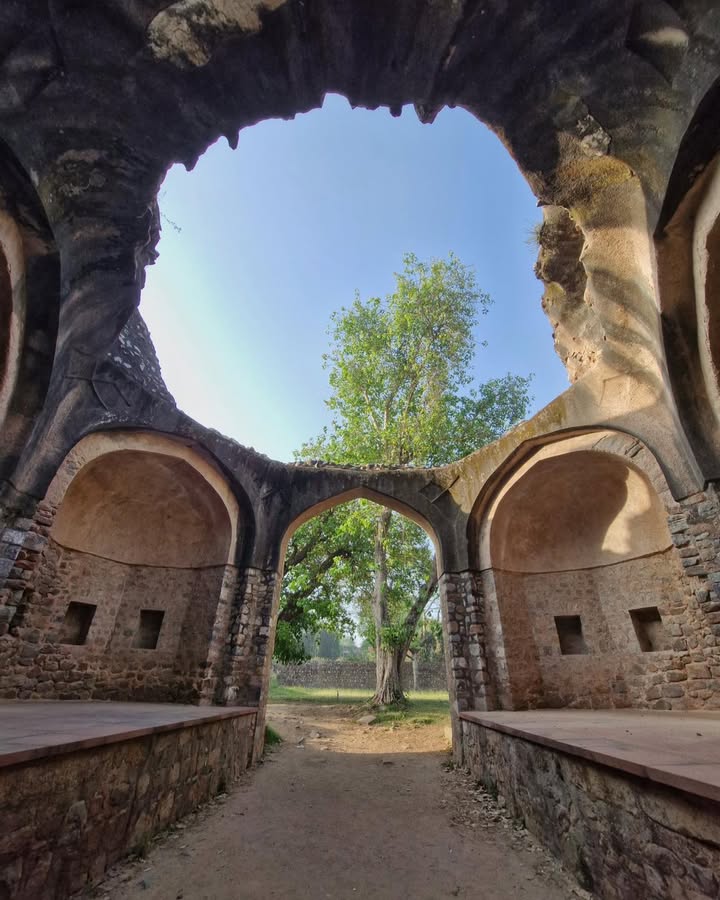
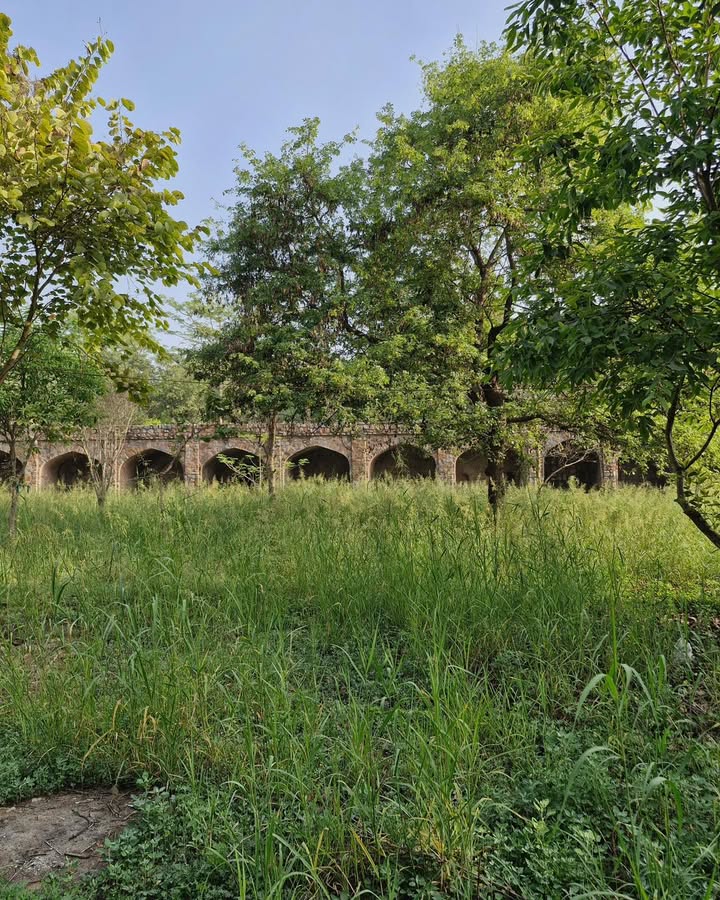
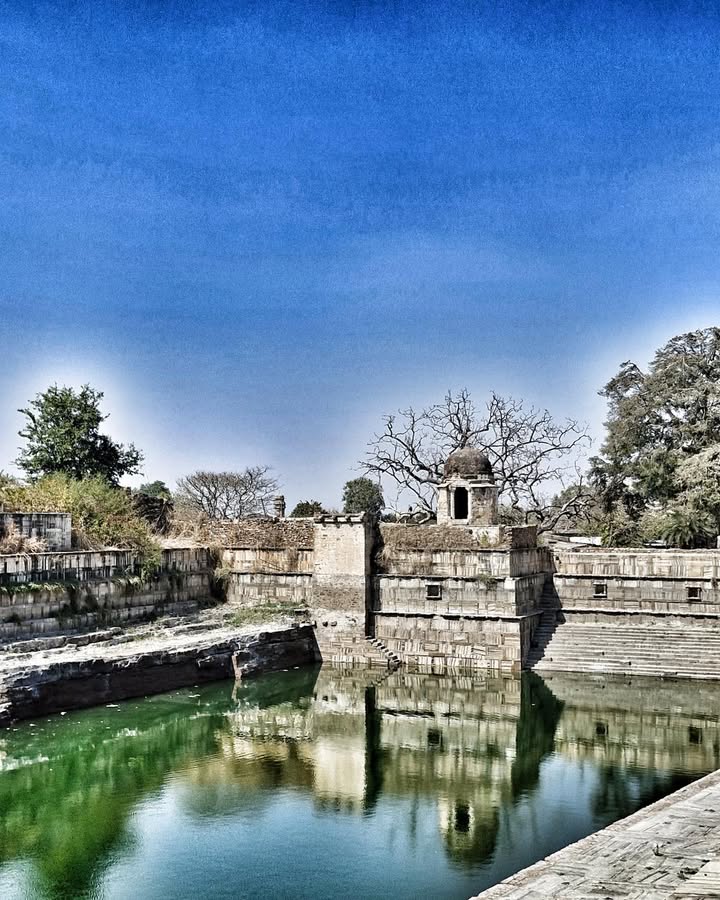
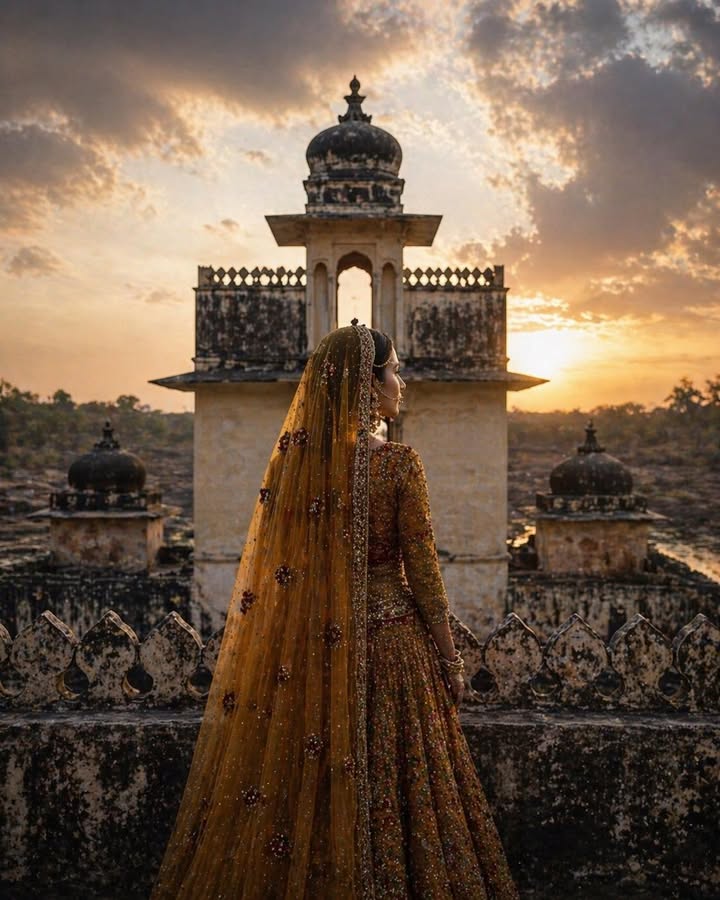
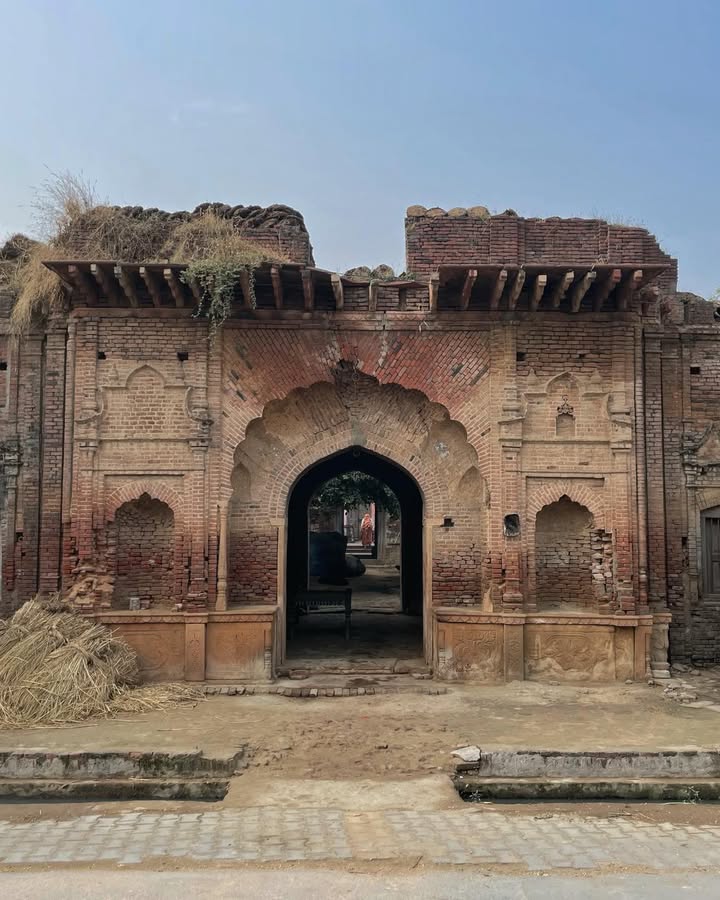
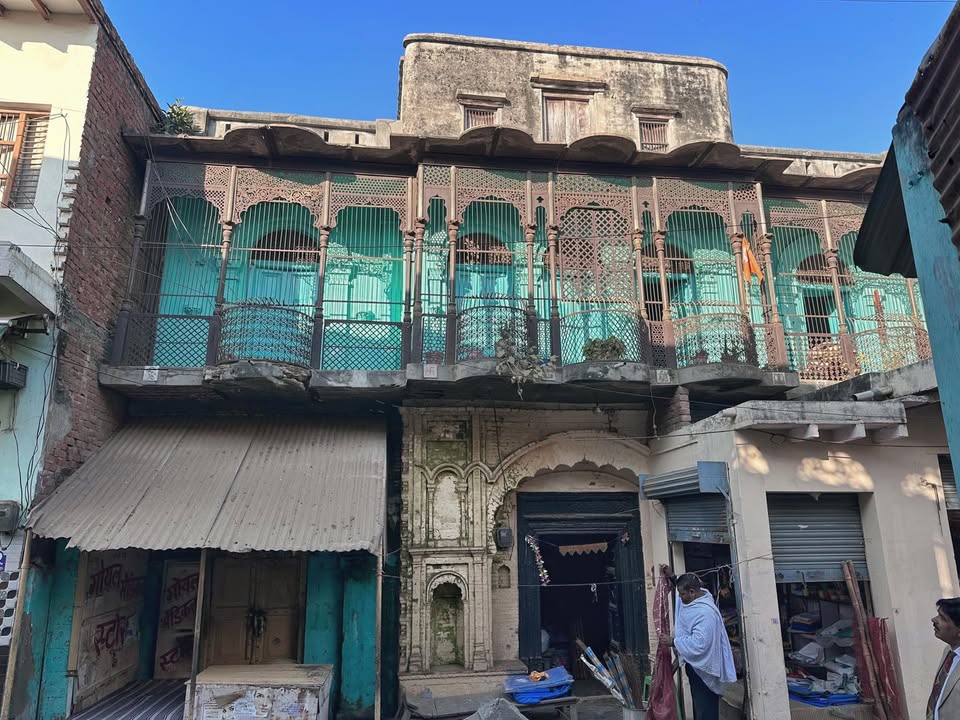
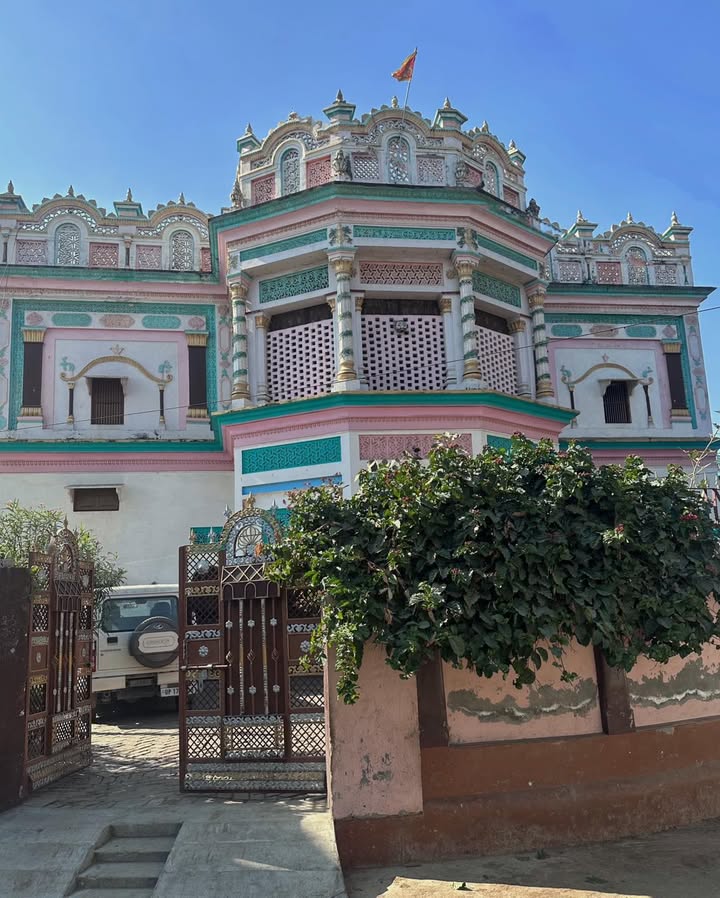
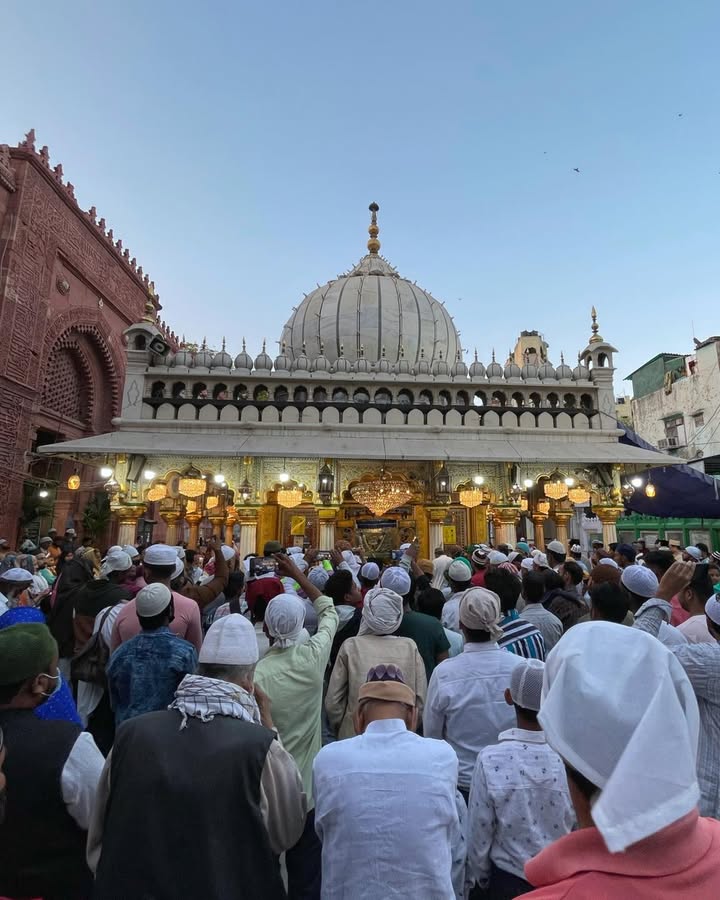
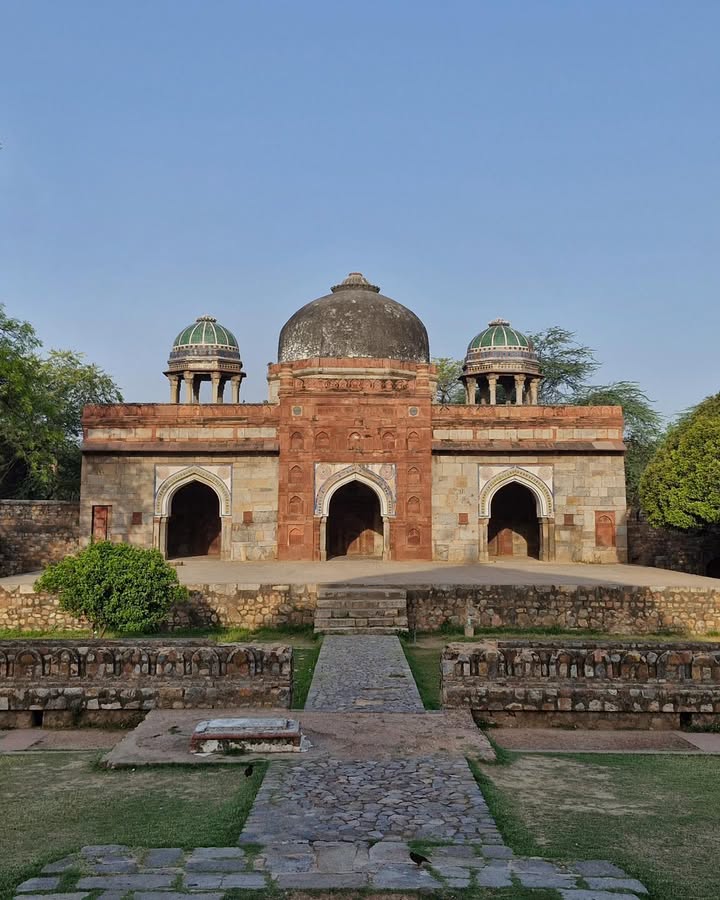
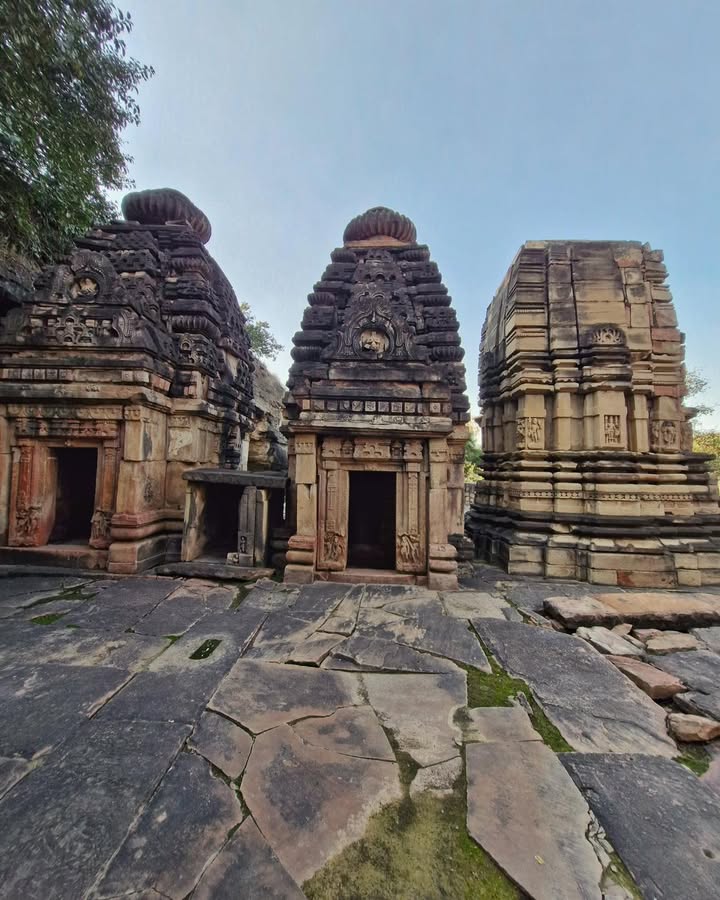
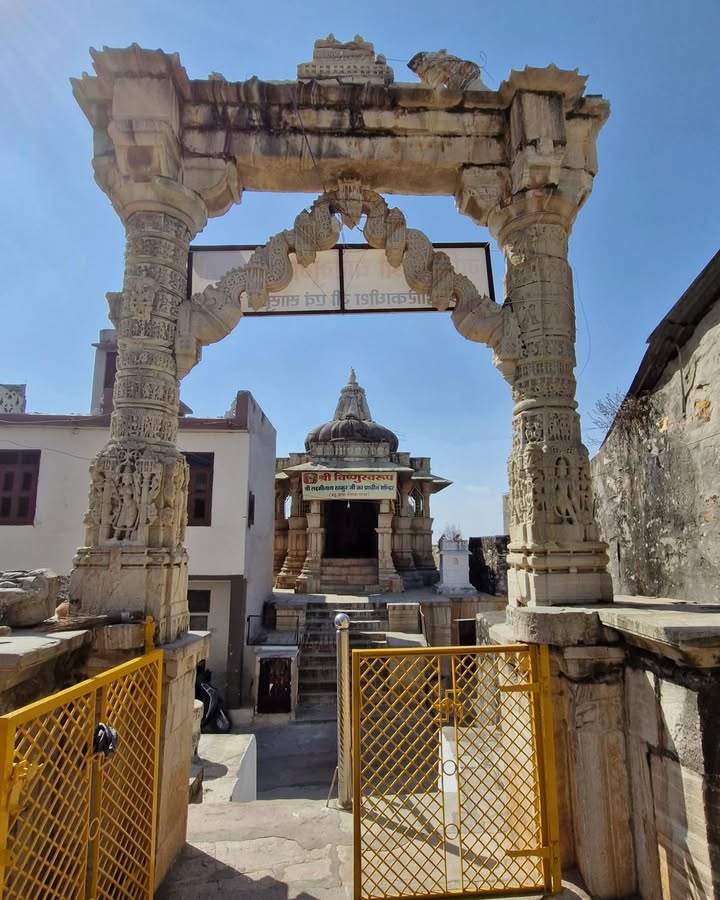
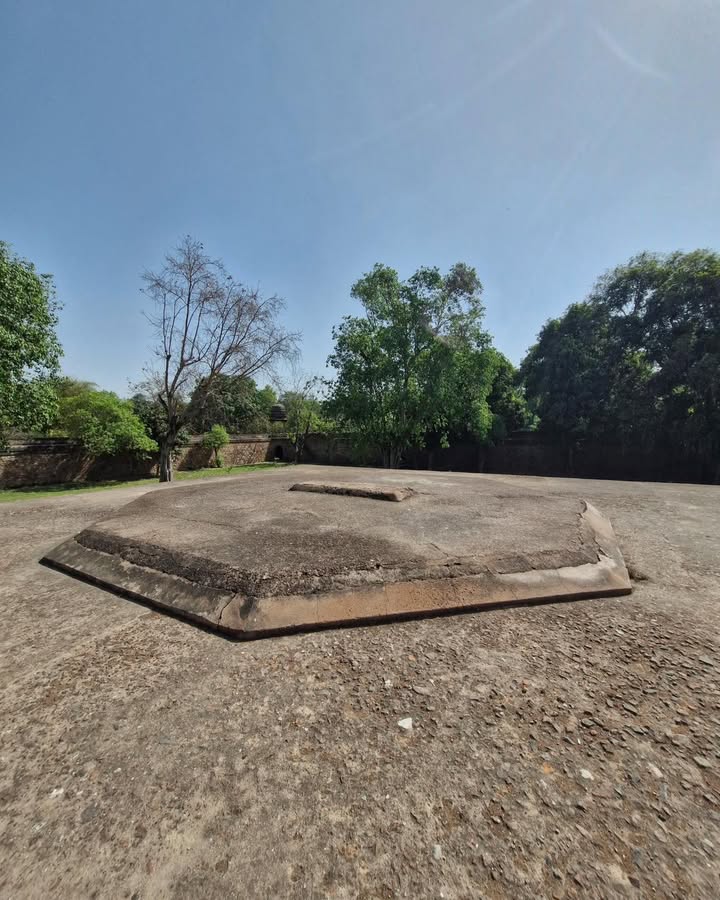
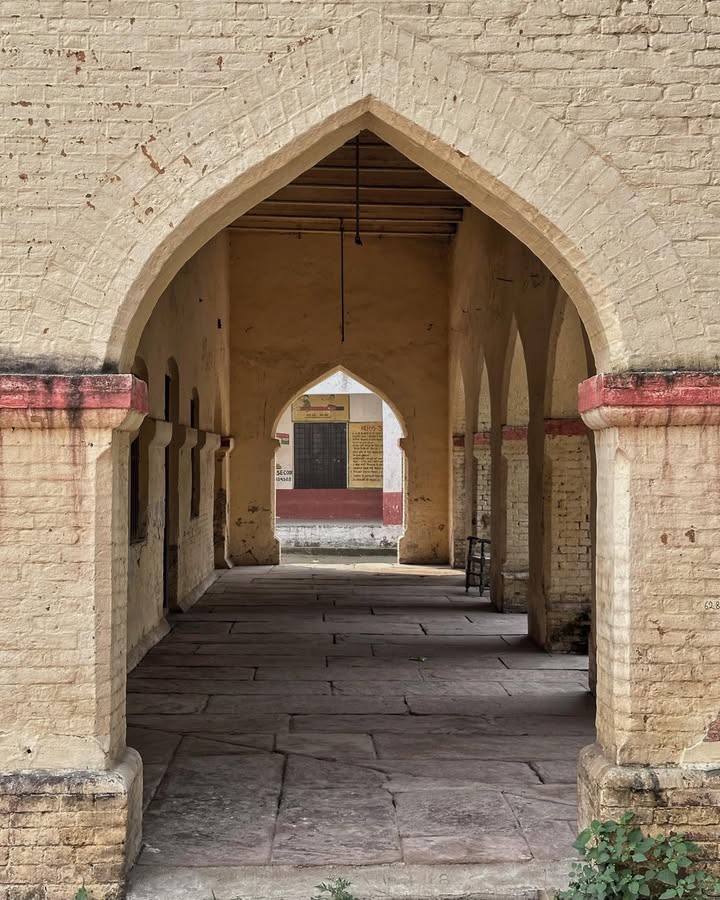
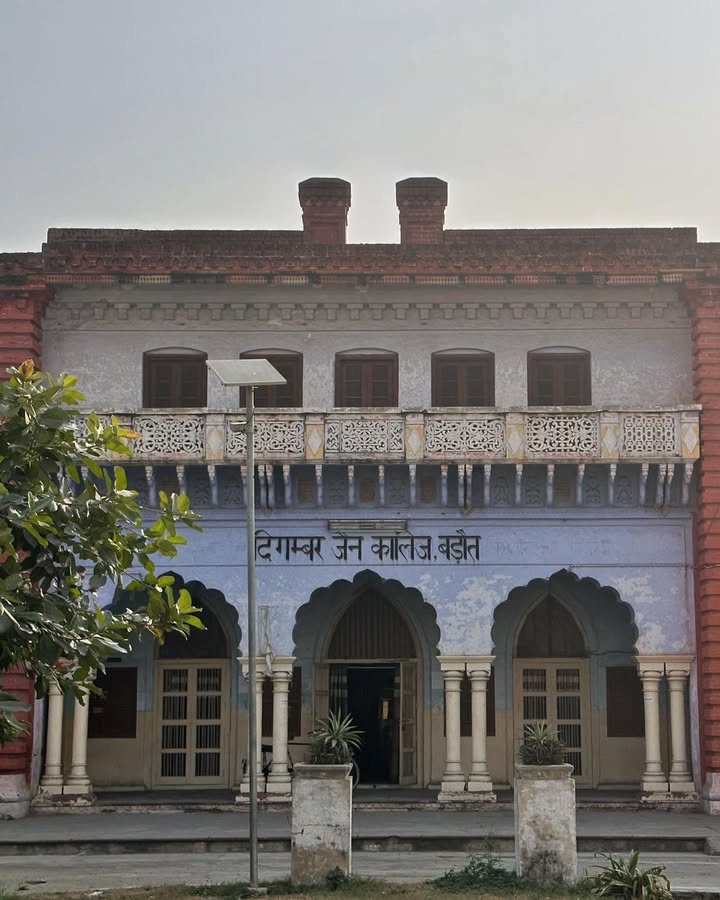
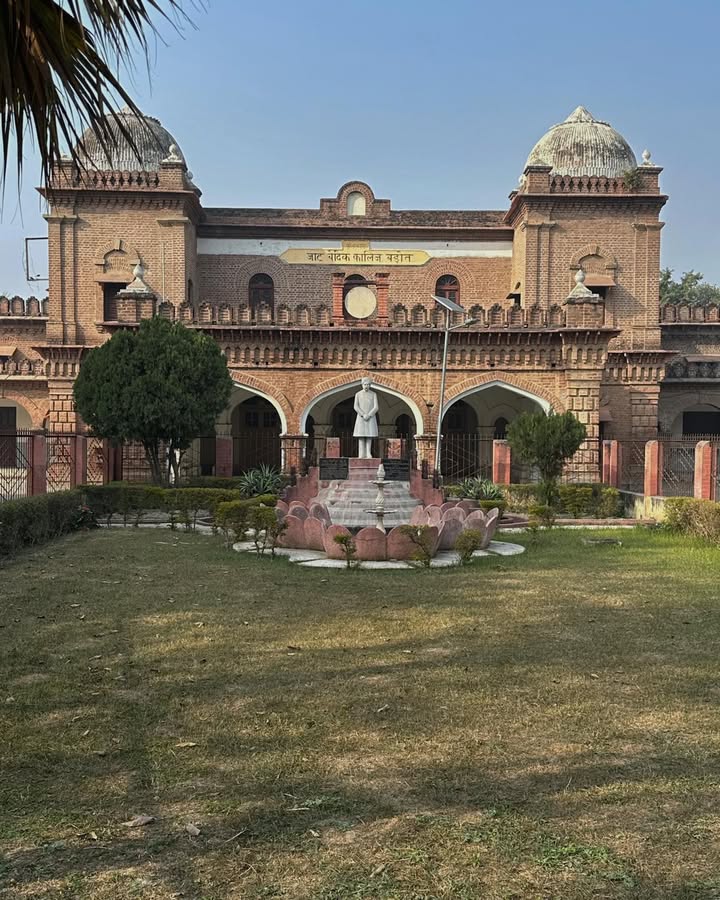
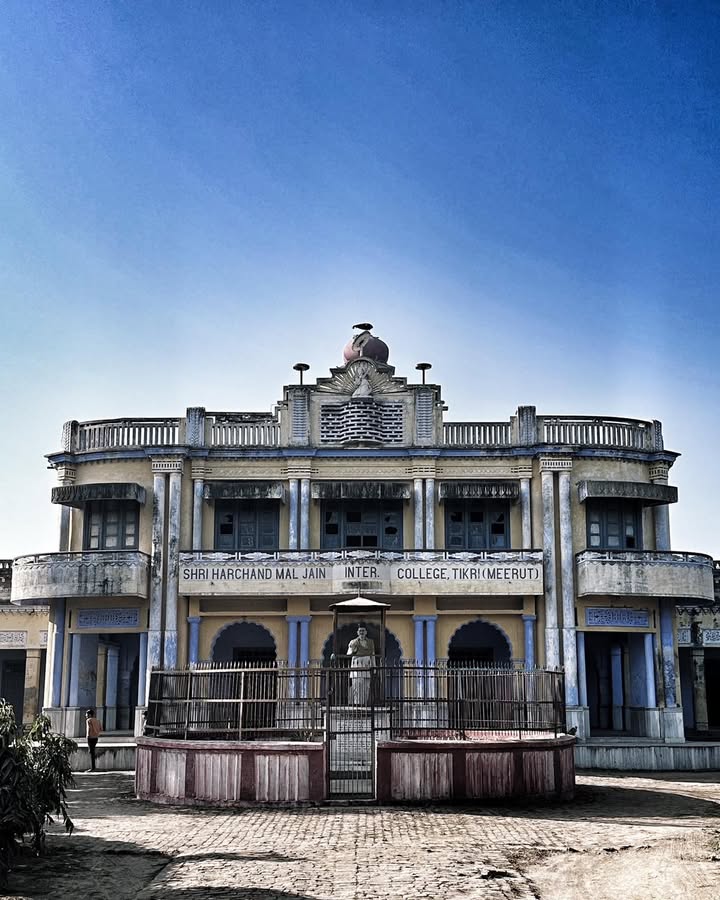
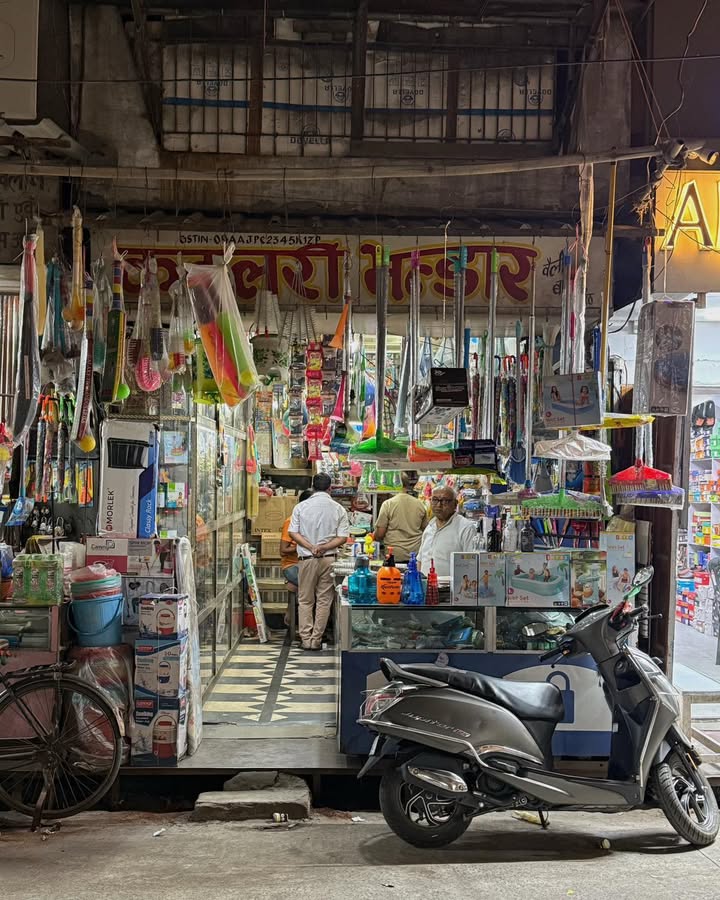
These images are artistic recreations inspired by documented pre-Partition industries, infrastructure, and historical events of Meerut.
ITIHASNAMA by StudioDharma is a premium coffee table book featuring 25 carefully researched heritage stories of Meerut.
Available at ₹3,999.
Purchase link:
विभाजन से पहले का मेरठ — जब शहर चुपचाप आधुनिक भारत गढ़ रहा था
1947 से बहुत पहले, मेरठ एक ऐसा शहर था जहाँ बदलाव शोर बनकर नहीं, काम बनकर आता था।
यहाँ संगठित रूप से साबुन बनने लगा, आटे की पिसाई हाथ की चक्की से आगे बढ़कर आधुनिक और दर्ज मिलों तक पहुँची। कारीगरों के हाथों में मेरठ की मशहूर कैंची गढ़ी जाती थी — जो मजबूती, मरम्मत और लंबी उम्र के लिए जानी जाती थी। साथ ही पीतल के वाद्य यंत्र बनते थे, जो आगे चलकर पूरे भारत के बैंड और जुलूसों की पहचान बने।
शहर के बाहर, गन्ना केवल फ़सल नहीं बल्कि पूरी अर्थव्यवस्था था। खेतों से लेकर गुड़ के भट्टों तक, रस का उबाल और गुड़ की मिठास रोज़गार और परंपरा दोनों को आगे बढ़ाती थी। आज़ादी से पहले स्थापित चीनी मिलों ने दिखाया कि यह इलाका कैसे परंपरा से संगठित उद्योग की ओर बढ़ रहा था।
मेरठ की जल-व्यवस्था बहुत पुरानी है। अबू का नाला, जिसे परंपरागत रूप से 17वीं शताब्दी में नवाब अबू से जोड़ा जाता है, मूल रूप से शहर तक मीठा पानी पहुँचाने के उद्देश्य से बनाया गया था। यह नाला कभी तालाबों, बाग़ों और बस्तियों को जीवन देता था। समय के साथ, औपनिवेशिक दौर में इसके स्वरूप और उपयोग में बदलाव आया और यह आधुनिक शहरी नालियों का हिस्सा बन गया।
ऊपरी गंगा नहर और भोलाकी झाल जैसे स्थानों ने उपयोगिता और शुरुआती ऊर्जा-प्रयोग को संभव बनाया। बिजली धीरे-धीरे आई — ज़रूरत के लिए, दिखावे के लिए नहीं। देश की सबसे बड़ी छावनियों में से एक होने के कारण, मेरठ में सैन्य अनुशासन, आधुनिक व्यवस्थाएँ और उत्पादन की माँग बनी रही।
खेल-सामान का निर्माण भी मेरठ की पहचान बनता गया। इसके साथ ही छपाई और प्रकाशन ने विचार फैलाए, और शिक्षा संस्थानों ने नई पीढ़ियाँ तैयार कीं।
और इन्हीं सबके बीच, मेरठ ने भारतीय इतिहास का एक निर्णायक क्षण भी देखा।
1857 का विद्रोह—जिसे व्यापक रूप से भारत का प्रथम स्वतंत्रता संग्राम माना जाता है—मेरठ से ही शुरू हुआ, और इसी कारण यह शहर भारतीय इतिहास में एक निर्णायक स्थान रखता है।
इतिहास अक्सर बड़े शहरों का नाम याद रखता है।
पर मेरठ उन शहरों में है जिन्होंने चुपचाप आधुनिक भारत की नींव रखी।