







✦🌼✦ ⊱❀⊰ ꧁ Raja Gangadhar Rao Chhatri, Jhansi ꧂ ⊱❀⊰ ✦🌼✦ By the serene Laxmi Tal in Jhansi, a quiet monument stands as a timeless symbol of love and loss — the Raja Gangadhar Rao Chhatri.
✦🌼✦ ⊱❀⊰ ꧁ Raja Gangadhar Rao Chhatri, Jhansi ꧂ ⊱❀⊰ ✦🌼✦
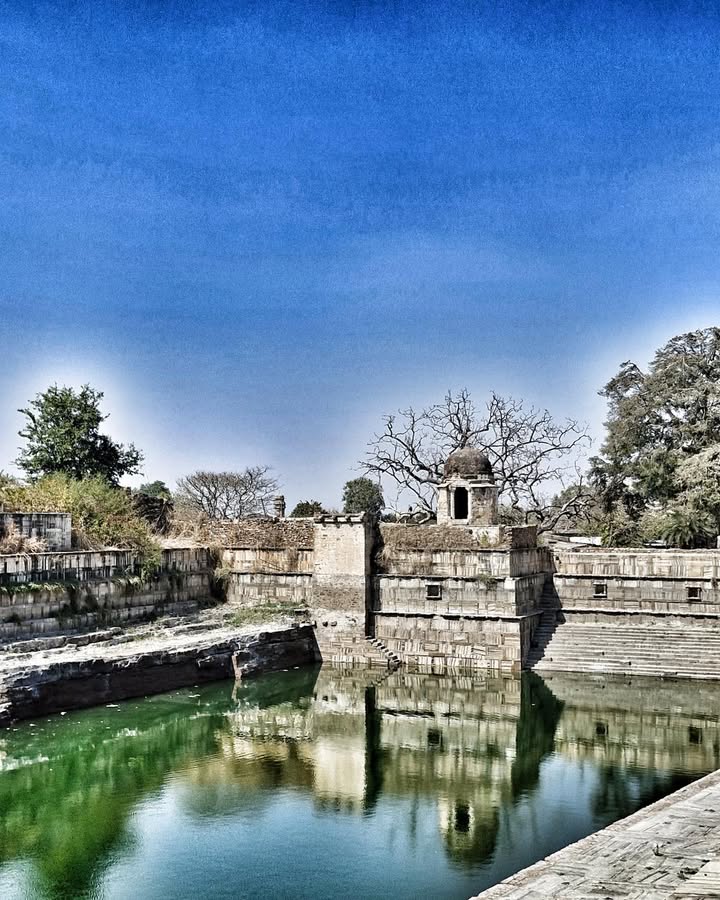
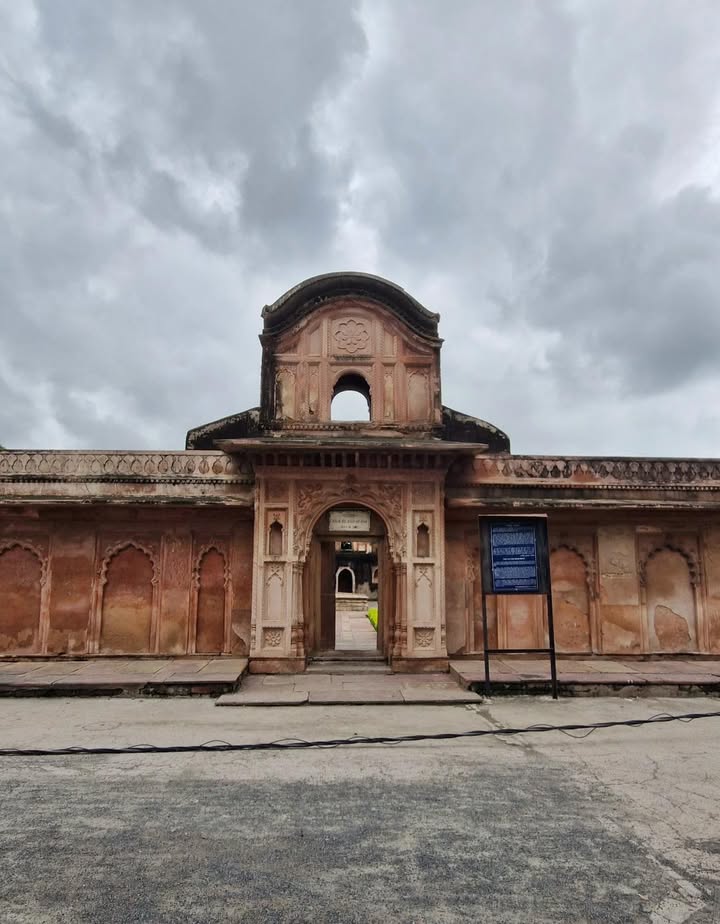
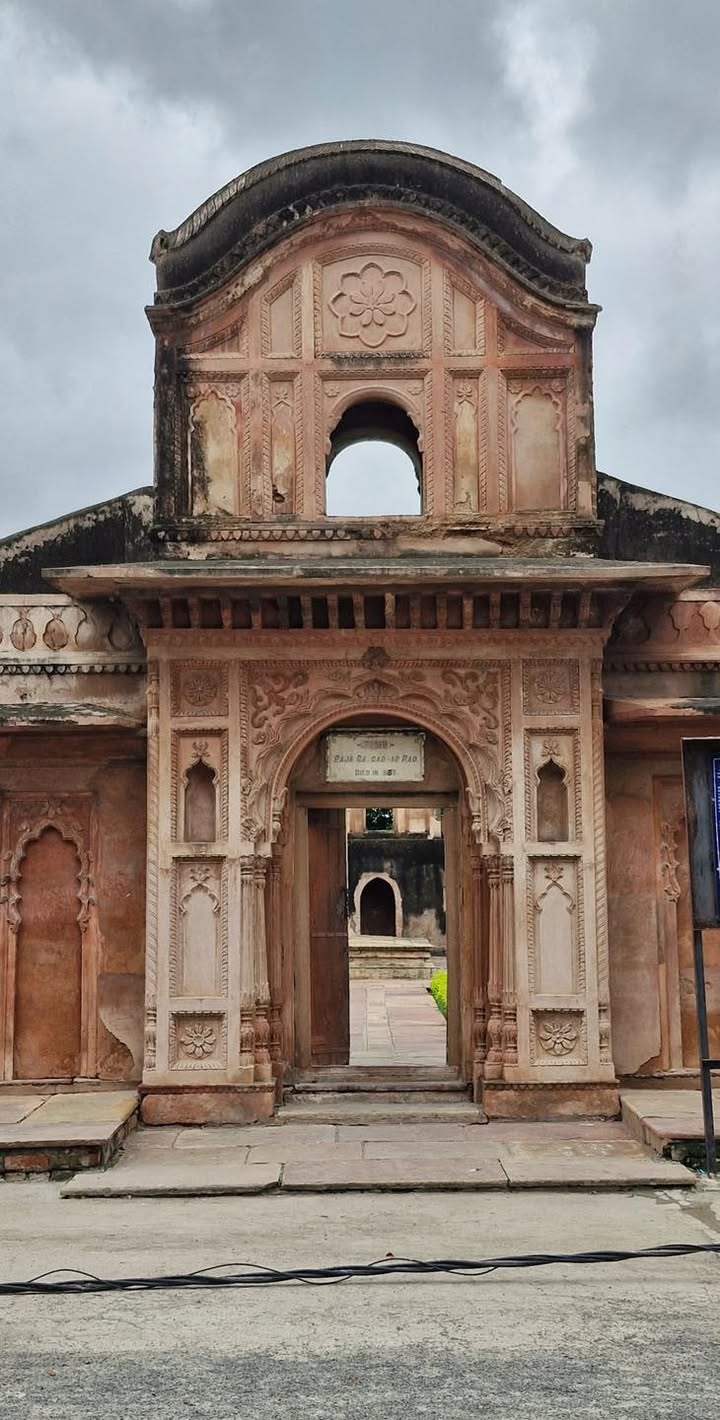
By the serene Laxmi Tal in Jhansi, a quiet monument stands as a timeless symbol of love and loss — the Raja Gangadhar Rao Chhatri. Built by Rani Lakshmibai in memory of her husband, this cenotaph holds within its arches the echoes of a pivotal era in Indian history.
Raja Gangadhar Rao Newalkar (1797–1853) ruled Jhansi from 1843 until his death. Known for his administrative skill and cultural patronage, he strengthened the financial condition of Jhansi and maintained a rich collection of Sanskrit manuscripts. In 1842, he married Manikarnika Tambe — later famed as Rani Lakshmibai.
After the death of his only son in 1851, he adopted his cousin’s son, Anand Rao, renaming him Damodar Rao. When Gangadhar Rao died on 21 November 1853, the British East India Company, under Lord Dalhousie’s Doctrine of Lapse, refused to recognize Damodar Rao as heir. This unjust act led to the annexation of Jhansi — and ultimately to Rani Lakshmibai’s legendary resistance in 1857.
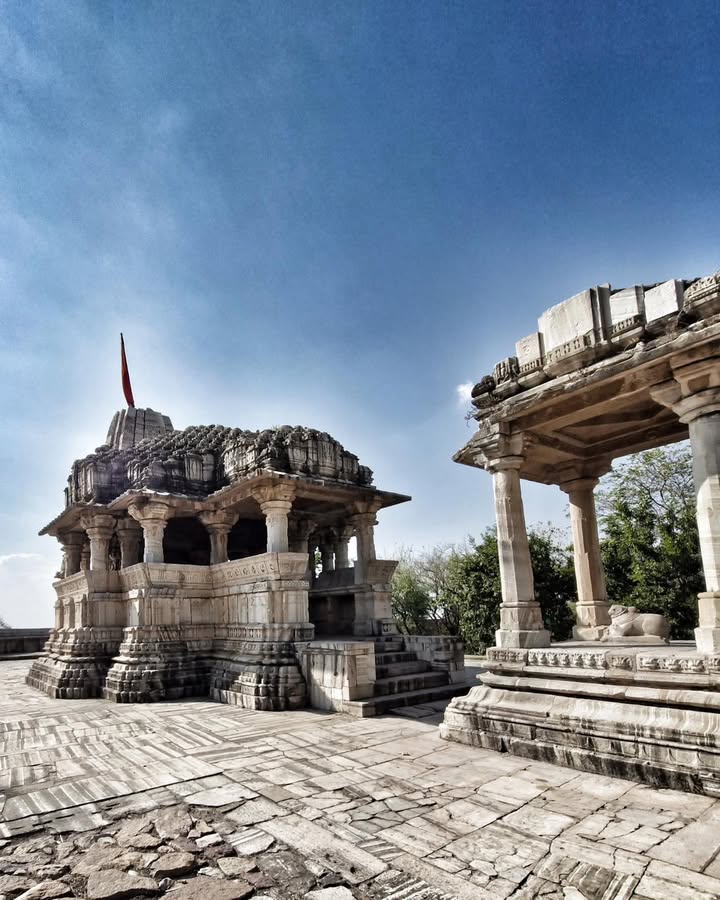
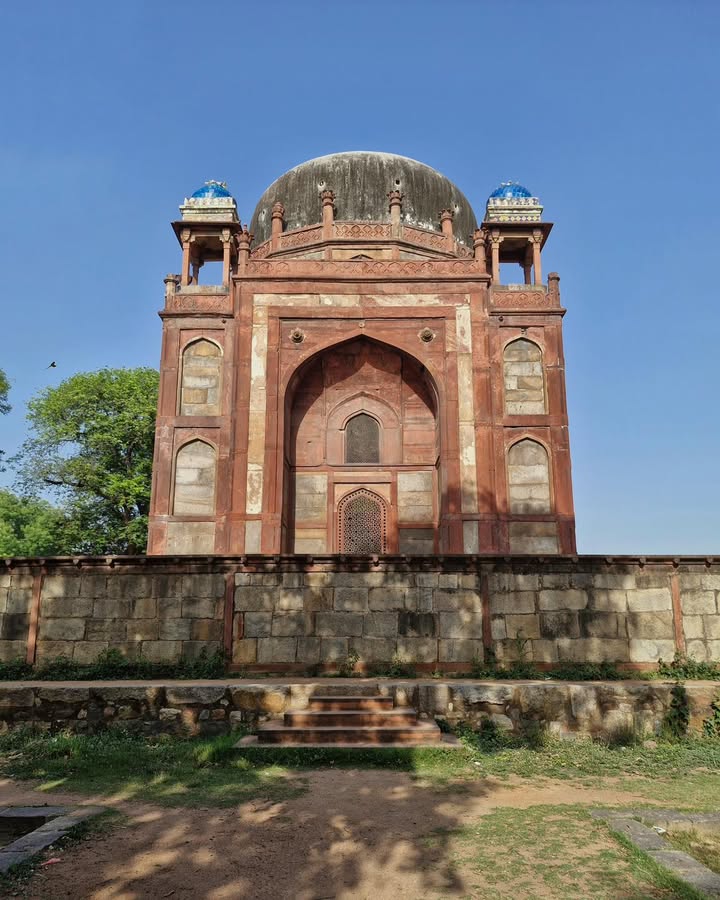
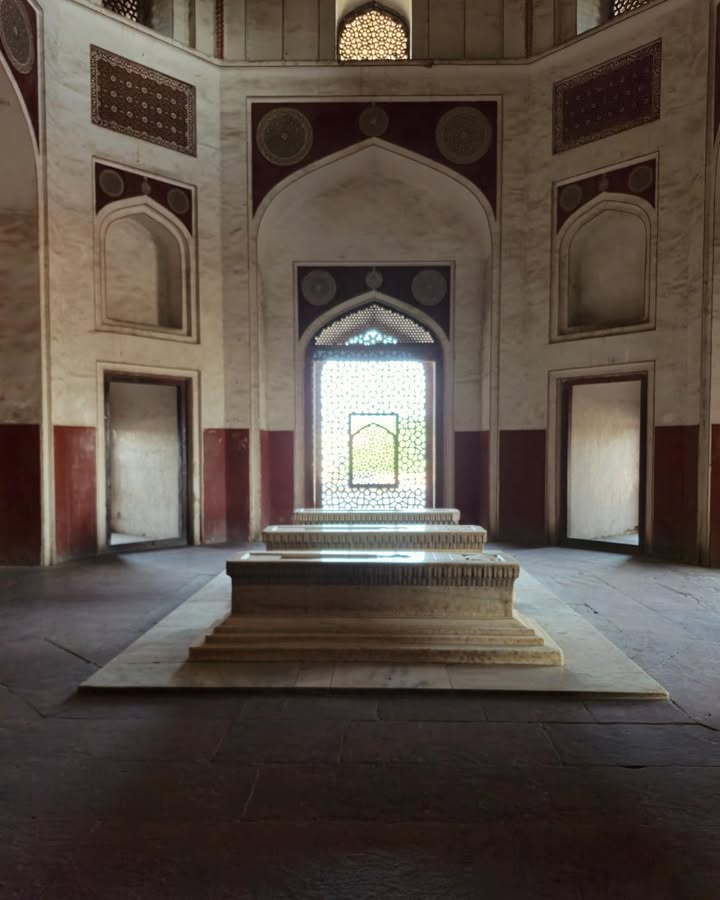
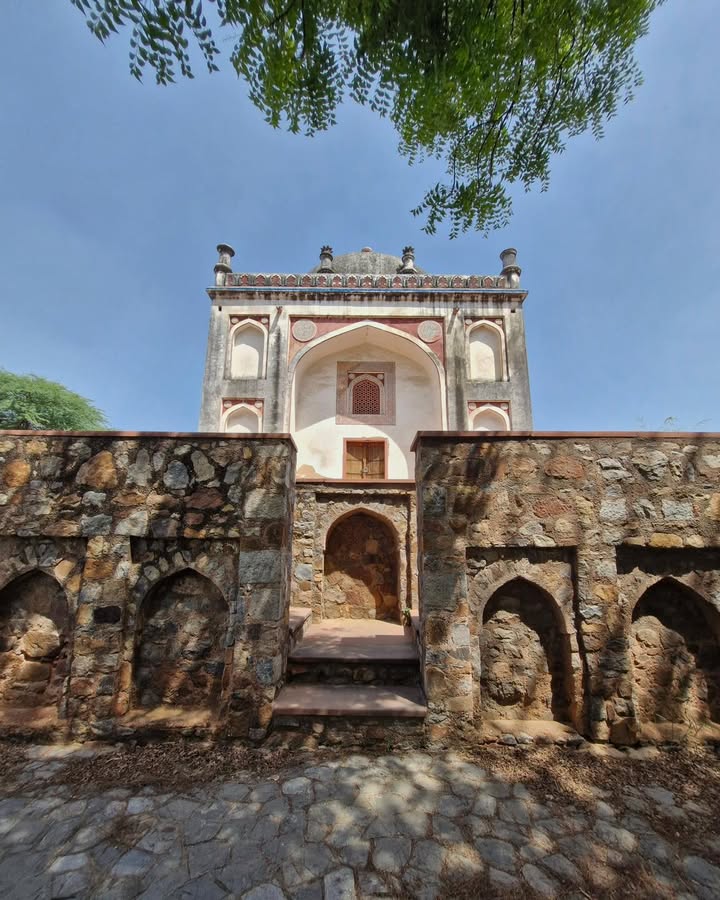
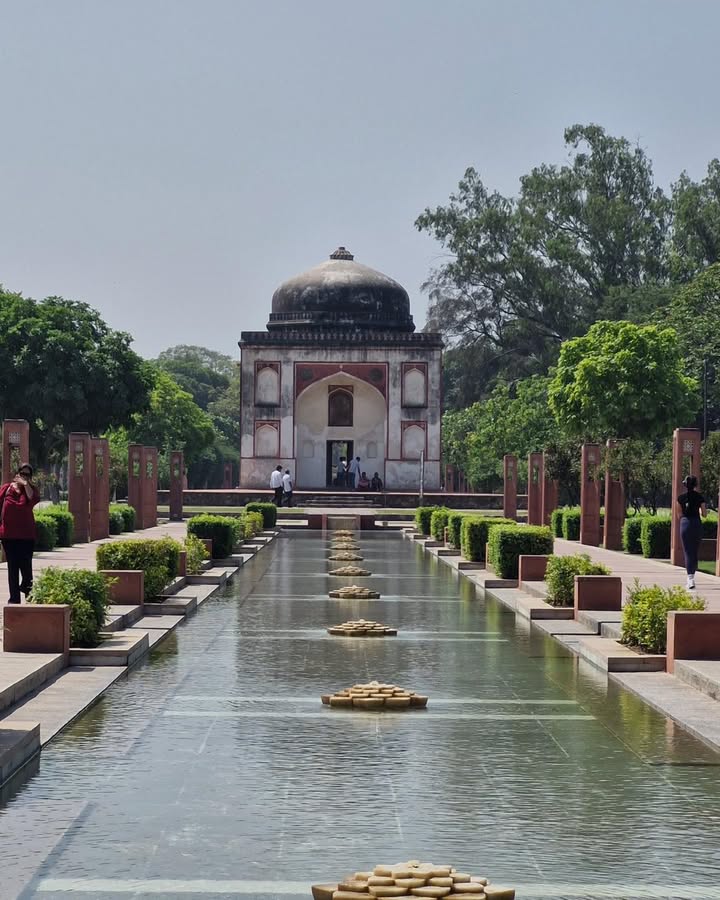
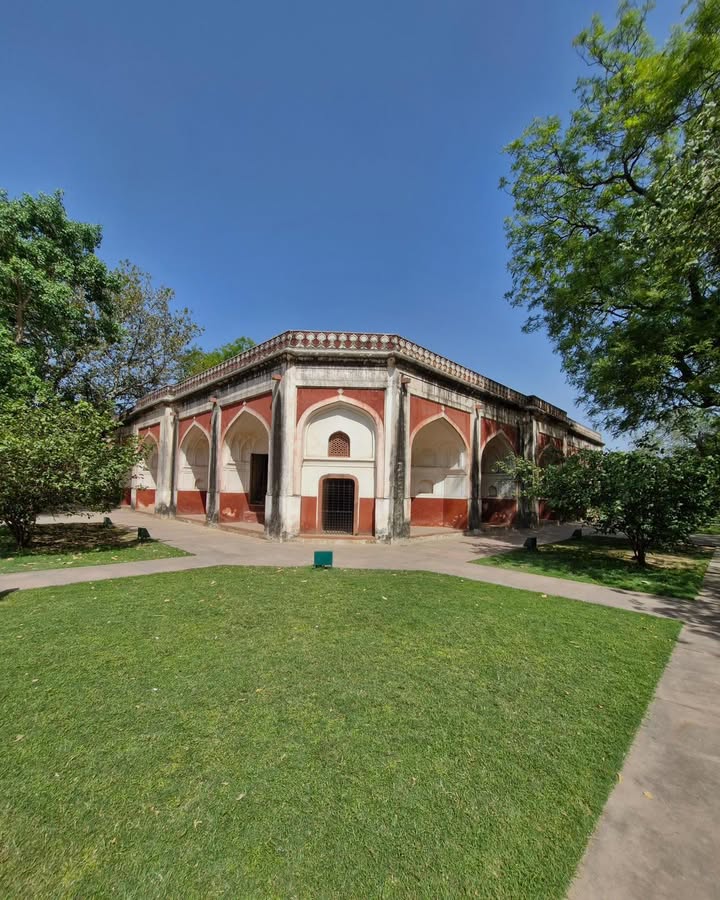
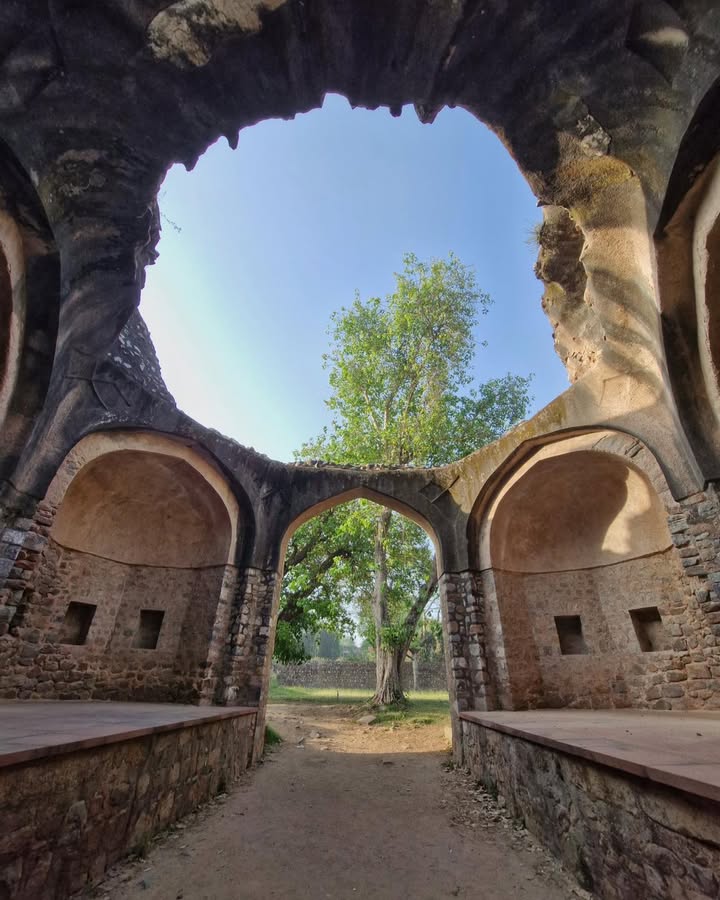
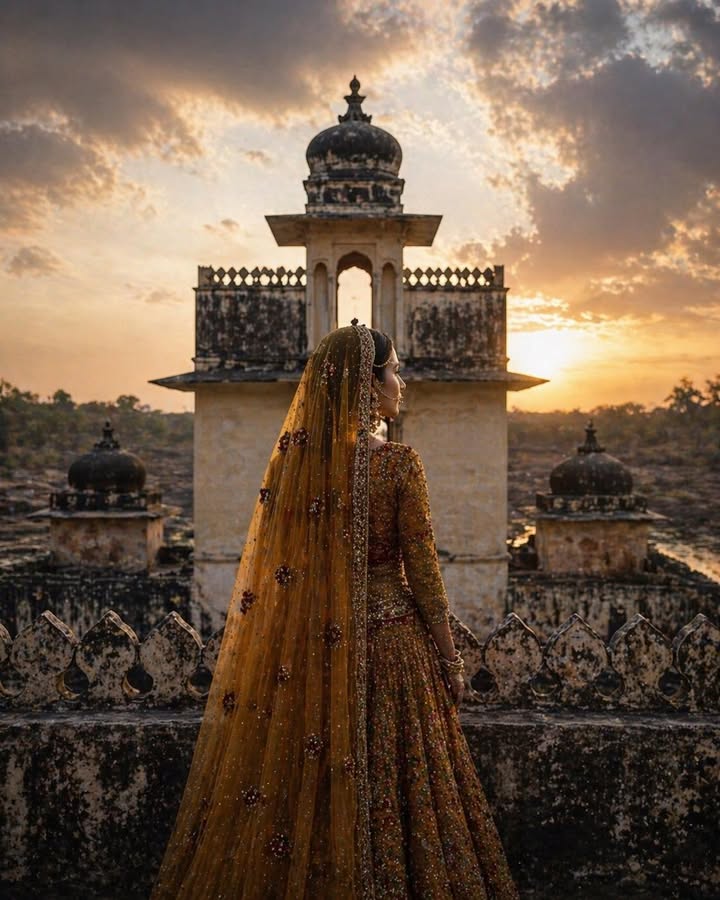
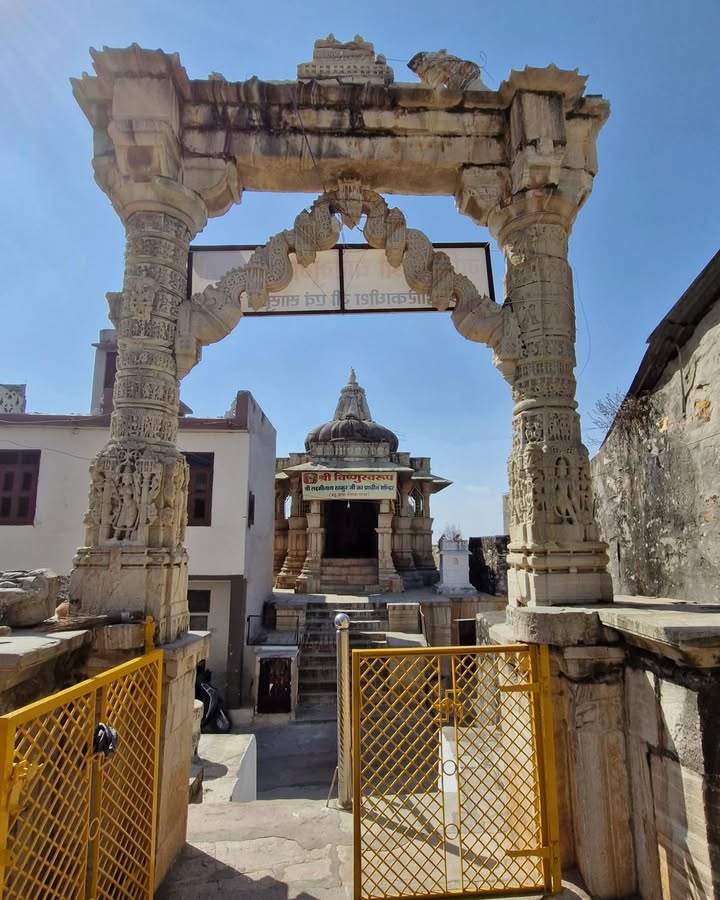
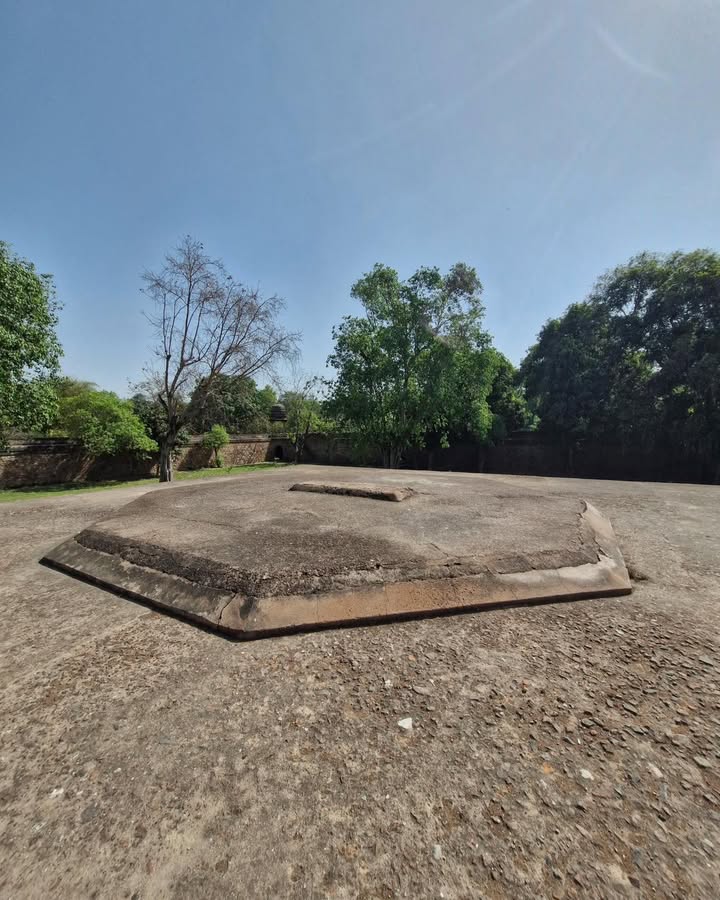
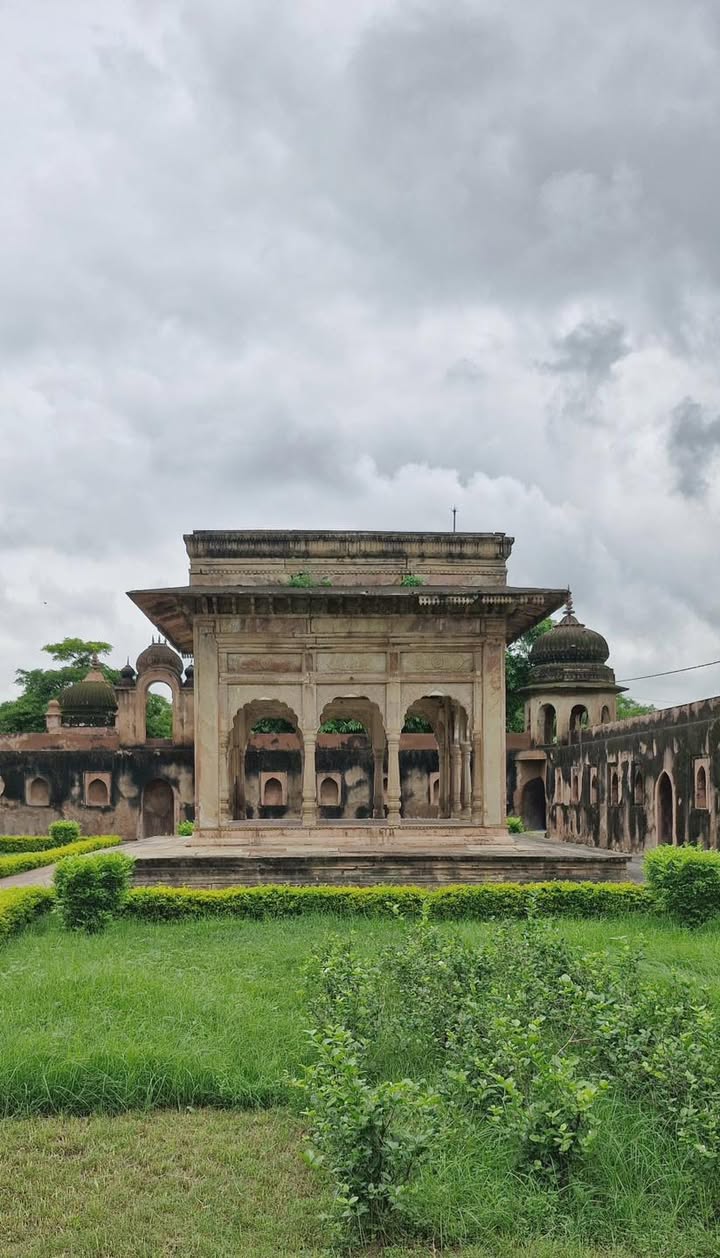
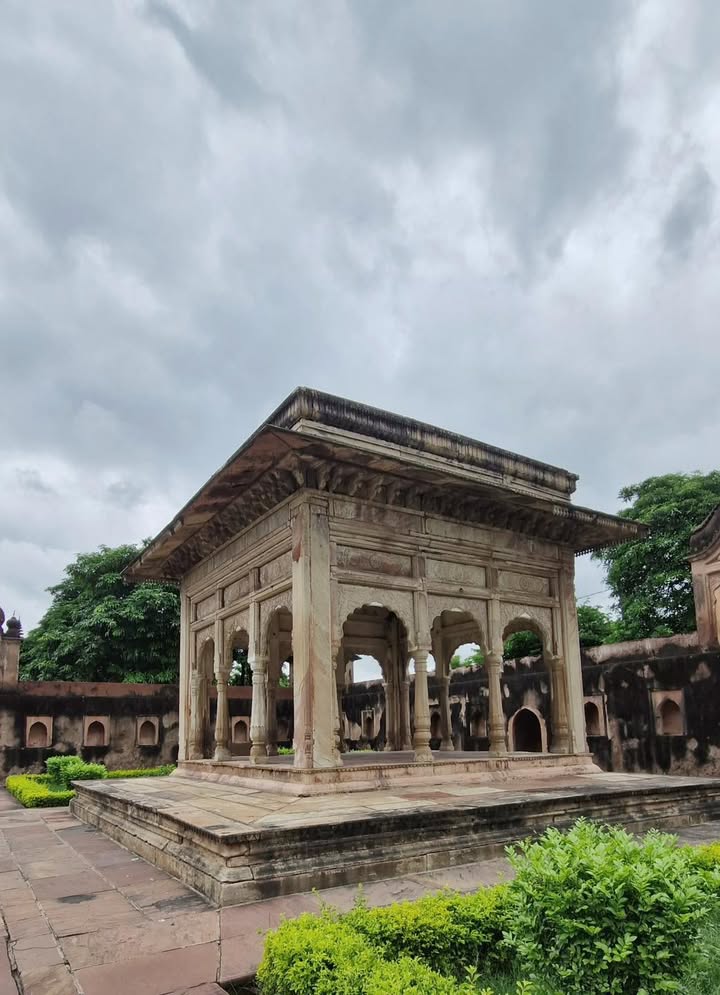
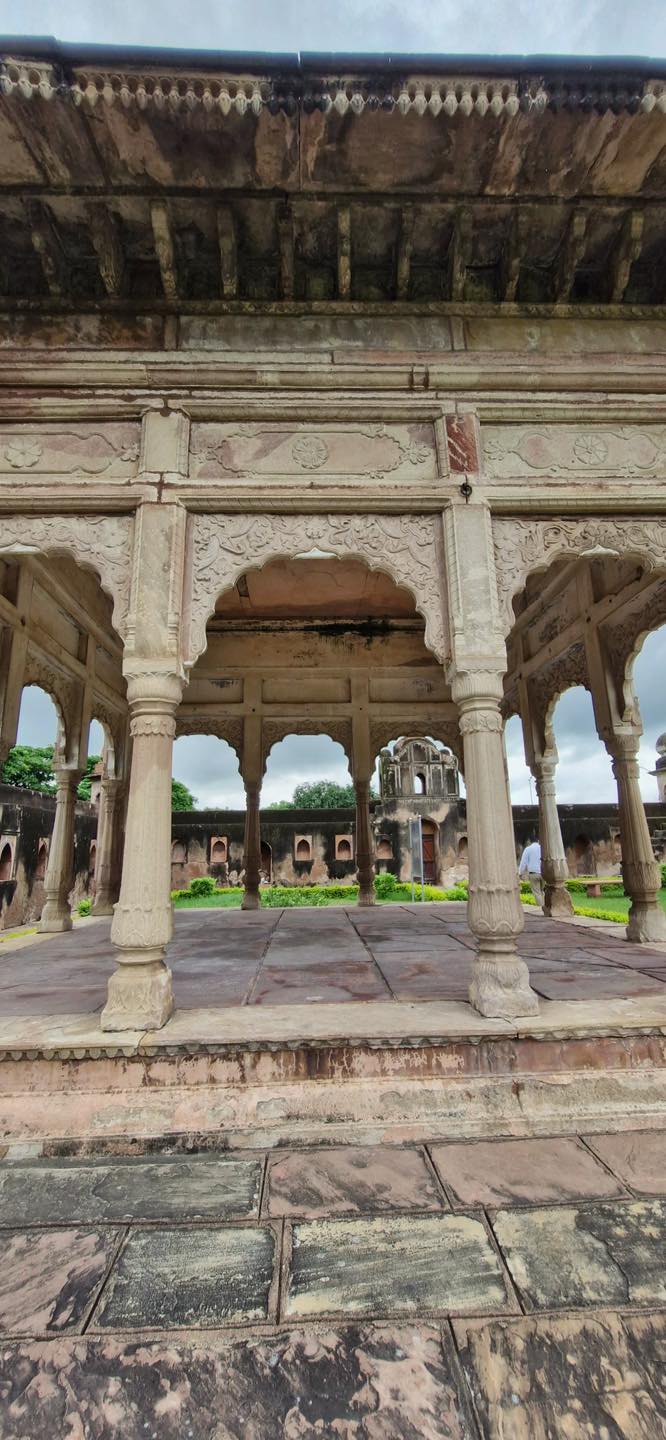
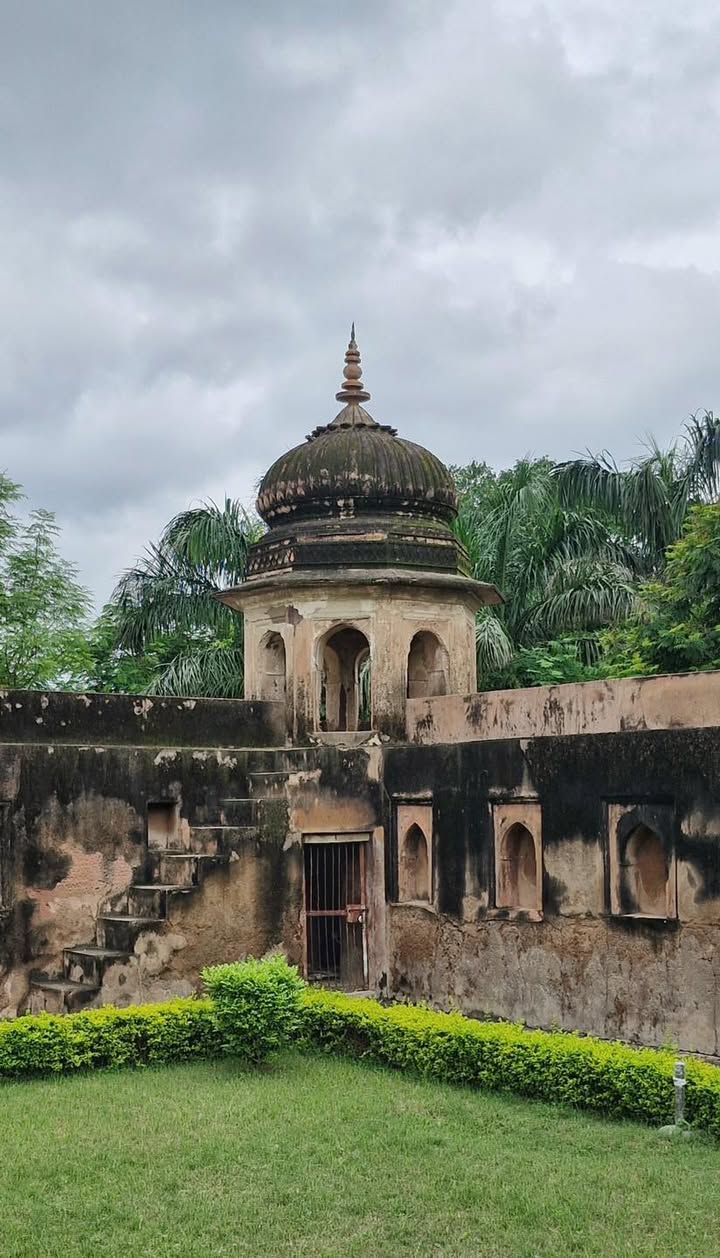
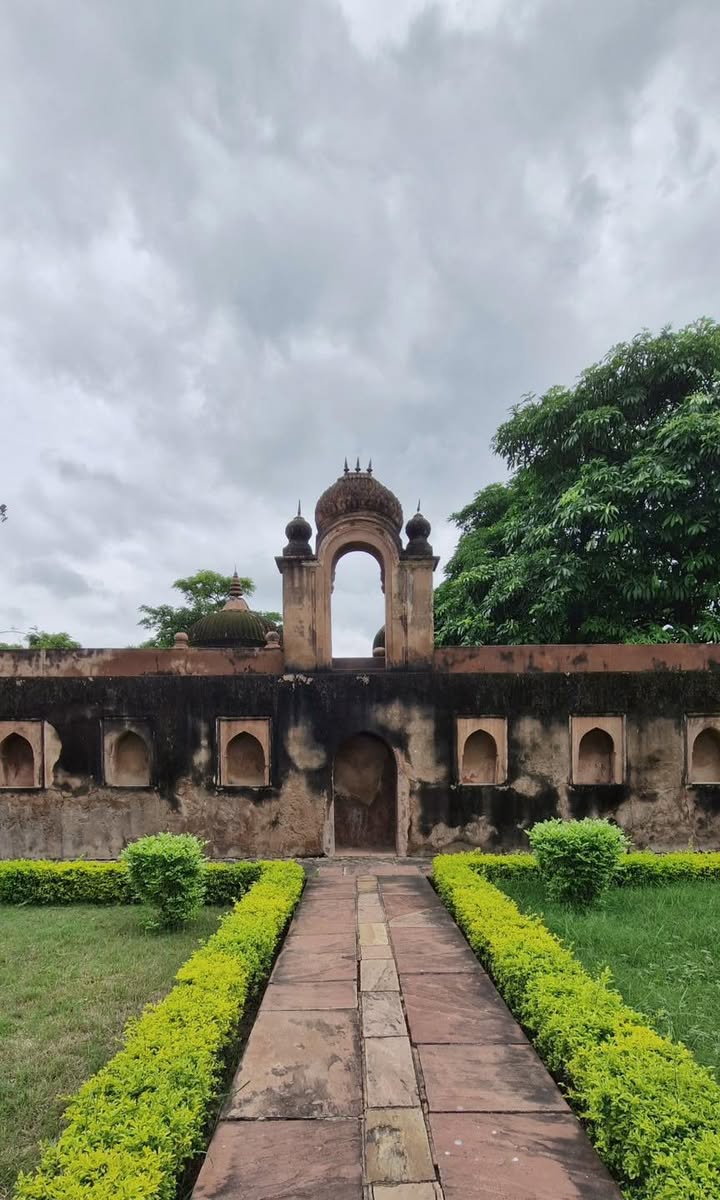
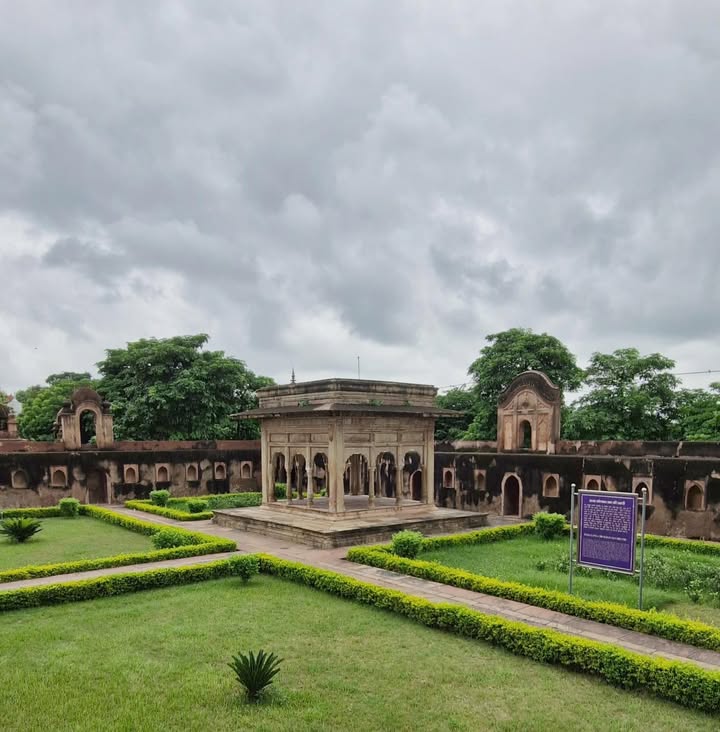
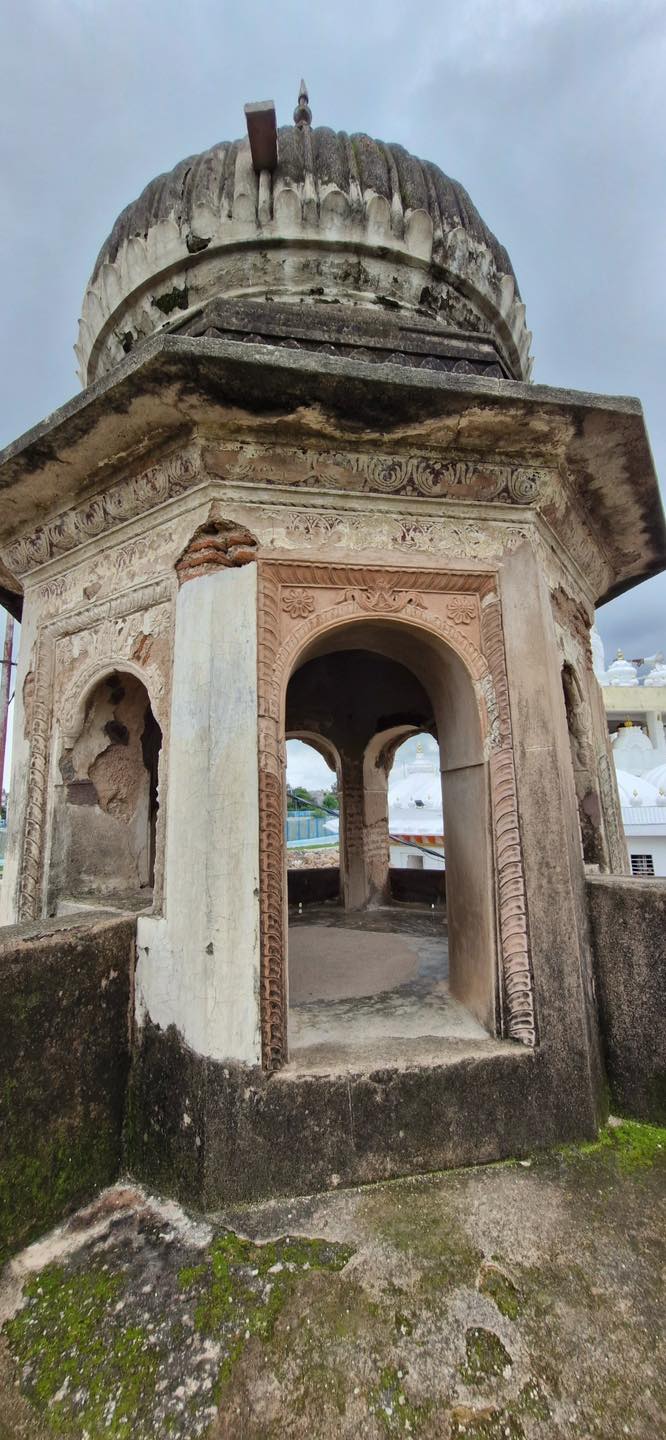
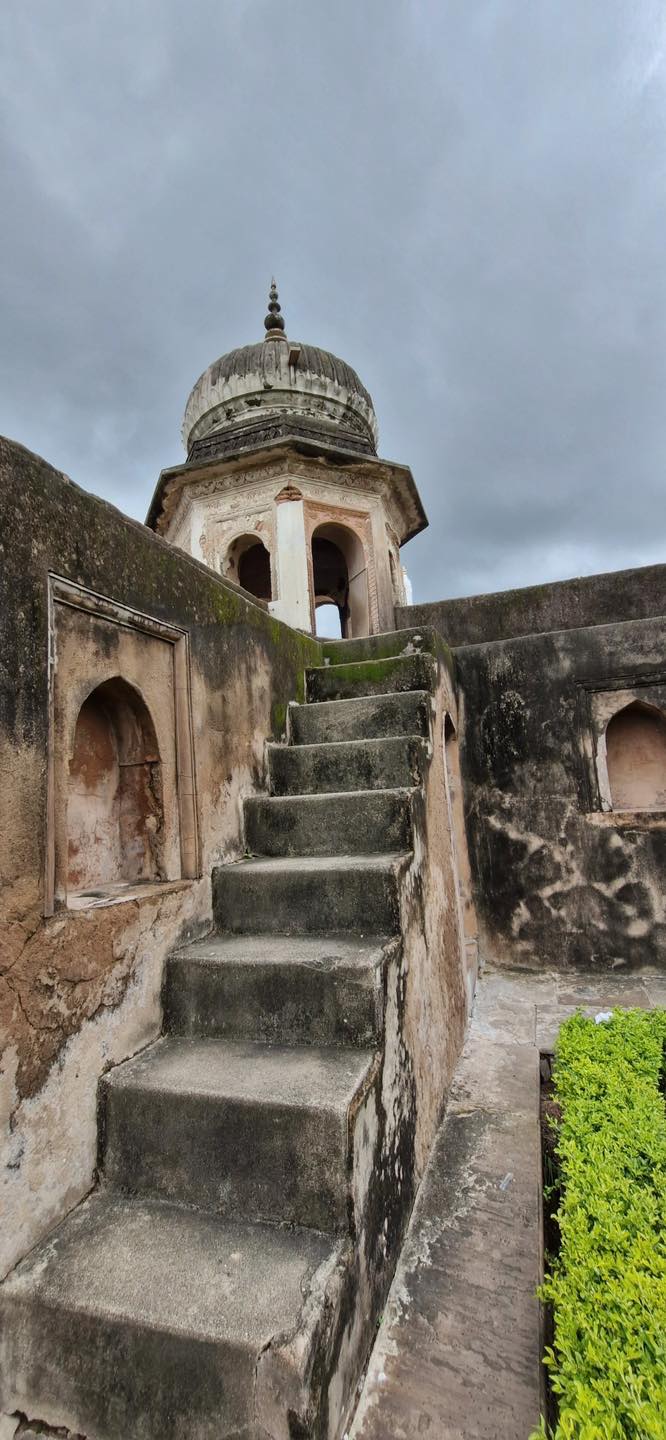
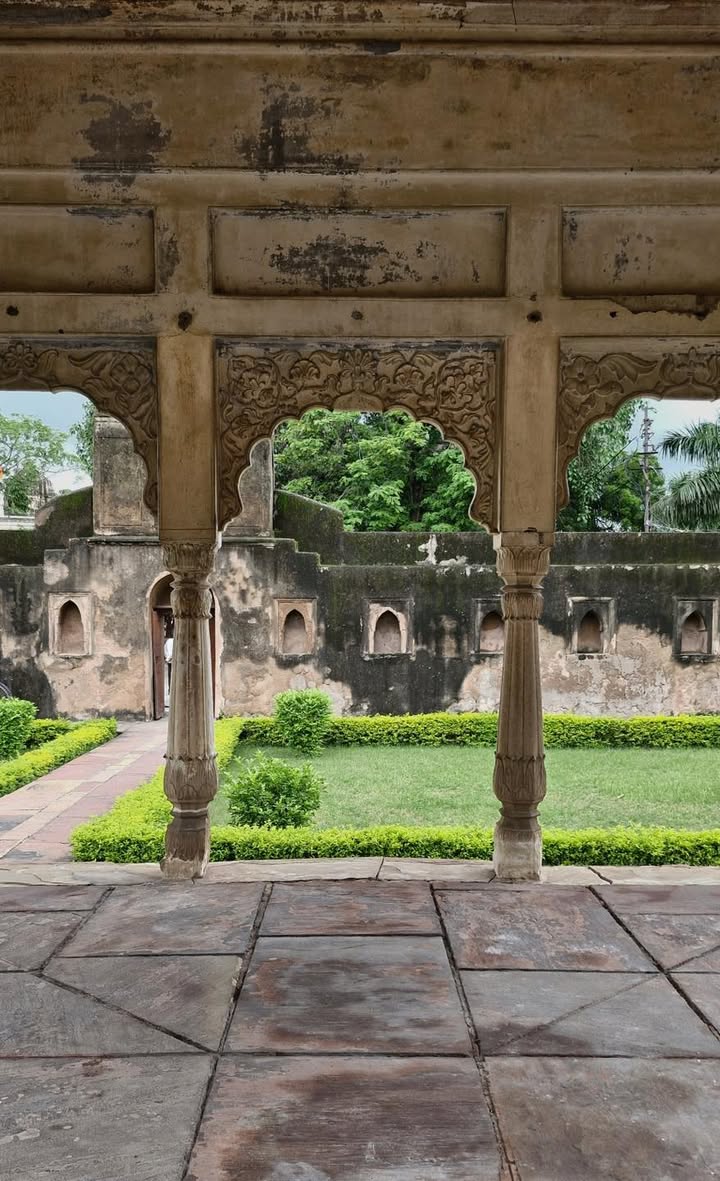
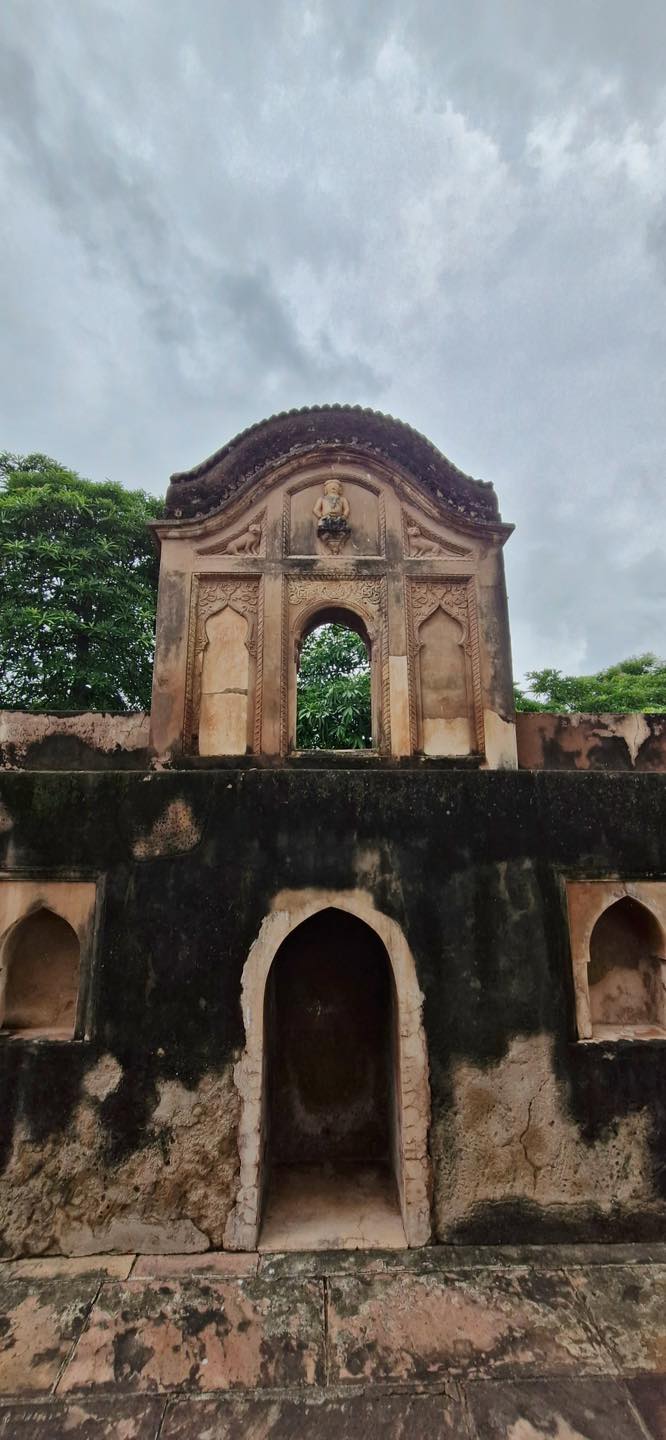
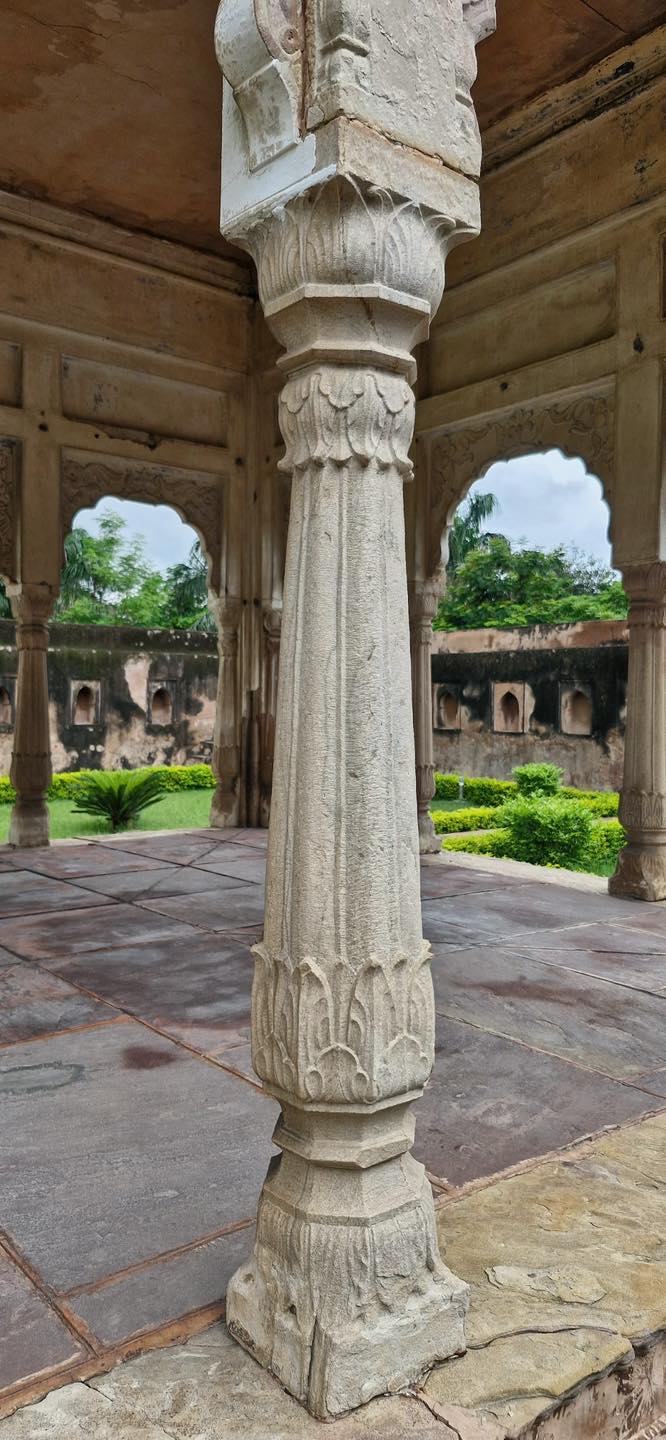
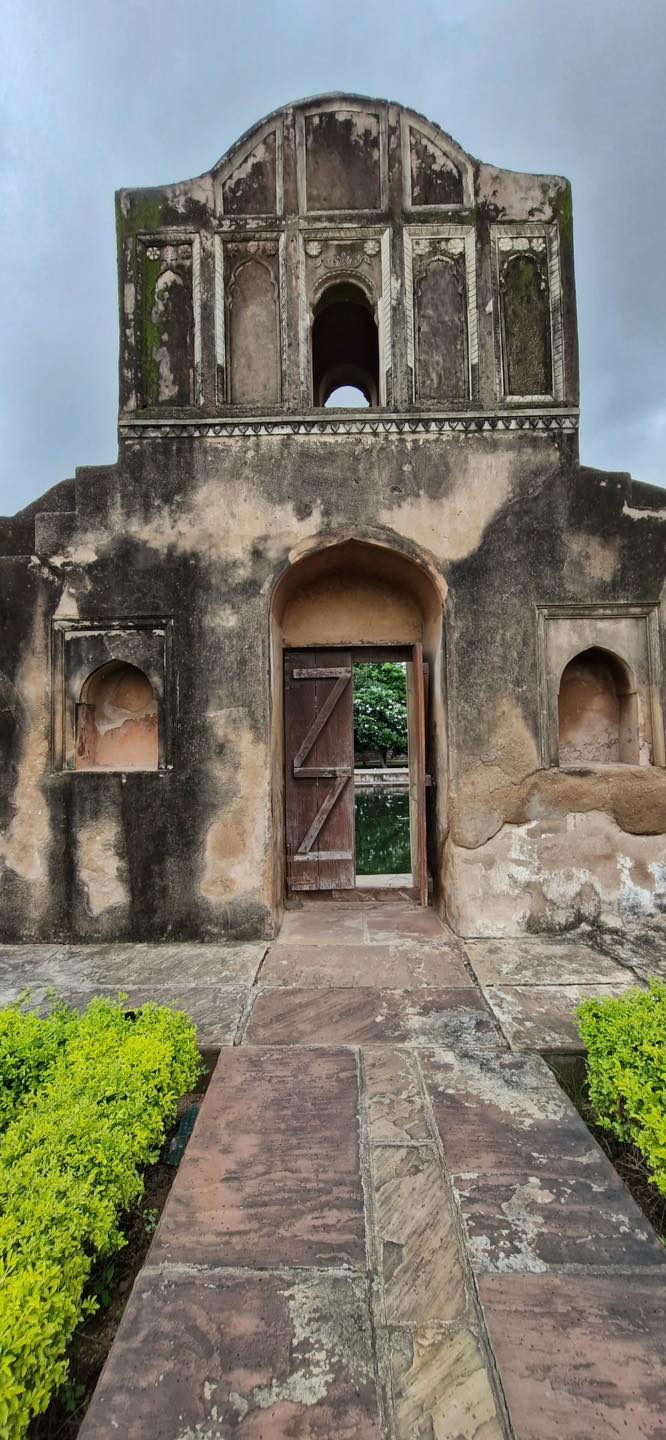
The Chhatri, designed in traditional Maratha architectural style, features a finely carved dome supported by pillars, open on all sides, with a central sanctified platform. Its location beside Laxmi Tal and Mahalakshmi Temple gives the place an aura of peace and reverence. Over time, it has become a cherished stop for historians, travellers, and admirers of heritage — a silent witness to Jhansi’s royal past.
If you wish to delve deeper into the heritage, architecture, and stories of Jhansi and its monuments, do check out my new coffee table book. It beautifully captures images, narratives, and insights.
Link to get the book / express interest:
✦🌼✦ ⊱❀⊰ ꧁ राजा गंगाधर राव की छतरी, झाँसी ꧂ ⊱❀⊰ ✦🌼✦
झाँसी के लक्ष्मी ताल के किनारे स्थित यह स्मारक प्रेम, इतिहास और विरासत की एक मूक गाथा सुनाता है — राजा गंगाधर राव की छतरी। इसे रानी लक्ष्मीबाई ने अपने पति की स्मृति में बनवाया था, और यह आज भी झाँसी के स्वर्णिम अतीत की गवाही देता है।
महाराजा गंगाधर राव नेवालकर (1797–1853) ने 1843 से अपनी मृत्यु तक झाँसी पर शासन किया। वे कुशल प्रशासक और संस्कृति प्रेमी माने जाते थे। 1842 में उन्होंने मणिकर्णिका तांबे (बाद में रानी लक्ष्मीबाई) से विवाह किया। 1851 में उनके पुत्र की मृत्यु के बाद उन्होंने अपने चचेरे भाई के पुत्र आनंद राव को गोद लिया और उसका नाम दामोदर राव रखा।
21 नवंबर 1853 को राजा गंगाधर राव के निधन के बाद, अंग्रेज़ों ने ‘Doctrine of Lapse’ के तहत दामोदर राव को उत्तराधिकारी मानने से इनकार कर दिया और झाँसी को अपने अधिकार में ले लिया। इस अन्याय ने रानी लक्ष्मीबाई को 1857 में विद्रोह का नेतृत्व करने की प्रेरणा दी।
यह छतरी मराठा स्थापत्य शैली में बनी है — नक्काशीदार गुंबद, खुले स्तंभ और केंद्र में एक पवित्र स्थल। लक्ष्मी ताल और महालक्ष्मी मंदिर के पास स्थित यह स्मारक आज भी इतिहासकारों, यात्रियों और धरोहर प्रेमियों को आकर्षित करता है — यह झाँसी के गौरवशाली अतीत का जीवंत प्रतीक है।
यदि आप झाँसी की संस्कृति, स्थापत्य और स्मारकों की गहराई में जाना चाहते हैं, तो मेरी नवीन कॉफी टेबल बुक अवश्य देखें। इसमें मनमोहक चित्र, कहानियाँ और विश्लेषण प्रस्तुत हैं।
बुक प्राप्त करने / रुचि व्यक्त करने के लिए लिंक:
.1