








✦🌺✦ ❃❃ ꧁ Rajmahal (Garh Palace), Kota – The Royal Citadel of the Hada Dynasty ꧂ ❃❃ ✦🌺✦.
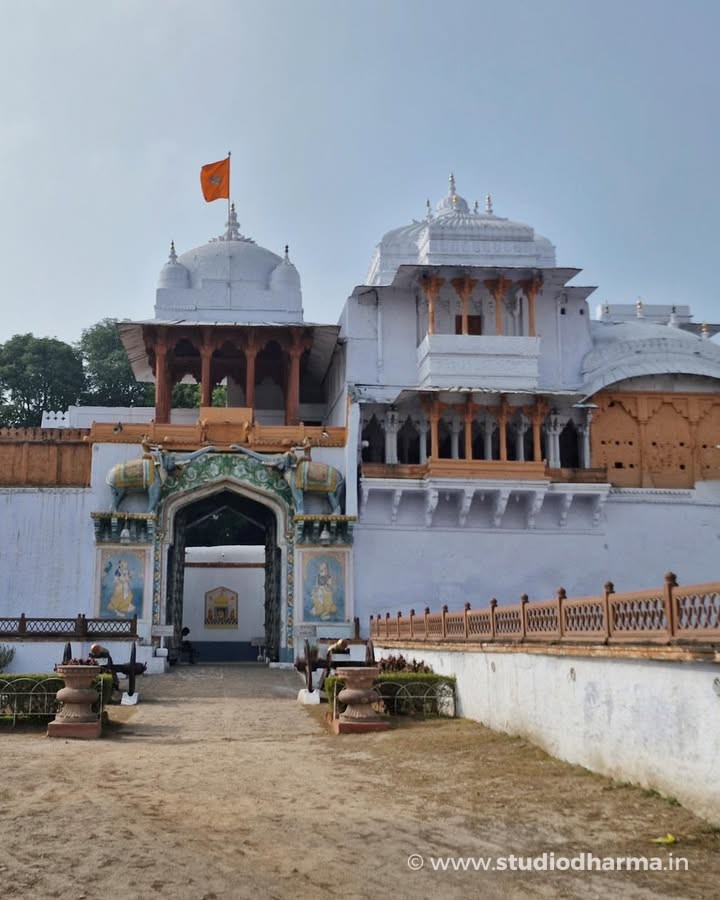
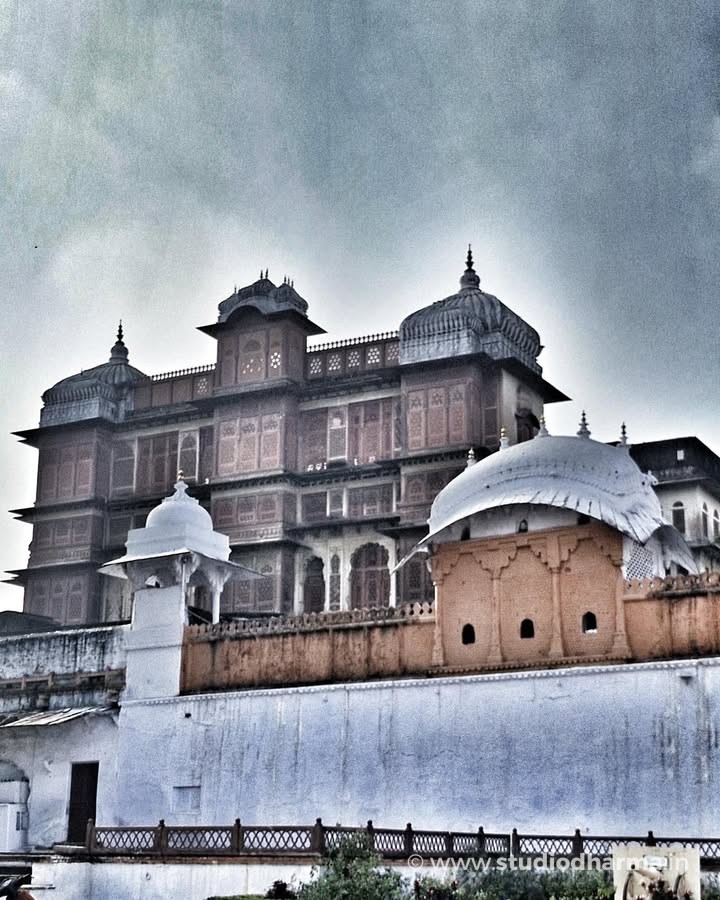
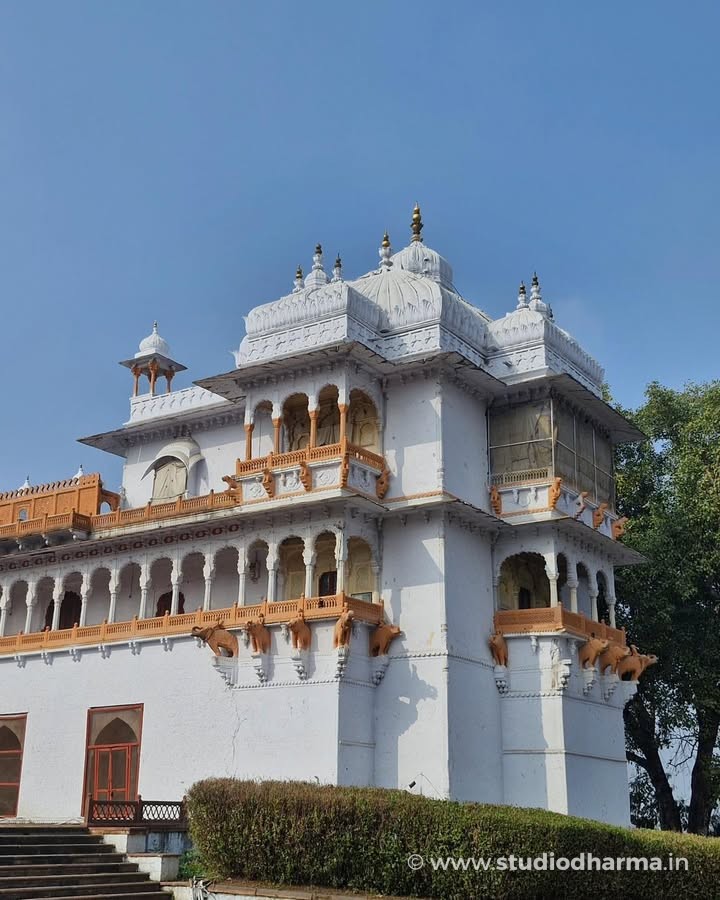
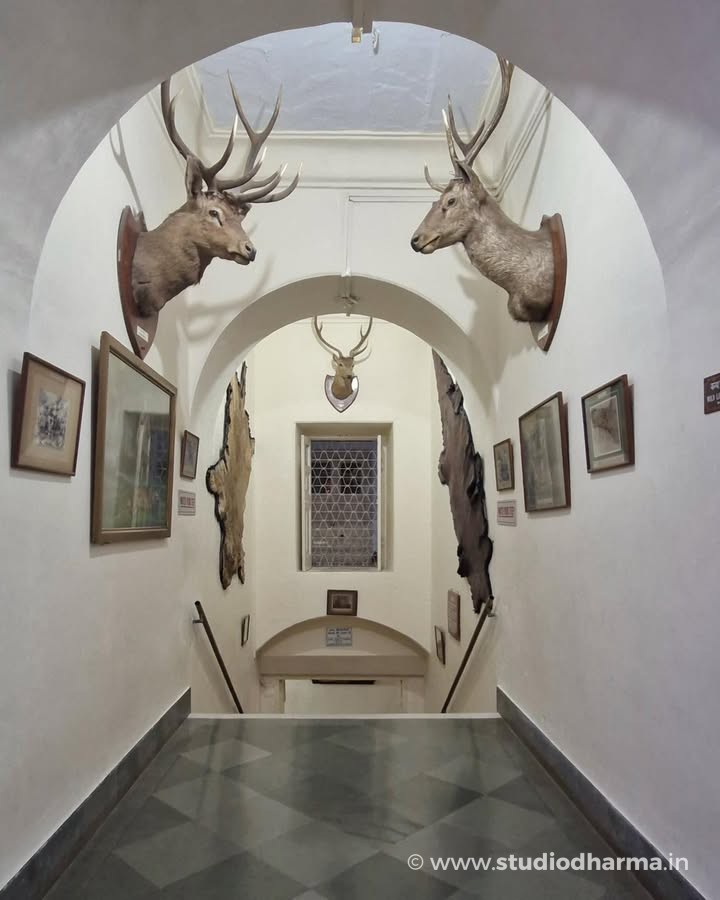
✦🌺✦ ❃❃ ꧁ Rajmahal (Garh Palace), Kota – The Royal Citadel of the Hada Dynasty ꧂ ❃❃ ✦🌺✦.
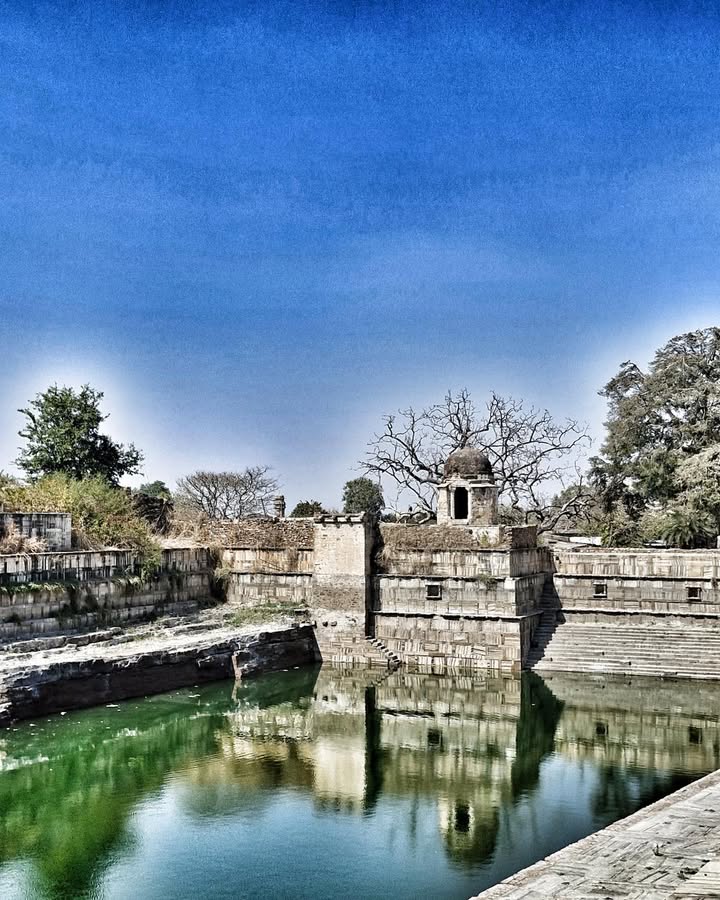
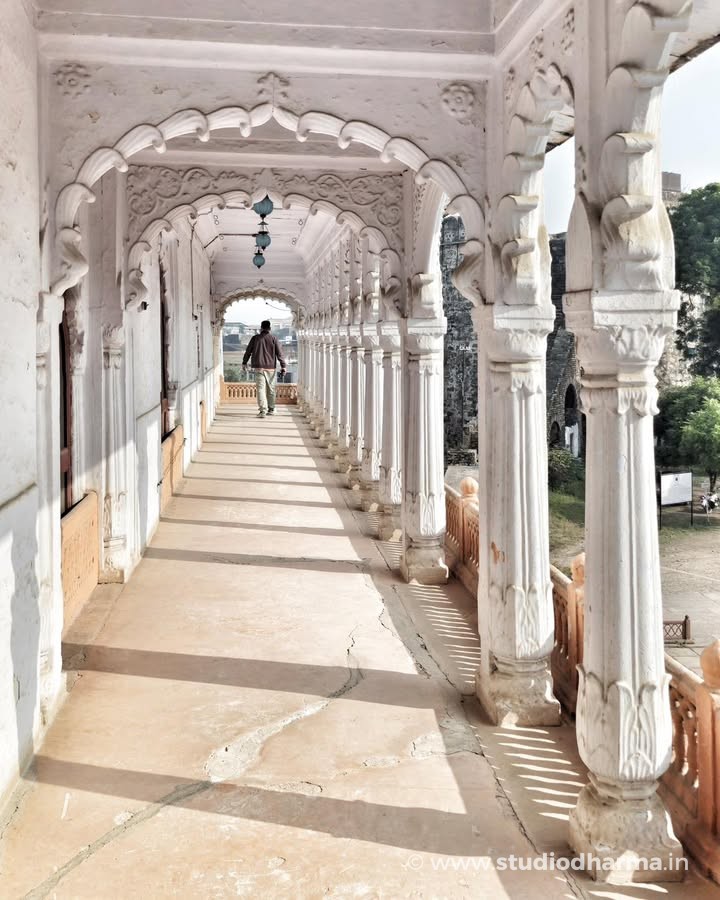
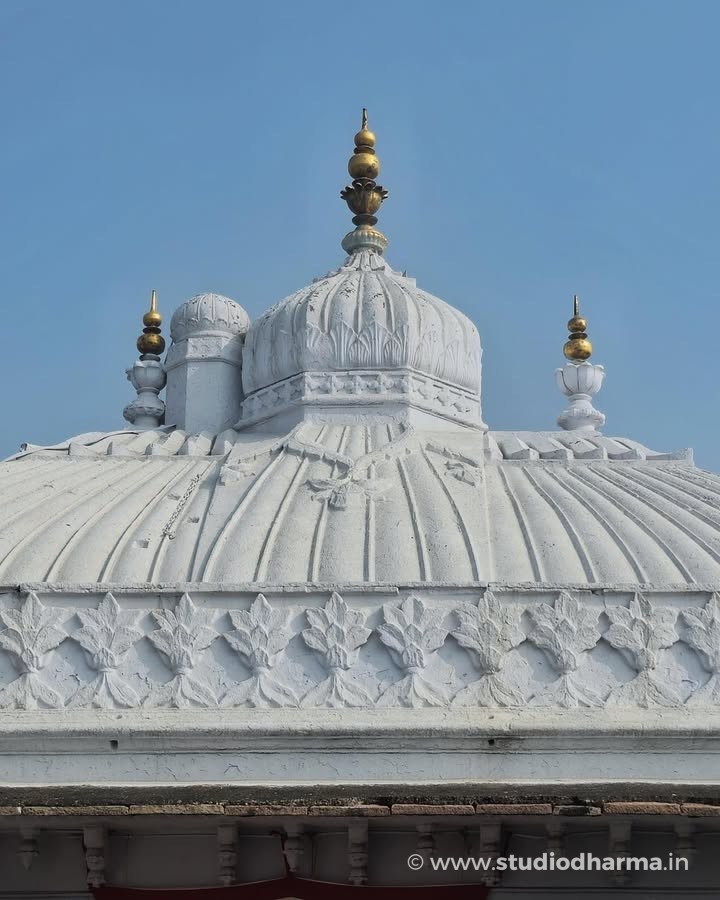
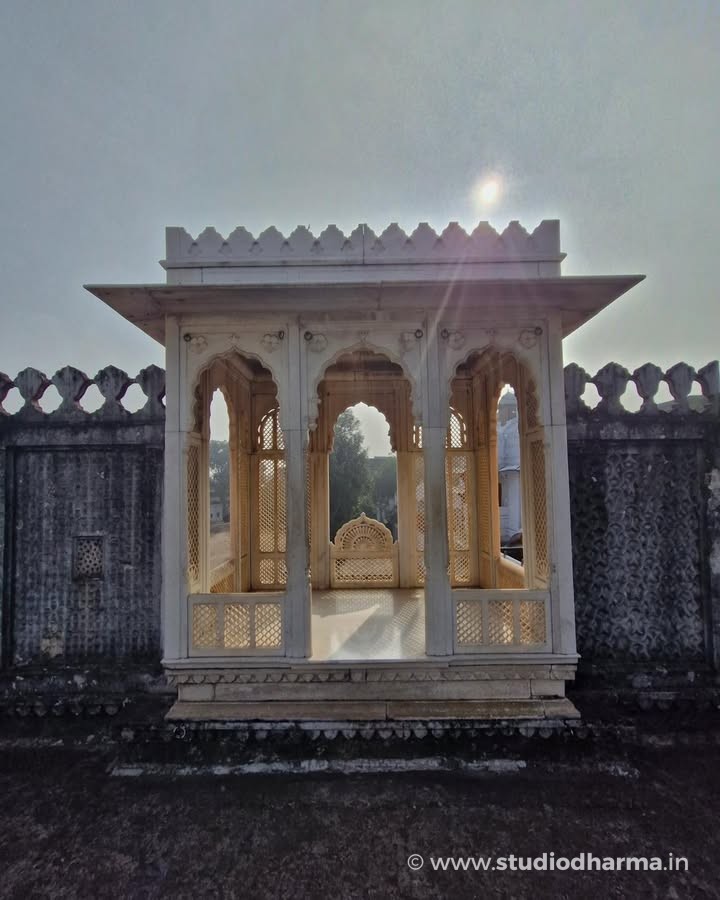
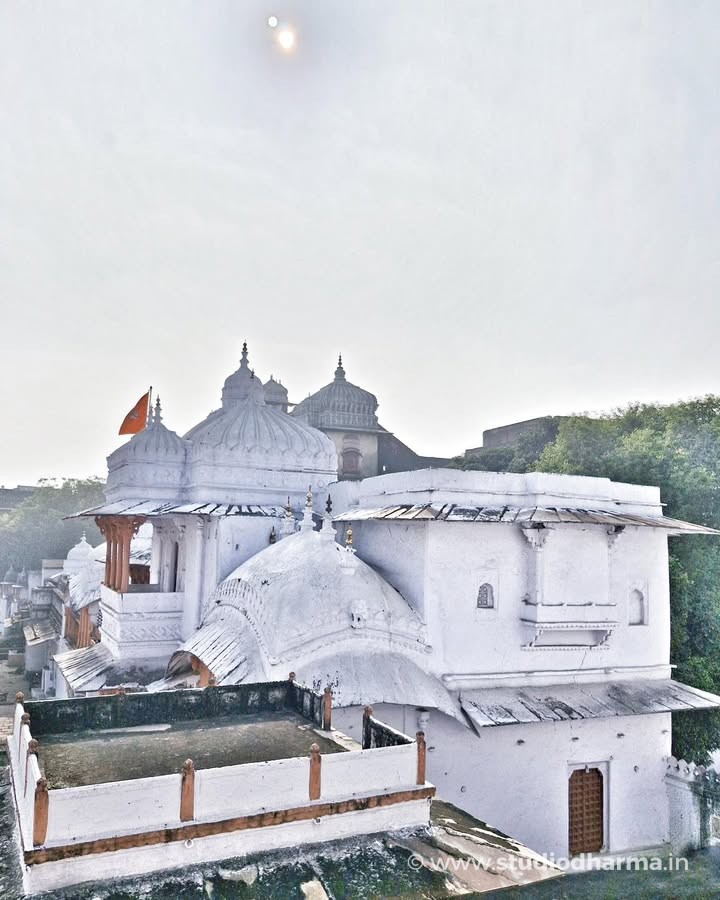
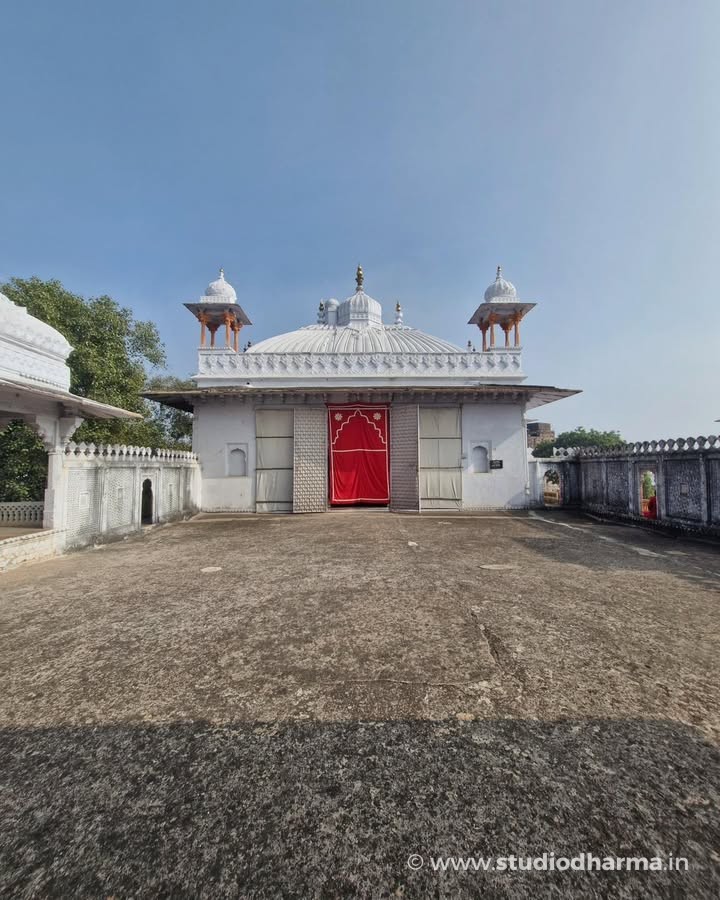
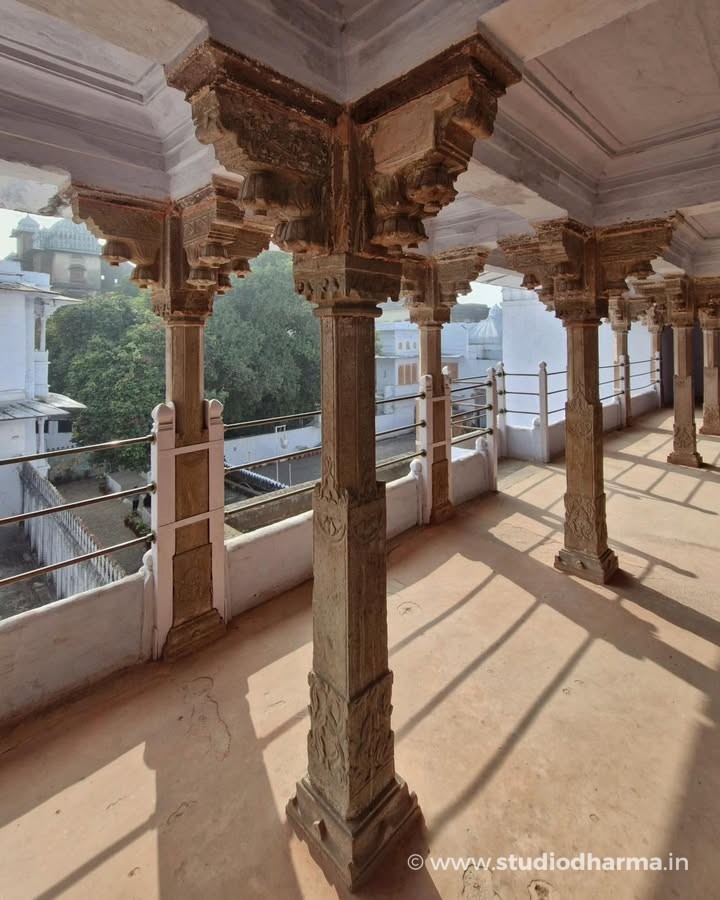
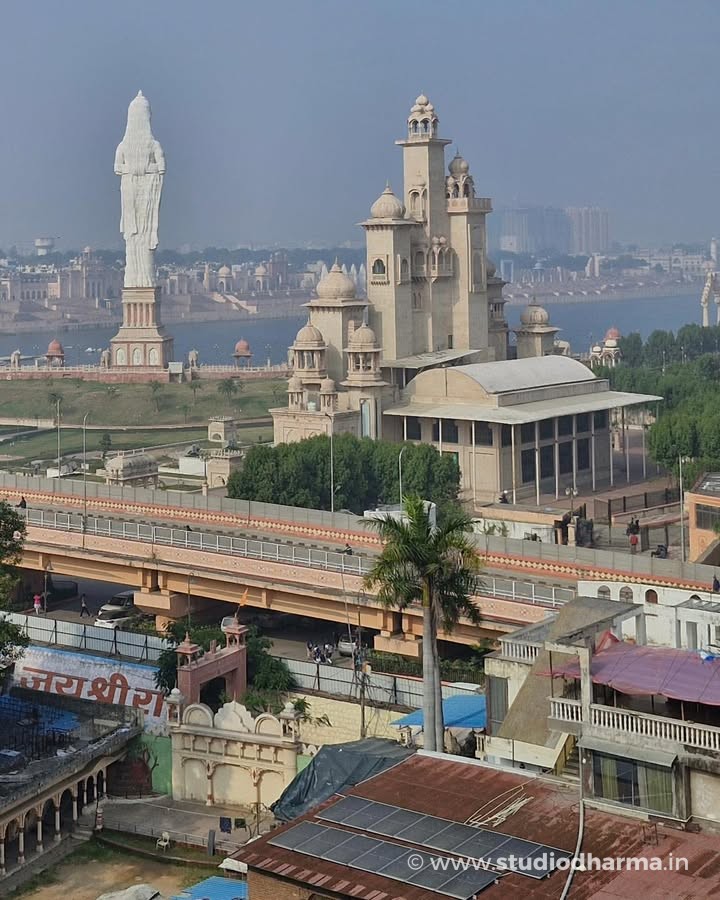
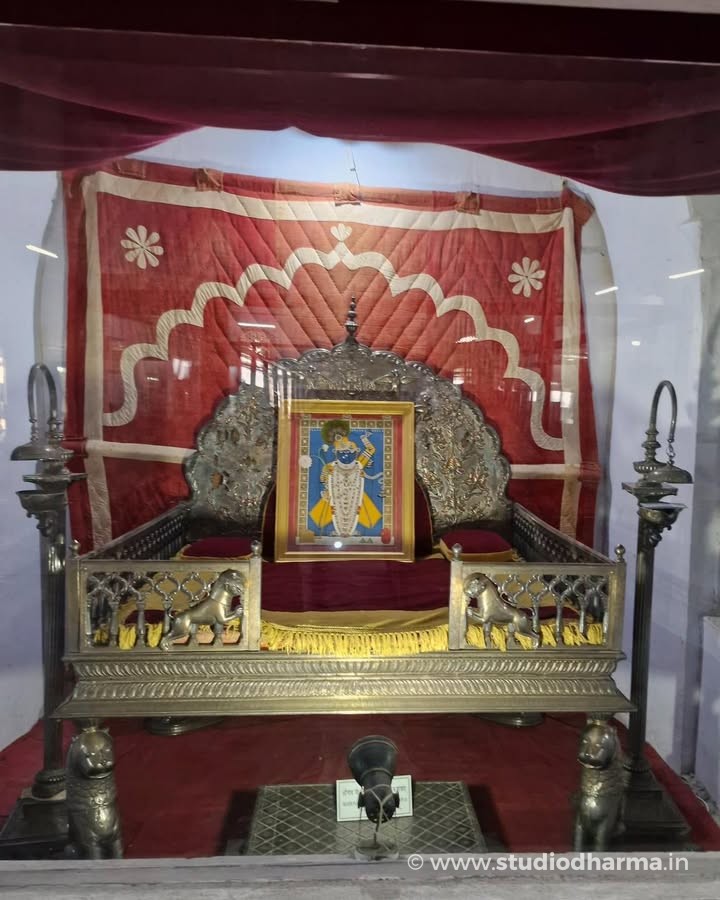
Standing above the calm waters of the Chambal River, the Rajmahal of Kota — popularly known as Garh Palace — is not merely a palace. It is the very birthplace of Kota’s royal identity.
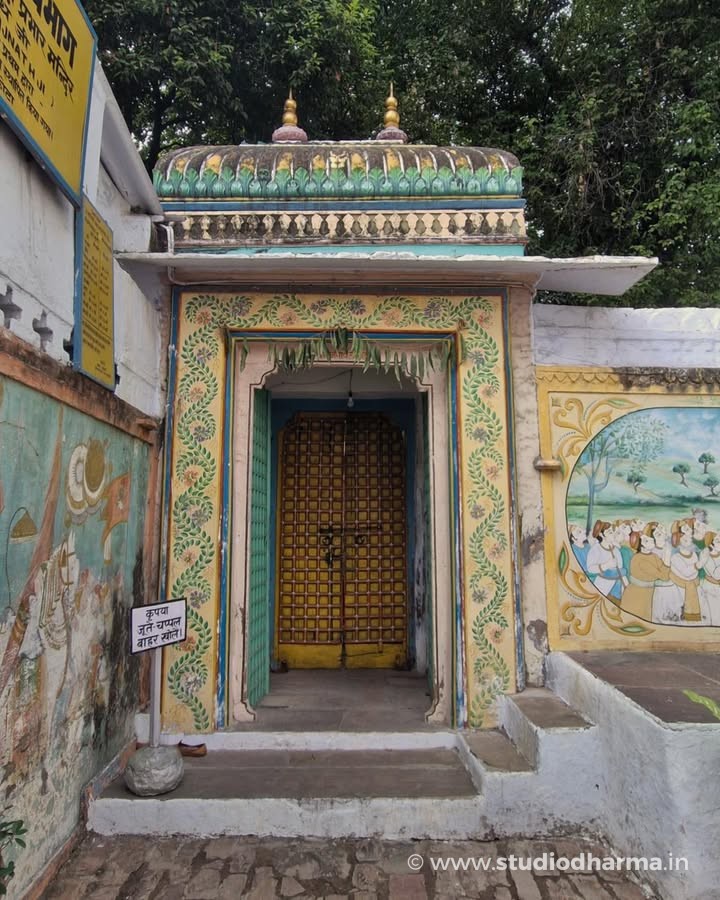
Long before Kota emerged as a separate kingdom, this region was part of the powerful Bundi state ruled by the Hada Chauhan Rajputs. Around the late sixteenth century, the first structures of the palace complex began to rise near the Chambal. Massive fort walls, gateways and royal chambers slowly formed a fortified residence for the rulers who governed the region.
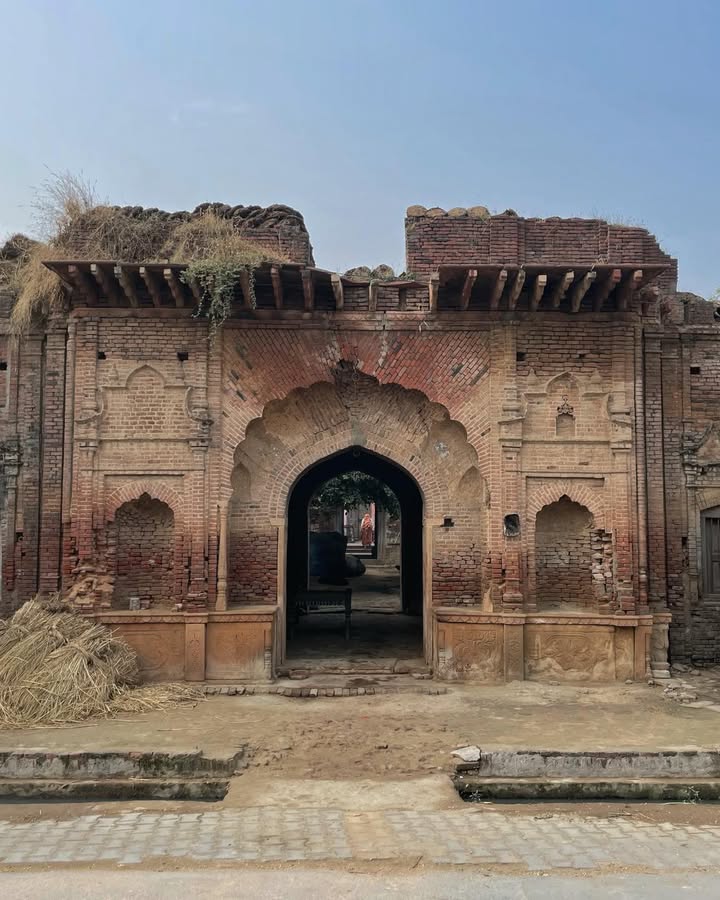
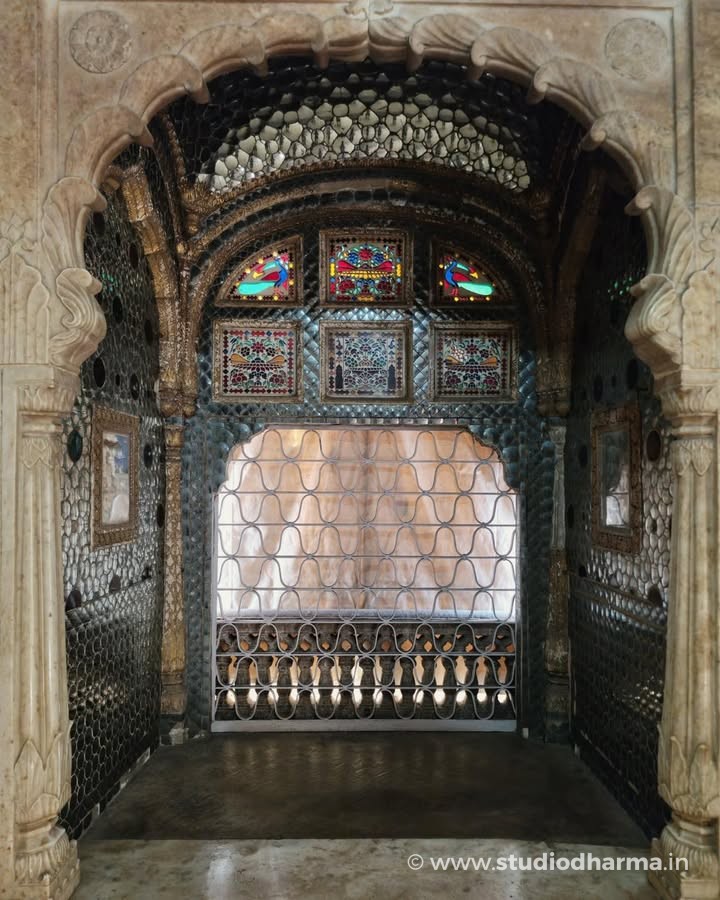
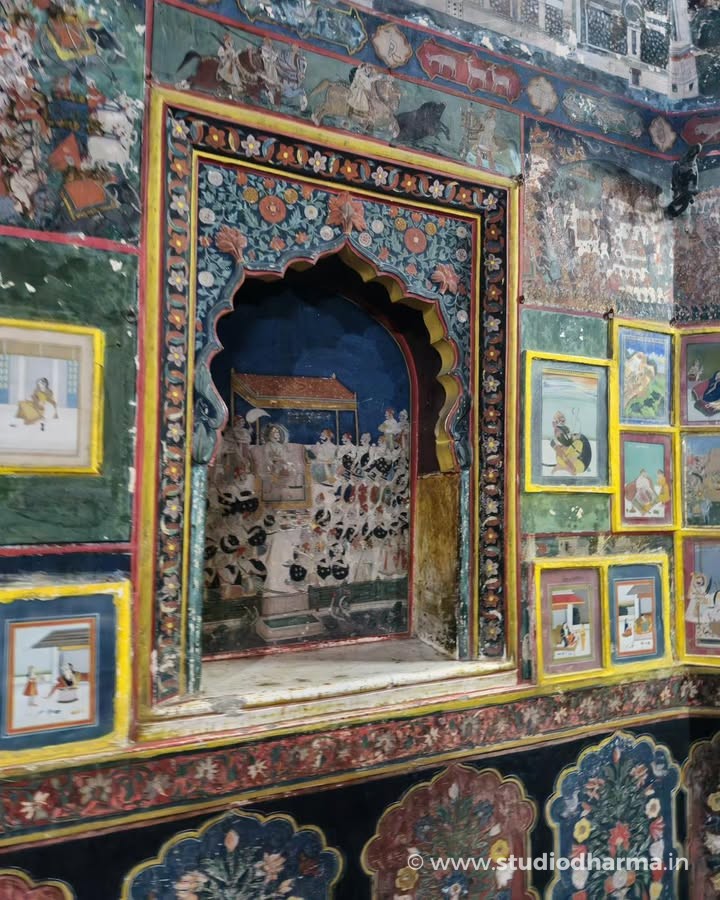
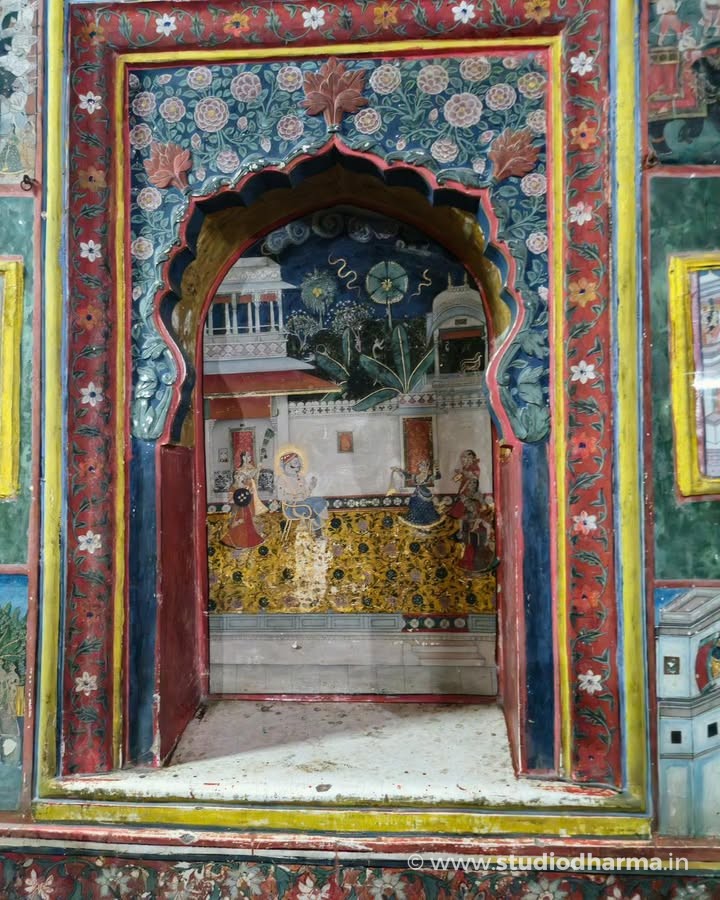
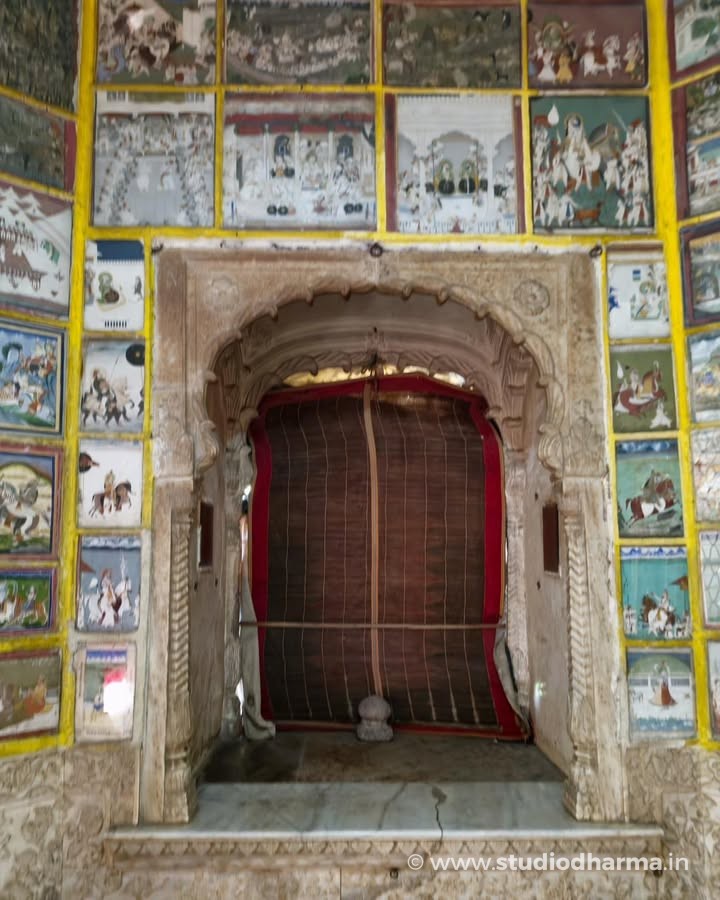
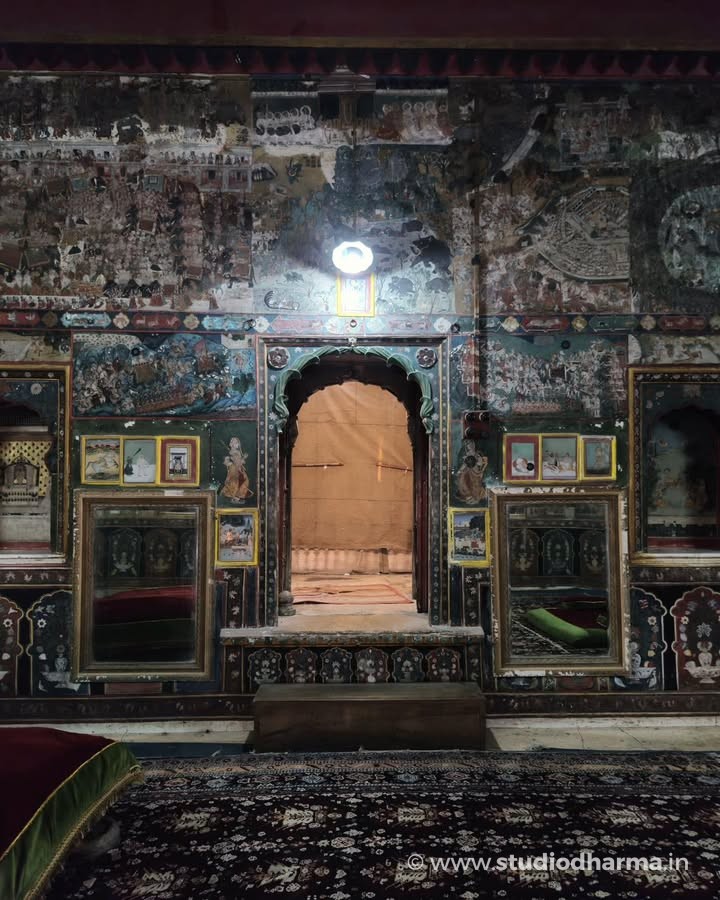
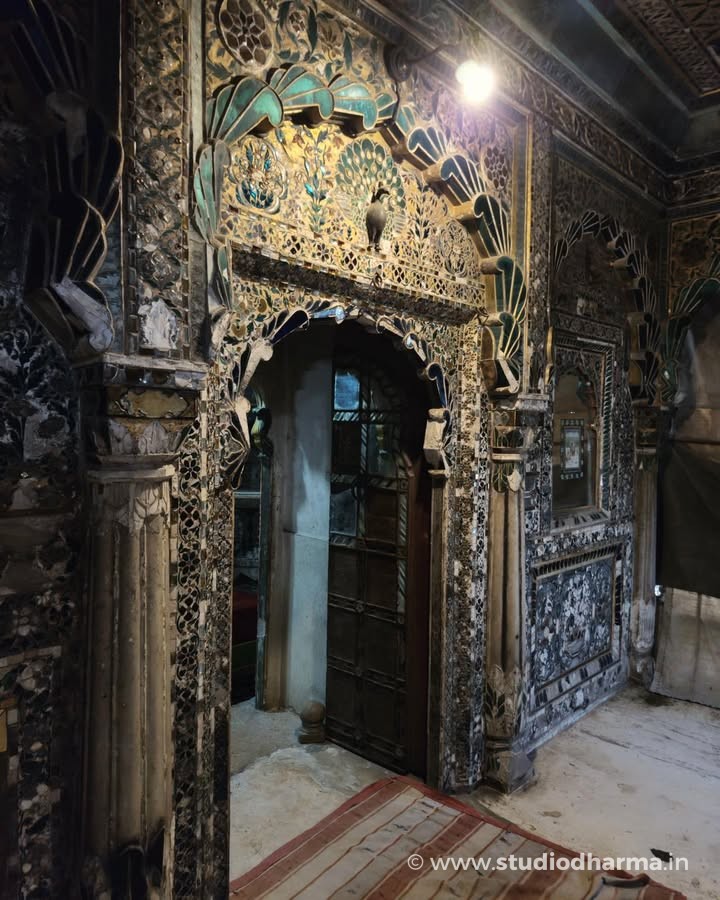
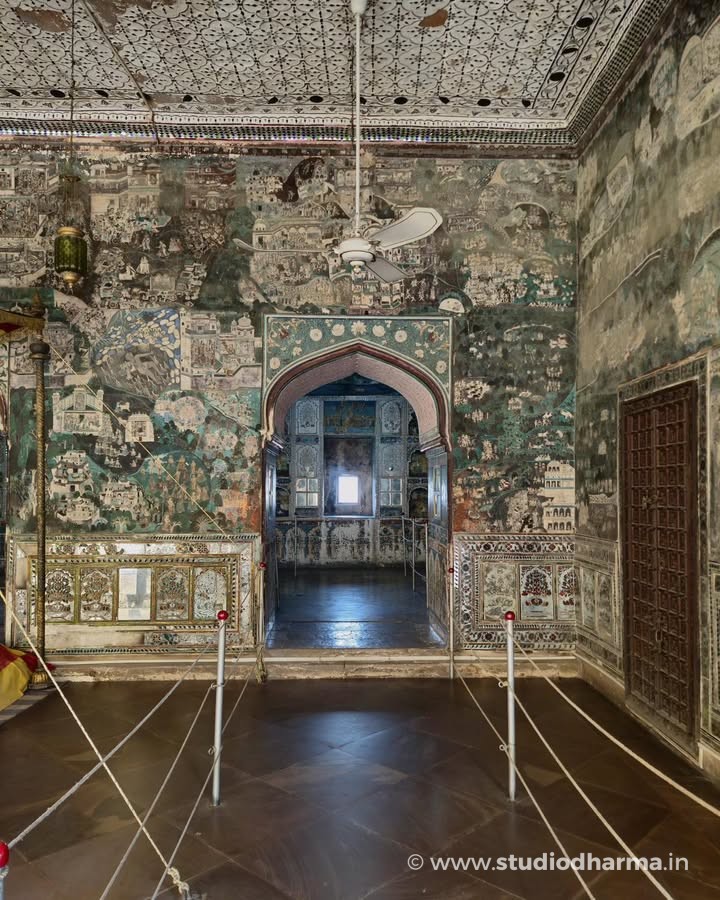
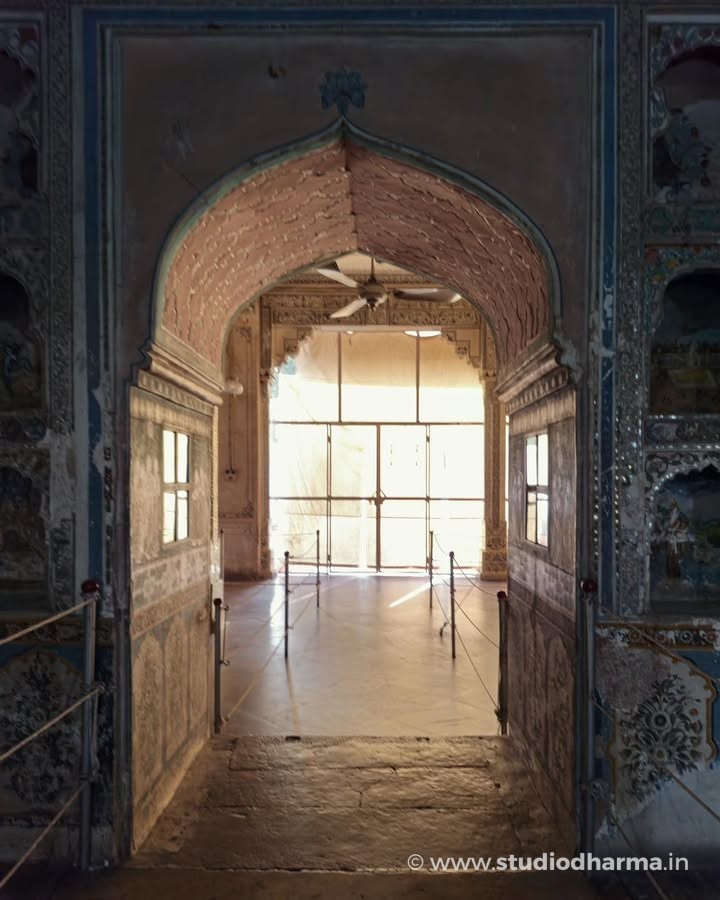
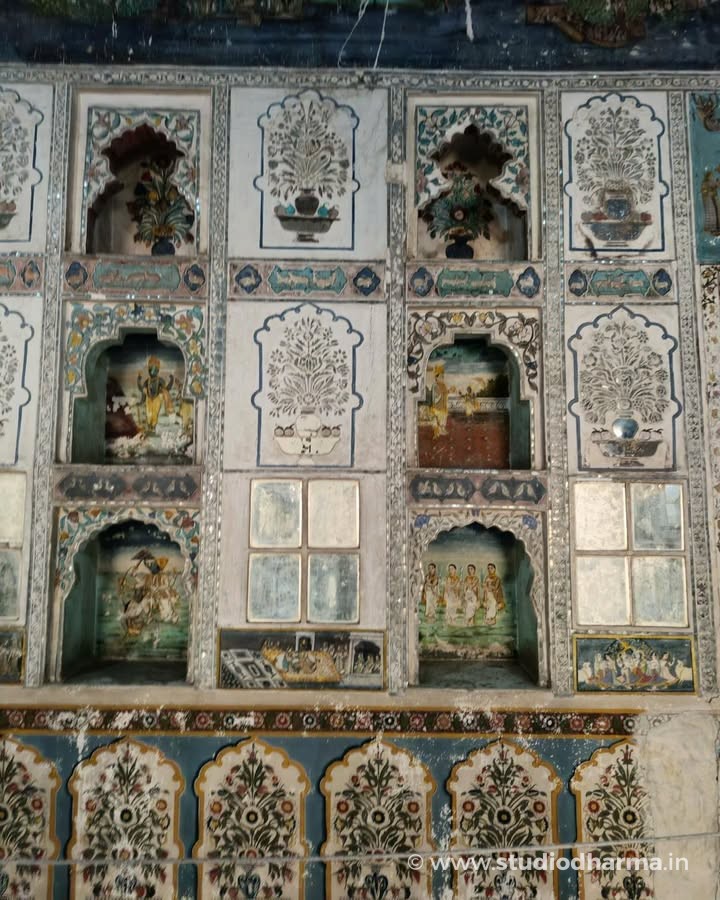
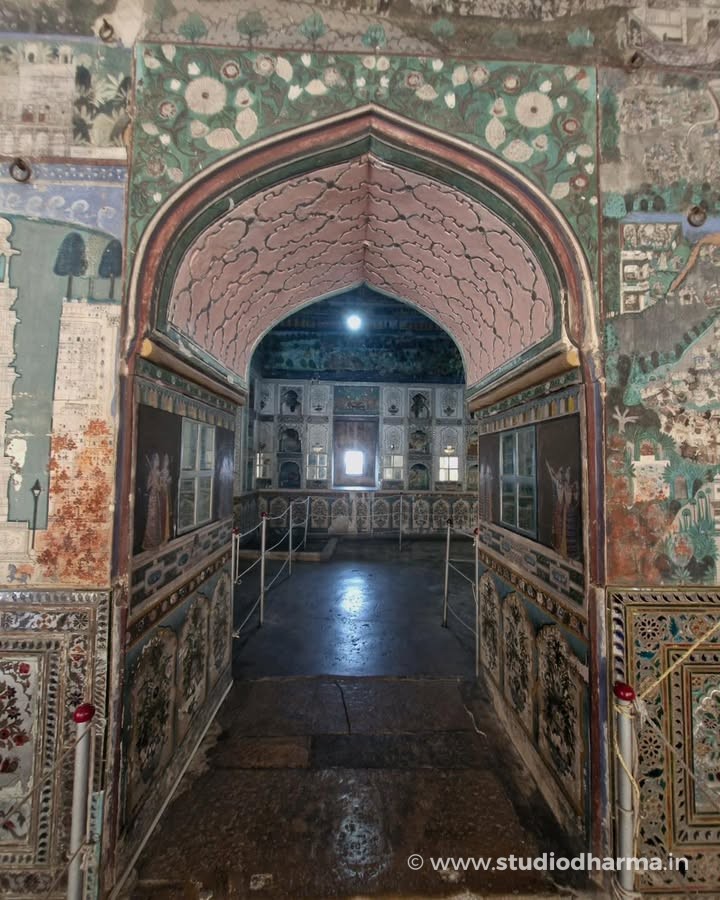
History took a decisive turn in 1631 when Rao Madho Singh, son of the Bundi ruler Rao Ratan Singh, established Kota as an independent princely state with the patronage of the Mughal emperor. From that moment onward, the palace became the seat of the newly formed Kota kingdom. Generations of Hada rulers expanded the complex, adding grand courtyards, richly painted halls and monumental gateways such as Sailar Ghazi Darwaza.
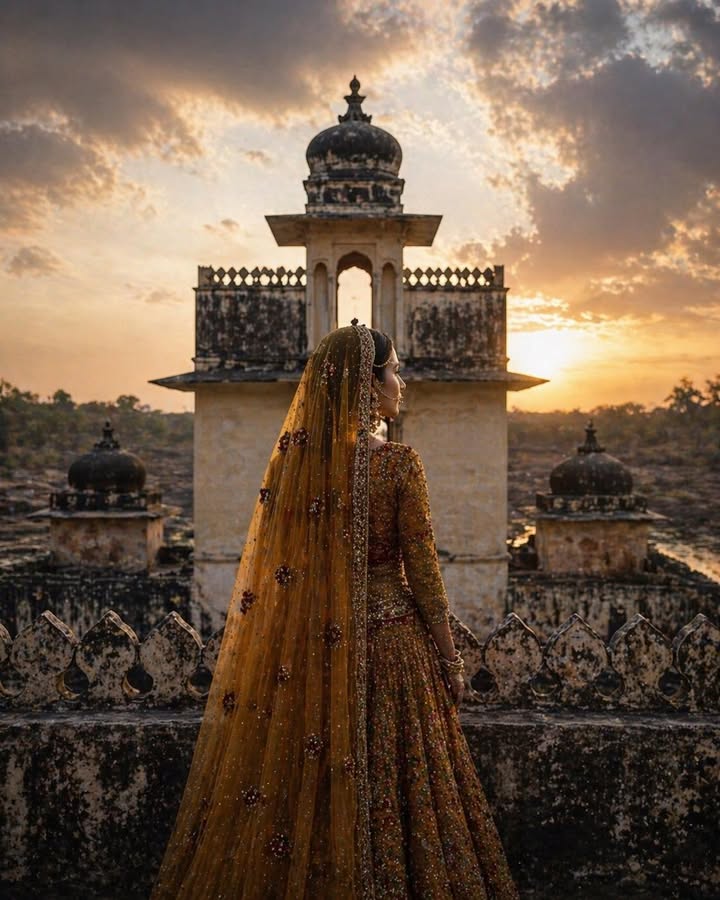
Within these walls unfolded centuries of royal ceremonies, courtly traditions and cultural rituals. One such enduring tradition was the ceremonial tying of the Kota Paag, a distinctive turban that symbolized honor and identity in the region.
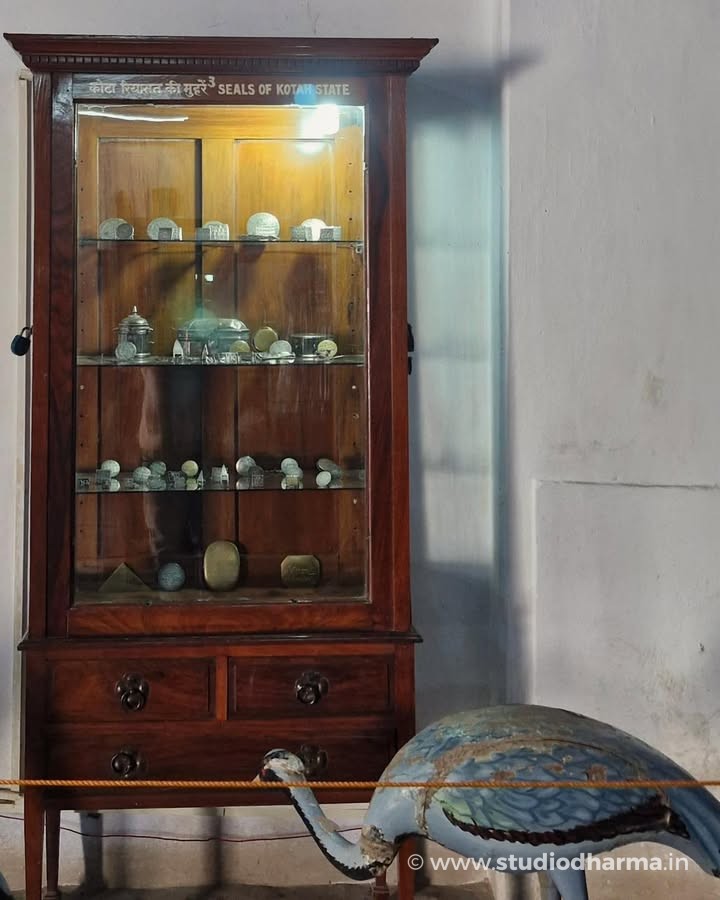
After India’s independence and the merger of princely states in 1948, the rulers gradually moved out of the palace. Yet the soul of the Rajmahal did not fade. Today parts of the palace are preserved by the Rao Madho Singh Museum Trust, where exquisite Rajput miniature paintings, royal weapons, manuscripts and artifacts continue to narrate the story of Kota’s past.
Looking at the towering façade of Garh Palace today, one does not merely see stone walls and courtyards. One witnesses centuries of power, artistry and tradition — a living monument to the enduring legacy of the Hada dynasty that shaped the history of Kota.
Discover more forgotten heritage stories in the premium coffee table book ITIHASNAMA by StudioDharma featuring 25 curated historical stories of Meerut.
Book your copy here:
❈🌿❈ ✧✧ ꧁ राजमहल (गढ़ पैलेस), कोटा – हाड़ा राजवंश की शाही धरोहर ꧂ ✧✧ ❈🌿❈
चम्बल नदी के शांत किनारे खड़ा कोटा का राजमहल, जिसे प्रायः गढ़ पैलेस के नाम से जाना जाता है, केवल एक राजसी भवन नहीं बल्कि कोटा की शाही पहचान का जन्मस्थान है।
कोटा के स्वतंत्र राज्य बनने से पहले यह क्षेत्र बूंदी रियासत का हिस्सा था, जहाँ हाड़ा चौहान राजपूतों का शासन था। लगभग सोलहवीं शताब्दी के उत्तरार्ध में चम्बल के किनारे इस विशाल महल परिसर का निर्माण प्रारम्भ हुआ। धीरे-धीरे मजबूत किलेबंदी, विशाल द्वार और भव्य राजकीय कक्ष बनते गए और यह स्थान क्षेत्र के शासकों का प्रमुख निवास बन गया।
इतिहास का महत्वपूर्ण मोड़ सन् 1631 में आया, जब बूंदी के शासक राव रतन सिंह के पुत्र राव माधो सिंह ने मुगल सम्राट के संरक्षण में कोटा को एक स्वतंत्र रियासत के रूप में स्थापित किया। उसी समय से यह महल नवस्थापित कोटा राज्य की शाही राजधानी बन गया। आने वाली पीढ़ियों ने इस परिसर को और विस्तारित किया — विशाल चौक, चित्रित दीवारों वाले कक्ष और भव्य द्वार जैसे सैलार गाज़ी दरवाज़ा इस विस्तार के प्रमाण हैं।
इन दीवारों के भीतर सदियों तक राजकीय समारोह, दरबारी परंपराएँ और सांस्कृतिक रस्में निभाई जाती रहीं। इन्हीं परंपराओं में से एक थी राजमहल चौक में कोटा पाग बाँधने की परंपरा, जो सम्मान और पहचान का प्रतीक मानी जाती थी।
सन् 1948 में रियासतों के विलय के बाद शाही परिवार धीरे-धीरे इस महल से बाहर चला गया। लेकिन राजमहल की ऐतिहासिक आत्मा आज भी जीवित है। आज इसके कुछ हिस्सों का संरक्षण राव माधो सिंह म्यूज़ियम ट्रस्ट द्वारा किया जाता है, जहाँ राजपूत लघुचित्रों, शाही हथियारों और ऐतिहासिक वस्तुओं का समृद्ध संग्रह सुरक्षित रखा गया है।
आज जब कोई गढ़ पैलेस को देखता है, तो वह केवल एक महल नहीं बल्कि सदियों की शाही विरासत, कला और परंपरा का जीवंत इतिहास देखता है — हाड़ा राजवंश की वह अमिट छाप जिसने कोटा की पहचान गढ़ी।
स्टूडियो धर्मा द्वारा प्रकाशित प्रीमियम कॉफी टेबल बुक ITIHASNAMA में मेरठ की 25 ऐतिहासिक कहानियाँ संकलित हैं।
अपनी प्रति यहाँ से प्राप्त करें: