









“Ravan ke Gilas” – Twin Water Tanks of Kotwali, Meerut (1895).


“Ravan ke Gilas” – Twin Water Tanks of Kotwali, Meerut (1895).
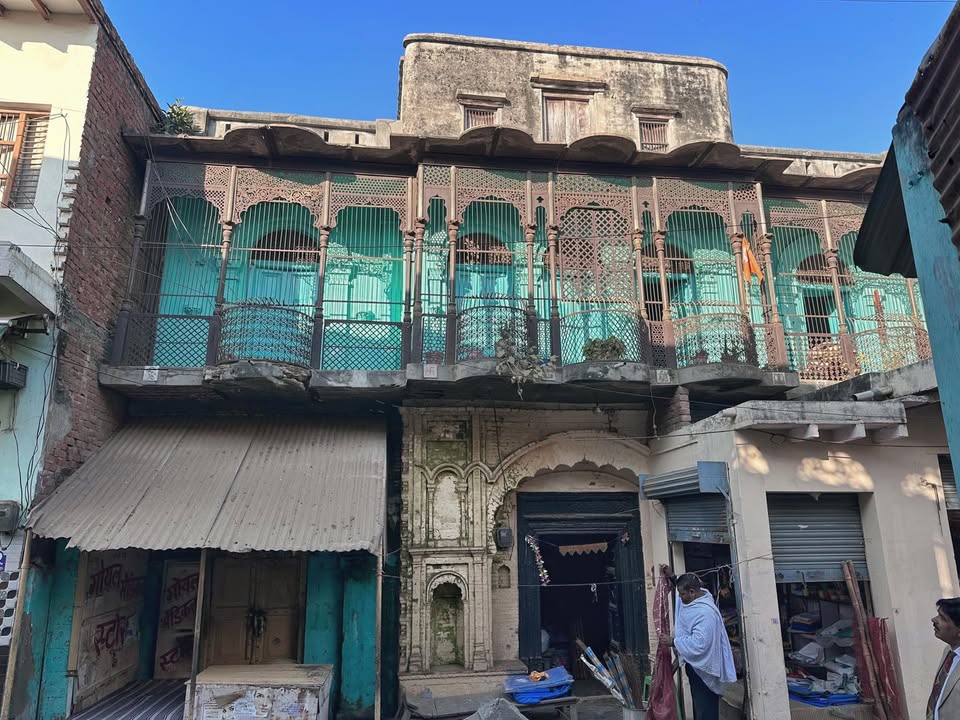
In the crowded lanes of Kotwali and Purani Tehsil, where old Meerut still breathes beneath wires and markets, two colossal iron cylinders rise quietly above the chaos. Most pass them daily. Few pause to realise they mark the beginning of organized urban infrastructure in the city.
On 5 August 1895, the foundation stone of the Meerut Water Works was laid by The Hon’ble A. P. MacDonnell, C.S.I., then Lieutenant Governor of the North-Western Provinces and Chief Commissioner of Oudh. The original inscription still records this moment — the birth of Meerut’s structured water supply system under British administration.
These riveted iron tanks became part of that system. Over a century later, they remain standing — darkened by time yet structurally resilient — silent witnesses to Meerut’s transition from colonial cantonment town to expanding urban centre.
Locals lovingly call them “Ravan ke Gilas,” inspired by their gigantic scale. A popular local belief associates Mandodari, wife of Ravana, with ancient Meerut — leading some to refer to the city as Ravana’s sasural. Because these tanks stand in one of the oldest quarters of Meerut, the folklore gradually intertwined with them. While this remains a cultural belief rather than a historically established fact, it reflects how mythology and memory shape the identity of place.
These are not merely water tanks. They are iron markers of civic awakening — reminders that modern Meerut rose drop by drop.
To explore 25 deeply researched heritage stories of Meerut in a premium coffee table format, you can order ITIHASNAMA by StudioDharma here:
“रावण के गिलास” – कोतवाली, मेरठ के ऐतिहासिक ट्विन वाटर टैंक (1895)
कोतवाली और पुरानी तहसील की गलियों में खड़े ये दो विशाल लोहे के टैंक मेरठ के आधुनिक इतिहास की शुरुआत के साक्षी हैं। भीड़भाड़ और तारों के जाल के बीच ये आज भी अडिग खड़े हैं।
5 अगस्त 1895 को “मेरठ वाटर वर्क्स” की आधारशिला तत्कालीन लेफ्टिनेंट गवर्नर ए. पी. मैकडॉनेल, सी.एस.आई. द्वारा रखी गई थी। शिलालेख आज भी उस ऐतिहासिक क्षण को दर्ज करता है — जब मेरठ में संगठित जल आपूर्ति व्यवस्था की शुरुआत हुई।
ये रिवेटेड लोहे के टैंक उसी व्यवस्था का हिस्सा बने। एक सदी से अधिक समय बीत जाने के बाद भी ये मजबूत खड़े हैं — समय के साथ गहरे होते रंगों में, पर संरचना में अटल।
स्थानीय लोग इन्हें “रावण के गिलास” कहते हैं। एक प्रचलित लोकमान्यता के अनुसार रावण की पत्नी मंदोदरी का संबंध प्राचीन मेरठ से जोड़ा जाता है, इसलिए कुछ लोग मेरठ को रावण का ससुराल भी कहते हैं। चूँकि ये टैंक शहर के सबसे पुराने हिस्से में स्थित हैं, यह लोककथा इनके नाम से जुड़ गई। हालांकि यह ऐतिहासिक रूप से प्रमाणित तथ्य नहीं है, पर यह शहर की सांस्कृतिक स्मृति का हिस्सा है।
ये केवल जलाशय नहीं, बल्कि मेरठ की आधुनिकता की शुरुआत के लोहे में लिखे अध्याय हैं।
यदि आप मेरठ की 25 शोधपूर्ण ऐतिहासिक कहानियों को प्रीमियम कॉफी टेबल पुस्तक के रूप में पढ़ना चाहते हैं, तो StudioDharma की पुस्तक ITIHASNAMA यहाँ से मंगवा सकते हैं: