












THE DARGAH OF SYED MEERAN HUSSAIN, TARAGARH HILL, AJMER.



THE DARGAH OF SYED MEERAN HUSSAIN, TARAGARH HILL, AJMER.
A FORGOTTEN MARTYR’S SHRINE ABOVE THE CITY OF KHWAJA GAREEB NAWAZ.
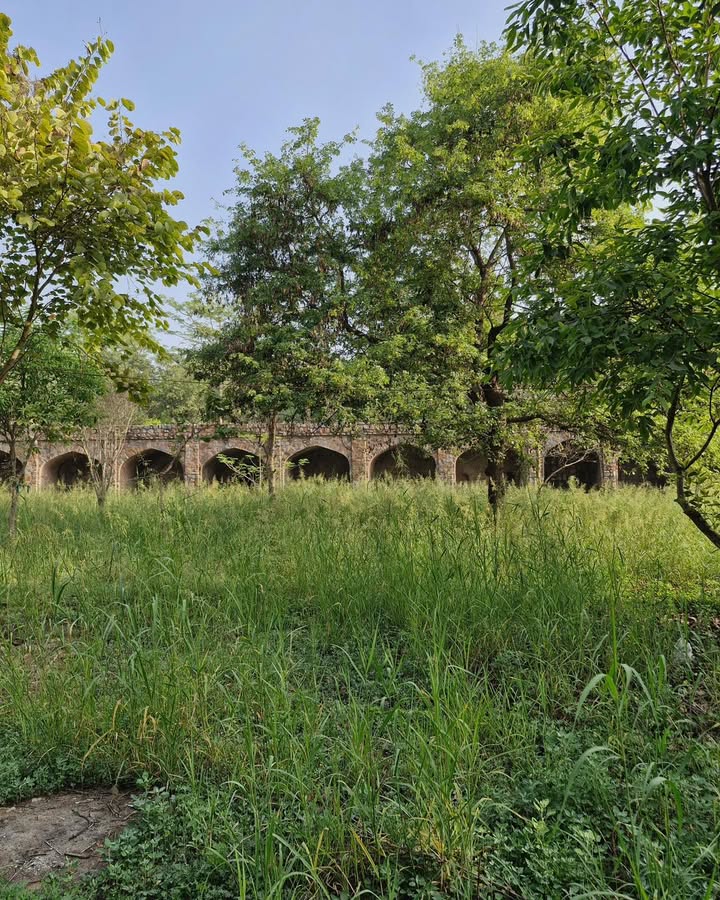
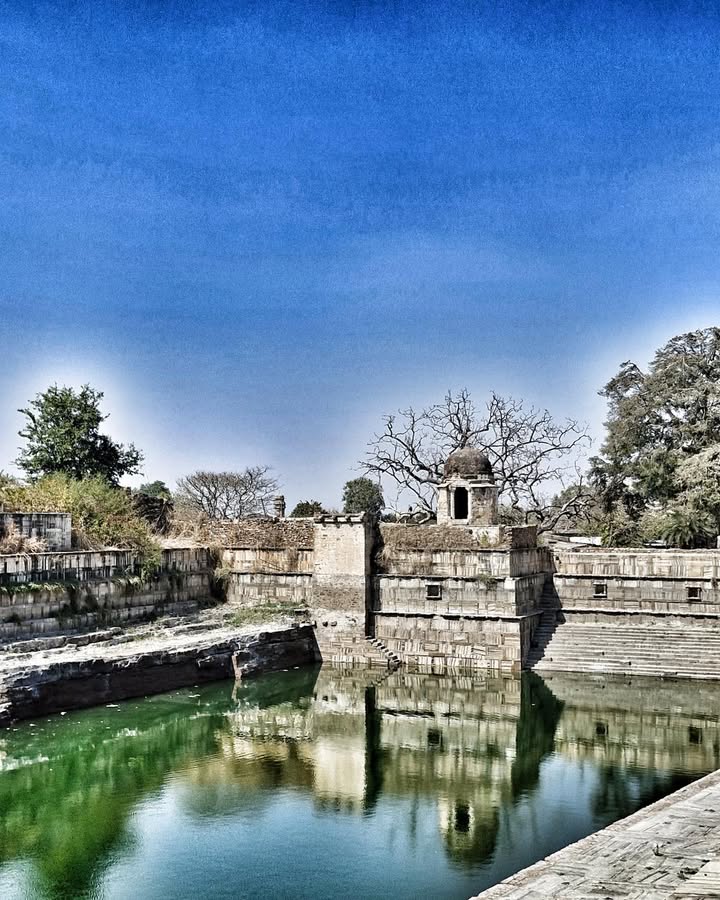
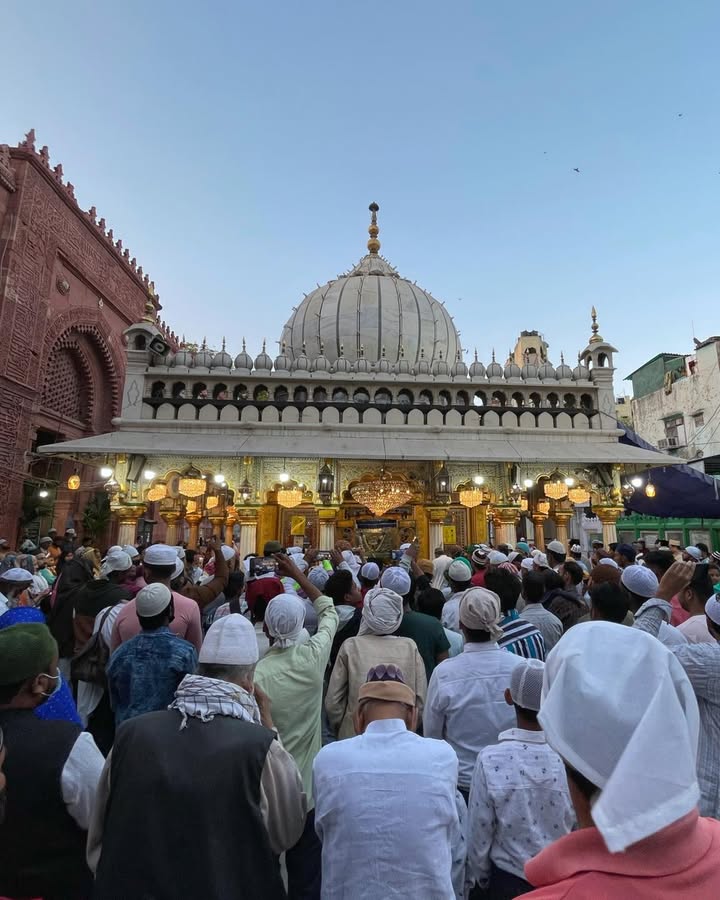
High above the historic city of Ajmer rises Taragarh Hill — a place where history, faith, and legend quietly merge with the winds of the Aravalli ranges. While most pilgrims visiting Ajmer walk toward the celebrated shrine of Khwaja Moinuddin Chishti, few realise that another sacred site watches over the city from the heights above.
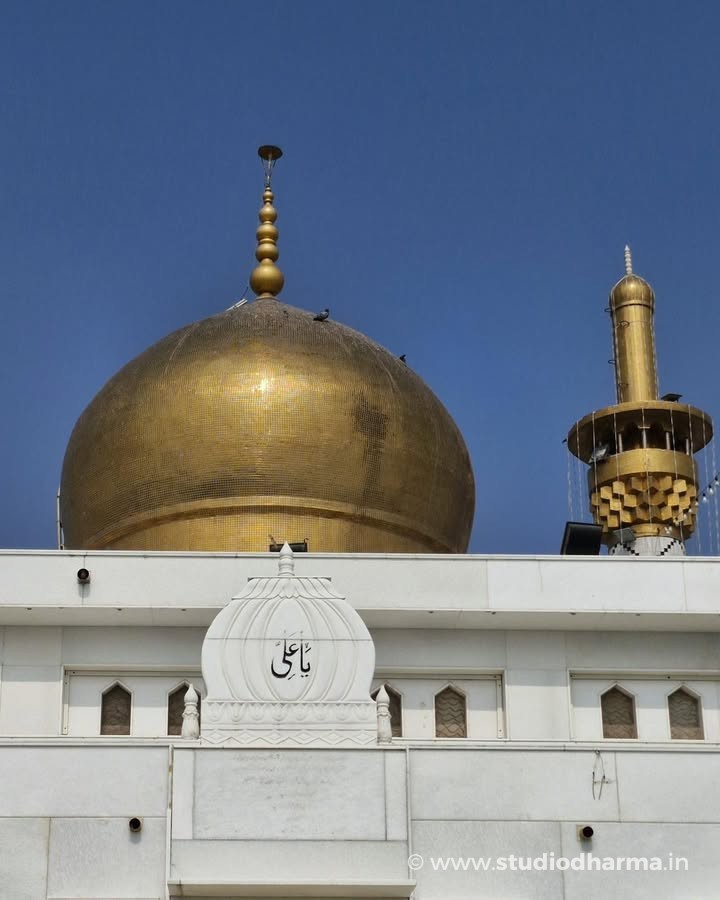
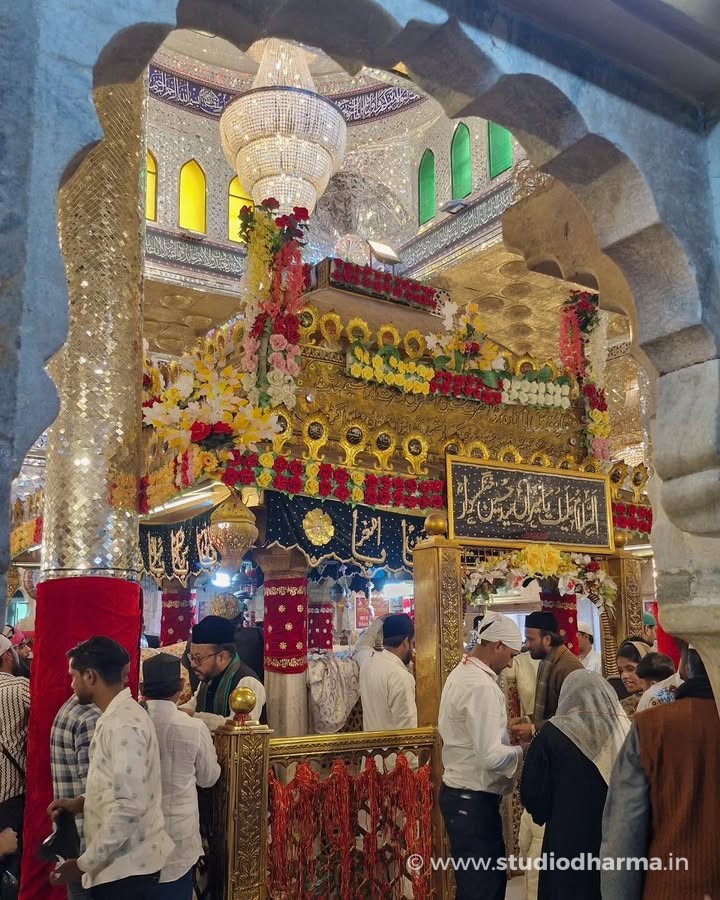
This is the Dargah of Hazrat Syed Meeran Hussain, also remembered as Khing Sawar.
Historical traditions place him in the early years of the Delhi Sultanate, when Qutb-ud-Din Aibak controlled the region after the defeat of the Chauhans. Meeran Hussain was entrusted with responsibilities related to the strategic Taragarh Fort. Known for his spiritual influence and generosity toward the poor and sick, he attracted a following among the people living around Ajmer.
According to historical and local accounts, he was martyred around 1201–1202 CE during an attack on Taragarh while he was engaged in prayer.
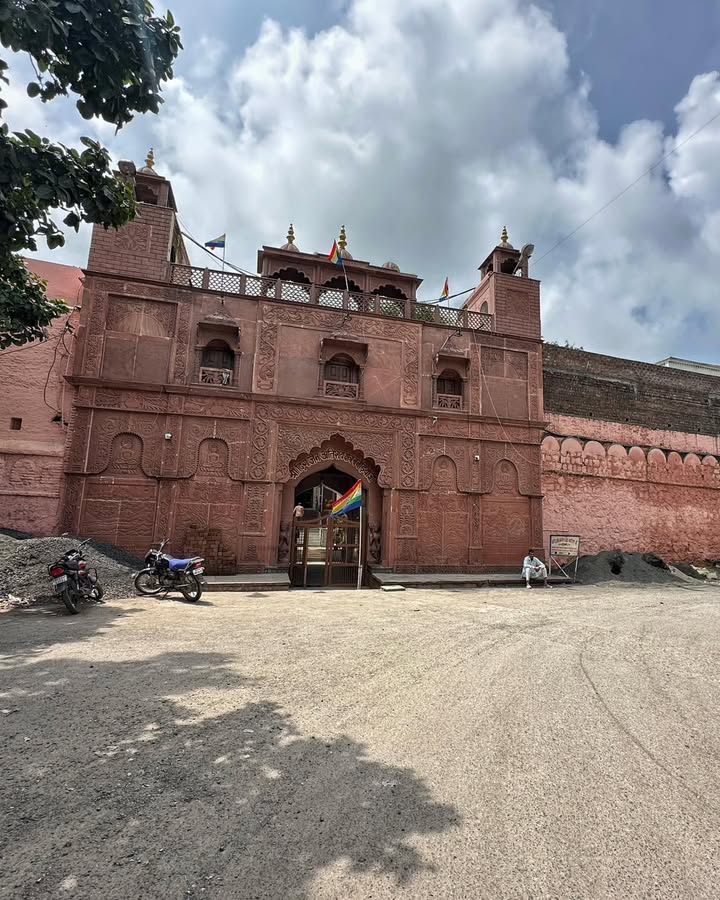
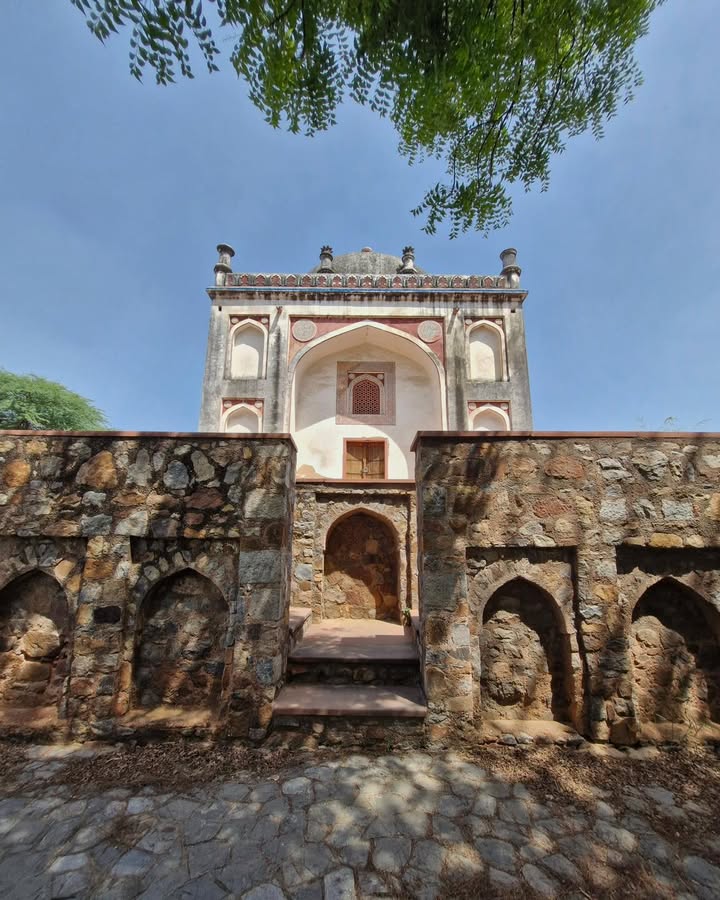
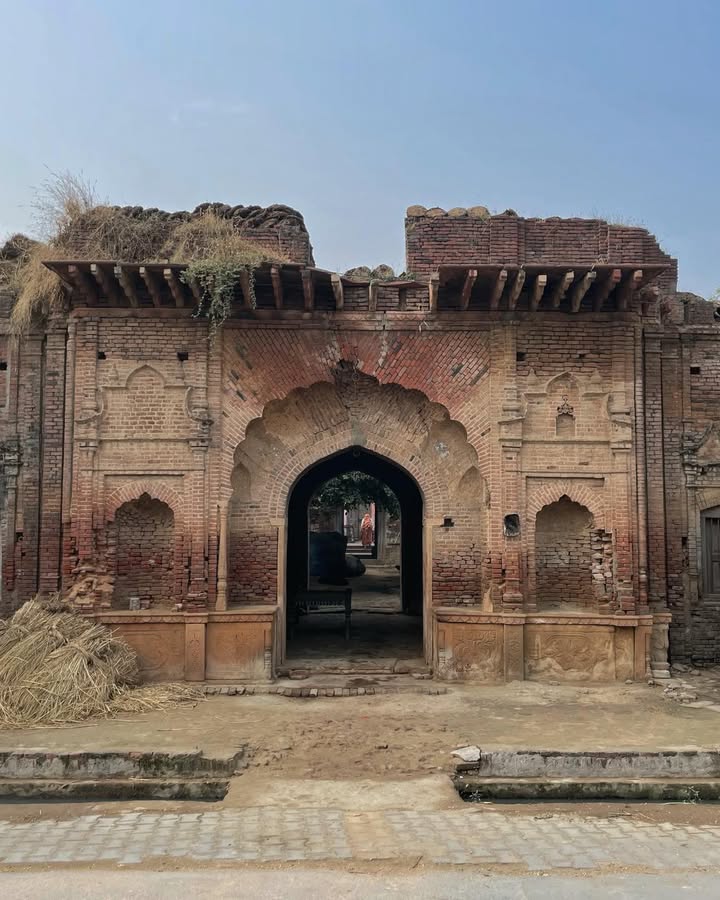
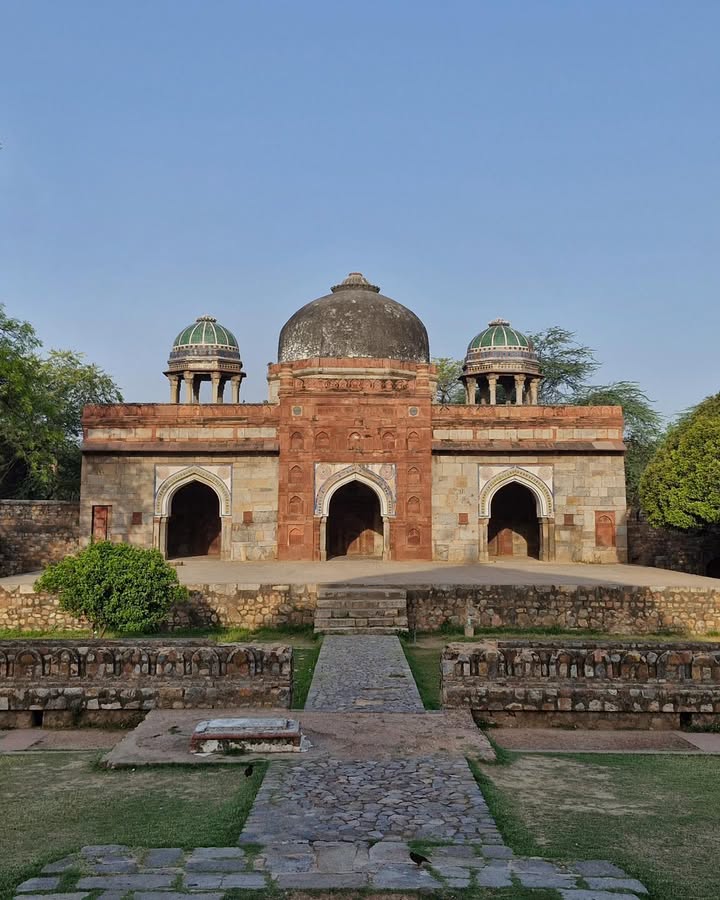
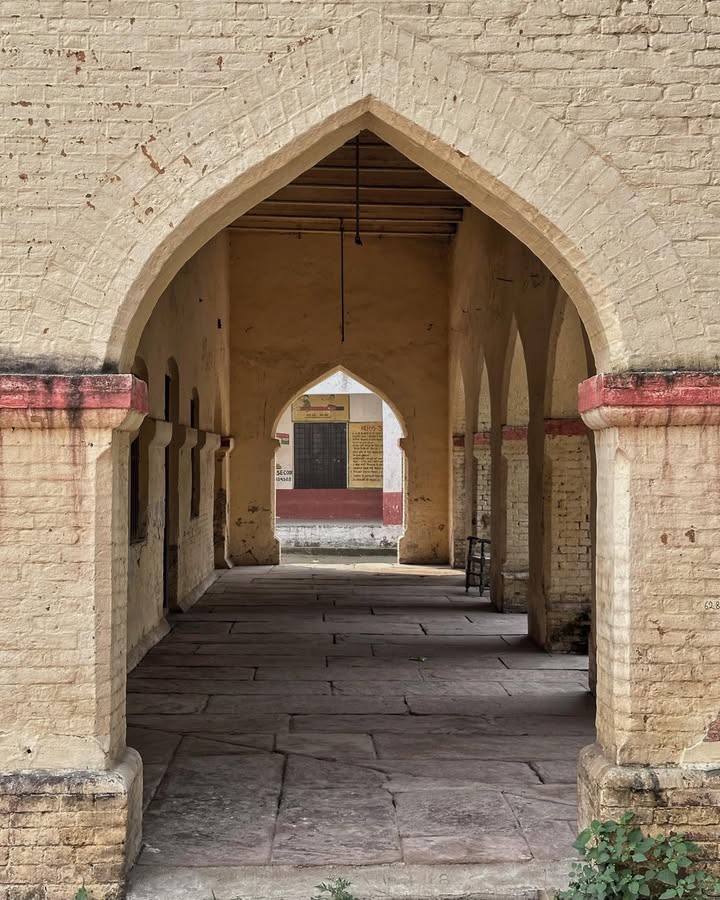
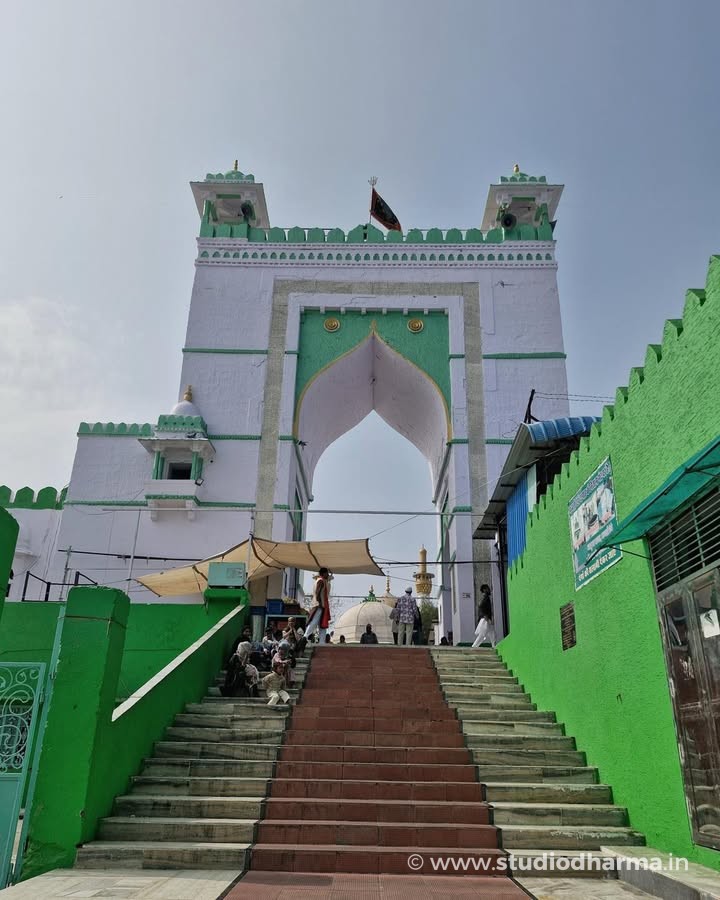
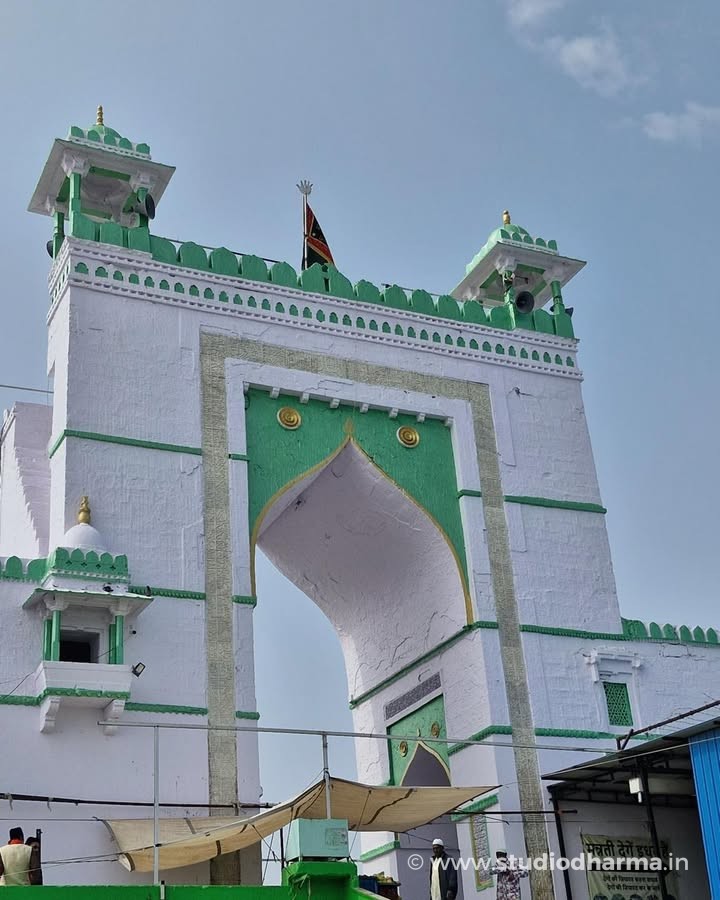
For nearly three centuries the tomb remained a quiet grave on the hill. Its importance rose dramatically during the Mughal era when Emperor Akbar, a frequent pilgrim to Ajmer Sharif, visited the shrine around 1570. Following this visit, Akbar ordered his noble Ismail Quli Khan to construct the imposing gateway that still marks the entrance to the complex today.
Later, Emperor Jahangir and Empress Nur Jahan are also recorded to have visited the shrine in 1614, further strengthening its prominence among pilgrims visiting Ajmer.
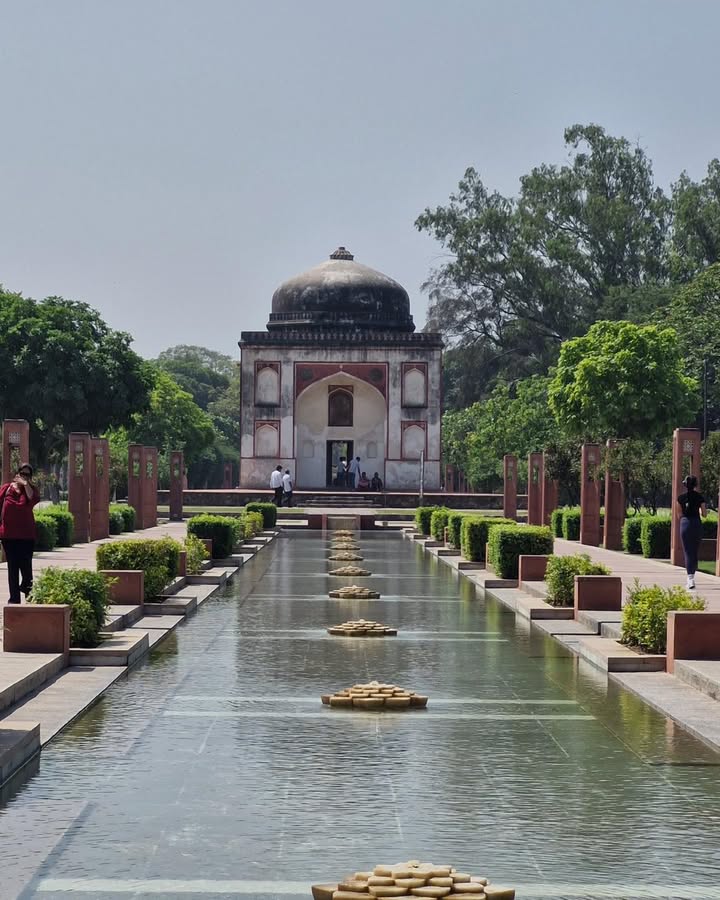
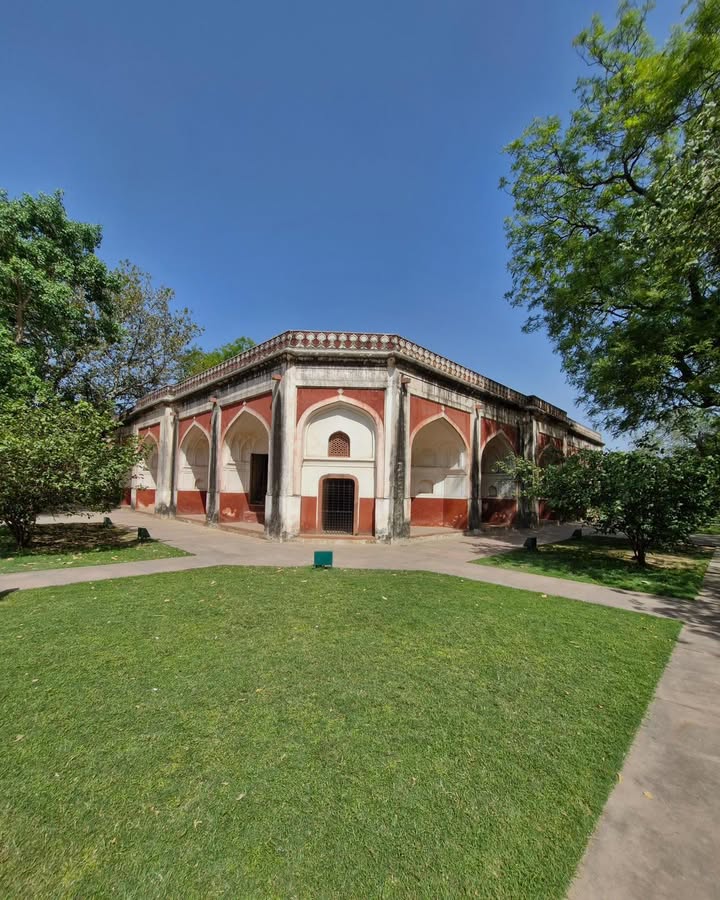
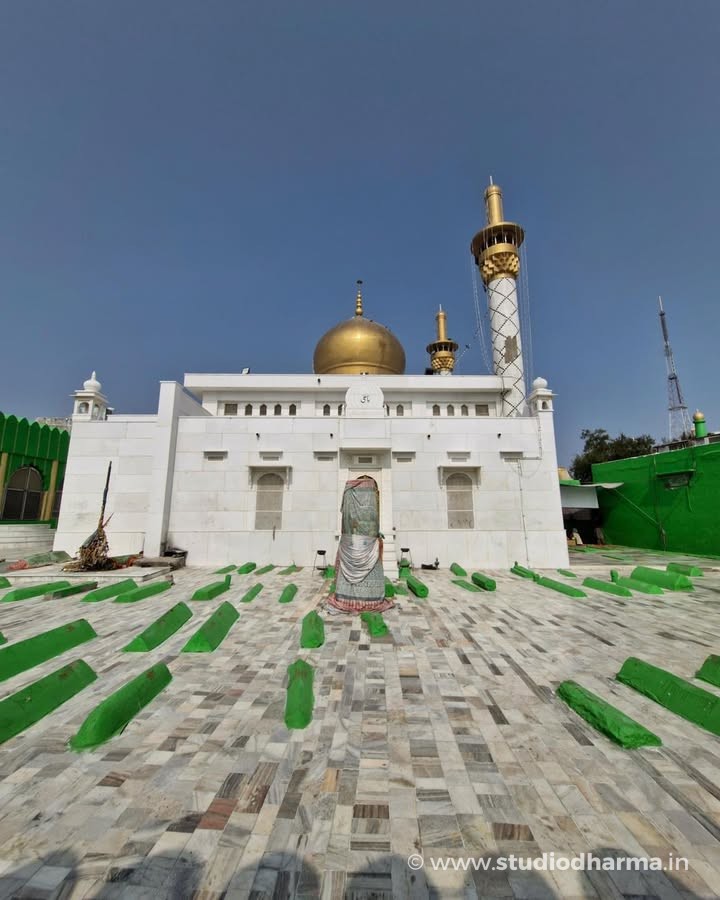
Over the centuries, the shrine received patronage from rulers of many faiths and regions. Maratha ruler Daulat Rao Scindia and other nobles contributed courtyards and structures within the complex, reflecting the shared devotional culture that Ajmer has long represented.
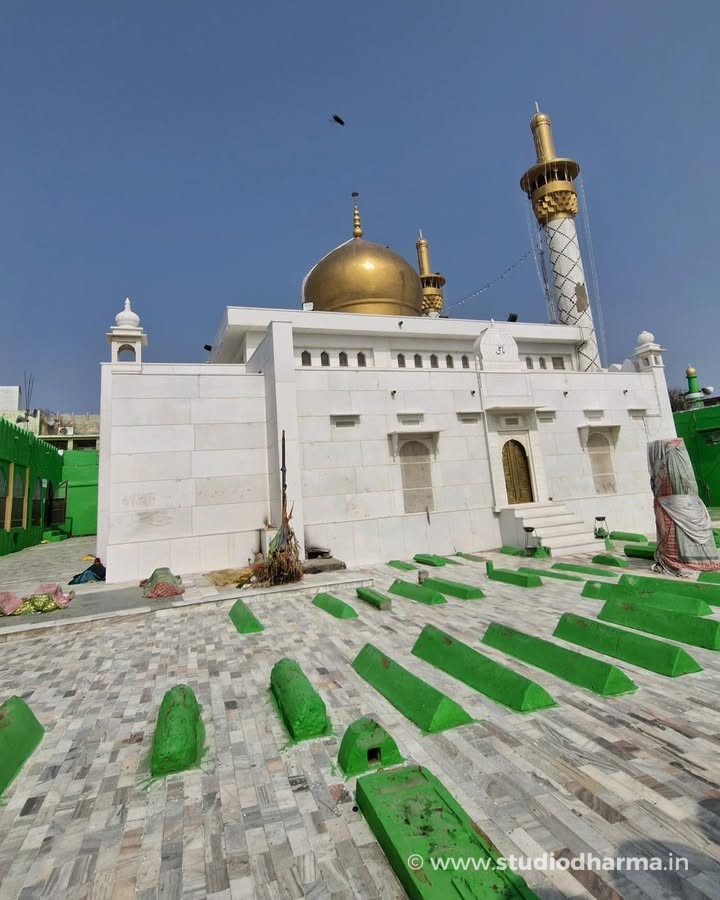
One of the most unusual elements of the shrine is the grave of Meeran Hussain’s horse Khing, buried near his master. Devotees traditionally visit the horse’s grave first before approaching the main tomb — a rare custom preserved in the traditions of Taragarh.
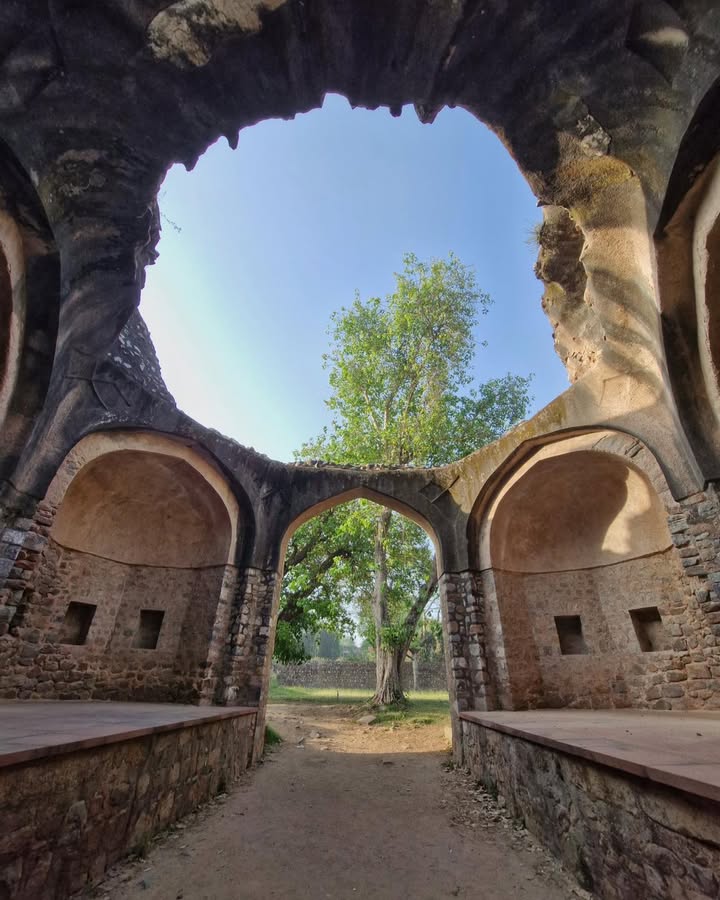
Today the Dargah stands not only as a spiritual centre but also as a layered monument reflecting centuries of faith, politics and cultural change on Taragarh Hill — silently watching over Ajmer, the city of Khwaja Ghareeb Nawaz.
If you enjoy discovering forgotten histories and heritage stories like this, you may also explore my premium coffee table book ITIHASNAMA by StudioDharma, which presents 25 carefully curated historical narratives from Meerut through rare photographs and detailed storytelling.
The book is available for purchase here:
तरागढ़ पहाड़ी, अजमेर का सैयद मीराँ हुसैन दरगाह
ख्वाजा गरीब नवाज़ की नगरी के ऊपर स्थित एक भूली-बिसरी शहादत की याद
अजमेर शहर के ऊपर अरावली की पहाड़ियों में स्थित तरागढ़ केवल एक किला ही नहीं, बल्कि कई सदियों की आध्यात्मिक परंपराओं का साक्षी भी है। जहाँ अधिकतर श्रद्धालु ख्वाजा मोइनुद्दीन चिश्ती की दरगाह की ओर जाते हैं, वहीं इस पहाड़ी के शिखर पर एक और पवित्र स्थान चुपचाप इतिहास की कहानी कहता है।
यह है हज़रत सैयद मीराँ हुसैन, जिन्हें खिंग सवार भी कहा जाता है, की दरगाह।
ऐतिहासिक परंपराओं के अनुसार उनका संबंध दिल्ली सल्तनत के प्रारम्भिक काल से माना जाता है, जब कुतुबुद्दीन ऐबक के शासन में तरागढ़ किले का महत्व अत्यधिक था। मीराँ हुसैन को इस क्षेत्र की देखरेख की जिम्मेदारी दी गई थी। अपने सादे जीवन, आध्यात्मिक व्यक्तित्व और लोगों की सेवा के कारण वे आसपास के लोगों के बीच अत्यंत सम्मानित हो गए।
स्थानीय इतिहास के अनुसार लगभग 1201–1202 ईस्वी के आसपास तरागढ़ पर हुए एक हमले के दौरान वे ‘असर’ की नमाज़ पढ़ते समय शहीद हो गए।
कई शताब्दियों तक यह मजार अपेक्षाकृत शांत रही। लेकिन मुगल काल में इसका महत्व बढ़ा। सम्राट अकबर, जो अक्सर अजमेर शरीफ की यात्रा करते थे, ने लगभग 1570 ईस्वी में इस स्थान की यात्रा की। उनके आदेश पर उनके अमीर इस्माइल क़ुली ख़ाँ ने दरगाह का भव्य प्रवेश द्वार बनवाया, जो आज भी इसकी प्रमुख पहचान है।
इसके बाद 1614 ईस्वी में सम्राट जहाँगीर और नूरजहाँ ने भी इस दरगाह की यात्रा की। इससे यह स्थान अजमेर आने वाले श्रद्धालुओं के लिए एक महत्वपूर्ण तीर्थ बन गया।
समय के साथ-साथ इस दरगाह को कई शासकों और सरदारों का संरक्षण भी मिला। मराठा शासक दौलत राव सिंधिया सहित अनेक लोगों ने यहाँ आँगन और अन्य संरचनाएँ बनवाईं।
इस दरगाह की एक विशेष परंपरा भी है। यहाँ हज़रत मीराँ हुसैन के प्रिय घोड़े “खिंग” की कब्र भी मौजूद है। श्रद्धालु पहले घोड़े की कब्र पर श्रद्धांजलि अर्पित करते हैं और उसके बाद मुख्य मजार की ज़ियारत करते हैं।
आज तरागढ़ की ऊँचाई पर स्थित यह दरगाह केवल एक धार्मिक स्थल ही नहीं, बल्कि अजमेर के इतिहास, संस्कृति और आस्था की कई परतों को समेटे हुए एक जीवित स्मारक है।
यदि आपको ऐसे भूले-बिसरे इतिहास और विरासत की कहानियाँ पढ़ना पसंद है, तो आप StudioDharma की प्रीमियम कॉफी टेबल बुक ‘इतिहास्नामा’ भी देख सकते हैं, जिसमें मेरठ की 25 ऐतिहासिक कहानियाँ दुर्लभ चित्रों और शोधपूर्ण विवरण के साथ प्रस्तुत की गई हैं।
पुस्तक खरीदने के लिए यहाँ जाएँ: