








❖ 𝓑𝓪𝓻𝓷𝓪𝓿𝓪 (𝓥𝓪𝓻𝓷𝓪𝓿𝓪𝓻𝓽) & 𝓣𝓱𝓮 𝓛𝓪𝓴𝓼𝓱𝓪𝓰𝓻𝓪𝓱.
❖ 𝓑𝓪𝓻𝓷𝓪𝓿𝓪 (𝓥𝓪𝓻𝓷𝓪𝓿𝓪𝓻𝓽) & 𝓣𝓱𝓮 𝓛𝓪𝓴𝓼𝓱𝓪𝓰𝓻𝓪𝓱.
A Mahabharata Tradition from Present-day Baghpat, Uttar Pradesh
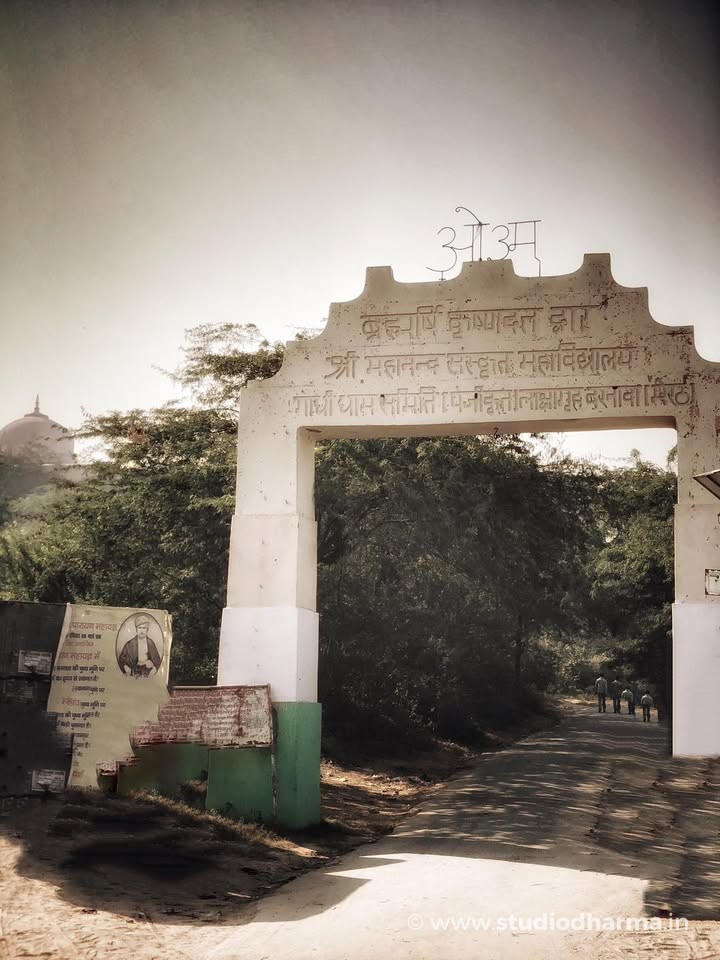
Barnava, identified with the ancient Varnavart (Varṇāvarta), lies in today’s Baghpat district of Uttar Pradesh, around 35 km from Meerut, near the confluence region of the Hindon river system.
According to the ancient Indian epic Mahabharata, Varnavart was one of the five villages demanded by the Pandavas from Duryodhana before the great war. These five settlements are traditionally identified as Paniprastha (Panipat), Sonaprastha (Sonipat), Vyaghraprastha (Baghpat), Tilaprastha (Tilpat), and Varupat / Varnavart (Barnava).
It is here that the infamous Lakshagriha episode is believed to have unfolded. As per the epic narrative, Duryodhana ordered a palace to be built for the Pandavas using highly inflammable materials such as lac, resin, and ghee, with the intention of secretly setting it on fire while they slept inside.
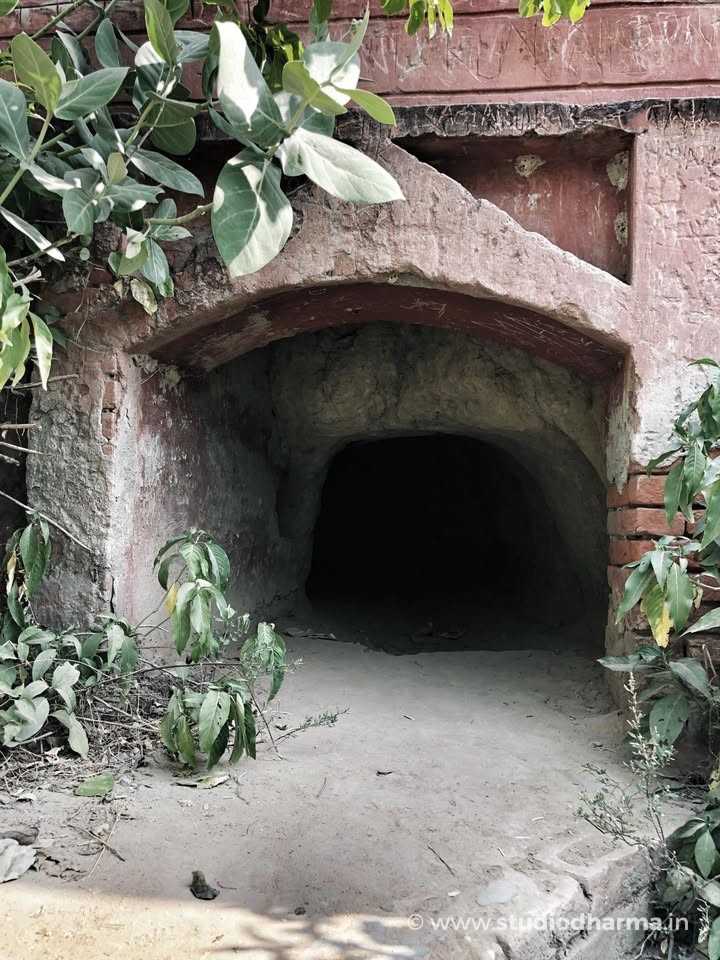
Forewarned, the Pandavas are said to have escaped through a hidden underground passage before the structure was set ablaze.
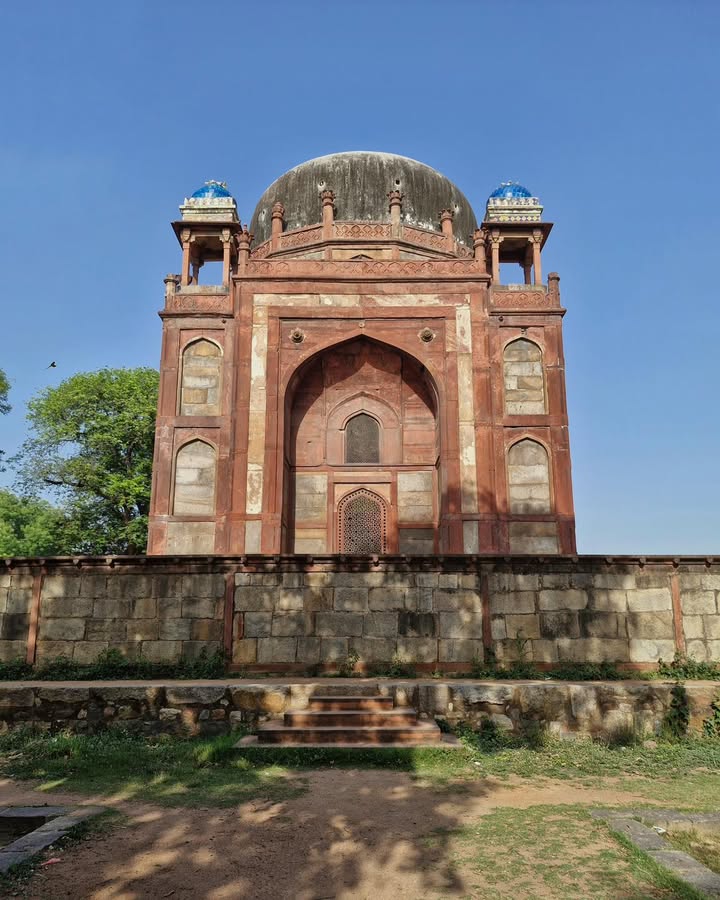
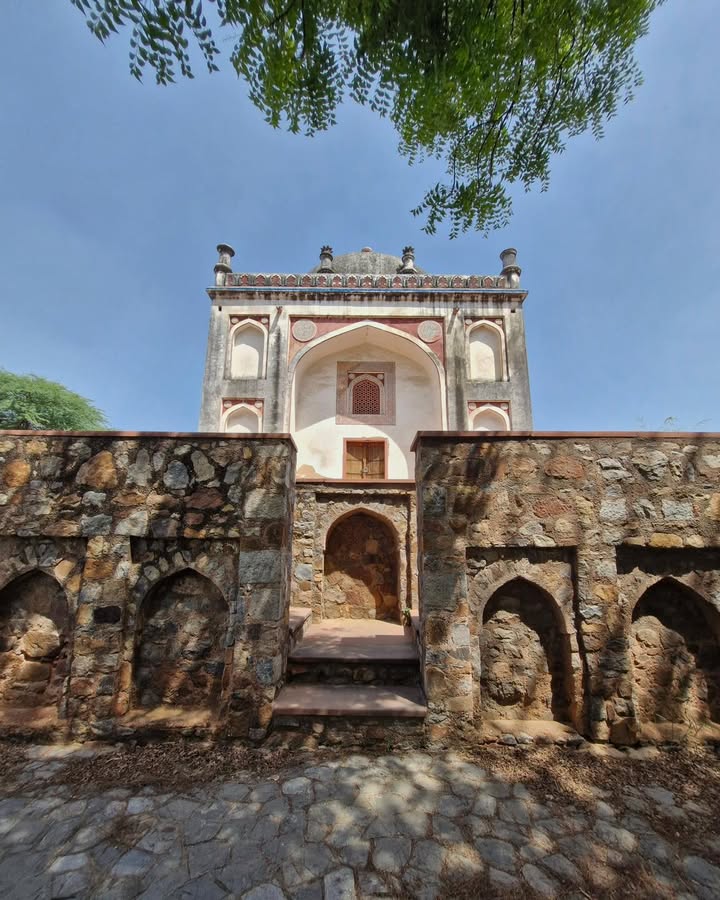
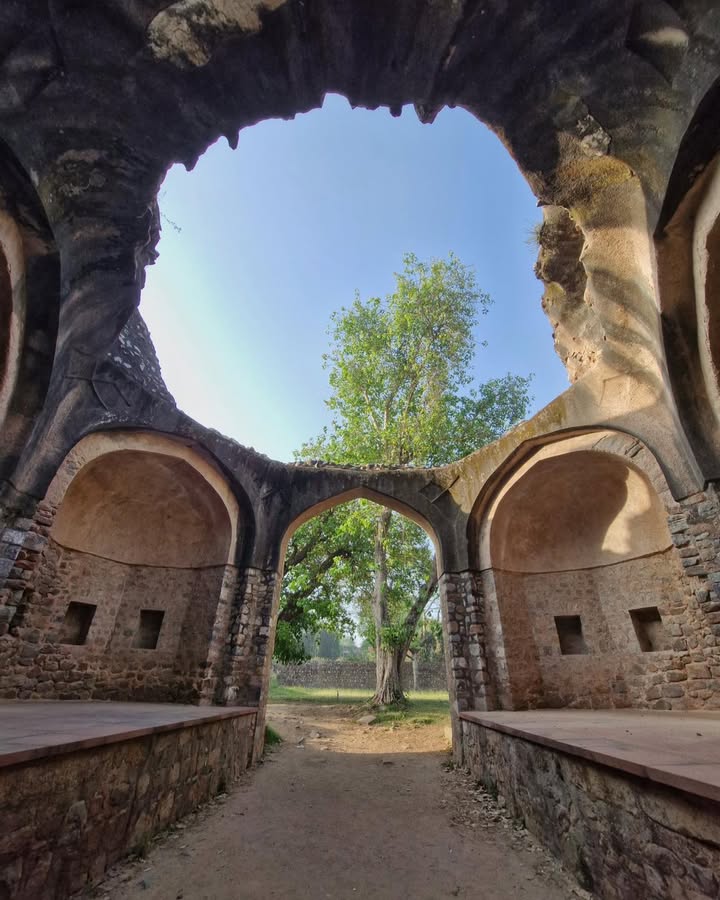
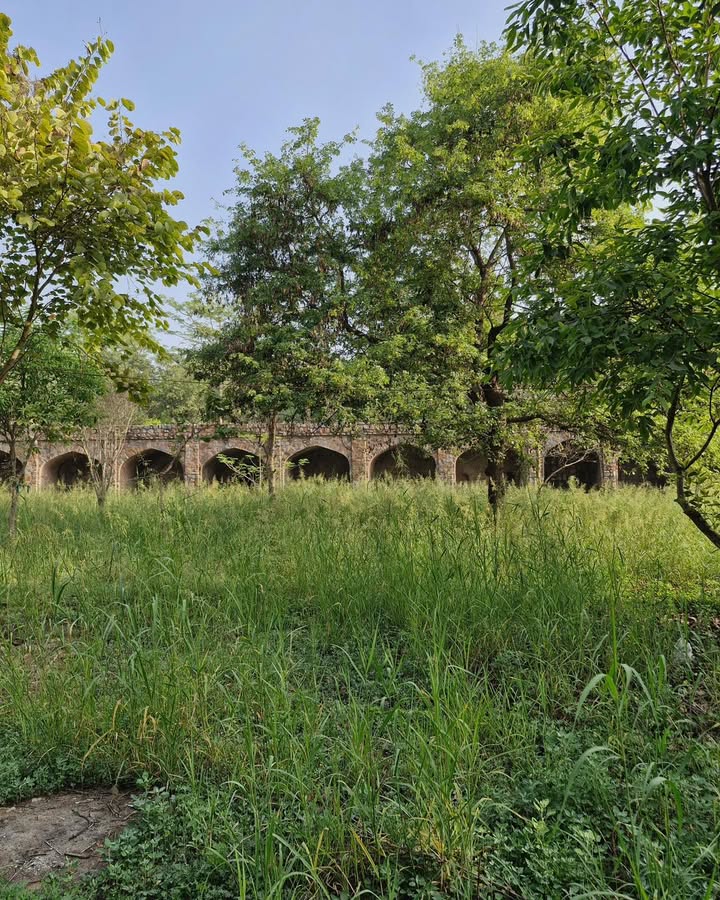
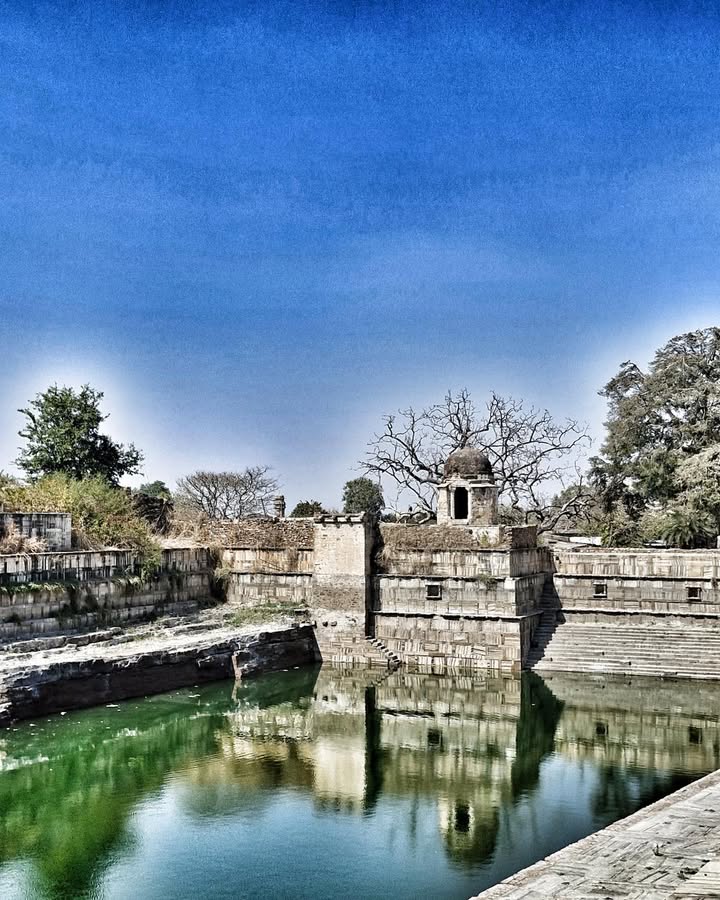
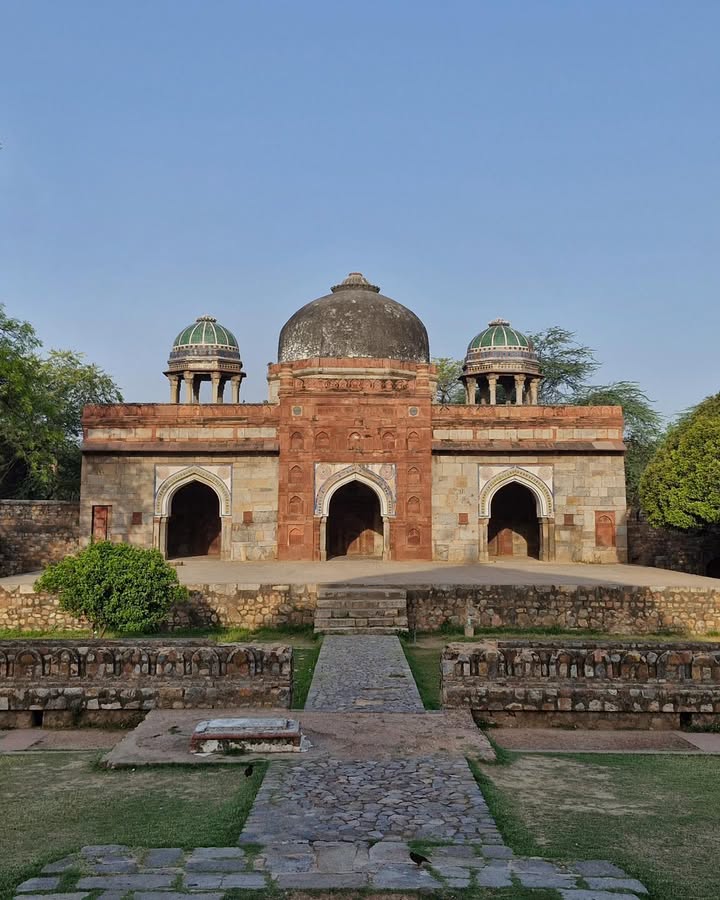
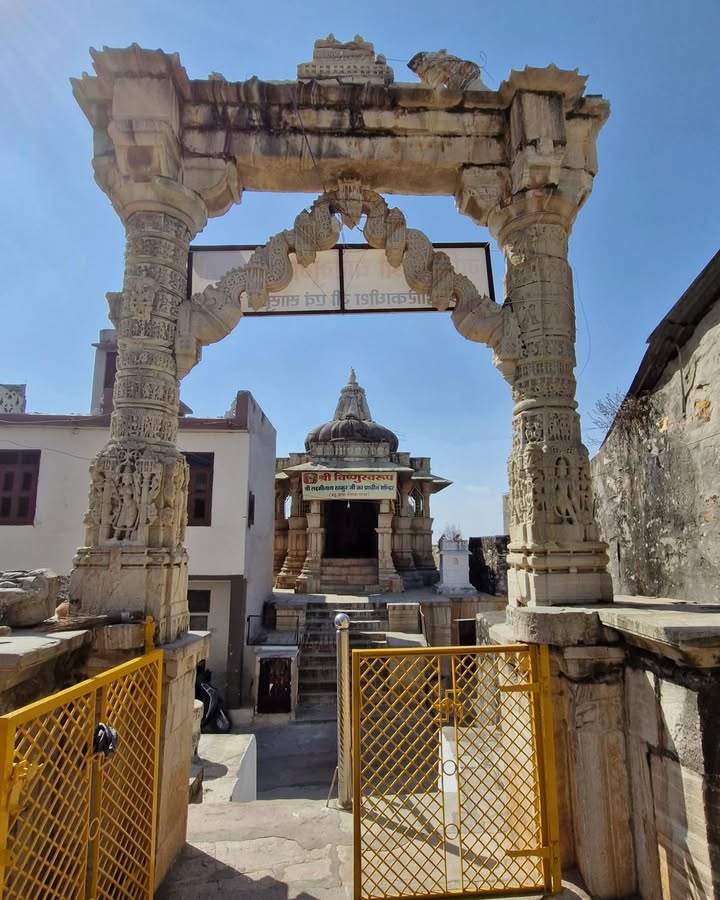
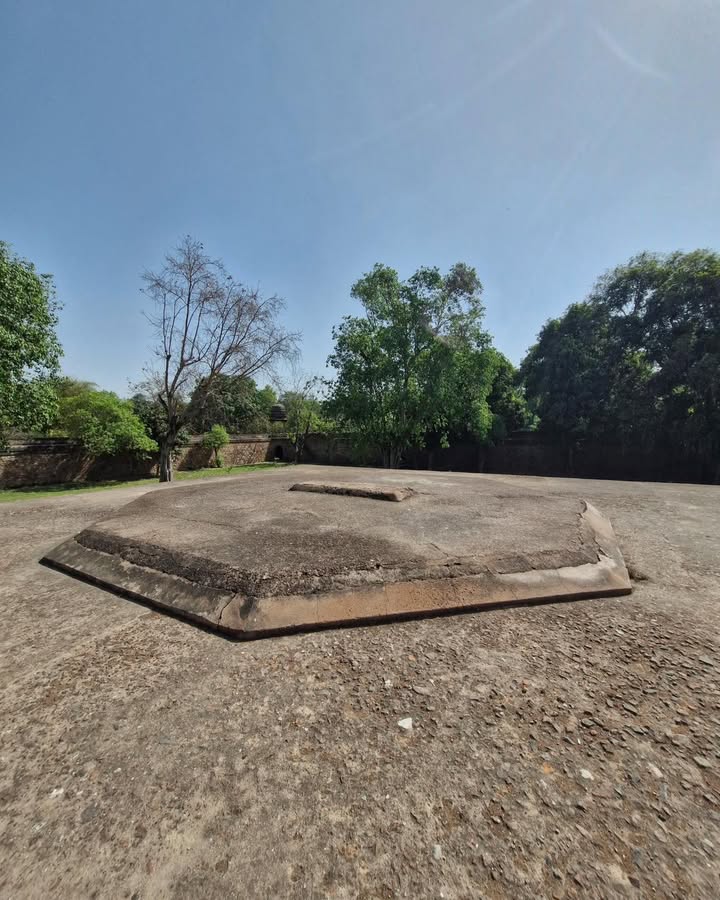
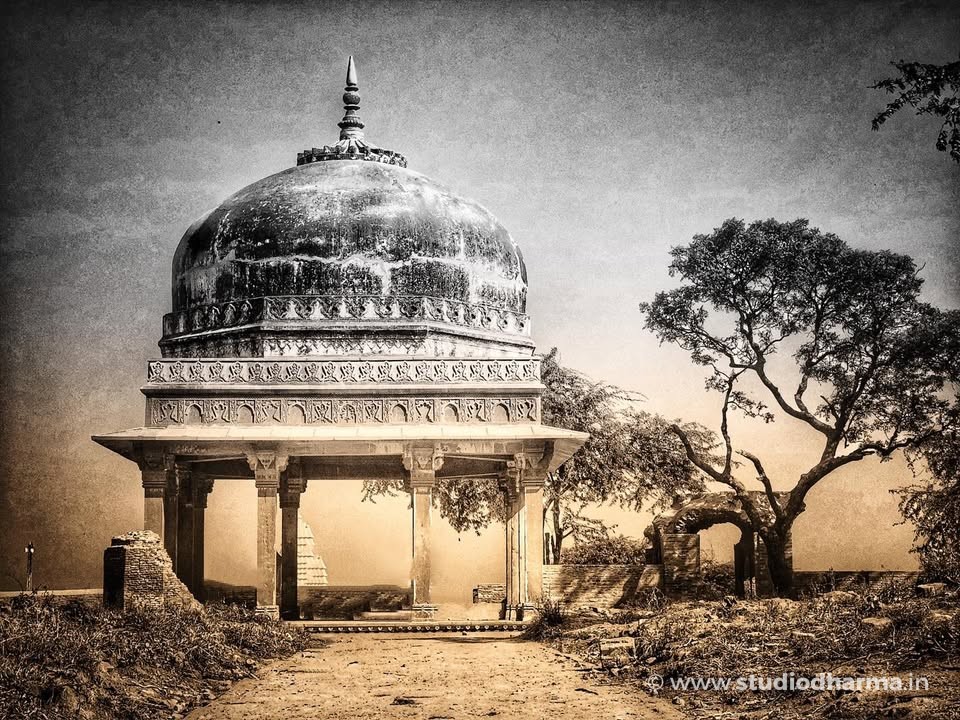
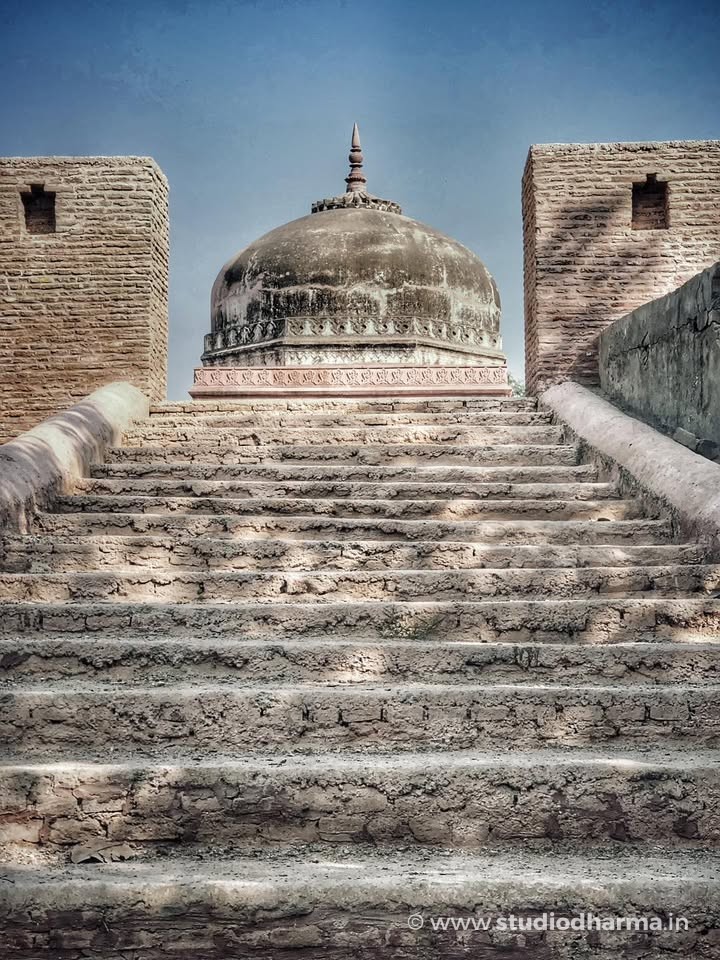
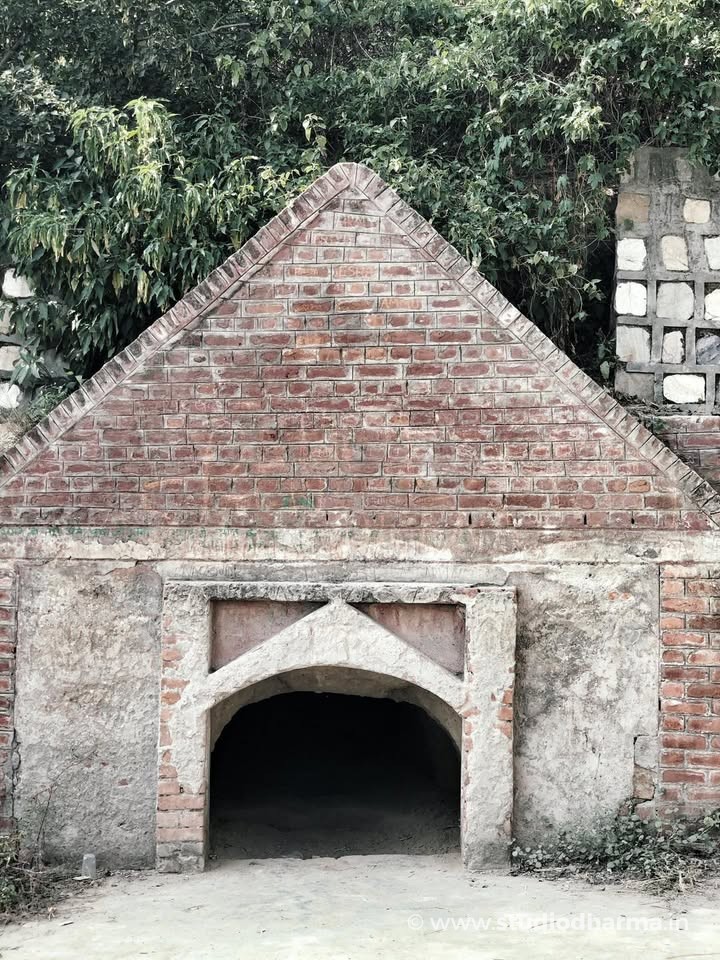
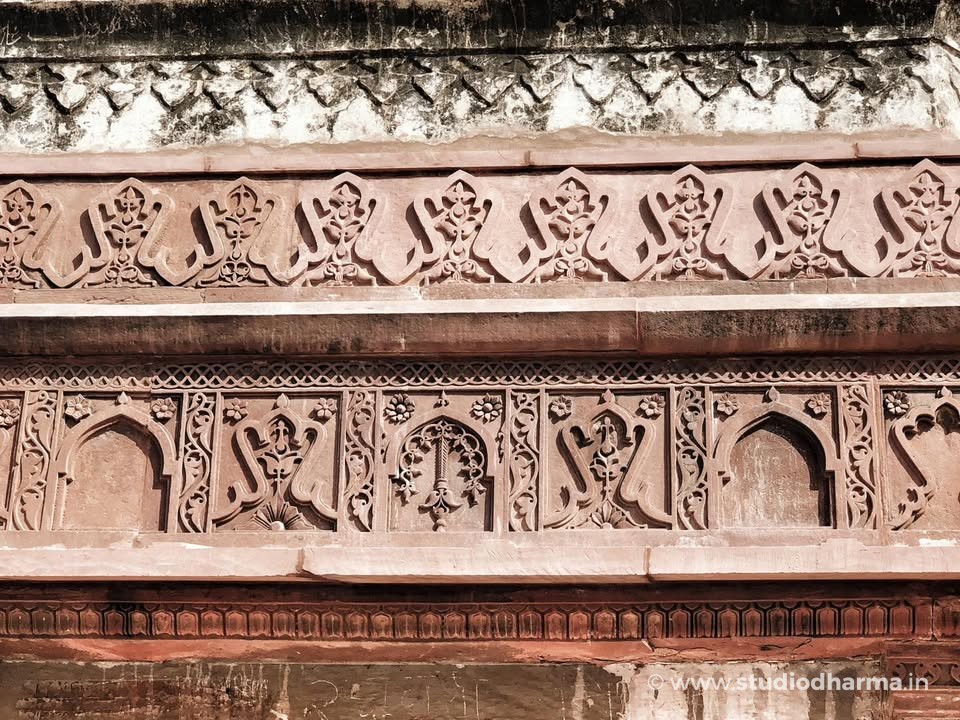
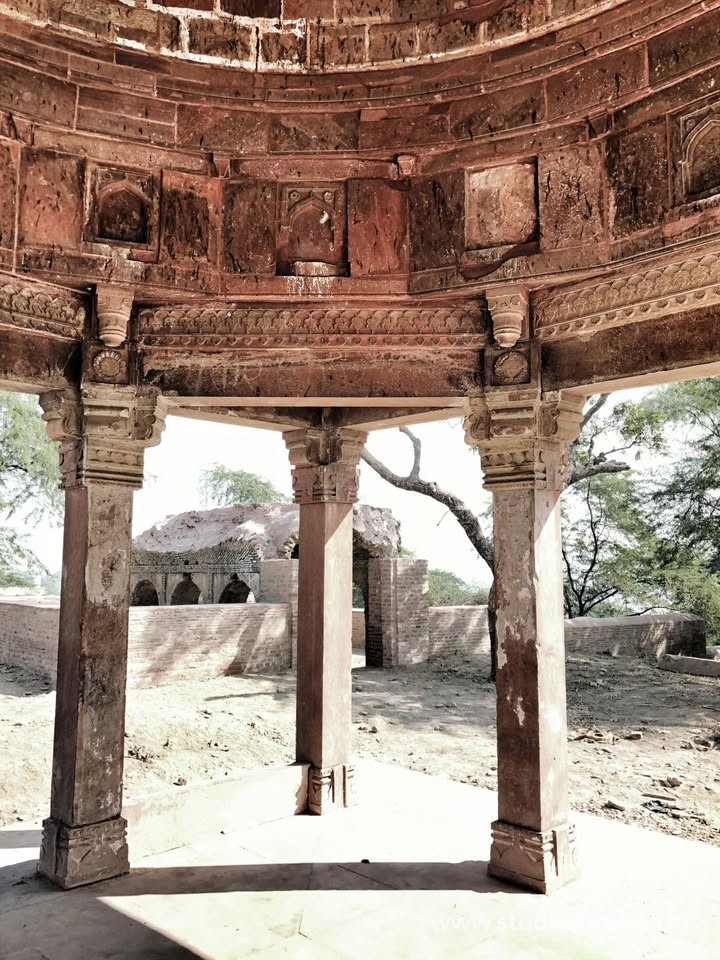
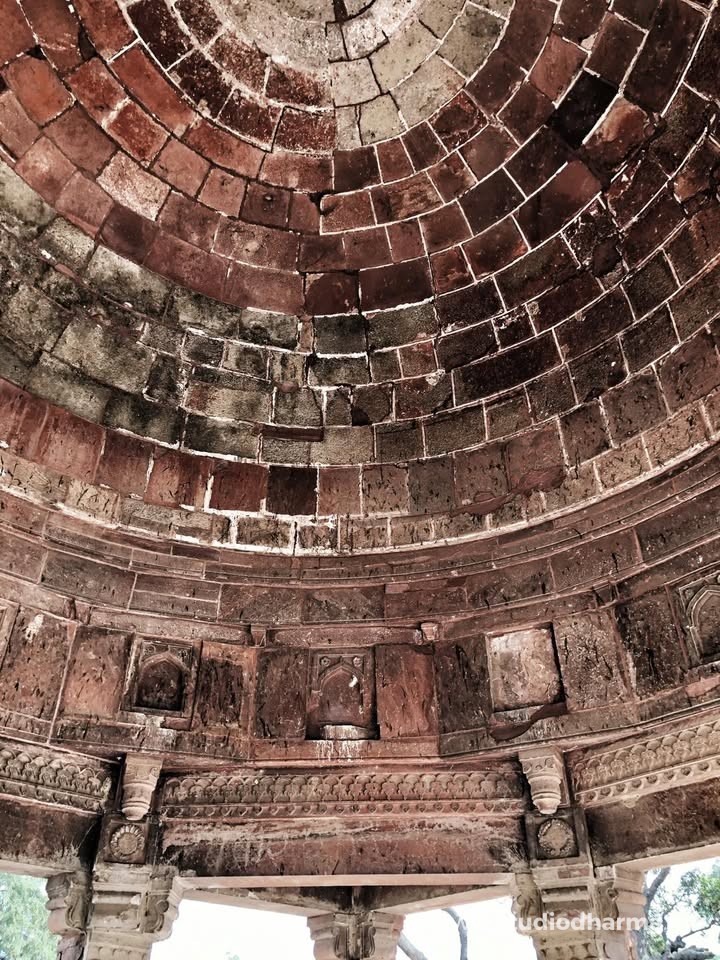
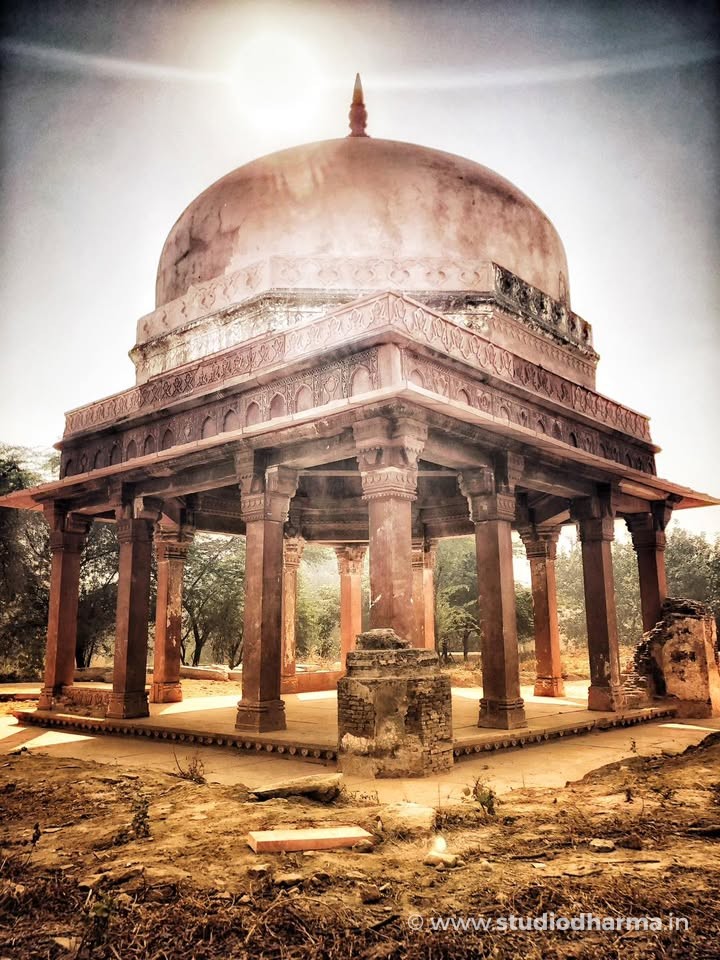
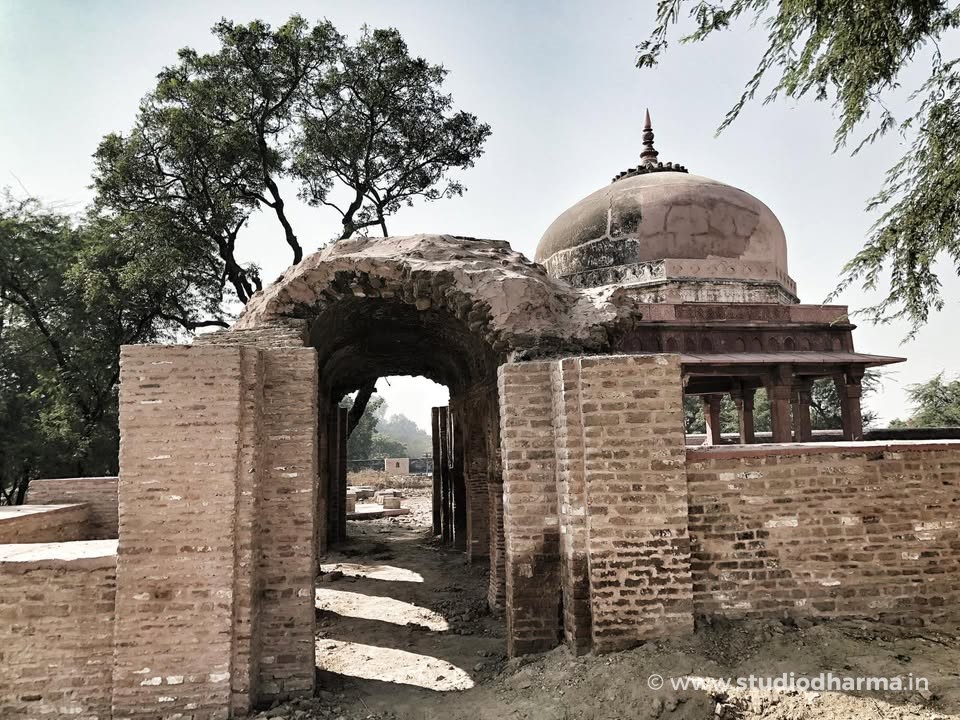
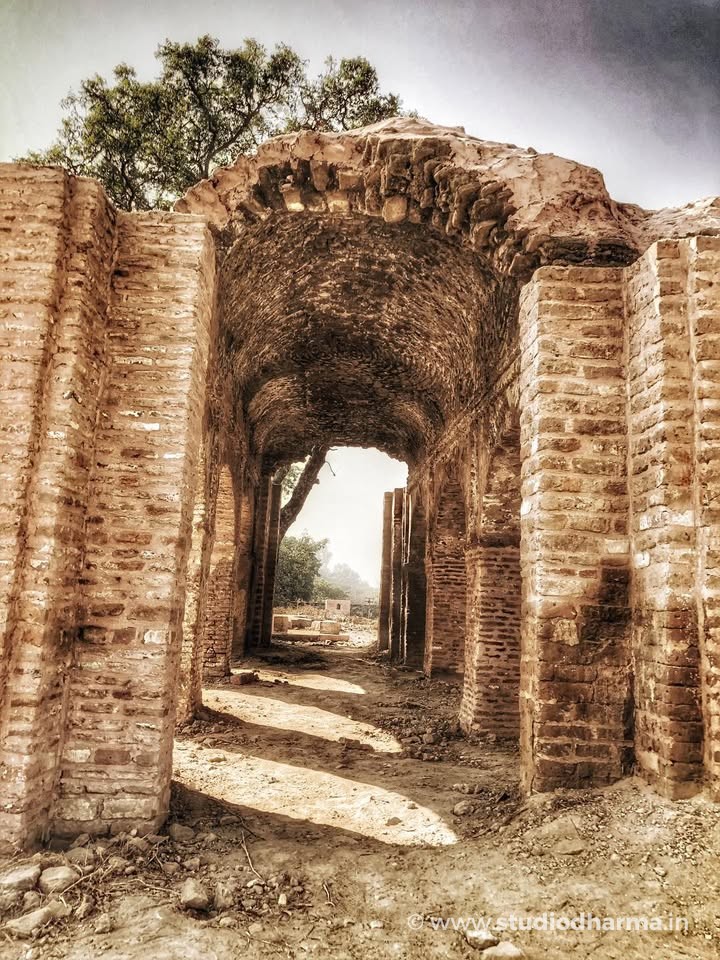
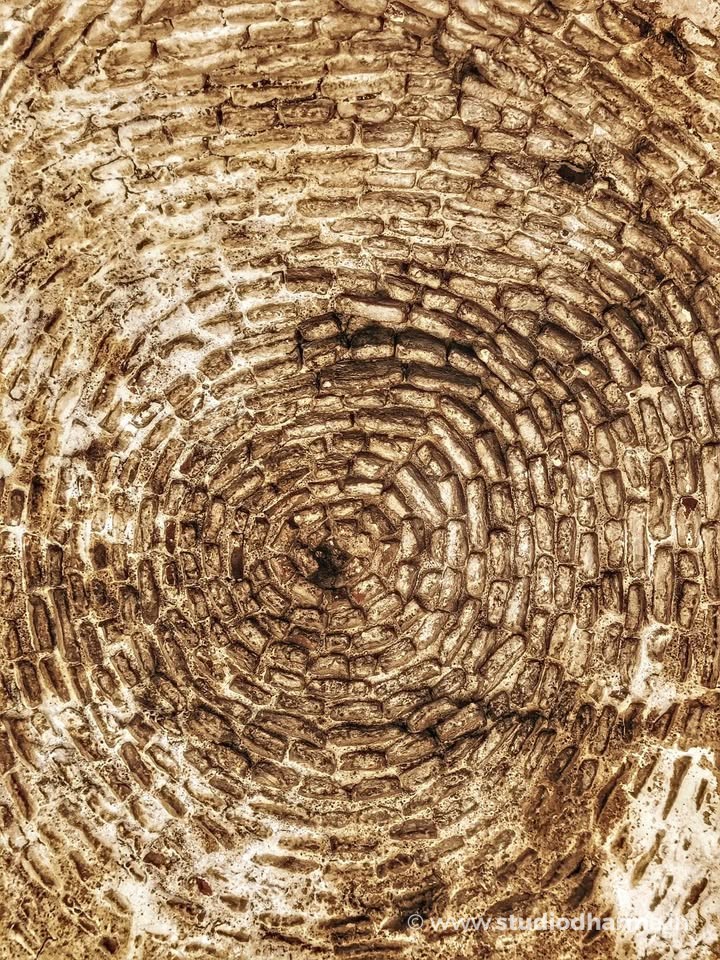
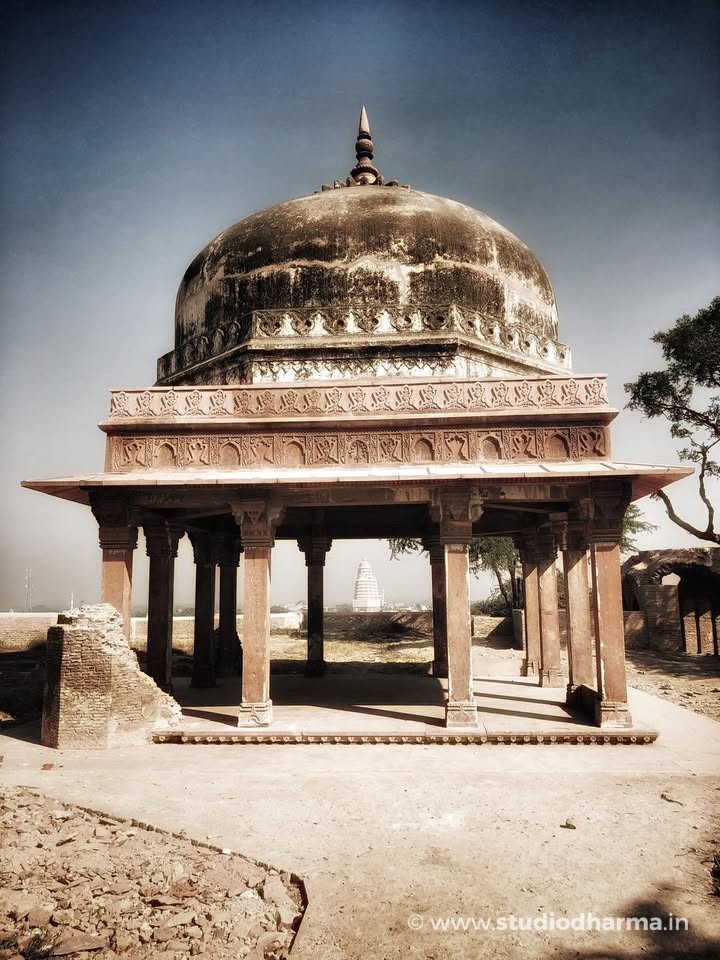
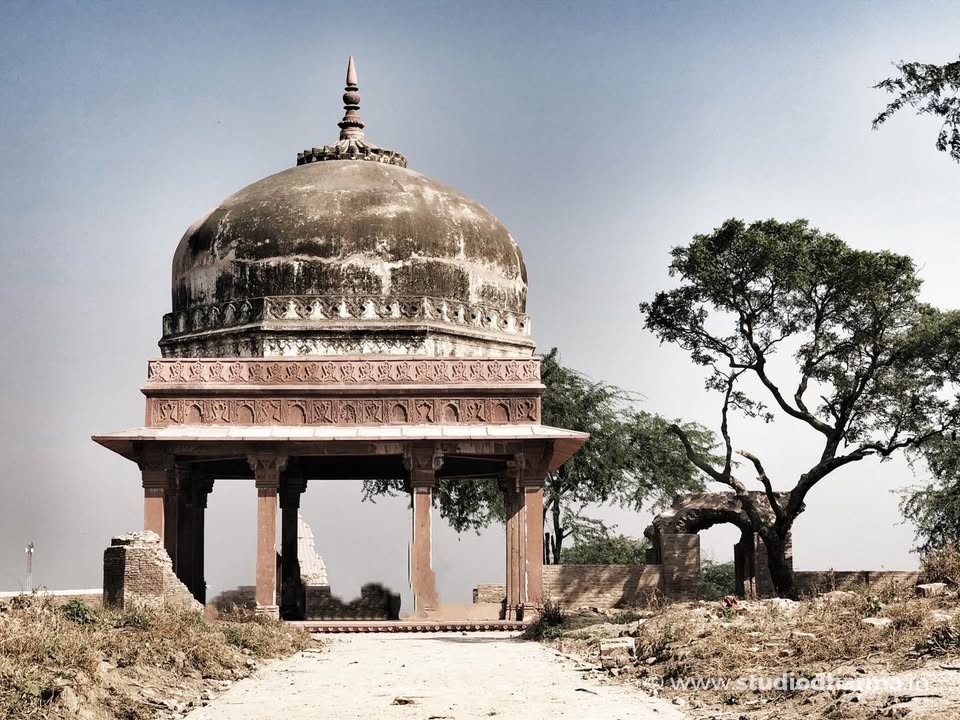
At Barnava today, local tradition and long-held belief point to underground tunnels discovered in the area, positioned opposite each other beneath a mound. These tunnels are popularly believed by locals to have once led toward the river, forming part of the Pandavas’ escape route. A surviving domed ruin above ground is also traditionally associated with the Lakshagriha complex.
It is important to state clearly:
No archaeological excavation has conclusively proven the Lakshagriha structure to date. The identification of Barnava with Varnavart rests on textual references, regional tradition, and historical geography, not on excavated material culture.
Yet, standing at Barnava, where memory, landscape, and epic tradition merge, one understands why this place continues to be remembered as one of the most dramatic chapters of the Mahabharata—where survival triumphed over conspiracy.
This story forms part of India’s layered heritage where history, legend, and living memory coexist.
Explore such forgotten and semi-forgotten narratives through ITIHASNAMA, the premium coffee table book by StudioDharma.
Purchase link:
❖ बरनावा (वारणावर्त) और लाक्षागृह
उत्तर प्रदेश के बागपत से जुड़ी महाभारत परंपरा
वर्तमान उत्तर प्रदेश के बागपत ज़िले में स्थित बरनावा को प्राचीन वारणावर्त (वार्णावत) से जोड़ा जाता है। यह मेरठ से लगभग 35 किलोमीटर की दूरी पर हिंडन नदी क्षेत्र के समीप स्थित है।
महाभारत की परंपरा के अनुसार, वारणावर्त उन पाँच ग्रामों में से एक था जिनकी माँग पांडवों ने दुर्योधन से की थी। इन ग्रामों को आज के नामों से सामान्यतः पानीपत, सोनीपत, बागपत, तिलपत और वरुपत/वारणावर्त (बरनावा) के रूप में पहचाना जाता है।
यहीं महाभारत का प्रसिद्ध लाक्षागृह कांड घटित हुआ माना जाता है। कथा के अनुसार, दुर्योधन ने पांडवों के लिए एक ऐसा भवन बनवाया जिसमें लाख और अन्य ज्वलनशील पदार्थों का प्रयोग किया गया, ताकि उसमें आग लगाकर उन्हें जीवित जला दिया जाए।
लेकिन विदुर की चेतावनी के कारण पांडव पहले से ही सचेत थे और आग लगने से पहले एक गुप्त सुरंग के माध्यम से सुरक्षित निकल गए।
आज बरनावा में मौजूद भूमिगत सुरंगें और ऊपर दिखाई देने वाला गुंबदनुमा अवशेष स्थानीय परंपरा में लाक्षागृह से जोड़े जाते हैं। हालाँकि यह स्पष्ट करना आवश्यक है कि अब तक कोई भी पुरातात्त्विक उत्खनन लाक्षागृह को ऐतिहासिक रूप से प्रमाणित नहीं कर पाया है। यह स्थल मुख्यतः ग्रंथीय वर्णन, लोक-मान्यता और ऐतिहासिक भूगोल के आधार पर पहचाना जाता है।
फिर भी, बरनावा आज भी उस स्मृति का साक्षी है जहाँ षड्यंत्र के बीच जीवन की विजय हुई—और महाभारत की एक अमर कथा ने जन्म लिया।
भारत की ऐसी ही विरासत कथाओं को संजोता है ITIHASNAMA, स्टूडियोधर्मा की विशेष कॉफी टेबल बुक।
यदि आप इतिहास, स्मृति और स्थानों की कहानियों को करीब से महसूस करना चाहते हैं, तो यह संग्रह आपके लिए है।
खरीद लिंक: