








❖ 𝓠𝓪𝔃𝓲𝓸𝓷 𝓴𝓲 𝓑𝓪𝔀𝓭𝓲, 𝓒𝓱𝓪𝓷𝓭𝓮𝓻𝓲 ❖.


❖ 𝓠𝓪𝔃𝓲𝓸𝓷 𝓴𝓲 𝓑𝓪𝔀𝓭𝓲, 𝓒𝓱𝓪𝓷𝓭𝓮𝓻𝓲 ❖.
A Surviving Chronicle of Sher Khan Ghazi’s Chanderi
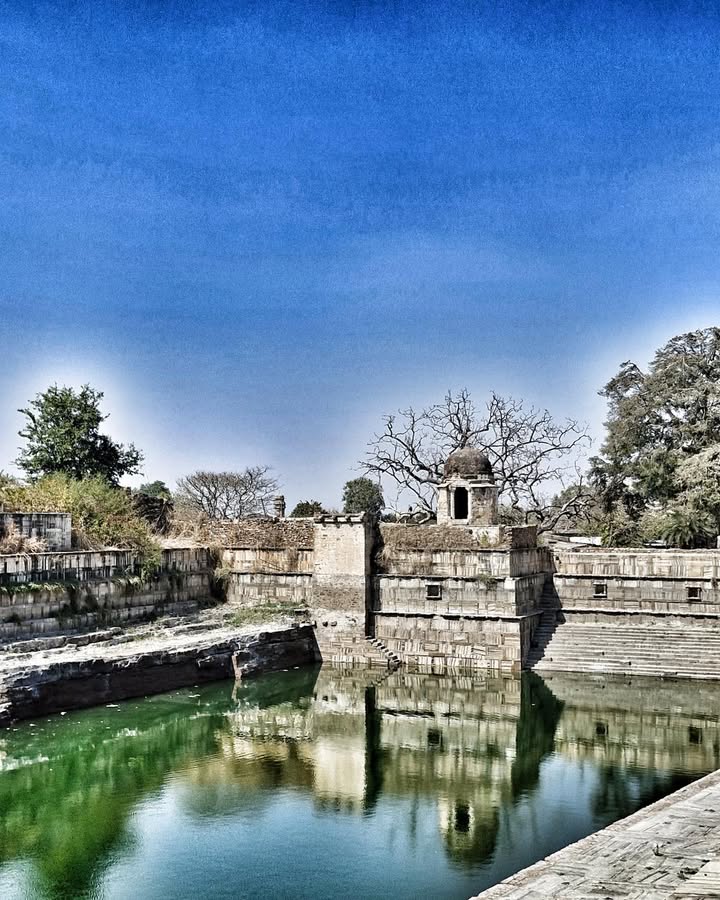
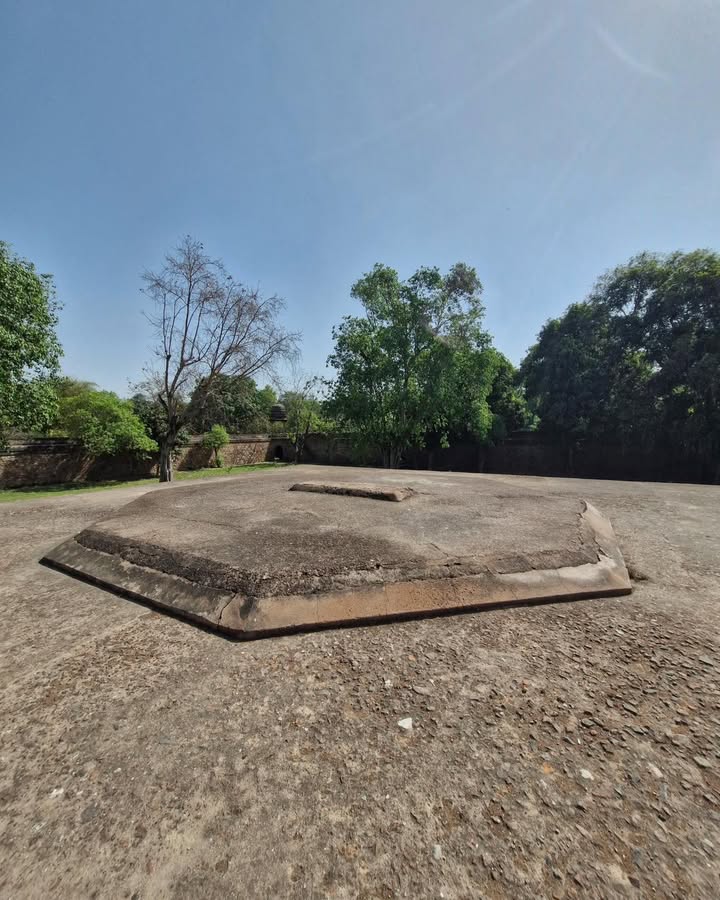
Tucked quietly near the Purana Madrasa, the lesser-known Qazion ki Bawdi stands as one of Chanderi’s most truthful witnesses to the late 15th century. Built in 1485 CE, this circular stepwell was commissioned by Qazi-ibn-Mehran, acting under the orders of Sher Khan Ghazi, the ruler of Chanderi at the time.
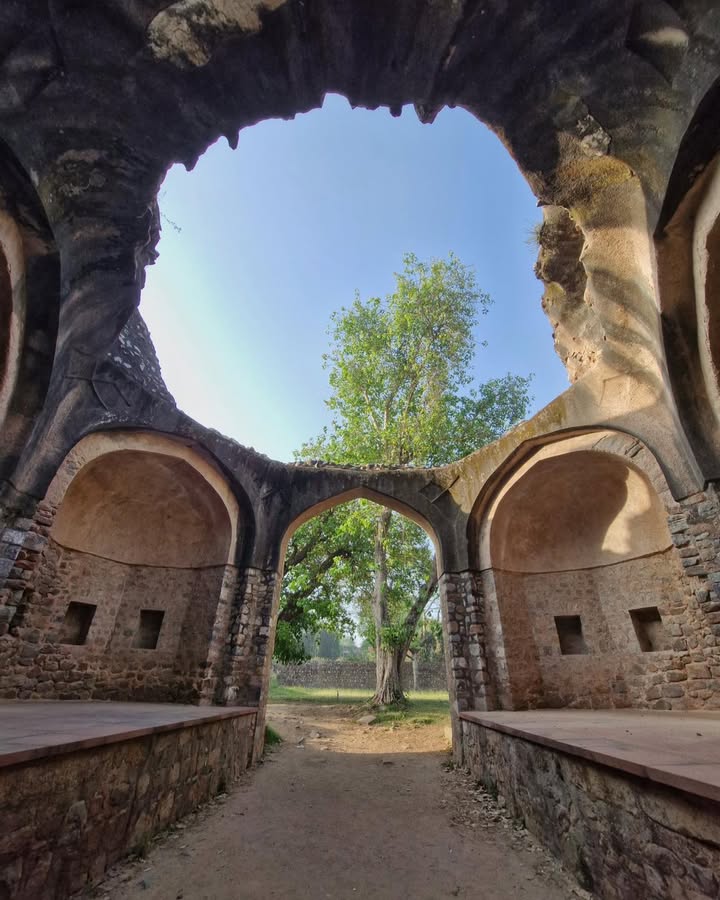
The bawdi’s design is deceptively simple yet deeply functional. A circular well lies at its heart, approached by two staircases descending from opposite sides, ensuring access to water regardless of the season. Two arched entrance bays frame the structure, and it is here that history speaks most clearly—through inscriptions carved in stone.
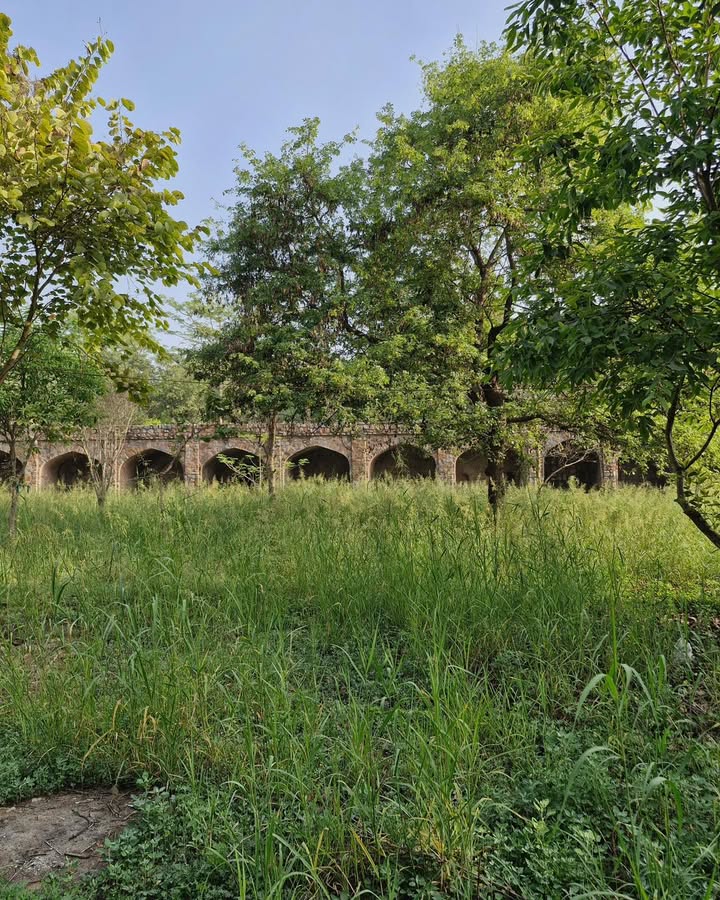
These inscriptions reveal something rare: a record of four major constructions undertaken during Sher Khan Ghazi’s reign. They list the creation of this very stepwell, a palatial caravanserai, a mosque, and a garden known as Aatishay Namrood. Time has not been kind to all of them. The garden has vanished entirely, and only ruins remain of the caravanserai. Yet, remarkably, the bawdi and the mosque still survive, continuing to serve as physical memory.
Qazion ki Bawdi is more than a water structure—it is a surviving fragment of a planned medieval landscape, where governance, faith, travel, and daily life were carefully interwoven. In its worn steps and silent arches, Chanderi still carries the voice of a ruler’s vision and a city’s rhythm from over five centuries ago.
This forgotten chapter of Chanderi is part of StudioDharma’s ongoing effort to document India’s fragile heritage.
Our premium coffee table book ITIHASNAMA brings together meticulously researched stories of historic sites through text and photography.
To purchase the book, use the official link below:
❖ क़ाज़ियों की बावड़ी, चंदेरी ❖
शेर ख़ान ग़ाज़ी के काल की जीवित गवाही
पुराना मदरसा के समीप स्थित क़ाज़ियों की बावड़ी चंदेरी के इतिहास का एक शांत लेकिन अत्यंत महत्वपूर्ण अध्याय है। इसका निर्माण 1485 ईस्वी में क़ाज़ी-इब्न-मेहरान द्वारा, उस समय के शासक शेर ख़ान ग़ाज़ी के आदेश पर कराया गया था।
यह बावड़ी आकार में गोलाकार है, जिसके भीतर तक पहुँचने के लिए दोनों ओर से उतरती दो सीढ़ियाँ बनाई गई हैं। संरचना के दो मेहराबदार प्रवेश द्वार हैं, जिनके साथ लगी शिलालेख पट्टिकाएँ इस स्मारक का ऐतिहासिक महत्व स्पष्ट करती हैं।
इन शिलालेखों से ज्ञात होता है कि शेर ख़ान ग़ाज़ी के शासनकाल में चार प्रमुख निर्माण कार्य कराए गए थे—यह बावड़ी, एक भव्य कारवां सराय, एक मस्जिद, और आतिशय नमरूद नामक एक उद्यान। समय के साथ उद्यान पूरी तरह लुप्त हो गया और सराय केवल खंडहरों में सिमट गई, किंतु बावड़ी और मस्जिद आज भी अस्तित्व में हैं।
क़ाज़ियों की बावड़ी केवल जलस्रोत नहीं है, बल्कि यह उस दौर की नगर योजना, प्रशासनिक सोच और सामाजिक जीवन की झलक देती है। इसकी घिसी हुई सीढ़ियाँ और शांत मेहराब आज भी चंदेरी के मध्यकालीन जीवन की कहानी कहती हैं।
StudioDharma की प्रीमियम कॉफी टेबल बुक ITIHASNAMA भारत की ऐसी ही विलुप्त होती विरासत को शोध, इतिहास और छायाचित्रों के माध्यम से संजोती है।
पुस्तक खरीदने के लिए आधिकारिक लिंक: