










Rasoolpur Dhaulri, Meerut: A Legacy of Sayyid Kazmi Nobility.
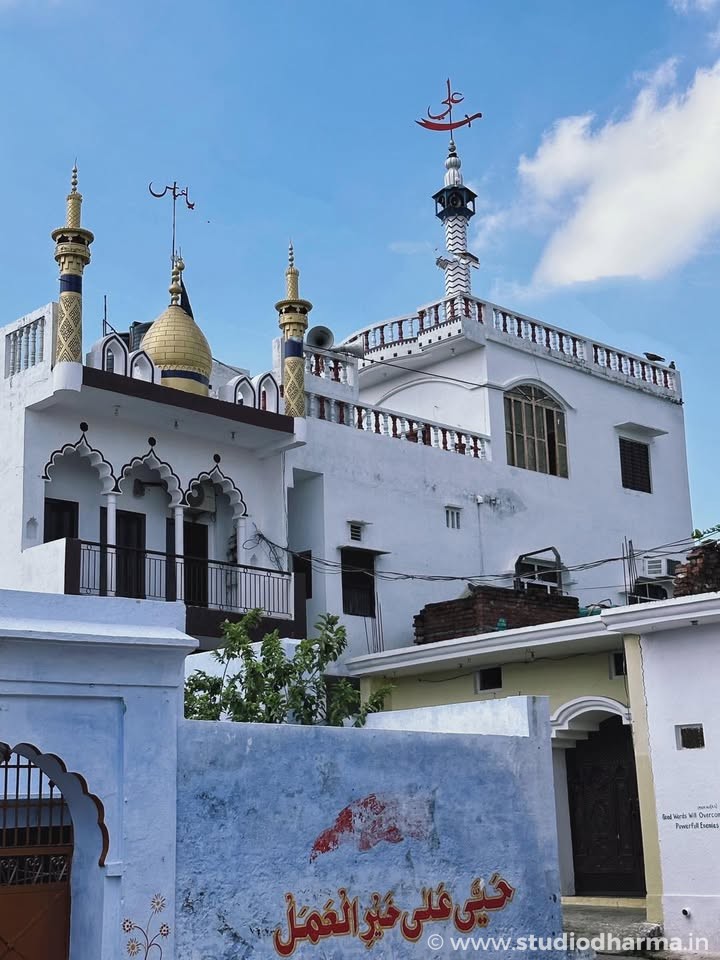
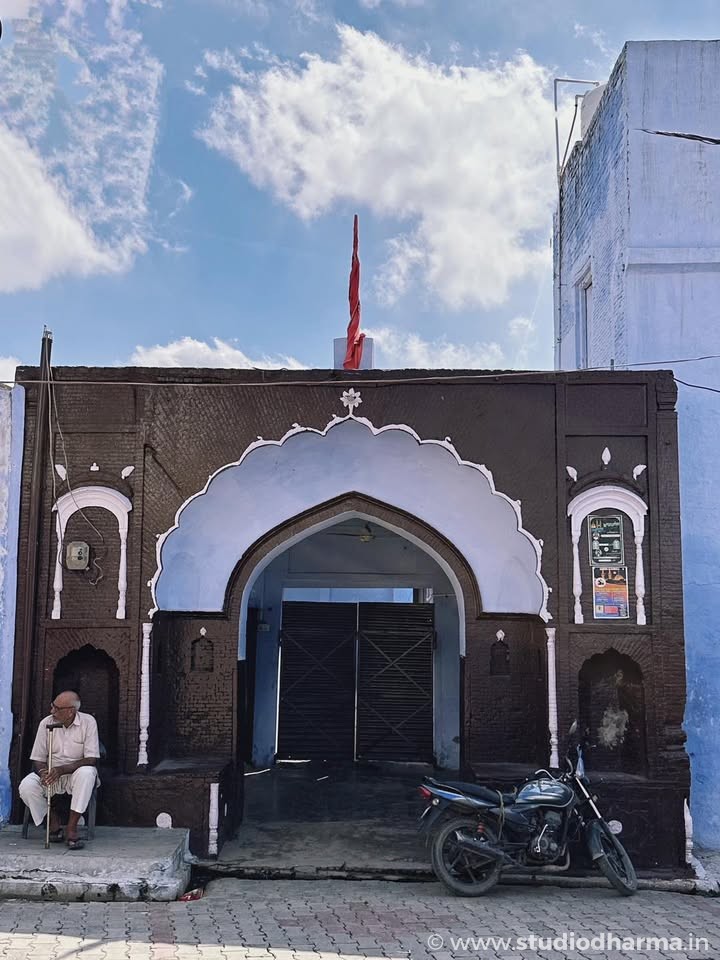
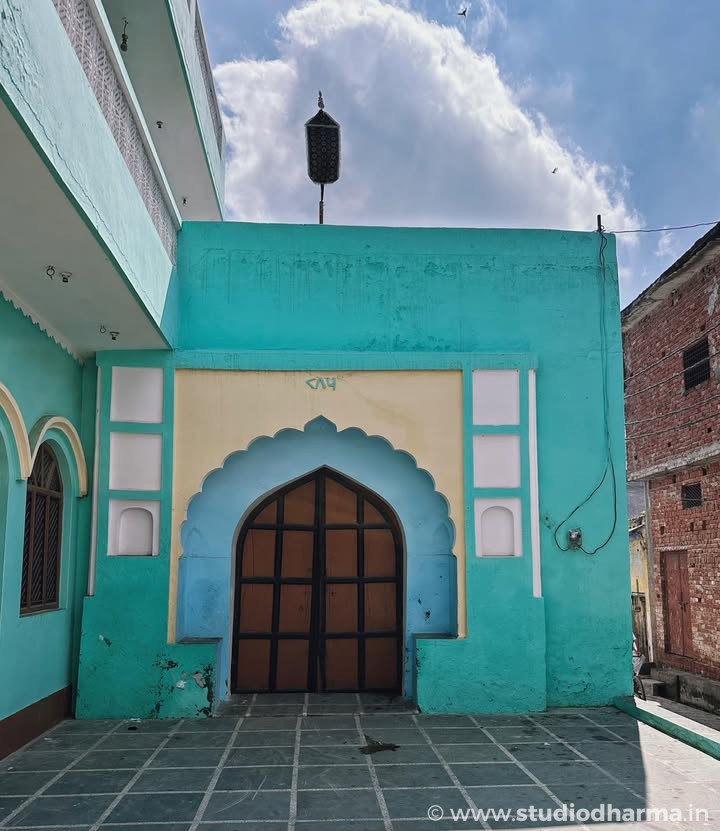
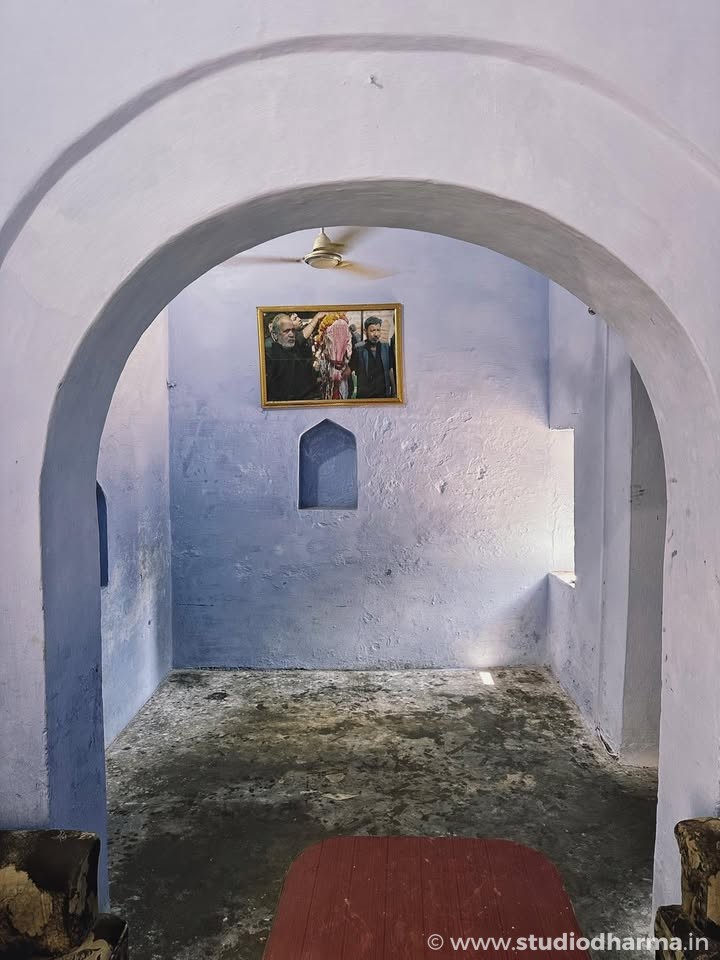
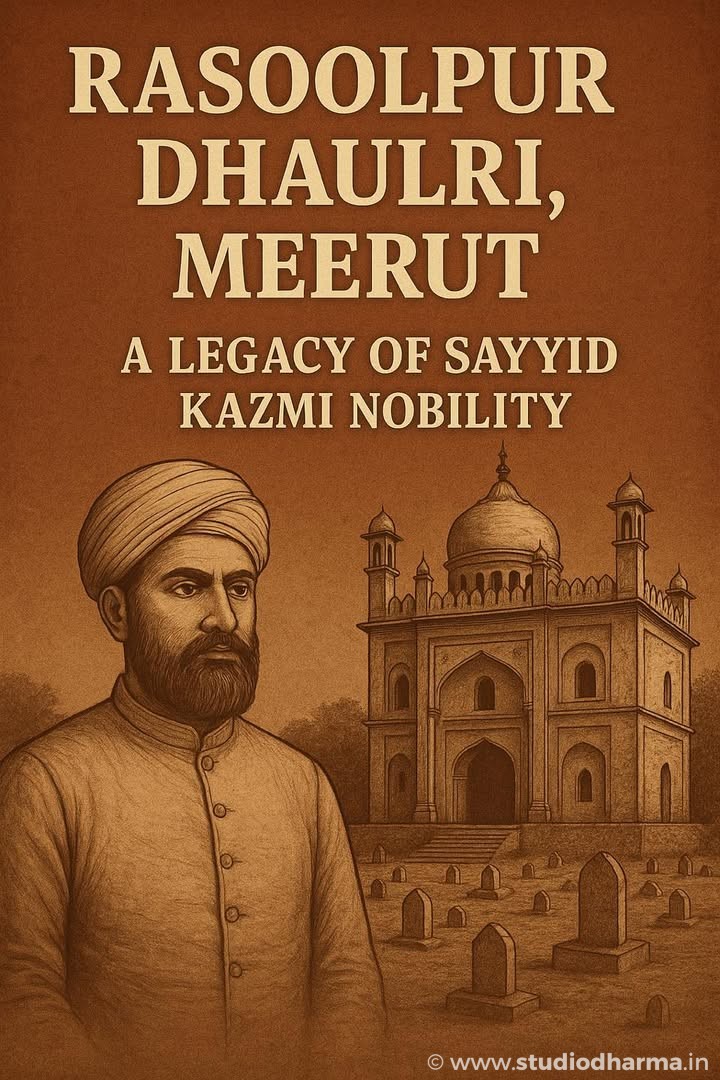
Rasoolpur Dhaulri, Meerut: A Legacy of Sayyid Kazmi Nobility.
After the arrival of the Mughals in India, many families migrated from regions like Afghanistan and Khyber for trade and settlement. During Shah Jahan’s reign, the Sayyid Kazmi families moved from those regions to Punjab, eventually settling near Barnawa, close to Meerut.
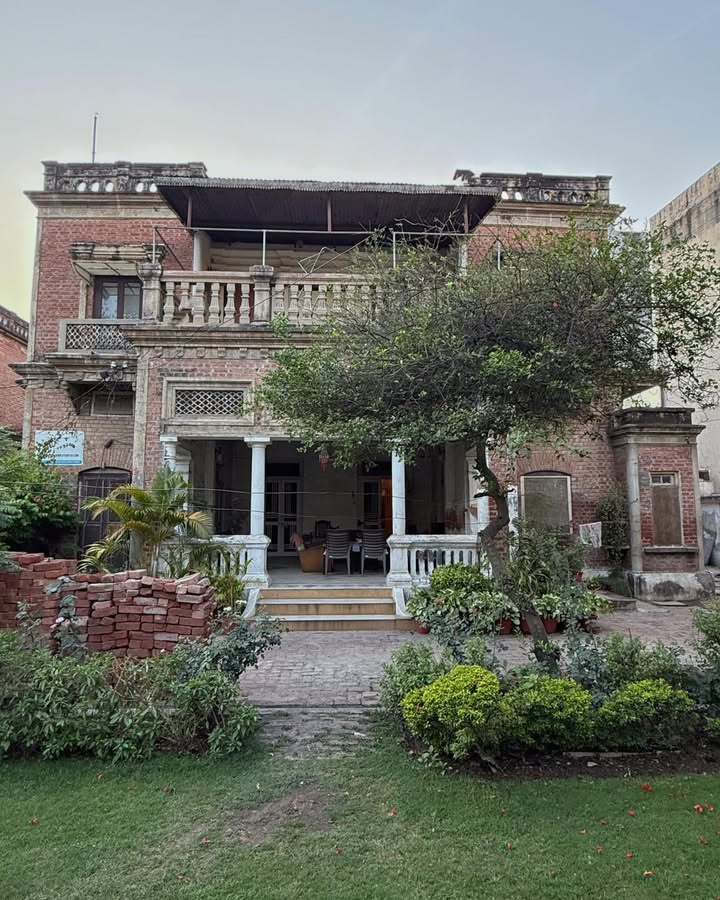
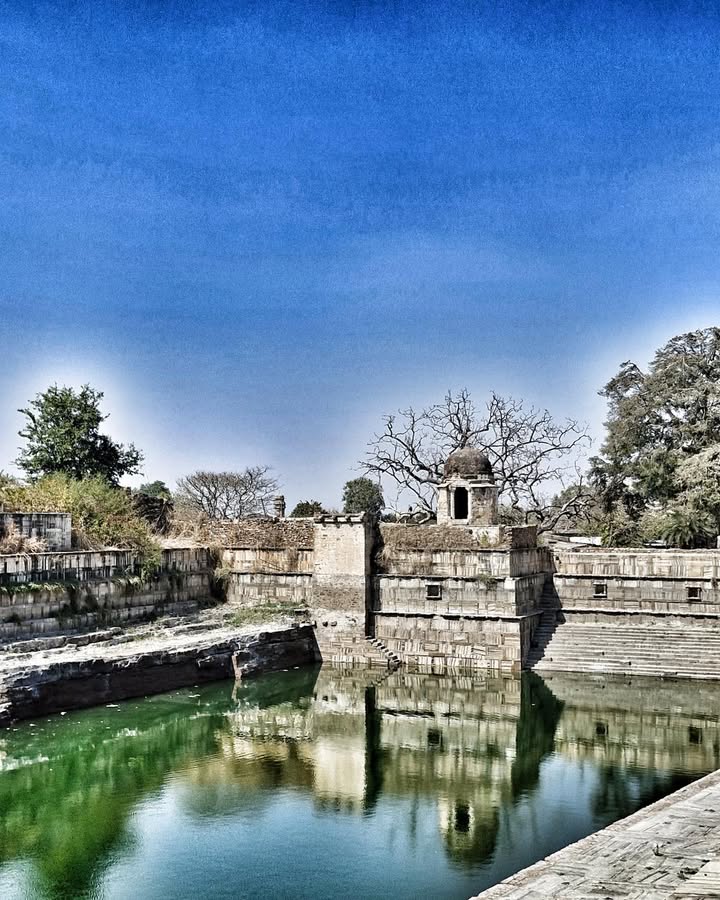
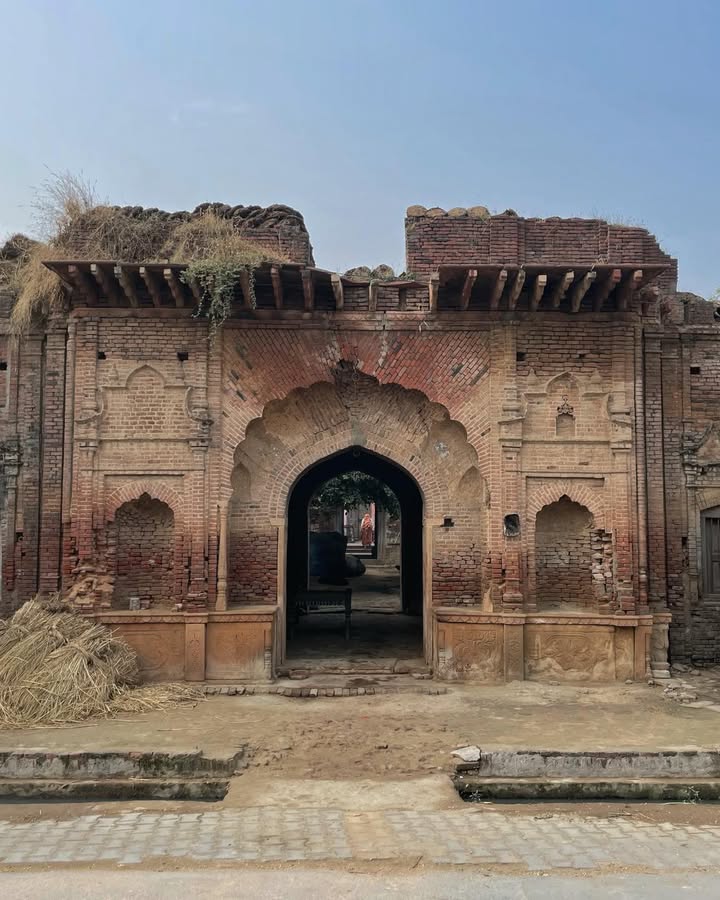
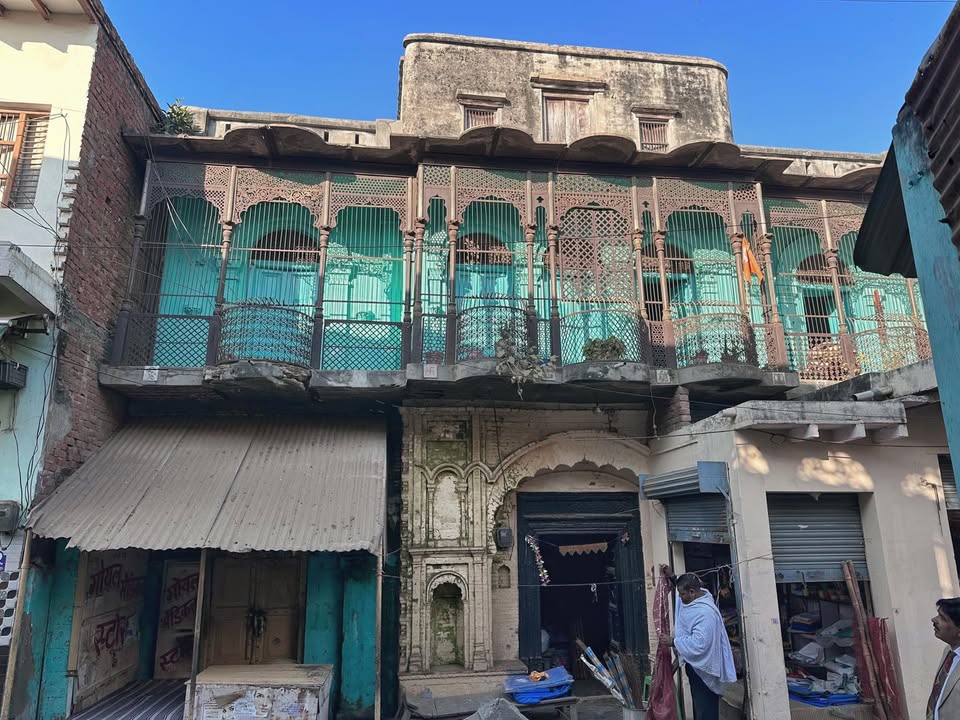
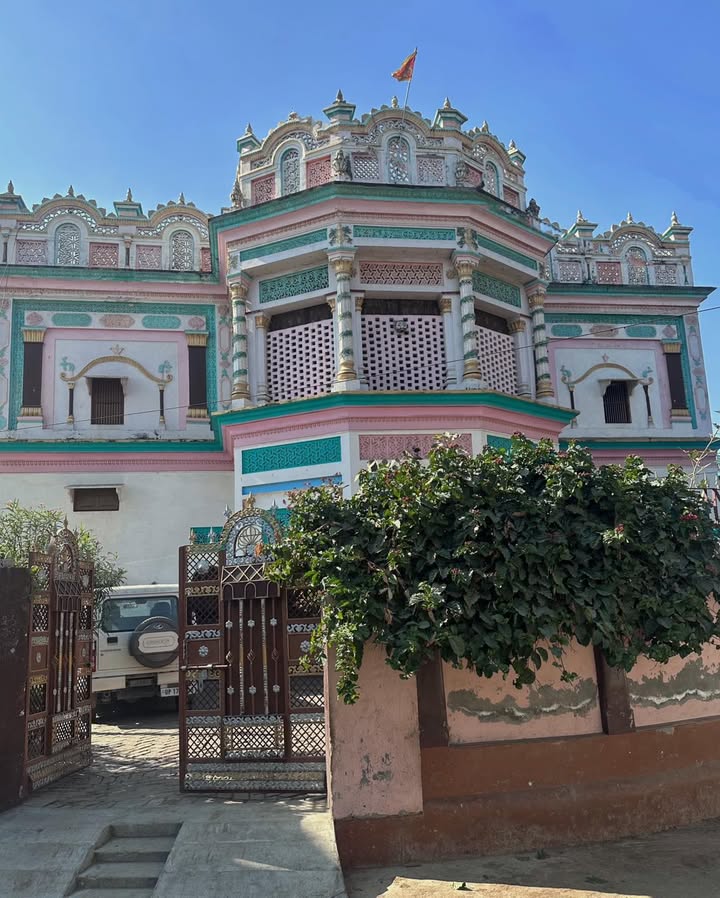
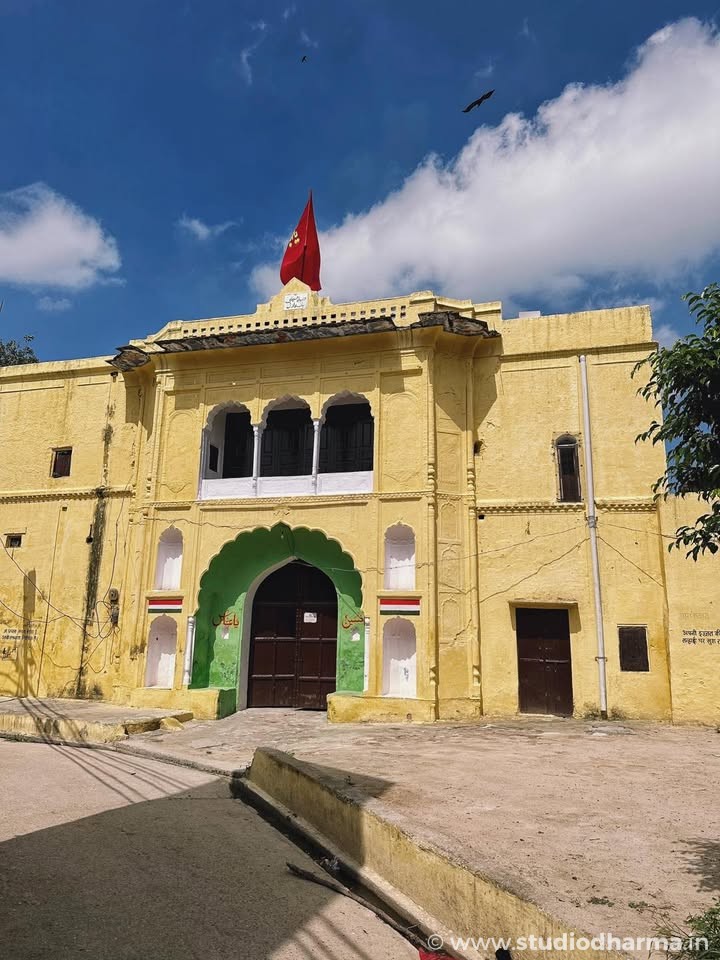
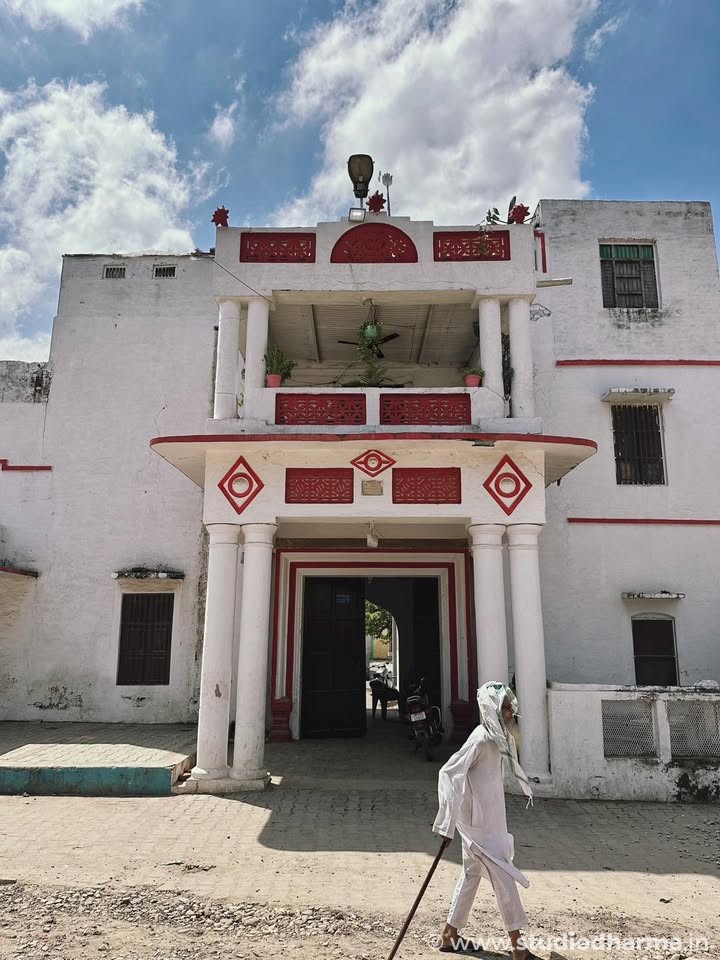
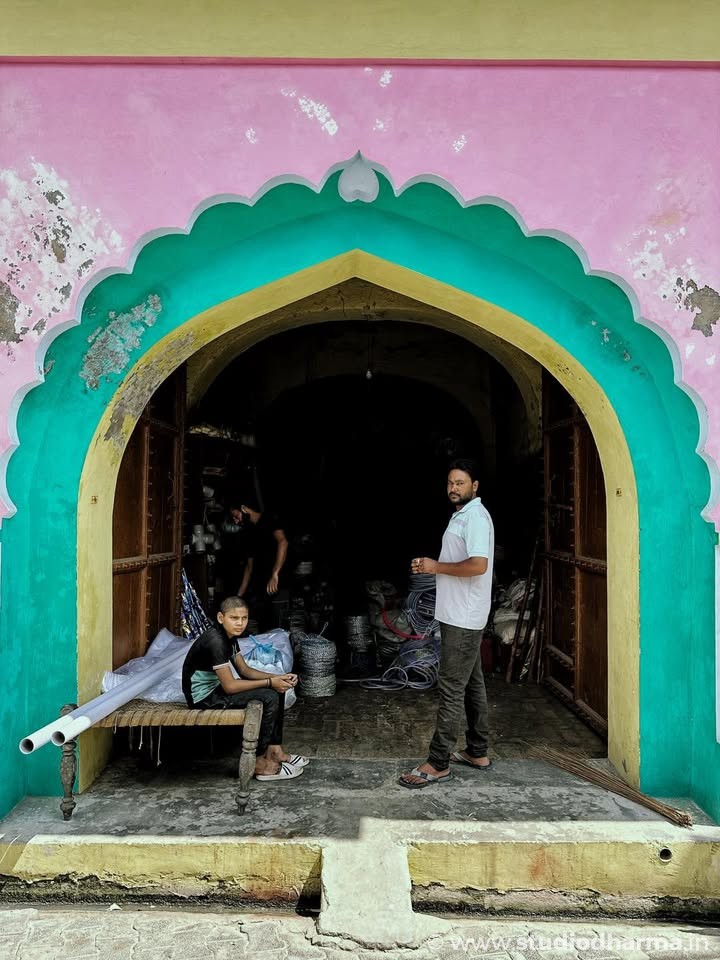
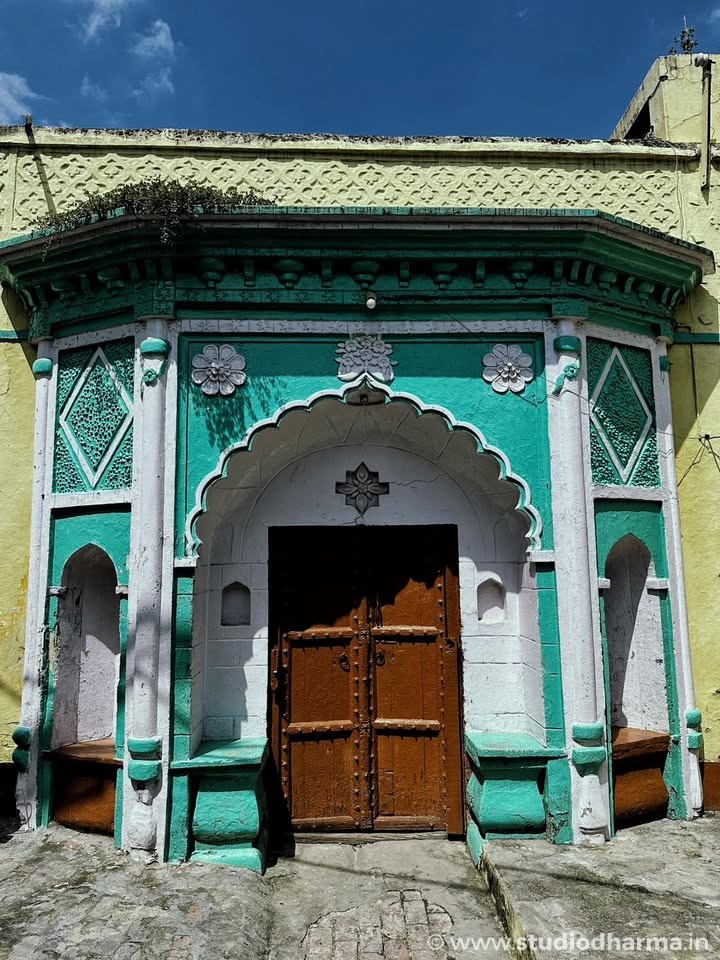
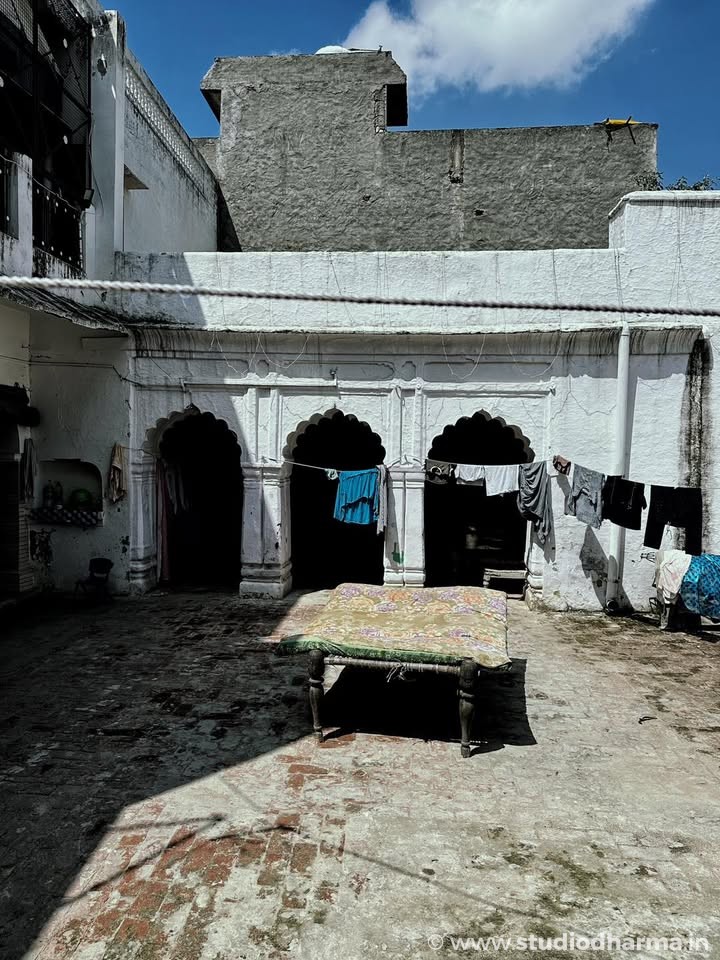
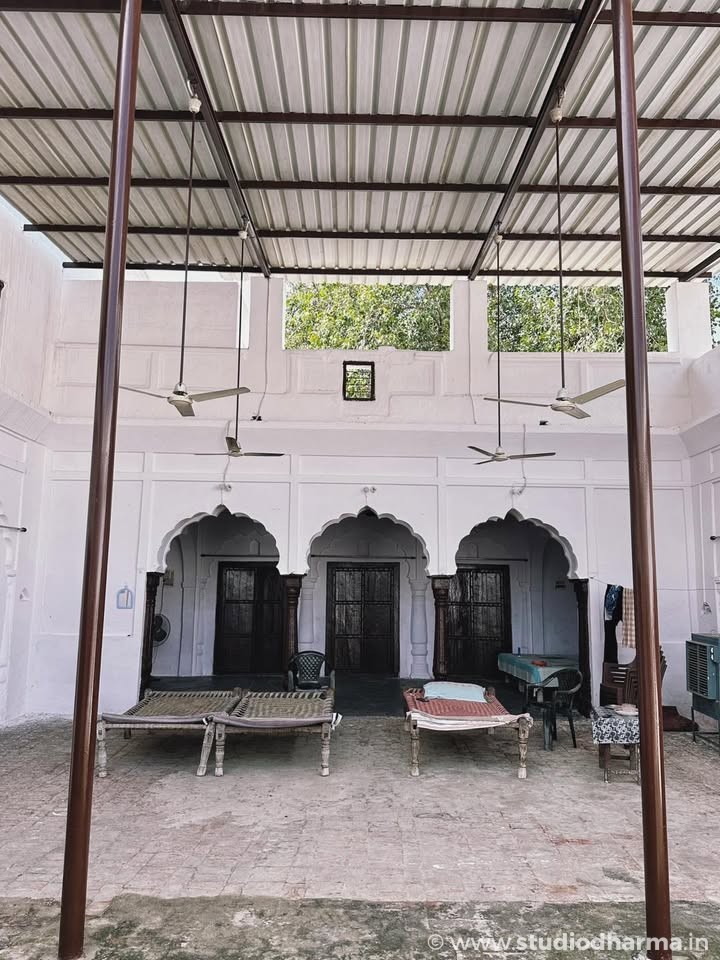
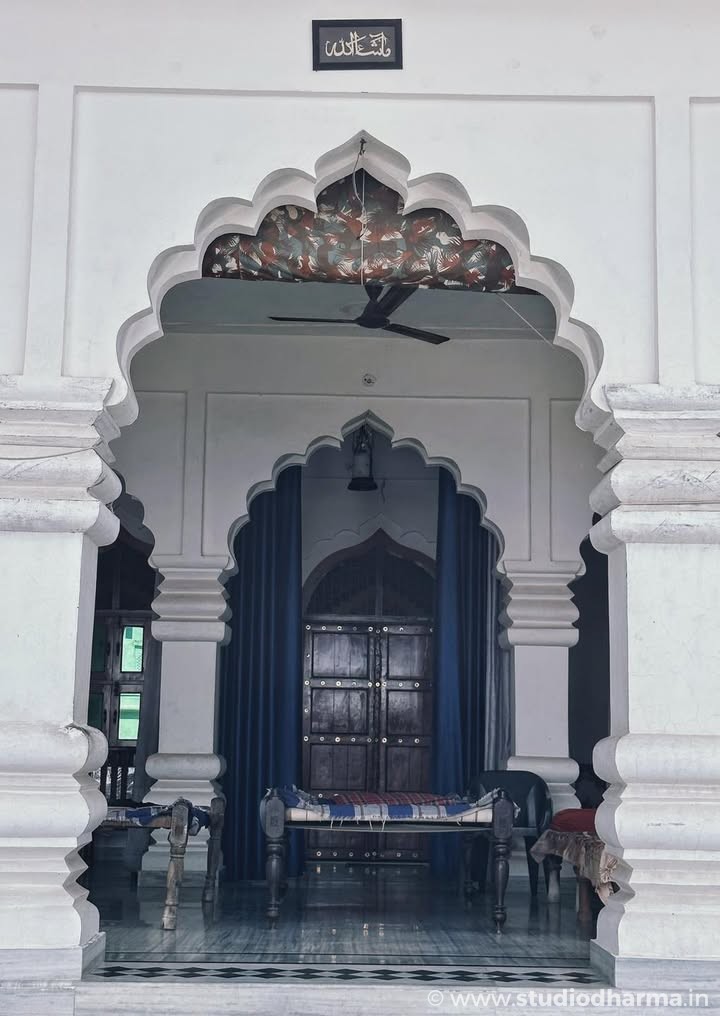
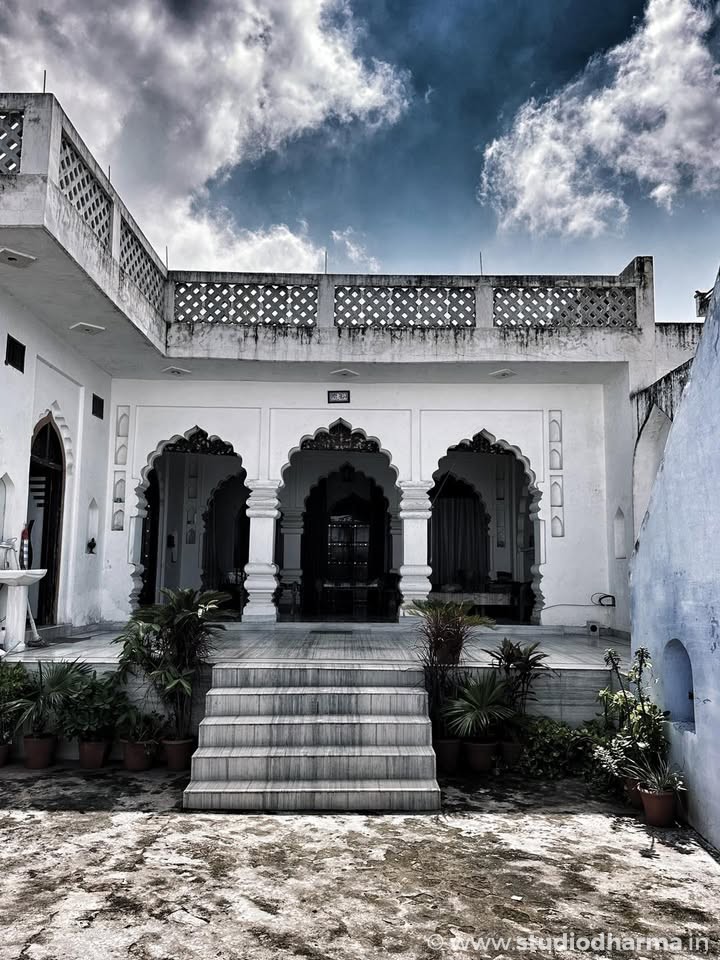
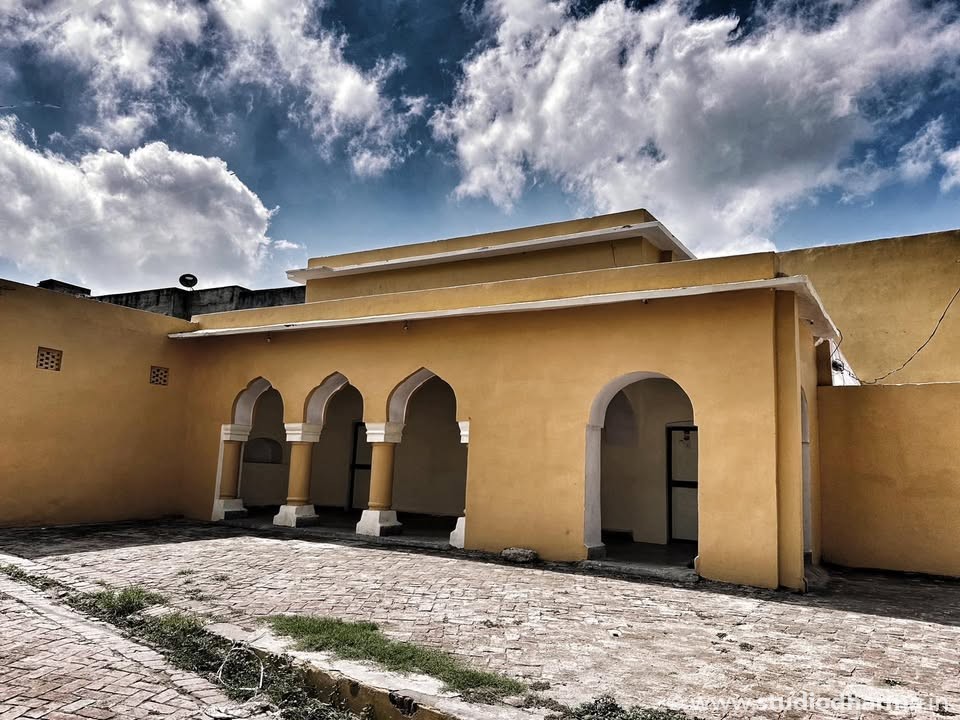
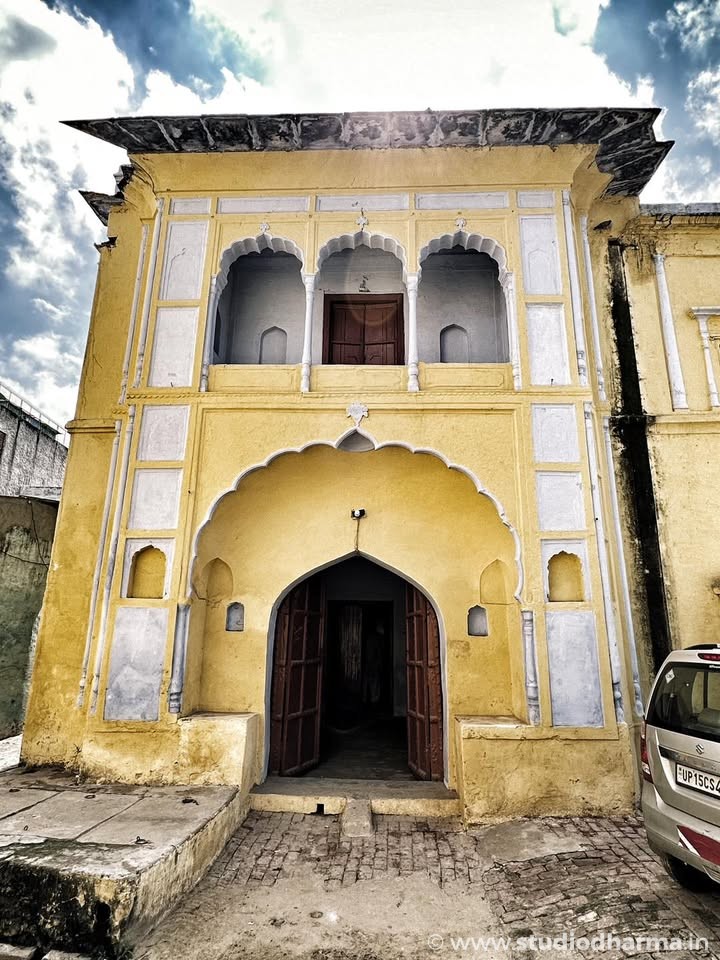
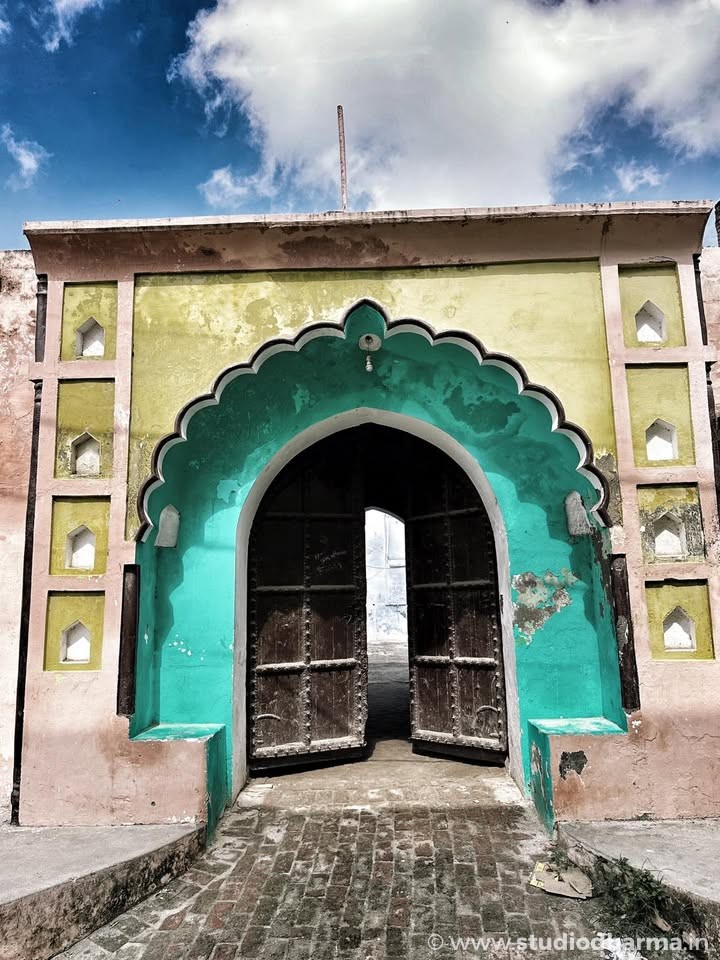
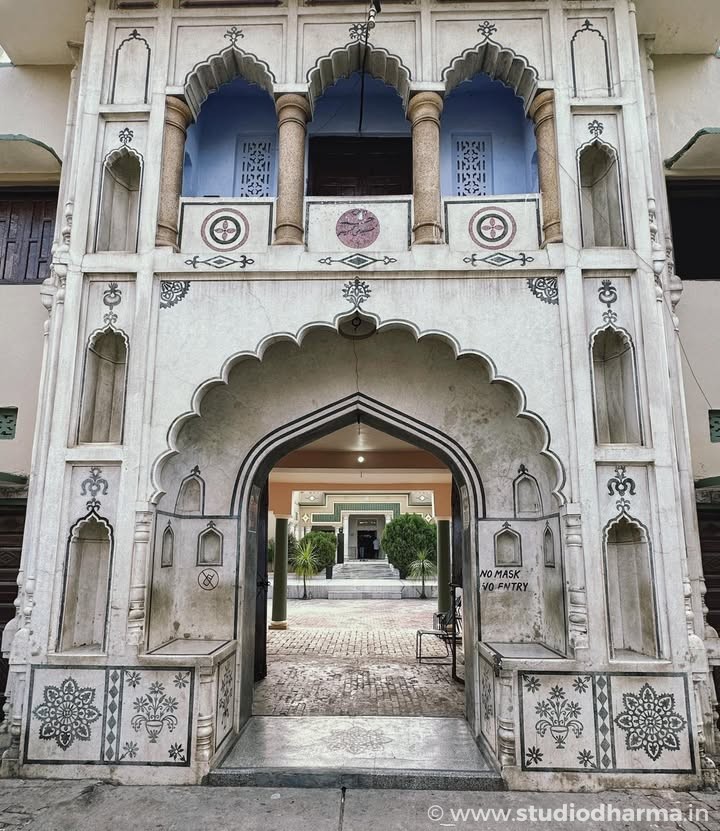
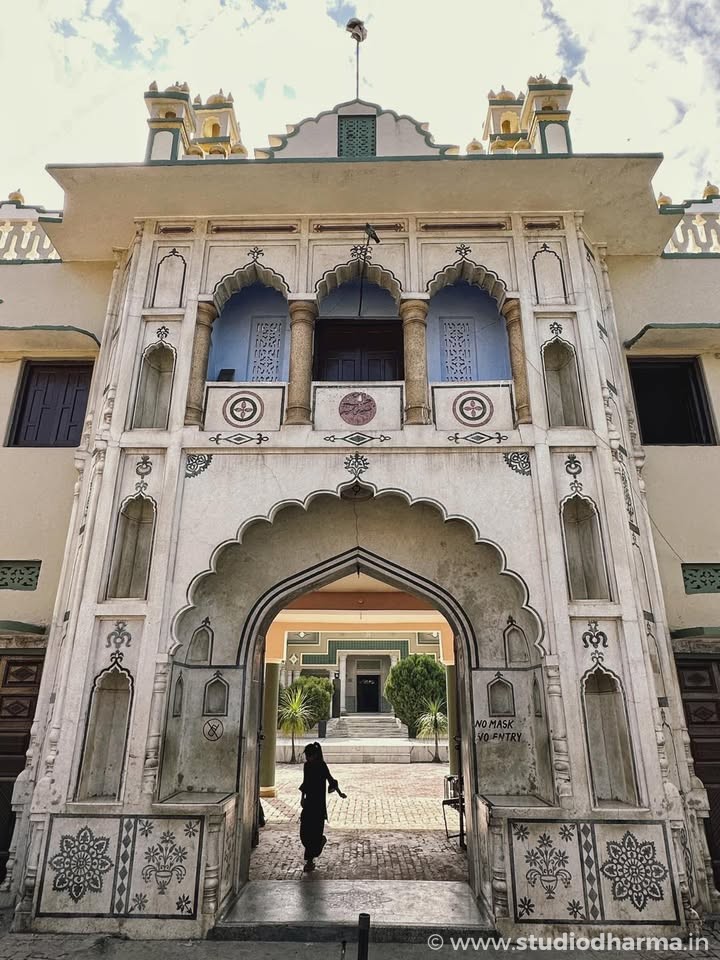
Around 400 years ago, Sayyid Shahabuddin of this lineage came to Rasoolpur Dhaulri—a Rajput-dominated village at the time. Finding the atmosphere suitable, he decided to settle here. He built two structures: a Diwan Khana for the men and a Mahal for the women. These were connected by an underground passage which exists even today but is no longer in use.
Sayyid Shahabuddin served as a military commander of the princely state. Hence, the Diwan Khana also served as his office, where religious, political, and social functions were held. As a devout Shia Muslim, he initiated the tradition of Muharram and Azadari in the village.
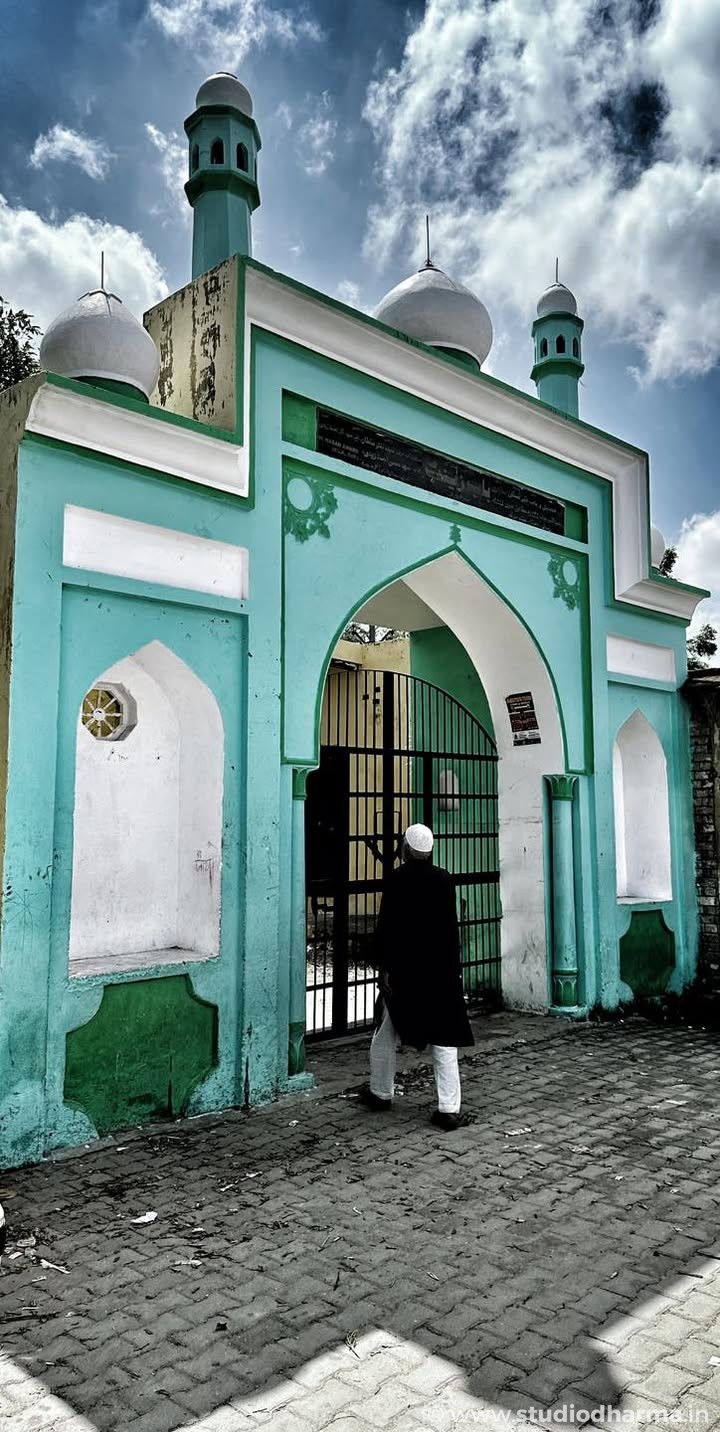
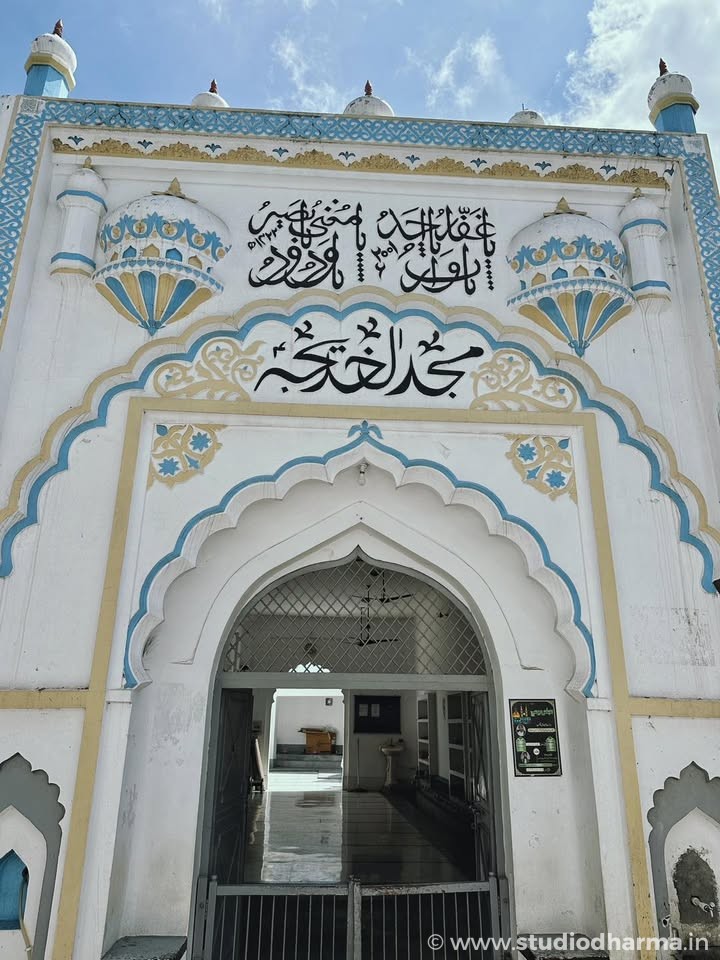
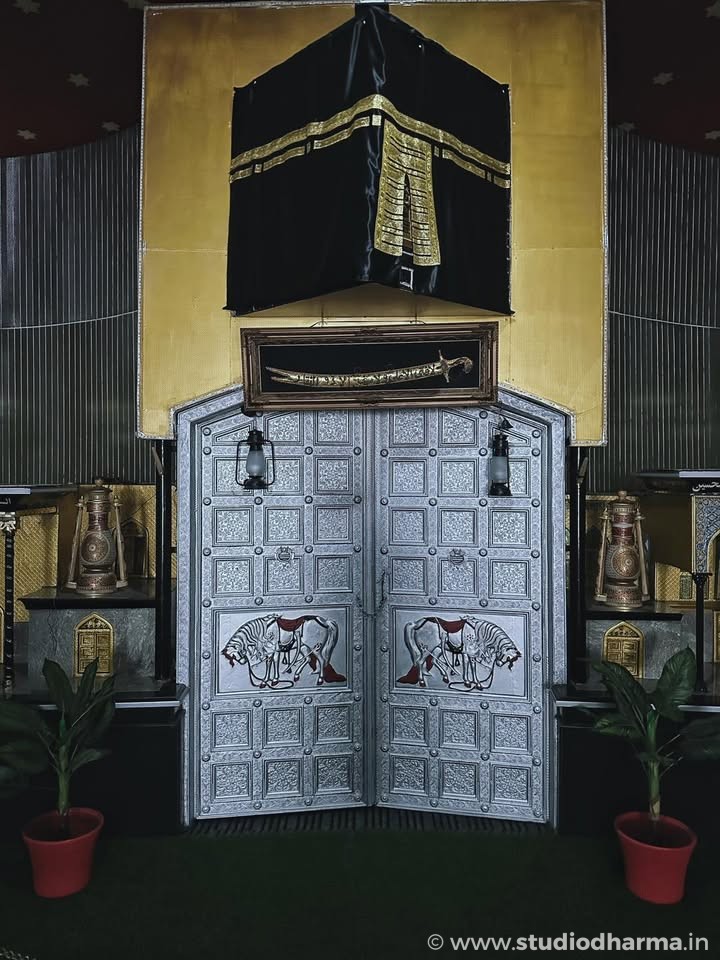
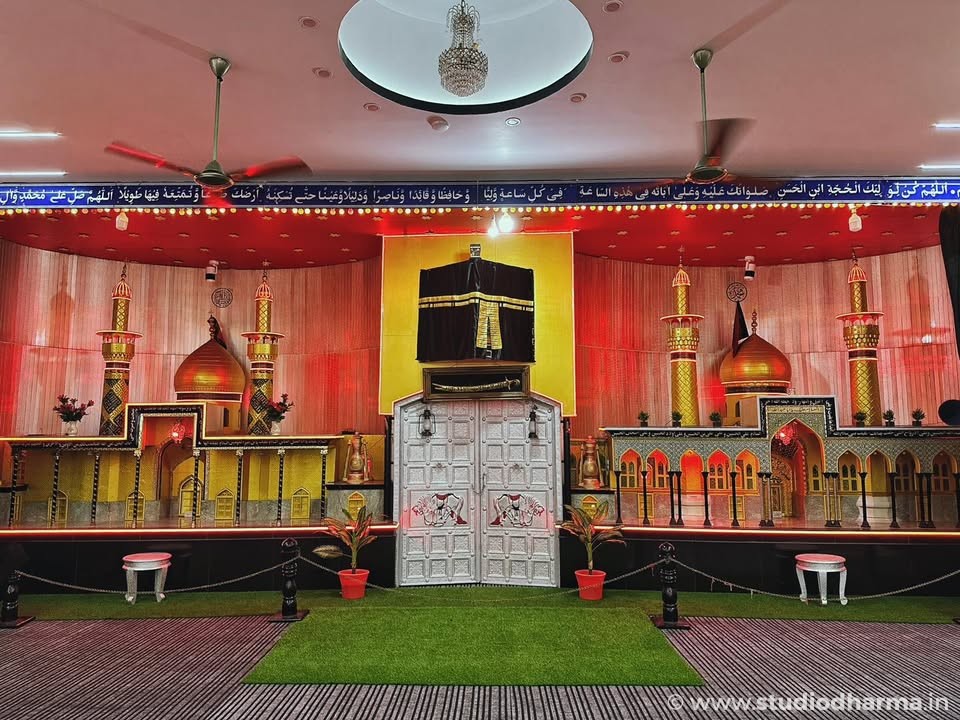
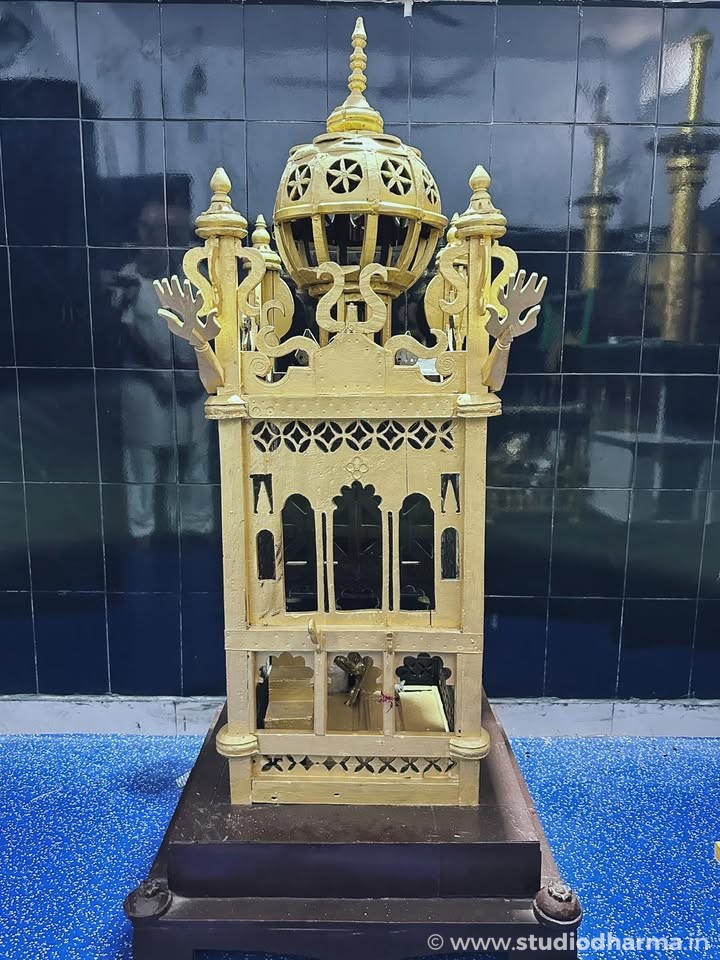
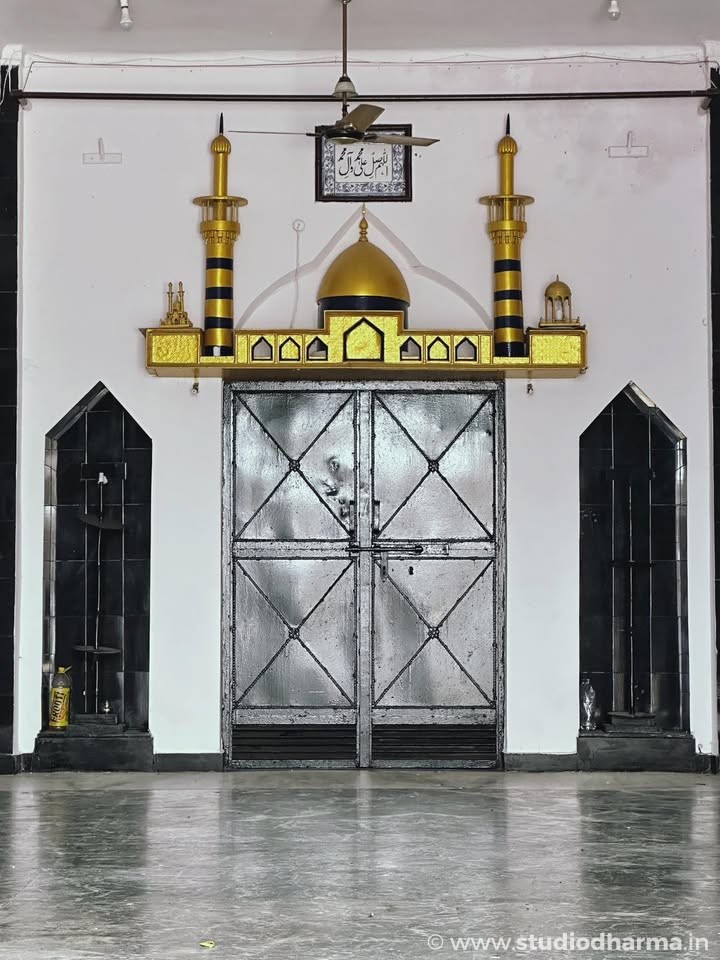
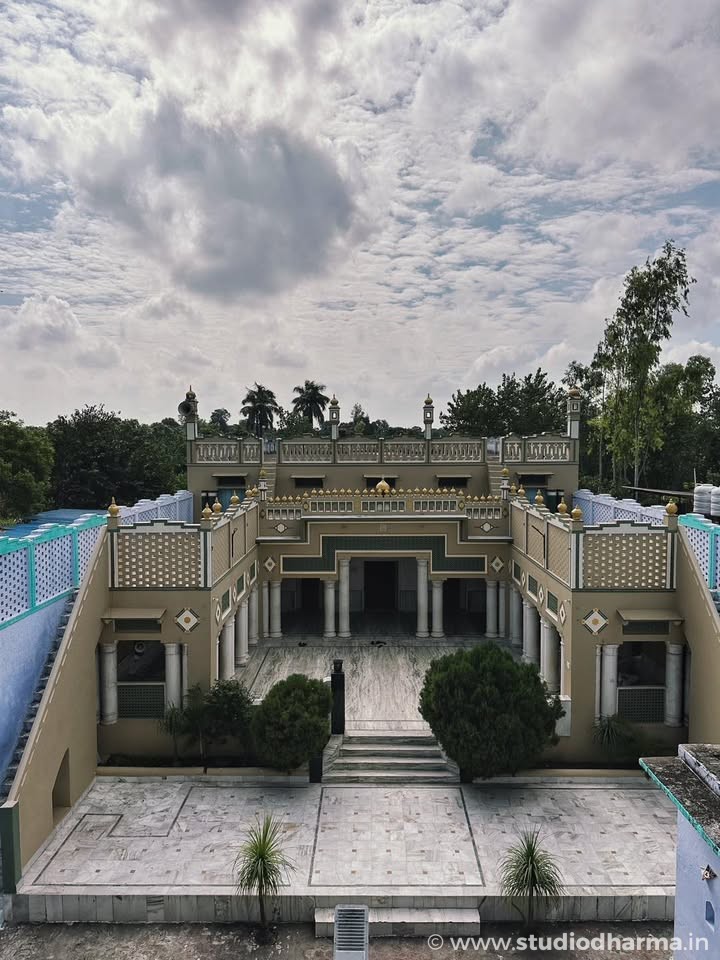
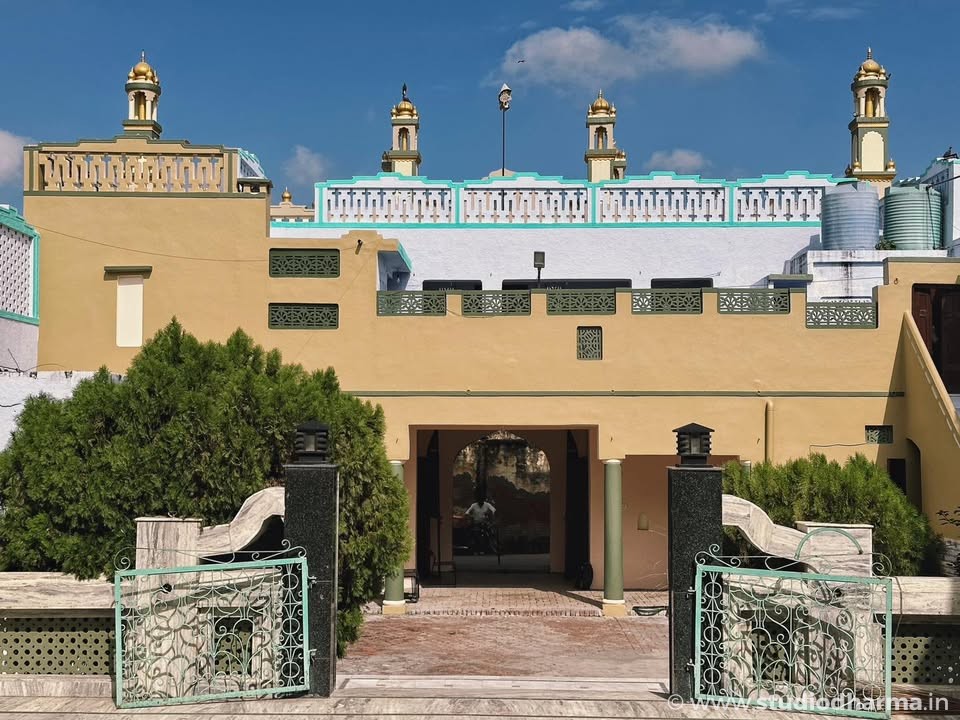
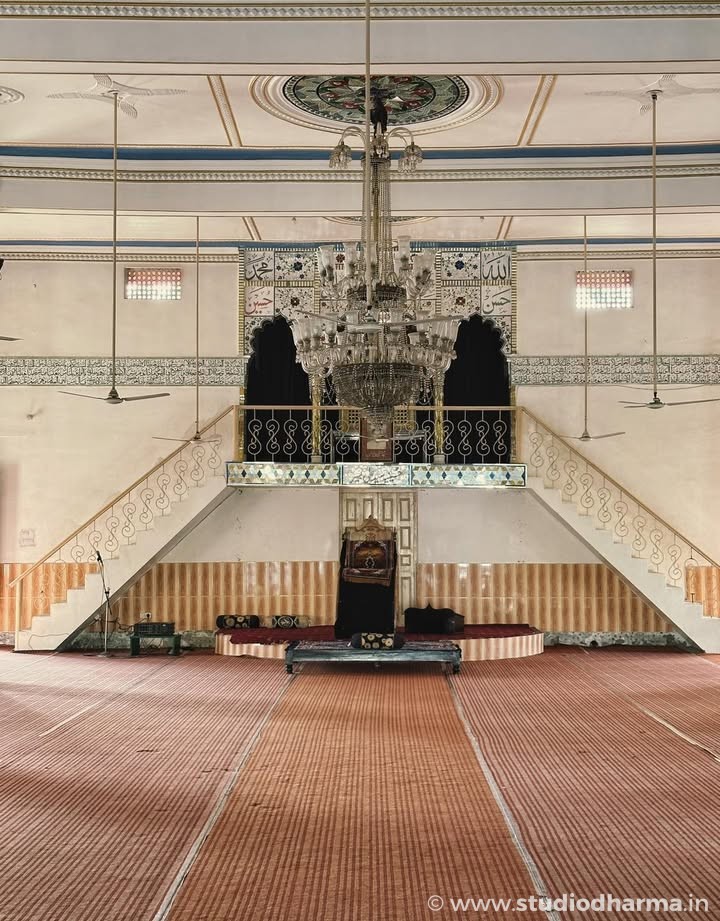
Initially, Muharram gatherings took place in homes, notably that of Sayyid Ali Gohar. As the number of devotees grew, his son, Sayyid Ali Kabir, constructed an Imambara and generously donated his property for public welfare, including education for children and support for widows.
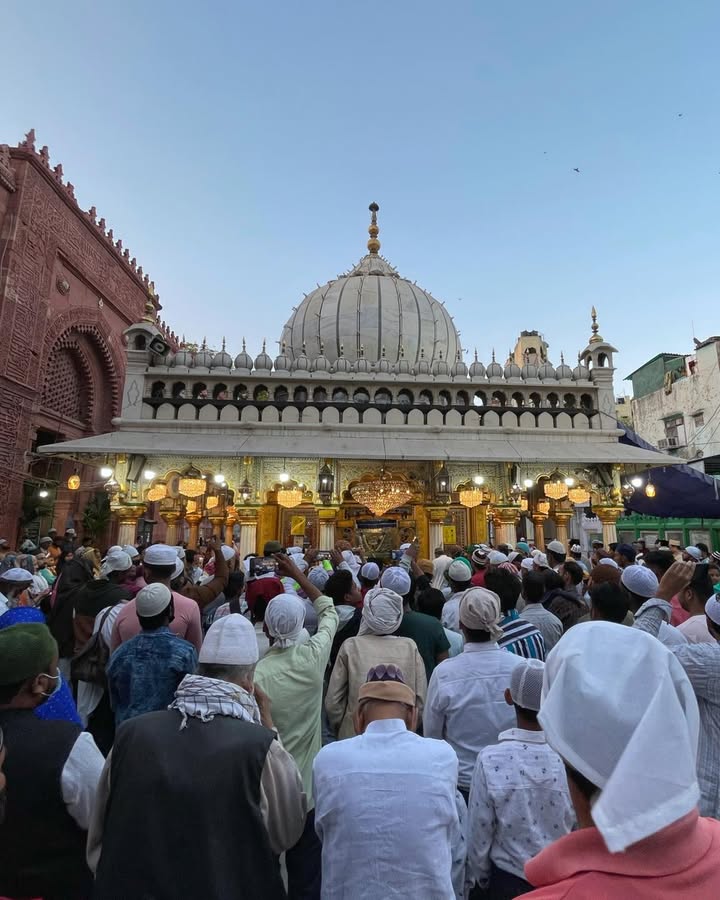
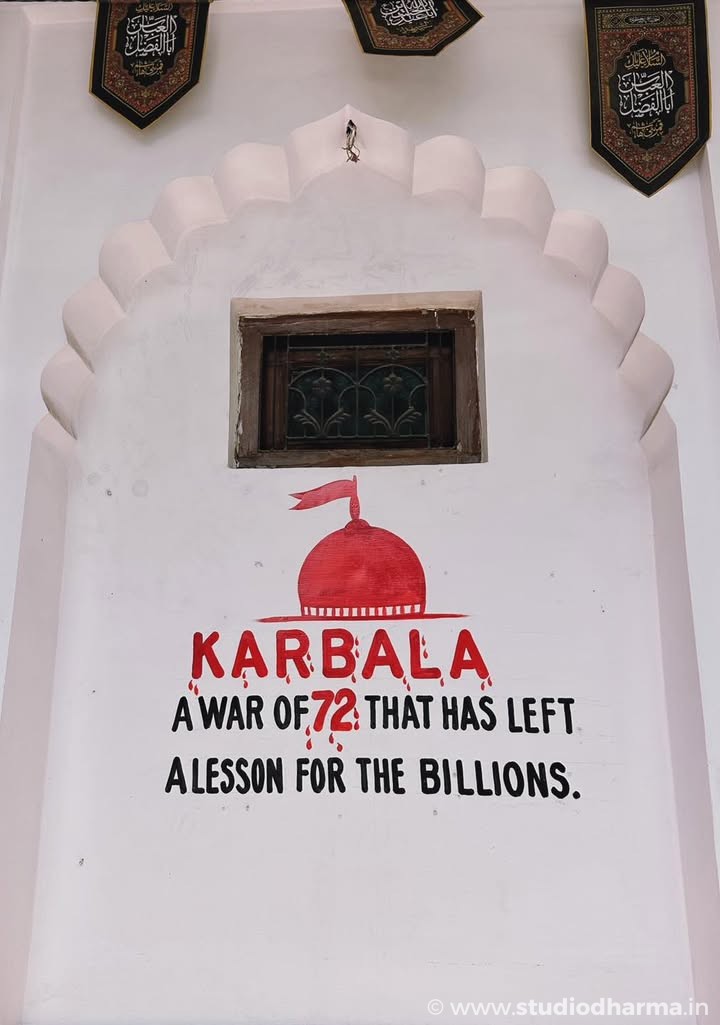
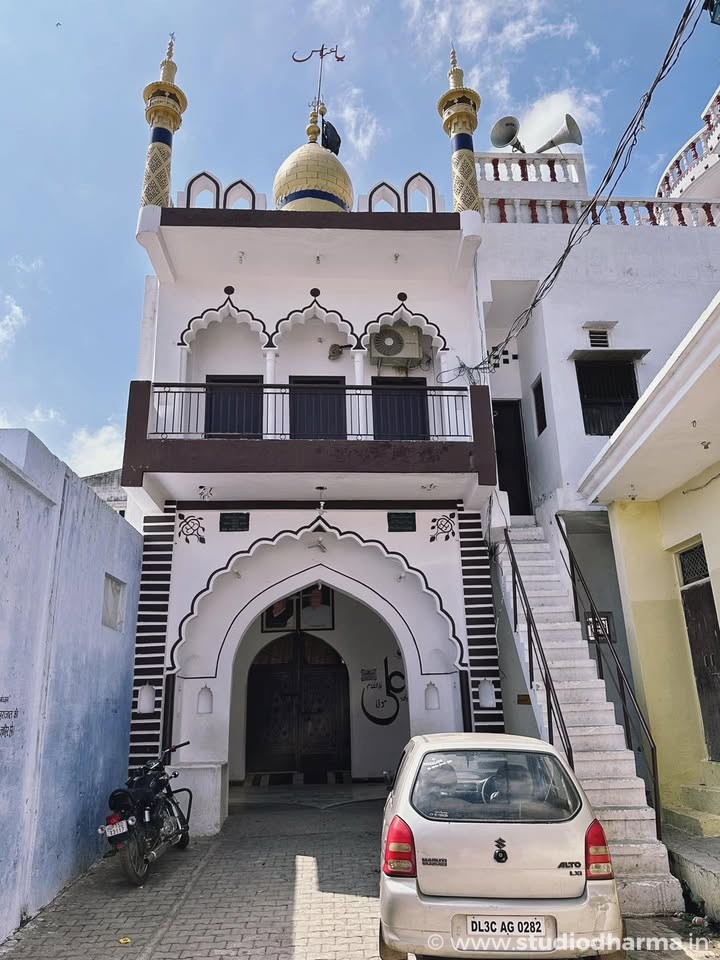
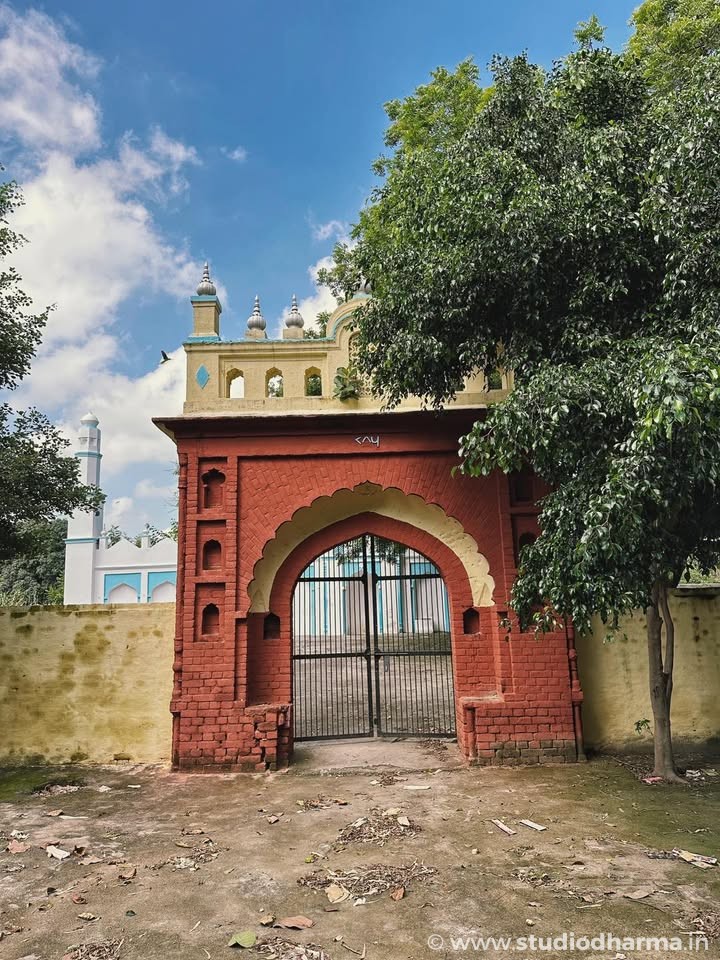
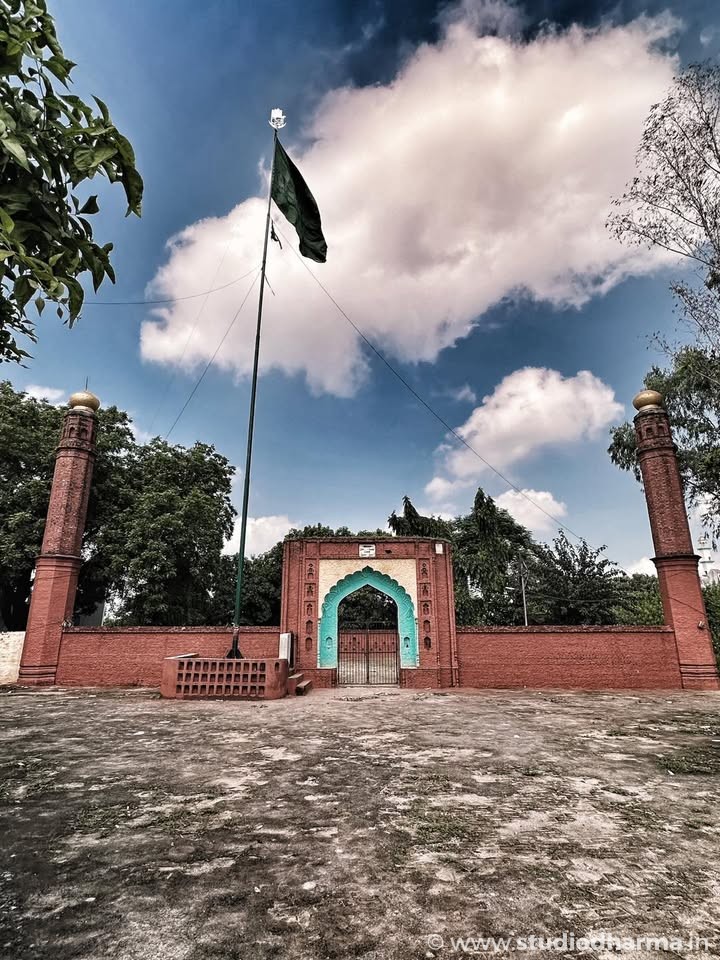
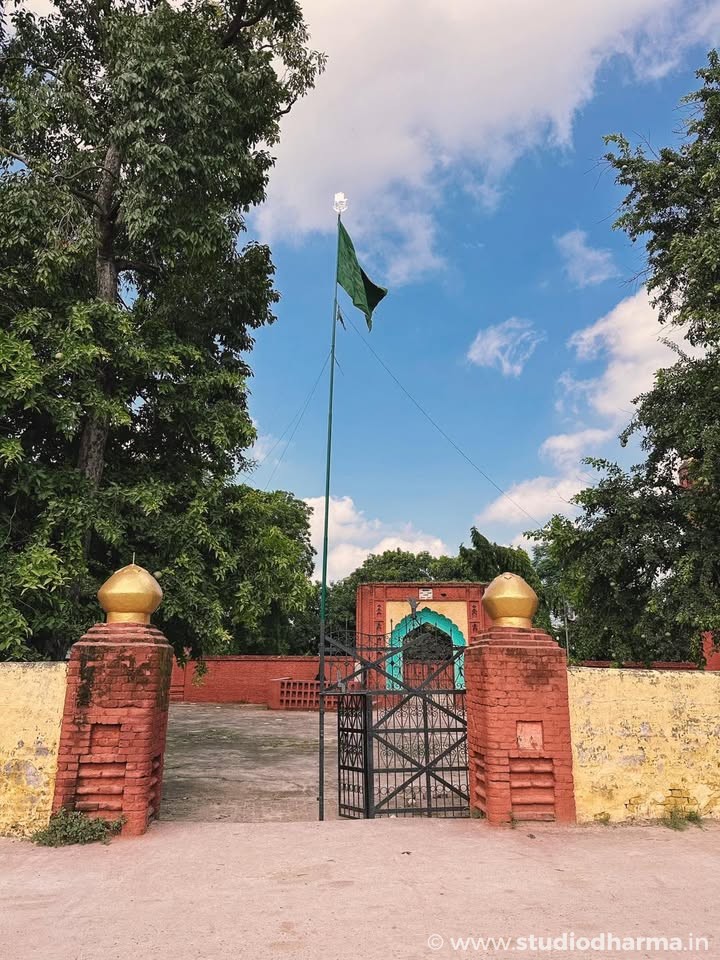
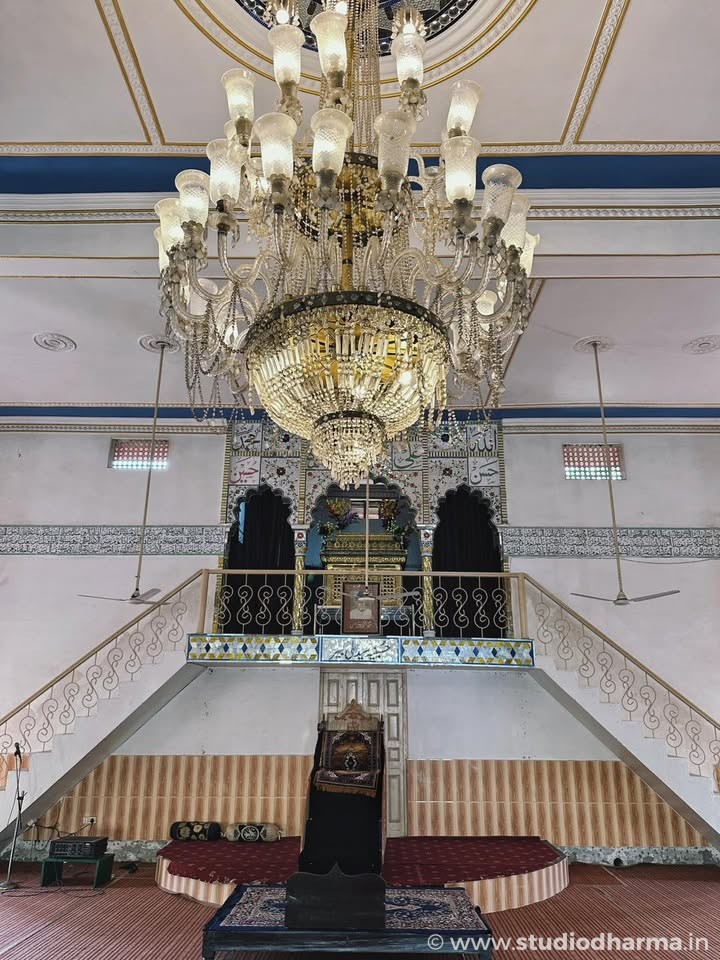
Today, the Imambara sees over 2,500 people during Muharram. The village now houses around eight more Imambaras, an Eidgah, and a Karbala next to it. The mourning procession begins from the Mahal and concludes at the Karbala, managed by the Anjuman Hussainiya Intizamia Trust. According to its Naib Secretary, Sayyid Nazir Hasan, the trust manages around 55 bighas of land, including orchards and quarters.
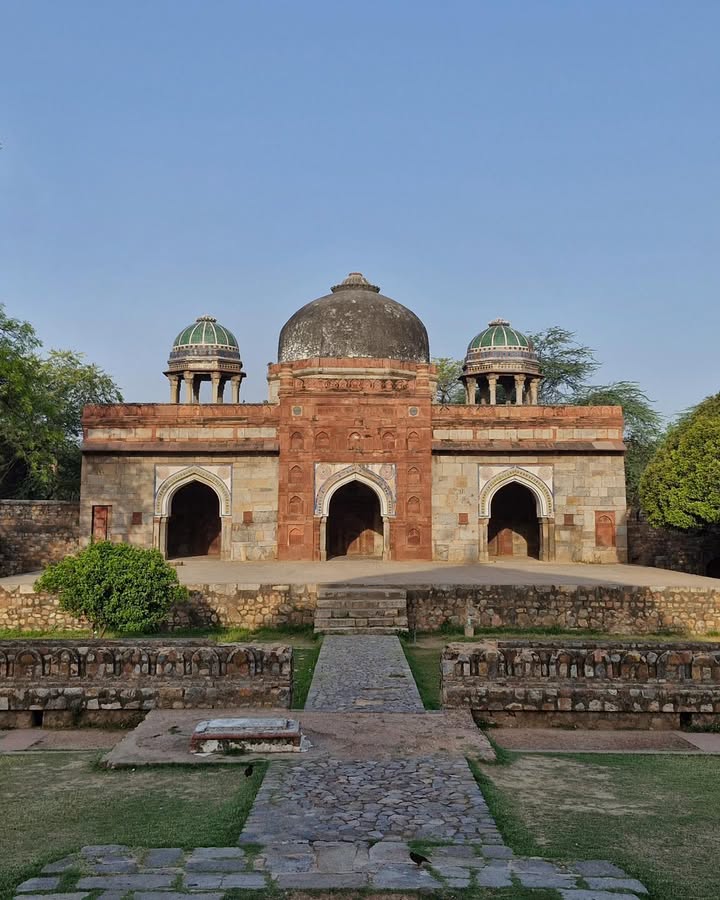
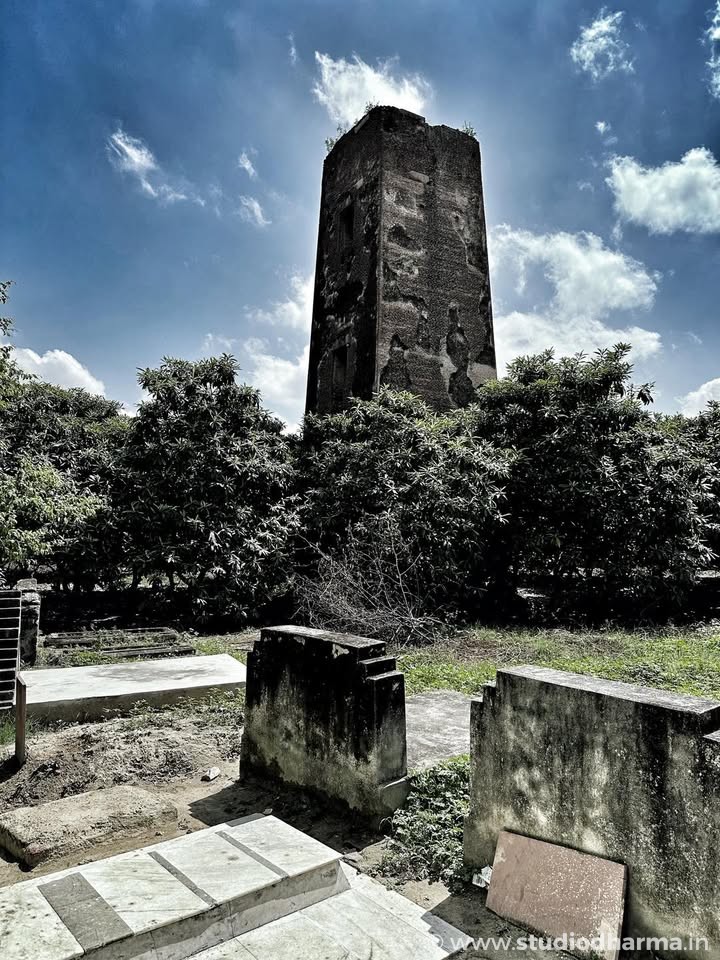
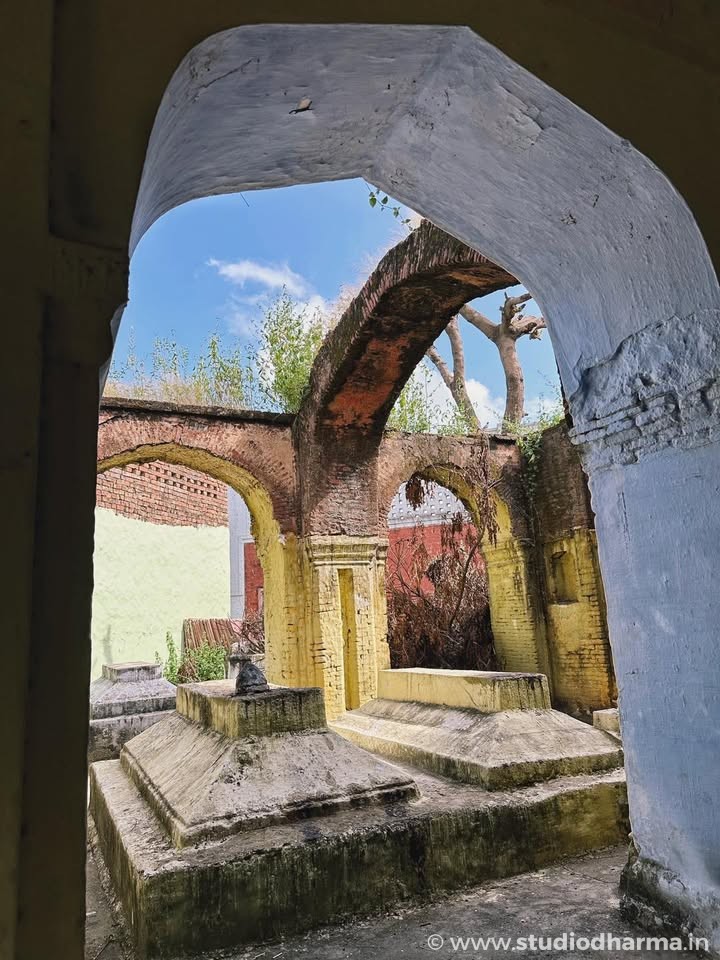
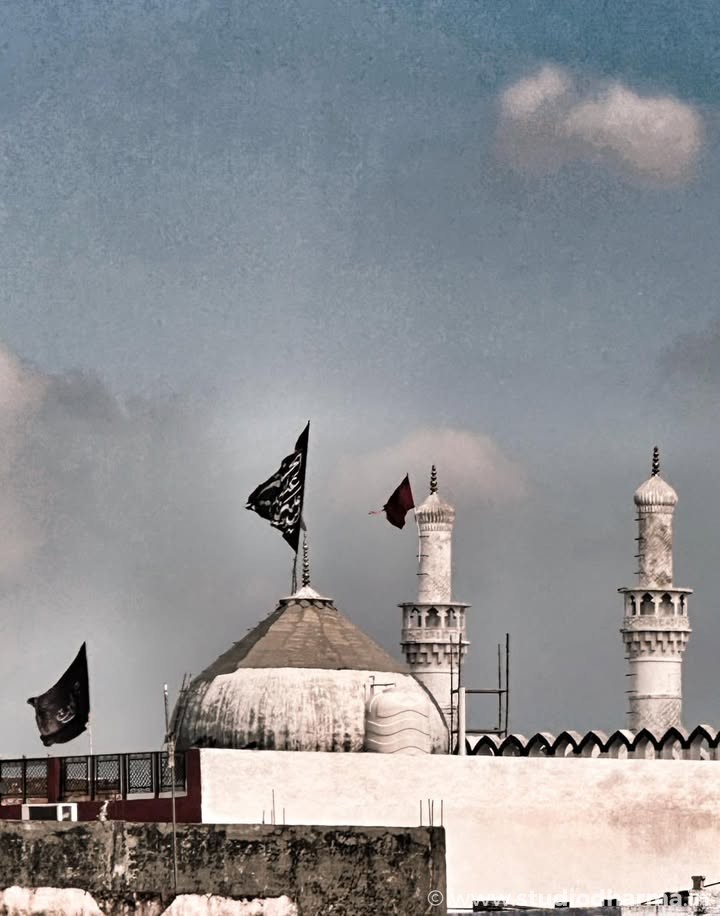
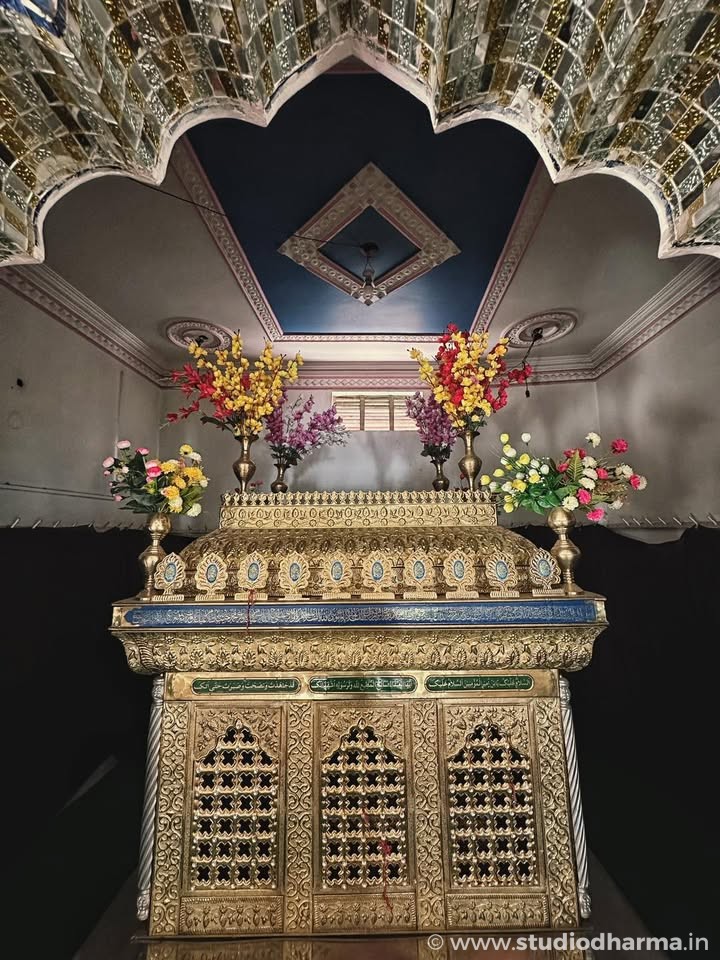
Adjacent to the Imambara lies the historic graveyard of Sayyid Shahabuddin’s lineage, locally known as Dargah.
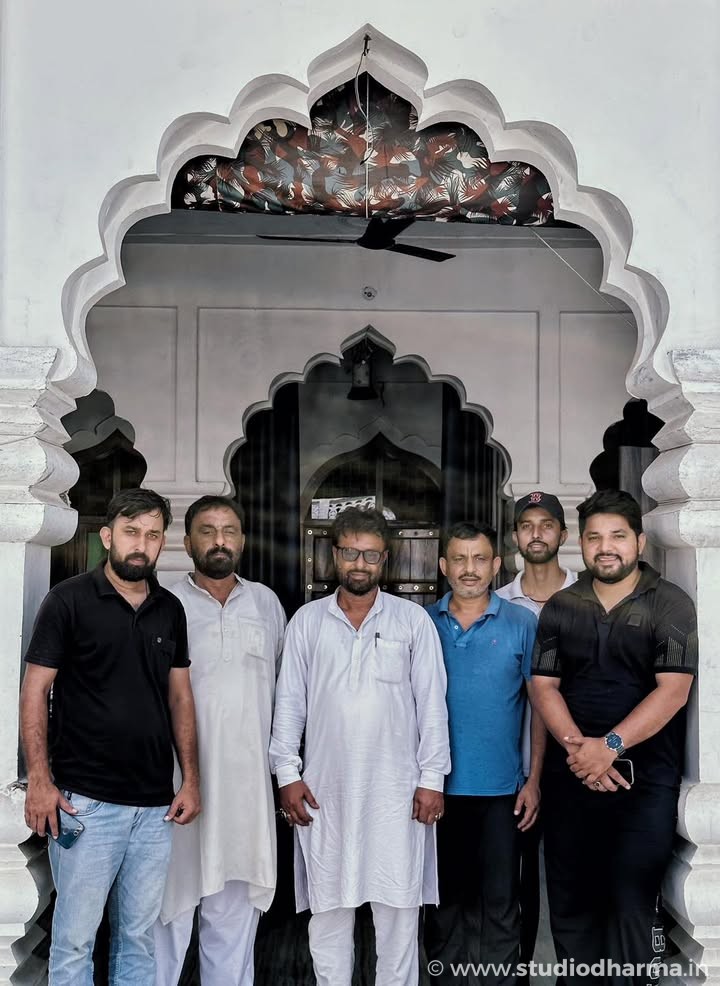
Studio Dharma expresses heartfelt gratitude to Dayam Kazmi, Sayyid Nazir Hasan, Shaukat Kazmi, Hasan Abbas Kazmi, and others for guiding us through this remarkable heritage.
रसूलपुर धौलड़ी, मेरठ: सय्यद काज़मी वंश की ऐतिहासिक विरासत
मुग़ल शासन के बाद भारत में व्यापार और बसावट के उद्देश्य से अफ़ग़ानिस्तान और खैबर जैसे क्षेत्रों से मुस्लिम परिवार आने लगे। शाहजहाँ के दौर में सय्यद काज़मी परिवार ने पंजाब की ओर हिजरत की और मेरठ के पास बरनावा गाँव में बस गए।
लगभग 400 साल पहले, इस वंश के सय्यद शहाबुद्दीन रसूलपुर धौलड़ी आए, जो उस समय एक राजपूत बहुल गाँव था। यहाँ का वातावरण उन्हें अनुकूल लगा और उन्होंने यहाँ बसने का निर्णय लिया। उन्होंने यहाँ दो प्रमुख इमारतें बनवाईं – दीवान खाना (पुरुषों के लिए) और महल (महिलाओं के लिए), जिन्हें एक सुरंग से जोड़ा गया था।
सय्यद शहाबुद्दीन उस समय रियासत के सेनापति थे, और दीवान खाना उनका निवास व कार्यालय दोनों था। सामाजिक, धार्मिक और राजनीतिक आयोजन यहीं होते थे। वे शिया मुसलमान थे और यहीं से मुहर्रम और अज़ादारी की परंपरा की शुरुआत हुई।
प्रारंभ में मुहर्रम की मजलिसें घरों में होती थीं। बाद में, सय्यद अली गोहर के बेटे सय्यद अली कबीर साहब ने एक इमामबाड़ा बनवाया और अपनी संपत्ति दान में देकर एक ट्रस्ट की स्थापना की, जिससे बच्चों की पढ़ाई और विधवाओं की सहायता होने लगी।
आज इस इमामबाड़े में 2000-2500 लोग मुहर्रम में शामिल होते हैं। गाँव में अब लगभग 8 अन्य इमामबाड़े, एक ईदगाह और उसके पास कर्बला भी है। मुहर्रम का जुलूस महल से शुरू होकर कर्बला में समाप्त होता है, जिसकी देखरेख अंजुमन हुसैनिया इंतजामिया ट्रस्ट करता है। ट्रस्ट के नायब सेक्रेटरी सय्यद नाज़िर हसन के अनुसार, ट्रस्ट के पास 55 बीघा ज़मीन है जिसमें 20 बीघा बाग़ और कुछ क्वार्टर शामिल हैं।
इमामबाड़े के पास ही सय्यद शहाबुद्दीन के वंशजों का एक पारिवारिक क़ब्रिस्तान भी है, जिसे दरगाह कहा जाता है।
स्टूडियो धर्मा इस ऐतिहासिक यात्रा में मार्गदर्शन देने वाले दायम काज़मी, सय्यद नाज़िर हसन, शौकत काज़मी, हसन अब्बास काज़मी आदि का दिल से आभार व्यक्त करता है।