









THE CARAVAN SARAI, MANDU (MADHYA PRADESH) A Forgotten Chapter of Medieval Trade and Travel.


THE CARAVAN SARAI, MANDU (MADHYA PRADESH)
A Forgotten Chapter of Medieval Trade and Travel.
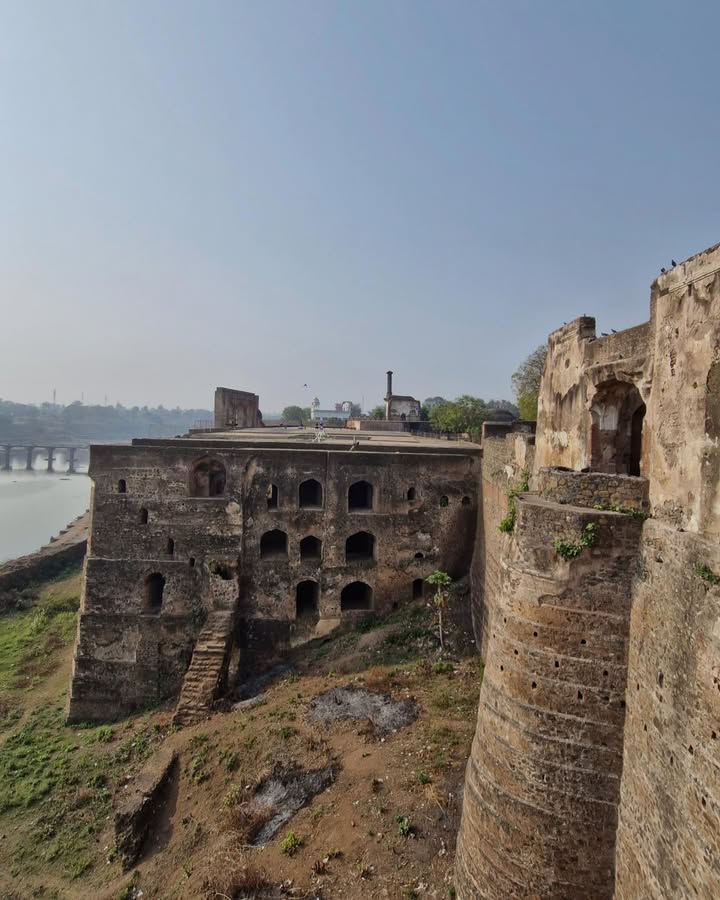
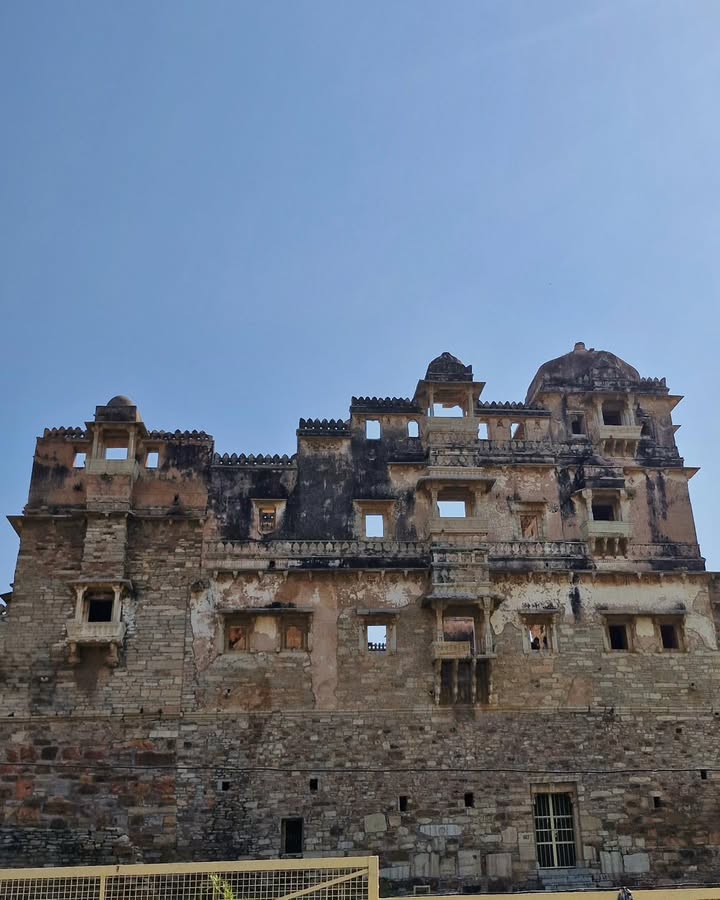
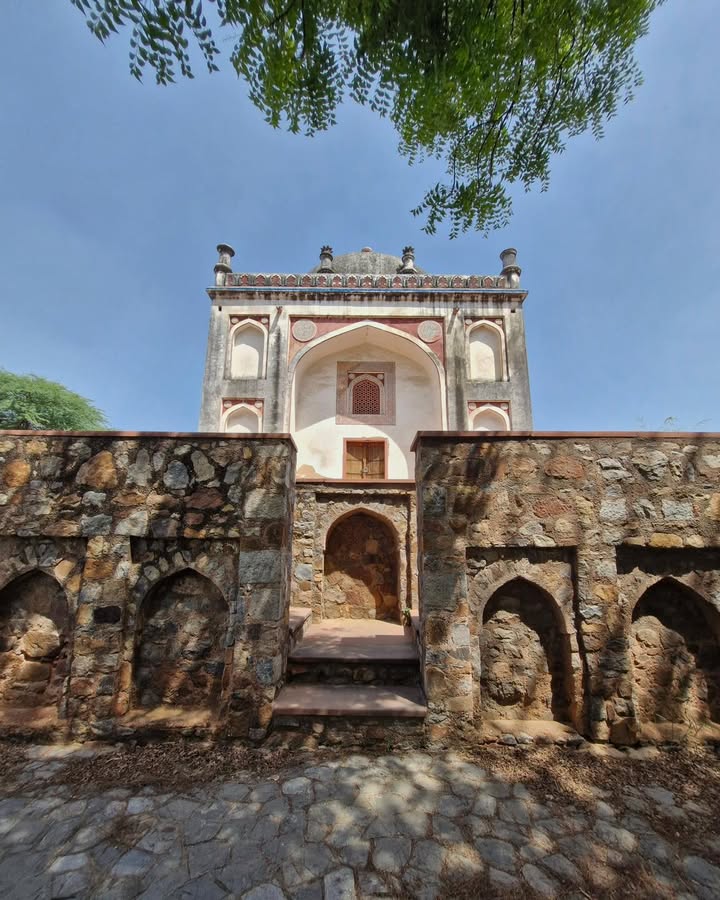
Tucked within the silent ruins of Mandu stands the Caravan Sarai — a structure that once pulsed with life, movement, and commerce. Built around 1437 AD during the Malwa Sultanate period, this vast sarai served as a crucial resting point for merchants, travelers, and caravans navigating the historic trade routes of central India.
Unlike Mandu’s palaces and mosques, the Caravan Sarai was shaped by necessity rather than grandeur. It was a place where long journeys paused — where animals were tended, goods were stored, and weary travelers found shelter before continuing onward. Mandu’s strategic position on important trade corridors transformed it into a natural halt, and the Caravan Sarai became an essential part of this commercial ecosystem.
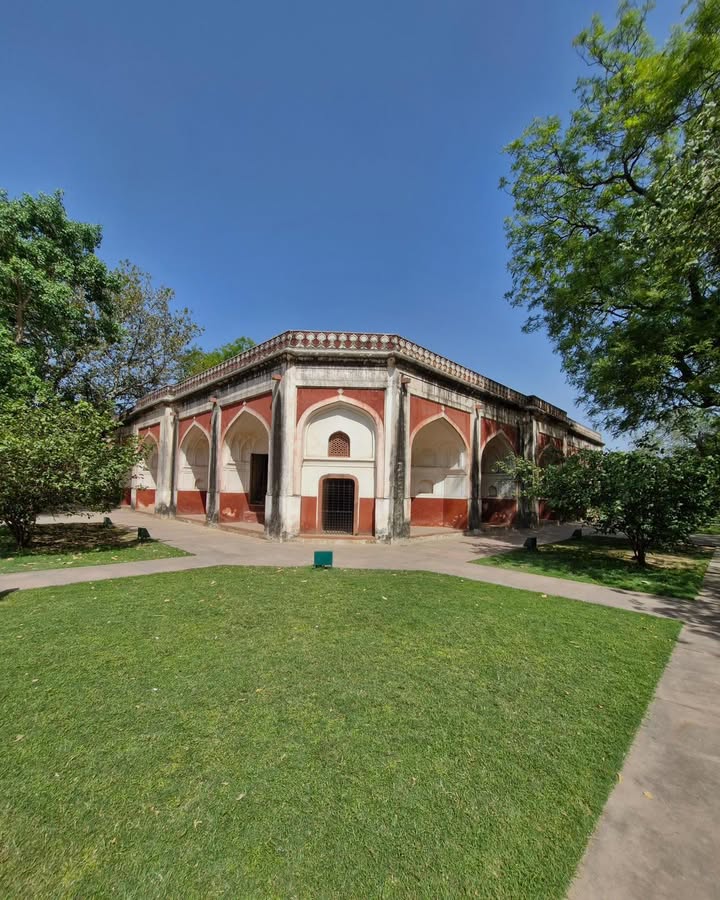
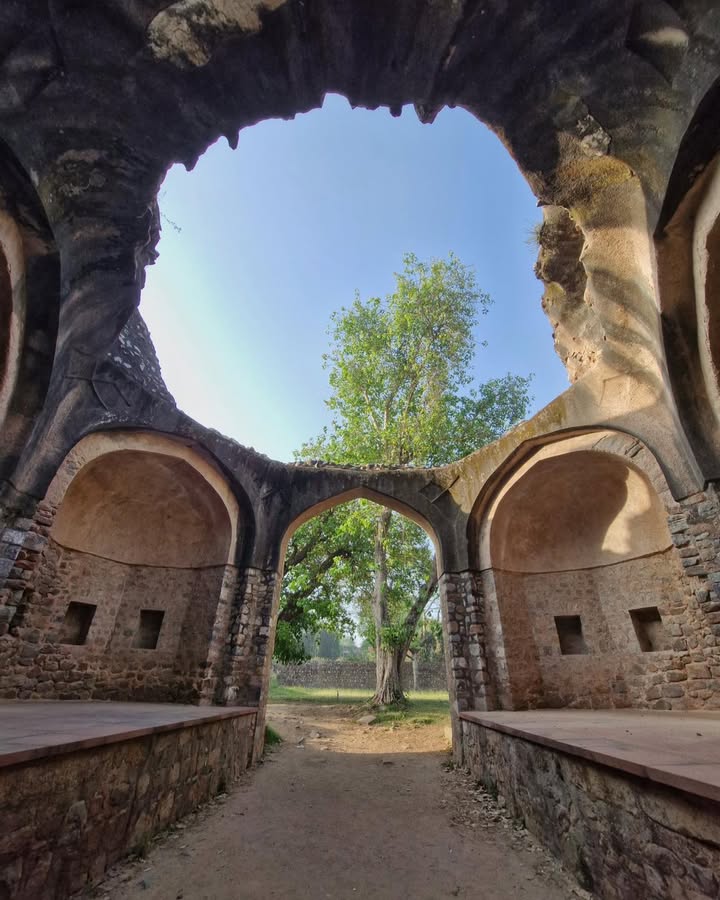
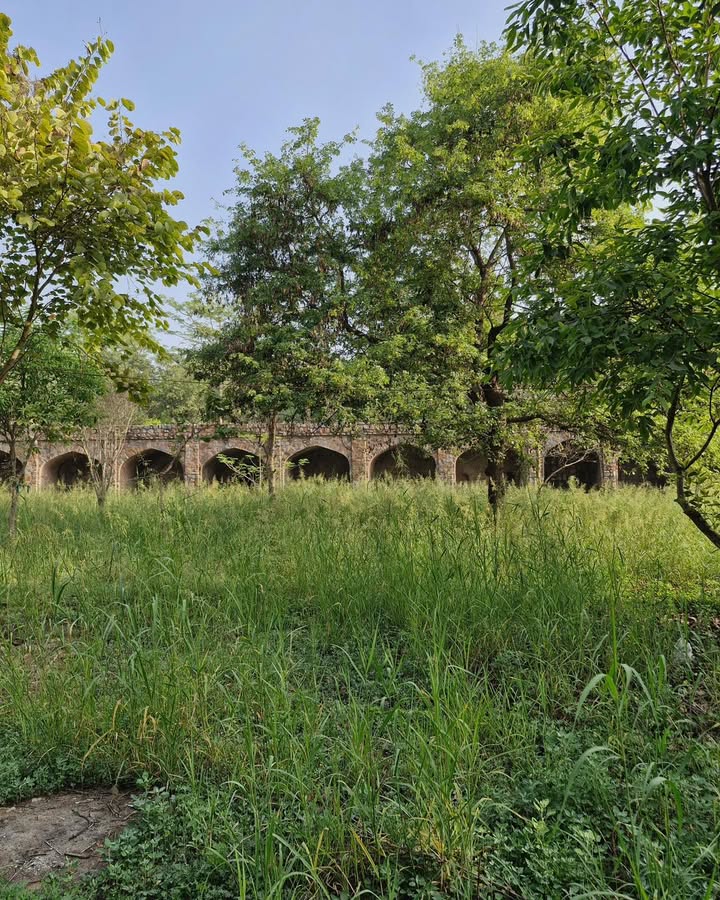
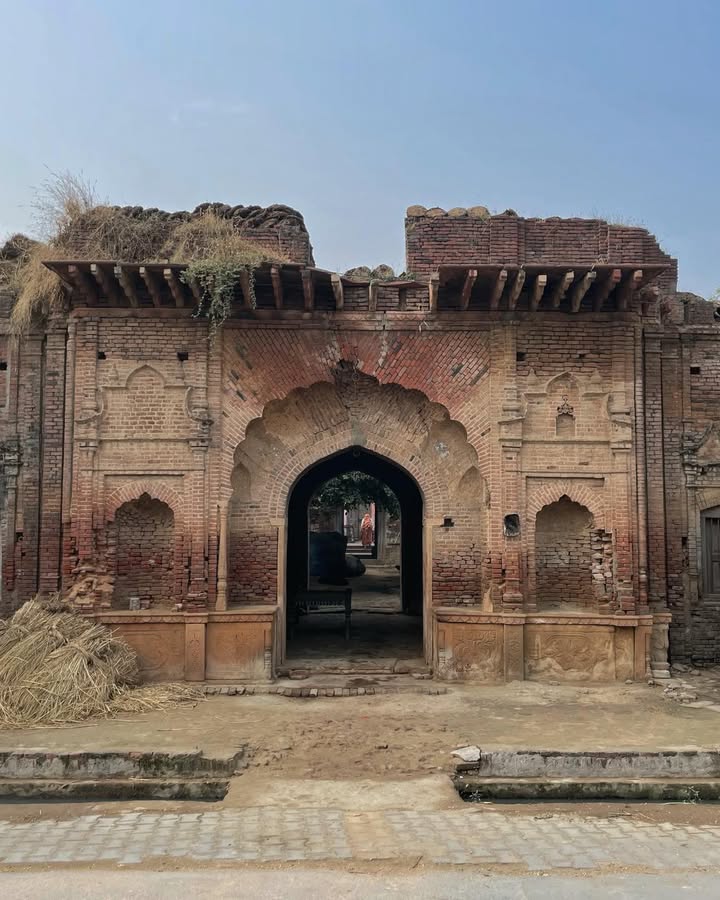
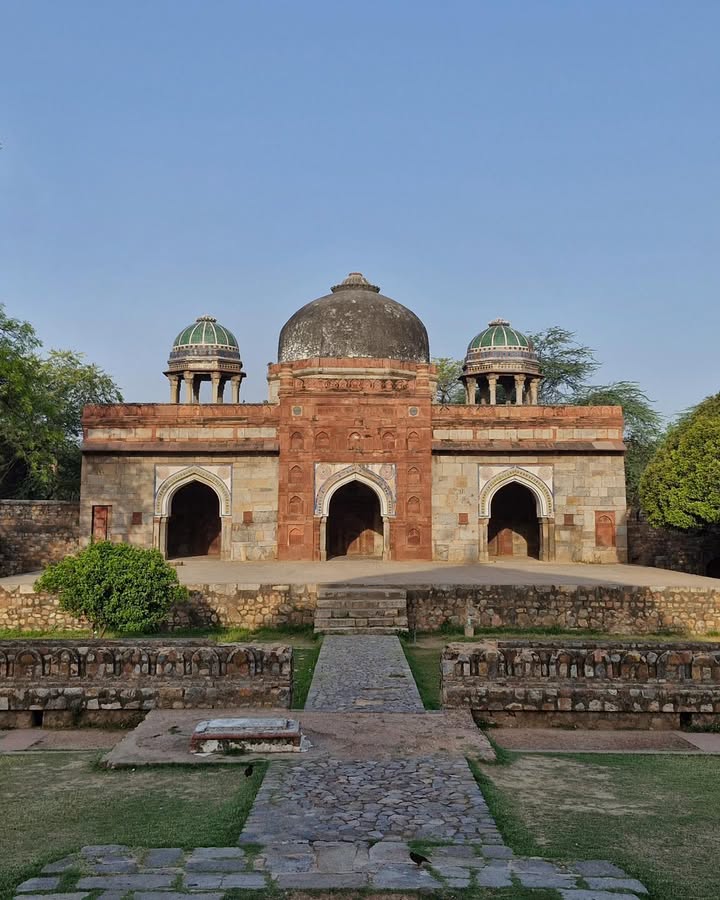
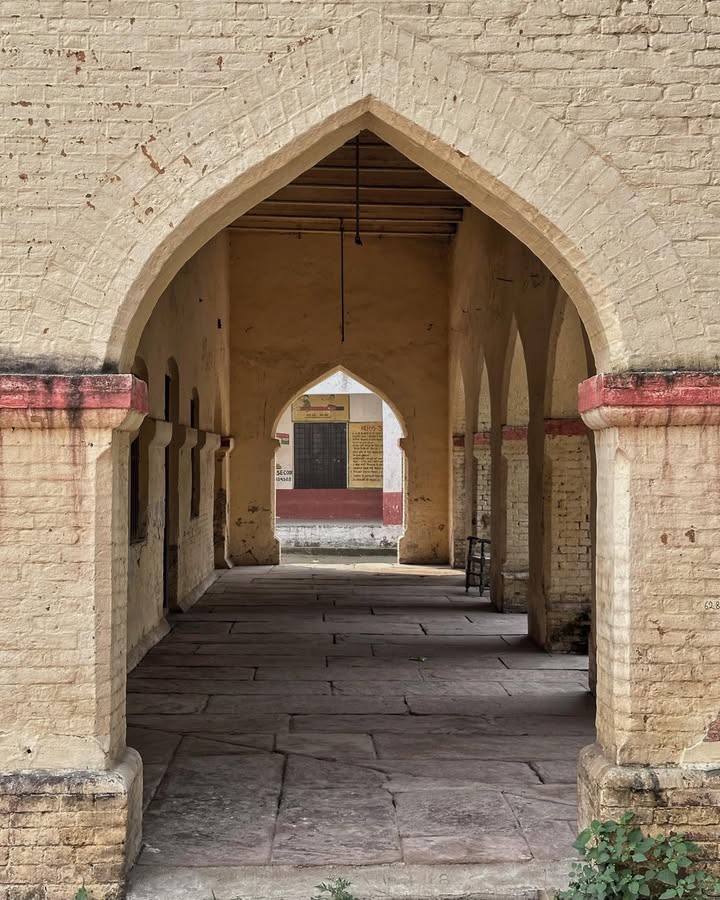
Architecturally, the structure reflects careful planning and functionality. A large rectangular courtyard, surrounded by arched corridors and rows of uniform chambers, provided lodging and secure storage. The scale of the complex suggests organized state support rather than private patronage. While no surviving inscription conclusively names its builder, the dating and architectural character firmly place it within the Malwa Sultanate’s most active phase of construction, a period that also witnessed Mandu’s rise as a prosperous capital under rulers like Sultan Mahmud Khilji.
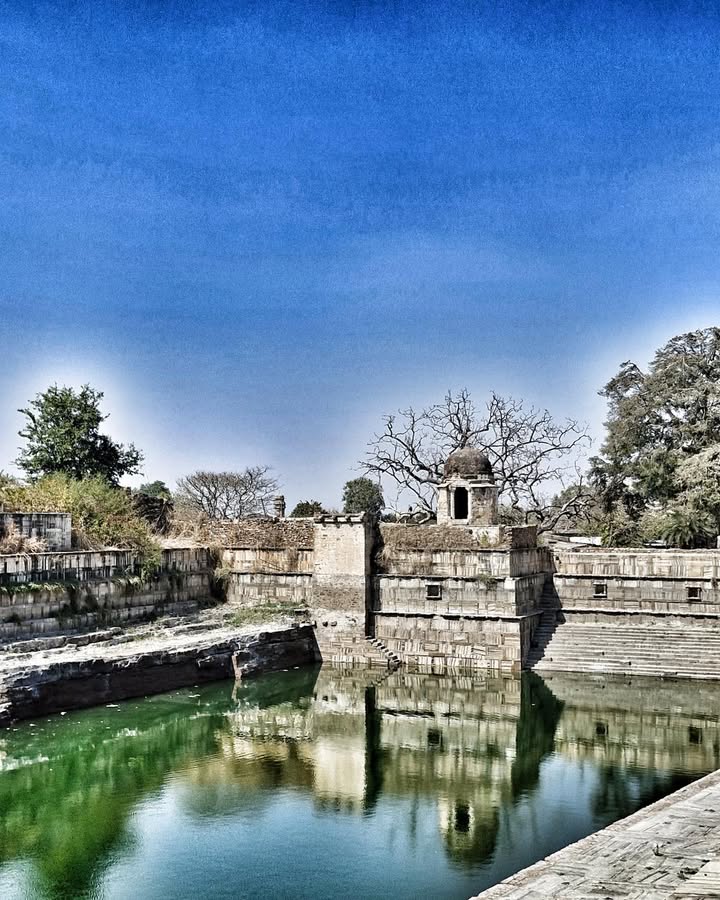
Situated near the Sagar Talao monument complex, the Caravan Sarai today stands in quiet dignity. Its weathered stones still whisper stories of loaded caravans, distant markets, and human connections forged through travel. More than a ruin, it is a reminder that Mandu was not only a city of romance and royalty, but also a thriving crossroads of trade, movement, and shared histories.
Discover such forgotten layers of history in ITIHASNAMA — a premium coffee table book by StudioDharma, featuring 25 meticulously researched heritage stories of Meerut.
Purchase link:
कारवां सराय, मांडू (मध्य प्रदेश)
मध्यकालीन व्यापार और यात्राओं की एक भूली हुई गाथा
मांडू के खामोश खंडहरों के बीच स्थित कारवां सराय उस समय की जीवंत स्मृति है, जब यात्राएँ केवल दूरी तय करना नहीं, बल्कि संस्कृतियों और व्यापार का मिलन होती थीं। लगभग 1437 ईस्वी, मालवा सल्तनत के काल में निर्मित यह सराय व्यापारियों, यात्रियों और दूर-दराज़ से आने वाले काफ़िलों के लिए एक सुव्यवस्थित विश्राम स्थल थी।
यहाँ रुकने वाले काफ़िले अपने पशुओं को विश्राम देते, व्यापारिक सामान सुरक्षित रखते और आगे की यात्रा से पहले नई ऊर्जा प्राप्त करते थे। मांडू की भौगोलिक स्थिति इसे मध्यकालीन व्यापार मार्गों का एक महत्वपूर्ण पड़ाव बनाती थी, और कारवां सराय उसी व्यापारिक जीवन की आवश्यक कड़ी थी।
इस सराय का विशाल आयताकार प्रांगण, चारों ओर बनी मेहराबदार गलियाँ और एक जैसी कक्ष-पंक्तियाँ इसके नियोजित स्थापत्य को दर्शाती हैं। ठहरने और भंडारण के लिए अलग-अलग कक्ष इस बात का प्रमाण हैं कि यह स्थान केवल रुकने का नहीं, बल्कि सुरक्षित और व्यवस्थित संचालन का केंद्र था। इसकी भव्यता मांडू की आर्थिक समृद्धि और प्रशासनिक दूरदर्शिता को उजागर करती है।
मालवा सल्तनत के काल में, विशेष रूप से पंद्रहवीं शताब्दी के मध्य वर्षों में, मांडू स्थापत्य, संस्कृति और व्यापार का एक प्रमुख केंद्र बनकर उभरा। यद्यपि कारवां सराय के निर्माणकर्ता का नाम किसी उपलब्ध अभिलेख में स्पष्ट रूप से दर्ज नहीं है, फिर भी इसका काल और स्थापत्य शैली उसी युग की निर्माण गतिविधियों से पूरी तरह मेल खाती है।
आज सागर तालाब स्मारक समूह के समीप खड़ी यह सराय मौन है, लेकिन इसकी दीवारें अब भी उन यात्राओं की गूंज समेटे हुए हैं — जब मांडू केवल सत्ता का केंद्र नहीं, बल्कि व्यापार, संवाद और मानवीय मेल-मिलाप का एक जीवंत चौराहा था।
ITIHASNAMA — StudioDharma द्वारा प्रकाशित एक प्रीमियम कॉफी टेबल बुक, जिसमें मेरठ के 25 चयनित और शोध-आधारित ऐतिहासिक अध्याय प्रस्तुत किए गए हैं।
खरीदने के लिए लिंक:
.1