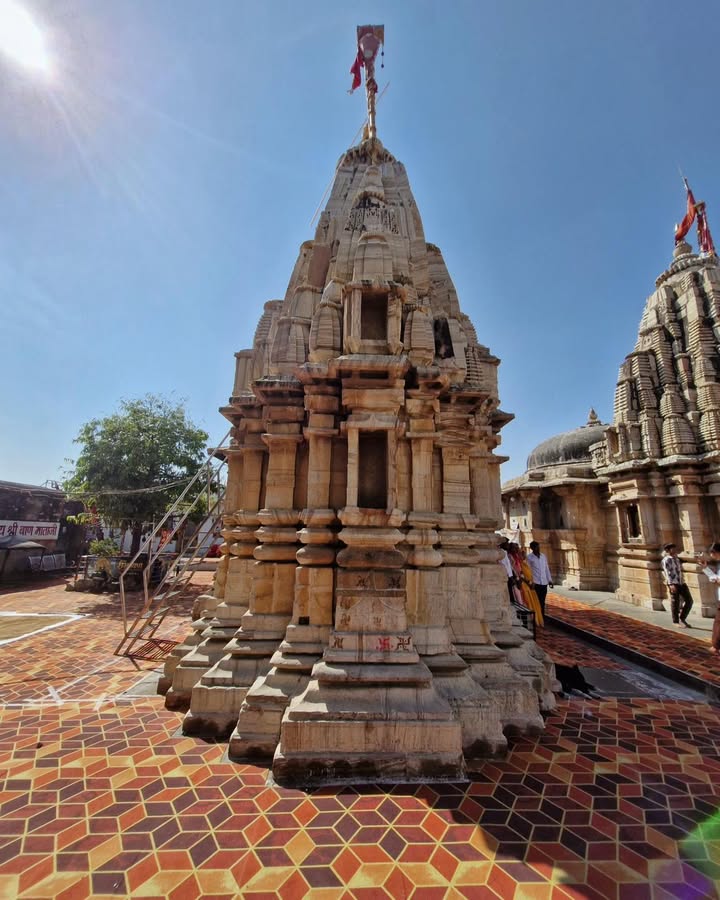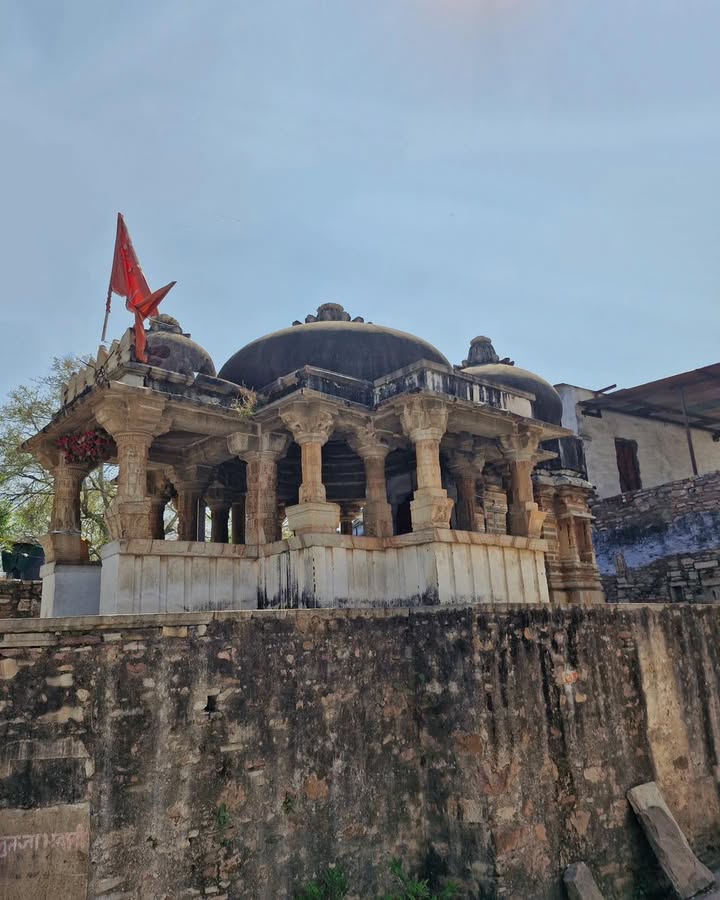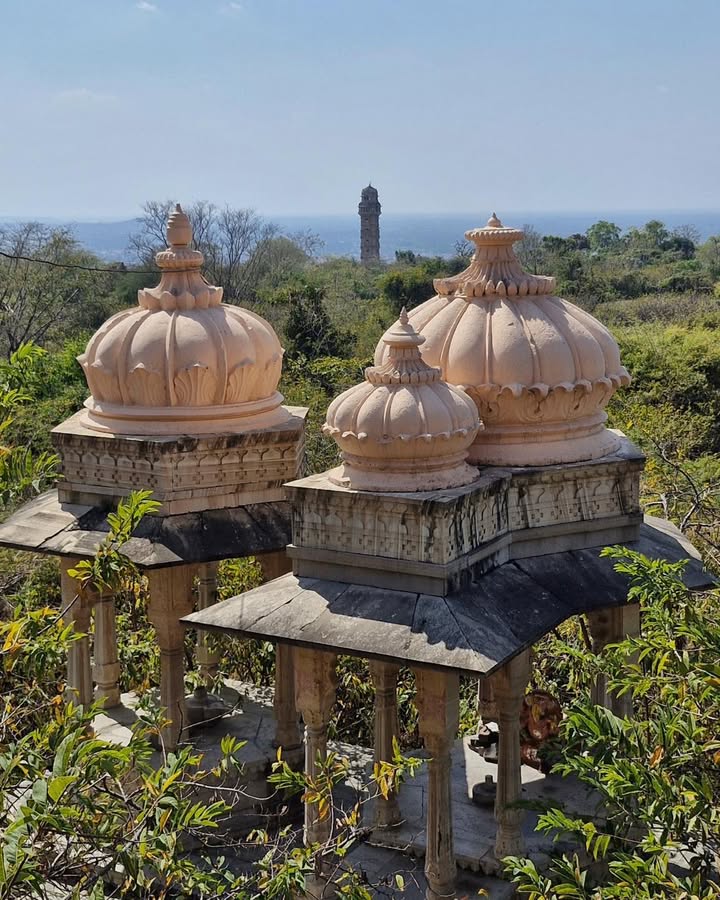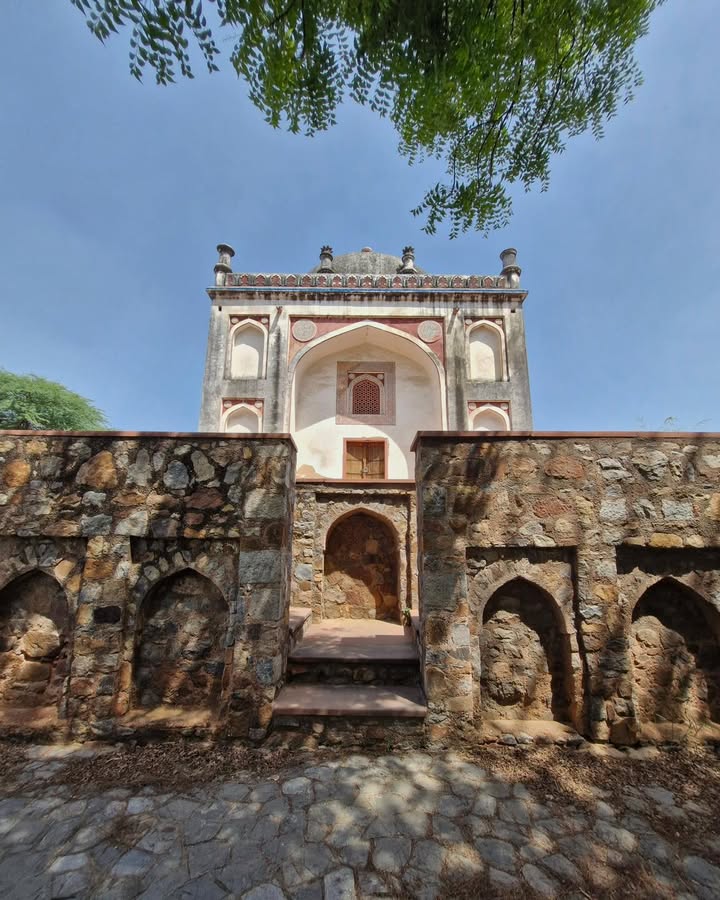
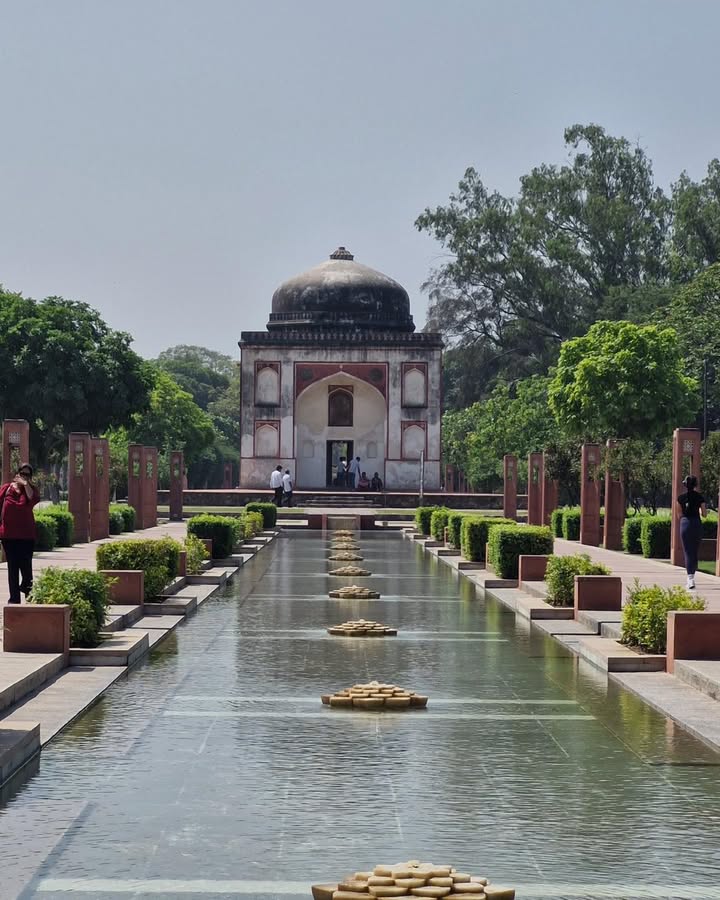
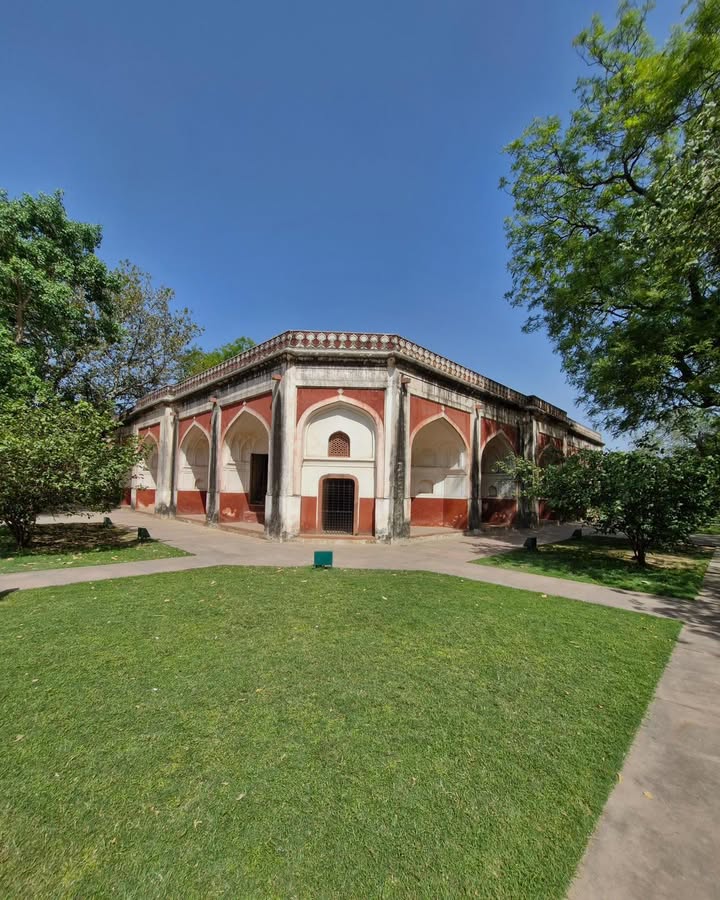
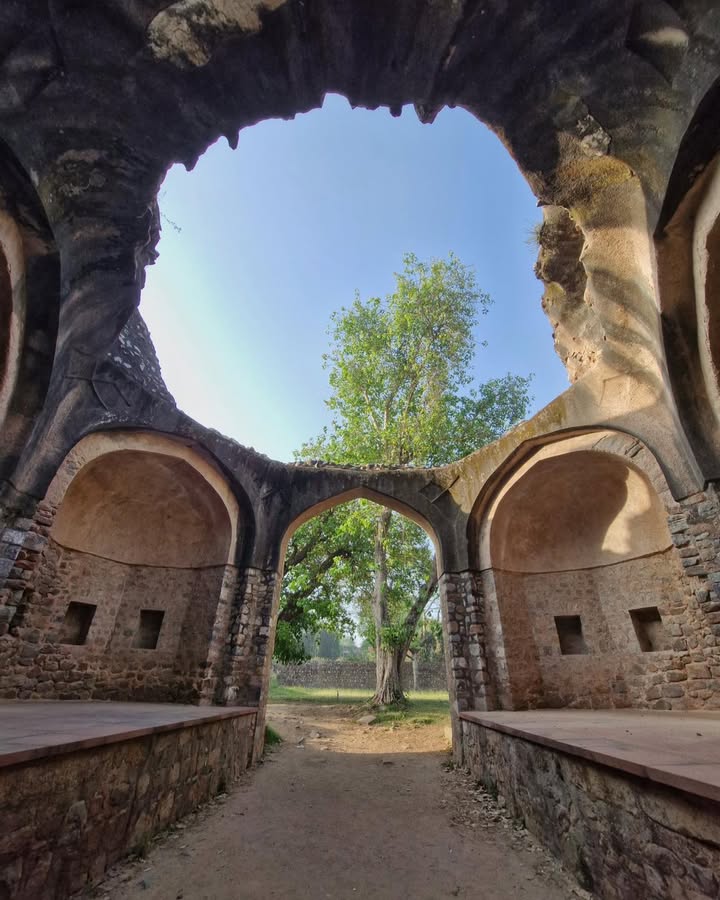
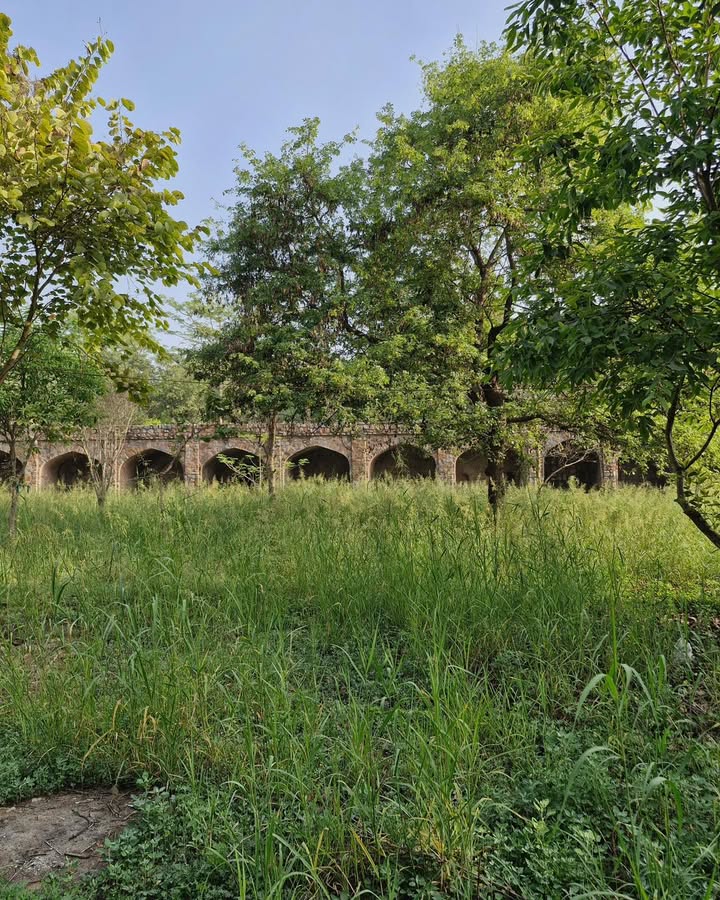













THE DILAWAR KHAN MOSQUE, MANDU The First Sacred Landmark of the Malwa Sultanate.


THE DILAWAR KHAN MOSQUE, MANDU
The First Sacred Landmark of the Malwa Sultanate.
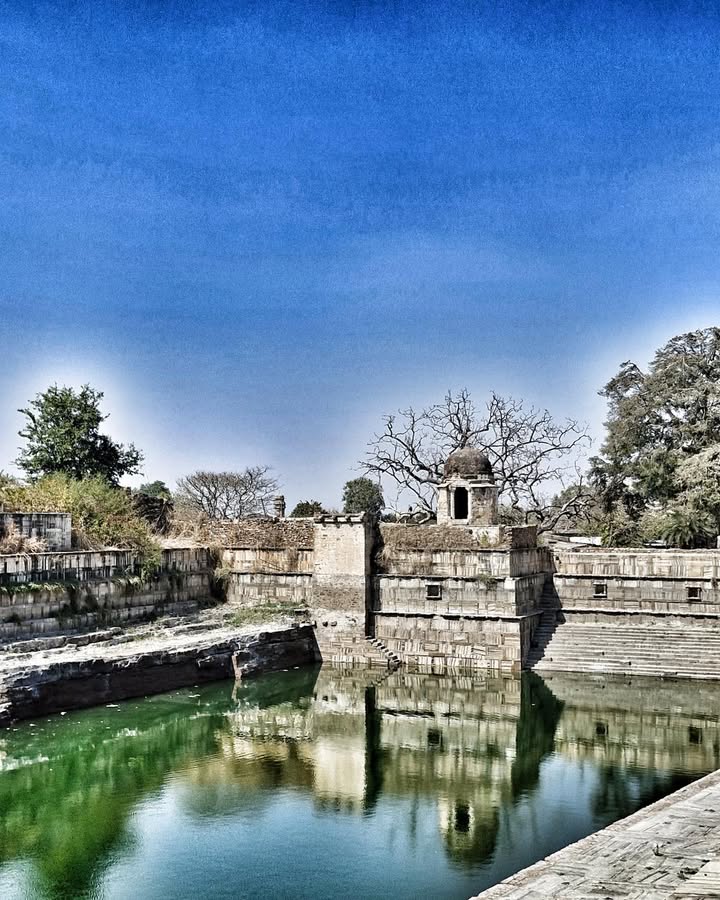
Standing silently on the rocky plateau of Mandu, the Dilawar Khan Mosque marks the very beginning of Islamic architecture in the city and the political rise of the Malwa Sultanate.
The mosque was constructed in 1405 CE by Dilawar Khan Ghori, who was originally the governor of Malwa under the Delhi Sultanate. After the invasion of Delhi by Timur and the gradual collapse of central authority, Dilawar Khan asserted independence around 1401–1402 CE, establishing the Malwa Sultanate. An inscription on the eastern doorway of the mosque confirms the year of its construction, making it one of the earliest firmly dated monuments of Mandu.
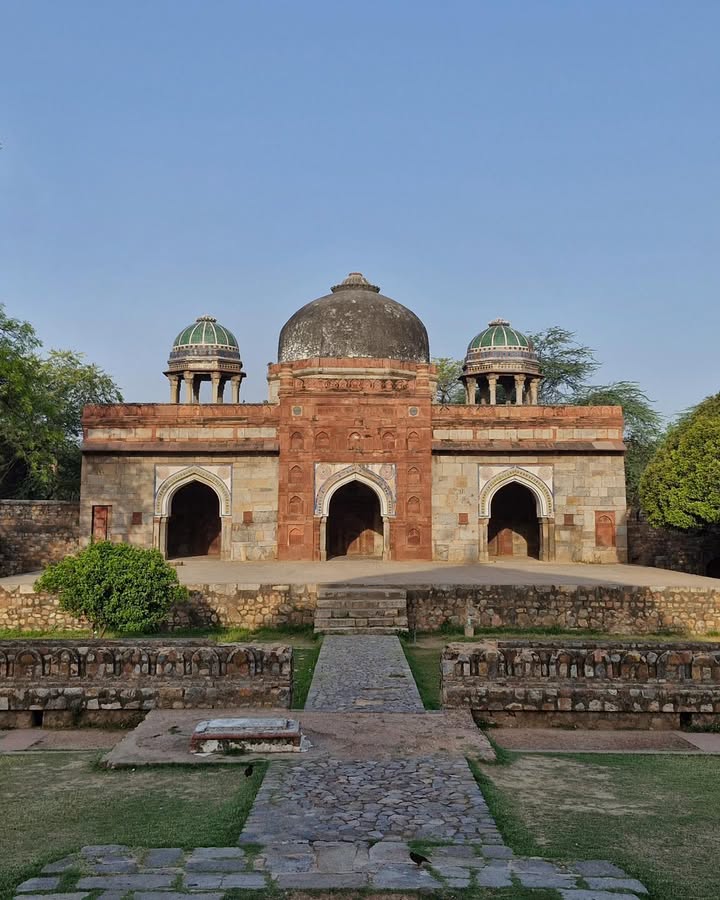
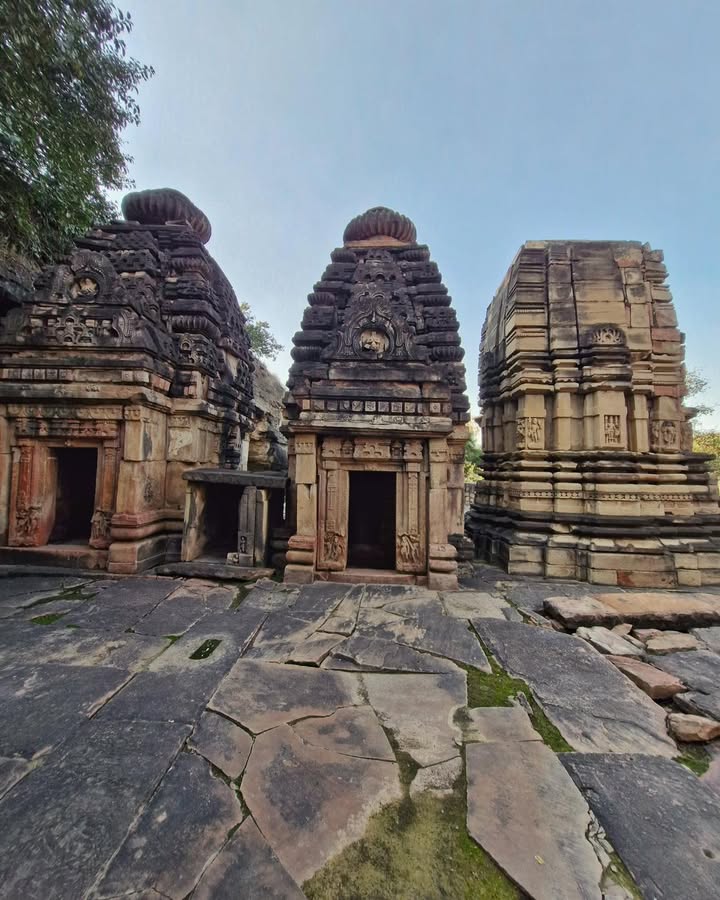
Architecturally, the mosque reflects a transitional phase. Large portions of its structure were built using reused pillars, beams, and ceiling slabs from earlier Hindu and Jain temples, clearly visible in the lotus motifs and intricate carvings. At this early stage, the builders were cautious in adopting new architectural forms, and therefore no large dome was introduced in this structure.
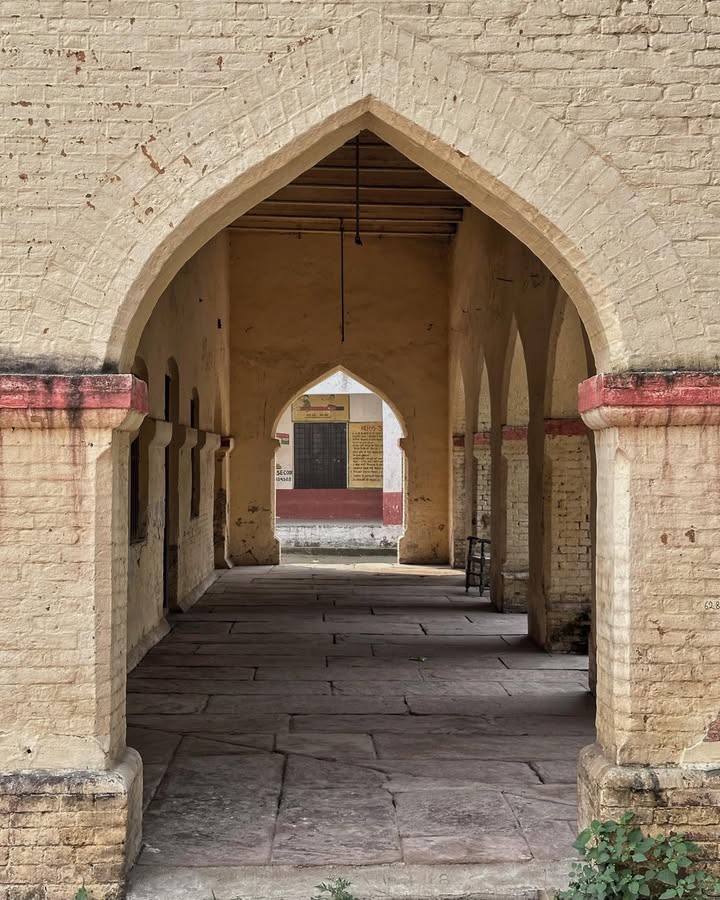
The mosque follows a courtyard-based layout, surrounded by pillared corridors, with a beautifully articulated mihrab on the western wall. Architectural evidence and historical interpretation suggest that the mosque was primarily used by the royal household, rather than serving as a congregational space for the general population. The remains of a nearby hammam (bath complex) further strengthen its association with royal use.
More than a place of worship, the Dilawar Khan Mosque represents a defining moment when local craftsmanship met a new political and cultural identity. This foundation would later allow Mandu to flourish under Dilawar Khan’s son, Hoshang Shah, who shifted the capital from Dhar to Mandu and transformed it into a magnificent royal city.
This research-based storytelling approach is also reflected in ITIHASNAMA by StudioDharma, a premium coffee table book dedicated exclusively to the verified heritage of Meerut.
Purchase link:
दिलावर ख़ान मस्जिद, मांडू
मालवा सल्तनत की आरंभिक स्थापत्य पहचान
मांडू के पठार पर स्थित दिलावर ख़ान मस्जिद केवल एक धार्मिक संरचना नहीं है, बल्कि यह मालवा सल्तनत के उदय और मांडू के इतिहास की पहली इस्लामी स्थापत्य पहचान मानी जाती है।
इस मस्जिद का निर्माण 1405 ईस्वी में दिलावर ख़ान ग़ौरी द्वारा कराया गया था, जो उस समय दिल्ली सल्तनत के अधीन मालवा के सूबेदार थे। तैमूर के आक्रमण के बाद जब दिल्ली की केंद्रीय सत्ता कमजोर हुई, तब दिलावर ख़ान ने लगभग 1401–1402 ईस्वी में अपनी स्वतंत्र सत्ता की स्थापना की। मस्जिद के पूर्वी द्वार पर स्थित शिलालेख इसके निर्माण वर्ष की स्पष्ट पुष्टि करता है।
स्थापत्य की दृष्टि से यह मस्जिद एक संक्रमणकालीन उदाहरण है। इसमें बड़ी मात्रा में पूर्ववर्ती हिंदू और जैन मंदिरों से प्राप्त स्तंभों, शिलाओं और छतों के हिस्सों का उपयोग किया गया है, जिन पर कमल, बेल-बूटे और पारंपरिक नक्काशी आज भी देखी जा सकती है। उस समय के कारीगर नई इस्लामी स्थापत्य शैली के साथ प्रयोग की प्रारंभिक अवस्था में थे, इसलिए इस संरचना में बड़े गुंबद का प्रयोग नहीं किया गया।
मस्जिद का विन्यास एक खुले प्रांगण के चारों ओर स्तंभयुक्त गलियारों के रूप में है, तथा पश्चिमी दीवार में सुसज्जित मेहराब स्थित है। ऐतिहासिक और स्थापत्य संकेतों के आधार पर यह माना जाता है कि यह मस्जिद मुख्यतः शाही परिवार से संबंधित थी। समीप स्थित हमाम (स्नानागार) के अवशेष भी इसके राजकीय उपयोग की ओर संकेत करते हैं।
दिलावर ख़ान मस्जिद उस दौर की प्रतिनिधि संरचना है, जब स्थानीय स्थापत्य परंपराएँ एक नई राजनीतिक सत्ता के साथ जुड़ रही थीं। आगे चलकर दिलावर ख़ान के पुत्र होशंग शाह के शासनकाल में यही आधार मांडू को एक भव्य शाही नगरी के रूप में स्थापित करता है।
ITIHASNAMA by StudioDharma एक प्रीमियम कॉफी टेबल बुक है, जो मेरठ की प्रमाणिक और शोध-आधारित ऐतिहासिक धरोहरों को समर्पित है।
खरीदने के लिए लिंक: